
UPS delivers 16% revenue growth but shares price in future downside
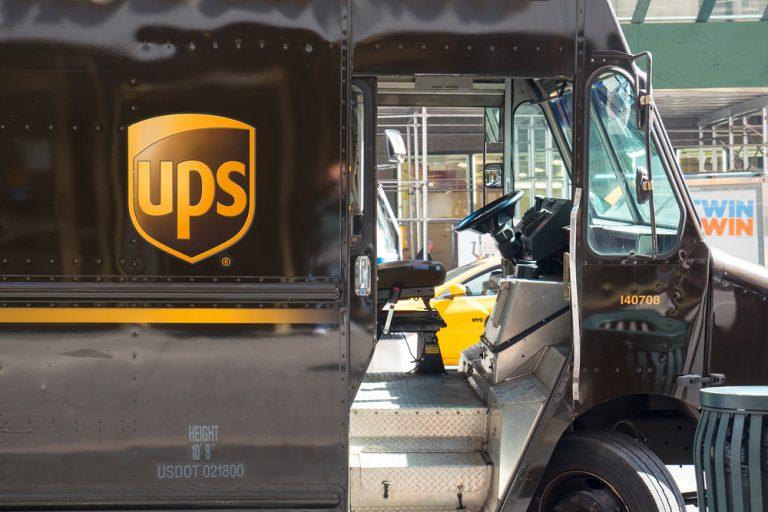
US-based international parcel company, UPS (NYSE:UPS) saw its shares drop on Tuesday, despite posting some healthy financial gains during third quarter trading.
The company booked Q3 consolidated revenue of $21.2 billion, up 15.9% year-on-year. Similarly, the company’s consolidated average daily volume increased 13.5% on-year, while net income rose by 11.8% and 10.7% on an adjusted basis, to $2.0 billion.
The company also recorded a third quarter operating profit of $2.4 billion, up 11.0% versus last year, and 9.9% on an adjusted basis. Fundamentals appeared equally peachy for UPS shareholders, with adjusted diluted earnings per share bouncing 10.1% year-on-year.
“Our performance highlights the agility of our global integrated network amid the ongoing challenges of the pandemic. Our results were fuelled by continued strong outbound demand from Asia and growth from small and medium-sized businesses,” said Carol Tomé, UPS chief executive officer.
“UPSers are everyday heroes who are keeping the world’s supply chains moving. I want to thank our team for their ongoing commitment to our customers and the communities we serve.”
In its US operations, the company saw its profits fall by more than $100 billion during Q3, even though daily average volume increased by 13.8%.
In its International Segment, volumes rose by 12.1% and profits spiked by over $300 million.
For its Supply and Freight business, revenues increased by 16.5%, and profits rose by around $50 million.
“Our Better, not Bigger approach had a positive impact on our performance in the quarter, specifically through the revenue-quality actions we’ve taken. Additionally, we recently launched new initiatives to further reduce our costs,” said Brian Newman, UPS chief financial officer.
“Looking ahead to the fourth quarter, we are collaborating with our customers and using our proven tools to control volume and ensure the resiliency of our network. We are focused on delivering a successful peak and generating cash returns.”
Following what was seemingly a positive update, UPS shares dipped by between 4% and 5%, down to just over $163 a share. This price dip perhaps anticipates some bounce-back against the rapid rise of deliveries during lockdown, and prices in the effect of a possible increase in face-to-face retail activity as vaccines start to be administered in the new year.
At present, the UPS price is around 10% ahead of analysts’ target of $146.75 a share. Analysts currently have a consensus ‘Buy’ rating on the stock; it has a p/e ratio of 32.05; and the Marketbeat community has a 51.90% ‘Underperform’ stance on the stock.
Ibstock reports decline in revenue, shares fall

Ibstock (LON: IBST) shares are down on Wednesday after the group issued a trading update for the period to 30 September 2020.
Group revenues for the period were 88% of those compared to the same period last year.
Ibstock has seen a continuing recovery in demand, with trading conditions improving steadily across the third quarter.
“As volumes have continued to improve, the benefit of the cost and capacity actions taken since the start of the second quarter have resulted in an encouraging recovery in margins across both businesses which are trending towards pre-COVID-19 levels on a run-rate basis,” said the manufacturer of clay bricks and concrete products.
“We have continued to operate our manufacturing sites in line with the recovery in customer demand and to ensure we have capacity in place to deliver on our volume expectations for the final quarter. As has been the priority since the onset of the pandemic, this has been done whilst ensuring the health and safety of our colleagues, with revised working protocols, including social distancing measures and onsite temperature checks, in place at all of the Group’s locations.”
Ibstock adjusted EBITDA for the 2020 financial year to be approximately £50m.
Joe Hudson, the chief executive of Ibstock, commented: “We are encouraged by the continued recovery in demand seen in the third quarter in both our Clay and Concrete businesses, although we remain mindful that there is significant uncertainty in the period ahead.
“We remain confident in the recovery of our markets over time and that the actions we have taken in the business leave us both with the necessary flexibility to meet current challenges and an organisation well positioned to take full advantage of future opportunities,” added Hudson.
Ibstock shares (LON: IBST) are -9.86% at 161,20 (1442GMT). Over the last year, Ibstock share price has been traded in a range of 191.7, hitting a high of 323.6, and a low of 131.9.
Rolls-Royce: Why are shares at a 15-year low?
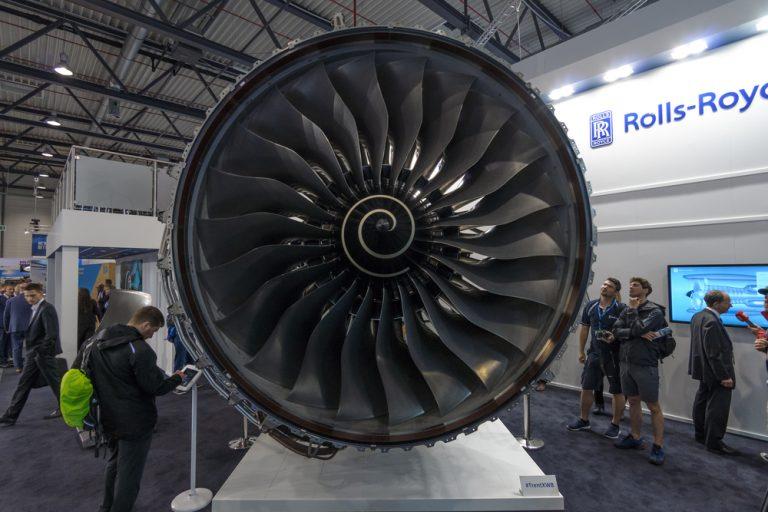
Rolls-Royce shares (LON: RR) plunged 56.7% today after the FTSE 100 firm voted in favour of a £2bn rights issue.
Shares in the engine-maker were trading at 94.85p today, which is a 95% fall in value over the course of the year.
Shares are currently their lowest since April 2003.
Yesterday shareholders voted in favour for the company to issue 6.4bn new shares, which unlocked £5bn in extra liquidity and a new £2bn bond issue.
New shares will cost 32p each, which is a 41.4pc discount to the 130p closing price on September 30.
Rolls-Royce has been hammered by the Coronavirus pandemic as international travel remains at record lows.
“At a time where the company is already struggling to cope with the fallout from the first set of lockdowns, the almost inevitable period of secondary lockdowns in Europe does little to bolster confidence for Rolls-Royce,” said Joshua Mahony, senior market analyst at IG.
“With the current market cap down to £1.54bn, it is understandable for investors to question the value of a company that could easily end up pushing for yet another multi-billion rights issue down the line.”
The firm slumped to a £5.4bn half-year loss in August.
Joachim Kotze, from Morningstar, commented: “This is a marked increase and investors who choose to follow their rights must have a high level of confidence that the company can return to previous levels of profitability to justify the commitment.
“Alternatively, if shareholders don’t follow their rights, they will be diluted away and will not get any upside at all – but at least they don’t risk losing additional capital,” he said.
Rolls-Royce shares (LON: RR) are currently trading +10.70% at 83,19 (1420GMT).
Boeing to cut 20% total workforce
Boeing has said that it plans to cut thousands of additional jobs in upcoming months.
Chief executive of the US airline, Dave Calhoun, said that he hopes staff numbers will be reduced from 160,000 to 130,000 by the end of 2021.
In a memo to staff he said: “As we align to market realities, our business units and functions are carefully making staffing decisions to prioritize natural attrition and stability in order to limit the impact on our people and our company.”
“We anticipate a workforce of about 130,000 employees by the end of 2021. Throughout this process, we will communicate with you every step of the way.”
Boeing has reported four straight quarterly declines with a $466m (£354m) loss for the three months to 30 September.
GSK and Sanofi sign Statement of Intent to provide 200m COVID vaccines
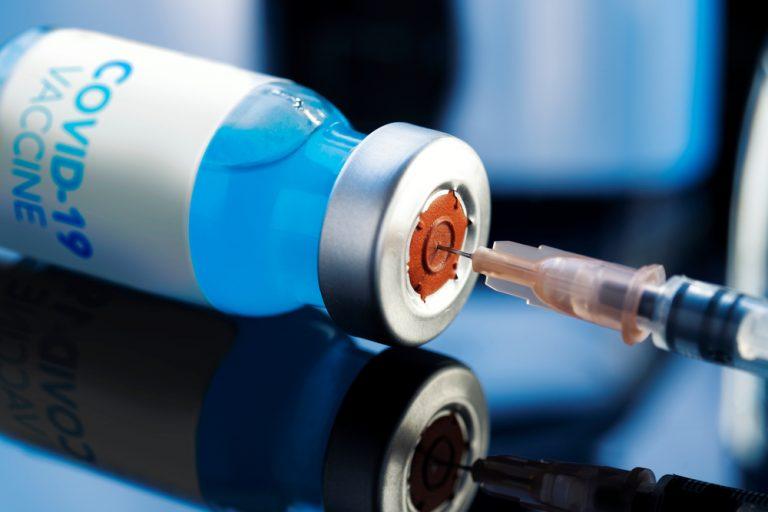
The COVAX Facility is led by the Gavi vaccine alliance group, and has the goal of allowing companies and researchers to collaborate, and develop, produce and provide equitable access to COVID tests, treatments and vaccines. In service of this alliance, UK health giant GSK (LON:GSK) and French pharma blue chip Sanofi (EPA:SAN) have signed a Statement of Intent with Gavi, for the supply of 200 million COVID vaccine doses.
Once necessary approvals are gained, both companies say they will make their adjuvanted recombinant protein-based COVID-19 vaccine available to the COVAX Facility, to contribute towards its goal of “[reaching] those in need, whoever they are and wherever they live”.
Speaking on the companies’ commitment, Thomas Triomphe, Executive Vice President and Global Head of Sanofi Pasteur, said:
“To address a global health crisis of this magnitude, it takes unique partnerships. The commitment we are announcing today for the COVAX Facility can help us together stand a better chance of bringing the pandemic under control. This moment also reflects our long-term commitment to global health and ensures our COVID-19 vaccines are affordable and accessible to those most at risk, everywhere in the world.”
Roger Connor, President of GSK Vaccines added:
“Since we started working on the development of COVID-19 vaccines, GSK has pledged to make them available to people around the world. We are proud to be working with Sanofi to make this adjuvanted recombinant protein-based vaccine available to the countries signed up to the COVAX Facility as soon as possible – this has the potential to be a significant contribution to the global fight against COVID-19.”
Having initiated the first of two phases of its trials on September 3, with 440 participants enrolled, GSK stated that it expects first results in early December 2020. It said these results being secured would be ‘pivotal’ to support the initiation of a Phase 3 study before the end of the year. Should the data prove sufficient for licensure application, GSK said it will request regulatory approval during the first half of 2021. In parallel, GSK said that it and Sanofi had been scaling up manufacturing of the antigen and adjuvant respectively. The company adds that the use of an adjuvant technology is particularly important in a pandemic situation, given that it may reduce the amount of vaccine protein required per dose. It continued, saying that it does not expect profit to be made from the COVID vaccine during the pandemic phase, and said it will invest any short-term profit back into COVID-related research and long-term vaccine preparedness.Tribal Group hikes profit expectations, shares rise

Tribal Group shares (LON: TRB) are up almost 8% this morning after the group released a trading update for the year ending 31 December 2020.
The provider of software and services to the international education market said in the update that it “performed well” in the second half of the year to date, Despite sales cycles being protracted as a result of the pandemic.
Tribal Group now anticipates reporting profits for the year comfortably ahead of current market expectations in the region of £72m.
The firm has said that it will pay an interim dividend of 1.1 pence per share.
“During the third quarter, we have continued to make positive progress against our strategic objectives, winning new customers, retaining and growing our existing customers, while investing in the transition of our offerings to the cloud,” said Mark Pickett, the CEO of Tribal Group.
“We are pleased to have paid back all government support received during the COVID-19 period and to reinstate our dividend. I would like to thank all of our team for their continued hard work and commitment to Tribal and our customers through this difficult time.
“Our priorities for the remainder of 2020 are to continue to protect the business from the impact of COVID-19, win new customers, retain and grow existing customer relationships, and deliver on the Tribal Edge strategy.
“Never has the need for cloud-based solutions for the Education market been more pressing. The investments we have made position us at the forefront of this evolution in our industry, providing for an exciting future for Tribal.”
Tribal Group shares (LON: TRB) are currently +7.69% at 70,00 (1242GMT).
Shoe Zone shares down as group admits to “challenging” year
Shoe Zone shares (LON: SHOE) plunged on Wednesday after the group a “challenging” second half of the year.
Store trading since reopening in June has been -20% year on year whilst digital trading has broadly increased by 100% year on year.
The retailer said it had been impacted by lockdown and continues to be hit worst now in tier two and three locations across England.
Revenue for the 52-week period to 5 October 2020 was down from £161.9m to £122.6m.
Shoe Zone expects to report a loss before tax in the range of £10m to £12m.
Anthony Smith, Chief Executive, commented: “Shoe Zone has ended an incredibly challenging year with a robust plan and sufficient funding in place to ensure the future survival of the business. The exceptional growth in digital sales since the start of the COVID-19 pandemic demonstrates the flexibility of our operating model, and follows the decision to create an autonomous Digital department in 2019. However, it is very difficult at this stage to provide meaningful guidance on the future outlook, given the material uncertainty in the wider economy.
“The suspension of rates in April 2020 was a significant benefit for our business in FY20 and was in line with the government’s desire to save the high street. However, the government has announced the reintroduction of the antiquated business rates system in April 2021 and to make matters worse has delayed the revaluation. The consequence to Shoe Zone will be the closure of up to 45 stores prior to April 2021 and the potential closure of a further 45 stores in the 12 months following the reintroduction. In total this would represent the closure of up to 20% of our store estate in the next 18 to 24 months.”
Shoe Zone shares (LON: SHOE) are trading -20% at 36,22 (1048GMT). This year, shares have fallen from highs of 192.50p in January.
FTSE 100 hits six-month low

The FTSE 100 has hit a six-month low, shedding 85 points and falling to 5644 points.
The blue-chip index has lost around 25% of its value this year so far amid the Coronavirus pandemic.
Top fallers of the FTSE 100 on Wednesday are Property companies British Land and Land Securities. Airline group including IAG was also down this morning by 4.5%.
Shares in Cineworld are down 7% this morning. The group has already temporarily closed all UK and US outlets.
Meanwhile, European stocks have also sunk to a four-month low.
France’s CAC index fell 2% ahead of president Macron’s speech this evening. Germany’s DAX index was down 1.8%, following reports that Angela Merkel is proposing the closure of bars, fitness studios, discos, and cinemas. Meanwhile, in Spain, the IBEX is down 1.4%.
Connor Campbell from Spreadex commented on this morning’s lows: “Grim. That’s the only word that can describe the markets on Wednesday morning, investors’ covid-19 fears attacking stock prices in ways not seen since the start of the Western phase of the pandemic back in March.
“They’re not wrong to be worried. Emmanuel Macron is likely to announce a month-long national lockdown in France this evening, after the country posted its highest number of daily fatalities since April. Angela Merkel is set to argue for ‘lockdown light’ when she talks to Germany’s regional leaders later today. And in the UK, the daily death total hit its worst levels since May, increasing the call for a nationwide ‘circuit breaker’, rather than the government’s current piecemeal approach.
“The DAX and CAC, which have spent the week trading off the title of worst hit major index, both shed 3% after the bell. That leaves the German bourse clinging on above 11,700 – just – and at its lowest level in close to 5-months. The French index echoed those lows, as it fell the wrong side of 4600.
“As it has done for much of the week, the FTSE managed to keep its losses at the lower end of the day’s declines. Not that that meant much – it still translated to a 2% drop, forcing it to a 6 and a half month nadir of 5625,” he added.
Next hikes profit forecast amid rise in sales
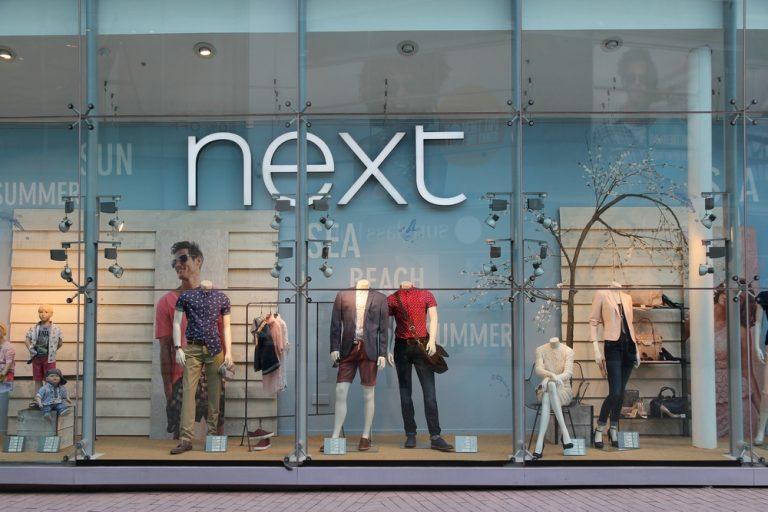
Next (LON: NXT) has revealed better than expected sales for the third quarter of the year.
The fashion retailer has hiked its profit forecast for the year to £365m – up from £300m.
Despite the pandemic, sales in the three months to 24 October were 2.8% higher than the year previously.
Year-end net debt is forecast to reduce by £487m to £625m.
Home and childrenswear at the retailer are over-performing, however, the demand for men’s and women’s formal and occasion clothing is weaker.
In Retail, out of town retail parks continue to perform better than high streets and shopping centres. Online sales at Next were strong in the quarter and increased by 23.1%.
“We have revised our guidance scenarios for the fourth quarter, which are set out below. There remains a very high degree of uncertainty in our estimates and much will depend on the progress of the pandemic, along with the Government and consumer reaction to developments,” said Next in a statement.
“Our assumptions for each scenario regarding further lockdowns, Retail footfall, capacity constraints and stock are also given in the table. We would not want to give the impression that the assumptions below and their consequences are scientific or precise; they are intended to give an indication of the sort of things that might help or hinder sales in the run up to Christmas.”
“The biggest single unknown is whether England, Scotland and Northern Ireland will follow Wales’ decision to shut non-essential retail shops. A two week lockdown in England, Scotland and Northern Ireland in November would reduce Retail full price sales by around £57m3 (depending on timing), representing 17% of Retail full price sales and 6% of the Group’s full price sales in the quarter.”
Shares in Next (LON: NXT) are trading at 6.120,00 (0851GMT).
Deutsche Bank beats expectations and swings to profit
Deutsche Bank has reported a profit for the third quarter.
Net profit revealed a net profit of €182m with a 13% growth in net revenues to €5.9bn.
This growth in profits was much higher than analyst expectations for the period, who predicted a €77m loss. The German lender posted a net loss of €832m for the same period last year.
Chief executive Christian Sewing said: “In the fifth quarter of our
transformation, we not only demonstrated continued cost discipline, but also our ability to gain market share.
“Our more focused business model is paying off and we see a substantial part of our revenue growth as sustainable.
“Our balance sheet strength and high quality risk management enable us both to support clients in challenging times and to take advantage of new business opportunities,” he added.
Deutsche Bank’s share price is up more than 15% this year so far and has recovered from a decline during the March coronavirus crash.
The bank has made a loss for the past five years and is undergoing cost-cutting schemes by cutting jobs, exiting some businesses, and cutting costs.
CFO James von Moltke told CNBC: “We are now very focused on the businesses where we can compete and win, and where our businesses and our clients and our people know where we are focused and where we can be really competitive, so I think we are seeing the benefits of that focus.”
The bank is reportedly in talks to sell a IT services unit to Tata Consulting Services (TCS). The result of the deal is expected to be shared by the end of the year.
This week, major lenders have shared trading updates with HSBC revealing a 36% slide in profits and Santander posting a profit for the third quarter.