
North American funds and the “tectonic shift toward sustainability”

As global markets continue to be gripped by the Coronavirus pandemic, the recent US election also had its part to play in the recent volatility.
The strung-out election week saw US big tech stocks surge, which helped to see Nasdaq bounce over 6%, while the Dow Jones hiked up by around 3.5% amid the results.
Despite the ongoing volatility, US markets have continued to rise since summer – particularly in comparison to other major regions across the world.
The US is among the world’s most dynamic economies and has created some of the world’s most powerful and innovative companies.
We take a look at two North American investment funds and how they are shifting focus amid the pandemic.
Spirax-Sarco shares dip as pandemic continues to hamper industrial production

FTSE 100 listed steam management and engineering firm, Spirax-Sarco (LON:SPX), saw its shares fall on Wednesday, as the company noted the lingering effects of the COVID pandemic on industrial activity.
During the second quarter, industrial production (IP) fell by 12%. Although this improved to a 4% year-on-year decline during the third quarter, the company noted that two consecutive months of growth ‘slowed markedly’ in August and September, as activity began to approach pre-pandemic levels.
Spirax-Sarco said that trading has ‘continued to hold up well’ even against the challenging macroeconomic backdrop. All of its facilities remain open, and organic sales decline in the four months to the end of October was less pronounced than during the first half.
Its Steam Specialities business benefitted from the reduced IP contraction and IP growth in China. Its Electric Thermal Solutions business saw similar trends, with a continued decline in its Chromalox product was offset by growth in its Thermocoax offering. Finally, the company said that the Watson-Marlow Fluid Technology Group enjoyed strong sales to the biopharmaceutical sector.
Group operating profit remained ‘slightly below’ the same period the previous year, and the company noted that currency effects continued to have ‘an adverse impact’, as sterling maintained strength versus its basket of trade currencies. Speaking on its outlook, the Spirax-Sarco statement read: “After reaching a low point in the second quarter when global IP contracted 12%, macro-economic conditions improved in the third quarter with a global IP contraction of 4%. IP is now forecast to contract by an overall 5.5% in 2020. ” “However, the sequential month-on-month rate of IP growth slowed markedly in August and September, infection rates remain high in the Americas and increasing levels in Europe are resulting in further lockdowns. Although the impact on IP growth in the fourth quarter resulting from the COVID-19 resurgence remains uncertain, these factors could further slow the rate of IP recovery in the final quarter of 2020, as we anticipated at the Half Year results announcement in August.”Following the news, the Spirax-Sarco shares dipped by around 4.5%, down to 11,370.00p a share 18/11/20. Analysts currently have a consensus ‘Hold’ stance on the stock, and a target price of 8,549.23p, around 25% below its current level.
Market dynamics of UK and US small cap growth shares
Alan Green joins the UK Investor Magazine Podcast to dissect the factors driving the small caps markets in the United States and the UK. We explore factors such as vaccines, Brexit and natural resources.
In keeping with prior Podcasts, we pay attention to three UK equities in Bidstack (BIDS), Destiny Pharma (DEST) and RA International (RAI).
Micro Focus shares rally on positive outlook

Micro Focus shares (LON: MCRO) surged over 20% as the group confirmed that earnings margins for FY20 will be “towards the upper end of management expectations”.
In a trading statement, the software group said revenue declined by approximately 9% compared to the second half of the previous year.
This is an improvement in the revenue trajectory of 2% compared to the first half of the financial year. Set against the context of continued challenging market conditions, “this performance is encouraging,” said the group in a statement.
Chief executive Stephen Murdoch said:
“We are in extraordinary times as a result of COVID-19 and I must take this opportunity to express my sincere thanks to our employees for how they have adapted to the challenges presented and ensured we stay focused on delivering for our customers.
“We are now nine months into our three year turnaround plan for the Group and whilst there remains a great deal to do I am pleased with progress in both overall operational effectiveness and in the delivery of our key strategic objectives. Cash generation and working capital management remain strong, the investments we’ve made are showing encouraging early results and we continue to see a clear, ongoing customer need for our solutions and approach to digital transformation.
“I am confident we are making the changes and building the foundations necessary to continue to make progress in the delivery of our plan.”
Micro Focus shares (LON: MCRO) are up 27.46% at 346,30 (1018GMT).
UK inflation picks up amid higher clothing & food prices
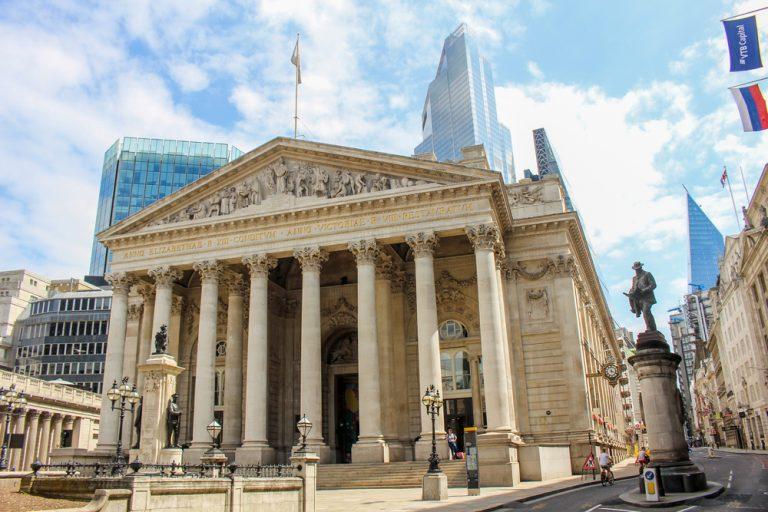
UK inflation has edged up to 0.7% in October.
The inflation rose from 0.5% in September and was pushed up by rising clothing prices, food, and second-hand cars.
Clothing prices rose by 2.8%, whilst the price of food increased by 0.1% between September and October.
Jonathan Athow from the Office for National Statistics said: “The rate of inflation increased slightly as clothing prices grew, returning to their normal seasonal pattern after the disruption this year.”
“The cost of food also nudged up, while second-hand cars and computer games also all saw price rises. These were partially offset by falls in the cost of energy and holidays.”
The cost of second-hand cars also edged up as people are avoiding the use of public transport. The ONS said:
“Prices for second-hand cars have risen by 1.4% between September and October 2020, compared with a 0.2% fall between the same two months a year ago.
“This upward movement continues from last month, which is reported to be because of increased demand for used cars as people seek alternatives to public transport.”
Tom Stevenson, investment director for personal investing at Fidelity International, commented on the latest statistics from the ONS and explained the impact that a vaccine would have, saying:
“Inflation crept up to 0.7% in October on the back of slightly higher food. While prices are on an upwards path, rises are likely to be subdued for a while longer. Covid infections are still increasing, large swathes of the UK are under strict lockdown rules, restricting opportunities to spend, and unemployment is climbing. This is not a recipe for inflation reaching its 2% target any time soon.
“Further out, however, there is light at the end of the tunnel in the form of a potential vaccine. Re-opening the economy will rekindle animal spirits. The widely-discussed shift to negative interest rates looks less likely now and this is good news for investors. The Bank of England has increased its quantitative easing programme to encourage consumer spending and investment and it should now keep its powder dry.”
Halfords shares rise as profits double
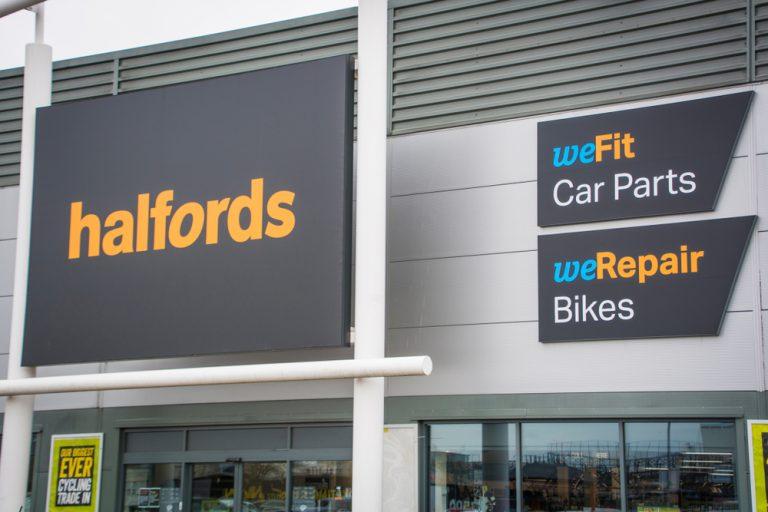
Halfords shares (LON: HFD) surged on Wednesday’s opening bell after the group released a strong trading update for the 26 weeks to 2 October 2020.
The group posted a 101% rise in pre-tax profit in the first half of the year to £56m, as the group saw strong demand amid the lockdown cycling boom.
like-for-like revenue at the group grew by 6.7% from £582.7m to £638.9m whilst like-for-like sales in the cycling department jumped 54.4%.
As people took up cycling over lockdown, the number of people in cars fell. Halfords reported a 23.7% fall in motoring revenue.
“We are very pleased to have achieved such a strong first half performance against the backdrop of one of the most challenging trading environments in recent history,” said Graham Stapleton, the group’s chief executive.
“We have worked hard to capitalise on the cycling market tailwinds by sourcing more stock from existing and new suppliers, as well as launching new products and brands to serve the high level of demand for our cycling products and services. Despite the headwinds we have seen in motoring, with UK traffic 30% lower than pre-Covid-19 levels and the impact of the MOT deferment, our ‘Road Ready’ campaign and the investments we have made in our motoring services business have enabled us to increase market share and grow the business in Q2.
“As a sign of our confidence in the long-term prospects of our motoring business, and in order to meet the growing demand for our services in this area, we are in the process of recruiting to fill a wide range of service-oriented roles across our stores, Autocentres and fleet of Halfords Mobile Expert vans. We are also making a substantial investment in further training for existing colleagues, including in the rapidly growing area of electric vehicle servicing as we work to fill the skills gap that exists in the UK. We will be training 100 more electric car technicians next year, bringing the total to 470. In addition, we will be growing the number of e-bike and e-scooter servicers in our stores from 400 to over 1,800. This means that, by April, each of Halfords’ garages will have at least one electric car technician, with electric bike and scooter services in every store,” Stapleton added.
The group remains cautious about its outlook amid further lockdowns and a seasonal dip in cycling sales over winter. Given the uncertainty around trading, the FTSE 250 retailer has not given profit guidance for FY21.
Halfords shares (LON: HFD) are +7.40% at 281,92 (0914GMT).
Tesla shares charged up by S&P 500 entry projection

On the announcement that Elon Musk’s electric vehicle and solar power company would enter the S&P 500 next month, Tesla shares rallied over 13% during after-market trading.
The company are set to enter the blue chip index on the quarterly rebalancing on December 21. And, having seen shares spike when they first qualified for S&P 500 entry over a month ago, admission will likely give Mr Musk – and Tesla shareholders – an early Christmas present.
Following the news, the company’s market cap rose by $50 billion, though still over $60 short of its almost $500 per share high seen in August. Tesla has been a boon for speculative growth investors over the last year, and they’ll likely see this development as the company’s long-overdue recognition, following an eventful couple of years.
What will weigh on the minds of investors and referees is the fact that until the second half of 2020, Tesla leaned heavily on the sale of carbon credits to book four quarters of consecutive profits, which is a pre-requisite of S&P 500 admission.
Some pressure will have been allayed by the company’s third quarter profits, which demonstrated a boost in its underlying sales performance. However, the S&P and investors should remain cautious.
In the past, the blue chip index has been tentative when admitting trendy, tech-based and innovation-based phenoms into its ranks. However, with the company now the tenth-highest valued on the US market, it has been hard to ignore – only time will tell whether its bold rise over the last year can be sustained.
For now, its shares have rallied by 9% since markets opened, up to around $440 a share. Analysts currently have a consensus ‘Hold’ stance on the stock, and a target price of under $250 a share. The Marketbeat community give it a 50.46% “outperform” rating – which indicates just how divisive Tesla stock is.
The company’s p/e ratio is 1,168.65, which is just a tad over the auto sector average of 51.42.
Cerberus in talks to rescue Co-Op bank
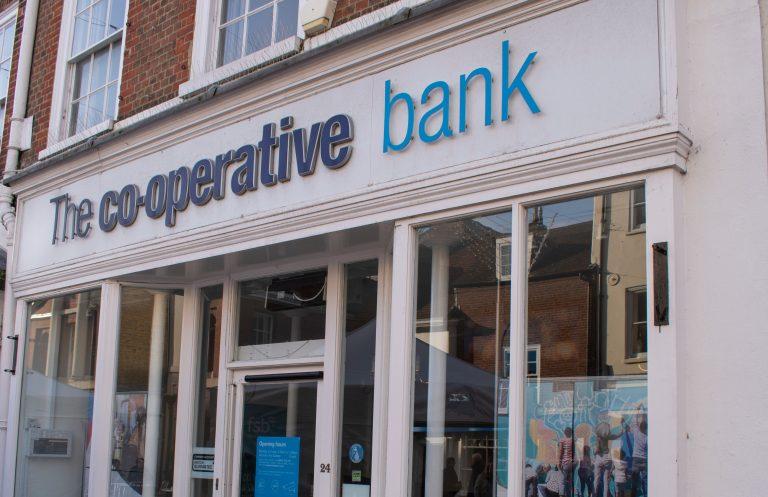
On Tuesday evening, Sky News reported that American private equity firm Cerberus Capital Management LP is currently in “preliminary talks” to rescue hedge fund-owned Co-Operative Bank following months of turmoil due to the ongoing pandemic.
Sources revealed that Cerberus was “likely to seek a cut-price deal” during negotiations with the bank’s executive board and shareholders, with inside sources citing the firm could acquire the bank for as little as £200 million.
The Co-Operative Bank is owned by a number of US hedge funds – including Silver Point Capital, GoldenTree, Anchorage Capital, Blue Mountain and Cyrus Capital – and Invesco (NYSE:IVZ), who cumulatively took control from the Co-operative Group Ltd. after launching a £700m rescue deal in 2017.
Its reputation has been wrought with controversy over the past decade, when the hedge funds were called in after a £1.5 billion hole was discovered in its accounts in 2013.
Just a year later, the bank’s former chairman Paul Flowers was involved in a high-profile court case in which he pleaded guilty to possession of crystal meth, cocaine and ketamine.
The disgraced businessman was later banned from the City for life by the Financial Conduct Authority after “using company phones to access premium rate chat lines”.
Cerberus was one of the bidders involved in the Co-Operative Bank’s last formal sale process in 2017, but ultimately opted not to go through with a deal.
The firm is one of the world’s leading investors in banking and financial services, already boasting a major stake in Deutsche Bank. Today Cerberus also acquired Montreal-based toy manufacturers, Dorel Industries Inc., for a deal standing at C$470 million.
In the UK, Cerberus has been criticised over its treatment of so-called “mortgage prisoners” whose home loans were part of a £13 billion government sale in the aftermath of the 2008 financial crash.
Earlier this month, the Co-Operative Bank posted a “resilient” Q3 trading update, with a pre-tax loss of £23.5m – down from £80.1m for the same period in 2019.
CEO Nick Slape commented on the Q3 results, stating:
“This is a challenging time for all banks, given the uncertain economic outlook and continuing low base rate, but whilst we remain loss making as anticipated in our plan, the results also show our resilience as we continue to make significant progress in our turnaround”.
Nevertheless, the bank remains firmly in the red, with £68.1 million losses between January and September of this year.
A representative told Sky News on Tuesday that the ongoing negotiations cannot be guaranteed at this stage:
“The Bank continues to be in discussions with this financial sponsor, although such discussions remain at a preliminary stage.
“There can be no certainty that discussions with this financial sponsor will progress further, or that any binding offer will be forthcoming nor whether the Bank’s ultimate shareholders will find the terms of a binding offer (if any) acceptable”.
M&G launches new Climate Change Solutions fund

In September this year, Reuters reported that investors managing trillions in assets and more than 120 business leaders had urged the European Union to cut carbon emissions by at least 55% by 2030.
The mounting climate crisis has increasingly drawn the attention of investors the world over in recent years, highlighting the opportunity to accelerate alternative energy solutions to help reduce emissions.
Despite the ongoing coronavirus pandemic, the UN-backed Green Climate Fund pledged to ramp up efforts to tackle climate challenges – approving $879 million for 15 new projects – even as countries around the world struggle with the economic fallout.
Now, the latest to join the movement, London-based investment manager M&G plc (LON:MNG) has announced the launch of its new OEIC climate fund for investing in companies providing solutions to the challenges posed by climate change.
The M&G Climate Solutions fund is set to invest in around 30 different companies generating revenue across three key impact areas: clean energy, green technology, and the promotion of the circular economy.
The fund’s selection process will be based on each company’s net positive climate impact and revenue alignment, with M&G stating that they will refer to the climate-related UN Sustainable Development Goals as part of annual assessments.
Run by M&G fund manager Randeep Somel, the Climate Solutions fund carries an I share class annual charge figure of 0.7%, excluding transaction costs.
Commenting on the launch, Somel told Citywire:
“The green agenda and the need to provide solutions to the challenge of climate change has unlocked the creativity and ingenuity of many companies who have these solutions at the heart of what they do.
“This is a multi-decade opportunity for companies who deliver innovative products and services – and for those who invest in them”.
1.4 million retail investors sold over £10k of their shares during lockdown
New research published by behavioural finance experts, Oxford Risk, revealed that during the initial COVID stock market shock and first lockdown, 8% of savers and investors sold off some of their shares or took money out of the stock market.
Of the number who own shares, 34% said they now own fewer than they did at the beginning of the year, versus 12% who now own more.
Around 1.38 million retail investors sold £10,000 or more of their investments during the early stages of the COVID lockdown, while 531,900 people sold over £100,000 of their holdings. Regarding the freed-up funds, 59% left their money in savings, while 31% used it to contribute towards living costs, and 29% put the money towards clearing debts.
Over the summer, equities regained considerable ground, with tech and biotech shares enjoying the tail-ends of their lockdown surges. Despite the opportunities these easy-pickings rallies offered, 29% of investors who cashed in their holdings at the beginning of lockdown have not reinvested any of it back into markets. Similarly, only 10% have reinvested 50% or more.
Of the number who did reinvest, 26% said they did this in one fell swoop, while 52% said they did it in chunks, and 22% gradually ‘drip fed’ their money back in.
Speaking on the research findings, Oxford Risk’s Head of Behavioural Finance, Greg B Davies, PhD, said: “Many of the investment decisions retail investors make are for emotional comfort, and in a normal year this can on average cost them 3% in returns. Driven by the COVID-19 crisis, stock market volatility levels have been greater this year, so the losses will be higher.”
“Those investors who pulled money out of the markets in March will already have lost much more – they lost when the markets dropped, and many have missed out on the rebound since. Many are also likely to find it emotionally difficult to get this money reinvested for the long-term and so may lose out on even more foregone returns in the long-run.”
The recent findings follow the company’s previous report, which found that investors’ decisions to increase their cash allocation during the pandemic, may cost them between 4% and 5% per year in long-term returns. It added that the ‘Behaviour Gap’ – losses due to timing decisions caused by investing more money when times are good for stock markets and less when they are not – costs investors an average of 1.5% to 2% a year over time.
CEO of Oxford Risk, Marcus Quierin, PhD, concluded by saying that: “There are many behaviours common with investors during volatile and uncertain times, and they can be tempted to focus too much on the present and feel compelled to do something even when sitting tight is the best solution. […] Those worried about falling stock markets should remember that they only turn paper losses into real ones when they sell.”
“Retail investors should avoid watching the markets day-to-day as this increase anxiety and remain focused on their long-term plans and ignore much of the background noise that can tempt them into making the wrong investment decisions.”