
Budget 2018: Income tax cuts will “overwhelmingly benefit richer households”
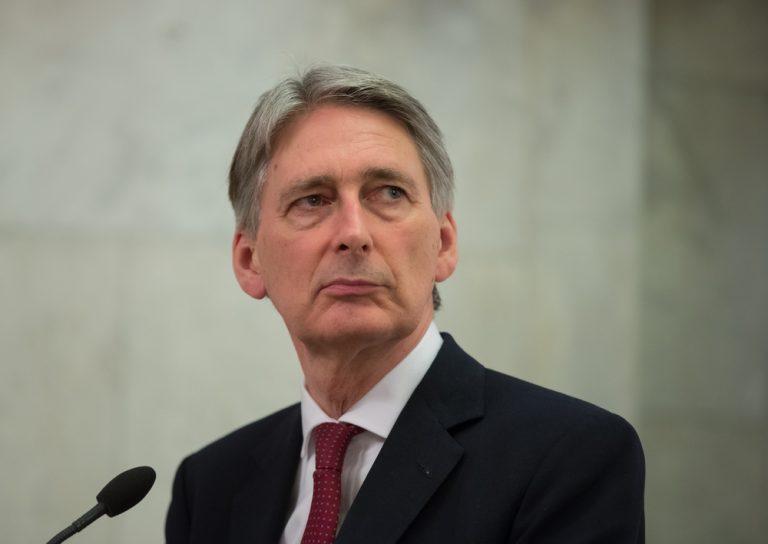
The analysis by the Resolution Foundation has found that the income tax cuts in Philip Hammond’s Budget will “overwhelmingly benefit richer households”.
One of the first independent analyses of the Budget has highlighted that the previous cuts to welfare will continue and poorer households will not feel the positive benefits of the tax cuts.
The top 10% of households are to gain most from the new Budget proposals, gaining £410 a year. Poorer households will gain around £30 a year.
There are still £12 billion in welfare cuts, which were announced after the 2015 election, that remain in government policy.
Torsten Bell, who is the director of the Resolution Foundation, said: “The chancellor was able to navigate the near impossible task in his Budget of easing austerity, seeing debt fall and avoiding big tax rises, thanks to a £74 billion fiscal windfall.”
“He chose to spend the vast majority of this on the NHS, income tax cuts and a welcome boost to Universal Credit.”
“But while yesterday’s Budget represented a seismic shift in the government’s approach to the public finances, it spelt an easing rather than an end to austerity – particularly for low and middle-income families.”
“Income tax cuts announced yesterday will overwhelmingly benefit richer households, with almost half of the long-term gains going to the top 10% of households,” Bell added.
“On public services the NHS saw a big spending boost – but unprotected departments still have further cuts pencilled in.”
The income tax cuts will cost the government £2.7 billion next year.
The 20% tax band will rise to £12,500 next year from the £11,850 it currently starts at. The 40% tax band will begin at £50,000 from April from the current £46,350 earnings.
Reckitt Benckiser sales suffer, shares drop
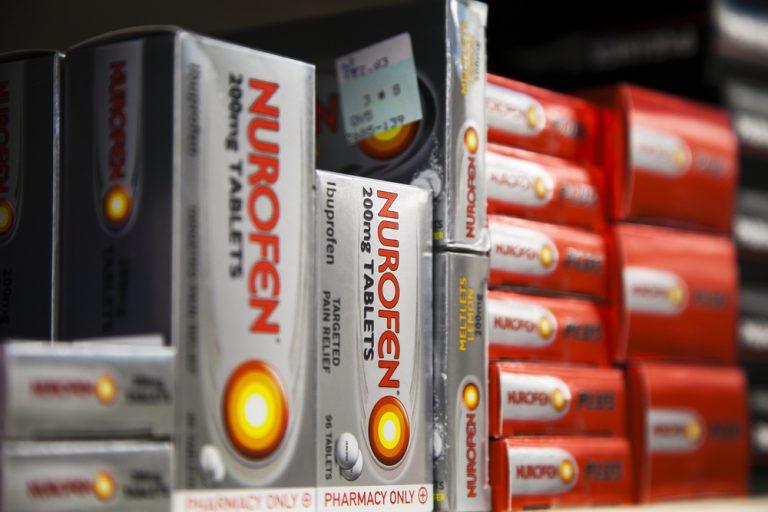
Reckitt Benckiser Group has reported a smaller-than-expected increase in underlying quarterly sales. The British consumer goods maker suffered as a result of a manufacturing disruption at a European baby formula factory. Shares were trading over 4% lower on Tuesday morning.
Reckitt Benckiser Group owns brands such as Dettol, Durex, Air Wick, Nurofen and Scholl, to name a few.
The group has seen a number of setbacks in the past two years, including various one-off issues. A cyber attack last year and a safety scandal in South Korea are among these. RBC Capital Markets analyst, James Edwards Jones, commented: “Reckitt has been unfortunately prone to one-offs in the recent years… that mean we are less inclined than we would otherwise be to dismiss this as a one-off that should be ignored.” The company’s like-for-like sales increased by 2% in the third quarter. Reported sales for the third quarter dropped by 2% to £3.12 billion. Moreover, Reckitt has blamed the disappointing sales figures on the disruption at its European baby formula plant. As a result of the disruption, the baby formula unit’s quarterly like-for-like sales dropped by 6%. Analysts had predicted a growth of 5.3%. The company delved into the child nutrition market last year after it acquired Mead Johnson for $17 billion. Commenting on the results, Chief Executive Officer Rakesh Kapoor commented: “The quarter was impacted by a temporary manufacturing disruption at our European IFCN plant. This affected sales to a number of markets, occurred during a period of unusually high market growth and before our new facilities in Australia were operational and able to diversify our supply chain. The disruption was resolved and supply restored before the end of the quarter, although we do expect some residual impact in Q4 and into 2019.” “We have sufficient momentum and progress in our business to absorb this temporary manufacturing disruption. We therefore reiterate our 2018 target of +14-15% total net revenue growth at constant rates.” At 09:07 GMT today, shares in Reckitt Benckiser Group plc (LON:RB) were trading at -4.72%.Disruption to post-Brexit flights is possible, warns Chris Grayling
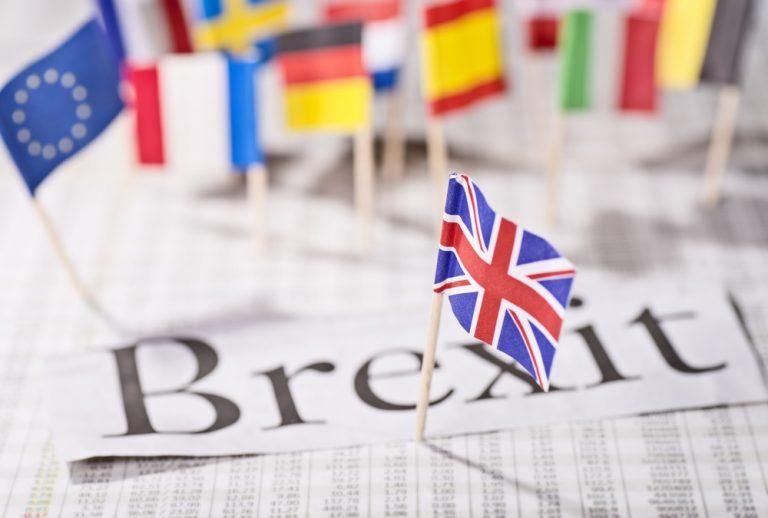
The transport secretary has admitted that disruption to flights post-Brexit is possible.
Speaking at an aviation conference, Chris Grayling said that although disruption to flights would be “unlikely”, the relevant talks had not yet started.
“It is theoretically possible that EASA [the European Aviation Safety Agency] could refuse or delay the certification of UK-certified planes. I think it is highly unlikely,” said Grayling at the Airport Operators Association annual conference in London.
“I’ve offered the commission to prepare a barebones deal if there is no broader agreement. They are not yet ready to begin but the commission has said very clearly it expects there to be an agreement.”
Despite there only being five months until the UK’s departure from the EU, Grayling pointed to Ryanair who was “selling tickets for next summer and expanding the number of routes between the UK and the European Union”.
Ryanair (LON: RYA) has repeatedly warned that it may have to suspend flights for “weeks or months” if no deal is reached.
“In the worst-case scenario there will be no flights in or out of the UK to Europe for a period, for all carriers,” said the company’s chief financial officer, Neil Sorahan.
“There could be a situation where you’re going to have get comfortable with staycations for the summer of 2019: those trips down to Portugal and Spain, unless you can swim, aren’t really going to happen.”
On Monday, Heathrow revealed it had raised £1.6 billion from investors as a buffer in the event of a no-deal Brexit.
“We have taken an extremely responsible approach to both operational and financial planning,” said the airport in a statement.
“Extensive contingency plans have been developed, which will help to minimise any potential impact on passengers. [The debt-raising] ensures the airport has sufficient financial firepower to cope with a no-deal Brexit.”
“This extends our liquidity horizon until the end of 2020 and ensures the airport has sufficient financial firepower to cope with a no-deal Brexit and still meet its obligations – including progressing our expansion plans,” it added.
WH Smith buys InMotion for $198m, expanding travel business
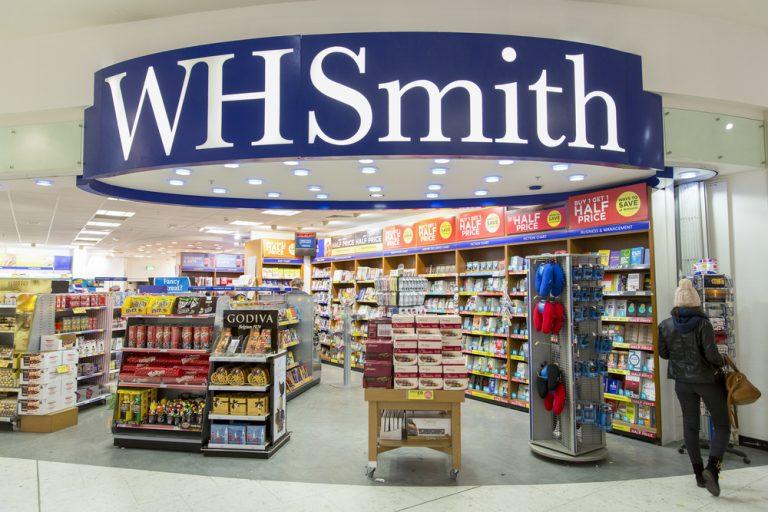
WH Smith has agreed to buy InMotion for $198 million (£155 million), in an attempt to expand its travel business into the US.
The FTSE 250-listed retailer is buying the US-airport based digital accessories retailer to double the size of its international travel business.
“InMotion is a highly successful pure-play travel retailer in the world’s largest travel retail market,” said WH Smith’s chief executive, Stephen Clarke.
“As the market leader, recognised for its best-in-class customer service, InMotion is well positioned to take advantage of that potential.”
“In addition, InMotion provides us with a scalable platform to launch the WH Smith airport format into the US, the world’s largest travel retail market for news, books and convenience products,” he added.
InMotion has 114 stores across 43 airports with 750 staff. It is the largest airport-based digital accessories retailer in the US.
The travel-arm of the WH Smith business is the strongest performing, with total revenue up 10%.
The group is scaling back on high street operations after a fall in sales.
“During an encouraging second half, the High Street business traded well and we quickly identified the latest trend in the market, becoming a one-stop-shop for all slime related products,” said Clarke.
“Despite this good performance, we are not ignoring the broader challenges on the UK high street and, during the second half, we conducted a business review to ensure our High Street business is fit for purpose now and for the future,” he added.
Earlier this year, WH Smith was voted the worst retailer on the UK High Street in a survey of more than 10,000 consumers.
InMotion’s senior management team will continue to lead the business.
Completion of the acquisition is expected before the end of 2018.
Shares in WH Smith (LON: SMWH) are trading +6,11% in pre-market trading.
BP profit hits a five-year high
BP saw its third quarter profits increase to a five-year high. The increase of profits to more than double was driven by higher oil prices. Additionally, the $10.5 billion purchase of BHP Billiton’s U.S shale business is said to be completed this week.
Today, the company has revealed that profit had more than doubled in the third quarter. Moreover, the company’s definition of net income increased to $3.8 billion. This figure compares to $1.86 billion last year and $2.8 billion in the second quarter of 2018.
For the first nine months of 2018, oil and gas production increased to 2.5 million barrels of oil equivalent per day. This figure is expected to rise further with the finalisation of the $10.5 billion purchase of BHP’s U.S shale business. The acquisition is set to be completed on the 31st October 2018.
Equally, BP has stated that it will fully fund the BHP acquisition without needing to resort to a rights issue as planned.
The increase in oil prices over this year has continued to drive revenue for BP and other oil companies. Indeed, oil prices this year have been the highest since late 2014, allowing companies to experience a significant profit growth. Over the past year, BP has unveiled nine major oil and gas fields. These are located in Azerbaijan, Oman, Egypt and Angola, to name a few. By 2021, it is expected that these will increase production by 900,000 barrels of oil equivalent per day. Chief Executive Officer Bob Dudley commented in a statement: “Operations are running well across BP and we’re bringing new, higher-margin barrels into production faster through efficient project execution.” Bob Dudley has also said that the shale acquisition will “transform” the company’s position in the U.S. At 08:15 GMT today, shares in BP plc (LON:BP) were trading at +3.57%. At 08:17 GMY today, shares in BHP Billiton plc (LON:BLT) were trading at +0.40%.Wagamama bought by Frankie & Benny owner in £559m deal
Wagamama is being sold to the Frankie & Benny owner in a £559 million deal.
The Restaurant Group (TRG) will buy the casual dining chain in order to grow amid the difficult trading conditions, hitting food chains such as Prezzo and Byron.
“Wagamama is a fantastic brand, with a market leading pan-Asian proposition, which has consistently outperformed the casual dining market in recent years,” said The Restaurant Group’s chief executive, Andy McCue.
“This transaction is an exciting and transformative opportunity to create a business which can pursue a truly multi-pronged growth strategy and create substantial value for our shareholders.”
The transaction not only gives us a great brand but also creates a business with a multi-pronged growth strategy which will enhance earnings with continued selective UK rollout, accelerated via conversions of some TRG sites; by further leveraging the brand in Concessions both in the UK and internationally; by maximising the opportunities presented by the rapidly growing delivery sector; and by optimising the potential within international markets,” he added in a statement.
The deal will be partly funded through a £315 million cash call on the group’s shareholders.
Wagamama has 133 restaurants in the UK with a further five in the US and 58 across Europe, the Middle East and New Zealand.
This will add to the 381 restaurants owned by The Restaurant Group, which employs over 15,000 people.
Last year, the dining chain reported a revenue of £307 million and underlying earnings of £43 million last year.
In recent years, The Restaurant Group has issued a number of profit warnings amid a boardroom overhaul. Since the appointment of former Paddy Power boss, McCue, things at the group has stabilised.
Shares in The Restaurant Group (LON: RTN) are trading at 296,00 (0802GMT).
Budget 2018: Key Points
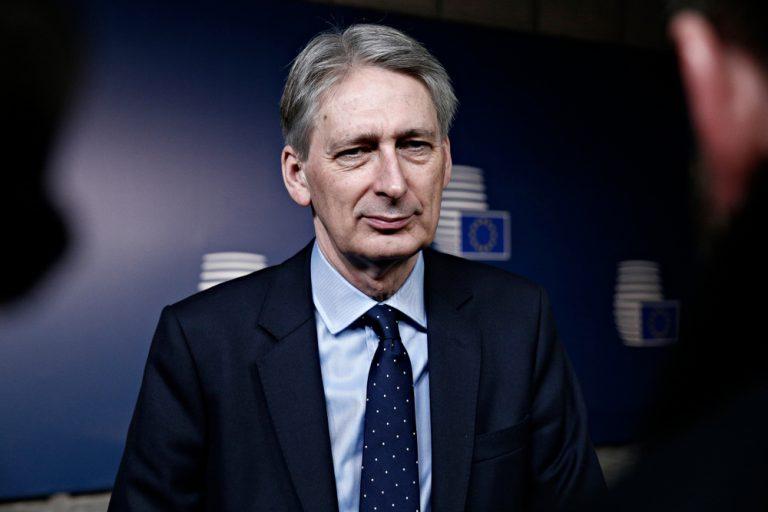
In his final Budget before Brexit, Philip Hammond has promised to create a “brighter future” through new proposals.
Speaking on Monday from the House of Commons, the chancellor said the new Budget was aimed at “for hard-working families”.
“We have reached a defining moment on this long, hard journey” since the financial crisis, he told MPs.
Key points of the Chancellor’s delivery:
Brexit
The chancellor told MPs that the UK is well funded for Brexit.
He has previously announced that he as set aside a total of £3.7 billion for Brexit preparations, whilst revealing a further £500 million.
“Today I am increasing that sum to £2 billion… …and in the coming week the Chief Secretary will announce allocations to individual departments,” he said.
Hammond announced exemption from stamp duty for shared equity housing valued up to £500,000.
To help the UK build more houses, the Chancellor has earmarked £500m for a fund designed to build 65,000 houses.
Personal Tax
The conservative manifesto set out a target of £12,500 and £50,000 for the personal income allowance and higher rate tax threshold respectively. This was expected to be a gradual increase from current levels, however, in an effort to bring some cheer to an otherwise sullen budget, this has been accelerated. They will now deliver on this from April 2019.Borrowing
Hammond has said that borrowing will be forecast at £11.6 billion lower than the amount that was forecast at the Spring Statement. In 2019/20, borrowing is expected to fall from £31.8 billion to £26.7 billion in 2020-21. The government is expected to meet fiscal targets three years early.Defence
Hammond has pledged another £1 billion for the Ministry of Defence “to boost our cyber capabilities and our anti-submarine warfare capacity”. The Treasury will also give £10 million to the Armed Forces Covenant Fund Trust.NHS
The chancellor had already announced plans to invest a further £20 billion will be pumped into health care, including a £2 billion increase in spending for mental health. “There are many pressing demands on additional NHS funding but few more pressing than the needs of those who suffer from mental illness,” he said on Monday. The NHS 10 Year plan will include “a new mental health crisis service”, with “comprehensive mental health support available in every major A&E”, as well as “children and young peoples’ crisis teams in every part of the country,” he added.Digital Tax
Hammond is to introduce a new UK digital services tax, which will raise £400 million per year. The tax will come into effect in April 2020 and will be “narrowly targeted” to specific firms rather than the UK’s tech startups. This delivers on reports of a new tax on mega-cap tech stocks that have been paying low tax compared to revenue.Plastic Tax
There will be a new tax on the manufacture and import of plastic packaging that contains less than 30% recycled plastic. There will, however, be no plans to introduce a levy on disposable plastic cups.“I have concluded that a tax in isolation would not, at this point, deliver a decisive shift from disposable to reusable cups across all beverage types.”
Housing
Universal Credit
At a cost of £1.7 billion to the treasury, the government will increase the work allowance to £1,000 while allocating £1 billion to help the transition over five years.Pensions
There had been rumours of a cut in the pension contribution allowance to £30,000, however this has been left untouched at £40,000.Merkel to step down in 2021
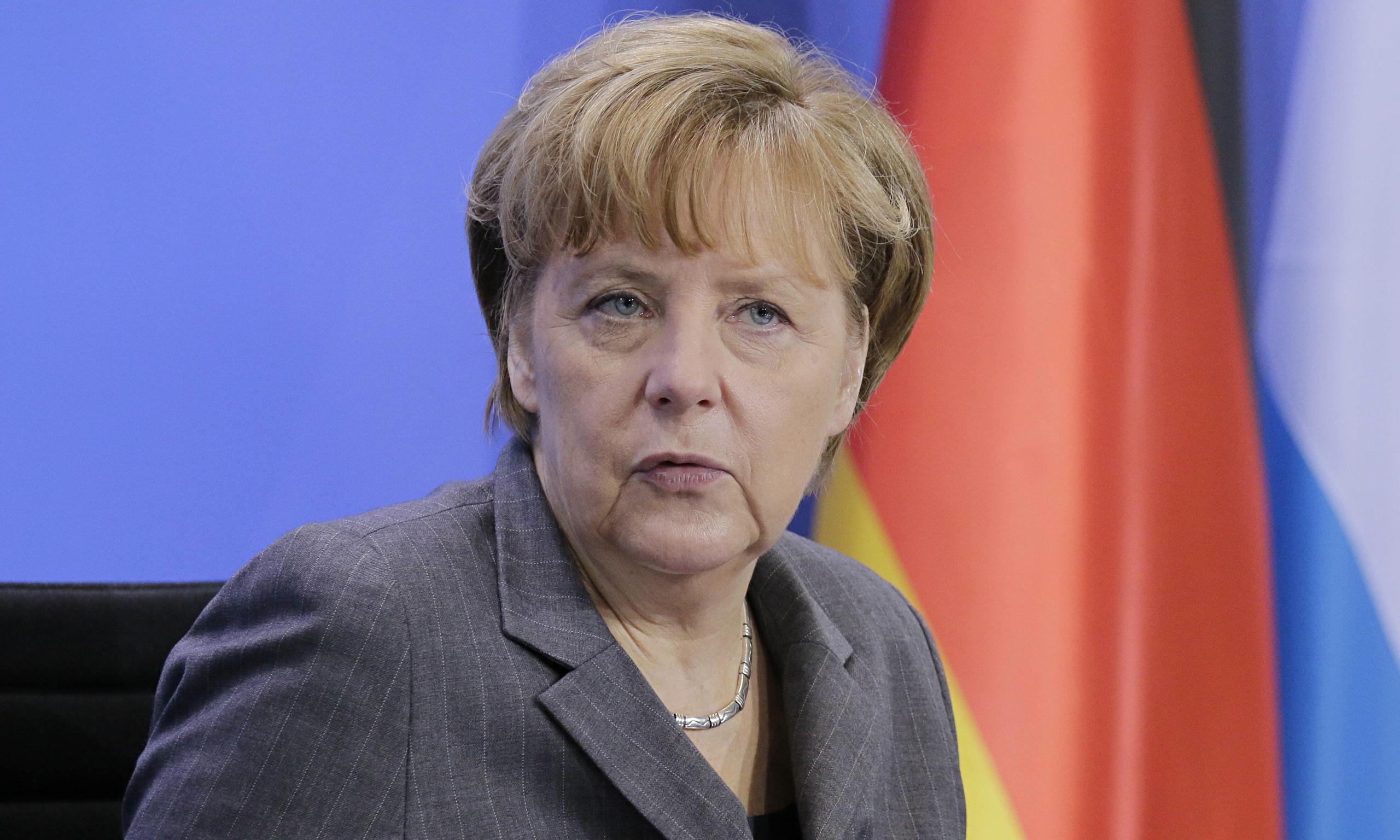
Angela Merkel has announced that she will not seek re-election in 2021.
The German chancellor will step down as chancellor, ending over a decade in politics.
Speaking at a news conference in Berlin, she said: “I will not be seeking any political post after my term ends.”
Disappointing results from Germany’s most recent regional elections led Merkel to say she saw the results as a “clear signal that things can’t go on as they are”.
Regional elections in Hesse and Bavaria for her Christian Democrats and its Bavaria-only sister party saw the CDU to be hit, with votes slumping 27% in the state.
Merkel has said that she has taken “full responsibility” for the fall in votes, making clear she would not handpick her successor as party leader.
In Germany, parties including the Greens and the far-right AfD have surged since the general election, as people are losing confidence in the main parties.
Merkel has been CDU’s chairwoman since 2000 and the chancellor since 2005.
A favourite to replace Markel is CDU secretary general, Annegret Kramp-Karrenbauer.
The chancellor recognised as one of the most powerful female political figures in the world. In 2015, she was named Time Magazine’s ‘Person of the year’.
Heathrow raises £1.6bn as Brexit buffer
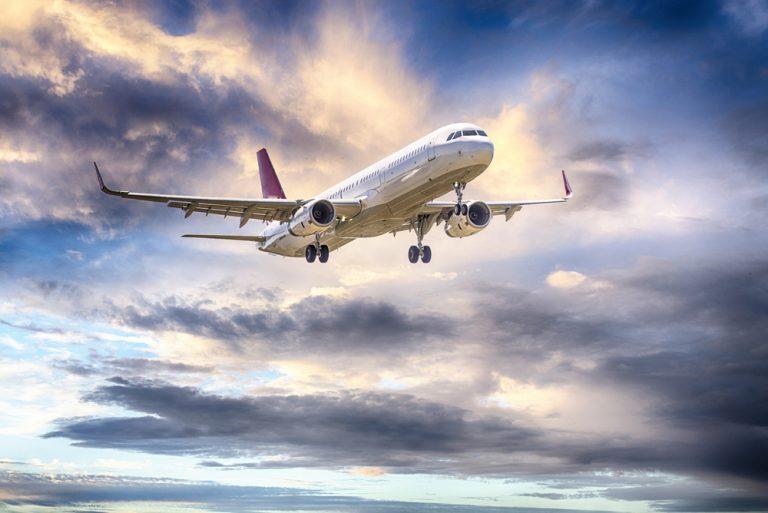
In preparation of a possible no-deal Brexit, Heathrow executives have raised £1.6 billion from investors.
In order to “cope” with the UK leaving the EU, officials at the airport said it was necessary to build “financial resilience” ahead of March 2019.
An estimated £238 million was raised from a 12-year Canadian bond. £96 million was raised from a debut Australian dollar issue.
Europe’s busiest airport said it hopes the money will reassure passengers.
“We have taken an extremely responsible approach to both operational and financial planning,” said the airport in a statement.
“Extensive contingency plans have been developed, which will help to minimise any potential impact on passengers. [The debt-raising] ensures the airport has sufficient financial firepower to cope with a no-deal Brexit.”
“This extends our liquidity horizon until the end of 2020 and ensures the airport has sufficient financial firepower to cope with a no-deal Brexit and still meet its obligations – including progressing our expansion plans,” it added.
The news of the buffer came when Heathrow reported a 2.3% rise in revenues to £2.2 billion in the first nine months of the year.
Department of Transport (DfT) officials admitted earlier this week that airlines would not be able to fly in and out of UK if no agreement had been reached with the EU in the next five months.
“Where we are actually in our discussions around air services agreements: we have not been able to start those bilateral discussions or multilateral discussions yet with either member states or indeed with the Commission,” said Lucy Chadwick.
Regarding Eurostar trains, she added: “Although we have started rail bilateral discussions with our counterparts in France, Belgium and Holland, it’s at a very early stage.”
“Our confidence at the moment in the programme [of readiness for Brexit] is somewhat decreasing because of the dependence on those bilaterals and given where we are. That increasingly will become a cause for concern for us.”
HSBC profits jump 28%, shares rise
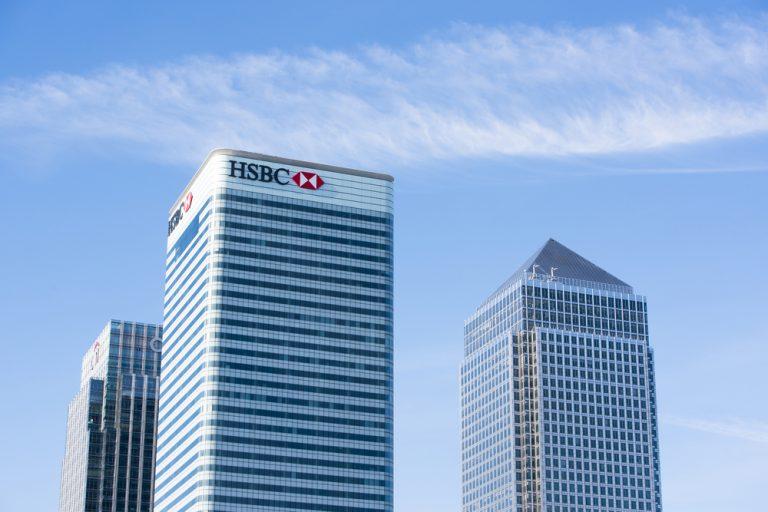
Profits at HSBC have jumped 28% in the third quarter of 2018 thanks to lower costs and strong revenue growth.
Pre-tax profit was higher than analysts’ expectations of $5.6 billion and totalled $5.9 billion (£4.6 billion) over the past three months.
“These are encouraging results that demonstrate the revenue potential of HSBC,” said John Flint, who became HSBC’s chief executive last year.
“We are doing what we said we would – delivering growth from areas of strength, and investing in the business while keeping a strong grip on costs.”
“We remain committed to growing profits, generating value for shareholders and improving the service we offer our customers around the world.”
The bank reduced spending from $7.9 billion to $7.7 billion, whilst revenue rose by 6% to $13.8 billion.
Shares in HSBC rose over 4% to 631p in early trading in London.
Laith Khalaf, a senior analyst at Hargreaves Lansdown, said: “HSBC may be the second biggest company on the UK stock market, but its profits are predominantly emanating from its historic home in the far east. Three-quarters of the bank’s profits so far this year have come from its Asian operations, leaving the European business trailing in its wake.”
“Profit growth has been broad-based across HSBC’s main banking activities, and what’s positive is that’s coming from a rising top line rather than simply cost-cutting, which can only deliver results for so long. Indeed adjusted operating costs have actually ticked up, though that’s to support investment in growth opportunities, notably in the bank’s digital proposition.”
He added: “As an international retail and commercial bank, HSBC is clearly plugged into the global economy, and in particular the fortunes of China and the surrounding area. While in the long term this looks like an ace in the sleeve, investors should expect a bumpy journey, particularly if Trump’s trade war dents growth in the region,” he added.
Shares (LON: HSBA) are currently trading +5.85% at 640,39 (1134GMT).