
Dairy Crest shares fall despite strong performance in butter and cheese
Dairy production group Dairy Crest (LON:DCG) shares tumbled nearly 8 percent on Wednesday morning, despite reporting increases in both pre-tax profit and revenue.
Adjusted pre-tax profit rose 3 percent over the course of the year to £62.3 million, aided by a 10 percent boost to revenue. Revenue growth was recorded across all parts of the business except the company’s “other” segment, despite ‘unprecedented’ cost inflation in the butters market.
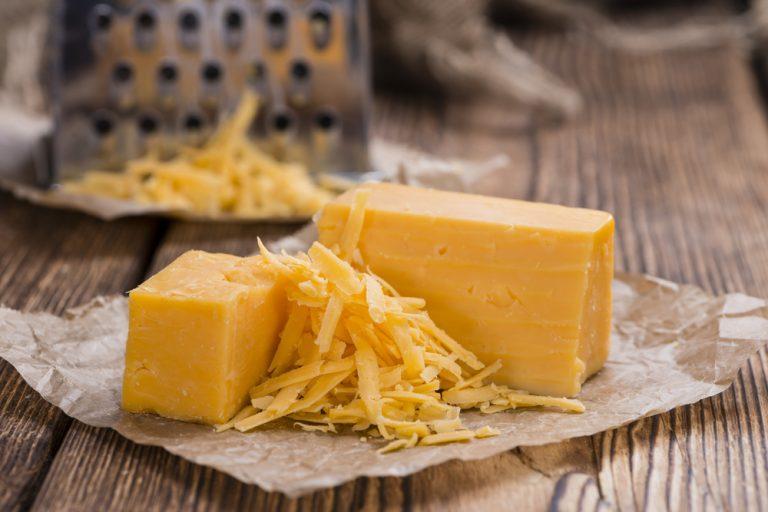
Its cheese section did extremely well, with the famous Cathedral City brand recording 6 percent revenue growth and butter revenue up 25 percent.
Dairy Crest said in a statement that it was pleased with the progress:
“We have delivered a strong performance, broadly maintaining our industry-leading margins against a backdrop of unprecedented cost inflation in the butters market”.
However investors were less impressed with the news, leading to a 7.40 percent fall in share price (1000GMT).
Tesco announce surprise closure of website Tesco Direct
Tesco (LON:TSCO) has announced its decision to shut its clothing and homeware site Tesco Direct, after the group admitted it couldn’t see any way of making it profitable.
Tesco Direct had been attempting to compete with sites like Argos and Amazon, selling everything from sofas to TVs. The site launched in 2006 but has since failed to keep up in the crowded market, ending in the decision to close down the website on Wednesday.
“This decision has been a very difficult one to make, but it is an essential step towards establishing a more sustainable non-food offer and growing our business for the future,” said Charles Wilson, the new boss of Tesco UK.
“We want to offer our customers the ability to buy groceries and non-food products in one place and that’s why we are focusing our investment into one online platform.”
The surprise move will put 500 jobs at risk, leading to the closure of the distribution centre at Fenny Lock, Milton Keynes, which handles Tesco Direct orders.
Zoopla owner ZPG sees profits rise by a third
Property sales site owner ZPG (LON:ZPG) announced a 31 percent rise in profits on Wednesday, benefitting from a 33 percent boost in sales.
ZPG, the owner of Zoopla, Prime Location and Uswitch, saw pre-tax profits hit £29.5 million for the six-month period to March 31, with sales up 33 percent to £156.9 million.
Bad weather actually benefitted the company, in contrast to many of the high street groups reporting today, with more consumers turning to Uswitch to search for cheaper energy providers to combat the weather.
“Our property division performed well across each vertical, helped by demand for additional products, cross-sell and new contract wins, including the continued return of agents to our portals,” said ZPG’s founder and chief executive Alex Chesterman.
“Our comparison division also performed well with leads up across each vertical. Energy had an exceptionally strong first half as a result of ongoing optimisation of the consumer journey and extreme weather during the period, prompting increased switching levels.”
ZPG shares are currently up 0.12 percent at489.60 (0935GMT).
IG trading revenue up for 2018, but set to take a hit the year after

Online trading platform IG is expecting net trading revenue for fiscal 2018 to come in higher than the previous year, with other key figures also up on previous guidance.
Trading revenue is now expected to be around £565 million, up from £491 million last year. Operating expenses for fiscal 2018 are expected to be around £254 million, with the group’s charge for variable remuneration is expected to be at £36 million, up from £24 million last year.
However, the group is likely to suffer a hit from new regulatory measures put in place by the European Securities and Markets Authority, meaning fiscal revenue for 2019 is likely to be lower than for this year.
IG also confirmed that Chief Commercial Officer Bridget Messer and Chief Information Officer Jon Noble had been appointed as Executive Directors to the board, taking effect from 1st June 2018.
Restaurant Group hit by Beast from the East

Restaurant Group shares rose 4 percent on Wednesday morning, despite sales falling by 4 percent after poor weather affected footfall.
On a reported basis, sales fell 3.1 percent in the 20 weeks to 20 May. Sales improved in the first seven weeks of the second quarter, like-for-like sales declined by just 1.8 percent as the company made moves to entice customers back in.
The group, who owns chains including Frankie & Benny’s and Garfunkel’s, said it expects to see further benefit from its strategic initiatives “as the year progresses”.
“We expect to deliver results for the full year in-line with current market expectations.”
The group blamed weak sales on the Beast from the East and a generally challenging high street climate.
Shares in Restaurant Group (LON:RTN) are currently up 3.59 percent at 324.85 (0913GMT).
M&S profits sink again on costly turnaround efforts
Marks & Spencer saw profits sink 62 percent over the year to March, after accelerating its store closure programme and cutting hundreds of jobs.
It latest turnaround plan led to a £321.1 million cost hit, with closing stores and revamping existing ones turning out to be a costly business. The group revealed the location of the further 14 stores that are to be closed, on top of the 21 that have already been shut.
Performance fell heavily in the fourth quarter due to the effect of “unseasonable weather” in March.
The group also said its clothing and homeware ranges were failing to attract young people and families, despite a rise in womenswear sales for the first time in seven years.
M&S (LON:MKS) shares are trading slightly up on the news, up 2.91 percent at 300.29 (0904GMT).
Britvic shares up 6pc despite profit fall
Britvic (LON:BVIC) shares rose over 6 percent on Wednesday morning, despite profit after tax for the first half of the year sinking by over 13 percent.
Profit fell to £33.3 million during the six month period, after restructuring costs of £21.6 million had a negative impact on results.
The company recorded a sales increase of 3.6 percent, up on the same period a year ago, with ARP up 0.5 percent to 57.4 pence.
Revenue increased by 4.5 percent to £733.2 million, with adjusted earnings (EBIT) up 9.4 percent to £80.5 million. Adjusted earnings per shares rose 12.2 percent to 21.2 pence.
Simon Litherland, Chief Executive Officer, said:
“We have delivered a strong first half performance with solid revenue, margin and earnings growth. We have also made good progress in innovating to meet consumer needs, growing our international presence and transforming our supply chain.
“While it is too soon to guide on the ongoing consumer impact of the soft drinks levy, early indications of the competitor and customer response are broadly as we anticipated. We have exciting commercial plans in place for the second half and I remain confident of continuing to make progress this year”.
Shares in Britvic are currently trading up 6.13 percent at 805.00 (0851GMT).
Pets At Home report fall in profits, shares fall

Pets At Home (LON: PETS) has reported a 17 percent fall in pre-tax profits in full-year results.
Chief executive Peter Pritchard remained positive despite the fall in profits, saying there is “a bright future” for the pet shop.
The group has said the next financial year will be the second of its three-year “financial transition” as it aims for sustainable profit growth.
Margins fell to 51.7 percent from 54.2 percent in the same period last year. Like-for-like revenue rose by 5.5 percent.
“The veterinary services market is a very attractive space in which we can grow. We have a profitable business delivering strong returns, achieved largely through our preference to work in partnership with vets who share in the success of their practice,” said Pritchard.
“The shortage of qualified vets in the UK remains an industry wide problem, so we have chosen to slow our practice rollout to be sure we open practices in quality locations for the best vet partners.”
Pets At Home are hoping to open five superstores, 20-25 vet practices, and 10-20 grooming salons in the next year.
“Our plans to reposition retail are working, more customers are coming back to shop with us, and we are committed to returning the business to profit growth. But it hasn’t been easy. We took decisive action, threw passion and energy into it, and delivered targeted pricing changes to give customers the products that mattered most to them, with the service and value they expect from us,” said Pritchard.
In Tuesday’s early morning trading, Pets at Home shares were down 3.9 percent at 151.8p.
Mortgage lending sends Nationwide profits down
Nationwide Building Society (LON:NBS) profits fell for the second year in a row, after a slump in mortgage lending.
The group cited “intense competition” as a reason for the weaker profits, with demand for savings and mortgage lending falling.
Nationwide reported a 7.3 percent drop in bottom line profits to £977 million, with net mortgage lending falling to £5.8 billion from £8.8 billion the previous year.
However, Nationwide said the figures were in line with its financial performance framework. The building society also said that it had given an extra £560 million in benefits to members.
Joe Garner, chief executive of Nationwide, said the building society was providing “outstanding sevice and great value, backed by record capital strength”.
He said: “As a mutual, without shareholders to reward, we were able to deliver £560 million in extra value to members during the year, as a result of the better rates, fees and incentives we can offer compared to the market average.”
Topps Tiles shares up despite pre-tax profit dropping by a third
Topps Tiles (LON:TPT) shares rose over 4 percent on Tuesday morning, despite pre-tax profit dropping by over 30 percent in the first half.
Severe weather across February and March kept customers away from stores, and combined with rising input and marketing costs, pre-tax profit fell by 33 percent over the period.
However, revenue increased 3.7 percent to £110.5 million, and like-for-like sales grew by 0.6 percent. Growth in the first quarter was strong with sales up 3.4 percent, but it was offset by a 2.2 percent fall in the second quarter.
Its dividend remained steady at 1.1p per share.
“While we are retaining a cautious view of market conditions for the remainder of the year, we remain confident in our ability to continue to extend our market leading position,” Topps Tiles said.
Shares in Topps Tiles rose 4.35 percent at 72.00 (0932GMT).