Dollar rises on Friday’s US job data, gold falls but oil holds steady

0
The dollar rose on Wednesday ahead of Friday’s key US jobs data, as speculation that the Fed will raise rates later this year increases. The dollar hit a four-week high against the yen, pushing sterling down to a three-year low. “By and large the dollar is continuing to trade well,” Societe Generale strategist Alvin Tan told Reuters. “Expectations about the Fed raising rates are edging up and that has been helped by the good run of U.S. data … The big one though is tomorrow with the non-farm payrolls report.” Friday’s US non-farm payroll figures will be closely watched by the markets, with investors looking for signs that the labour market is strong enough for the Fed to raise rates in December. The median forecast of economists polled by Reuters is for payrolls to rise by 175,000. However gold, which has been seen as a safe haven of late, sank on the news. The price dropped to three and a half month low as the threat of tighter monetary policy started to bite.

Oil remains steady

Oil prices hovered around their four month high after a surprisingly large drop in US inventory levels sustained investor confidence in the market. “Optimism on the OPEC deal and surprising storage declines pushed oil prices to the upper end of the recent trading range. Both trends are temporary and unlikely to mark the easing of the oil supply glut,” said Norbert Ruecker, head of commodity research at Swiss bank Julius Baer. US data released on Wednesday showed a stockpile decrease of 3 million barrels last week, taking the total to 499.74 million barrels. This went against the general expectation for an increase. However, inventories remain at near record highs and a rally in the markets may be hard to sustain. Oil markets rose again last week after Saudi Arabia and Iran agreed to negotiate an OPEC-led curb on oil output.
06/10/2016

TalkTalk face record £400K fine

0

TalkTalk have been penalised with a £400K fine after a mass cyber attack last October led to the release of sensitive customer data.

Poor security measures at the firm allowed hackers to access the personal details of 150,000 customers, including the sensitive financial data of more than 15,000 individuals. The Information Commissioner’s Office (ICO) fined TalkTalk and said the attack “could have been prevented if TalkTalk had taken basic steps to protect customers’ information”.

The hackers that targeted the TalkTalk database used a well-known cyber attacking technique known SQL injection. “SQL injection is well understood, defences exist and TalkTalk ought to have known it posed a risk to its data,” the ICO stated.

“On top of that the company also had two early warnings that it was unaware of. The first was a successful SQL injection attack on 17 July 2015 that exploited the same vulnerability in the webpages. A second attack was launched between 2 and 3 September 2015.”

The bug, which could have been prevented had the proper security provisions been in place, allowed hackers to easily obtain customers’ information. Despite defences made by TalkTalk representatives, ICO have concluded that the internet provider should have been more thorough in implementing proper security systems.

TalkTalk experienced two similar cyber attacks earlier that year which should have served as a warning and provoked improvements to its software and data storage systems, ICO has maintained.

ICO commissioner Elizabeth Denham commented:

“In spite of its expertise and resources, when it came to the basic principles of cyber-security, TalkTalk was found wanting.”

“Today’s record fine acts as a warning to others that cyber security is not an IT issue, it is a boardroom issue.

“Companies must be diligent and vigilant. They must do this not only because they have a duty under law, but because they have a duty to their customers.”, said Ms. Denham.

The fine is the largest issued fine in the history of the ICO, which has the authority to issue fines up to £500,000.

 

Tesco shares rise amid third consecutive quarter of growth

0

Shares in British supermarket Tesco (LON:TSCO) climbed over 13 percent on Wednesday, following a strong set first half results.

The figures are the third consecutive quarter of growth for Tesco, the latest sign that chief executive David Lewis’ turnaround plan may be having an effect. Lewis, the former chairman of Unilever, has introduced a series of initiatives since his appointment to help revitalise the supermarket and increase its competitiveness in a tough market. Lower prices and improved customer service have contributed to a markedly stronger performance of late.

Sales rose 3.3 percent to £24.4 billion in the first half of the year, despite a 28 percent fall in pre-tax profit to £71 million. This has been attributed to £81 million of atypical costs, including redundancy payments and redress payouts at Tesco Bank.

In a statement, Lewis said: “The entire Tesco team is focused on serving shoppers a little better every day. Prices are more than 6pc lower than two years ago, availability and service have never been better and our range is more compelling.”

Tesco reiterated its full-year profit guidance of £1.2 billion as well as setting out further targets, the increase of operating margins from 2.18 percent to between 3.5pc to 4pc by the end financial year of 2019/20.

This is an encouraging development for Tesco, which continues to show marked recovery from an accounting scandal 2011 and public backlash following the mislabelled sale of horse meat in 2013. The supermarket sector has been troubled in recent years, with budget supermarkets Lidl and Aldi continuing to take market share from the ‘Big Four’ British supermarkets.

‘Hard Brexit’ may cost the financial sector £38 billion, report says

0
 

A ‘Hard Brexit’ may cost the finance industry around £38 billion and up to 7500 jobs, according to a report released today by lobbying group TheCityUK.

Should the UK leave the single market and pursue a ‘Hard Brexit’ there could be serious implications for the security of the financial sector, the report concluded. It envisaged several possible scenarios for the UK following Brexit, one of which included the UK retaining some degree of access to the European Economic Area (EEA) and allowed the UK to continue to trade with other countries without the need for specific licenses. This was seen as the least disruptive approach, projected to cost the financial sector around 4,000 jobs and £2 billion in annual revenue.

An alternative option discussed was the UK would leaving the EU trading bloc “without any trading equivalence”, which is likely to have further negative consequences for the industry. The report indicated that such a move would cost the financial sector £20 billion and hit 35,000 jobs. Such a development may have a domino effect on other related business industries, potentially affecting 40,000 jobs and costing a further £18 billion.

The report was conducted by management consultancy firm Oliver Wyman for TheCityUK, an organisation seeking to influence government policy on issues that affect The City.

Hector Sants, head of Oliver Wyman and former chief executive of the Financial Services Authority, told the BBC: “We are not taking a view on the outcome of the negotiations.

“What we have done here is to create a robust and independent database.”

“We are confident that these are numbers that people can coalesce around and discuss.”

The report follows Theresa May’s Conservative Conference speech, in which she rejected distinctions between a “Hard Brexit” and a “Soft Brexit”. Following this announcement, the pound sterling has plunged to its lowest level since 1985 as the markets reacted to the latest Brexit development.

Pound hits lowest level since 1985 as Brexit worries bite

1
The British pound fell to new lows on Wednesday, as fears of a ‘hard’ Brexit continue to bite. The pound fell below $1.27 for the first time since June 1985, after several consecutive days of decline in the wake of Prime Minister Theresa May’s March 2017 deadline for leaving the European Union. During her speech May made clear her intentions to prioritise curbing immigration over free trade as the UK begins its negotiations with the EU bloc, prompting investor panic and pushing sterling down against the Euro.
Carlo Alberto De Casa, chief analyst at online broker ActivTrades, told the BBC: “As far as the pound goes, this week is a write off. It is difficult to see a quick recovery in prices after this morning’s lows against the dollar and euro – and it could go lower. “Investors are still analysing what could happen after March when the Article 50 will be triggered and this fear is dominating the currency market.” The Pound is currently down 0.07 percent against the Euro and 0.02 percent against the Dollar. The FTSE 100 is down 23.28 points, after hitting record highs on Tuesday as a weaker pound sent international companies’ shares higher (1344GMT).
05/10/2016

Tosh Products seek investment in rapidly-growing coffee cup brand

Tosh Products, the creators of a reusable, fully biodegradable takeaway coffee cup, are looking for a £100,000 investment through their crowdfunding campaign on Crowd2Fund. Most takeaway coffee cups contain contain plastic or wax and can’t be recycled, meaning over 100 billion go to landfill each year globally. Tosh Products founders David and Alison McLagan set out to change this, creating reusable, biodegradable takeaway cup made from naturally organic bamboo fibre. The cup has a lifecycle of between three and four years, after which it can be composted. It is dishwasher safe and comes in three sizes, with over 50 designs in total. The McLagans are now looking to take the company to the next level, and are seeking a£100,000 investment via Crowd2Fund: giving the public a chance to support their mission and, with the single-use takeaway cup sector worth US$27billion globally, potentially earn impressive returns. The founders have ambitious growth plans for the business over the next five years, with plans to introduce a range of complimentary products targeting other areas of single-use waste. David says: “Our objective is to become the leading brand to facilitate re-use instead of single-use.” The company is raising a loan in order to accelerate growth – and is building a team of investors who believe in the brand and will support them for the longer term. The funds will be used exclusively to meet rapidly growing global demand. Alison says: “A 40ft container of product costs around US$80,000 and we are currently ordering around 12 per year. This will rise to over 40 by 2018 – hence the demand for funds.” Up until this point, the business has been entirely self-funded by founders Alison and David. However, David sees the crowdfunding campaign as a way to connect with customers and raise funds simultaneously: “We think it’s a much more human approach and provides us with a great way to speak directly, and be shaped by, the people who truly believe in our brand and what we are doing.” The campaign features a number of different rewards for investing, including the potential to create a customized Ecoffee Cup. For more information, visit their campaign page on Crowd2Fund.com.
04/10/2016

Cath Kidston set for Asia after Baring takeover

0
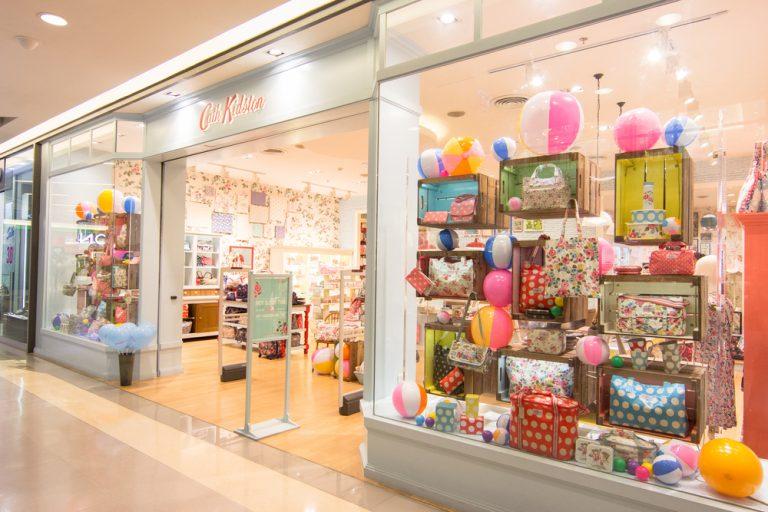
British lifestyle brand Cath Kidston has been sold to Hong Kong-based investment firm Baring Asia, in a deal said to be worth more than £250 million. Baring Asia bought total control from US private equity firm TA Associates, appointing ex-Gucci boss William Flanz as chairman. Its new owners are likely to be eyeing up expansion in Asia, where it already has 133 shops. The group now have about 160 stores outside the UK, 70 percent of its total stores, and is set to open in India later this year. Kenny Wilson, Cath Kidston’s CEO, said: “We are entering a really exciting new stage under a single owner. Baring Asia’s decision to increase its shareholding is a fantastic endorsement of the potential of the Cath Kidston brand and I would like to welcome Bill Flanz. “This year has been our most successful start to the year, proving the strength of our product and the continued and growing appeal of the brand to existing and new customers. As well as expanding internationally, we continue to innovate as demonstrated by our new collaboration with Disney, which lands in stores this month. We are very excited about the future.”

Cath Kidston is well-known for its floral-patterned homeware products, and started from just one store in Holland Park in 1993. Kidston still owns around 11 percent of the business, despite leaving her job as creative director in 2014, with the rest of the management team owning the remaining 9 percent.

04/10/2016

Sterling falls to lowest level since 1985 on Brexit date

0
Sterling dropped to its lowest level in three decades on Tuesday, after Prime Minister Theresa May set a date by which Britain will have left the EU. The currency fell heavily on Monday and pushed down another 0.5 percent on Tuesday, hitting its weakest level since June 1985. Connor Campbell, financial analyst at SpreadEx, told the BBC “The pound’s perilous position has continued this Tuesday, with sterling still suffering from the aftershock of Theresa May’s (hard) Brexit promises. “Just like yesterday the UK index’s rise will be tested by a PMI reading, with this morning the turn of the construction sector. While the manufacturing and services PMIs have recently been a source of comfort, the construction survey has lagged behind, missing out on last month’s surprise boost to remain in contraction territory. “September’s reading is meant to be even worse.” However, sterling’s fall is good news for the FTSE 100 index, which broke the 7,000 point barrier at the beginning of Tuesday’s session. Many companies in the FTSE 100 operate internationally and will benefit from a weaker pound.
04/10/2016

Tax returns create fresh controversy for Trump

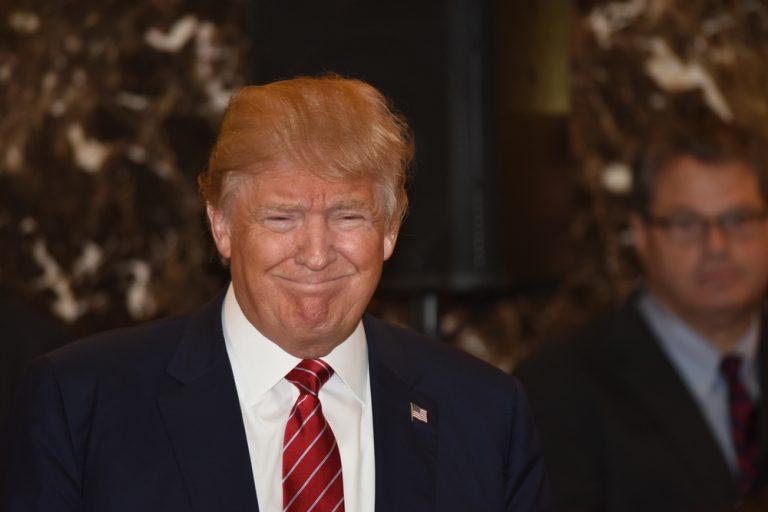
The reported release of Donald Trump’s tax return documents suggest that the Republican presidential candidate may not have paid income tax in the US for over a decade.

The documents allegedly show that Trump claimed a loss of $916 million by two failed businesses in order to escape paying federal tax. Whilst not an illegal act in itself, the documents shed some light on the businessman’s continued refusal to reveal his tax returns – despite the precedent set by every presidential candidate over the past 40 years.

In a statement, his campaign said: “The only news here is that the more than 20-year-old alleged tax document was illegally obtained, a further demonstration that the New York Times, like establishment media in general, is an extension of the Clinton campaign, the Democratic party and their global special interests.”

Following criticism from Senator Bernie Sanders about his tax activities, his campaign team said Trump was “a highly-skilled businessman who has a fiduciary responsibility to his business, his family and his employees to pay no more tax than legally required”.

“That being said, Mr Trump has paid hundreds of millions of dollars in property taxes, sales and excise taxes, real estate taxes, city taxes, state taxes, employee taxes and federal taxes, along with very substantial charitable contributions.”

This release follows last week’s presidential debate in which Clinton attempted to interrogate Trump over his continued secrecy of his tax returns. When questioned over his tax activity, Trump said that such a move made him “smart”. According to poll figures, voters concluded that Clinton decidedly won the first televised debate over Trump.

Trump has thus far not denied the latest allegations, but has announced his intention to sue the New York Times for illegally obtaining the documents.

Brexit process to begin at the end of 2017

2

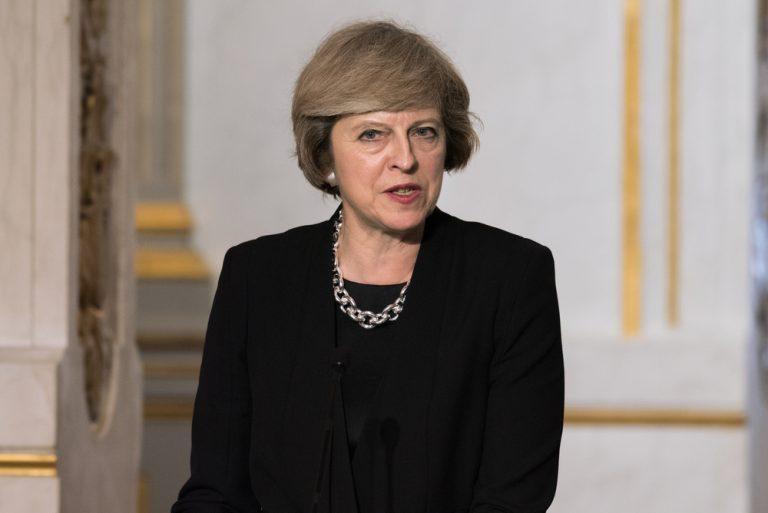
Article 50 will formally be triggered before the end of the 2017, Prime Minister Theresa May announced in a speech on Sunday.

May stated that the two-year Brexit process will be initiated by March 2017, taking Britain out of The European Union by March 2019. The Prime Minister has committed her government to repealing The European Communities Act 1972, previously signed into law by the former Conservative Prime Minister Edward Heath.

Theresa May highlighted her intention to retain aspects of European law, with the ‘Great Repeal Bill’ enshrining all existing EU law into British law and permitting the government to maintain, amend or remove any legislation once the Brexit process has been finalised. May said that the move would ensure that UK remains an ‘independent, sovereign nation.’ The retention of components of certain EU laws has been enacted to ensure the preservation of employment regulation and workers’ rights, and to reassure British businesses.

However, Theresa May has long been a critic of the European Convention of Human Rights (ECHR). The Treaty is a key piece of European legislation which enshrines the protection of Human Rights into European Law. These rights include the right to life (Article II), Freedom of expression (Article X) and Freedom of Association (Article XI), with British MP Sir David Maxwell Fyfe being one of the Convention’s key writers. May has previously said that the Convention can “bind the hands of parliament”, and “adds nothing to our prosperity, makes us less secure by preventing the deportation of dangerous foreign nationals – and does nothing to change the attitudes of governments like Russia’s when it comes to human rights”.

Initially Theresa May advocated remaining within the union and instead, pursuing leaving the ECHR in order to protect parliamentary sovereignty in respect to Human Rights legislation. Her previous opposition to the ECHR makes her decision to maintain other aspects of European law a surprising development.

Despite being a Remain advocate, May has clearly indicated that under her leadership ‘Brexit means Brexit’. Nevertheless, Sunday’s speech is the first real clarification of how Brexit might actually look since the result was declared in June. Since the announcement, the pound dropped one percent against the dollar at $1.2854 and nearly one percent against the euro at €1.1440. This marks a 30 year low for the British currency, as the prospect of Brexit continues to cause market uncertainty.