
LIVE: Budget 2016

Today’s budget market George Osborne’s eighth budget in his role. Join us at 12.30pm for live updates. 13.35 Osborne: “Aim to let working people keep more of the money they earn.” Tax free personal allowance to £11,500 Increase high rate tax threshold to £45,000 13.30 Tampon tax money to go towards women’s charities. Fuel duty frozen for sixth year in a row, saving £75 a year to the average driver. Tobacco tax continues to rise. Beer duty frozen in support of local pubs. Enterprise: Cutting capital gains tax to 20 percent, and cutting basic rate from 18 percent to 10 percent. Increase ISA limit from £15,000 to £20,000 New scheme called ‘Lifetime ISA’ saving up to £4000 each year – for every £1 saved, the government will put in £1. 13.20 Education: Extra funding provided so that every primary and secondary school in England will be an academy. Focus on the North where performance is weaker. Teaching maths to 18 for all pupils Introduction of fair national funding formula. Dealing with obesity Introducing a sugar levy on the soft drinks industry. Levied on the companies and introduced in two years time. Assessed on the volume of imports and will have time to change recipes. Money from levy will be used to double funding for primary school support. Libor funds will also be used towards children’s hospital services to improve health. 13.15 £150 million package support to reduce homelessness. HS3 between Manchester and Leeds given the go-ahead. Cross Rail 2 commissioned by the same company as Cross Rail 1. Further investment in flood defences by increasing standard rate of insurance premium tax, committing all money raised to flood defences. 13.10 Commitments to National Infrastructure Inviting bids to help develop modular reactors. Abolishing petroleum tax offering support to oil and gas industry. 13.00 Fundamental reform of business tax system: Low tax regime attracting businesses, but ensuring that they pay taxes in the UK. Will restrict interest reductability or the largest companies at 30 percent of UK earnings. Allow firms to use losses more flexibly, helping 70,000 British companies, and restrict amount of losses that can be offset by 50 percent. “Will help create a modern tax code raising extra money for the Exchequer.” Reduce the rate of corporate tax from 20 percent to 17 percent in April 2020. Introducing 2 new tax-free allowances up to £10,000 a year for those making money online, renting out homes etc. Small business rate relief threshold raised to £15,000 as well as the higher threshold. 600,000 small businesses will see business rates cut or abolished entirely, supporting smaller businesses. Commercial stamp duty reduced. 2 percent rate for high value leases above £5 million. Comes into force from midnight tonight. Raising £500 million per year. Tax evasion: further action will be taken to prevent tax evasion, on top of those measures already taken. Public sector will have a duty to ensure that employees pay their tax. Tax evasion measures will raise £12 billion. 12.55 Debt will fall to 86 percent and end up at 77.2 percent in 2020. Deficit will fall to 2.9 percent, in 2017-18 1.9 percent, 2018-19 1 percent. Borrowing this year lower than forecast in Autumn Statement – has fallen to 55.5billion in 2016. 12.50 Welfare: Support for disabilities better targeted. Will still rise by more than £1 billion. Public sector pensions: Reform saved over £400 billion in the long term. have revalued Pensions and Public Sector employers contributions will rise. 12.40 Economic forecast: Osborne begins by accepting all the recommendations of Sir Charlie Bean’s report. The OBR economic forecast for world economy has been revised down, with outlook weaker. The most significant change is the decision to revise down potential UK productivity growth – OBR acknowledge that this revision is a “highly uncertain call.” IMF warns that economy faces growing risks of derailment – but says Britain is the best prepared. Osborne attributes this to his long term economic plan. However, forecast on UK remaining in the EU – vote to leave could result in period of uncertainty and volatility. GDP will grow by 2 percent this year and 2.2 percent next. Osborne reiterates he believes the UK is better off within a reformed EU. Forecast for labour market Businesses created 150,000 more jobs than expected. Forecasting a million more jobs in this parliament. 12.35 George Osborne called to speak. Reporting on “labour market delivering highest employment in history and deficit falling each year, on course for budget surplus.” British economy “resilient” and has withheld headwinds. Warns “markets are turbulent” and “outlook for global economy is weak”, bur Britain “well prepared to handle it.” Reiterates that budget will be focused on the long term, with “sound public finances delivering security”. Mentions importance of investment in homes, school and social mobility, as well as helping working people save.

UK wage growth rose in January, alongside optimism for year ahead

0
British wage growth rose in the three months to January, possibly signalling an end to the unusually slow wage growth plaguing Britain throughout 2015. According to official data released on Wednesday, the total earnings of workers, including bonuses, rose 2.1 percent on the year in the three months to January, up from 1.9 percent. January alone saw the biggest wage growth jump since August at 2.5 percent. Unemployment figures remained steady at 5.1 percent, a ten-year low, for the third month in a row; however, analysts have been puzzled by wage growth remaining so low, despite this decrease in unemployment. With the upcoming EU referendum causing uncertainty and volatility for the UK, it looks unlikely to rise in the near future. Low inflation benefits UK households New figures released by Markit today suggest that the UK’s low inflation has been beneficial to British households since 2015, despite the slow-down in wage growth and a drop in take-home pay. Markit’s Household Finance Index for March was weakened by the first drop in income from employment since December 2014, but overall showed optimism for the year ahead. Markit economist Philip Leake said: “With fresh public spending cuts expected in today’s budget announcement, headwinds to household confidence are likely to persist in coming months.”
16/03/2016

Morning Round-Up: Budget 2016, LSE-Deutsche Boerse merger, oil up

0

Osborne prepares to deliver budget

George Osborne is readying himself to present his latest budget to MPs later today, which is expected to include an extra £4 billion in spending cuts and announce further investment into UK infrastructure.

It will also include a £1.5 billion plan to convert England’s state schools into academies, as well as allowing them to choose their own opening hours. He is also expected to warn that the “storm clouds are gathering again”.

Join us at 1230GMT as we live tweet George Osborne’s budget announcement. LSE-Duetsche Boerse merger agreed Deutsche Boerse and the London Stock Exchange have agreed a merger that could see cost savings of 450 million euros, and create one of the largest exchange groups in the world. The merged firm will be domiciled in Britain and have headquarters in both Germany and the UK. LSE shareholders will own 45.6 percent of the new holding company, while Deutsche Boerse shareholders will own 54.4 percent. In a statement on Wednesday, Deutsche Boerse said: “The combination will offer significant value creation potential.” Oil up on output meeting Oil prices rose again on Wednesday after falling over 2 percent in the last session, on hopes that an agreement may be reached at the upcoming meeting in Qatar. According to Reuters, a meeting of producers will take place on April 17th, led by Saudi Arabia and Russia and with the aim of cutting output. This is expected to go ahead without the participation of Iran.  
16/03/2016
 

RBS to cut 448 UK jobs

0
As part of an effort to cut costs following its eighth successive annual loss in February, the Royal Bank of Scotland has announced its plans to eliminate an estimated 448 jobs, whilst at the same time creating 300 similar roles in India. The proposed plans involve replacing investment advisers with “robo-advisers”. The bank said in a statement: “The demand for face-to-face investment advice is changing. Our customers increasingly want to bank with us using digital technology. As a result, we are scaling back our face-to-face advisers and significantly investing in an online investing platform that enables us to help a new group of customers with as little as £500 to invest.” After a seven month study, the Financial Conduct Authority concluded that this new technology could “play a major role in driving down costs”. RBS have stated that they hope to make further savings of £800 million over the course of the next year.  
15/03/2016

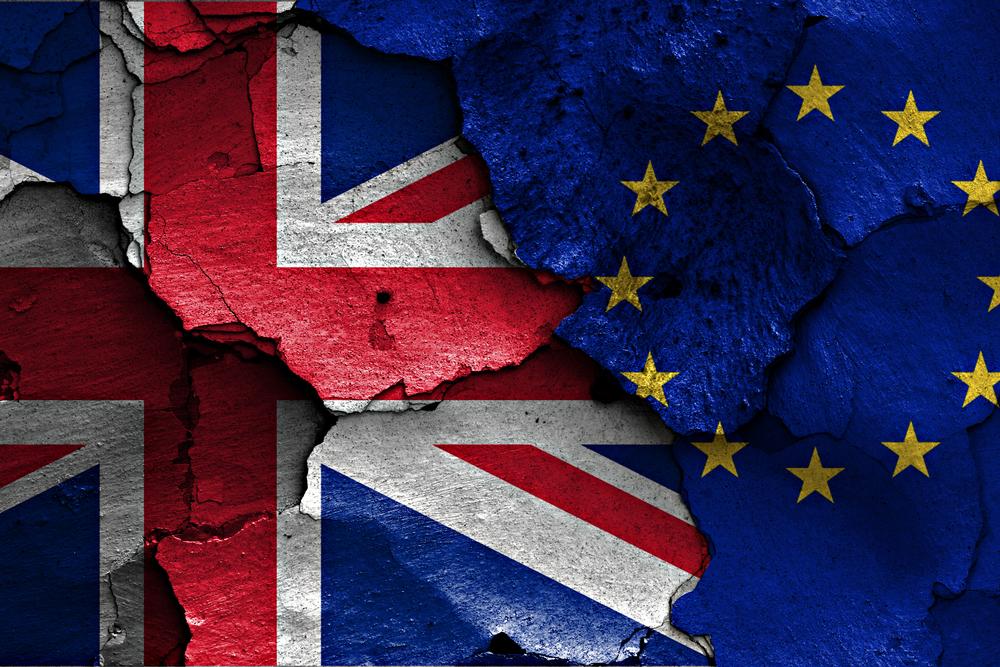
EU referendum: new polls puts UK on course for Brexit
0
According to today’s ORB poll for the Telegraph, 49% of respondents would vote to leave the EU whilst 47% would prefer to remain part of the 28-member bloc. Whilst there is only a difference of 2%, it has highlighted the uncertainty of the up-coming referendum and has created concerns among David Cameron and others supporting the ‘stay’ campaign. Analysis of the survey by Sir Lynton Crosby shows that the results show greater support for the Brexit campaign due to greater motivation and enthusiasm. Crosby identified the potential problem with those in favour of staying within the EU: “The real risk for the Remain campaign is complacency. What is clear is that this campaign has a long way to run, and despite what voters currently believe, the outcome really is in the balance,” This was highlighted by the ORB poll, which showed that 76% of the ‘stay’ voters expected Britain to stay within the bloc, however a quarter of these were unlikely to vote. “It is obvious they have a preference for the UK to remain in the EU, but the outcome of the referendum is not currently important enough to them to motivate them to show up. This demonstrates the consequence of the outcome lacking personal relevance to them” said Crosby, who helped Cameron win an outright victory in last May’s national election. The survey also showed that the majority of respondents’ did not believe that their vote would make a difference, and expected that the UK would remain in the EU regardless.  
15/03/2016

Sainsbury’s announces growth in quarterly sales
Three days before its deadline to raise its offer for Argos-owner Home Retail, Sainsbury’s has announced it’s first increase in quarterly sales in more than two years. Sainsbury’s witnessed a 0.1% rise in sales in the nine weeks leading up to 12th March. This included an 11% rise in entertainment goods, helped by the sale of Adele’s latest album. This was a step-up from the 0.4% fall in sales over the Christmas period. The second largest supermarket’s growth is following its decision to cut-back on multi-buy promotions and lowered prices on everyday items in attempts to keep in competition with discount supermarkets such as Aldi and Lidl. Sainsbury’s chief executive, Mike Coupe, said: “We have traded well this year and are making excellent progress implementing our strategy. The market will remain competitive but we are confident that we will continue to outperform our major peers.” Sainsbury’s shares opened today at 279.90.
15/03/2016

Italy’s Campari to acquire Grand Marnier in €684m deal
0
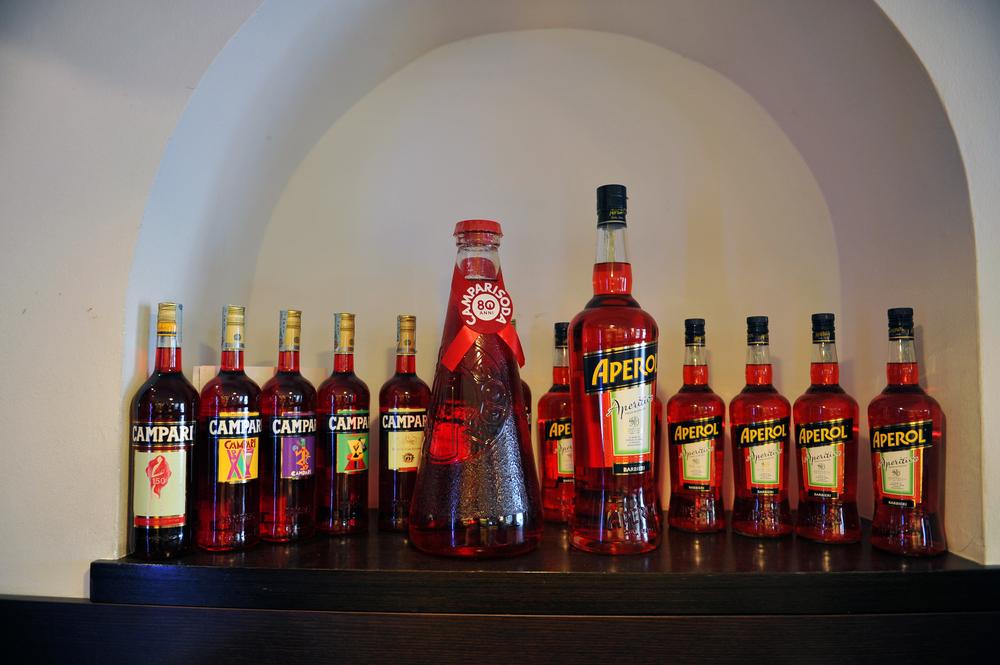
The world’s sixth largest spirits company, Campari (CPRI.MI) best known for its Spritz cocktail containing the orange aperitif Aperol, said today that it will buy Grand Marnier (GDMR.PA) for €684 dollars. Grand Marnier investors will receive €8.05 per share in cash a 60 percent premium to the stock value. Bob Kunze-Concewitz, Campari’s chief executive, has said that the deal was “a perfect fit with our external growth strategy. Grand Marnier strengthens our quest to further capitalise on the revival of classic cocktails, particularly in the US.” Shares in Campari rose 1 percent on Tuesday morning whilst shares in Grand Marnier were suspended from trading. Despite a spate of mergers and acquisitions in recent years, the global spirits industry remains to be relatively fragmented to beer.  

Dual nationality: an investor’s insurance blanket?

Investment into dual nationality programmes has increased over the past decade, with much of the trend attributable to international families wishing to protect their future and to be free from security threats. Europe, the Middle East, and Northern Africa have been vulnerable targets for terrorism, with the November 2015 Paris, Beirut, and Mali attacks serving as prime examples. Europe and the Middle East are also in the midst of one of history’s most dire refugee crises, with 6.5 million people displaced from war-torn Syria in 2014 alone. Dual nationality has become a security blanket for those who wish to protect themselves and their loved ones – and with the news continuously focusing on the immigration crisis and the threat of terror, it is no surprise that the concept of second citizenship has been adopted by more and more people across the globe. Many of those choosing this path value speed, especially where it is important that they shelter their families from harm. For this reason, the citizenship by investment programmes of the Caribbean. More specifically, the nations of Dominica, Grenada, and St Kitts and Nevis all process citizenship applications in three months, and are today’s most sought-after programmes. Citizenship by investment in these three nations may be obtained by either contributing to a national fund supporting the economic development of the islands, or by investing in government-approved real estate projects. For example, in the Federation of St Kitts and Nevis, which was the first-ever nation to establish citizenship by investment, applicants may make a contribution to the Sugar Industry Diversification Foundation (SIDF). The SIDF supports the country’s transition away from sugar farming, and spurs the creation of local jobs and economic growth. Alternatively, applicants may choose to invest in luxury real estate developments, including shares of 5-star world-class hotels. Similarly, in Dominica applicants may contribute to the Economic Diversification Fund (EDF), while in Grenada applicants may donate to the National Transformation Fund (NTF). Importantly for those who hold security close to their hearts, these Caribbean nations impose strict due diligence procedures on their applicants, ensuring that only individuals with clean histories are granted citizenship and the consequent right to reside on the islands. Dominica, for example, is renown for its transparent citizenship processes, and St Kitts and Nevis has recently implemented key changes to ensure strong applicant vetting and security checks. Grenada is the Caribbean’s safest island. For those global families concerned with political stability, these English-speaking Caribbean nations offer democratic rule, and a tested legal system entrenched in English common law. Furthermore, Dominica, Grenada, and St Kitts and Nevis are all part of the Commonwealth of Nations and Caribbean Community (CARICOM), enabling close and peaceful relations with the international community. Finally, with their advanced healthcare system, their business-friendly laws, their low tax regimes (including no tax on capital gains, inheritance or income from foreign earnings), their spectacular natural settings, and their year-round sunshine, Dominica, Grenada, and St Kitts and Nevis can all assure internal – as well as external – peace and tranquillity. In today’s volatile, global environment, the value of security cannot be underestimated.
Micha-Rose Emmett, CS Global 15/03/2016
This post is sponsored by CS Global. For more information, visit www.csglobalpartners.com

What to expect from George Osborne’s Budget 2016
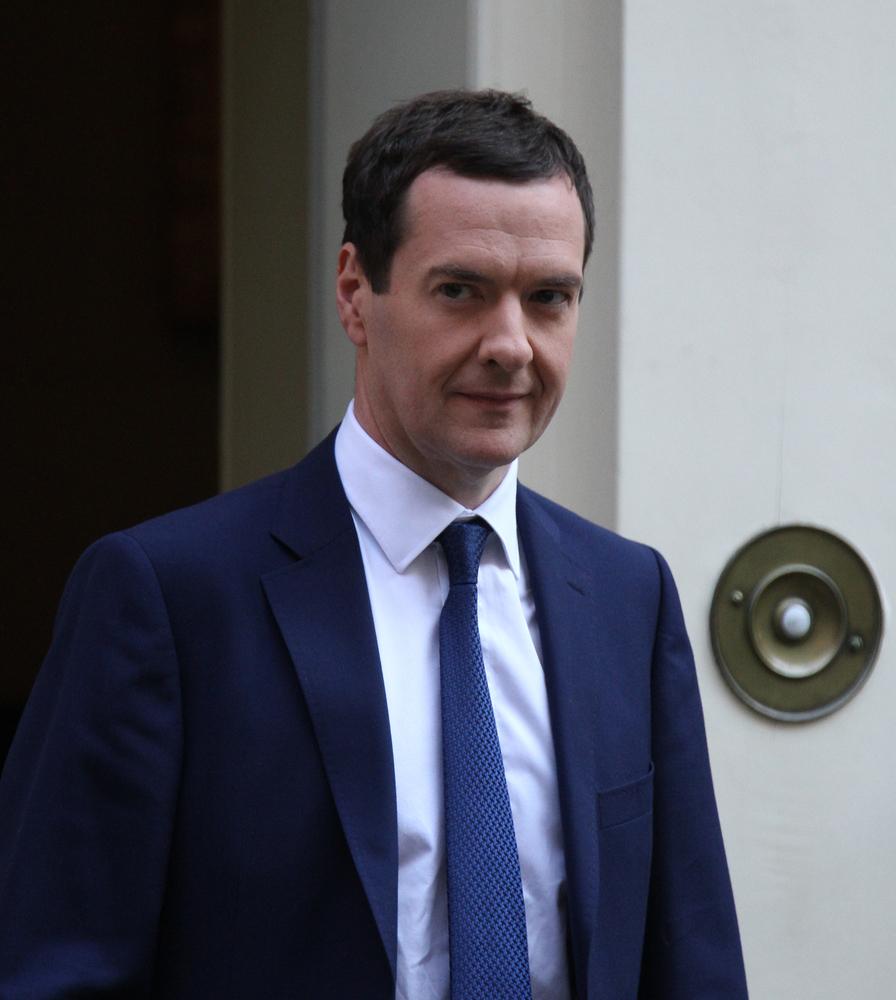
The Chancellor of the Exchequer is set to release 2016’s budget at 12.30pm on Wednesday 16th March, which will set out the governments future plans for the economy based the latest forecasts from the Office for Budget Responsibility. Osborne has previously hinted at possible outcomes of Wednesday’s budget, including promises to raise the personal allowance and introduce a new help-to-save-scheme. Along with this, the Chancellor of the Exchequer has also hinted towards some nastier surprises after saying there was a need to “act now to make sure we don’t pay later”. What is currently certain is the deterioration in public finances that will undoubtedly force the Treasury to make £4bn of savings by the end of the current parliament, something that Osborne has claimed to be “not a huge amount in the scheme of things”, a statement many Britons are likely to disagree with. Some of these reforms and cuts have already been announced by the government, which hugely affect the disability benefits – something that has been resisted by the Labour party and many disability charities. Labour has calculated that these reforms will result in 200,000 people losing the benefit all together and a further 40,000 receiving less money. What else are we likely to expect? Pensions In attempts to keep peace among backbench MPs, Osborne has already scrapped a package of pension reforms that would have reduced tax relief for higher earners however still hopes to makes some changes to pensions, with suspicions that he could end employers’ exemption from paying National Insurance on pension contributions, which costs the Treasury an estimated £13.8 billion a year. Petrol Prices The Chancellor is expected to increase fuel duty, despite backbenchers urging him against the move. This prediction is following figures in last year’s Treasury documents, which suggest that fuel duty is expected to continue to keep rising until 2010. Osborne also has not mentioned a fuel duty freeze, a topic he usually covers in his Autumn statement. The rise of fuel duty would inevitably lead to a backlash, with Richard Burnett, the chief executive of the Road Haulage Association, saying he would be “unbelievably disappointed” arguing it would amount to £450 or more per truck per year. Corporate Tax Avoidance

In attempts to recover his reputation, Osborne is likely to announce new measures to crack down of corporate tax avoidance. He is expected to cut tax relief for large corporations who shift debt to the UK to take advantage of HMRC’s generous tax credits system.

What can be safely predicted it that there will not be any changes that prove to be too controversial, so as not not distract from the government’s main focus at the moment, the EU referendum, set to be held on the 23rd June 2016.

Safiya Bashir - 15/03/2016
 

Morning Round-Up: Sainsbury’s growth, Fed stick on rates, poor European figures

0
Sainsbury’s posts sales growth Supermarket Sainsbury’s reported its first quarterly sales growth in over two years on Tuesday, another sign that British grocers are adjusting to the tough market. The group saw sales at stores open over a year rise by 0.1 percent in its fiscal fourth quarter, beating analysts expectations of a fall of 0.6 percent. An increase in sales is likely to help the supermarket’s bid for Argos owner Home Retail, a deal that has been in the running for some months. On Tuesday, Sainsbury’s chief executive Mike Coupe would not address press speculation that the group would make a higher offer for Home Retail, but added: “The Argos bid is not a must-do deal at any price and if it doesn’t go ahead then Sainsbury’s will continue,” Mr Coupe said. Federal Reserve unlikely to raise rates
The Federal Reserve will not be raising rates at their monthly meeting this week, as low oil prices and stock market volatility continues to have an effect. However, they are likely to make it clear that, as US inflation and jobs strengthen, rates will start rising again. At the beginning of this year, when the Fed raised rates for the first time in nearly a decade, they hinted that rates may be raised several times in 2016. It is now more likely that rate rises will be taken at a slower pace. France and Italy see slow economic growth Growth in the French economy will fall short of expectations in 206, according to the country’s central bank governor on Tuesday. Economists say 1.5 percent growth is the minimum needed to lower France’s persistently high unemployment rate, which remains above 10 percent. There was also disappointing news from elsewhere in Europe, as Italy reported that it fell back into deflation in February. Consumer prices fell by 0.2 percent, with inflation on a national basis fell by 0.5 percent.   15/03/2016