
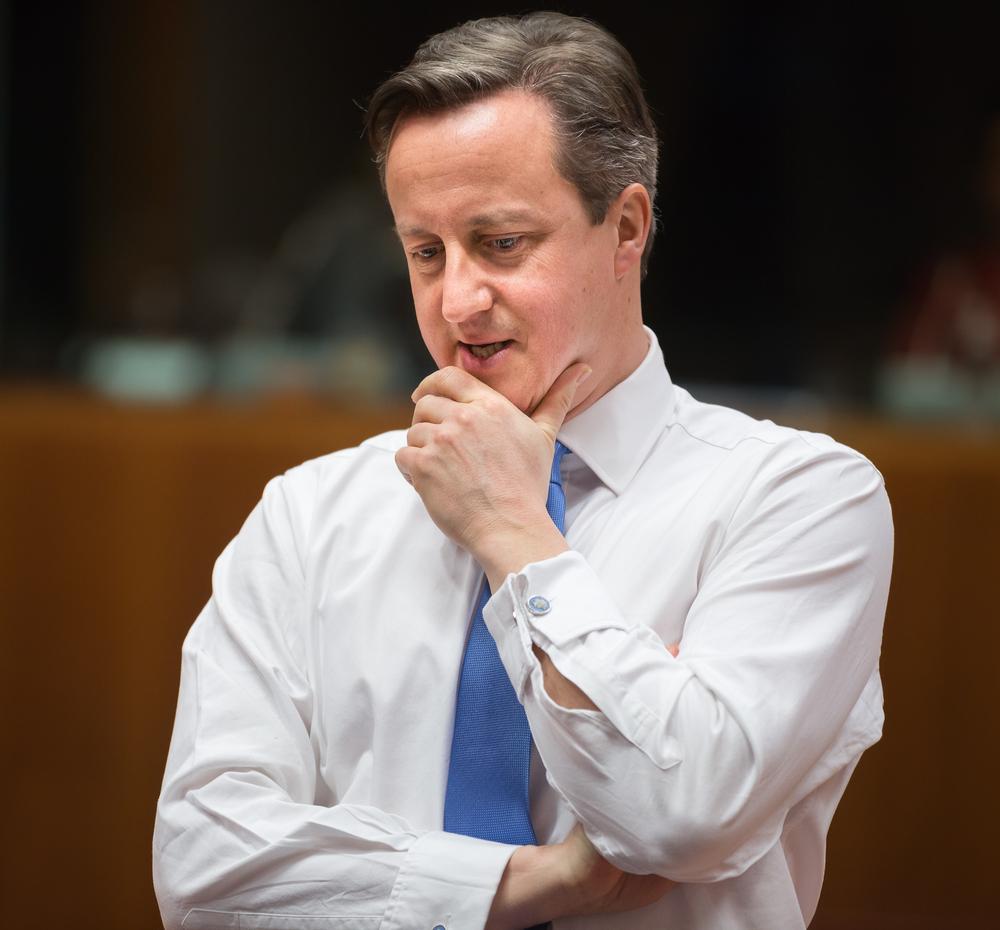
David Cameron sees EU discussions on Britain next month
Readbug crowdfunds to become the ‘Spotify for magazines’

Miranda Wadham on 27/11/2015
Billions could be spent today in ‘Black Friday’ sales, boosting retail figures
John Lewis sees 9.7 percent growth in sales
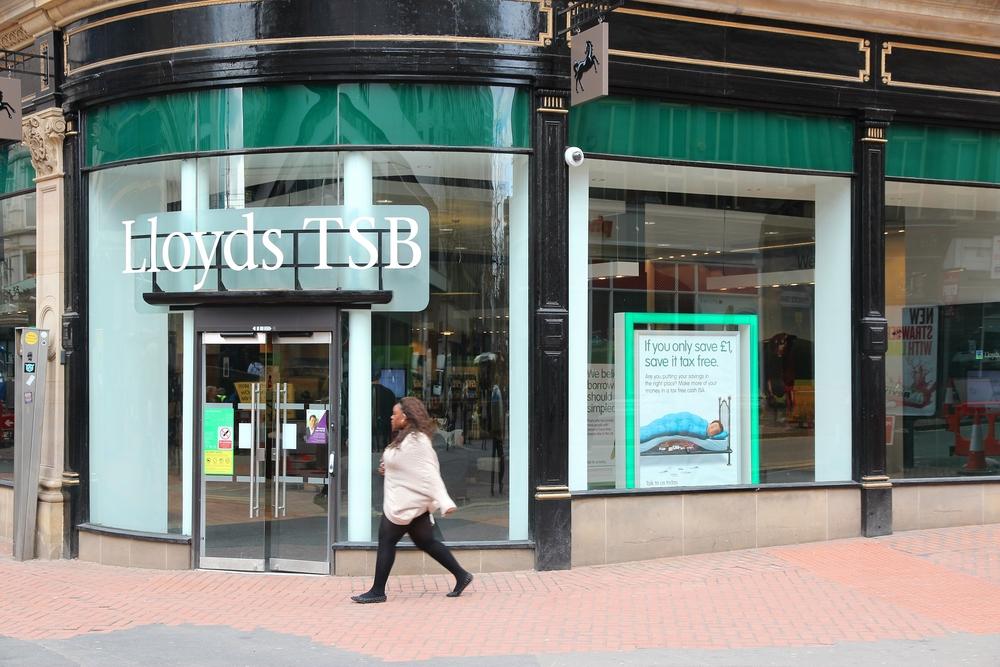
New 2018 deadline for mis-sold PPI claims
It seems that today has been a bad day for banks all round, as Barclays bank prepares to pay a fine of £72 million for failing to conduct proper checks on its richest clients.
The City regulator said Barclays made a £1.88 billion deal with their wealthiest clients in 2011 and 2012, because they were worried about inconveniencing them. The regulator concluded that Barclays did not conduct the proper checks on clients who should have been considered politically high risk.26/11/2015
Rough bubble bust: who’s to blame for falling diamond prices?

Diamond prices having a rough time. According to figures from Rapaport released in September, prices have fallen 29 percent over the past 12 months. The crisis in China over the summer further exacerbated the problem and it affected the entire industry – more than 5,000 polishers in India’s diamond capital of Surat have lost their jobs since June. So who is to blame for this problem?
According to Martin Rapaport, its the fault of the banks and the major mining companies for creating a rough diamond bubble and bust. According to him, “the hard-working cutters, polished dealers, jewellery manufacturers, designers and retailers who have honestly added value to diamonds have not received their fair share of diamond profits”, which has hit the industry as a whole.
“The banks were complicit in the creation of the rough price bubble because they consistently lent money to buy unprofitable rough diamonds. De Beers and the other mining companies kept raising prices whenever polished prices increased so cutters remained unprofitable and instead of a polished boom, we now have a rough bust.”
Of course, global issues have also had an impact; a decreasing Chinese demand, weak euro and ruble, as well as plummeting oil and commodity prices are all important and will change where, how and to whom diamonds sell. But Rapaport says we should not lose sight of the real issue: “the impact of the rough bubble bust and the collapse of the sightholder system, which is changing diamond pricing and distribution.”
So how do we get out of this mess? Rapaport says there is one vital emergency measure that must be taken.
“The mining companies must urgently inject profitability into the diamond trade, by immediately reducing rough prices by 30 percent to 50 percent. The greatest threat to the diamond industry is that the mining companies will continue to ignore the needs of the trade.
“We also have to communicate to the CEOs of De Beers and Anglo American that just because you can take advantage of the trade does not that mean that you should. Destroying long-term client trust relationships the essence of the De Beers brand while bankrupting the diamond trade for the sake of short- term balance sheet profits is poor leadership at its worst. Frankly, De Beers CEO, Philippe Mellier’s brand of trade expoitation and cannibalization is no longer tolerable. It is time for Mellier to go.”
Diamond retailers are taking the brunt of the bust; Tiffany & Co.’s second-quarter earnings and sales are coming in below expectations, and the company cited the strength in the U.S. dollar had knocked 7 percent off worldwide sales. Similarly, De Beers, the world-leading diamond producer, posted revenue of $3.0 billion for the first six months of 2015, down 21 percent from the $3.8 billion posted in the same period a year before. So, whether the banks, large mining companies and CEOs can work together to solve the issues in the diamond sector remains to be seen.
Miranda Wadham on 26/11/2015
Tesco agrees $12 million payout after lawsuit
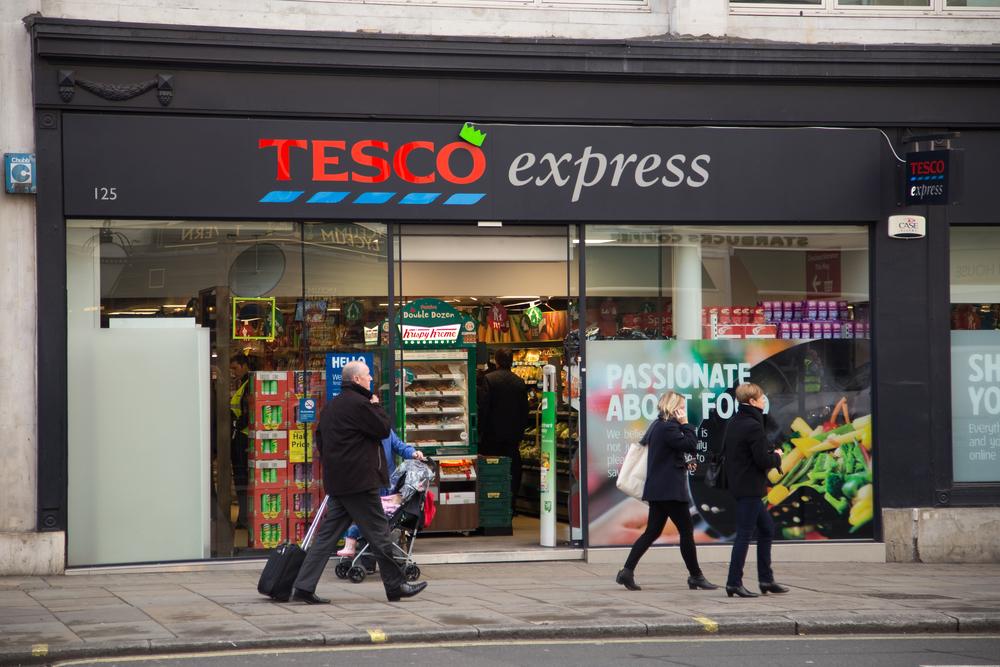
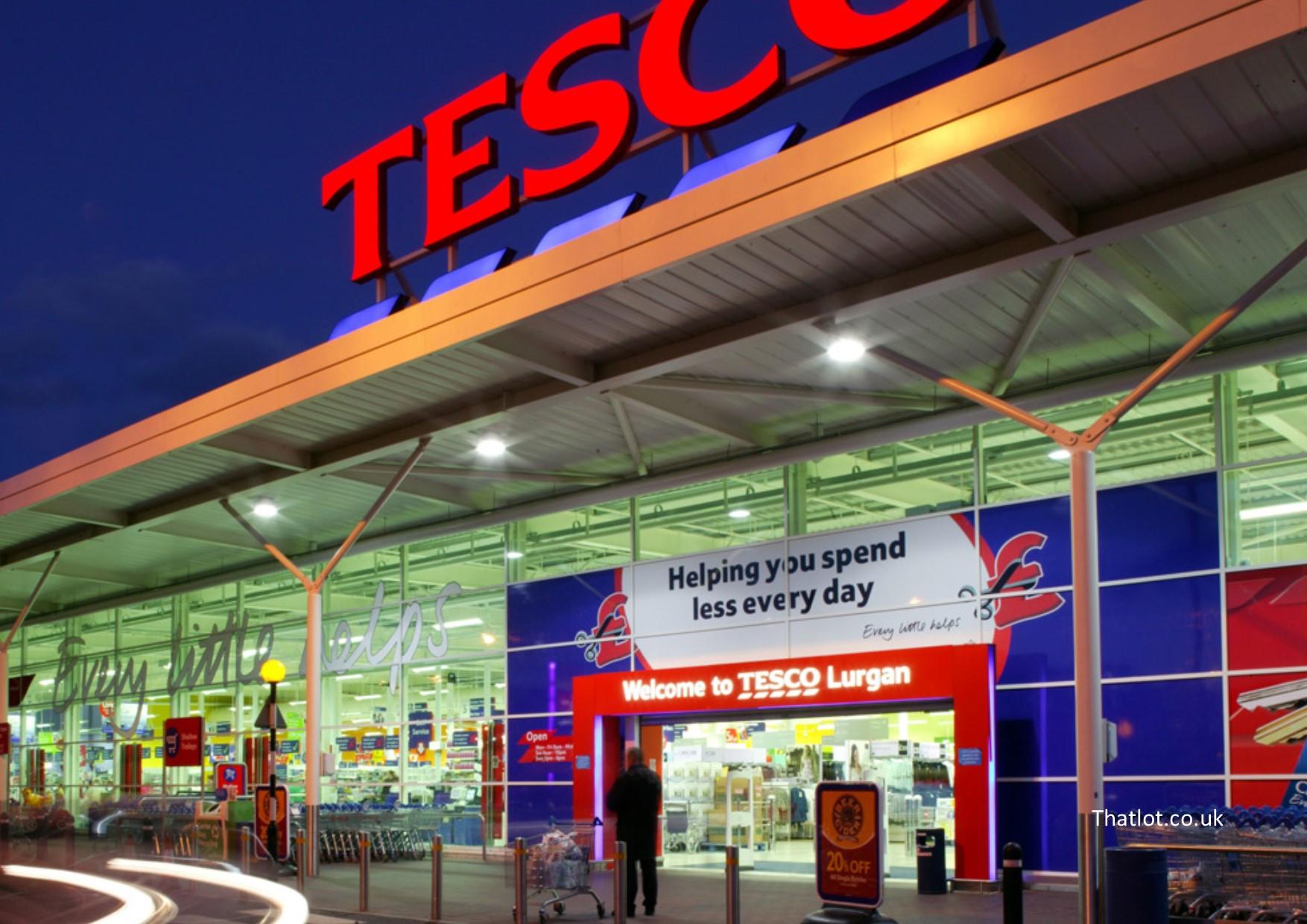
Tesco (NASDAQ:TESO) has announced that it will pay out $12 million to settle a lawsuit by US shareholders, who claimed that the company had overstated its profit expectations for 2014.
Tesco, the UK’s largest supermarket, admitted it had overstated its profit guidance due to incorrectly booking payments from suppliers, sending US shares tumbling by 15 percent. The overstatement was estimated to be around £263 million.
In a spate of bad results for the major supermarkets, Tesco reported third quarter earnings last month with a 55 percent fall in half-year operating profits. Tesco’s US-listed shares are currently trading down 2.42 percent at 8.08 a share. (0934GMT)Fix for Volkswagen cars simpler than expected, but still costly

25/11/2015
Thomas Cook results show positivity in the travel sector

25/11/2015
Key points: Osborne’s Spending Review
Miranda Wadham on 25/11/2015