Cineworld posts 11.3% rise in profit

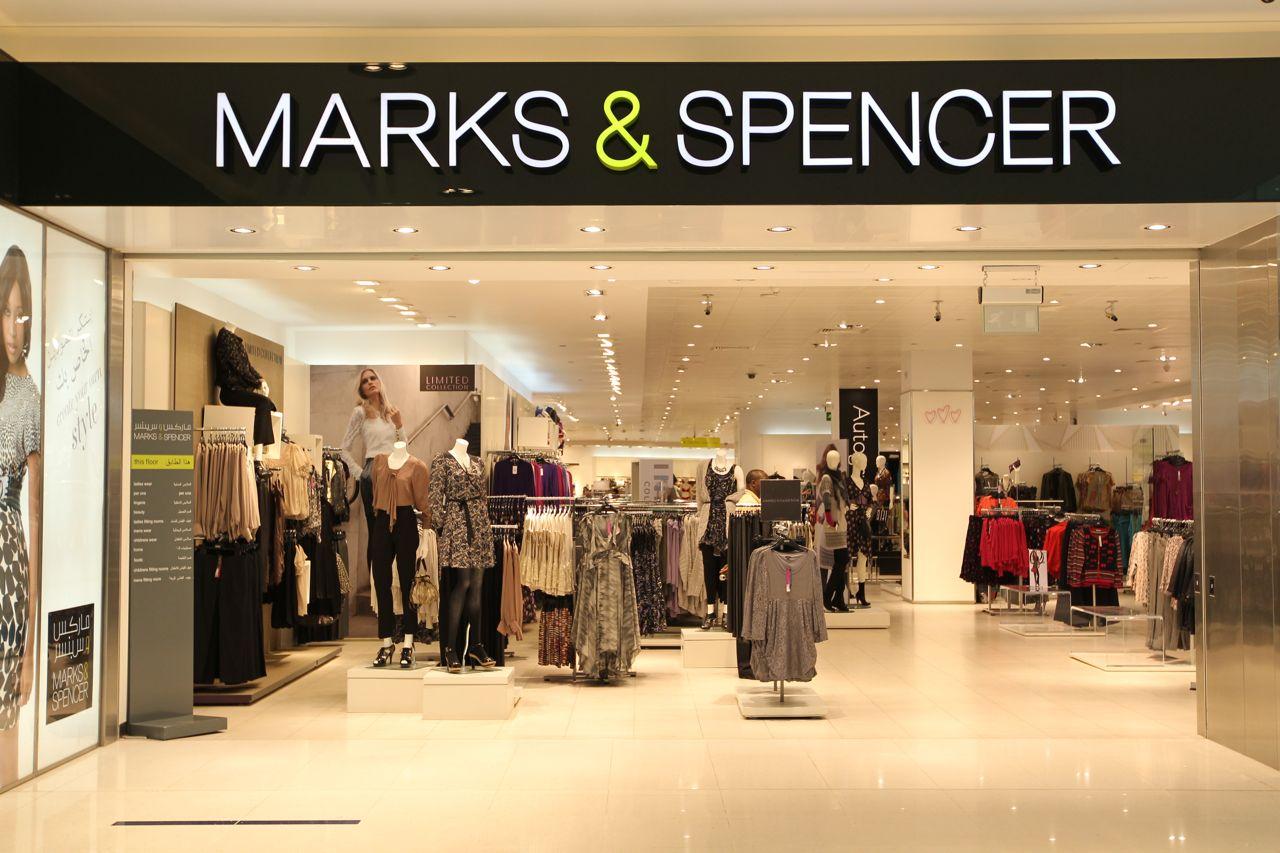
Cineworld (LON:CINE) posted an 11.2% increase in revenue for their first half as they benefitted from a good film release schedule and cinema openings. “During the first half of the year we traded well with a good film release schedule and in addition continued our expansion plans, by opening three new Cineworld cinemas in the U.K. (Swindon, Broughton and Silverburn, with 31 screens in total) and one Picturehouse (in East Dulwich with 3 screens)…we are on track to open a further 6 cinemas in the U.K.–with a total 47 screens, of which 5 will be Picturehouse screens, the company said. The outlook for the second half of the year is also encouraging, Cineworld is highly impacted by external factors such as film releases and film trends and are looking forward to what H2 has in store. The strong results have led to N+1 Singer reiterating their buy stance on Cineworld, analysts are targeting a price of 550p citing admissions growth as reason to be optimistic. “There is a promising film release programme during the second half of the year which includes titles such as “Star Wars: Episode VII”, the final Hunger Games title “Hunger Games: Mockingjay Part 2” and the next James Bond film “Spectre”, the company said in there results. Shares in Cineworld are up 48% over the last two years.

Samsung performs below expectations in second quarter

Second quarter earnings for tech giant Samsung are likely to be below expectations, the company announced this morning. Operating profit is likely to fall 4% to £3.9 billion in the period from April to June, with sales also falling 8%. The company cites supply issues with its Samsung Galaxy S6 as a reason for its low forecasts for the second quarter, but says these have now been resolved. The company is having difficulty selling its Samsung smartphones in a market that is very much dominated by Apple. Samsung shares closed up 0.8% after reversing early losses. The company’s final detailed results will be released at the end of this month.  

Tsipras to present new proposal at Eurozone summit

0
Greek Prime Minister Alexis Tsipras is expected to present a new proposal at the Eurozone emergency summit later today. This comes after the Greek people rejected the deal that was already on the table in a referendum on Sunday, despite being warned it was the ‘final deal’ Europe’s leaders were prepared to discuss. Tsipras’ new plan is set to include a demand for debt to be cut by 30%, and a discussion on debt restructuring. The Prime Minister has been urged to make “serious proposals”, as Greece faces an exit from the Euro.      

Oil hit by Greece, China

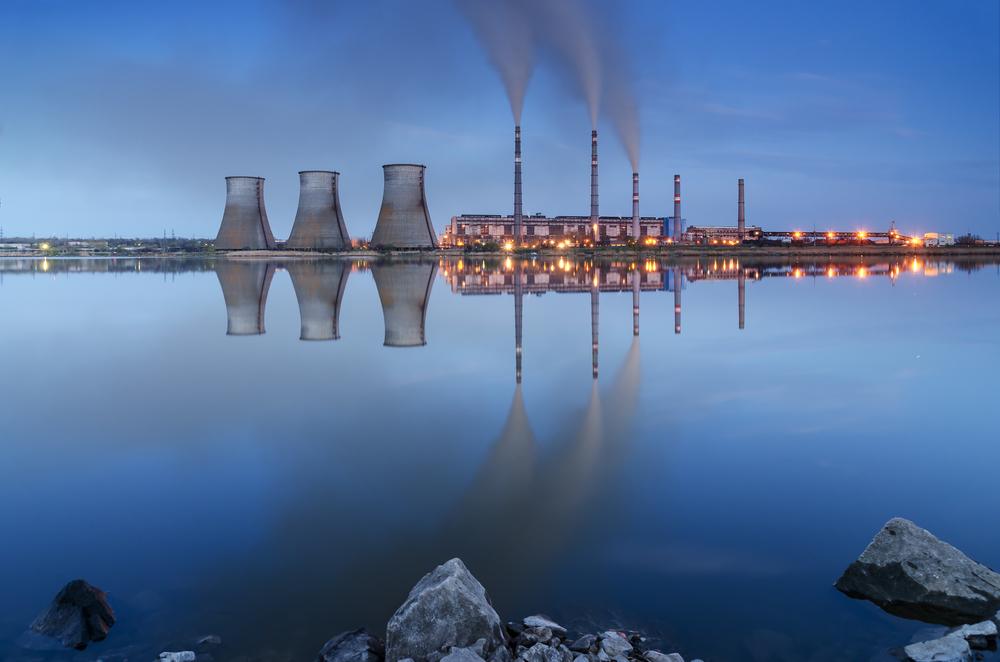
Brent Crude broke beneath $60 per barrel today as Greek and Chinese fears hit sentiment. Greece again was the source of investor woes and risk assets were unilaterally sold off as Greeks voted no in yesterday’s referendum. “All signs point south for oil prices,” Capital Economics said in its Monday note. China, the world’s second largest consumer of oil has suffered huge uncertainty in its stock markets which is filtering through to the wider economy. Efforts by the authorities have failed to stabilise prices and fears are that they may be powerless to control a domestic crisis. China “is a huge cause for concern and as such can’t be bullish for oil,” said Tamas Vargas, an analyst at PVM brokerage in London Brent oil traded down at $58.44 in London afternoon trading.

What next for Greece?

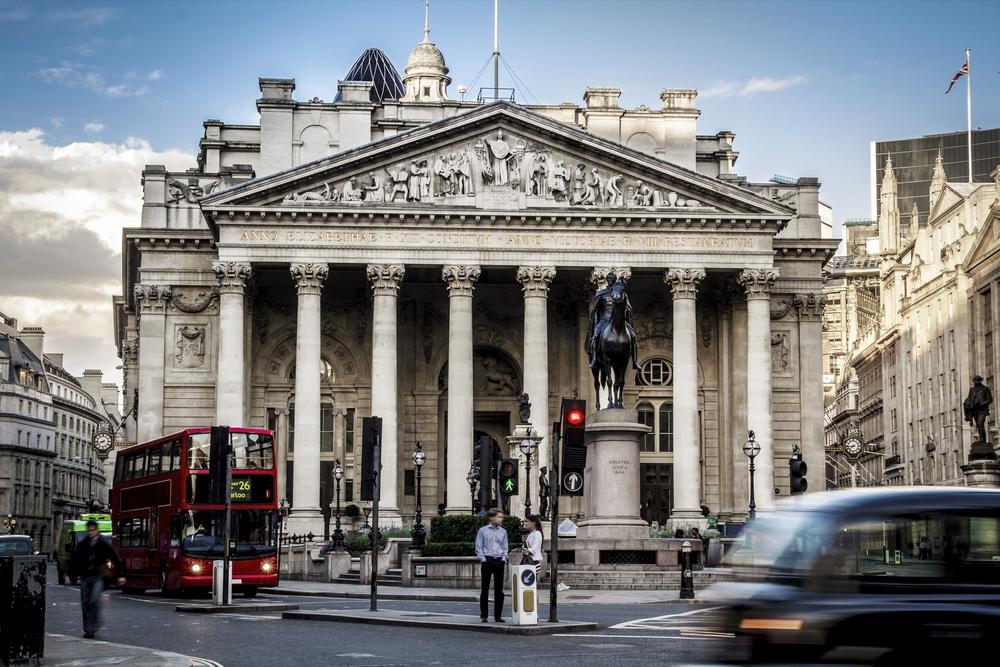
The Greek people have made a stand and rejected further austerity measures from its government after voting no in yesterday’s referendum. The Greek government hoped that the referendum would give them a better position in talks with creditors but European officials have thwarted any optimism of a quick deal. ECB’s Nowotny said this morning that a deal in the next two days was “illusory.” Not what Tsipras would have liked to have heard. In fact, as opposed to yesterday’s referendum cementing the Greek government, it appears to have unnerved some of the leading figures. Greek Finance Minister Varoufakis resigned early this morning, a move he said he would make in the case of a yes vote. The surprise announcement was met by a move higher in the Euro currency as investors looked forward to his replacement taking a softer stance on the relationship with creditors and a possible deal. A deal, however, seems just as far away as it was on Friday. Greece are in dire need of taking serious action. EU officials have again reiterated their conditions; Greece needs to make deep structural changes to welfare and taxes to secure the next tranche of aid. The Greeks on the other hand, are pushing for a haircut to their debt mountain, something that some officials are saying is not going to happen. The deadlock continues and the referendum has done nothing to ease tensions. The next moves by individual players are going to be key in how this crisis plays out. The actions by the ECB will be pivotal to Greece’s ongoing inclusion in the Eurozone. Greek banks a heavily reliant on liquidity provisions from the ECB, if these are halted Greek banks will quickly drain and collapse. If the ECB withdraws support, it is likely to be the beginning of the end for Greece and their time in the Euro. There are many payments Greece will have to make in the coming weeks, but the most important and one most likely to shape Greece’s future, is the payment due to the European Central Bank 20th July. If this payment is missed the ECB will be forced to reconsider ELA, a possible catalyst for Greece’s exit. Ratings agency S&P have issued a note saying the chance of Greece leaving the Euro is now higher than them staying in. This sentiment has been echoed by many investment banks.  

Heineken and Carlsberg fight for Myanmar

0
Multinational beer companies Carlsberg and Heineken are fighting to expand into Myanmar, as some of Europe’s largest brewers turn to far-flung parts of the world for growth. Myanmar has huge potential, with 80 percent of the adult population drinks beer solely produced by Myanmar Brewery, a company linked to the country’s former ruling military. After decades of isolation, the country is beginning to warm to consumerism, and has opened up its borders and begun to welcome tourism. Beer sales in Myanmar rose 14 percent to $265 million between 2009 and 2013, and are forecast to reach $675 million by 2018, according to Euromonitor. Myanmar is showing strength as an emerging market and both Heineken and Carlsberg consider now to be a good time for expansion. Heineken are no stranger to emerging markets; in 1991 they made a profitable move into Vietnam, which is now their third largest market. “The calculated risks Heineken takes in emerging markets are an important part of the company’s future growth,” said Leo Evers, head of Heineken’s business in Vietnam. Heineken shares fell 0.7 percent to 67.60 euros at 12:21 p.m. in Amsterdam, trimming this year’s gain to 15 percent.  

Greek Finance Minister resigns after Sunday’s referendum

0
Yanis Varoufakis, the Greek Finance minister, has resigned after yesterday’s referendum. This comes just hours after he vowed that, should the Greek people vote no, he would remain in power and campaign for a better bail out deal for Greece. In a statement, Varoufakis said he believed that his resignation would help Greece come to a solution with their EU creditors. He has repeatedly clashed with many of the leading Eurozone Finance Ministers. Greece have officially voted to continue negotiations with Europe rather than accepting the current proposal, despite being warned that it may well lead to their exit from the euro. Greek banks remain on the brink of collapse as the ECB meet this week to discuss whether to send emergency funds.  

Rolls Royce sink 9% after third profit warning

Rolls Royce shares sank 9% after it announced its third profit warning and scrapped a £1 billion share buyback programme. In a release to the market this morning, 131 year old Rolls Royce lower its profit guidance to £148 million for this year, down from £155 million. The engineering firm saw weakness across most units with Civil Aerospace taking a £300m hit as demand for its Trent 700 product experienced slower sales. The Marine division also saw losses but to a lesser extent than Aerospace. The management have seen it appropriate to discontinue the remainder of a £1 billion share buy programme following the disappointing results. Rolls Royce have attributed their poor performance to oil price volatility and uncertainty at large customers such as Airbus. “Our immediate priority is to find the performance improvements needed to deliver these goals and ensure that this world-class business continues to meet the needs of its customers and shareholders alike,” said Warren East, Chief Executive of Rolls Royce. The fall has been met with a report from the FT who are speculating that the cheap shares may be too hard to resist for a predatory firm. Rolls Royce shares are down 19% over the last year.

Key Greek payment dates

The Greek have voted to reject further austerity measures which is likely to prolong a possible aid package from the Troika. It is therefore important to note the upcoming payments Greece is facing as market pressures are likely to increase in the run up to these events if no deal is struck. These payments are in addition to the EUR 1.6 billion already owed to the IMF. 10th July EUR 2bn T-bill redemption 13th July EUR 500m IMF loan redemption 16th July Governing Council monetary policy meeting of the ECB in Frankfurt 17th July EUR 1bn T-bill redemption 20th July EUR 4bn ECB held government bond redemption 1st August EUR 200m IMF interest payment 7th August EUR 1bn T-bill redemption 20th August EUR 3.5bn ECB held government bond redemption (Source: Reuters, Bloomberg, ECB)

Stock markets set for significant losses after Greek vote

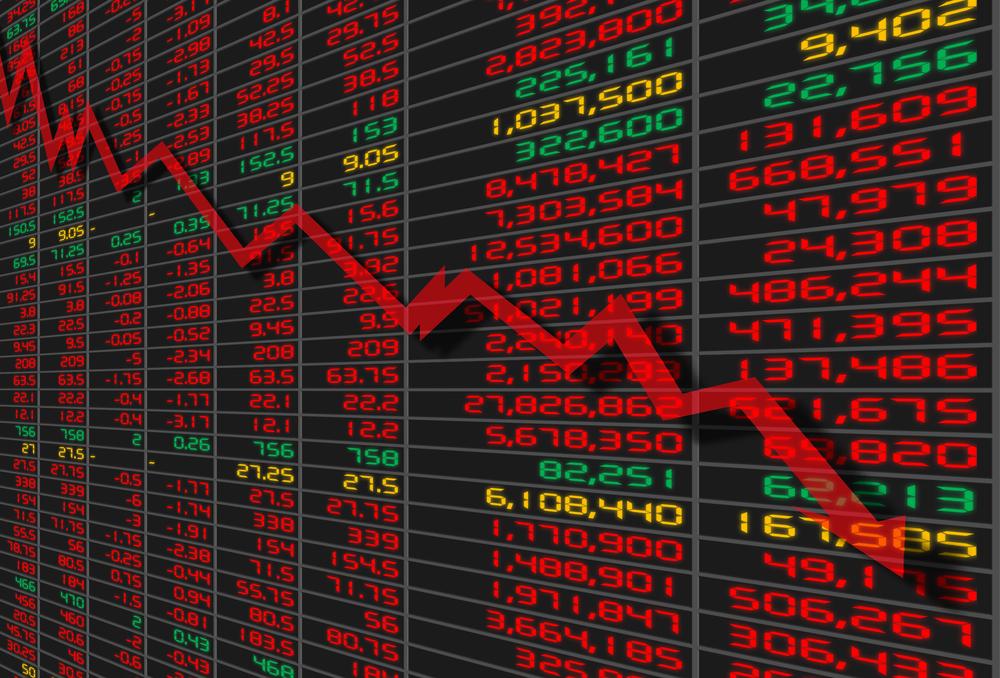
The Greek people have given their verdict. They will not be bullied by the Germans and the rest of Europe and have voted ‘no’ in the referendum on whether to accept further austerity measures. Some have said a no vote is effectively a vote to leave the Euro as Greece loses protection from the European Central Bank. The Greek government believed that by confirming their mandate from the Greek people they will strengthen their negotiating position with creditors. “The government now has a strong mandate, a strong negotiating card, to bring a deal which will open new ways,” said Labour Minister Skourletis They may, however, be horribly mistaken. Mixed reports throughout the day have suggested that the Germans and French were not rushing back to talks tomorrow as Tsipras would have liked. Tsipras may have planned to jump back to the table and broker a fresh deal with creditors. He will be extremely disappointed to hear that one euro zone official has said to Reuters, they “would not know what to discuss.” The uncertainty created by the void may be enough to tip Greek banks over the edge as deposits continue to decrease and support from the ECB wanes. Major futures markets remain closed, but UK spread betting firms have given early indications of tomorrow’s opening prices. It’s not pretty. IG are quoting the following prices. IG Greece Markets plummet After many weeks of talk about a potential accident, we may now have it.