
Greece in need of debt relief in February 2016

0
The Greek finance minister Euclid Tsakalotos said on Monday that Greece aims to achieve a deal on debt relief in February with euro zone creditors to spur economic recovery and remove financial uncertainty. To the America-Hellenic Chamber of Commerce, Tsakalotos said; “If we don’t make the critical decision in let’s say February 2016, and we push the critical decision back to next summer or even 2017, then all the results will be delayed,” Once the first review of Greece’s third bailout programme has been deemed successful, Euro zone leaders have agreed to consider additional debt relief. The International Monetary Fund has said that Greece’s sovereign debt, which is projected to reach 187.8% of Greece’s 2016 GDP, is unsustainable and will need debt relief far beyond anything the euro zone has ever been willing to contemplate.

AB InBev to consider selling SABMiller’s Peroni and Grolsch brands

Amid worries of the combined entity having too much dominance over Europe’s beer market, AB InBev plans to sell the Peroni and Grolsch brands it would gain from SABMiller.

Although no deal has been confirmed, the Budweiser owner AB Miller may attempt to sell the brands to satisfy EU regulators, who usually get involved if a combined company has a market share of over 40%

Potential buyers have been named and include U.S.-based Molson Coors, Dutch group Heineken and Ireland’s C & C Group.

The deal, which involves two of the largest players in the industry, is expected to be completed in the second half of 2016 and will be the eighth-largest takeover of all time.

SABMiller and AB InBev are yet to confirm a deal.

Volkswagen to recall 2.46 million cars in Germany
Reported on Monday by German newspaper Die Welt, Volkswagen (VOWG_p.DE) will have to recall over 2.46 million cars that were rigged with the illegal emission software in Germany alone. Alexander Dobrindt, Germany’s transport minister, said; “The VW group must resolve the damage quickly. It cannot be that customers will be hit by the disadvantages… Weeks ago, we arranged a recall regarding all diesel vehicles, which will kick off in January 2016. We are dealing with the VW affair much more [in Germany] than, for example, in the United States.” The Volkswagen scandal, which was uncovered by the Environmental Protection Agency, has also had many consequences all over the globe, where in India, Volkswagen will have to recall up to 100,000 that falsify emission levels and fuel efficiency figures. South Korea are also fining the company $12.3 million and ordering thousands of cars to be recalled. Analysts have said the costs of fines, lawsuits and vehicle refits caused by VW’s rigging of diesel emissions tests could top 40 billion euros.

Oil price falls ahead of OPEC meeting

0
On Monday, oil prices took a dip, with declines as high as 10% due to a firmer US dollar making contracts more expensive for holders of other currencies and no signs of ease from the supply glut. Oil analyst at the London brokerage PVM Oil Associates, Tamas Varga, has said; “We are going to have some volatility this week as lots of market-moving events will take place,” This fall in oil prices comes just before an OPEC policy meeting on Dec. 4, where they shall discuss whether to adjust its production strategy. Whilst most analysts doubt OPEC will cut production, they are aware that Saudi Arabia could warm towards the idea of working with other oil producers on price support measures. This is following Ali bin Ibrahim Al-Naimi, Saudi Arabia’s oil and mineral minister stating that as they are one of the biggest exporters of oil, they are ready to work with others to help stabilize the market. Chief investment officer at Sydney’s Ayers Alliance, Jonathan Barratt, highlights Russia’s role as well as OPEC countries to control production, stating that it is important for “some sort of co-ordinated attempt to reduce production” between exporting countries. For January, Benchmark Brent was down 25 cents at $44.61 a barrel (0728 GMT). U.S. crude dropped 10 cents to $41.61.  

Refugee Crisis: What it means for Germany’s economy

Comparing refugees to swarms and cockroaches, the media has not acted kindly to those escaping poverty and war from Syria. Many, including Janet Daley from The Telegraph, believe that Europe cannot handle such an influx of migrants and that they will only add to “the pressures on their hospitals and GPs’ surgeries, and of shortages of housing and school places”. Despite so many popular discourses maintaining similar views, evidence emerging from Germany suggests anything but a strain on the economy. With Germany expected to receive up to 800,000 refugees and migrants by the end of 2015, many economists agree that this influx can only be good for the economy. This is largely due to the fact that Germany, like the UK, has an ageing population. With an average age of 44.5 years, the influx of young migrants are expected to turn around Germany’s precarious demographic situation and help pay the pensions of tomorrow, whilst filling the country’s workforce hole. As reported by the Independent, the high influx of refugees from Syria are expected to contribute to significant growth boost in Germany, with Deutsche Bank forecasting the country’s GDP to come in at 1.9% in 2016. Andrea Nahles, the German Labour minister, addressed sceptics saying; “We will profit from this, too, because we need immigration. The people who come to us as refugees should be welcomed as neighbours and colleagues.” This profit can be seen in a report, stating that those 6.6 million living in Germany in 2012 with a foreign passport paid an average $4,127 more in taxes and social security than they took in social benefits, leading to a surplus of 22 billion euros that year. However, it is important to recognise that this evidence might take years to be acknowledged by critics, with well-known German futurologist, Horst Opaschowski stating; “It will only be in the long run that Germany can prove the pessimists wrong — and the economists right.”  
Safiya Bashir on 30/11/2015

David Cameron sees EU discussions on Britain next month
0
Despite rumours it would be pushed back, David Cameron insists there will “substantive discussions” at the December European Council of Britain’s settlement in Europe. A spokesman from Number 10 has said; “The Prime Minister and the President of the European Council, Donald Tusk, discussed the UK renegotiation in a bilateral meeting after the EU-Turkey summit. They agreed that we continue to make good progress. While some areas are more difficult than others, discussions are ongoing with Member States to find solutions and agree reforms in all four areas outlined in the PM’s letter to the European Council President.These discussions will continue in the coming days” Whilst Britain’s involvement with the EU remains highly contested, EU officials maintain that Cameron will successfully urge voters to support continued membership of the EU in a referendum he plans in two years time. Konrad Szymanski, Poland’s new European minister has said; “Poland has a major interest in preventing any British EU exit. We are ready to support British demands as regards changes to their treaty obligations and possibly also changes to the European Union’s treaty architecture,” As well on discussions on Britain’s place in the EU, talks regarding Turkey’s membership will also re-open, with Donald Tusk stating the topic has been “re-energised”.

Readbug crowdfunds to become the ‘Spotify for magazines’

For better or worse, internet based content is increasingly taking over from traditional forms of media. As Netflix has done for TV and Spotify has done for music, so start-up company Readbug intends to do for magazines – and to get up and running, they are currently looking for equity investors on Seedrs. The publishing sector has had an increasingly tough time finding their place in the digital world, with both authors and publishers losing out to e-books as well as Amazon’s ruthless price model. However, the team behind Readbug thinks the solution lies in a subscription based model that will revolutionise the sector -according to founder Matthew Hammett, a former designer with Future plc, “Readbug is the Spotify for magazines”. “We convert all our content so it’s mobile friendly… We’re adding a buy-it-now function so the reader can — at the end of an article or a magazine — decide to purchase the magazine there and then,” Hammett told TechCrunch. By downloading the app, users can browse magazines, flick from cover-to-cover, select their favourite titles, scroll through their personalised article stream – all for one monthly subscription set at £9.99, the same as Spotify. Overall, it will encourage magazine readership, especially of more indie titles such as Dazed and Oh Comely – by removing the per issue pay wall barrier our members have the freedom to read as much or as little as they like. The target market is huge, with the potential for serious growth. Netflix have consistently delivered strong results and now has over 70 million subscribers across the world, with Spotify delivering to an even bigger audience of 75 million. The consumer magazine market is worth £2.8 billion per annum in the UK and £50.2 billion worldwide – and so far, it hasn’t been tapped into with a subscription app. So far, Readbug is well on its way; it has global content agreements with 60 publishers and hit number 66 in the US App Store News rankings. It also has strong relationships with commercial partners, such as The Hospital Club and select universities. The success of Spotify and Netflix show that for apps such as these, pulling in the revenue is easy using a combination of advertising, partnerships and Sponsorship and commercial licenses. Readbug currently have a crowdfunding page open on Seedrs, where they are looking for £500,016 in return for 12.5 percent equity. For further information on how to get involved, visit their crowdfunding page here.  
Miranda Wadham on 27/11/2015 

Billions could be spent today in ‘Black Friday’ sales, boosting retail figures
0
Online purchases are expected to pass £1 billion in 24 hours today, as the pre-Christmas discount day ‘Black Friday’ begins. The American tradition, brought to the UK in 2010 by Amazon, sees US retailers slash prices the day after Thanksgiving in order to kickstart the Christmas spending season. In the last couple of years, retailers in the UK have followed suit, with groups such as Tesco, Currys and Asda offering discounts of up to 70 percent. Retailers will be hoping that their Black Friday sales will spice up the month’s trading, as November figures released on Tuesday saw sales grow at the slowest rate in nine months. However, this may not be the case; last year, low-margin Black Friday sales was followed by weaker-than-expected demand leading to a disappointing outcome for major retailers. According to a survey by Barclays, 77 percent of UK retailers are holding Black Friday promotions, with Visa Europe saying that £1.9bn could be spent online and in-store on its cards alone. Some analysts feel the event has distorted the traditional Christmas spending, pulling it forward at a time when retailers traditionally charged full prices.   Tesco opened select stores at 5am this morning, with a spokesman telling BBC that they had been “very busy so far with early shoppers behaving well.” Last year saw trouble in stores, with fights breaking out over discounted products.

John Lewis sees 9.7 percent growth in sales
British department store John Lewis has released figures today showing that sales rose 2.6 percent, compared to the same week last year. The company are also up 9.7 percent on the year to day, although have said that ‘Black Friday’ discounts will need to be factored in: “Demand for televisions and computers was lower during the week with customers anticipating Black Friday offers,” said David Barford, director of selling for London & South. John Lewis is the only major British retailer to publish weekly sales data, which showed that its Waitrose arm was also up 2.5 percent on the week – boding well for the Christmas period. November saw disappointing results for British retail sales, which grew at their slowest rate in nine months, according to a Confederation of British Industry survey released this week. Waitrose arm also up 2.5 percent on the week.  

New 2018 deadline for mis-sold PPI claims
1
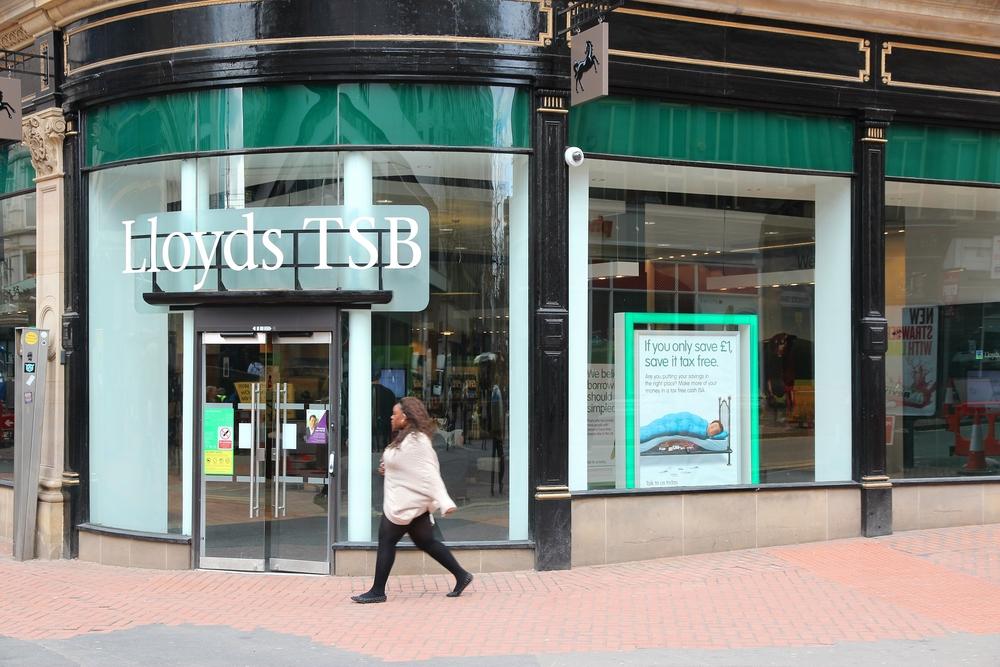
Anyone mis-sold PPI insurance loan insurance will have to file compensation claims by 2018, set out in new plans attempting ‘draw a line’ under one of British banks’ most expensive scandals. A consultation paper published on Thursday by the banking watchdog set out new rules on so-called payment protection insurance (PPI) complaints, and said a new campaign to inform consumers about the time limit would be funded by banks who mis-sold the insurance. The scandal, whereby banks tricked customers into buying PPI insurance with an average commission of 67 percent, has led to British banks setting aside £28 billion in compensation. Lloyds bank was deemed the biggest perpetrator. The banking watchdog published a consultation paper on the subject on Thursday, with a new campaign warning customers about the time limit being funded by the banks and is likely to cost around £42.2 million. Barclays fined £72 million for failing to conduct adequate client checks

It seems that today has been a bad day for banks all round, as Barclays bank prepares to pay a fine of £72 million for failing to conduct proper checks on its richest clients.

The City regulator said Barclays made a £1.88 billion deal with their wealthiest clients in 2011 and 2012, because they were worried about inconveniencing them. The regulator concluded that Barclays did not conduct the proper checks on clients who should have been considered politically high risk.
26/11/2015