
UK inflation falls back to 0%
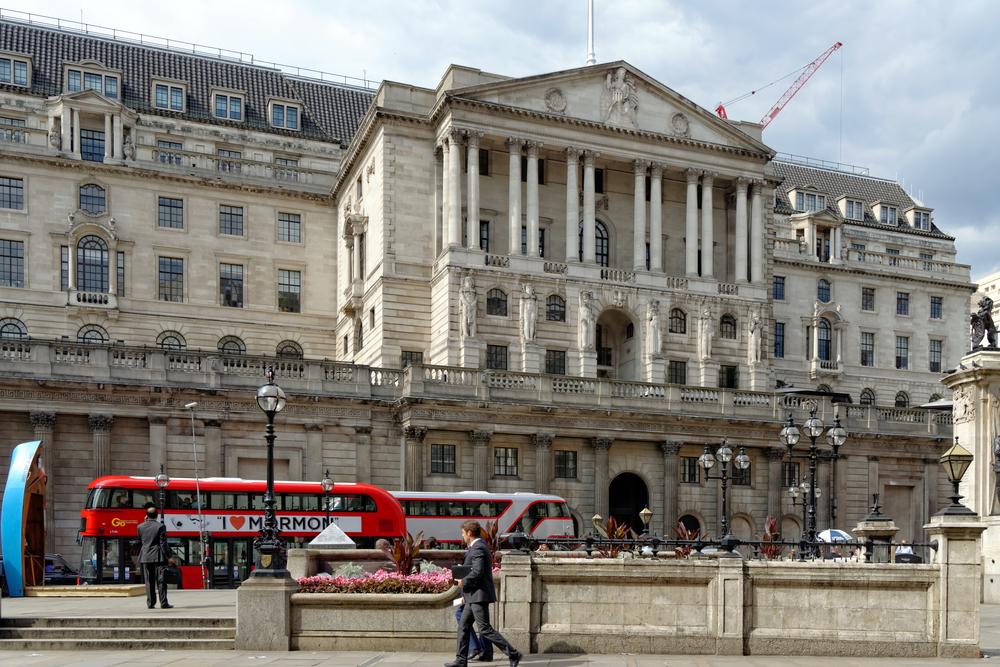
The UK rate of inflation has dropped back down to 0% in August, as oil prices continue to affect price growth in England.
The rate has fallen from 0.1% in July, according to figures released today by the Office for National Statistics.
Oil prices hit a six-and-a-half year low of around $42.50 per barrel in late August, causing speculation that price pressures will remain low over the next six months. The figures are the latest in a series of disappointing economic data releases, which means the Bank of England is likely to push back a rate rise.
“With consumer price inflation flat in August and core inflation easing back to 1.0%, there is little immediate pressure on the Bank of England to start raising interest rates,” Howard Archer, chief UK and European economist at IHS Global Insight told the BBC.
“Further reason for Bank of England caution on interest rates is the recent evidence that the economy has hit a soft patch during the third quarter,” he said.
Consumer prices rose 0.2 percent on the month but were unchanged from a year earlier, the Office for National Statistics said, in line with economists’ expectations for a slight fall in annual inflation from 0.1 percent.
Core inflation, which ignores volatile moves in the price of energy, food, alcoholic drinks and tobacco, rose by an annual 1.0 percent in August.
Asian trade mixed on Monday, mainland China takes a hit

Shares in Asia were choppy on Monday, with disappointing economic data released on Sunday causing mainland Chinese shares to fall.
Figures released showed that growth in both fixed-asset investment and factory output – at 6.1% – were below analysts’ expectations.
The Shanghai Composite index closed down 2.67% at 3,114.80, while Hong Kong’s Hang Seng was flat, up just 0.16% at 21,538.97. The Shanghai index has lost nearly 40% since its peak in mid-June. The Chinese government also announced plans to restructure its state-owned enterprises, including partial privatisation, as the Prime Minister makes further moves to bring the rapidly spiralling Chinese economy under control. Further details on the plans were sparse, with guidelines issued by the Communist Party’s Central Committee and the State Council announcing that there were plans ‘clean up and integrate some state firms’. Arguably, reform of state-owned enterprises is one of China’s most pressing needs. “China’s economy faces relatively big downward pressure, so investor sentiment remains weak,” said Gu Yongtao, strategist at Cinda Securities told Reuters. Elsewhere in Asia, investors remain cautious in advance of the Federal Reserve meeting this week. Economists are split on whether the US is likely to raise rates for the first time in ten years on Thursday.India and Britain to strengthen ties with ‘FinTech bridge’

Britain’s Minister of State for Trade & Investment Francis Maude has announced an agreement with India which will strengthen commercial ties between India and the UK.
India and Britain will collaborate to create a ‘FinTech bridge’ between the two countries. Led by Alok Vajpeyi and Britain’s Startupbootcamp, it will encourage close partnership and investments in Britain and Indian FinTech companies, and help them expand globally.
Britain and India have always had strong business links; in 2014-15 India emerged as Britain’s third biggest job creator, creating 7,730 new jobs. Opportunity for investment in India is blossoming, with its economic growth rate at 6.4 percent – well above the global rate of 3 percent. Many UK firms in this sector are already well established in India, including Standard Chartered and HSBC.
In the announcement, made to over 200 students at the IIT Bombay, Francis Maude said:
“Our Government is committed to an enhanced partnership with India. I will be meeting Indian Government and business leaders to discuss how we can support Indian PM Modi’s aspirations for India’s economy.
“It will encourage close collaboration and investment in UK and Indian Fintech companies and help them expand globally. Whether their focus is financial inclusion or access to lending, Fintech companies are creating global solutions.”
The initiative will be called ‘FinTech20 India’, in close partnership with FinTechCity of the UK, and will search for the twenty best FinTech innovators in India. Companies will be selected by a panel of experts from the UK and India and will be promoted in the FinTech50 2016 when it is released to a world-wide audience next year.
Prime Minister Modi, whose goal is to elevate India’s status globally as a country for investment, has described India’s engagement with the UK as an “unbeatable combination”.
UK Investor have partnered with Charles Hanover Investments to offer a free report detailing further the investment opportunity in Asia. To download it, click here.
Wetherspoons pubs disclose 2% profit drop
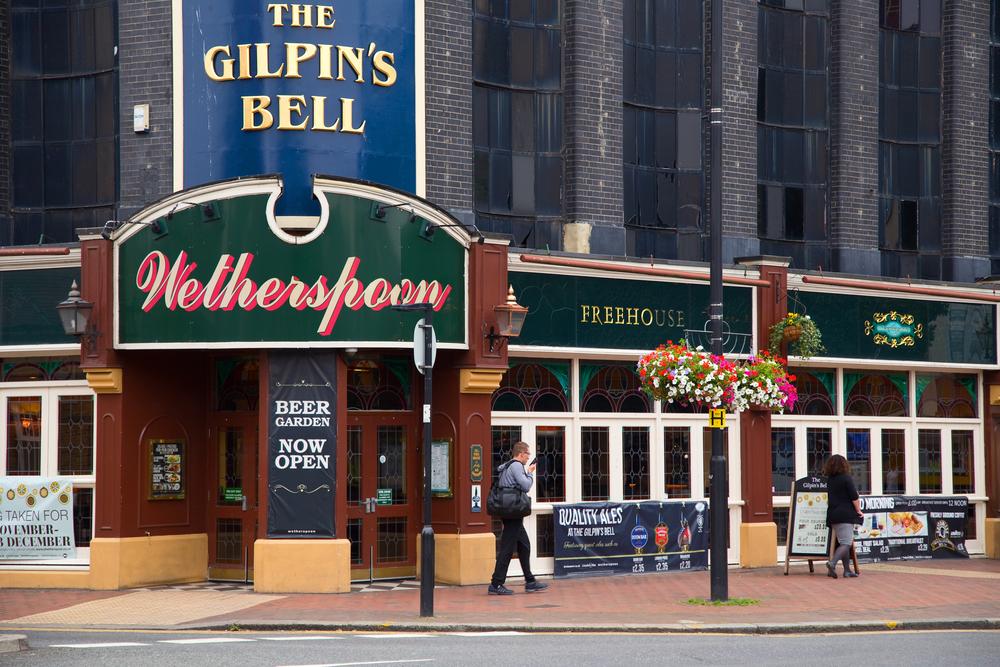
Pub chain JD Wetherspoons (LON:JDW) disclosed a 2 percent drop in full year profit before tax on Friday, citing higher costs and new cut price food and drink offers as reasons for the added pressure.
Underlying sales grew 3.3 percent and total sales rose by 7.4 percent to 1.5 billion pounds. The group’s profit before tax was£77.8m, down from £79.4 last year.
Chairman Tim Martin highlighted the excessive taxes placed on pub food in comparison to supermarkets and restaurants, and the negative effects of the disparity; citing the fact that pubs have lost 50 percent of their alcohol sales to supermarkets over the last 35 years due to this.
He said in a statement:
“As previously stated, a number of factors likely to influence our trading performance this financial year are difficult to quantify at this early stage. Positive aspects include an increase in pub numbers, a better economy and slightly lower interest rates; less favourable aspects include heightened competition from supermarkets and restaurant groups and increased staff, repairs, bar and food costs. We continue to anticipate a trading performance similar to, or slightly above, that achieved in the last financial year.”
Wetherspoons is currently trading up 1.78 percent at 732.78 pence per share (0910GMT).
Friday proves another tricky day for Asian stocks

Friday proved another tough day for Asian markets, with Tokyo bearing the brunt of the volatility.
Japan’s Nikkei benchmark index spent most of the day in the red, closing down 0.19% at 18,264.22. Although it surged almost 8% on Wednesday, the Tokyo index closed down 2.5% on Thursday – sustaining some heavy losses. Investor sentiment is being increasingly affected by speculation that the US Federal Reserve will raise interest rates at their meeting next week, which is affecting markets globally. However, Japanese Prime Minister Shinzō is continuing to instigate policy to stimulate the economy, including the news that Japan Post is seeking to raise as much as 1.39tn yen ($11.5bn, £7.4bn) in a stock market listing. The Japan Post controls the country’s largest bank, Japan Post Bank, and Japan Post Insurance, the biggest insurer and will be be one of Japan’s largest public share sales in more than 30 years. Chief cabinet secretary Yoshihide Suga said the share offering would encourage a shift of savings out of bank deposits and into the stock market.Bank of England vote 8-1 to keep rates on hold
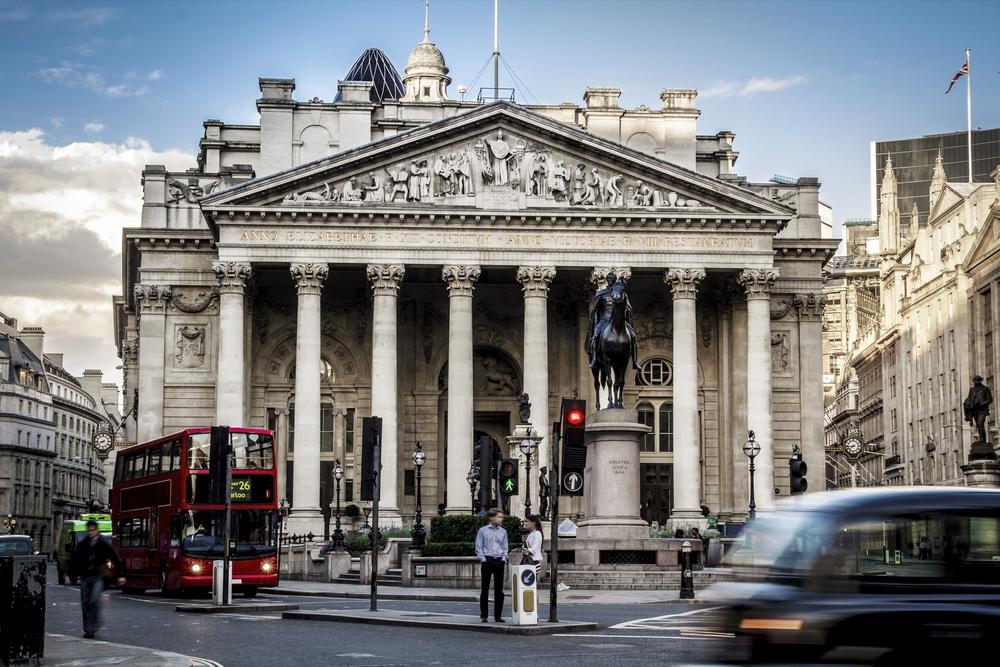
The Bank of England voted to keep interest rates at their record low of 0.5% yesterday, with just one member voting against.
The MPC reiterated that it did not feel the volatility in China would slow down economic growth in this country, and that interest rates will still be raised in the near future. However, it lowered its estimate for the UK’s economic growth in the third quarter of this year from 0.7% down to 0.6%. The pound jumped to a two-week high against the dollar on the news. The MPC said in the minutes of its monthly policy meeting that “although the downside risks emanating from overseas had risen, it would be premature to draw strong inferences from this month’s events for the likely path of activity in the United Kingdom.” The Bank of England’s governor Mark Carney commented: “Domestic momentum is being underpinned by robust real income growth, supportive credit conditions, and elevated business and consumer confidence. “The rate of unemployment has fallen by over two percentage points since the middle of 2013, although that decline has levelled off more recently.” Analysts are speculating that the Federal Reserve will raise rates in the US next week for the first time since the financial crisis; if so, effects will be felt across markets globally and the Bank of England may be more inclined to follow suit.Lloyd’s insurance reports 28 percent profit drop
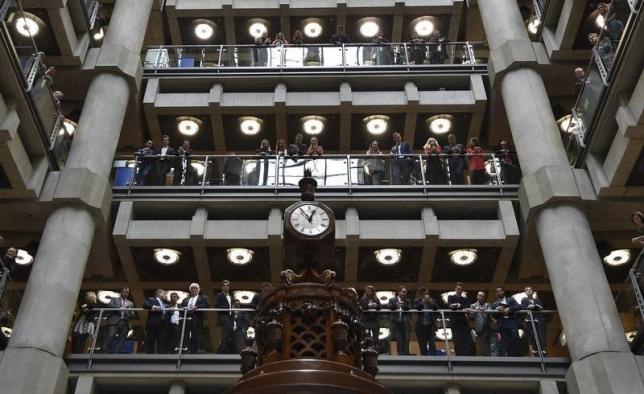
The Lloyd’s of London insurance market disclosed a pre-tax profit drop of 28 percent due to lower investment returns and a competitive market.
Pre tax profit fell to £1.19 billion, with a return on capital falling to 10.7 percent from 16 percent last year.
Lloyd’s Chief Executive, Inga Beale, said:
“These results demonstrate Lloyd’s success and resilience despite challenging underwriting and investment conditions. This sizable profit is in large part due to the market’s expert underwriting and our deep commitment to rigorous oversight..
In a statement, the company said that the results were a solid achievement in the light of the challenging conditions faced by the industry. Lloyd’s cited several expensive claims as the reason for the slower performance, including the Pemex oil rig in Mexico, the Germanwings flight 9525 crash and aircraft bombings during conflict in Yemen.
However, Lloyd’s continues to be highly rated with an A rating from A.M.Best, A+ from Standard & Poor’s and AA- from Fitch. According to the company, this demonstrates “Lloyd’s excellent underwriting oversight, and continued investment in risk and exposure management practices.”
House prices rise nearly 9% in three months to August
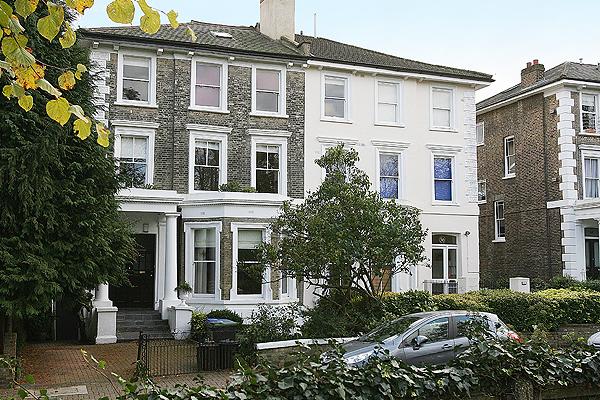
British house prices have increased 9 percent in the three months to August, according to mortgage lender Halifax.
Prices have jumped 2.7 percent in the last month, with the average price of a home across the UK now at £204,674, acording to the Halifax measure.
The Royal Institution of Chartered Surveyors (Rics) also released figures today, warning that house price inflation across the UK is ikely to hit 6% this year. At the start of 2015, Rics expected that prices would rise by just 3%.
Halifax economist Martin Ellis told the BBC that “strengthening demand, and highly constrained supply, are likely to mean that house price growth continues to be robust in the short-term.”Japanese and Chinese stocks down after poor economic data

Asian stocks were off to a bleak start on Thursday, as economic data from Japan weighed heavily on investors.
Japan’s Nikkei closed down 2.5 percent at 18,299.62, after surging nearly 8 percent on Wednesday morning.
Core machinery orders, Japan’s most important gauge of capital expenditure, fell for the second month in a row in July, down 3.6 percent. This is a further indication that Japan’s economy may not recover as quickly as expected after a disappointing second quarter.
In China, the benchmark Shanghai Composite was down 1.1% to 3,206.69, while Hong Kong’s Hang Seng was down 2.2% to 21,639.29 points.
Figures released on Thursday showed China’s consumer price index (CPI) unexpectedly rose to 2% in August from a year ago marking a one-year high.
However the rise was mainly due to higher pork prices, rather than economic growth; pork is a big contributor to consumer prices in China and rose from 16.7 percent last year to 19.6 percent in August.
Struggling supermarket Morrisons sees 35 percent profit drop
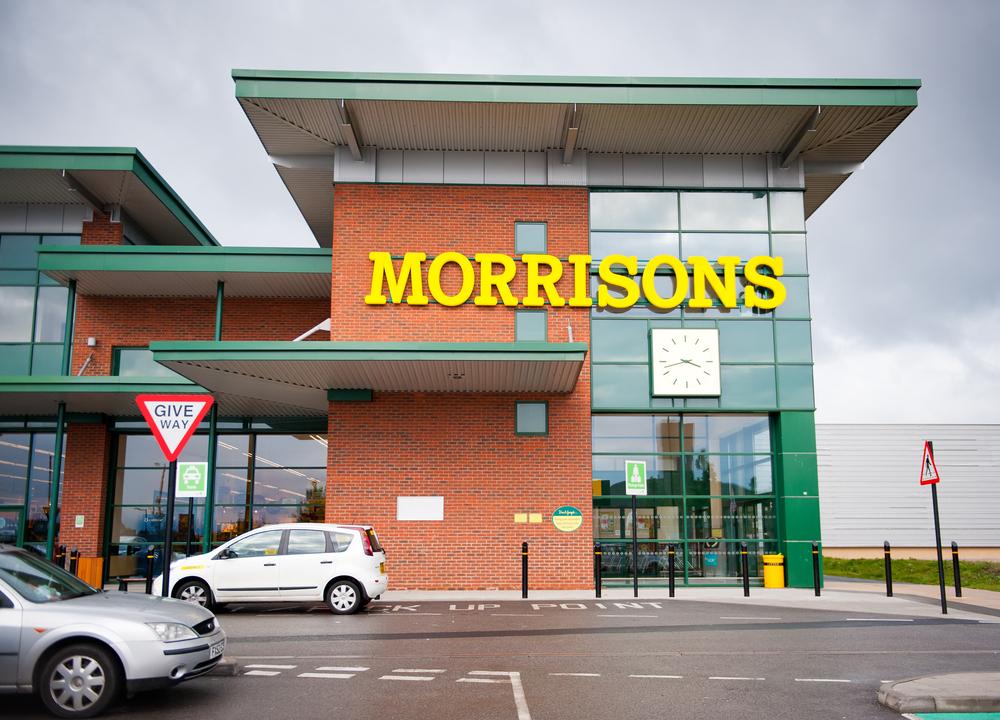
Morrisons (LON:MRW) has announced plans to close 11 of its stores, in a effort to reverse the fortunes of the struggling supermarket chain.
The company disclosed a 35 percent slump in first-half profit to its lowest level in nine years, with like-for-like sales for the period up to August dropping 2.7% compared with the same period last year.
in annual sales, made an underlying pre-tax profit, before restructuring costs, of 141 million pounds in the six months to August 2, in line with forecasts.
The company said the turnaround for Morrisons would be a slow process:
“Customers and colleagues are beginning to notice improvements, but the turnaround will take time.”
New Chief Executive, David Potts, said:
“This is a difficult decision but one which we cannot see any way through to make those stores viable.”
Overall turnover fell 5.1 percent. Earlier this week, the company finalised a deal to sell its 140 convenience stores in order to focus on improving the bigger supermarkets.
Morissons are trading down 4.03 percent on the news, at 168.81 pence per share (0837GMT).