UK Inflation, Berkeley Group Holdings, and Vela Technologies with Alan Green

The UK Investor Magazine Podcast is joined by Alan Green for a discussion around UK equities and the global economic environment.

We start by looking at the latest UK inflation data which jumped to a whopping 9.1% in May with predictions it will continue to rise through the summer. Our focus shifts to the market’s perception of this data and what it means for central bank action.

With major central banks set for further interest rates hikes, there is a real risk of a recession both in the UK and US. However, there is plenty of room for easing after this which will be welcomed by the markets and could spark an equities rally.

Berkeley Group Holdings shares stumbled in early trade after the Housebuilder said their margins were being squeezed by rising input prices and a lower mix of housing sales.

We explore Coinsilium in a backdrop of crypto volatility and drill down into their blockchain operations.

We finish with a rundown of Vela Technologies portfolio, especially a number of upcoming IPOs from their portfolio companies.

Liontrust asset management announces 127% spike in profits

0

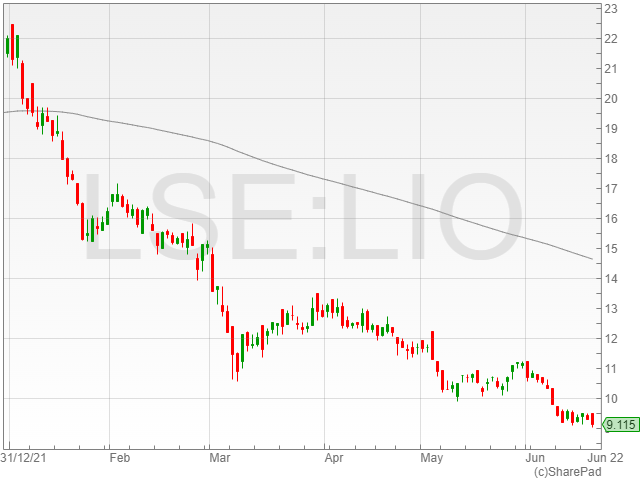
Liontrust Asset Management shares dipped 1.7% to 913.8p in late morning trading on Wednesday following a reported 127% spike in pre-tax profit to £79.3 million compared to £34.9 million in FY 2022.

The company announced a 64% increase in adjusted pre-tax profit of £96.6 million against £59 million year-on-year.

Liontrust Asset Management noted a 41% revenue climb of £245.5 million against £175 million in the previous financial term.

“Over the past 13 years, we have successfully grown Liontrust by seeking to deliver discipline and excellence in everything we do and focusing on long-term positive outcomes for our investors,” said Liontrust Asset Management CEO John Ions.

“The success of this approach is shown by our strong sales, growth in AuMA and profitability, and a 53% increase in total dividends for the financial year.”

“These positive outcomes have been achieved through Liontrust’s investment teams, their rigorous and robust processes, and first-class service and communications.”

The firm also confirmed a rise in assets under management and advice of 8.5% to £33.5 billion compared to £30.9 billion, with the acquisition of Majedie Asset Management Limited on 1 April 2022 adding £5.2 billion, growing Liontrust’s pro forma assets under management to £38.7 billion.

“We continue to add value through M&A. On 1 April 2022, we completed the acquisition of Majedie Asset Management, which has broadened our distribution and investment capability,” said Ions.

“Majedie was appointed manager of one of the oldest investment trusts in 2020, which is testament to the team’s investment strength and provides a presence in this market.”

Liontrust Asset Management reported an assets under management total at £34.2 billion on 17 June 2022.

The company noted net inflows of £2.5 billion in FY 2022 against £3.5 billion in FY 2021. Liontrust had the second-highest net retail sales in the UK in 2021, according to the Pridham Report.

Liontrust Asset Management commented that it was well-positioned to achieve its objectives for the coming year, and did not expect the wider macroeconomic picture to notably impact its results going forward.

“Whatever the challenges ahead for the global economy, our investment excellence, robust processes and high-quality service give me great confidence that over the long term we can continue to deliver positive outcomes for our investors and therefore our shareholders and other stakeholders,” said Ions.

The group announced a total dividend of 72p against 47p, representing an increase of 53% from last year.

AIM movers: Jade Road Investments, Bonhill, System1, Phoenix Global Resources, NetScientific

0

Asia-focused investment company Jade Road Investments (LON: JADE) is selling part of its stake in China-based wind turbine blade manufacturer Meize Energy Industries. Jade Road Investments has a 7.2% stake and will receive $1.2m in cash in three tranches, leaving it with a 6.3% stake valued at $10m. The company has already received $400,000 with the rest due for payment in July and August. The Jade Road Investments share price rose 13.6% to 6.25p. That is well below the previously published NAV, but there is uncertainty about the company’s investment in Fook Lam Moon, which could lead to a write-down of up to $29.1m. Even so, the share price would still be at a discount to net assets. The 2021 group accounts are required to be published by the end of June.

The interim management team of financial publisher and events organiser Bonhill (LON: BONH) has decided to sell what remains of its original core publishing business to focus on the InvestmentNews and Last Word operations. The business solutions and governance division, as these operations are now called, generated revenues of £2.4m and EBITDA of £400,000 last year. The division could be sold as a whole or in parts. Bonhill had £1m in the bank at the end of June 2022. There has been a 9% recovery in first half group revenues as live events start up again. The share price rose 4.35% to 6p.

Market research services provider System1 Group (LON: SYS1) has decided to replace dividend payments with share buy backs and tender offers. It anticipates paying out between 30% and 40% of post-tax profit for the year to March 2023. There are also plans to return an additional £1.5m to shareholders via a tender offer that will be undertaken after the 2021-22 figures are published on 12 July. At the end of March 2022, net cash was £8.7m. The share price has risen 10.5% to 304p.

Argentina-focused oil and gas company Phoenix Global Resources (LON: PGR) says that it is in discussions with 84% shareholder Mercuria Energy Group concerning a cancellation of its AIM quotation and a cash offer to purchase shares from independent shareholders at 7.5p each. That is 25% ahead of the previous closing price. The share price has risen 9.2% to 6.55p. Five years ago the share price was ten times that level.

Healthcare and technology investor and adviser NetScientific (LON: NSCI) has raised £1.5m at 67p a share. The share price has slumped 8.8% back to the 67p placing price.

JD Sports Fashion hits £8.5bn revenue, record profits of £947.2m

0

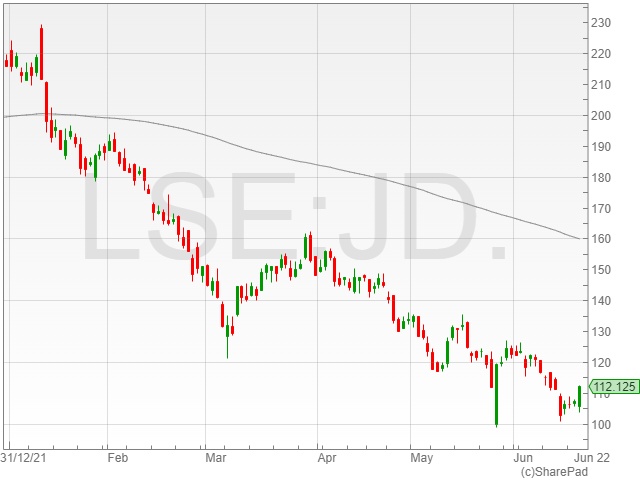
JD Sports Fashion shares rose 4.3% to 111.4p in late morning trading on Wednesday, following an increase in revenue to £8.5 billion in FY 2022 against £6.1 billion in FY 2021.

The retailer announced an operating profit climb to £721.2 million compared to £385 million, along with a pre-tax profit growth to £654.7 million from £324 million year-on-year.

JD Sports reported an alternative performance measure operating profit before exceptional items of £1 billion against £482.3 million in the previous year, and a record pre-tax profit before exceptional items of £947.2 million compared to £421.3 million, including £125.6 million in profit from JD Sports’ combination of acquisitions across the year.

The group further mentioned an EBITDA before exceptional items of £1.6 billion from £990.2 million the last year.

JD Sports Fashion reported strong performances across the UK, Republic and Ireland and North America, with the UK and ROI highlighting a pre-tax profit before exceptional items of £471.2 million compared to £262.7 million.

The firm noted high levels of digital sales retention in Q1 while stores were temporarily closed, combined with positive demand upon reopening of physical store locations.

JD Sports mentioned a North American pre-tax profit before exceptional items of £343 million against £171.9 million, including contributions of £57.3 million from Shoe Palace and £50.6 million from DTLR.

The firm said it successfully capitalised on the favourable trading conditions boosted by a second round of fiscal stimulus from the US Federal government.

Meanwhile, the group’s outdoor sector returned to profitability with a pre-tax profit before exceptional items of £25.9 million compared to a loss of £6.1 million the last year as a result of elevated holiday demand across the UK as summer kicked off.

The group also mentioned it paid off the support it received from the Coronavirus Job Retention Scheme in full at a total cost of £24.4 million.

“This was another period of outstanding progress with the Group delivering a record headline profit before tax and exceptional items of £947.2 million, more than double the previous record of £438.8 million set in the period to 1 February 2020, which was the last completed financial year prior to the COVID-19 pandemic,” said interim chair Helen Ashton.

“This result demonstrates our capacity for growth in both existing and new markets, and the strength of our global proposition and consumer engagement in store and online.”

The firm added that the volatile geopolitical backdrop would bring economic headwinds, however it confirmed expected headline pre-tax profits and exceptional items for FY 2023 to fall in line with its performance for FY 2022.

JD Sports reported a basic EPS of 7.1p from 4.6p and a total dividend per ordinary share of 0.3p compared to 0.2p the year before.

DSM deal provides profit boost for Provexis

0

Provexis (PXS) has signed two agreements with DSM relating to Fruitflow, an ingredient that helps normal blood flow and circulation. This will boost the profit of the AIM-quoted company and initially made Provexis the best performer of the day before the share price fell back to 0.95p (0.9p/1p), which is still a 10.5% increase.  

There has been an alliance agreement with DSM for more than a decade and this is being changed into a transfer of business agreement that means that DSM customers for Fruitflow will become direct customers of Provexis at the beginning of 2023. DSM will assist with the transfer of the outsourced supply chain and production.

DSM will still receive a royalty on the gross profit of Fruitflow sales to customers it transfers to Provexis for four years. DSM Venturing has a 6.5% stake in Provexis.

The deal means that, assuming like-for-like sales and margins, Provexis would make a higher net profit in 2023 and it would increase in subsequent years. There should also be new direct customers added.

Microbiome

Provexis is partnering with DSM on a gut microbiome patent. The gut microbiome is the current focus of DSM, which will have preferential access to use and sale of Fruitflow-based products using the patent. The results of a gut microbiome human study will be submitted for publication in a scientific journal. This patent application says that there are health benefits beyond those relating to the heart.

Provexis will sell Fruitflow as an ingredient to DSM for use in its products, which would be sold on to its customers.

Chinese partner By-Health is working on a regulatory submission for the use of Fruitflow and its heart health benefits. This could help to multiply the sales in China.

Results

Provexis is a consistently loss-making business. Figures for the year to March 2022 should be announced in September. Revenues are estimated at £426,000 and the underlying operating loss of £173,000 is the lowest ever.

Angle (LON: AGL) reversed the Fruitflow business into Nutrinnovator in June 2005, so Provexis has been losing money for a long time. The all-share deal gave Angle a stake in the enlarged group that was worth £5.9m at the time.

There was £982,000 in the bank at the end of September 2021. Taking on the supply chain for Fruitflow could require additional working capital and losses will reduce the cash pile. Another fundraising may be required.

Inflation hits new 40-year record of 9.1% in May

0

Inflation rose to a new 40-year record high of 9.1% in May, according to the latest figures from the Office of National Statistics (ONS).

The Consumer Price Index (CPI) increased by 0.1% from 9% in April to 9.1% in May, with climbing food and non-alcoholic beverage prices highlighted as the largest contributor to the new record.

The ONS also noted an 11.7% rise in Retail Price Index (RPI) inflation, marking another 40-year record for consumers across the UK.

Meanwhile, the Consumer Prices index including owner occupiers’ housing costs increased by 7.9%, with the climbing prices of fuel and electricity driving expenses higher, representing the highest level since the 1991 rate of 8% and the highest level since National Statistics series records began in 2006.

Inflation gains ground

The Bank of England revised its inflation estimate from a peak of 10% to 11% in October this year, so while the UK has yet to hit the dreaded double-digits, experts warned that it isn’t far behind.

Analysts further highlighted that the Bank’s recent interest rates hike to 1.25% did little to stamp out rising inflation, and households are bracing for worse yet to come once summer makes way for colder weather in autumn.

“On a monthly basis, CPIH rose by 0.6% in May 2022, compared with a rise of 0.5% in May 2021 continuing to show the alarming rate of inflation the Bank of England has been unable to contain,” said XTB chief market analyst at XTB.

“This along with the energy cost crisis could prove to be significant issues for the economy to overcome and could begin to show its true effects on demand in the near future.”

AJ Bell head of personal finance Laura Suter added: “A slight uptick in inflation in May to 9.1% means that the UK public have been spared double digit inflation for now, but it’s just around the corner.”

“Soaring food costs are also playing their part, with the annual supermarket bill estimated to have risen by almost £400 as a result. Hardest hit were bread, cereals and meat, as they all suffered from the impact of the Ukraine/Russia crisis on grain supplies.”

“Food inflation is expected to increase again in June’s figures, partly due to the ongoing increase in prices and partly because the nation splashed out on fancier food during the Jubilee celebrations.”

Energy costs climb

Rising energy costs have sent inflation skyrocketing as well, with the price of Brent Crude oil remaining well beyond the $100 per barrel mark as scarcity concerns persist.

“Once again fuel is the factor driving inflation higher, from home energy bills to petrol and diesel prices pushing up transport costs,” said Suter.

“As a result of rising energy costs, the 12-month inflation rate for electricity is 53.5% and for gas is an eye-watering 95.5%. And May saw another record broken, with the largest increase in transport costs since records began in 2006.”

“As a result of petrol and diesel prices hitting new records in May, the 12-month inflation rate for motor fuels hit the highest rate since 1989 – when the figures were first calculated.”

More pain to come

Consumers were warned to brace for even more pain this winter, with the energy price cap estimated to hit £3,000 in October as the cold weather sets in, draining household budgets as inflation reaches its anticipated peak.

“Unfortunately, more gloom lies ahead, and the hopes of inflation ebbing away later this year are dead,” said Suter.

“Energy costs will drive inflation higher later this year, with the latest estimates showing that the energy price cap will now rise to £3,000 in October, far more than many had expected, and that it won’t fall in the January update either.”

“It means one thing is for certain, this rising inflation isn’t going away any time soon and this coming winter could be tougher than the last.”


Berkeley Group profits climb to £551.5m, higher prices absorb cost inflation

0

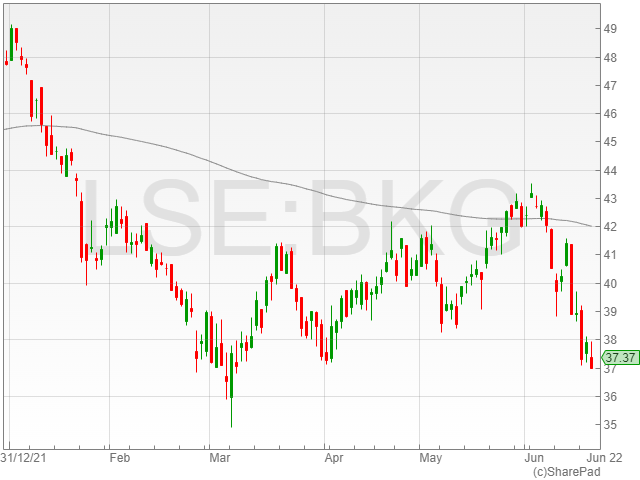
Berkeley Group shares dipped 1.7% to 3,724p in early morning trading on Wednesday after the housing company announced a pre-tax profit climb of 6.4% to £551.5 million in FY 2022 against £518.1 million in FY 2021.

Berkeley Group highlighted a revenue growth of 6.6% to £2.3 billion from £2.2 billion, alongside a gross profit increase of 4.6% to £664.8 million compared to £635.3 million.

The company also mentioned an operating profit uptick of 1.1% to £507.9 million from £502.3 million.

The firm reported a strong year of results, including a value of underlying reservations increase of 25% year-on-year, representing a slight rise compared to pre-pandemic levels.

Berkeley Group added that costs inflation had been successfully absorbed by higher sales prices, with cash due on forward sales up to £2.2 billion compared to £1.7 billion in the last year.

Houses Delivered

The company confirmed the delivery of 3,760 new houses, along with 872 in joint-ventures, representing a 42% increase against the year before.

The housebuilder currently has £8.3 billion of estimated future gross margin in its unrivalled land holdings following the £412.5 million St William transaction to acquire the remaining 50% of the land, exceeding its £7.5 billion target from three years ago.

The St William transaction provided Berkeley Group with full control of 24 sites with the potential to deliver over 20,000 new homes.

However, the company said it planned to slow its new land deals, and would only acquire new land under a highly selective process going forward.

The housebuilding firm announced the acquisition of four new sites covering approximately 6,000 homes, alongside four major new planning consents obtained on long-term developments to build 1,000 houses at Milton Keynes and St William’s Bow Common, 570 homes at Leyton and 550 homes at Bethnal Green.

Berkeley Group further noted seven sites had moved into production with the capacity to deliver 5,000 new houses, with 26 of its 32 long-term complex regeneration developments in production and 8,000 plots on six sites that constitute its pipeline.

Cautious optimism in FY 2023

The company reported a basic EPS of 417.8p from an EPS of 339.4p last year and declined to declare a dividend for the financial year.

“The big thing that was left out of these results was news of a dividend and we expect that’s got something to do with the continued assessment of cladding costs the firm might have to cough up,” said Freetrade senior analyst Emilie Stevens.

The housing group appears to be in good shape for the coming term, although consumers might be less forgiving of higher prices as the cost of living crisis bites and mortgage rates yank the property ladder even higher out of reach.

“Then there’s the case of cost inflation, which Berkeley expects to stay. The group absorbed the increases in costs this year in full, but the coming year’s market might not be so susceptible to 10% price rises,” said Stevens.

“All in, Berkeley is in good shape. While there are certainly choppier waters ahead, the great developer sell-off still feels a touch overplayed.”

NetScientific raises cash for further investments

Healthcare and technology investor and adviser Netscientific (LON: NSCI) is raising £1.5m at 67p a share. This cash will help the company to continue to develop its existing investments and make new investments.
Last week, NetScientific said it was investing a further £202,540 in Q-Bot to increase its stake by 3.13% to 23.7%. Q-Bot is a robotics and AI company that has developed new technology for insulation and upgrade of buildings.
NetScientific subsidiary EMV Capital has a fund management business, and its clients own a further 16.7% of Q-Bot. This is an example of how the group works with ...

Cadence Minerals looks to iron ore and lithium assets in coming year

0

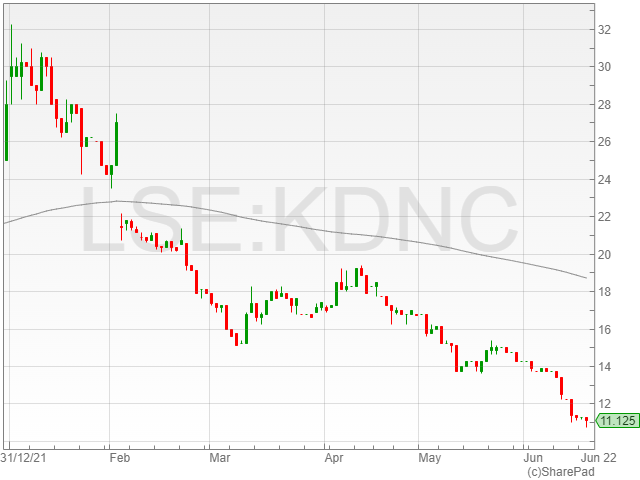
Cadence Minerals shares were down 0.4% to 11.2p in early afternoon trading after the mining company announced an operating loss of £631,000 from an operating profit of £8.9 million in its financial results for FY 2021.

Cadence Minerals also reported a pre-tax loss of £144,000 compared to a pre-tax profit of £7.8 million, attributing its drop in profits to the reduced amount of realised and unrealised profits and losses for the year of approximately £1.2 million against £10.4 million in FY 2020, relating to its share investment portfolio held over the financial period.

The company highlighted a rise in administrative costs by £300,000 from £1.4 million to £1.8 million, however foreign exchange gains climbed by £1.2 million to £460,000 from a loss of £820,000 in the previous year.

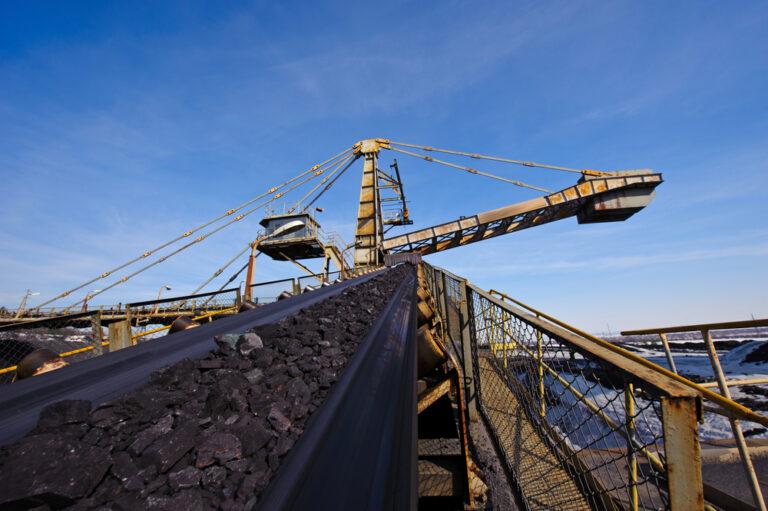
Cadence Minerals noted the formalising and successful settlement of its investment into its flagship Amapa iron ore project in Brazil as its main high point of FY 2021, with the operation successfully commencing the shipments of iron ore from its stockpile at the port of Santana.

The board commented that it had “every confidence” that its investment in the region would be a strong success in the coming year.

Cadence Minerals confirmed its priorities for the next term included the publication of a maiden ore reserve estimate for Amapa, followed by the release of a PFS on the operation.

The company is also set to increase its stake in the Amapa asset, and estimated that its investment in Lithium Technologies and Lithium Supplies would have listed in FY 2022.

Cadence Minerals added that it hoped to crystallise some additional value from its other privately held portfolio assets.

The mining firm acknowledged the difficulties linked to the volatile macroeconomic environment at the current moment, and said it believed its lithium and iron ore assets, alongside its Amapa project, would position it to meet the ongoing geopolitical challenges.

“As the impact of the pandemic begins to recede, we face new challenges of higher interest rates and inflation,” said Cadence Minerals non-executive chairman Andrew Suckling.

“For Cadence, sustained higher commodity prices especially those of Lithium and Iron Ore has remained one of the great positives across our portfolio, and together with the successful settlement and initial investment into the Amapa project, your Board believes we continue to be well placed to meet these challenges, both present and future.”

“In closing, I would like to personally thank my fellow Board members, staff and partners in the wider Cadence Community and of course all Shareholders for their continued encouragement and confidence in the Company.”

Cadence Minerals highlighted a basic loss per share of 0.1p from an EPS of 6.8p year-on-year.

FTSE 100 rises on energy stocks, grocery inflation hits 13-year record high

0

The FTSE 100 was up 0.7% to 7,173.5 in midday trading on Tuesday, as the market continued to recover from its beating last week over fears of a rate hiking cycle that could push major economies into recession.

A rally in oil prices pulled oil stocks higher, as the price of benchmark Brent crude recovered slightly to $115 per barrel, boosting Shell and BP shares as the oil giants rose 2.4% to 2,162.2p and 2% to 399.6p, respectively. Harbour Energy shares gained 3.1% to 367.6p.

Meanwhile, reports that food inflation was heading towards a 13-year record of 8.3% – according to data from Kanta – dragged grocery stocks down on the index.

Associated British Foods dipped 1.7% to 1,618p, Tesco slid 0.5% to 250.5p and Sainsbury’s fell 0.4% to 207.5p.

Ocado

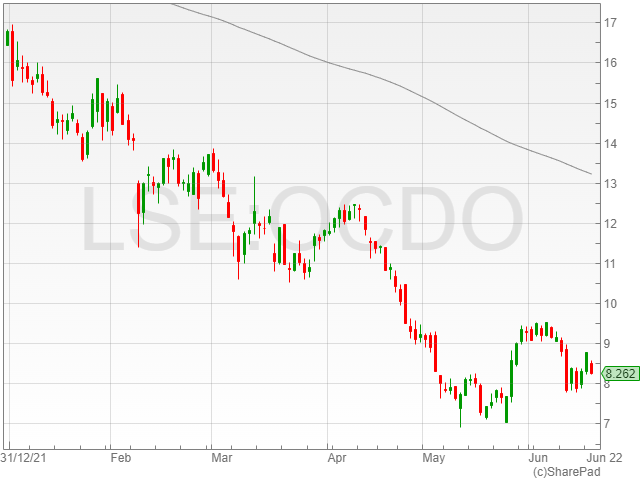
Meanwhile, Ocado shares tumbled 6.3% to 821.8p as investors met the delivery group’s latest fundraise of £578 million for its technology business with a cold burst of cynicism.

Some investors showed concerns around company’s move to channel more cash into its floundering businesses that have struggled to hold onto the benefits from a surge in demand during the pandemic.

“Ocado remains a jam tomorrow story, with the company having greased its baking trays by means of winning numerous contracts with third party grocery sellers,” said AJ Bell investment director Russ Mould.

“The next stage is to fill these trays with the right ingredients to support their online grocery operations, and that’s where all the extra money is needed alongside making improvements to its systems.”

“While there remains excitement about the online grocery space, Ocado can’t keep burning through cash indefinitely. At some point soon it will have to start generating profits and making money, as that’s been the missing component with its story so far.”

DS Smith

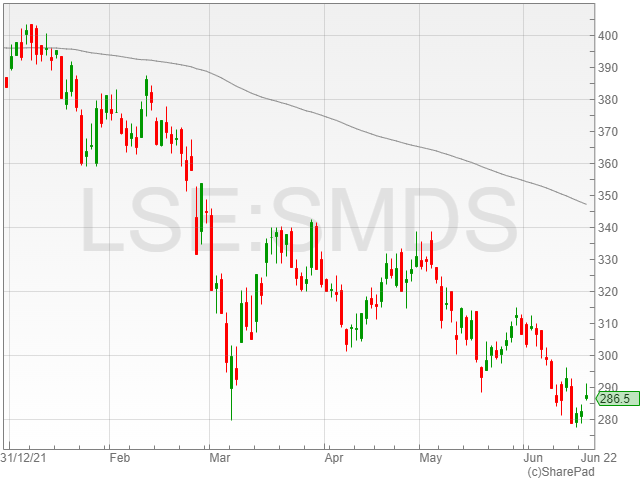
DS Smith shares gained 3.2% to 291.4p after the company reported a 26% revenue growth to £7.2 billion and a pre-tax profit jump of 71% to £378 million as the firm passed on inflationary costs to customers.

“DS Smith saw demand for the cardboard boxes it makes continue with strength even though the group passed input cost inflation on to consumers,” said Hargreaves Lansdown equity analyst Laura Hoy.

“This is the benefit of DS Smith’s business—from the Amazon boxes lining the streets to the brightly coloured packages lining supermarket shelves, the group has an endless pool of consumers.”