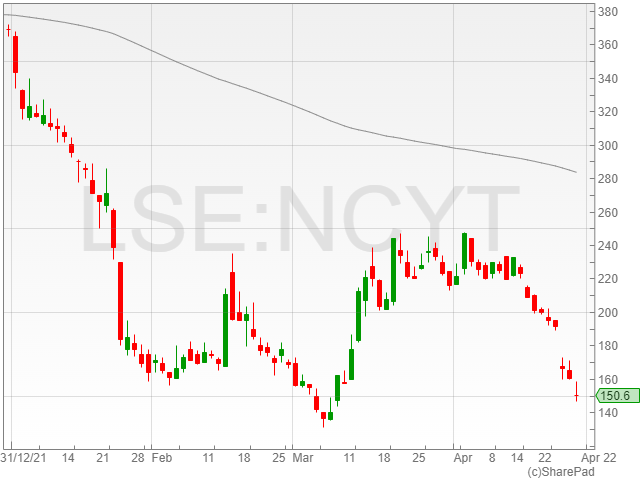
Novacyt shares were down 5.1% to 152p in late afternoon trading in light of the firm’s total revenue drop to £95.8 million in 2021 compared to £277.2 million in 2020, excluding £40.9 million of 2021 DHSC revenue under contractual dispute.
The company announced an 86% revenue allocation linked to Covid-19 products, compared to 95% in the year before.
Novacyt confirmed a shift away from large, centralised contracts towards independent testing, with a focus on private laboratories and non-governmental organisations (NGOs).
The group reported a 98% revenue increase to £55.9 million from £28.3 million year-on-year on private laboratory revenues, including £10.5 million from NGOs.
The UK contributed to a reported 45% of total revenues with £42.7 million compared to 79% in 2020 at £219.4 million.
The company mentioned a gross profit of 68% at £65.4 million, representing a decline from its 76% result in 2020 due to a higher stock provision on an obsolescence of Covid-19 products as the pandemic eased, alongside margin dilution as a result of increased instrument sales as the firm built its installed base.
Novacyt confirmed a cash position of £101.7 million on 31 December 2021 against £91.8 million the previous year, with the company remaining debt free heading into 2022.
“In 2021, we delivered a financial performance in line with market expectations. The Company responded to a rapidly changing marketplace and diversified from predominately servicing government COVID-19 testing tenders, to the private market for COVID-19 testing in travel, sport, film, media, and workplace settings,” said Novacyt CEO David Allmond.
“Novacyt’s reputation for the innovation and high performance of its diagnostic technologies was reinforced throughout the pandemic and the Company has established a strong foundation of R&D, manufacturing, regulatory and commercial capabilities, supported by a strong financial position.”
“As a result, Novacyt is well positioned for future growth and value creation and there are exciting times ahead for the Company as we move past the current pandemic and continue our journey to become a leading global clinical diagnostics company focused on unmet needs in infectious diseases.”
SAE said that the Uskmouth site’s transformation into a sustainable energy park includes plans to provide a Battery Energy Storage System as a first step (BESS).
The Uskmouth site has a 230MW grid connection, as well as extensive land and infrastructure, making it an ideal location for the construction of a large-scale, commercially appealing BESS project.
BESS integration into transmission and distribution networks is widely acknowledged as a significant enabler of increased and faster integration of intermittent renewable energy into the UK electricity supply.
SAE has progressed the BESS development process by submitting a Modification Application to National Grid, requesting that the Uskmouth site’s connection agreement be changed to accommodate a BESS plant.
SAE has also filed a screening report to Newport City Council for the development of a 230MW BESS facility on the former coal stockyard and is working with an industry-leading partner to expedite the battery storage facility’s delivery.
SAE is no longer pursuing the previously stated plans for the Uskmouth Conversion Project due to the establishment of a BESS at the Uskmouth site and has notified Welsh Government and relevant stakeholders that it would be withdrawing the permission variation application.
SAE has entered into a deal to sell some parts of the plant that are no longer needed for the site’s future ambitions as a result of this decision.
Wye Valley Demolition, a local company, has been given £1.2m contracts to remove the redundant plant and equipment.
This deal provides immediate funding to SAE’s business, assisting in the achievement of SAE’s broader goals and providing value to shareholders.
While SAE will not move through with the Uskmouth Conversion Project, the need to repurpose coal-fired power plants has never been greater to decrease emissions, improve energy security, and reduce waste shipped to landfills and polluting our oceans.
Governments throughout the world are looking for projects that can provide energy security and independence rapidly, and our coal plant conversions can provide a speedy and cost-effective solution.
SAE is committed to expediting the transition of existing coal-fired power plants to lower-emissions fuels and is working with its partners to transfer key lessons learned to other nations where they may have the most impact.
Graham Reid, CEO of SAE commented, “The team and I are tremendously excited about this next step for the Uskmouth site, which will help deliver the UK’s net zero targets, release important value for the business and allow the team to build on the lessons learnt to help countries around the world to achieve the targets of reducing reliance on coal, increasing energy security, and finding long term solutions to the growing waste problem.”
Argo Blockchain shares were up 7.6% to 65.6p in late afternoon trading on Thursday, after the cryptocurrency mining group reported a 291% rise in revenue to £74.2 million in 2021 compared to £19 million the previous year.
The company attributed its surge in revenues to a significant uptick in its hashrate, alongside a short-term fall in difficulty on the Bitcoin network and raised Bitcoin prices in 2021.
Argo Blockchain highlighted a 594% spike in EBITDA to £52.9 million against £7.6 million the previous year, and a 2,033% jump in delivered net income to £30.8 million compared to £1.4 million.
The group said its mining margin rose to 84% against 41% in 2020, which was driven by the increased price of Bitcoin following the Chinese ban on Bitcoin mining in May 2021.
The firm noted cash and digital assets of £92.6 million based on the Bitcoin price on 31 December 2021.
Argo Blockchain also reported a 17% decline to 2,045 in the total number of Bitcoin mined, which it linked to the halving event in May 2020 which reduced the block award from 12.5 to 6.25 Bitcoin per block.
The company added that it held 2,700 Bitcoin and Bitcoin equivalents valued at £93.6 million per the Bitcoin price on 31 May 2022.
Operational developments and Acquisitions
Argo Blockchain acquired the Helios project in Texas, which has an interconnection agreement for 800 mega-watts of power capacity, with the company anticipating phase one’s initial 200 mega-watts ready for operation in May 2022.
The firm also acquired two data centres in Quebec from GPUone, with combined total of 20 mega-watts in power capacity.
The crypto company further said it had acquired 20,000 Bitmain S19J Pro mining machines, with delivery and installation expected to commence in batches between May to October this year.
Argo Blockchain added that it expanded its Bitcoin mining capacity from 0.6 to 1.6 Exahash per second.
Argo growth for 2022
The firm said it expects mining operations to commence at Helios in May 2022, with additional capital spending to complete Helios phase one to amount to £93-£100 million, which is set to be financed primarily through debt and income from selling a portion of mined Bitcoin per month.
The company added that it projected a 5.5 Exahash per second capacity by the close of 2022, driven by the installation of the Bitmain S19J Pro machines alongside the deployment of custom-designed mining machines which would utilise Intel’s ASIC Blockscale chips.
Argo noted an estimated hashrate in excess of 20 exahash per second over the next few years as the additional 600 mega-watts of Helios capacity is completely developed.
“2021 was truly a year of transformation for Argo as we accomplished key milestones to strengthen the foundation of the Group and position us for long-term success through the acquisition of the Helios project and our dual listing on Nasdaq,” said Argo Blockchain CEO Peter Wall.
“The acquisition of Helios provided us with the opportunity to build a best-in-class, vertically-integrated facility with access to low-cost and sustainable electricity, which is unmatched by our peers.”
“With our mining operations at Helios expected to commence in May, along with the development of custom mining machines using Intel’s next-generation Blockscale ASIC chips, Argo is well-positioned to continue its growth with a focus on delivering for our shareholders. Onwards and upwards.”
The US Commerce Department said on Thursday that US GDP fell by 1.4% on an annualised basis in the first quarter, indicating a sharp reverse for an economy due to a rebound in Covid-19 cases which interrupted activity.
The first quarter of US economic growth unexpectedly decreased by 1.4% as a rebound of COVID-19 cases interrupted activity, yet the drop in output creates a mixed picture of the economy amid strong domestic demand.
Rising omicron infections slowed activity across the board at the start of the year, inflation spiked to levels not seen since the early 1980s and the Russian invasion of Ukraine added to the economic stalemate which hamped economic growth in some nations.
The 1.4% decline in US GDP was the first drop in nearly two years, following the pandemic recession. In the fourth quarter of 2021, the economy expanded at a solid 6.9% rate.
As a result, a measure of domestic demand excluding trade, inventories, and government spending increased sharply from 2.6% in the fourth quarter, approximately 85% of total spending is spent on final sales to private domestic buyers.
Defence spending cuts of 8.5% were a significant drag, wiping a third of a percentage point off the final GDP figure.
In March, annual consumer prices rose at their fastest rate in 40 years. Despite rising food and gasoline prices, there is little evidence that consumers are pulling back.
Consumer spending increased by 2.7% in the quarter, despite continued price pressure from inflation.
Next Wednesday, the Federal Reserve is likely to raise interest rates by 50 basis points and begin reducing its asset holdings said Reuters.
The Labor Department released separate data on Thursday indicating that initial applications for state unemployment benefits declined 5,000 to a seasonally adjusted 180,000 for the week ending April 23. This reflected improving labour market conditions.
Strong wage growth despite a tightening job market, as well as at least $2tr in surplus savings collected during the pandemic, are helping to keep inflation at bay.
Nevertheless, there are concerns that the Fed may tighten monetary policy too quickly and send the economy into recession during the next 18 months. The 30-year fixed mortgage has risen beyond 5%, indicating that the property market is already declining.
“Reflecting the Q1 production performance, full-year guidance is reduced for copper and cobalt, but increased for nickel and ferrochrome, while the slower than expected ramp-up at Zhairem reduces full-year zinc production guidance by 9%,” said Glencore CEO Gary Nagle.
Copper production fell 14% to 257.8kt compared to 301.2kt year-on-year as a result of short-term geotechnical constraints at its Katanga operation, a basis change from its sale of Ernest Henry in January 2022 and lower copper production units produced within the company’s zinc business.
Glencore reported a 15% decline in zinc to 241.5kt from 282.6kt, due to Mout Isa Covid-19-related absences and a scheduled close for mining operations at Iscaycruz in Peru over Q3 2021.
The company also experienced a 15% drop in lead to 46.8kt against 55.3kt.
Gold production took a hit of 16% to 189koz from 224koz, alongside a 16% drop in silver to 6,515koz against 7,761koz and a 3% fall in ferrochrome to 387kt from 399kt.
Glencore reported a nickel output of 30.7kt compared to 25.2kt in Q1 2021 on the back on its Konimabo project working both production lines during 2022.
The mining group additionally noted a 43% increase in cobalt to 9.7kt against 6.8kt during the quarter in 2021.
“For the most part, the Group’s quarterly production was in line with our expectations,” said Nagle.
“However, production in Q1 2022 reflects a number of temporary impacts, including geotechnical challenges at Katanga and Covid-19 absenteeism, particularly in Australia.”
“Koniambo’s Q4 2021 higher operating rates continued into Q1 this year, while overall coal production, on a like-for-like basis, reflecting our increased Cerrejón ownership, was broadly flat period-on-period.”
London’s small and mid cap markets gained in early afternoon trade on Thursdayas companies such as Lancashire Holdings, 888 and Hurricane Energy shared trading updates and results.
Telecom Plus shares gained 5.5% to 1,615p after the company announced an annualised H2 customer growth rate of 20% is expected to continue in FY23. The company said profits are expected to be in line with forecasts.
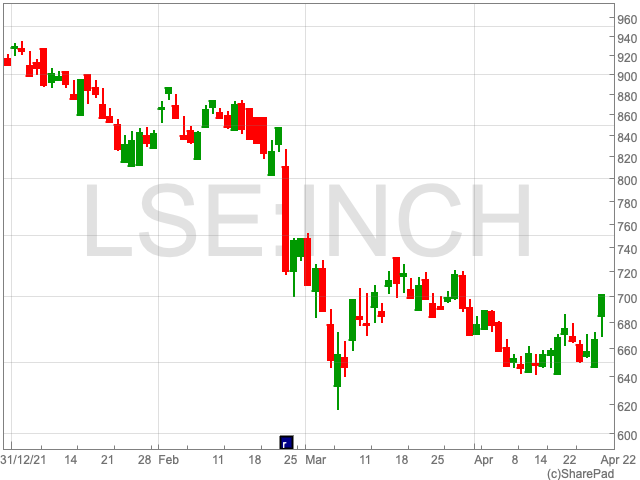
Inchcape shares rose 5.2% to 1,002p as the automotive retailer and distributor said revenue climbed 13% organically YoY in the first quarter of 2022. The group expects a 25% rise in pretax profit to £300m in 2022 on a Russia-adjusted basis.
Spectris shares increased 4.5% to 2,789p after the company announced a “strong” start to 2022 where trading and order book provides momentum for the full-year in its Q1 trading update. The group said organic sales growth was up 12% and order intake strengthened by 29%.
Hays share price gained 3.7% to 121p as the company announced that today it will launch a share buyback programme to purchase up to £75m of ordinary shares of 1p and is expected to commence on 29 April 2022.
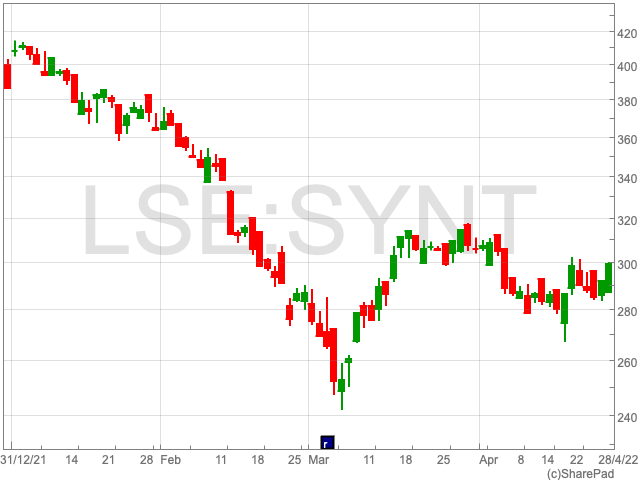
Synthomer shares increased 3.4% to 295p following the announcement of the group’s FY expectations remaining unchanged in its Q1 trading update. It also addressed that NBR margins and volumes continue to stabilise in line with expectations as high inventory levels of medical gloves and reduced demand due to the easing of the COVID 19 pandemic take place.
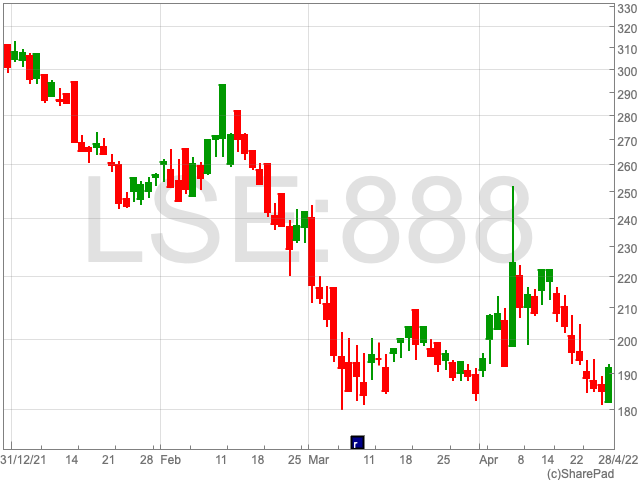
888 Holdings said revenue declined 18% to $224m in the first quarter, with the gambling firm’s exit from the Netherlands hitting monthly punter numbers. 888 said average monthly active users fell 8% yearly “reflecting the temporary exit from the Netherlands” and the timing of any licence award in the Netherlands “remains unclear”. However, 888 Holdings’ shares rose 3% to 190p.
Weir Group shares fell 5.6% to 1,519p when the group said that the loss of sales from Russia in 2022 is expected to have an impact on the group’s underlying operating profit of up to £20m. However, Jon Stanton said, “the group has had an excellent start to the year”, as Weir’s aftermarket saw strong demands with orders up 28% and 3% sequentially.
AIM
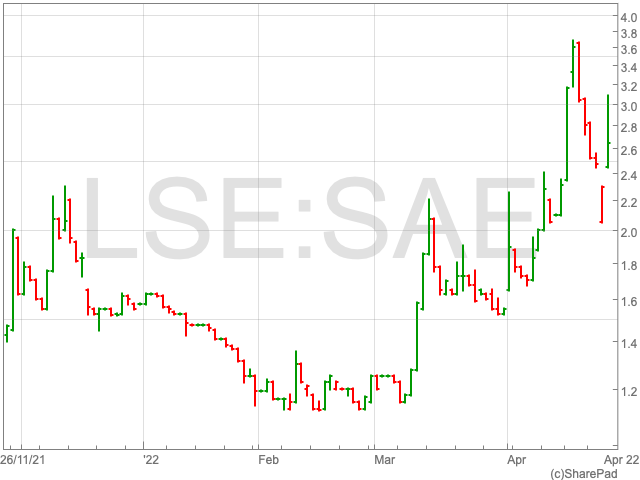
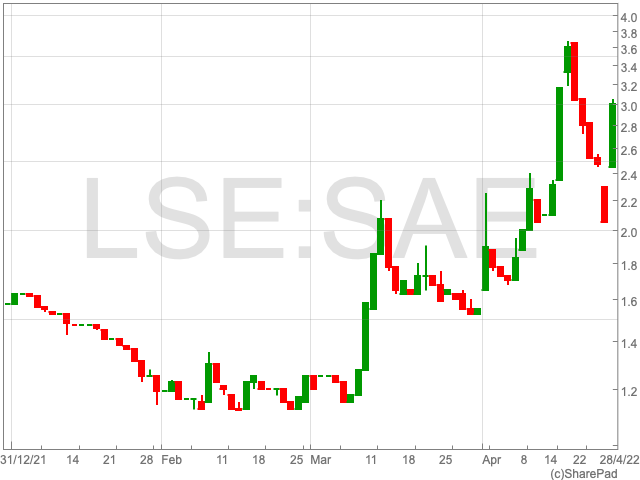
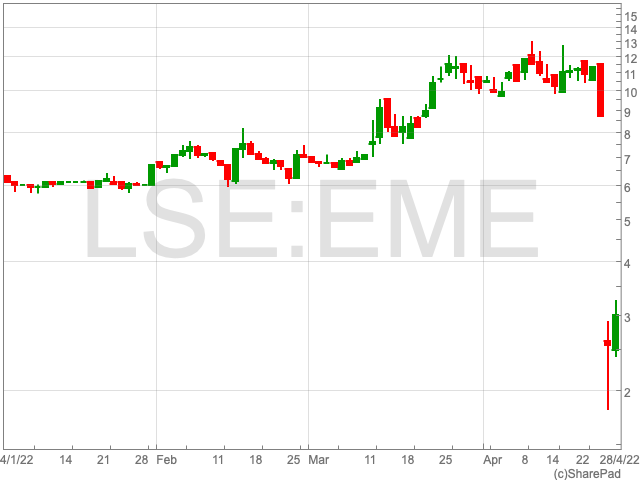
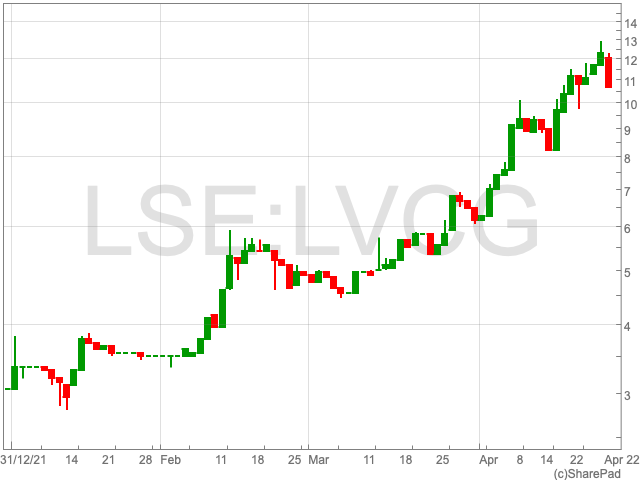
Simec Atlantis Energy shares soared 23% to 2.85p following the company’s announcement of the transition of the Uskmouth site into a sustainable energy park. The group said the Uskmouth site has a 230MW grid connection along with substantial land and infrastructure that make it a prime location for the delivery of a “large-scale, commercially attractive, BESS facility”.
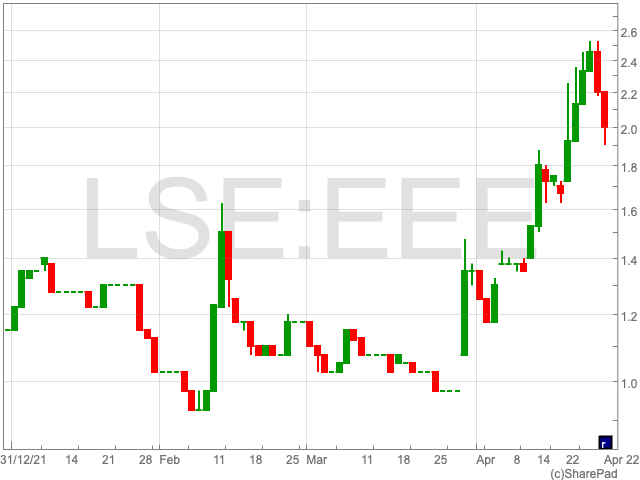
Empyrean Energy shares leapt 18.4% to 3p as shares rebounded from the 77% plunge on Wednesday after the group announced that the Jade prospect reached final total depth but logging indicated no oil pay in the target reservoir in offshore China.
Angle shares jumped 12.6% to 102p after the company group reported a £0.2m increase in revenue and a £3.2m increase in cash and cash equivalents. The liquid biopsy company said that its Prostate cancer study design was completed and it began discussions with a major group of United States urology clinics to partner in the study and provide access to a patient base for the group.
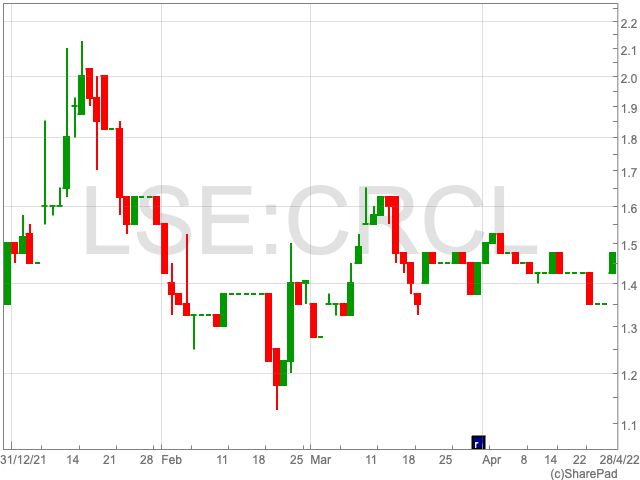
Corcel shares gained 9% to 1.47p as the natural resource exploration company signed a Heads of Terms with a UK investment fund to fund its current and future UK energy storage and generation projects.
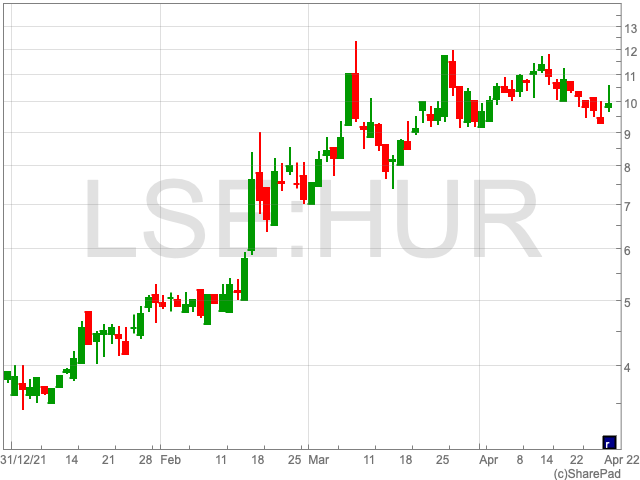
Hurricane Energy reported its full-year results in which the company generated revenues of $240.5m from seven liftings of Lancaster crude compared to $180.1m from 12 liftings in 2021 which lead the group’s shares to rise 7% to 9.9p.
Hurricane Energy noted a profit after tax of $18.2m compared to a loss after tax of $625.3m in 2021.
Live Company shares tanked 10.2% to 11p despite the company announcing a new contract for Bricklive Paddington with Paddington Now BID which will be based in Norfolk Square Gardens, London from July 23 to July 31.
Empire Metal shares sunk 9% to 2p after the group announced that its placing to raise £1.7m to accelerate exploration at the group’s Eclipse and Gindalbie Projects.
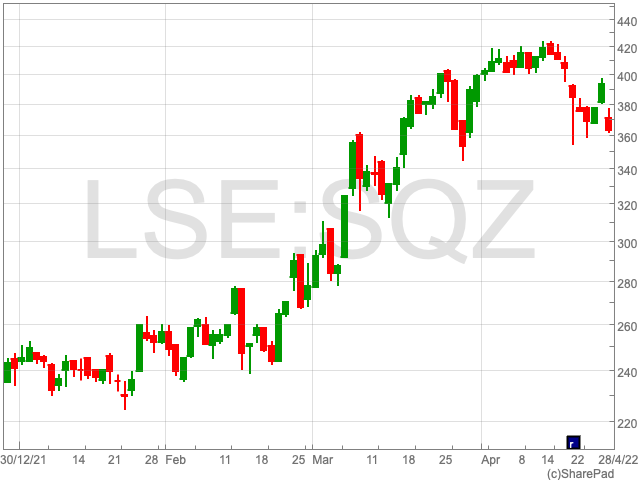
BP Exploration Operating Co, a subsidiary of oil company BP sold its 5% stake in Serica Energy sending Serica’s shares to fall 7.7% to 362p. The group raised £49.3m by selling 13.5m shares in Serica at a price of 365p and Serica will not receive any of the proceeds.
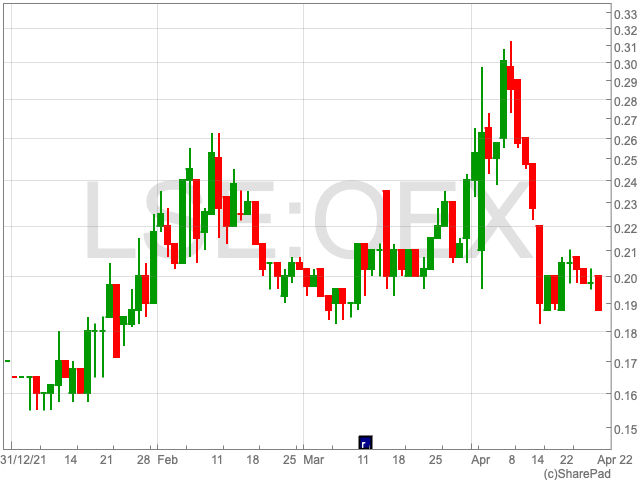
Oilex shares dropped 3.8% to 0.19p as the group said in its quarterly report that it has received permits from the Gujurat state government to commence production at its Cambay Fields, however, the process took too long and resulted in no production from the region as the group waited to recommence operations.
The FTSE 100 was up convincingly on Thursday after a range of top companies boosted the index with a raft of glowing results.
However, rising inflation cast a pall over a slate of boosted profits and rising revenues, and Sainsbury’s warned of a tough year ahead as customers cut down on grocery spending and name brand supermarket products.
Meanwhile, tech stocks in America surged on the back of good news from Meta, which saw an uptick in Facebook users and sent shares upwards in morning trading.
“If you were looking for candidate to come to the tech sector’s rescue it might not have been Meta Platforms given its reputation has taken a real battering of late,” said AJ Bell investment director Russ Mould.
“Apparently though, expectations for the company behind Facebook, Instagram and Whatsapp were pitched at such a level that merely doing OK was enough to send the shares surging higher.”
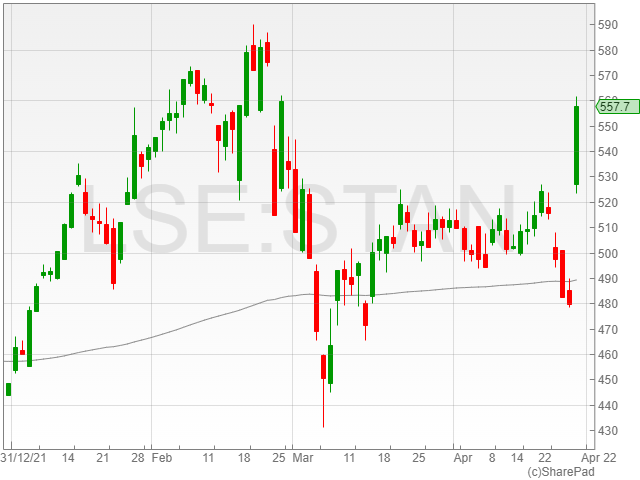
Standard Chartered shares were up 16.5% to 558.9p following a 6% year-on-year increase in Q1 2022 pre-tax profits to $1.5 billion against $1.4 billion, alongside an increased guidance slightly ahead of its previous estimate of 5-7% for the year.
“Our first quarter performance was strong despite the volatile macro environment,” said Standard Chartered CEO Bill Winters.
“Our profit before tax grew 4% year on year, with strong underlying business momentum.”
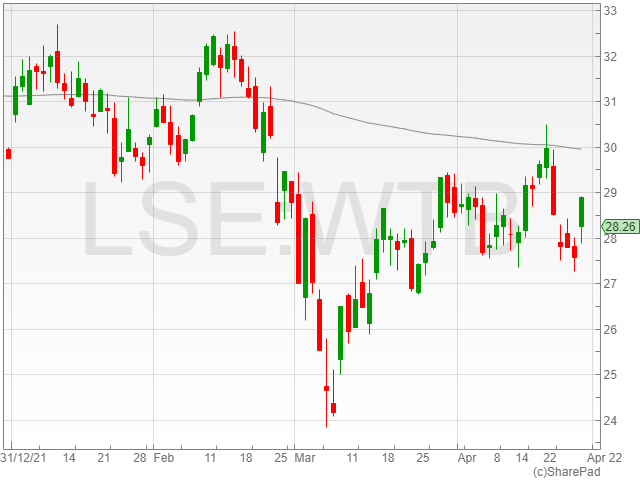
Whitbread shares gained 3.9% to 28,645p after the company announced its swing back to a £472.6 million profit compared to a £194.9 million loss in 2020 and the reinstatement of dividends payouts to shareholders.
“With [dividends] back on the table, it sends a clear message to markets that sentiment is vastly improved and the return to profitability plus beat on top and bottom-line estimates adds weight,” said Hargreaves Lansdown equity analyst Matt Britzman.
However, the company warned of rising cost inflation in the range of 8-9%, and said it would be raising prices, growing its estate and slashing group costs to mitigate inflation hurdles.
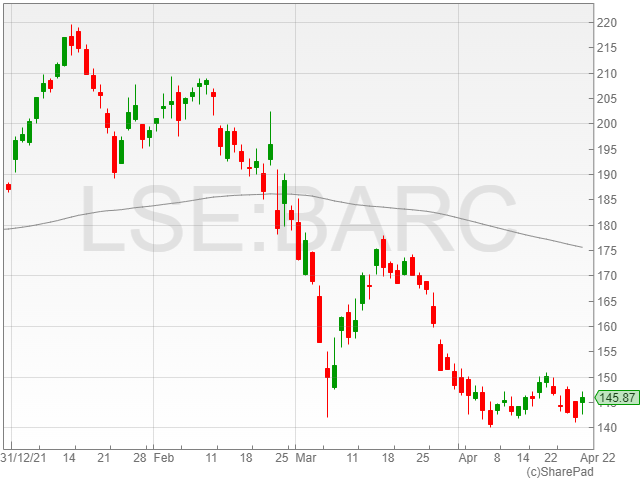
Barclays shares enjoyed a rise of 2.5% to 145.5p after the financial institution reported a 10% rise to £6.5 billion in group income for Q1 2022, however the firm suffered a £540 million conduct charge following the over-issuance of securities in the US in March, resulting in the second suspension of its $1 billion share buyback programme.
“If it hadn’t been for a monumental mess of its own making Barclays could have been really riding high off the back of its first quarter showing,” said Russ Mould.
“Underlying performance was way better than expected … However, when you take a more than half a billion-pound hit over a clerical error relating to structured products it rather detracts from this positive picture.”
“Particularly when it means a previously planned programme of buying back shares must be shelved.”
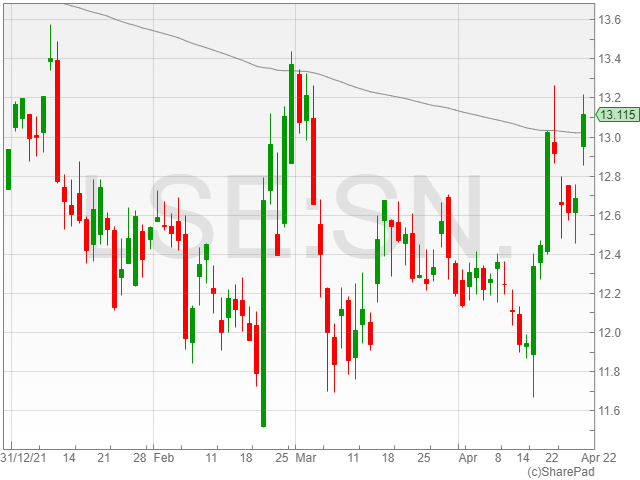
Smith and Nephew shares were up 2.9% to 13,055p after the medical devices group reported a 3.3% boost in revenue to $1.31 billion compared to $1.26 billion the previous year.
“Sports Medicine & ENT and Advanced Wound Management continued to deliver strong growth and Orthopaedics produced an improved performance as elective procedure volumes rebounded across our segments,” said Smith and Nephew CEO Depak Nath.
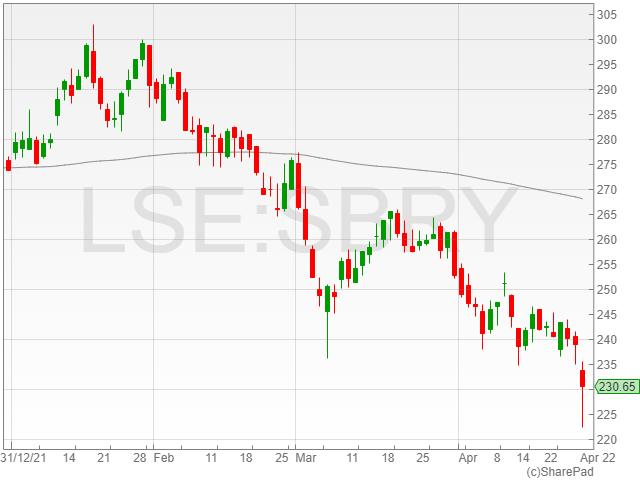
Sainsbury’s shares suffered a fall of 3% to 231.7p despite the company’s swing to a pre-tax profit of £854 million in 2021 from a pre-tax loss of £164 million in 2020.
The supermarket’s stock declined in light of the Big 4 grocer’s stark warnings of lower profits as accelerating inflation and cost of living pressures impacted disposable income, projecting a pre-tax profit fall up to 14% to £630-£690 million in the next financial year.
“The year ahead will be impacted by significant external pressures and uncertainties, including higher operating cost inflation and cost of living pressures impacting customers’ disposable incomes,” said the company in a statement.
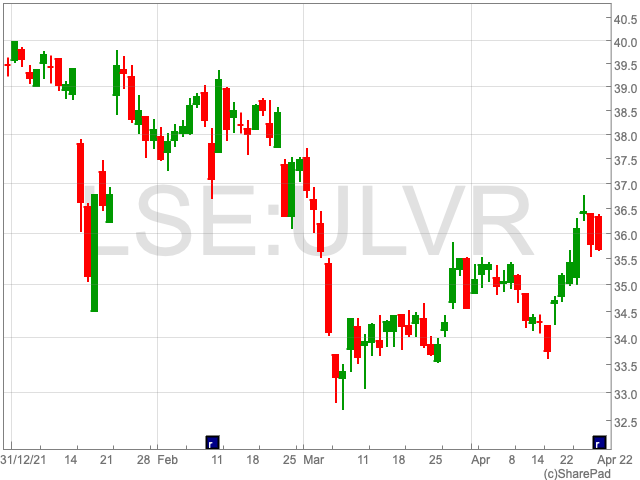
Unilever announced that its facing inflationary pressure resulting in the group predicting that costs will be higher than expected in H2 2022 and may hamper annual margins on Thursday.
Beauty & Personal Care’s underlying sales increased 7.1% to €5.7bn, with 7.4% from price and offset by 0.3% from volume as Unilever continued strong growth in Prestige Beauty and vitamins, minerals, and supplements.
Deodorants grew by double digits, thanks to Dove and Rexona’s technology-driven developments, as well as Axe’s excellent start to the year. Skin cleaning saw double-digit growth, with Dove, Lux, and Lifebuoy leading the way, although volumes fell in a shrinking market.
When the health and beauty channel reopened, Prestige Beauty enjoyed another quarter of double-digit growth, on top of a very strong prior year comparative.
Hourglass and Living Proof had a solid start to the year, helped by a rebound in the luxury hair and make-up segments.
Home Care
In the wake of a very strong prior year comparative, market volumes are decreasing which impacted Unilever’s Home Care division’s where underlying sales rose 9.2% to €3bn, with 12.5% from price, however, it was offset by 2.9% from the volume,
Fabric cleaning had a good start to the year, with double-digit, price-driven growth in most regions and very minor volume declines.
In India, OMO continued to lead the liquids industry, while novel forms such as capsules saw considerable growth in both China and Europe.
Fabric enhancers grew in the low single digits, boosted by a strong start to the year in India, China, and Turkey, but hampered by reductions in the United Kingdom and Southeast Asia.
With a strong prior year comparative, home and hygiene witnessed a modest increase, with high pricing being offset by negative volumes.
Foods & Refreshment
Foods & Refreshment underlying sales grew 6.5% to €5.1bn, with 7.1% from price and (0.6)% from volume said Unilever.
In all key geographies, Foods produced high single-digit growth with strong pricing. Hellmann’s grew by double digits against a solid baseline in the previous two years, thanks to a successful “Superbowl” marketing.
In the first quarter, ice cream sales grew by double digits in the out-of-home channel, while in-home sales fell marginally. The loosening of limitations in Europe and the sell-in ahead of an expected greater ice cream season, as well as a solid performance in China, boosted out-of-home sales. Magnum’s strong growth momentum was aided by the introduction of its fundamental “Remix” innovation, a spin on the iconic Magnum stick.
Performance by Geography
With volumes slightly negative, emerging markets climbed by 9.5% to €8.3bn, with a 10.1% contribution from pricing whereas developed markets rose 4.1% to €5.5bn and a 5.7% contribution from pricing.
Latin America’s pricing was particularly strong, at 16.4%, despite a 5.7% drop in volume. Developed markets climbed by 4.1%, with prices up 5.7% and volume down 1.5%.
The Americas sales increased by 9% to €4.5bn due to price and volume increases, while European sales increased by 0.7% to €2.7bn due to price gains offset by volume declines and Asis sales rose 9.1% to €6.6bn in the first quarter for Unilever.
Outlook
Input cost inflation is expected to be roughly €2.1bn in the first half of 2022, but the commencement of the war in Ukraine and the resulting increase in raw material inflation has elevated Unilever’s cost prediction for the second half.
As a result of this unprecedented period of inflation, the group will have to take additional pricing action, which will have an impact on volume.
In 2022, Unilever expects underlying sales growth to be in the upper half of the previously advised range of 4.5% to 6.5%.
For the first half, Unilever estimates the underlying operating margin to be in the 16% to 17% range that the group had forecasted for 2022.
Unilever presently expects the full-year underlying operating margin to be at the lower end of that range as a result of the expected rise in costs in the second half as costs are unknown and volatile.
Russ Mould, Investment Director, AJ Bell said, “The true definition of a company with pricing power is one which can push up its selling prices without dampening demand. Unilever has managed the first bit but not the second. Each of its three core divisions has seen a drop in sales volumes in its first quarter as a result of raising prices.”
“While Unilever talks about another solid quarter of sales growth, pressure on costs means its profit margins aren’t suddenly going to fatten up because people are paying more for a jar of Marmite or a box of Magnum ice creams. In fact, it is guiding for operating margins to be at the bottom end of its previously guided range.”
“In the UK, consumers are starting to trade down to supermarkets’ own-label products because they are cheaper. That presents a real threat to Unilever’s earnings in the near-term if people shun its higher priced items. There is a risk this trend spreads to other geographies.”
“The inflationary pressures have taken the spotlight off chief executive Alan Jope for a while, but a resumption of normal trading conditions will inevitably revitalise the debate over whether he is the right man to keep running the business, given poor returns for shareholders under his leadership.”
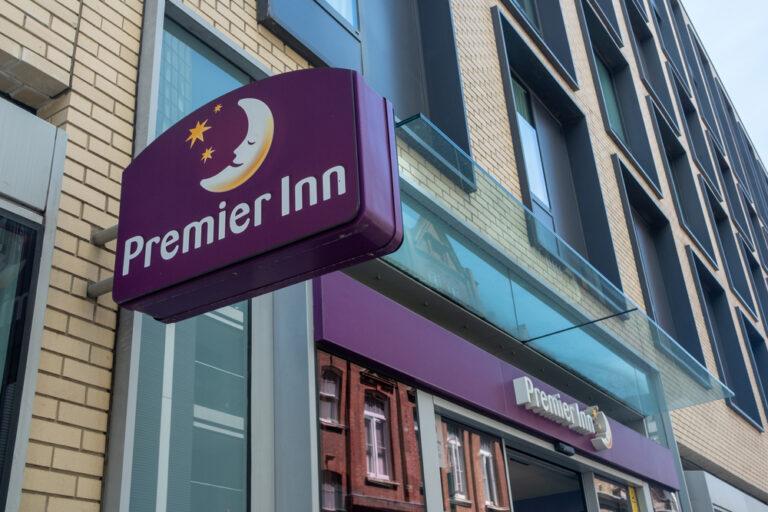
Whitbread shares were up 2.5% to 2,827p in early morning trading on Thursday, after the company announced a swing back to profit of £472.6 million, following a loss of £194.9 million after heavy lockdown restrictions last year crippled the group’s revenues.
The firm’s revenues increased to £1.7 billion from £589 million in 2020, beating analyst expectations despite its 17.8% decline on pre-Covid-19 levels.
“Investors will be pleased to see the dividend return for the Premier Inn owner, following a period of suspension where flexibility offered by lenders meant distribution taps had to turn off,” said Hargreaves Lansdown equity analyst Matt Britzman.
“With it back on the table, it sends a clear message to markets that sentiment is vastly improved and the return to profitability plus beat on top and bottom-line estimates adds weight.”
However, Whitbread confirmed its EBITDA remained 37.2% down against pre-pandemic levels.
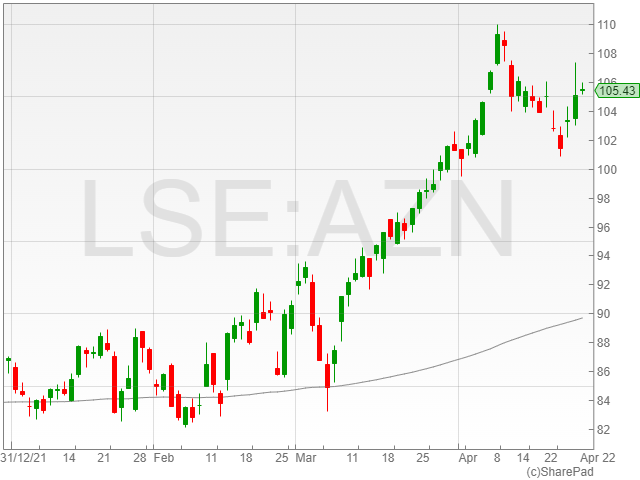
The treatment was developed for adults with generalised myasthenia gravis (gMG), and is reportedly the first long-acting C5 complement inhibitor to demonstrate clinical improvement in patients with the disease.
What is gMG?
gMG is a rare and debilitating chronic, autoimmune and neuromuscular disease which leads to loss of muscle function and severe weakness in patients.
The disease operates by activating the complement cascade in the immune system in an uncontrollable manner, leading the body to attack healthy cells in the system.
An estimated 90,000 patients in the US currently suffer from the condition.
Ultomiris clinical trial
The FDA reportedly approved the treatment based on positive results from the pharmaceutical group’s CHAMPION-MG phase three trial, in which Ultomiris displayed superior results to the placebo in the company’s Myasthenia Gravis-Activities of Daily Living Profile (MG-ADL) total score at week 26.
The MG-ADL is a patient-reported scale which assessed the ability of patients to perform daily activities during the trial.
Ultomiris is administered to patients intravenously once per eight weeks in adult patients, after a loading dose.
AstraZeneca commented that the most common adverse reactions in participants were upper respiratory tract infection and diarrhoea.
The results from the CHAMPION-MG trial were published in the NEJM Evidence journal and presented at the American Academy of Neurology Annual Meeting in April 2022.
The European Union and Japan are reportedly considering submissions by AstraZeneca for the treatment, along with a selection of other health authorities.
“gMG takes a physical and emotional toll on those living with the disease,” said Myasthenia Gravis Foundation of America CEO Samantha Masterson.
“We are grateful for continued innovation and research into new treatment and dosing options to meet the needs of more patients and reduce the treatment burden.”
“With the approval of Ultomiris, we’re excited that MG patients now have another option to consider as part of their personalised treatment strategies that may offer more convenience and improve muscle weakness.”