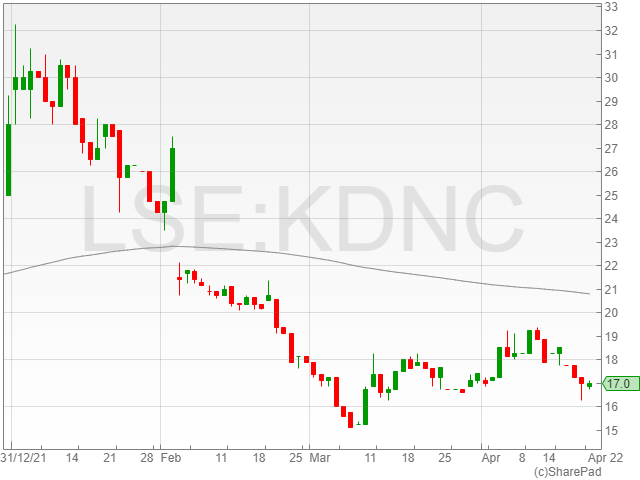
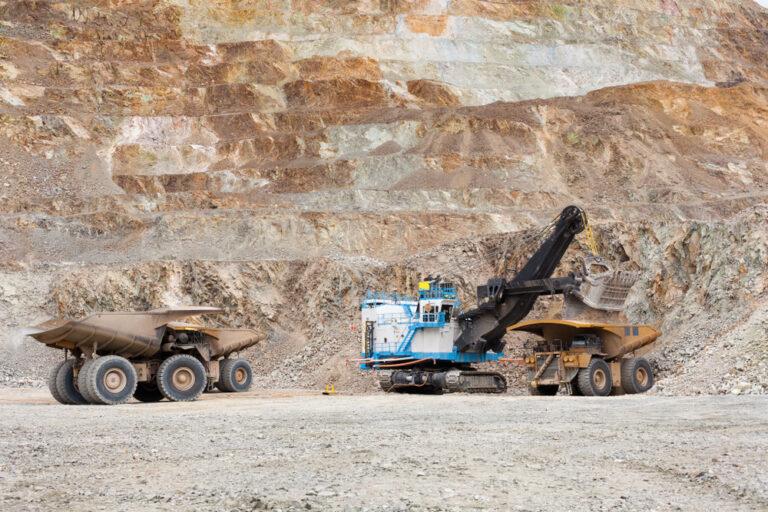
Cadence Minerals shares were up 0.5% to 17.1p in early afternoon trading on Monday, after the company announced the completed sale and shipment of Iron Ore by DEV Mineraco S.A’s (DEV) from the Amapa Iron Ore Project in Brazil.
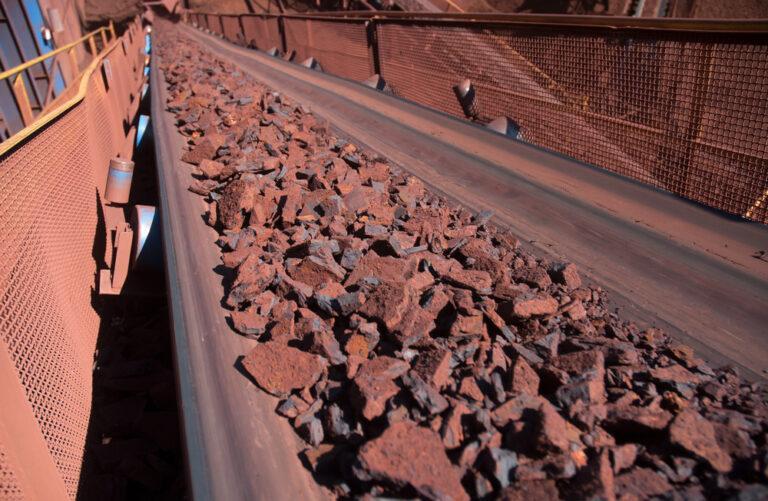
The sale was completed on 23 April and marked the fourth shipped batch of iron ore from the company’s stockpiles, consisting of 48,492 wet tonnes of iron ore sinter fines of approximately 58% iron at Companhia Docas de Santana.
The company commented that it was the first batch of iron ore exported since Cadence vested its 27% equity interest in the Amapa Project earlier in 2022.
Cadence Minerals confirmed a current stockpile of 1.2 million tonnes of iron ore in DEV’s wholly-owned port.
The shipment followed the initial three shipments which were carried out in H1 2021, and were reportedly approved through a court petition, which limited the sales of iron ore from the stockpiles to $10 million in net profits.
The company said that the approved court disposal funds were applied according to the approved court petition, with DEV retaining an agreed portion of the net profits.
The firm added that the net profits and earnings from the current shipment would be paid to the secured banks creditors in line with the settlement agreement announced on 29 December 2021.
Christie (LSE: CTG) eased to 115p and a Mkt Cap of £31m after reporting Finals to December. The Operating Profit of £5.2m is far more than originally expected and compare to a loss of a similar amount. The post Covid bounce-back saw revenues increase 45% to £61.3m and PBT of £3.6m against a £5m loss. CTG have evolved over many years as it can trace its origins back to 1864, with a unique range and combination of professional business services from its 40 offices across the UK and Europe. Its clients are in, catering and specialist markets in the hospitality, leisu...
Pantheon Resources shares were down 1.3% to 139.6p after the oil and gas company reported an update on its Lower Basin Floor Fan resources at Theta West, and an Oil in Place estimate on the Slope Fan System at Talitha.
The firm upgraded its Theta West resource estimate to 17.8 billion barrels of oil, representing a 61% increase compared to its previous estimates.
Pantheon Resources also highlighted a recoverable resource of 1.78 billion barrels in the most likely scenario, marking a 48% rise against its previous estimates.
“This season has been a great one for Pantheon resulting in material resource upgrades,” said technical director Bob Rosenthal.
The company said it believes that its 1.78 billion estimate could be categorised as a Contingent Resource on the basis of oil discoveries confirmed at Theta West, Talitha #A and Pipeline State #1.
The group also noted the new discovery of oil in the Slope Fan System at Talitha, which management estimates could hold up to 2.2 billion barrels of oil in place, however Pantheon clarified that additional examination would need to be carried out before it could estimate the recoverable resource in the Slope Fan System.
Pantheon Resources said its three existing well penetrations into the Lower Basin Floor Fan have confirmed oil resources with high quality light oil encountered across samples of the entire section, and have boosted company confidence in the area reservoir.
“The Theta West project continues to improve as we do further technical work, proving itself as a significant discovery with an estimated 1.78 billion barrels of recoverable resource,” said Pantheon Resources CEO Jay Cheatham.
“Coupled with our initial estimate of 2.2 billion barrels of oil in place in the Slope Fan System, this recent analysis further validates the potential impact of our 100% owned projects on the North Slope. We met our expectations of improved reservoir at the updip Theta West #1 location for the LBFF.”
“I would like thank shareholders for their continued support and for sharing our belief in the potential of our projects.”
According to recent data from the Office for National Statistics, over nine out of ten adults feel their cost of living has increased, up from 62% in November last year.
Compared to 2021, 23% of people stated it was “difficult or extremely difficult” to pay their regular household costs in March. This is an increase from the 17% who said the same thing in November 2021.
About 43% indicated it was somewhat or very difficult to afford their power bills, while 3% said they were behind on rent or mortgage payments.
The fallout from the month’s increase in the energy price cap which was a record £693 per year increase, or 54% on average, is not included in the numbers because they do not cover April.
The rise in the cost of living is said to be affecting people’s “financial resilience” as more and more consumers find it difficult to pay their bills, said Hugh Stickland from the Office for National Statistics.
We’ve published new analysis on the impact of rising costs of living on adults in Great Britain (for the period 16-27 Mar 2022).
— Office for National Statistics (ONS) (@ONS) April 25, 2022
Senior Economist at the Resolution Foundation, Jack Leslie, added that the figures from the ONS report showed the cost of living crisis is “already hitting UK families hard”.
“The combination of shrinking pay packets and rising costs mean that the pressure on households is building, with lower-income families set to feel the squeeze the most, and over a third of the most deprived fifth of households in England already saying it has been difficult or very difficult to pay their usual bills.
“This is set to get worse, with the estimated number of households experiencing fuel stress hitting five million this month.”
Chancellor Rishi Sunak did try to curb these costs with 5p reductions in fuel prices and a decrease from 20p to 19p in National Insurance during his Spring Statement, however, consumers remain overwhelmed with the rise in the cost of living.
The FTSE 250 was down 1.9% to 20,476.4 and the AIM was down 1.6% to 1,031.9 in early trade on Monday, after lockdown fears in Chinese capital Beijing spiked investor concerns of an economic slowdown as production looked set to grind to a halt in the “factory of the world.”
The combination of a potential lockdown in China and rising rates of inflation at 7% in the UK and 8.5% in the US has set investors’ teeth on edge as the market caught the brunt of Monday’s surging wave of pessimism.
“The prospect of further restrictions in China could lead to a poisonous mix of further inflationary pressure, as supply chains in the so-called ‘factory of the world’ get disrupted, and weaker economic growth,” said AJ Bell investment director Russ Mould.
“The result could be stagflation – a slowing economy accompanied by surging prices – a brew few investors would be able to stomach.”
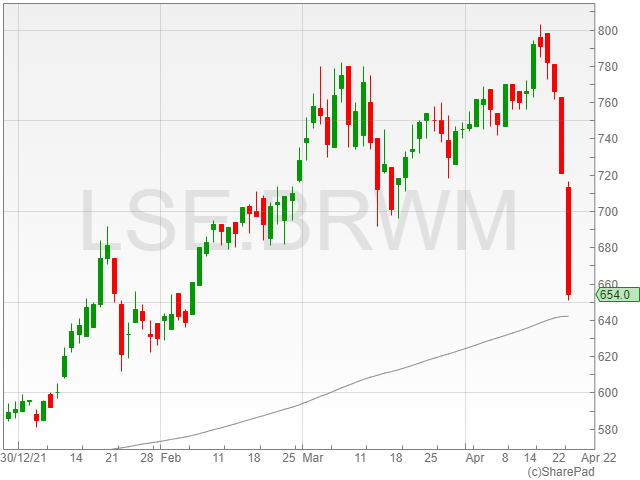
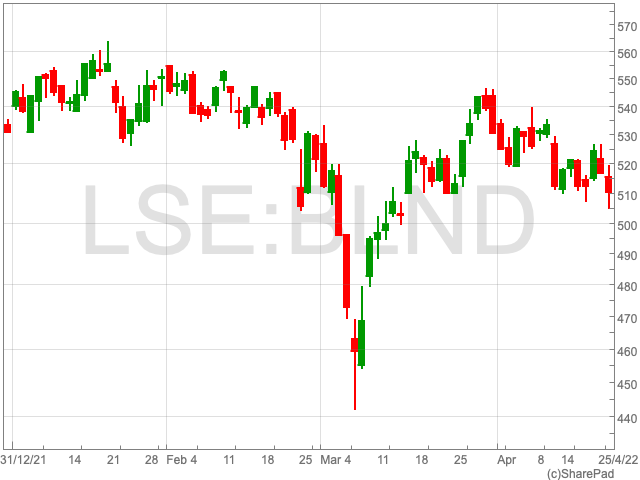
BlackRock World Mining Trust shares plummeted 9% to 656p as mining shares sank and its holding in Anglo American took a hit on the back of the company’s Los Broncos copper project hurdle, which is in the line of fire after regulators in Chile recommended blocking the operation. Anglo accounts for 7.9% of the trust’s holdings.
“The energy transition may be heavily reliant on copper but that doesn’t mean it will be easy for miners to get the metal out of the ground,” Mould commented on Anglo’s delays.
“While the world might benefit from wider availability of the metal, which is critical for renewables and electric vehicle components and infrastructure, complaints domestically about the environmental impact within Chile demonstrate the difficult balancing act miners face as they look to show off their new ‘green’ credentials.”
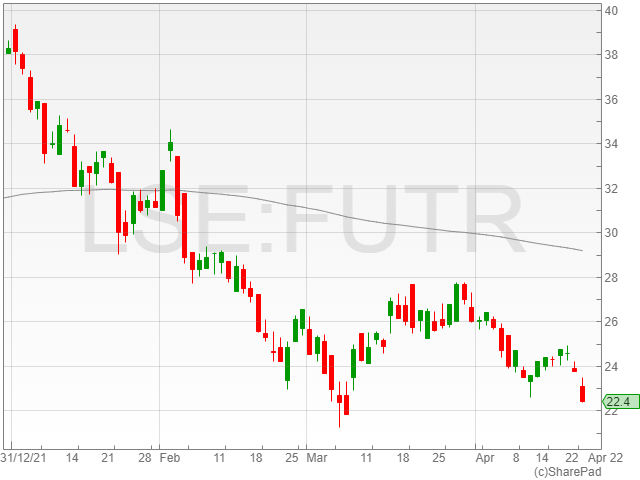
Future shares fell 5.6% to 22,430p after Barclays cut the company’s rating to ‘overweight’ with a price target of 3,300p against 3,900p.
Ferrexpo shares took a dip of 5.1% to 165.4p following JP Morgan’s ‘neutral’ rating with a price target cut to 340p from 350p.
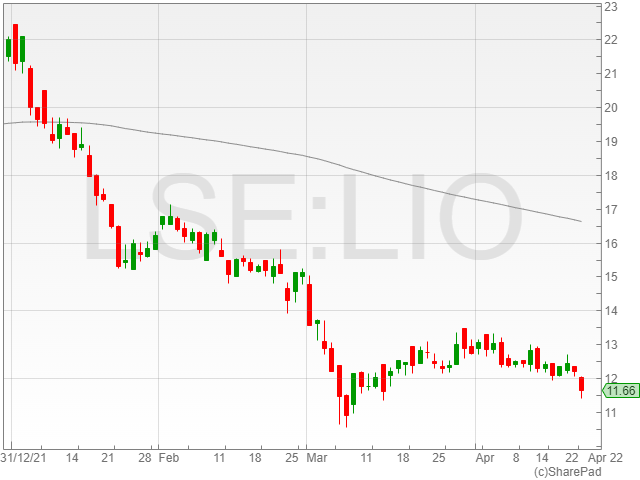
Liontrust Asset Management shares fell 4.4% to 11,660p as the fund manager suffered the fallout of sharp downside in global markets.
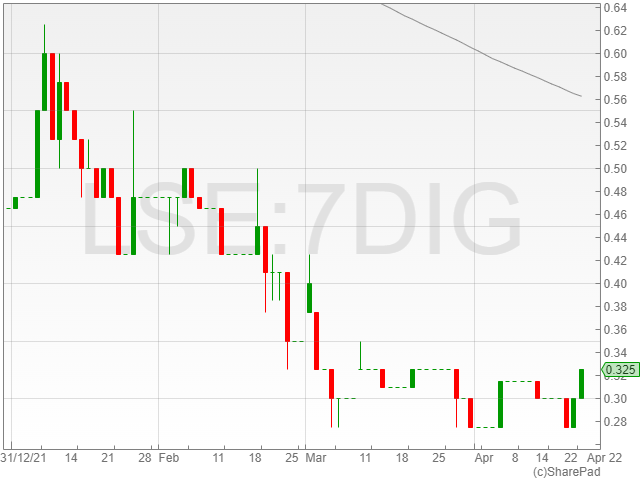
7digital Group shares rose 8.3% to 0.3p following the company’s £1 million contract win with a pan-Arian multinational consumer services corporation to deliver an app-based music streaming service to enhance the company’s customer engagement.
“This is a major, multi-year contract for 7digital that further enhances our visibility over our forecast revenues for the next two years,” said 7digital CEO Paul Langworthy.
“It is an important endorsement of our offering having been awarded by a multinational corporation and after a competitive tender.”
Premier African Minerals shares were up 8.2% to 0.3p after the mining group announced its joint-venture agreement with Li3 Resources, which is set to see Li3 Resources acquire a 50% interest in Premier’s hard-rock lithium assets based in the Mutare Greenstone Belt in Zimbabwe.
“The Li3 Project is located in a region in Zimbabwe that is receiving significant interest in both Lithium and potential gold deposits,” said Premier African Minerals CEO George Roach.
“The claim blocks are well located and, in several instances, have already attracted interest from international lithium producers.”
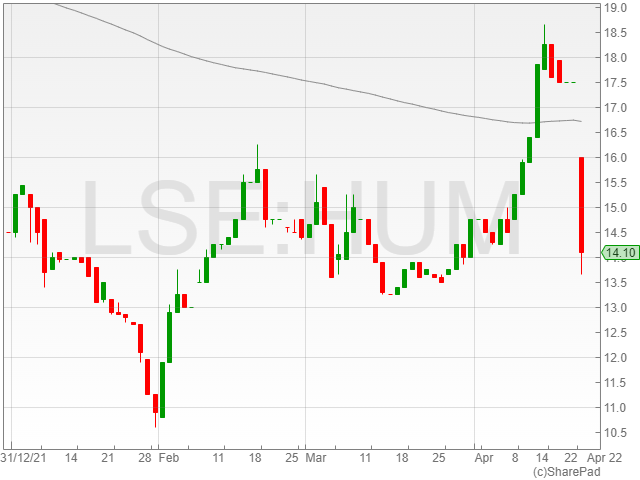
Hummingbird Resources shares dropped 19.4% to 14.1p after its Q1 output declines due to planned maintenance work.
The group’s output fell 32% year-on-year to 15,548 ounces of gold, down from 22,781 ounces from its Mali, Liberia and Guinea projects.
FTSE 100 over fell over 2% in early trade on Monday after Covid lockdown fears in China led to big sell-offs in Asia and stoking fears of further inflationary pressure and supply chain problems.
China has been battling the rise of the pandemic with severe lockdown measures resulting in a decline in oil and metal imports in the country as its industrial sector faces a slowdown. As China continues mass testing in its largest district, investors become wary of Asian markets resulting in large sell-offs ultimately impacting global markets including the FTSE 100.
“The prospect of further restrictions in China could lead to a poisonous mix of further inflationary pressure, as supply chains in the so-called ‘factory of the world’ get disrupted, and weaker economic growth,” says Russ Mould, Investment Director, AJ Bell.
“The result could be stagflation – a slowing economy accompanied by surging prices – a brew few investors would be able to stomach.”
Brent crude has dropped 4.8% to $101 a barrel as further lockdowns in China invoke demand fears amongst investors.
Susannah Streeter, Senior Investment and Markets Analyst, Hargreaves Lansdown said, “However the [oil] price is set to stay volatile given the brutal ongoing battles in Ukraine are adding to the spring tides of worry.”
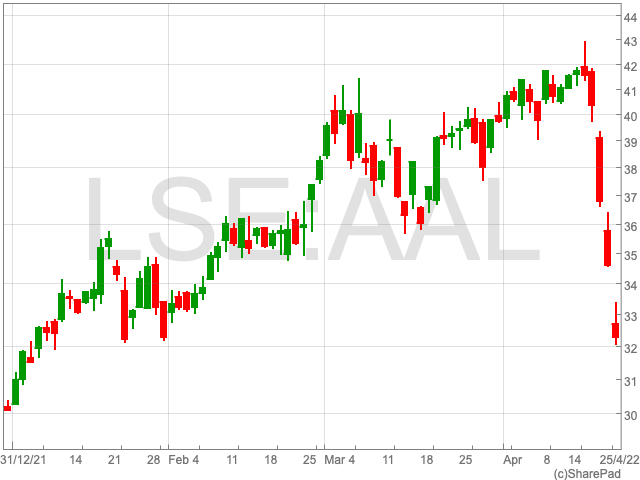
Mining stocks on the FTSE 100 also took a hit on Monday with Anglo American shares tanking 7% to 3,227p after the company announced setbacks in its Los Broncos copper project due to recommended permit blocks by regulators in Chile.
“While the world might benefit from wider availability of the metal, which is critical for renewables and electric vehicle components and infrastructure, complaints domestically about the environmental impact within Chile demonstrate the difficult balancing act miners face as they look to show off their new ‘green’ credentials,” said Russ Mould.
Amongst miners stocks declining on the FTSE 100 on Monday are Glencore, Rio Tinto, Ferguson and Endeavour Mining.
Glencore shares were trading down 6.4% to 445p, followed by Rio Tinto shares dropping 4.5% to 5,405p. Ferguson shares were down 4% to 10,100p and Endeavour Mining shares lost 3.5% to 1,951p.
Later in the week, the US Fed is expected to announce aggressive monetary policies, leaving investors on the edge of their seats as it “could have an influence on the market’s mood as we head into May,” added Mould. The impact of the policies may backfire and result in a recession.
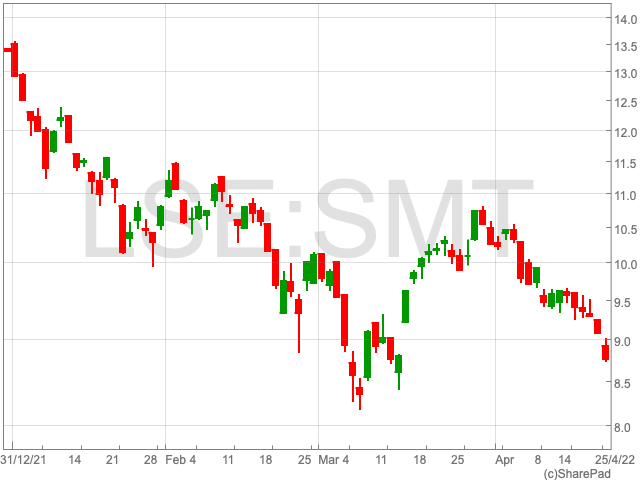
Scottish Mortgage Investment Trust has large holdings in tech stocks and as investors swerve away from Asian markets, the trust’s shares lost 3.6% to 874p.
With such sharp decline in stocks today, a limited number of companies saw an increase in their shares today, as Reckitt Benckiser shares gained 1.6% to 6,236p, Unilever shares were trading up 1.1% to 3,580p and BT Group shares rose 0.6% to 187p.
Cost of living crisis
Earlier today, the Office for National Statistics released a report in which it claimed that 9 out of 10 UK adults experienced an increase in their cost of living over the last month in March as gas and electricity bills soared followed by higher prices in certain consumer goods.
We’ve published new analysis on the impact of rising costs of living on adults in Great Britain (for the period 16-27 Mar 2022).
— Office for National Statistics (ONS) (@ONS) April 25, 2022
As a result, utility stocks were mixed – but still outperformed the benchmark on Monday as investors sought out safe havens – with National Grid shares falling 0.4% to 1,167p, Severn Trent shares down 1% to 3,019p and United Utilities shares declining 0.6% to 1,120p at the time of writing.
The company highlighted its findings in the results from its inaugural drilling programme at the Pilbara project, which consisted of diamond and Reverse Circulation (RC) drilling for 1,991 metres in total.
Alien Metals said its findings came from the 15 RC drill holes executed over its second phase of the inaugural drilling scheme, which built on the results of its first phase released on 27 January 2022.
The mining group noted eight metres at 4,233g/t in silver from 66 metres in drillhole AMEHRC009 and two metres at 1,550g/t in silver from 108 metres in drillhole AMEHRCO12, which the company said represented a potential new mineralised zone 400 metres south of the Elizabeth Hill mine along the Munni Munni Fault.
Alien Metals also confirmed its discovery of 0.19% copper at 24 metres, 0.17% nickel and 150g/t in cobalt from its AMERHRC005 drillhole, along with 8 metres at 0.83% lead and 0.13% zinc from 48 metres.
The company further highlighted 4 metres at 1.35% lead and 0.2% zinc based in the drillhole, and 26 metres at 0.48% lead from 8 metres including 6 metres at 1.95% lead in its AMEHRC006 drillhole.
Alien Metals clarified that interpretation of its results were ongoing, however, the initial results suggested a potential repeat of the Elizabeth Hill deposit along the Munni Munni fault.
“The final assay results provide further confirmation of the exceptionally high-grade tenor of the silver mineralisation at Elizabeth Hill, with additional excellent intersections within the historic orebo dy,” said Alien Metals CEO Bill Brodie Good.
“The intersection within hole AMEHRC0012, which was drilled on the south of the orebody, is significant as it encountered high-grade mineralisation at a depth where we always thought there might be a possible repetition of the Elizabeth Hill silver orebody.”
“It is also encouraging to see the presence of wide intersections of base metals in the eastern mafic units which run parallel to the Elizabeth Hill silver deposit in the final batch of assay results.”
“This may present as significant base metals VMS style target. The Company is currently working with our technical consultants to gain a better understanding of this target ahead of a follow-up exploration programme.”
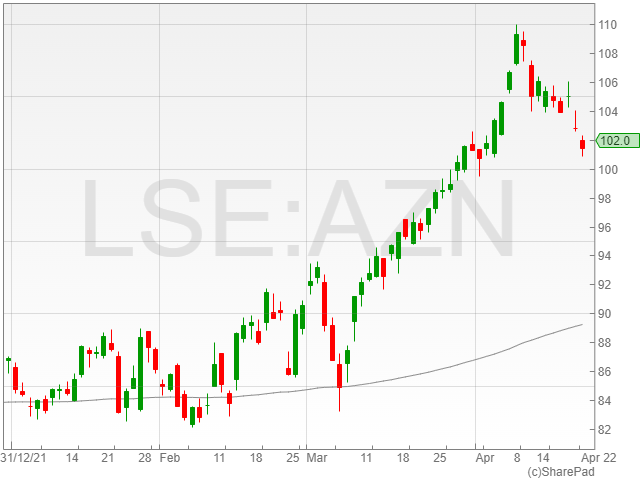
AstraZeneca shares were down 0.8% to 10,198p in early morning trading on Monday, after the pharmaceutical company’s announcement that its anti-body CTLA4 antibody Tremelimumab treatment had been accepted under priority review for a Biologics License Application (BLA) for US patients.
The treatment is currently under review for its effects in combination with human monoclonal antibody Imfinzi on patients with unrespectable liver cancer.
The BLA application was reportedly based on the final results from the group’s HIMALAYA Phase three trial presented at the 2022 American Society of Clinical Oncology Gastrointestinal Cancers Symposium.
AstraZeneca said it noted a 22% reduction in the risk of death compared to patients treated with Sorafenib in the trial.
The combination of Imfinzi and Tremelimumab was labelled the STRIDE regimen (Single Tremelimumab Regular Interval Durvalumab), with the firm reporting a 31% patient survival rate for patients on the regimen against a 20% success rate for patients on multi-kinase inhibitor sorafenib.
The review gave patients a single priming dose of Tremelimumab added to Imfinzi, and reportedly proved the first dual immune checkpoint blockade regimen to boost overall survival in a Phase three trial in that particular setting.
AstraZeneca has also submitted Imfinzi for a supplemental BLA to treat patients with unrespectable liver cancer, alternatively known as unrespectable hepatocellular carcinoma (HCC).
The treatment was granted Orphan Drug Designation in the US in January 2020 for the treatment of HCC.
The firm said that the Food and Drug Administration (FDA) decision on the treatment could be expected during Q4 2022.
“The HIMALAYA Phase III trial showed an unprecedented three-year overall survival in this setting with a single priming dose of Tremelimumab added to Imfinzi, highlighting the potential for this regimen to improve longer-term survival outcomes,” said AstraZeneca executive vice president for Oncology Research and Development Susan Galbraith.
“Patients with advanced liver cancer are in great need of new treatment options, and we are working closely with the FDA to bring this novel approach to patients in the US as soon as possible.”
Anglo American is conducting an environmental study for its Los Bronces Integrated Project.
Anglo American’s Los Bronces Integrated Project began in 2019 and is a mine life extension project that expands the current open pit at Los Bronces and substitutes future lower quality ore with higher-grade ore from a new underground section of the mine.
The proposal makes use of the mine’s existing processing facilities, improves water efficiency, and eliminates the need for new water or tailings storage.
Anglo American’s Los Bronces Integrated Project is an investment in the future of one of Chile’s largest copper mines, and it is an example of modern mining where a wide range of sustainability concerns have been consulted on and built in from the start.
The SEA has determined that Los Bronces Integrated Project complies with all applicable environmental regulations but it has issued an unfavourable recommendation based on an alleged lack of information provided throughout the evaluation process to entirely dispel any questions regarding a potential public health risk according to Anglo American.
The SEA’s recommendation has taken into consideration the substantial support for the project from 23 of the 25 technical services agencies and government ministries involved in the assessment process.
The organisation is likely to decide on the LBIP permission application within the next week said Anglo American.
The SEA’s declaration that the Los Bronces Integrated Project meets all of the required environmental regulatory criteria is welcomed by Anglo American.
Anglo American further believes that all relevant information was provided throughout the evaluation process and that this information was properly disseminated at every given chance within the regulated permitting process, including formal meetings and written submissions.
Anglo American’s Los Bronces Integrated Project was created using 10 years of scientific research and a robust and transparent engagement process with locals and government officials.
Mitigation techniques will offset 120% of the emissions generated by the project and Los Bronces’ current operations during development and operation, resulting in improved local air quality.
As a result, a project has been designed to safeguard the local ecosystem while causing no harm to biodiversity or neighbouring protected areas or glaciers by the group.
In the case that the SEA issues a negative decision, the permitting process provides for a second look at the project’s broad range of merits as well as technical permitting factors.
Anglo American is dedicated to following the existing process and is working with Chilean authorities to show that all potential impacts have been adequately mitigated and that the project has received approval.
The current copper production forecast for 2022 and 2023 remains unchanged whilst water availability and the continued effects of Covid-19 are still factors in production planning for Anglo American’s Los Bronces Integrated Project.
EQTEC shares were up 9% to 0.8p in early morning trading on Monday, after the company released glowing final results for 2021 with a 410% revenue increase to €9.2 million from €2.2 million in 2020.
The net-zero technology innovation firm reduced its EBITDA loss to €4.7 million compared to €5.8 million in 2020, and reported an increase in net assets to €43.4 million against €25.3 million in the previous year.
EQTEC highlighted an oversubscribed, investor-led placing in May, which raised €19 million before expenses, alongside a cash balance of €6.4 million.
The company noted its new €1.39 million loan facility with shareholder Altair Group Investment Limited, with a maturity date of 31 December 2021.
The group said that the loan, which had been fully drawn down to repay an overdue debt with another lender, had a lower interest rate compared to a previously held debt facility and was repaid in full ahead of schedule on June 2021.
The company celebrated its project pipeline advancement, with 17 projects under development or construction against a pipeline of over 100 announced in its 2021 interim results in September, compared to its 10 projects in development with a pipeline of 75 in 2020.
EQTEC also confirmed that it would focus on four key areas moving forward to position itself as a viable replacement for fossil fuel developers, with investments in subsidiaries in the USA, UK, France and Italy, alongside joint-ventures to Croatia, Greece and Ireland.
“We set ambitious targets for 2021 and delivered more than 4x revenue over 2020, building the momentum we intended,” said EQTEC CEO David Palumbo.
“We converted more opportunities than ever into focused, planned projects and amongst these was closure of both of our targeted Market Development Centres in Italy and Croatia.”
“We formalised majority-owned joint ventures in Croatia and the Aegean and invested in our go-to-market presence across USA, UK, France, Italy and Ireland, with a view to increasing pace and impact in those markets.”
The company is also set to invest in a full research and development programme to advance its innovation in technology development in a three-year strategy with university partners, tier-1 engineering company Wood, and other top-tier businesses yet to be confirmed.
The group said it would enrich its global network to integrate multinational development, delivery and technology partners, alongside local, market-specific partners to enhance its company reach.
EQTEC added that its fourth key area included investing in talent across the group’s technical and corporate sectors, alongside its market partners, in a move to advance the firm’s expertise in project development, corporate venturing and technology innovation.
The firm also said that it had ramped up its discussions with policymakers across the UK, EU and USA to promote the company’s potential in a net-zero progressive future.
“Our business platform grows increasingly resilient as we add partners and new talent to our global network,” said Palumbo.
“From post-Covid challenges to COP26 to more recent geopolitical events, we experience more demand than ever and are taking our place as a leading technology innovator for fossil fuel replacements and clean, baseload energy and biofuels, as well as an innovator of new business models for energy independence and security.”