IHG Share Price: all set for a return to travel

0

IHG Share Price

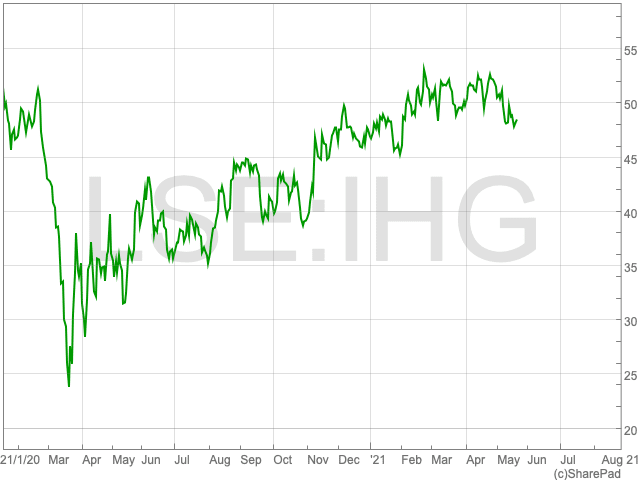
2020 proved to be an especially trying year for IHG, and it remains unclear whether or not further issues lie ahead. Having said that, the IHG share price stands at 73.68p, around its pre-pandemic level, as the return to travel appears to be factored in. While the FTSE 100 company has its books in order, it remains vulnerable to continued lockdowns.
Performance

The IHG share price is currently trading well over 40 times its expected earnings. This figure exceeds its ten-year average and is comfortably an all-time high. “That’s largely down to the abnormally low profits expected over the next 12 months,” said Nicholas Hyett, equity analyst at Hargreaves and Lansdown. With the IHG share price now trading at a similar level to before the pandemic, “it’s still a big vote of confidence from the market”, Hyett added.

The optimism on the part of investors comes despite demand drying up over the past 12 months. IHG even remained profitable thanks to the nature of its business model.

“Despite having a portfolio of nearly 6,000 hotels globally, the group only owns 25. Instead IHG licences a brand to the hotel owner, which means it’s not on the hook for hotel running costs. That’s kept cash burn to a minimum and enabled the group to offer support to its partners – with flexible payments and fee breaks. Keeping franchisees in business is crucial to IHG’s business model, so this was the right (albeit expensive) move in our view,” according to Hyett.

IHG remains well positioned financially with significant liquidity. Therefore its future prospects appear reliant on the hastiness of a return to travel.

Return to Travel

Demand appears to be picking up as the recovery is gathering pace. So far the recovery has been led by China and the US, as Europe lags behind. Of course, it remains difficult to forecast exactly when things will pick up further but the wheels are in motion.

Analysts at Peel Hunt commented on the near-term prospects of the IHG share price: “Getting the share price right from here in our view depends on the relative impact of forecasts declining further as they catch up with the prolonged lockdowns in Europe in particular, and the signs of global economic recovery speeding up as vaccines take effect,” analysts at Peel Hunt commented.

“On balance we continue to believe that IHG’s share price, now 12% below its 2019 high, has further to fall to reflect the prolonged nature of the recovery in the hotel cycle, and we reiterate our ‘Reduce’ recommendation and 4,600p target price.”

BP Share Price: striking the balance between shareholders and the climate

0

BP Share Price

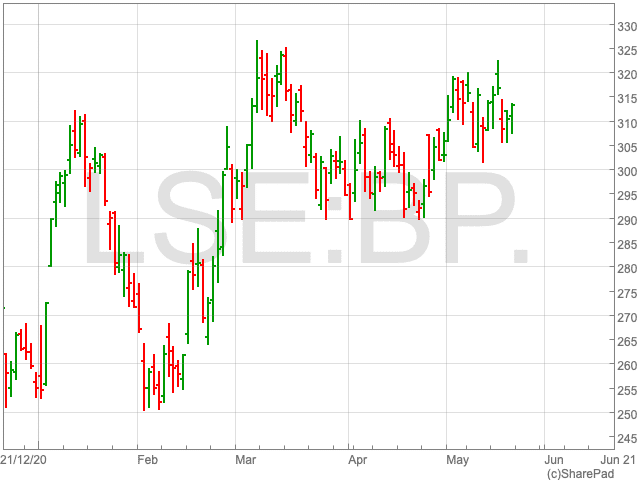
There is much contention over the direction of the BP share price in the coming months. Analysts at Barclays are tipping it to move upwards, while climate activist groups continue to put pressure on the oil giant. Following steady growth over the last month, the BP share price is now sitting at 312p. Since the turn of the year it is up by 22.6%, as its recovery looks on course. However, it has someway to go before it is close to its pre-pandemic level of above 490p.

Climate Activist Pressure

Earlier this month BP avoided proposals calling for climate action although shareholder support for the demands of Follow This, an activist shareholder group, is growing. At the company’s AGM, just under 21% of votes supported a resolution by Follow This to put in place targets that satisfy the goals of the Paris climate accord.

The vote fell well short of the 75% needed, although it could serve to place further pressure on BP as well as major shareholders that have stood by the company. “We will continue to engage with our stakeholders as our plans evolve over time,” BP said after the vote.

BP’s currency chief Bernard Looney has promised to make the company carbon neutral by 2050. “Going back to the drawing board on strategy, targets and aims would disrupt our business plans and set us back at the very time when shareholders are asking us to focus on execution,” the company added.

It is clear there is a balance to be struck for BP between addressing environmental concerns and the concerns of shareholders in the short-term. Especially while revenues from fossil fuels remain the most reliable stream of income. For now, the vote may give the company more freedom to secure the BP share price, although it could serve to put investors off the company altogether.

Analyst’s View

The BP share price has been tipped by Barclays as one to watch over the coming months. Barclays set the oil giant a price target of 475p. This remains some way of its level of above 490p in early 2020 before coronavirus struck. However, it would also represents a significant increase from its current level. Barclays’ bullish outlook on BP was accompanied with an “overweight” rating.

The reasoning for such a bullish outlook on the FTSE 100 company, according to Barclays, is that it is misunderstood. Analysts at Barclays believe the company’s efforts to switch to low carbon will eventually be rewarded by shareholders.

Biden could tax crypto transfers as Fed proposes ‘digital dollar’

0

Fed chair Jay Powell warned against ‘illegal activities’ associated with cryptocurrencies

New proposals by the Biden administration will require cryptocurrency transfers above $10,000 to be reported to US tax authorities.

The news comes in the aftermath of a regulatory crackdown in China, which caused the price of bitcoin to plummet.

The crash took the price of bitcoin to below $40,000, and occurred alongside a slump in the wider crypto market.

Chair of the Federal Reserve Jay Powell gave his view on the matter, arguing that authorities in the US should be “paying attention to private-sector payments innovators who are currently not within the traditional regulatory arrangements applied to banks, investment firms, and other financial intermediaries”.

He also warned against “illegal activities” that he suggested cryptocurrencies could encourage, in a smaller vain to comments from the European Central Bank earlier in the week.

Biden’s proposal is part of a report by the Treasury highlighting the administration’s plans to close the “tax gap” by giving more power to the Inland Revenue Service. Many of the proposals are aimed at extracting more revenue from America’s wealthiest tax payers.

Jay Powell has also pushed forward proposals by the Federal Reserve to create a digital dollar that would be controlled by the US central bank.

“The effective functioning of our economy requires that people have faith and confidence not only in the dollar, but also in the payment networks, banks, and other payment service providers that allow money to flow on a daily basis,” he said.

“Our focus is on ensuring a safe and efficient payment system that provides broad benefits to American households and businesses while also embracing innovation.”

Powell’s comments come amid increasing focus on the possibility of central bank digital currencies (CBDCs) being implemented across the world.

Biffa share price continues rise following acquisition of Viridor

0

Biffa Share Price

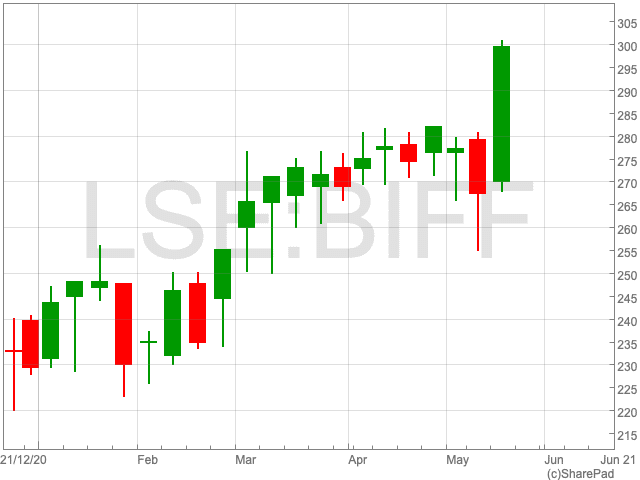
The Biffa share price (LON:BIFF) is up by over 7% on Friday to 298p per share. Its recent surge has established its level back above its pre-pandemic peak. Since the turn of the year, it is up by 29.6%. Investors, impressed by the FTSE 250 company’s recent form, are now turning their attention to Biffa. Following its acquisition of Viridor Waste Management, now could be an opportune time to buy.

Viridor acquisition

Biffa, the waste management company, has agreed a deal to acquire Viridor for £126m. The move will expand Biffa’s collection business and will therefore boost its earnings immediately.

Biffa is purchasing the all of Viridor’s nationwide collections business. This amounts to 270 vehicles, picking-up waste from industrial and commercial customers, in addition to 15 depots. Viridor collects around £85m a year in revenue.

Prior to the pandemic, Biffa generated in the region of £871m in revenue during the last financial year. Therefore the move will significantly add to Biffa’s existing entities.

It is expected that the addition of Viridor’s business will improve efficiency and scale, delivering £10m worth of synergies.

Biffa has also outlined its strategy of buying a portfolio of recycling and treatment facilities that generate yearly revenues of £39m. These purchases are supported by long-term contracts established with local authorities. ‘This acquisition expands Biffa’s collections business and recycling capabilities while solidifying its leading position in UK sustainable waste management,’ said Biffa.

Recycling

Biffa also recently announced plans to double the amount it can recycle at its facility in Aldridge to 80,000 tonnes a year. Extra capacity will allow for vastly more waste to be recycled, the company said.

The waste management company also set a goal of quadrupling its recycling capacity by 2030.

“It means more recycling can happen on our own shores and creates sustainable materials that can be used in manufacturing. The additional capacity is a significant investment in our business within the North East and further establishes Biffa as a leader in in closed-loop plastic recycling.”

Biffa is maintaining its position at the forefront of the UK waste industry, as well as acting on its mission to address the climate emergency. In a robust industry, the Biffa share price could be worth keeping an eye on for investors.

UK residential property transactions reach highest level since 2007

0

Estimates for UK residential transactions during April reached 111,260

UK residential transactions rose by 197.8% in April compared to 2020, according to data released by HMRC.

The government added that the significant rise could be put down to the impact of the pandemic on figures in April 2020.

Having said that, estimates for UK residential transactions during April reached 111,260, the highest level for the month since 2007.

It was revealed recently that house prices across the UK also rose at the fastest rate in March since shortly before the financial crisis hit in 2007.

The latest UK residential transactions data has likely captured some positive impacts from ‘Stamp Duty holidays’ for Stamp Duty Land Tax and Land Transaction Tax.

Sam Mitchell, CEO of online estate agent Strike commented: “After the mad rush in March to complete and exchange ahead of the original stamp duty holiday deadline, property transactions eased in April as buyers and sellers were offered a little bit of breathing space thanks to the extension.

“However, with not long to go until the June deadline, the countdown is officially back on and pressure is mounting. Combined with the uplift in 95% mortgage deals on offer, alongside the continued easing of lockdown restrictions, demand within the UK property market will likely be amplified in the months ahead.

“Some might be cautious of the stamp duty deadline fast approaching, but there are no signs of this derailing the market. In fact, with a tapering off period until October, low stock levels, rock-bottom interest rates and the introduction of the Government’s high loan-to-value lending scheme, there are more than enough factors to keep things buoyant.”

FTSE 100 sluggish despite strong retail sales

0

After a bounce late on Thursday the FTSE 100 was just struggling to stay afloat on Friday morning as “investors continue to navigate turbulent and murky waters”, said Russ Mould, investment director at AJ Bell.

The index is down by 0.39% on Friday morning to 6,992.

Bitcoin’s extreme volatility this week just added to existing worries like inflation and the pandemic which have impeded equity markets’ progress so far in 2021,” Mould added.

In more positive news for the UK economy, retail sales exceed expectations, highlighting a transition from online to physical shopping.

FTSE 100 Top Movers

Weir Group (1.45%), BT Group (1.13%) and Antofagasta (1.03%) are the top risers on the FTSE 100 on Friday morning.

While at the other end, Kingfisher (-3.30%), British Land Co (-2.57%) and Land Securities Group (-.168%) have lost the most ground.


Retail sales surge in April as non-essential shops reopen

0

Clothes sales soared by 70% compared to March

A sharp rise in spending on clothes drove retail sales in April, as non-essential shops reopened across the country.

Retail sales rose by 9.2% last month, according to figures from the Office for National Statistics (ONS), while clothes sales soared by 70% compared to March.

While online sales dipped, overall sales increased by more than 10% compared to the levels seen before the pandemic.

Danni Hewson, financial analyst at AJ Bell, commented on April 2021 retail sales data from the Office for National Statistics:

“The easing of lockdown has been just the excuse the Great British public needed to head out and buy a new outfit or two. The latest retail sales figures show the lifting of restrictions on non-essential retail has been just the tonic for ailing businesses and that the much-discussed pent up demand is real,” said Hewson.

Petrol sales were also given a boost as workers began to drift back into offices and the opportunity for socialising and indulging was presented.

“But a more accurate picture emerges when we compare this month’s sales figures with those of April 2019. In that period online retailers have enjoyed the largest growth, up a whopping 56% and fuel sales are 13.3% down compared with two years ago, demonstrating that homeworking is still a big part of our working lives,” Hewson added.

“Overall, retail sales were considerably above their pre-pandemic levels (10.6%) but novelty and savings will undoubtedly have played a part in this month’s rise and this trajectory is unlikely to continue as consumers get more opportunities to spend their cash elsewhere.”

Close Brothers outlook uncertain despite strong results

1

Close Brothers’ assets under management rose to £14.8bn from £13.8bn

Close Brothers (LON:CBG), the UK lender, revealed on Friday that its operating profit so far in 2021 had exceeded its levels for the 2020 year, as trading activity improved.

The FTSE 250 company’s loan book rose by 3.2% during the three months to 30 April to £8.2bn, and by 7.7% since the beginning of the year.

Lending was pushed on by strong demand for government business interruption loans relating to the pandemic, which has to go through before the March deadline.

The yearly net interest margin was at the same level as during H2, the lender revealed in an update today.

Close Brothers’ assets under management rose to £14.8bn from £13.8bn at the outset of the year, as its net inflows increased by 6%.

The company’s debt ratio fell slightly compared to H1, showing solid credit performance. While loans classified as forborne dropped by £0.1bn £1bn at the end of January as more clients began making payments again.

Although the company revealed strong results, it said its outlook remained uncertain.

“Our impairment provisions continue to reflect the uncertain external environment and the fact that the full impact of COVID-19 has yet to be reflected in experienced credit performance,” Close Brothers said.

Adrian Sainsbury, chief executive of Close Brothers, made further comment:

“We continued to perform strongly in the third quarter, in line with the trends reported in the first half of the year. There are positive signs of economic recovery, but uncertainty remains. I am confident that our proven and resilient model, together with the expertise of our people, leave us well placed to continue supporting our customers and clients and to make the most of opportunities going forward,” he said.

“I am very proud of our continuing efforts to make a positive impact over the long term. We have established a new partnership with the Social Mobility Foundation to help us build our programme of support for those not afforded the same opportunities as others, particularly as the country recovers from Covid-19. We remain mindful of the threat of climate change and are supportive of the 2050 net zero goals of the Paris Agreement. I look forward to talking further about our responsible approach at our upcoming Investor Event on 15 June 2021.”

Mast Energy says Bordesley project is now ready for construction

0

Mast Energy Developments (LON:MAST), the UK-based power company, confirmed on Friday that its Bordesley project has reached “construction-ready” status following a thorough work programme since it was listed in London in April.

The Mast Energy board set out on a work programme to review and evaluate its available pipeline of sites in an effort to ensure its business strategy is delivered. The company provided an update on its latest progress.

Target 1: Bordesley 5 Mw base case with upward optimisation potential of up to 19.12 Mw

Now that Mast Energy has sufficient funding, it has intensified its development programme on the Bordesley site. This is despite being denied access due to coronavirus related lockdown measures. Mast has now MED has now obtained an updated EPC Scope of Works (SoW) proposal from Clarke Energy, commensurate with updated and amended site specifications, as detailed below:

  • Reconfiguration of the gas reciprocating engine combination reduced the combined power pack to two engines from the original three. The two generators will provide a total installed generation capacity of 5,352kW and will deliver a minimum net export capacity of 5.2MW.
  • The optimised number of units provide clear benefits with regards to capital cost of equipment, site installation time/cost and operations & maintenance costs. This will also leave sufficient redundant surface area to create an opportunity for future installation of a third generator, thereby increasing the electricity export capacity from the current 5 Mw to a potential 7.5 Mw with commensurate increase in revenue, due to higher electricity sales, of c. GBP12, 500 p/m.
  • The delivery lead time for the selected generation equipment has been optimised to 22 weeks from the original 26.
  • Clarke Energy:

– Clarke Energy will assume the roles of Principal Contractor and Principal Designer under the CDM Regulations and will include the necessary site facilities during the construction and installation works.

– As part of the EPC Scope, Clarke Energy shall be responsible for the connection of natural gas supply downstream from the new gas metering kiosk through to each engine, provision of the civil engineering works and compound construction.

  • Finance

– The “all in” EPC SoW fee proposal is £ c. 2,900,000 vs the previously reported £ 2,800,000 and is due to the inclusion of an exhaust stack, civil engineering works, compound construction and the connection of the natural gas supply to the engines. These items were previously costed in the “Balance of Plant” budget, but now included in the EPC SoW.

– Debt financing at 65% of project capex currently being negotiated with a blue-chip financier at very competitive commercial terms.

  • Construction

– MED and Clarke are currently in the process of executing the EPC-agreement and it is expected that construction will commence during June 2021. This timeline is consistent with the indicative timelines stated in the Prospectus.

Target 2: Site capacity 9 Mw

Target 2 – two of the engines are currently being tested and operated at varying load conditions, with the 3rd engine to follow suit. The finalisation of the SPA for Target 2 remains well on track and it is expected that the parties involved will be able to finalize the SPA imminently.

Louis Coetzee, non-executive chairman, commented on Mast’s progress: “We are delighted with the progress we have made since announcing the successful IPO of MED. The operations teams have rapidly gained traction with development of the planned work and we can see the benefit of optimisation of technical work, feeding into commercial and business plans. We are particularly pleased with the significant gains we have already made in terms of savings and improved generation capacity as well as earlier than expected first production timeline.”

Clear Capital Markets gave a fresh near-term target price for the stock of 26p recently.

National Grid Share Price sees green as company targets US offshore wind

0

National Grid Share Price

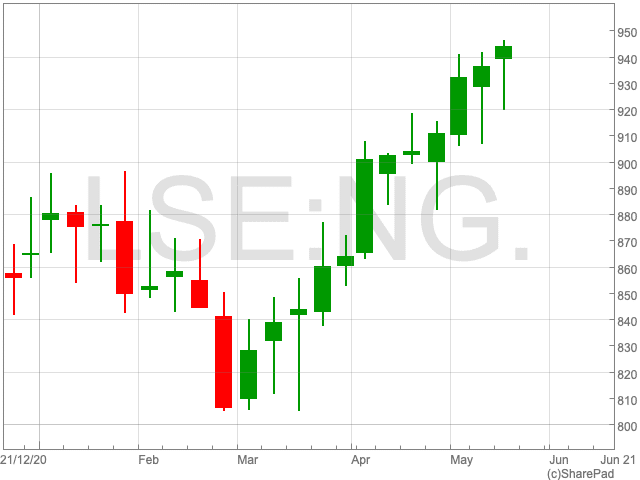
The National Grid share price (LON:NG) is on a roll. It has risen continuously throughout March, April and into May. Since the turn of the year it is up by 9%. The recent rally continued today as the FTSE 100 company announced its results, including a venture into the US offshore wind space. National Grid is catching the eyes of investors.

National Grid Moves into Offshore Wind

National Grid has entered into a partnership with RWE, the German energy company, developing offshore wind projects off the coast of the United States. The venture is the next stage of National Grid’s strategy to work on electricity, after it acquired Western Power Distribution last month for £7.8bn.

Its pivot towards offshore wind energy comes as America sets its sights on aggressive growth towards 30 gigawatts by 2030. The deal, in addition to other infrastructure investments, may boost the FTSE 100 company’s earnings by 15%, according to Berenberg, the Hamburg-based broker.

A transition to US offshore wind will widen National Grid’s exposure to electricity markets, while it intends to sell a majority stake in its UK gas network.

Results

National Grid also confirmed on Thursday that its profit before tax rose by 19% to £2.1bn. Its pre-tax profit fell by 3% on an underlying basis, as the company took on extra costs due to the pandemic, including its business in America, where it made greater debt provisions for customers.

Th company said its results were better than was expected, as it anticipated a bigger hit to its underlying profit. Investec analyst Martin Young told the Financial Times that he still “see attractions” on the company’s story. Chief executive John Pettigrew praised the “strength and resilience of our business model”, while reaffirming its desire to secure long-term growth.