Britain set to have one coal power station still standing

0

170 jobs at risk following closure of West Burton A plant

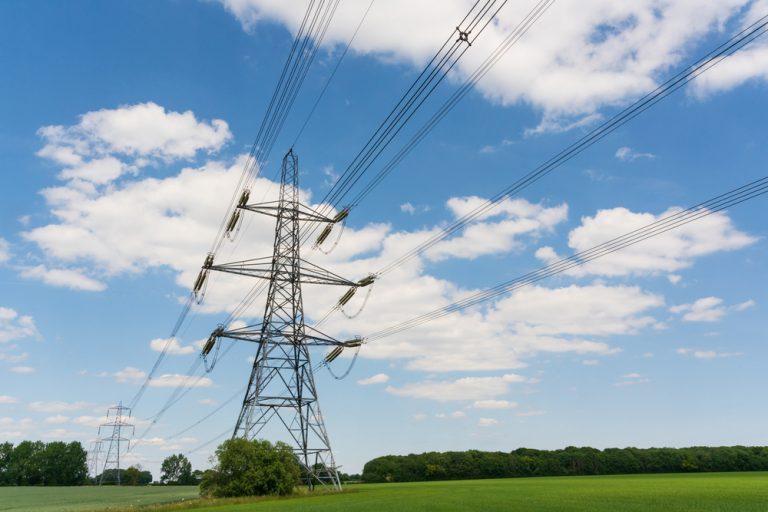
Britain will have one power station still burning coal by the end of 2022 as EDF is set to reveal plans to close its West Burton A plant.

It is anticipated the French energy company will confirm in the coming days that it will close down the Nottinghamshire station by September 2022 after operating for over 50 years.

The plant’s 170 staff will soon be informed of the news as their jobs are now at risk while unions have been told.

Uniper’s Ratcliffe-on-Soar plant, also in Nottinghamshire, will now be the only power station still burning coal following the decision, ahead of the government deadline to phase out coal usage before the end of 2024.

The news is seen as a continuation of an area of success for the UK, particularly ahead of this year’s COP26 climate conference in Glasgow to cease building coal plants.

While coal was Britain’s largest source of electricity in 2013, it fell below 2% by 2020. A number of old plants have been closed down following carbon taxes and subsidies to wind and solar plants.

Sue Ferns, from the Prospect union, commented on the treat to the worker’s jobs as well as viable solutions:

“The priority has to be enabling a just transition for dedicated workers into new jobs. We cannot allow the skills we have built up to go to waste, and we mustn’t abandon those communities where power stations have been big employers,” Ferns said.
Centamin confirms 82% profit rise as gold surges in 2020

0

Centamin declares final dividend of 3 cents per share

Centamin (LON:CEY) announced an 82% increase in profit before tax for the year amid a rise in the price of gold.

Pre-tax profit surged to $315m from $173m the year before, while revenue increased by 27% to a record $828m.

The price received for gold rose to $1,766 per ounce, up by 26%, which outweighed lower production and higher costs.

The FTSE 250 firm declared a final dividend of 3 cents per share, bringing the total to 9 cents. However, Centamin did pay out its final dividend for 2019 in Q1 of 2020 as an interim payment.

Martin Horgan, chief executive of Centamin, commented on the results:

“It is a pleasure to be providing my first CEO Statement since joining Centamin in April 2020. It has been a year that has presented numerous challenges as we faced the global health and economic crisis from the COVID-19 pandemic. I am immensely proud of the resilience and dedication of our workforce whose commitment and proactive response has enabled the Company to successfully navigate this period,” said Horgan.

“Consequently, many of our workforce have been separated from their families and loved ones for extended periods and in some cases facing substantial periods in isolation, with limited physical exercise due to travel protocols. The mental and physical health of our people is a vital consideration and in 2020 we implemented several initiatives to help address this situation which included improved rest accommodation, robust fatigue management protocols, increased our health education and exercise programmes, upgraded our workforce health insurance, and introduced a third-party mental health and advice platform for our team.”

“The year also saw the commencement of a comprehensive review of the Company with the intention of building on the successes of the last 10 years to map out a strategy for the next decade and beyond which will deliver an optimised Sukari and the realisation of the value in our West African portfolio of exploration assets. I look forward to updating you in due course as we start to deliver into this strategy over 2021 and beyond.”

Kingfisher profit soars on lockdown DIY boom

0

Kingfisher will pay a total dividend of 8.25p

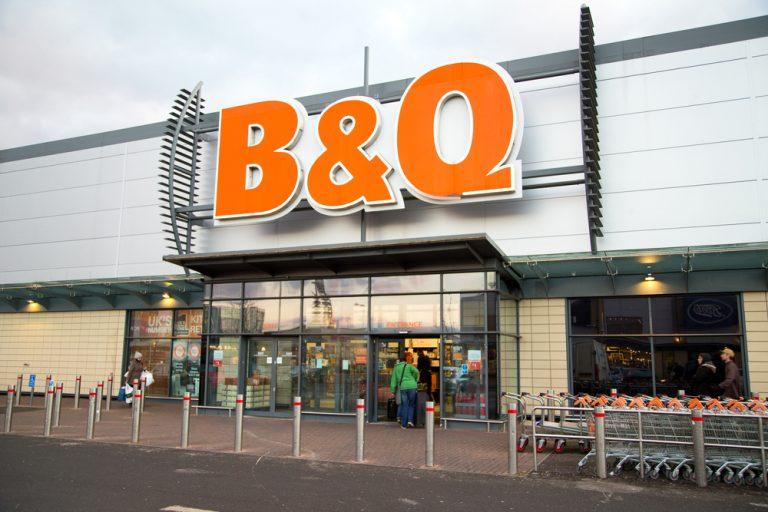
Kingfisher (LON:KGF), owner of B&Q and Screwfix, confirmed strong rises in sales and profit last year following a surge in DIY projects throughout lockdown.

The company’s sales increased by 7.2% to £12.3bn for the year ending 31 January while post-tax profit came in at £592m, up from £8m the year before.

Adjusted profit after tax rose by 51% to £604m.

Kingfisher confirmed its total dividend at 8.25p, well up on its payout from the year before of 3.33p per share.

The owner of B&Q and Screwfix confirmed that its online sales rose by 158% which now represents 18% of the group’s total sales, while click and collect purchases soared by 226%.

Thierry Garnier, chief executive at Kingfisher, outlined the company’s strategy for the year gone as well as its immediate outlook.

“The dedication and commitment of our 80,000 colleagues has enabled us to make substantial strategic, operational and financial progress this year. Kingfisher is coming out of the COVID crisis as a stronger business, with an improved competitive position in all key markets, strong new customer growth and a step change in digital adoption. I would like to express my personal thanks to all our teams for their incredible efforts in the most testing of circumstances,” said Garnier.

“We rolled out our ‘Powered by Kingfisher’ strategy without delay and even accelerated in many areas. Our distinct retail banners are now empowered and much more agile, which enabled them to react quickly in what was a volatile situation last year, supported by the scale, strength and expertise of the Kingfisher Group.”

“We continued to ‘focus and fix’ key aspects of the business. We have now finalised the fundamental reorganisation of our commercial operating model, and introduced new trading approaches tailored to local markets. In France, our performance and competitive position have significantly improved as we’ve addressed operational issues and strengthened our teams and ranges. There is still work to do, but our progress and the overall engagement of our teams are clear to see.”

The FTSE 100 retailer said the new fiscal year began well, with sales in the first quarter up 24%. It said it expects a low double-digit sales growth for H2 but warned over tough sales comparatives on a like-for-like basis for the period.


New standard listing: Caerus Mineral Resources

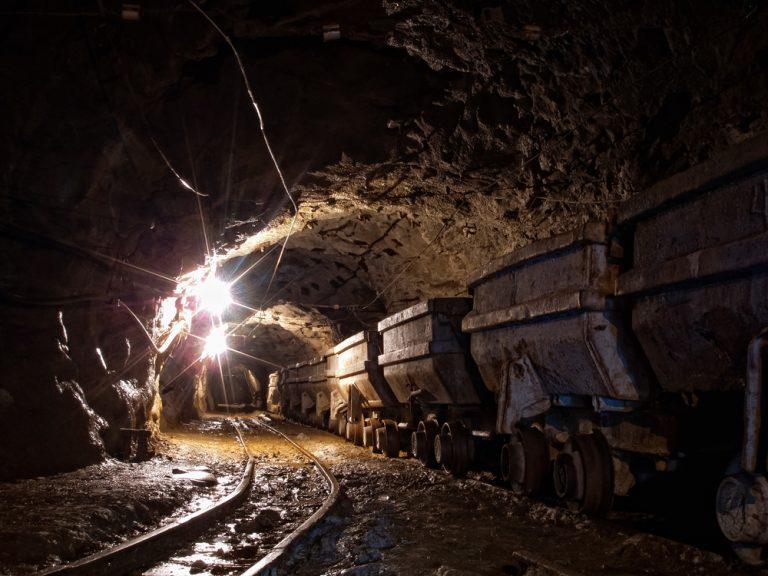
Caerus Mineral Resources is exploring for copper, gold and silver in areas in Cyprus where there has previously been mining. The focus is the Kalavasos project, where there was mining prior to the Romans, and Mala, which is part of the Vrechia project.
The board has extensive experience of the mining sector. Professor Michael Johnson has worked with Rio Tinto and was a director of AIM-quoted Savannah Resources, while Andrew Daniels has held roles with many large mining companies. Chief executive Martyn Churchouse. Has worked at AIM mining companies, including a role as exploration director at ...

Zotefoams on a firmer footing

Zotefoams (LON: ZTF) is reporting its 2020 figures on 23 March and these should indicate how well the foams manufacturer bounced back in the second half. The new factory in Poland is up and running and the outlook is good.
Switzerland based Sekisui Alveo sold its 7.8% stake earlier this month, with the Business Growth Fund, Schroders and Highclere International Investors buying shares. They paid 350p a share, which is well below the current price of 429p.
2020
Full year revenues are expected to increase from £80.9m to around £85m, while pre-tax profit will dip below last year’s figure of £9m. ...

National Grid Share Price: a safe space for income investors?

0

National Grid Share Price

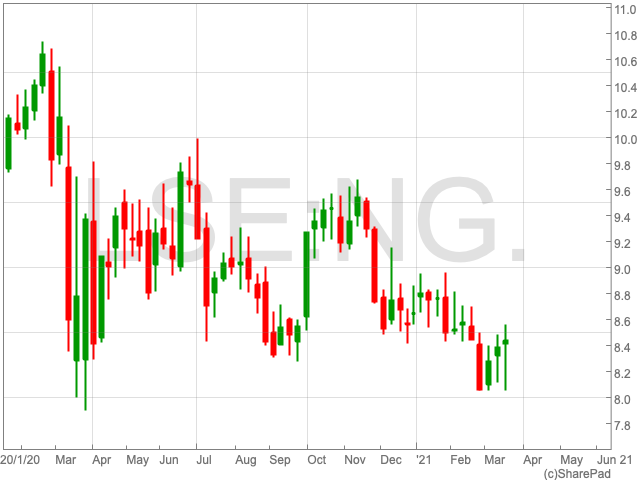
The pandemic has proved to be a testing time for a broad swathe of FTSE 100 companies, including National Grid. On 21 February 2020 its share price sat at 1,063.8p before plummeting to 860.4p per share by 13 March. Over the past 12 months, however, National Grid steadied somewhat, down by 2.48%. Since the turn of the year, the utility company is down by 2.68%.

National Grid Share Price

Dividend

National Grid has one of the highest dividend yields out of all UK companies and has been the stock of choice for those seeking income from their investments. In 2019 and 2018 the company paid out total dividends of 48.57p and 47.34p respectively, at yields of 5.6% and 5.7%. The utility company paid out an interim dividend of 17p in January and will announce its final dividend on 31 March 2021.

While historically the dividend has been sustainable over a number of years, which is a positive sign, this is not a guarantee that it will be in the future. Last year the company paid out over 100% of its profit in dividends, which is not sustainable, although it was under unusual circumstances.

For the company to continue paying a sizeable dividend it will need to secure its income levels for the coming years. This could come down to its strategy of becoming more weighted to electricity than other forms of energy.

Renewable Energy

National Grid could be well poised to capitalise on the ongoing rise of electrical vehicle usage, and the more general move away from fossil fuels, after the company agreed to purchase Western Power Distribution (WPD). National Grid confirmed its plans to acquire PPL’s WPD electricity distribution assets, for an equity value of £7.8bn.

Laura Hoy, an equity analyst at Hargreaves Lansdown, commented: “From a strategic standpoint, it makes sense as the world shifts away from fossil fuels usage.”

“Not only are homes consuming more, but the boom in electric cars represents an opportunity for NG, and the WPD acquisition puts it one step closer to seizing it. But having the capacity to deal with a surge in electricity usage and being allowed to profit from it are two different things.”

The acquisition will take National Grid’s electricity assets from 60% to 70% and position it as a major player in the electric vehicle industry, which could bode well for its long-term prospects.

AEX Gold provides update on progress for revised development plan

AEX Gold deploys mining consultant to conduct assessment

AEX Gold (LON:AEXG) today informed its investors that the company is making significant progress as it reviews the development plan of the Nalunaq project.

Following a decision to postpone development while lockdown measures remained in place, the AIM-listed company announced that following a consultation with shareholders, there was a high degree of support for the decision made by the board.

AEX Gold also said that it deployed Ausenco, the mining consultant, to conduct a thorough, independent, review of all technical aspects of the mine development.

Once the review is complete, the board will better understand the necessary plans and scheduling, allowing the company to bring a revised plan back to its shareholders.

Included in the revised plan would be the issue of costs and further capital requirements, in addition to an outline of how the company can manage them. AEX Gold also said in its statement that it would report its new plan to investors as soon as reasonably practicable.

Eldur Olafsson, chief executive of AEX Gold, addressed shareholders further, reiterating his desire earn returns from the company’s assets.

“I am very conscious that our shareholders are keen for an update on our Nalunaq development plan, and especially our capital position, in light of our last announcement on 10 February. I am pleased to be able to report that significant progress is underway, with multiple workstreams involving the Board, the executive team, third party providers and our external advisors.”

“We continue to focus all our efforts on the very tangible and valuable prize of our wider portfolio in Greenland and of Nalunaq in particular. I am extremely grateful for the support shown recently by so many of our significant shareholders, and on behalf of the Board would like to strongly reiterate our determination to realise the maximum possible value from our significant portfolio of assets.”

UK government borrowing reaches record-high for February on impact of Covid-19

0

UK Government borrowed £19.1bn in February

UK Government borrowing hit a record-high in February as a result of the need to support the British economy during the pandemic.

In February the UK Government borrowed £19.1bn, the highest figure since 1993 when records began, as well being £17.6bn more than the same month a year ago.

However, the UK’s borrowing during February was not as high as some economists predicted.

The Office for National Statistics (ONS) said that borrowing was set to equal the Office for Budget Responsibility’s forecast of £355bn for 2020/21.

Looking ahead, borrowing could be even lower, as the UK’s finances appear to confirm that economic activity has held steady during the latest lockdown and could recover faster than the OBR’s expectations.

On Thursday the Bank of England (BoE) upgraded its outlook for the UK economy, largely thanks to the vaccine roll-out. It also reaffirmed it is in no rush to reduce the levels of support it has been providing to buoy a recovery from the Covid-19 crisis.

Thomas Pugh, a UK economist at the consultancy Capital Economics, said that at £63.2bn, tax receipts were not that much below levels of a year ago, when the government collected £64.1bn in February 2020.

“But government expenditure remained extremely high at £72.6bn in February as the government spent £3.8bn on the furlough scheme in February. The February spending total was £15.0bn higher than in February 2020 and only slightly below spending in January 2021 of £75.2bn,” Pugh said.

“This leaves cumulative borrowing, with just one month to go until the end of the fiscal year, at £278.8bn. But the figures do not yet include an estimated £24bn of write-offs of government-backed loans.”

“In any case, we think that the fiscal forecasts further ahead are predicated on overly pessimistic forecasts for GDP growth. If we are right, borrowing may be lower than the OBR expects over the next few years, allowing the chancellor to cancel some of the proposed tax hikes before the 2024 general election.”

FTSE 100 down as investors take shelter in defensive names

0

The FTSE 100 is down by 0.59% in mid-morning trading on Friday to 6,739.36p as investors appear to have taken a more cautious stance. Tech stocks, while they do not make up a large portion of the UK index, have not fared so well, following a similar pattern across the Atlantic.

“The UK has lower exposure to tech stocks than many other markets around the world, but whatever happens in the US tends to affect investor sentiment globally,” says Russ Mould, investment director at AJ Bell.

“Movements within the FTSE 100 would suggest investors have taken shelter in defensive names and value stocks, with utilities and tobacco sectors in demand,” Mould added.

Since the turn of the year the FTSE 100 is up by 2.5%.

FTSE 100 Top Movers

BT (2.02%), National Grid (1.94%) and Imperial Brands (1.32%) were the top risers on the FTSE 100 on Friday morning.

At the bottom, Rolls-Royce (-3.53%), Burberry (-3.03%) and IAG (-2.57%) were the day’s biggest fallers preemptions-lunchtime.

Natwest

The UK Treasury announced on Monday morning it had finalised the sale of £1.1bn worth of shares back to Natwest (LON:NWG). The Treasury’s stake in the British bank is now down to 59.8% from 61.7% following the third sale of its holding. 

In an off-market buy, the FTSE 100 bank purchased 591m shares at a value of 190.5p each, worth £1.1bn in total. The shares were originally bought at around 500p apiece, so the sale represents a hefty loss. The UK Government bailed out RBS, now known as Natwest, in 2008 in order to protect the bank against a collapse at the height of the financial crisis.

Scottish Mortgage Investment Trust

The FTSE 100 trust confirmed one of its portfolio managers is set to retire. James Anderson, who manages the trust alongside Tom Slater, will step down in April 2022 after nearly 40 years at Baillie Gifford. Anderson joined Baillie Gifford in 1983 and became a partner four years later. He has been manager of Scottish Mortgage since 2000 and, since 2015, joint manager with Tom Slater.

Startupbootcamp launches IPO to fund ecosystem of sustainable innovators

153

Startupbootcamp to accelerate 30 startups in effort to assist UN sustainable development goals

Startupbootcamp, a global accelerator, is set to go live with its second initial public offering (IPO).

The funding raised will be allocated to accelerating 30 sustainable startups in an effort to assist in achieving the UN’s sustainable development goals.

This follows the Dutch government recognising Startupbootcamp’s achievements in early February, when the government awarded them the One Single Hub subsidy to further their efforts in growing innovative businesses.

UN Secretary-General Antonio Guterres has made it clear that 2021 is a crucial year for climate change and achieving essential sustainability goals, saying the following in a recent briefing to UN member states.

“The world remains way off target in staying within the 1.5-degree limit of the Paris Agreement. This is why we need more ambition, more ambition on mitigation, ambition on adaptation, and ambition on finance,” said Guterres.

Businesses around the world are making it clear they have this ambition, as the global Green Technology and Sustainability market is forecast to grow from $11.2bn in 2020 to $36.6m in 2025.

The startup industry is also seeing rapid growth in regards to sustainable development, largely due to the dramatic growth of impact investing, growing 42% from 2019 to 2020 to the significant sum of $715bn.

The network of startup accelerators is launching its own program this year: Startupbootcamp: Sustainability.

Director of Startupbootcamp Kauan von Novak said: “Startupbootcamp works because it is more than just an accelerator, it is a global ecosystem, essential in creating the collaborations we need to see to solve some of the worlds biggest problems.  It is fantastic to see that the Dutch government has also recognized this, awarding us with the One Single Hub subsidy. With this national support, we can continue to accelerate innovative businesses and grow a supportive network that can tackle sustainability.”