Dye and Durham confirms talks ongoing with IDOX

0

Idox share price up 17.59% during pre-lunchtime trade

Dye and Durham, the legal technology company, confirmed on Friday that it has approached Idox to discuss a potential acquisition. 

Dye and Durham, listed on the Toronto Stock Exchange, submitted three non-binding indicative proposals of 67p, 70p and 75p per Idox share. These would be paid in cash on 9 February, 17 February and 18 February 2021 respectively. 

The proposal, on a fully diluted basis, puts Idox’s equity value at £342.8m. 

The Idox share price is up by 17.59% to 72.2p today as the company confirmed the approach by Dye and Durham. Year-to-date Idox’s share price is up by over 40% from 50.4p at the turn of the year.

Dye and Durham outlined the rationale behind the company’s approach in a statement:

“Dye & Durham’s vision is to be the world’s leading provider of public records registry data and the workflows this information powers,” the statement read. 

“Having an established platform in our key markets of Canada, the United Kingdom and Australia, Idox is a natural strategic vertical asset for Dye & Durham to own as the Company provides the specialist software solutions to over 90% of local government authorities in the United Kingdom, which supports the complex operations and management of public record information.”

“On a daily basis, Dye & Durham’s many customers across the United Kingdom access the public record information Idox’s software manages, allowing them to manage their information and regulatory requirements.”

Idox, the AIM-listed company, confirmed talks had taken place with Dye and Durham “in order to explore a basis for the agreement of a recommended cash offer”.
FTSE 100 flat following retail sales slump

0

The FTSE 100 barely moved today with major news about lockdowns set to come the other side of the weekend. NatWest and Segro both announced end of year results along with positive news regarding dividend payouts, while the pound continued to strengthen against the dollar.

“Unsurprising news that retail sales slumped significantly in January thanks to the latest lockdown left the FTSE 100 struggling for direction on Friday, broadly unmoved at a little above the 6,600 mark,” says AJ Bell investment director Russ Mould.

“The run for sterling towards the $1.40 mark against the dollar reflects, in part, optimism about what a rapid vaccine roll-out would mean for reopening in the UK, setting quite high expectations ahead of Boris Johnson’s statement on the easing of restrictions on Monday,” Mould added.

FTSE 100 movers

At the summit of the FTSE 100 at mid-morning on Friday is Antofagasta (3.41%), Evaz (3.23%) and Rolls-Royce (2.76%). 

AstraZeneca (-1.82%), RELX Group (-1.27%) and Berkley Group (-1.15%) were the biggest fallers.

Natwest

NatWest posted a pre-tax loss of £351m as the bank announced a phased withdrawal from Ireland. Natwest’s loss represents a huge swing from a profit of £4.2bn a year ago. The change is a result of £3.2bn of loans being written off down to fears they may not be repaid. 

The FTSE 100 bank will pay out a £364m dividend for the year at 3p per share, however £225m will go to the UK government, the majority owner of the bank.

Segro

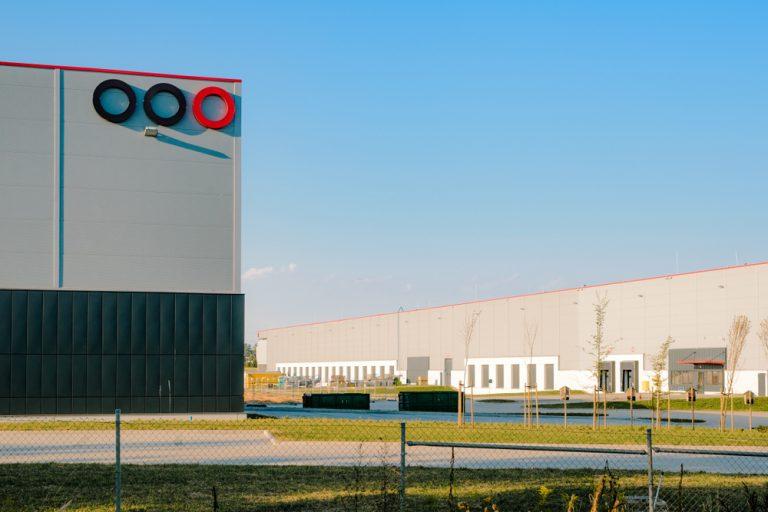
Segro saw its profits soar as the boom in online retail raised demand for warehouse space during the pandemic. The company’s pre-tax profit rose by 62% to £1.5bn, up from £902m the year before.

The FTSE 100 property company confirmed a final year dividend of 15.2p, up by 5.6% from 14.4p.

Segro profits soar as online retail raises demand for warehouse space during pandemic

0

Segro dividend up to 15.2p per share

Segro (LON:SGRO) announced a 62% increase in profit during 2020, as a result of higher property valuations.

The property investment company also relaunched its sustainability plan.

The surge in online retailing during the coronavirus pandemic caused an increase in the price of industrial property values. The valuation of Segro’s portfolio rose by 10.3% during 2020.

“The pandemic has reinforced the importance of efficient and resilient distribution networks to facilitate the provision of a wide variety of goods and services, leading to increased demand for warehouse space,” said David Sleath, chief executive of Segro.

Subsequently, the company’s pre-tax profit soared to £1.5bn, up from £902m the year before.

Segro invested £1.3bn in acquiring new properties throughout the year, a record for the company funded by share issues and additional debt.

The FTSE 100 property company confirmed a final year dividend of 15.2p, up by 5.6% from 14.4p. Segro’s share price jumped up by 1.5% to 977.4p, having moved sideways since the beginning of the year.

Commenting on the results, David Sleath, chief executive, said:

“SEGRO delivered another strong set of financial results in 2020, with record lettings driven by our customer focus and the increasing demand for prime industrial properties from a wide occupier base,” Sleath said.

“The pandemic has reinforced the importance of efficient and resilient distribution networks to facilitate the provision of a wide variety of goods and services, leading to increased demand for warehouse space. 2020 saw a record level of investment for SEGRO as we seek to capitalise on these favourable trends, giving us confidence in our ability to drive further growth in rental income, earnings and dividends over the coming years.”

Additionally, following a review, Segro reinstated its sustainability plan. 

“We have also reviewed, challenged and refreshed our approach to sustainability. Today we are re-launching our Responsible SEGRO framework, with three long-term priorities that outline our commitment to society and position us to truly deliver on our Purpose of ‘creating the space that enables extraordinary things to happen’,” Sleath said.

NatWest posts pre-tax loss of £351m as bank announces withdrawal from Ireland

0

Natwest dividend at 3p per share

Natwest (LON:NWG), formerly known as the Royal Bank of Scotland, confirmed a £351m loss on Friday. 

The bank also announced it would be exiting from the Republic of Ireland in a phased withdrawal. 

Natwest will discontinue its Irish arm, Ulster Bank after a review showed the bank was not making sustainable returns, said chief executive Alison Rose. 

“Following an extensive review and despite the progress that has been made, it has become clear Ulster Bank will not be able to generate sustainable long-term returns for our shareholders,” Rose said.

“As a result, we are to begin a phased withdrawal from the Republic of Ireland over the coming years which will be undertaken with careful consideration of the impact on customers and our colleagues.”

Natwest’s loss represents a huge swing from a profit of £4.2bn a year ago. The change is a result of £3.2bn of loans being written off down to fears they may not be repaid.

Income across the bank’s commercial and retail businesses fell by 10% during 2020, while a cost reduction of £277m was achieved, surpassing the bank’s annual target. 

Natwest will pay out a £364m dividend for the year at 3p per share, however £225m will go to the UK government, the majority owner of the bank. 

Natwest shares fell by 1.28% on Friday morning following the company’s results, down to 169.1p per share.

Alison Rose commented on the bank’s performance during a challenging year: 

“The past year presented some extraordinary challenges for our customers, colleagues and communities. We provided exceptional levels of support to those who needed it, including the approval of over £14 billion of lending under UK Government schemes, demonstrating that we have truly put Our Purpose at the heart of this business.

Being purpose-led isn’t just the right thing to do, it has a powerful commercial imperative and is fundamental to building sustainable value in our business,” Rose said.

Recruiter Hays to reinstate dividend following hiring spree

0

Hays will make £100m payment to shareholders in August

The FTSE 250 recruiter Hays (LON:HAS) is reinstating dividend payouts as more people are being hired for new jobs.

Alistair Cox, chief executive at Hayes, said:

“Finally, with recovery in fees and our profits accelerating in Q2, this provides us with confidence to resume paying core dividends at our full-year results in August.”

“We have also identified £150 million of surplus capital, which we also intend to return to shareholders in phases via special dividends, again commencing at our results in August,” Cox continued.  

Cox anticipates growth in employment in technology, life sciences and the green economy, as hiring levels rebound.

Hays plans to payout the surplus cash to shareholders in two phases. The first being a £100m payment in August. 

Shares in the recruiter finished the day’s trading 3% down at 153.3p. Hays shares are 7% up year-to-date from 143.3p

Alistair Cox praised his employees’ efforts since the beginning of the pandemic:

“We have helped over 200,000 talented people find their next job and provided advice, guidance and training to millions of others,” Cox said.

“We have prioritised the wellbeing of our own people and Temps, and I am proud of the steadfast way all our colleagues have adapted to the changing world, helping their clients and candidates at a time of great need.”

“Their resilience, together with the investments we have made across our business, delivered improving profit momentum through the half with overall trading distinctly stronger than we had earlier anticipated.”

Lloyds share price: the pressure is on as Barclays sets a ‘high bar’

1

Lloyds share price (LON:LLOY) fell on Thursday after Barclays announced a 68% loss in Q4 net profit. Overall, Barclays announced a 30% dip in pre-tax profit to £3.1bn for the year, down from £4.3bn in 2019.

Barclays’ results have set the pace for the other banking giants that will be making their own end-of-year announcements in the coming days.

The bank’s competitors, including Lloyds, will do well to match Barclays, according to investment director at AJ Bell, Russ Mould:

“The boardrooms of Barclays’ rivals may be feeling a bit more nervous this morning as they prepare to unveil their own fourth quarter numbers as it feels like the first big name out the door has set a fairly high bar and still received a knock back from investors.”

While Barclays’ results suffered from the coronavirus pandemic, the blow was cushioned by its investment banking arm and the globalised nature of its operations.

Lloyds’ earnings may well reveal the bank was not as well equipped to deal with the economic impact of lockdowns on the banking sector. Analysts are forecasting pre-tax profit of £1bn for Lloyds, down from £4.4bn in 2019.

Payment holidays for Covid-19

Throughout 2020, Barclays has provided over 680,000 payment holidays, valued at £27bn, to customers struggling to deal with the impact of Covid-19. The decision came under pressure from banking regulators. 

As the customers of Lloyds will face similar struggles to pay their mortgages, credit cards and loans, it can be expected that the bank will announce a similar dent on its finances to Barclays’ payment holidays.

Corporate and investment banking

Despite Covid-19 hitting Barclays’ overall profit levels, the volatility caused by the pandemic benefitted the high-performing corporate and investment banking arm of the company. Barclays Corporate and Investment Bank (CIB) posted record earnings of £12.5m, up 22%, as a result of a “buoyant trading environment”, softening the blow of major losses elsewhere.

Lloyds, on the other hand, does not have a strong investment banking unit to fall back on. While Barclays was able to capitalise on the frenzied trading levels throughout 2020, Lloyds could be exposed next Wednesday.

UK earnings down for Barclays

Income made from Barclays’ operations in the UK is down by 14% from 2019 to £6.3bn. The dip is a result of lower unsecured lending balances and interest rates, issues which affect the wider banking sector.

While this is a significant drop, a large share of the Barclays’ operations are located in the US, including a major credit card portfolio and a range of corporate and investment banking exposures. Whereas Lloyds’ functions, including its retail and commercial arms, are more UK focused and therefore more vulnerable to a negative economic environment in the country.

Lloyds share price

Lloyds’ share price fell on Thursday in line with Barclays, suggesting the market had concerns over the release of the bank’s results next week. The performance of shares in both Lloyds and Barclays have behaved relatively similarly in 2021 year-to-date, with Lloyds up 2% and Barclays down less than 1%.

Lloyds shares were trading down 4.4% at 37.2p going into the close on Thursday.

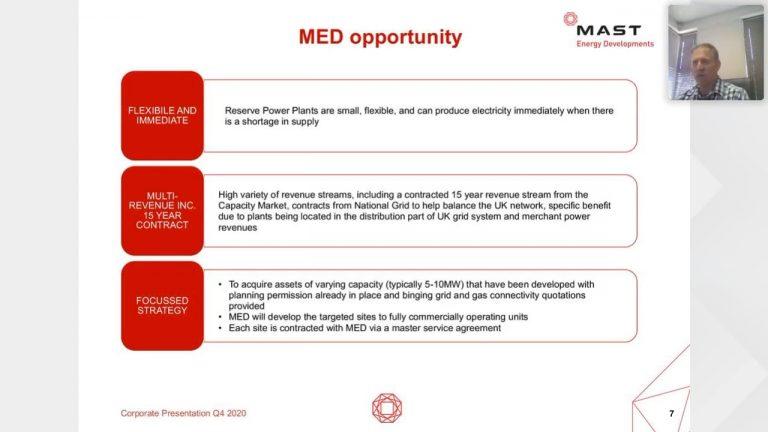
Mast Energy Developments IPO Presentation

Mast Energy Developments presents their investment case ahead of the upcoming IPO.

Non-exec Chairman Louis Coetzee leads the presentation and details Mast’s plans to harness the opportunity in Reserve Power generation in the UK.

Risk Warning:

Investments in IPOs involve a high degree of risk and are not suitable for all investors. Capital is at risk.

ARK Invest Innovation ETF: all set for further gains in 2021

The US economy is recovering from the coronavirus-induced downturn faster than anticipated. The Congressional Budget Office (CBO), a non-political branch of America’s legislature, forecasts economic growth to increase by 1.7% per year from 2020-2004. 

If one lesson can be learned from the coronavirus pandemic heading forward, it is the importance of innovation. Shopping and working habits, along with a plethora of other sectors, will increasingly be online. 

In addition, electric vehicle sales will make up just under 4% of all sales in the US and 5% in Europe. Solar power is going to become cheaper than ever before, and increasingly competitive with coal. It could also be the year of virtual reality, as the International Data Corporation forecasts shipments of virtual reality headsets to rise to around 92m in 2021. 

Conditions could be ideal for investors looking to capitalise on the resurgence of the US economy, while gaining exposure to disruptive technologies. Enter Ark Invest, the asset management firm that shot to prominence in 2020, by doing exactly that.

ARK Invest

Ark Invest’s reputation has soared over the past 12 months as one of the pre-eminent asset managers in the world. The company has outperformed established Wall Street investors as bullish positions on Tesla and other disruptive companies paid off.

In contrast to other ETF providers, Ark’s holdings are actively managed, favouring businesses it believes can outdo the market. Ark charges an expense ratio of 0.75%.

ARK Invest Innovation ETF

The ARK Fintech Innovation ETF is the company’s forerunning fund, and after an outstanding run in 2020, it is being closely watched by investors. The fund aims for a thematic multi-cap exposure to innovation across sectors, while seeking long-term growth of capital.

The fund’s top holdings are in electric car manufacturer Tesla (8.53%), streaming company Roku (6.87%) and the financial services and mobile payments firm founded by Jack Dorsey, Square (5.17%). The ARK Innovation ETF was one of the leading ETFs of 2020, rising by 168%. To compare, the benchmark S&P 500 finished the year up 16.8%. Since the beginning of the current year the fund has continued to make impressive gains, up over 24% on the year-to-date.

Risks

The challenge now is for the ARK Innovation ETF to sustain its performance levels. That could be easier said than done. The fund has a total of 55 stocks within its holding which means, compared to the S&P 500, it is less diversified.

The fund could also be vulnerable to a tech-driven stock market bubble akin to the dot-com bubble of 2000. In this case, the ARK Innovation ETF would see a more substantial drop-off than the S&P 500. Many of the stocks the fund invests in are expensive as they have already priced in significant future growth. For example Tesla’s share price accounts for the soaring demand for electric vehicles and batteries.

While there are risks, as long as investors keep their faith in high-growth tech stocks, the ARK Innovation ETF can continue to earn excellent returns.

Smith & Nephew profits plummet as healthcare company impacted by Covid-19

2

Smith and Nephew Thursday’s biggest faller on the FTSE 100

Smith & Nephew, the medical equipment and manufacturing company, announced a 7.1% fall in its underlying revenue during Q4 of 2020. Down to $1.3bn from $1.4bn over the same period of 2019. 

Over the full year, underlying revenue was down to $4.6bn, with pre-tax profit falling to $246m from $743m in 2019. 

Heading into lunchtime Smith & Nephew’s share price is down 5% on yesterday’s close to 1,487.93p, and is the day’s top faller on the FTSE 100 so far. The company’s full-year dividend stayed the same at 37.5 cents. 

Russ Mould, investment director at AJ Bell, said there are often misconceptions about the impact of the coronavirus pandemic on the healthcare sector.

“Because of the focus Covid-19 has placed on the healthcare sector it would be easy to assume the pandemic had acted as a positive driver for earnings across the board,” Mould said.

“However, as today’s results from Smith & Nephew reveal that is not necessarily the case. This is because the coronavirus response has swamped other areas of patient care, particularly the elective surgeries which require Smith & Nephew’s replacement prosthetic hips and knees.”

Roland Diggleman, chief executive of Smith & Nephew, reflected on the year gone, while outlining the company’s areas of focus for the remainder of 2021.

“In 2020 we continued to strengthen Smith & Nephew through increased investment in R&D, new product launches and strategic acquisitions in our higher-growth segments. We achieved this while also managing unprecedented disruption from COVID-19. The resilience of the business and strength of the balance sheet also meant we are able to maintain our progressive dividend policy,” said Diggelmann.

“We start 2021 with three clear priorities: to return to top-line growth and recapture momentum; to drive further operational improvement, and to continue to respond effectively to COVID-19. We will build on the progress we are starting to make in areas where we have recently invested and introduced innovation. We will again invest more in R&D and I am excited by the pipeline of new technologies approaching launch, and by the potential of our recent acquisitions.”

WATR – The Smart Water Quality Monitor accelerates growth plans on the Seedrs platform

WATR – The Smart Water Quality Monitor which has the mission to improve water quality around the globe has launched on the Seedrs Crowdfunder platform.

The business that took Web Summit by storm three years ago and made it to the investor final in front of over 20,000 people is ready to kick start mass production and progress expansion plans. Over the last three years WATR has evolved from an embryonic idea to proof-of-concept and prototype. WATR is now in the exciting position to begin mass-production and launch the product worldwide.

The product has been nominated as finalists inedie’s Sustainability Leaders Awardsin the Water Management category.

Water is the most valuable resource on the planet and is needed for survival, but it is well documented that water quality around the globe does not meet the standards required. As a result, 1 million people die each year from poor water sanitation and hygiene-related diseases.

The UK has over 4,000 waterways and the Environment Agency have released a report that states that none meet the required standards of water quality. 

WATR – The Smart Water Quality Monitor (www.watr.tech), is a product that aids the mass deployment of sensor units due to the cost effectiveness and portability of the product, this makes it possible to monitor water quality data live across millions of sites.

The product has been described as “the smoke detector for the water industry”

Unlike its competitors, WATR is low-cost, solar-powered and low-maintenance, whilst offering a wide array of multi-parameter probes for different use cases.

The product communicates live data, 24/7, to our desktop and mobile dashboards. alerts and notifications can trigger early intervention to issues. 

This reduces the impact on the environment andthe financial costs of rectifying the problem, as well as limiting the impact of negative PR on a business’s reputation and share price.     

The dashboard provides the opportunity to track trends across all units deployed through artificial intelligence. 

The API ensures that data can easily integrate with our customers’ existing data dashboard services and also control equipment, such as aerators and pumps, for automated intervention.

During 2020, we have focused on the positives and continued with our product development, deploying units as part of water company trials. 

To date, these have been extremely successful – we have a letter of intent for 108 units to be installed in catchments and reservoirs, with potential for nearly 1,500 units to monitor up and downstream wastewater outlets. 

2021 begins with new projects. WATR are in partnership with two other UK water companies and in discussion with others from around the globe. 

The combined global target market is worth over £4bn across the industry including drinking water, utilities, agriculture, fashion, fish farms and many more.

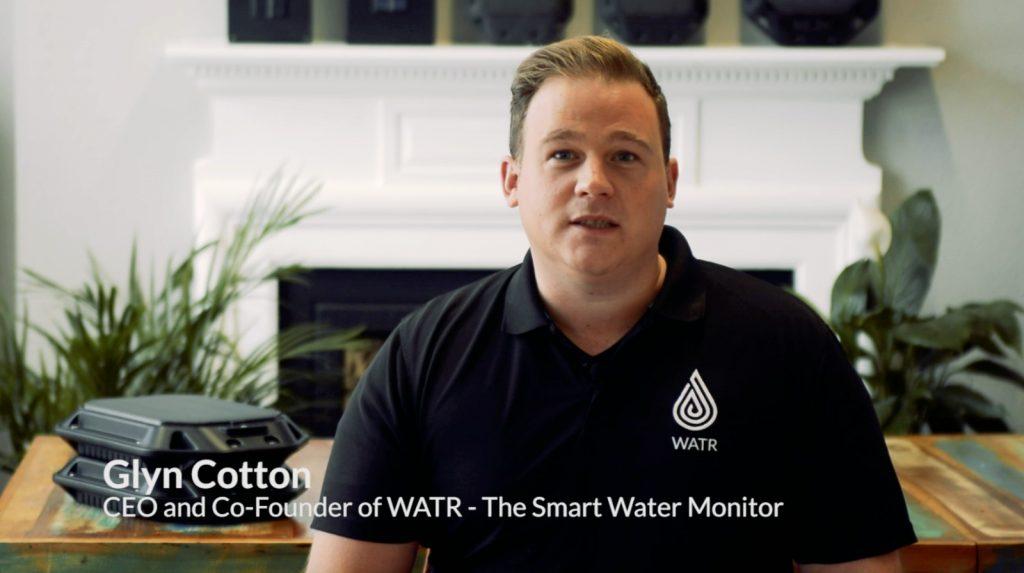
“With this fundraising round, we would love to revolutionise the water industry and significantly improve water quality across the globe. 

This Seedrs campaign is a unique opportunity for us to supercharge our growth, by bringing our valued connections on board as shareholders

It doesn’t matter how large or small your investment is, we’d like as many people to come on this journey as possible.” – Glyn Cotton co-founder, CEO.