
Ofgem reveals £25bn green investment plan
Ofgem has revealed a new £25bn green investment plan, which will see a drop in household energy bills.
The energy regulator announced the five-year plan, which is pushing for “a greener, fairer energy system for consumers”.
Under this new plan, the rate of return for network companies will be halved meaning that more income will be directed towards improvements instead of profits.
“We are striking a fair deal for consumers, cutting returns to the network companies to an unprecedented low level while making room for around £25bn of investment needed to drive a clean, green and resilient recovery,” said Jonathan Brearley, the regulator’s chief executive.
“Now more than ever, we need to make sure that every pound on consumers’ bills goes further. Less of your money will go towards company shareholders, and more into improving the network to power the economy and to fight climate change.”
Households should see energy bills drop by £20 a year in 2021 and save a total of £3.3bn over the next five years.
The announcement has led to mixed opinions. Citizens Advice welcomed the move, with the chief executive, Dame Gillian Guy saying: “Ofgem has struck the right balance between shareholder returns and value for money for energy customers, while making sure networks can continue to attract investment.”
However, the National Grid was less convinced.
“This proposal leaves us concerned as to our ability to deliver resilient and reliable networks, and jeopardises the delivery of the energy transition and the green recovery,” it said.
Ofgem is also focusing heavily on making green energy more mainstream, pushing the UK to net-zero carbon targets. Earlier this year, the regulator revealed a nine-point manifesto to prioritise climate change.
The plan included points on supporting low-carbon home heating and a crackdown on “greenwash” energy deals.
United Airlines set to furlough 36,000 staff
United Airlines (NASDAQ: UAL) has warned that they could furlough as many as 36,000 members of staff.
As a consequence of the Coronavirus pandemic, the airline said on Thursday that they planned to cut almost half of their global workforce as demand for travel remains weak.
Of the 36,000 members of staff who are expected to be furloughed, 15,000 of these will be flight attendants, 11,000 customer service employees, 5,500 maintenance employees, and 2,250 pilots.
The airline told employees: “The reality is that United simply cannot continue at our current payroll level past Oct. 1 in an environment where travel demand is so depressed. And involuntary furloughs come as a last resort, after months of companywide cost-cutting and capital raising.”
The sector will come under many challenges following the Coronavirus pandemic, with global airlines expected to lose $84bn this year.
The Association of Flight Attendants-CWA union said in response to the news from United Airlines: “The United Airlines projected furlough numbers are a gut punch, but they are also the most honest assessment we’ve seen on the state of the industry.”
The US airline industry has agreed not to cut jobs until 30 September, thanks to the $50bn (£40bn) offered by the US government to support the sector. Of this $50bn, United Airlines is receiving $5bn to protect staff until October.
Uber launches commuter boat service on the Thames
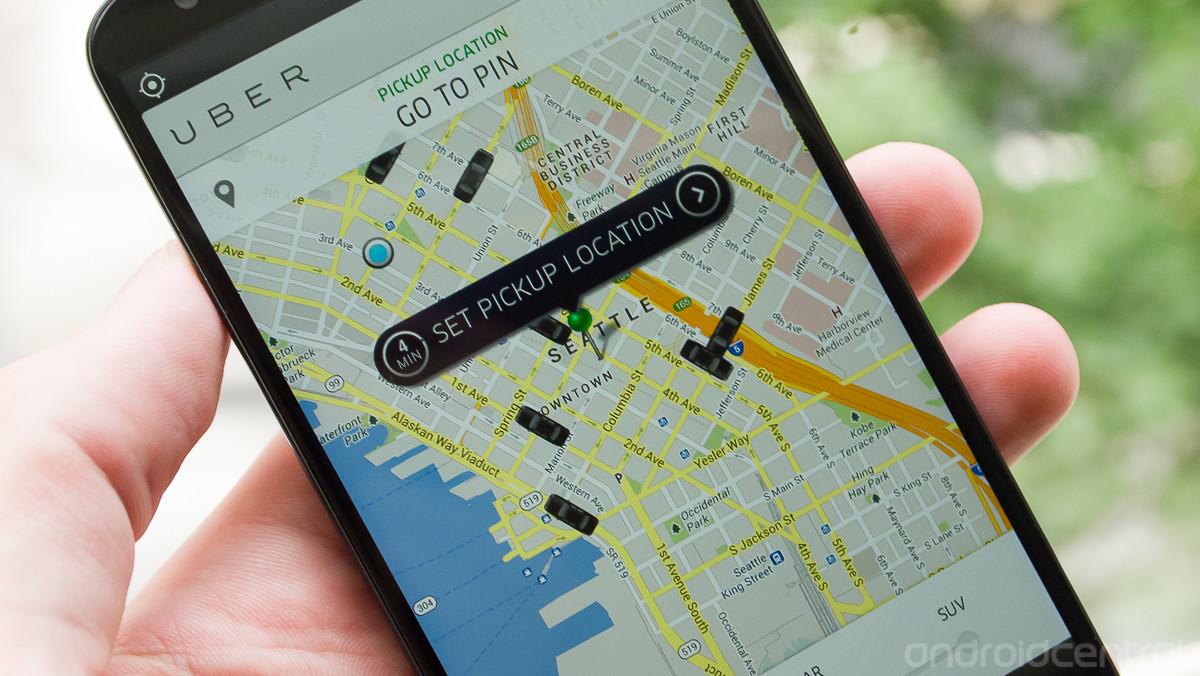
Uber has announced to launch a commuter boat service with the Thames Clipper.
Taking to the water, passengers will be able to book tickets via the Uber app and board using a QR code.
The contract between Thames Clipper and the ride-hailing app will launch over the summer and is expected to last three years. Despite the partnership with Uber, customers will still be able to use Oyster cards for the journey.
“In our 22nd year of operation it is key that we continue to support London and its commuters with the ease of lockdown and return to work. The new partnership will allow us to link the two travel modes of river and road, providing Londoners and visitors with even more options to commute, visit, explore and enjoy our city by river,” said the Thames Clipper chief executive, Sean Collins.
Journeys on the boats from Putney to Woolwich and are expected to see a growth in popularity as commuters wish to avoid crowded forms of travel.
“Many Londoners are looking for new ways to travel around the city, particularly when they start commuting back to work,” explained Jamie Heywood, Uber’s regional general manager for northern and eastern Europe.
Since closing, the boating service has reopened with reduced seating and required use of face masks.
Uber was hit hard during the pandemic, with April seeing global bookings fall by 80%. In June the app made it mandatory for drivers and passengers to wear face masks.
Green Homes Grant: £2bn insulation scheme could support over 100k jobs

As part of the government’s ‘mini budget’ on Wednesday, Chancellor Rishi Sunak confirmed pundits’ predictions by announcing a ‘Green Package’, the bulk of which came in the form of a £2 billion home insulation scheme.
The scheme, under the ‘Green Homes Grant’ will see the government pay at least two thirds of the cost of energy-efficient home improvements. The Treasury expects the scheme to support in excess of 100,000 jobs, as demand for home improvements rises with the government grant being put in place.
Consumers can expect to see the scheme online from September, with details of accredited local suppliers and applications for the recommended energy efficiency measures.
Speaking on the insulation scheme announcement, Ringley Managing Director, Mary-Anne Bowring commented:
“This is a vital policy that will make homes greener and cheaper to run and so today’s vouchers for home insulation are welcome news.”
“The UK’s housing stock is some of the oldest in Europe and this is not just bad for the environment but bad for our health too, with too many properties suffering from problems with damp and cold.
“It is important the government’s voucher scheme covers renters, especially as homes in the private rented sector tend to be older.”
Chris Holmes, Investment Adviser for environmental asset company, JLEN (LON:JLEN), added:
“It is encouraging to see the green economy being so prominent in the government’s budget today. Arguably, the impacts of climate change could be much greater than the current economic crisis we face – coastal flooding, extreme weather, drought and forest fires could severely disrupt agriculture, infrastructure and livelihoods.”
It is worth noting for anyone looking to participate in the new scheme, previous initiatives of a similar ilk have had their flaws. While true to the discounts being promised, both the government’s solar panel and double glazing schemes didn’t offer much by way of savings, because the government subsidies were only available to those using certain companies.
In fact, these approved companies were at times expensive enough that it proved more fruitful to look elsewhere and forgo the discount. We aren’t assuming that history will repeat itself, but its worth bearing in mind.
Looking to the future, and suggesting additional ways to further job creation in the property sector in earnest, Mrs Bowring added:
“Additional financial support to retrofit outdated homes, stamp duty cuts across the board – including landlords – and government pledge to remove all dangerous cladding no matter what the cost would create hundreds if not thousands of jobs, kickstart the housing market and raise the quality of our homes.”
Sunak mini budget means additional 73% of homes exempt from stamp duty
As per predictions, Chancellor Rishi Sunak announced his ‘mini budget’ on Wednesday, in which he brought in a six month stamp duty holiday for all properties up to the value of £500k.
According to analysis by Zoopla (LON:ZPG), the scheme will take the total number of homes eligible for stamp duty exemption from 16% of all sales in England, to 89%, up 73%.
Over a six month period – assuming Sunak doesn’t extend it – the company predicts that consumers will save £1.3 billion in stamp duty payments, with savings of up to £14,999 for first time buyers, buying at the upper end of the allowance.
According to Zoopla, the greatest beneficiaries would be the affordable areas in and around London, in which up to 95% of sales would be exempt from stamp duty. It continued, saying that from today, 28 authorities could expect to see over 90% of home sales free of stamp duty.
Going forwards, the company said that more can and should be done to stimulate the market in the long-term, such as an extension to the Help to Buy scheme or introducing an equivalent replacement.
Response to the Sunak stamp duty holiday
Speaking on the mini budget, Zoopla’s Research and Insight Director, Richard Donnell, commented: “The immediate increase in the Stamp Duty threshold will help sustain the rebound in housing market activity across England. The benefits will be immediate; nine of ten transactions in England will no longer be subject to the tax and in London and the South East, home to more expensive properties, homebuyers can save up to £14,999 overnight.” “The Government will expect the change to stimulate more housing sales over the second half of the year and that savings made by buyers will be reinvested in home improvements, white goods and furniture, rather than bidding up the cost of housing.” Head of Residential at Cheffins, Mark Peck, concurred with our previous analysis that the stamp duty holiday will intensify demand. While having the potential to help current first-time buyers, buyers of tomorrow will be faced with further price inflation. He added that: “Reports have shown price falls across the property market, however these are somewhat misleading. In reality, values haven’t actually reduced in most cases, rather buyers renegotiated on purchases during lockdown or sales fell through, and this will be quickly addressed now that lockdown is easing and the market is seeing almost normal levels of activity. In fact, in some geographic areas, June has been one of the busiest months on record as prices have managed to hold firm as bottle-necks of supply have led to competition between buyers.” Chairman of Jackson-Stops, Nick Leening, added that his company’s research had indicated that some 40% of under-55s would consider a move in the next two years, while 41% of their clients thought there should be a wholesale reduction in stamp duty, and a quarter wanted the government to scrap the duty on all homes under £500k altogether.First Group books £150m loss as Coronavirus hampers transport sector
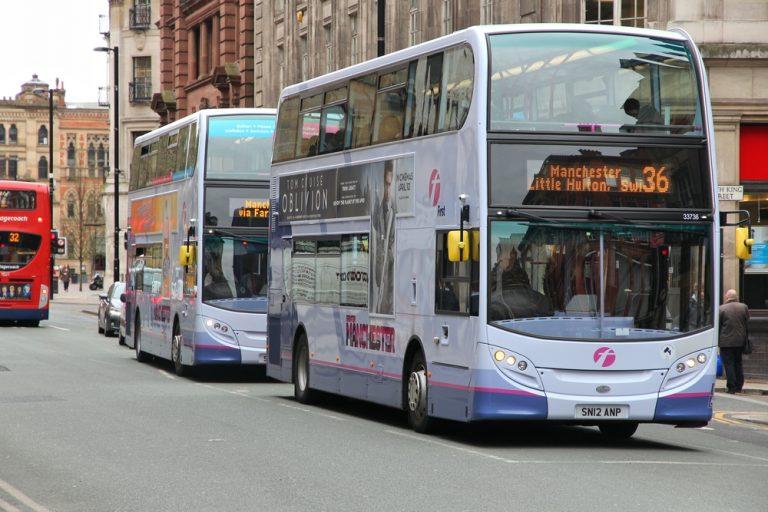
Bus and train operator First Group (LON:FGP) saw their shares dive on Wednesday, as Coronavirus saw the company book a deflated set of full-year results for the period ended March 31.
Unfortunately for the UK travel group, their results included March – the month in which the company saw a 90% reduction in passengers.
Despite booking an impressive 8.8% year-on-year jump in revenues, up to £7.8 billion, the company were hit with an £152.7 million operating loss. This followed on from a £9.8 million profit a year earlier, and a year of trading with broadly similar trends, prior to the pandemic.
The situation for First Group shareholders was equally bleak, with adjusted EPS dropping by 48.9% from 13.3p to 6.8p.
The company looks to be pinning its hopes of recovery on a return to normal trading, with consumers returning to some semblance of normal life. It said it was ‘immensely proud’ of the efforts of its staff – being based in Aberdeen, it will also have to contend with the slower pace of Scotland’s lockdown being lifted.
First Group response
In a cautious but overall hopeful outlook, company Chief Executive Matthew Gregory commented: “There is no way of predicting with any certainty how the coronavirus pandemic will continue to affect the public transportation sector and the impact it may have on customer trends longer-term. However, as leading operators in each of our markets we are strongly positioned for a recovery in passenger demand and for the opportunities that may emerge from this exceptional period.” “Despite the near-term uncertainty, the long-term fundamentals of our businesses remain sound. We are resolutely committed to delivering our strategy to unlock material value for all shareholders through the sale of our North American divisions at the earliest appropriate opportunity. The importance of public transport to society has never been more clearly demonstrated, and we will continue to take all necessary measures to enable the Group to emerge from this unprecedented situation in a robust position.”Investor insights
Following the update, First Group shares plummeted over 17%, before recovering slightly, down 15.82% or 7.78p, to 41.40p per share 08/07/20. This is comfortably below the company’s median target price of 75.00p, and over 60% down on where it was a year ago. The Group’s p/e ratio currently stands at 3.42.AirAsia shares drop 18% with future in ‘significant doubt’
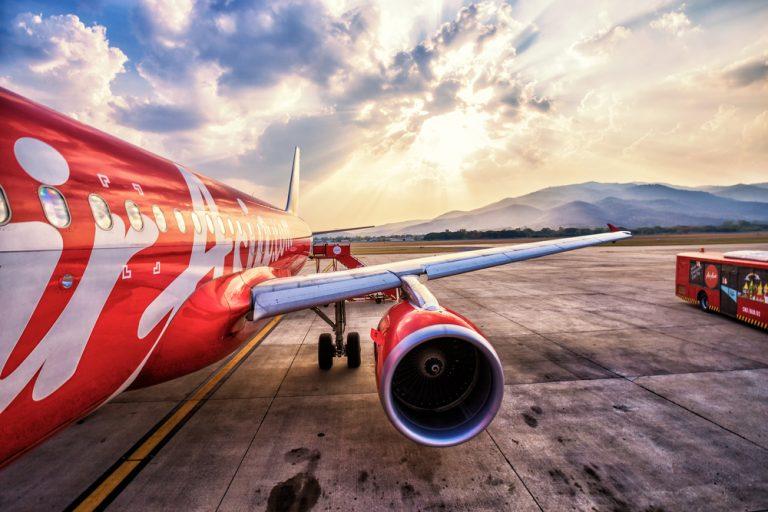
The future of Malaysian budget airline, AirAsia (KLSE:AIRASIA), is in ‘significant doubt‘ according to auditing firm Ernst & Young.
Prior to the challenges posed by Coronavirus, the company’s liabilities already exceeded its current assets by 1.84 billion ringgit (£340 million).
With tight travel restrictions and grounded flights, AirAsia cash flow and balance sheet have been hit even further. After suspending all flights in late March, the company booked a record quarterly profit of 804 million ringgit, almost £150 million.
In its statement to the Kuala Lumpur exchange on Tuesday, Ernst & Young stated that the AirAsia financial position “[indicates] existence of material uncertainties that may cast significant doubt on the Group’s and the Company’s ability to continue as a going concern,”
The company said that it was in talks to enter into joint ventures which may lead to additional investment. It was also applying for bank loans and considering other proposals for raising additional capital.
AirAsia is owned by tycoon Tony Fernandes, who also owns QPR football club. In a statement, Mr Fernandes said:
“This is by far the biggest challenge we have faced since we began in 2001,”“Every crisis is an obstacle to overcome, and we have restructured the group into a leaner and tighter ship.” “We are positive in the strides we have made in bringing cash expenses down by at least 50% this year, and this will make us even stronger as the leading low-cost carrier in the region,” he added. Following the news, AirAsia shares dipped 17.54% or 0.15 ringgit, to 0.70 ringgit per share 08/07/20 17:00 GMT+8.
Jaguar Land Rover: over 2,000 agency jobs lost
Over 2,000 jobs at Jaguar Land Rover are at risk, equating to about 40% of DHL Supply Chain staff in manufacturing plants.
The staff most at risk are fulltime and agency employees currently at major factories including Castle Bromwich, Solihull, Ellesmere Port, and Halewood.
“In light of highly challenging trading conditions in the global automotive sector and the unprecedented impact of the coronavirus pandemic, we have made the difficult decision to restructure our linefeed and freight operations supporting the Jaguar Land Rover contract,” said DHL.
“We are now in consultation with our employees and their representatives and will make every effort to redeploy as many colleagues as possible to our other operations nationwide.”
The trade union Unite has called upon the government to protect staff in the car manufacturing sector, who are particularly at risk within the Coronavirus pandemic.
The union said it hopes to minimise the job cuts.
“This is a massive, bitter blow for a dedicated workforce – and on the eve of the chancellor’s speech [on more emergency measures to reduce the economic impact of the pandemic] underscores the urgency of need for jobs-saving action from the government,” said Matt Draper, Unite’s national officer for logistics.
“Again, while governments in Spain, France and Germany are acting swiftly to secure a future for their car manufacturers, we see no such ambition from the UK government and as a result jobs are going,” he added.
Car manufacturers across the country have been hit in the pandemic. Last week, the SMMT said that one in six UK automotive jobs could be at risk if the government didn’t act now. Over 6,000 jobs were lost in the sector in June alone.
Global equities stung by US COVID cases and potential second lockdown

After a somewhat sore day of trading, global equities were shown mercy with a (very) partial recovery towards the end of the Tuesday session.
After being forecast to drop over 200 points, the Dow Jones dipped and then regained ground, down 140 points to 26,147. In the meantime, the S&P 500 and Nasdaq played the part of the odd ones out, up by 0.099% and 0.80% respectively – with the Nasdaq having hit its second record high within a week, on Monday.
The story was more bleak in the Eurozone, however, with the CAC down 0.89% to 5,036 points, and the DAX dropping 1.06% to 12,599. It was the FTSE, though, that led the dip, with hoteliers such as Whitbread (LON:WTB) giving tentative trading updates. The index dropped over 1.6%, before recovering to a drop of 1.48%, at 6,193 points. This is far off the UK index’s happy zone, which is somewhere above 6,350 points, and follows a month which began with it touching 6,500.
While the losses in the UK and the Eurozone are somewhat deserved – with not only fears of regional lockdowns being implemented more widely, but also stark EC economic predictions – US indices seemed to ignore the worst of the bad news with far more modest declines.
Speaking on the global equities turnaround from the Chinese rally on Monday, and the prospect of a second wave of lockdowns, Spreadex Financial Analyst Connor Campbell commented:
“A second round of fresh 5-year highs for the Chinese stock market failed to produce the same boost it did on Monday, with the threat of returning lockdown measures in various spots around the globe casting doubt on Europe’s recent rally.”
“Melbourne has been placed under a new 6-week lockdown after a 191 case spike in new cases were confirmed in state of Victoria. Elsewhere South Africa’s total number of cases has passed 200,000, the highest figure in Africa.”
“Of course then there’s the US, the gold standard of coronavirus mismanagement. Between Friday and Sunday alone the country saw 200,000 fresh infections, with the number of cases in Florida alone doubling from 100,000 to 200,000 in less than a fortnight. All this before considering the impact the weekend’s 4th July celebrations will have on the infection rate.”
For anyone who remembers the old adage of ‘when the US sneezes, the whole world catches a cold’, today’s global equities pessimism seems to be history repeating itself. The only difference is, the US is the sick man making everyone else sick, but now chooses to be ignorant of its own ailment.FTSE retreats nearly 100 points on gloomy European economic forecast
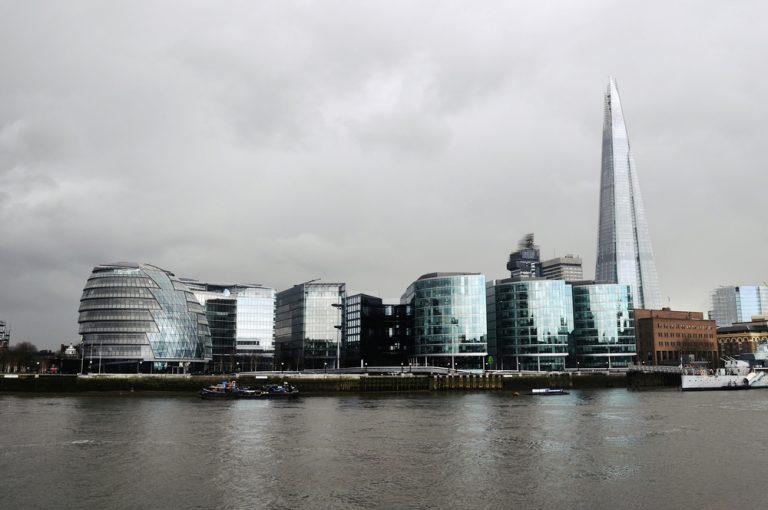
The FTSE 100 index (INDEXFTSE:UKX) has dipped 1.54% or 96.70 points on the back of Tuesday’s gloomy Summer 2020 Economic Forecast published by the European Commission (EC), projecting an 8.7% contraction of the economy across the year – significantly worse than the earlier 7.7% prediction from the EC’s Spring Forecast back in May.
Despite the “swift and comprehensive” response of EU member states to the coronavirus pandemic, the EC outlines that the impact of the crisis is going to hang over the European economy for a while longer than initially thought. The gradual lifting of lockdown measures at “a more gradual pace” than assumed by the Spring Forecast has stifled hopes of a quick recovery, and dragged down growth projections for 2021.
The European economy is expected to gain traction over the next quarter, however, with the loosening of lockdown restrictions and the long-awaited reopening of the retail and service sectors. Early data for May and June have already indicated that “the worst may have passed”, although the EC was quick to emphasise that the recovery remains “incomplete and uneven” across the EU member states.
Paolo Gentiloni, Commissioner for the EC’s ‘An Economy that Works for People’, commented on today’s figures:
“Coronavirus has now claimed the lives of more than half a million people worldwide, a number still rising by the day – in some parts of the world at an alarming rate. And this forecast shows the devastating economic effects of that pandemic. The policy response across Europe has helped to cushion the blow for our citizens, yet this remains a story of increasing divergence, inequality and insecurity. This is why it is so important to reach a swift agreement on the recovery plan proposed by the Commission – to inject both new confidence and new financing into our economies at this critical time”.
Virtually every European nation has felt the burden of the crisis, in what the EC has described as a “symmetric shock” to the economy across the continent. However – although united by shared suffering during the pandemic – the EU’s solidarity is set to be put to the test over the next few months as individual rebounds are expected to differ “markedly”. Countries quick to clamp down on the virus, such as Germany, are more likely to see a stable and sustained recovery, while hard-hit Italy and Spain face a much steeper uphill battle in the months ahead.
With this in mind, the EC’s projections are plagued by a hefty dose of uncertainty – the Summer Forecast itself contains a disclaimer that it “assumes that lockdown measures will continue to ease and there will not be a ‘second wave’ of infections”. The pandemic has by no means disappeared overnight simply because the economy has jolted back into action, and with local lockdowns already implemented in Leicester and the Australian city of Melbourne, we are being increasingly reminded that coronavirus is here to stay.
Along with the uncertainty surrounding the pandemic, the looming shadow of Brexit poses further complications for the EC’s projections. Since future relations between the UK and the EU remain unclear, the figures are based on “a purely technical assumption of status quo in terms of their trading relations”. The outcome of Brexit negotiations is likely to overhaul the standing relationship with the EU member states, and with the UK emerging from the coronavirus crisis with the highest death toll in Europe, the EC’s predictions are going to be at least a little bit off.
The FTSE has not taken well to the news, with the index down a disappointing 1.54% or 97.60 points to 6,189.24 at BST 15:53 07/07/20.