
UK and Coronavirus – reviewing a difficult week for Boris’s government
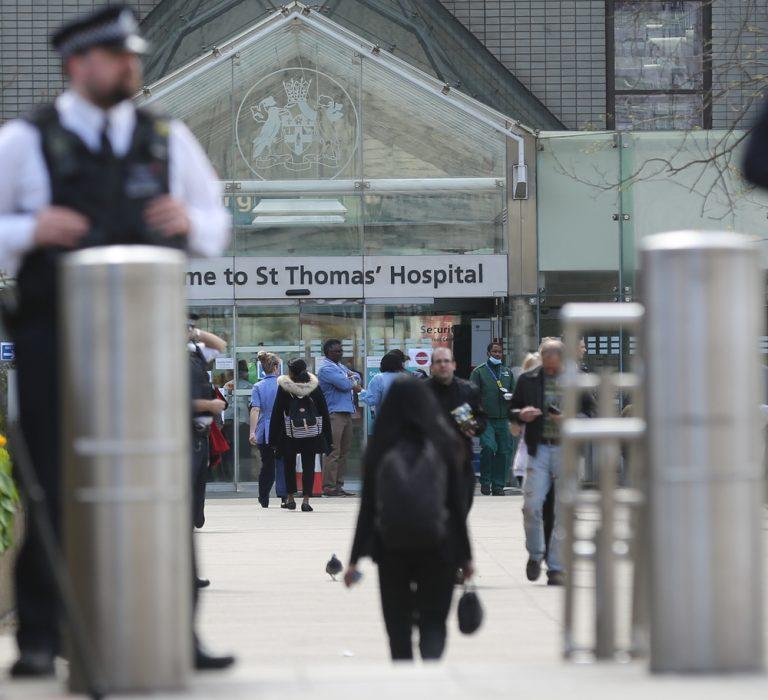
Running on a precarious combination of national solidarity and political incompetence, the UK’s Coronavirus outlook ended the week much the same as it began. There is a lack of clarity, a lack of optimism, and we still seem far behind our peers in dealing with the virus.
Investment grade artist – Richard Hambleton, proving real value to investor’s portfolios during turbulent times.
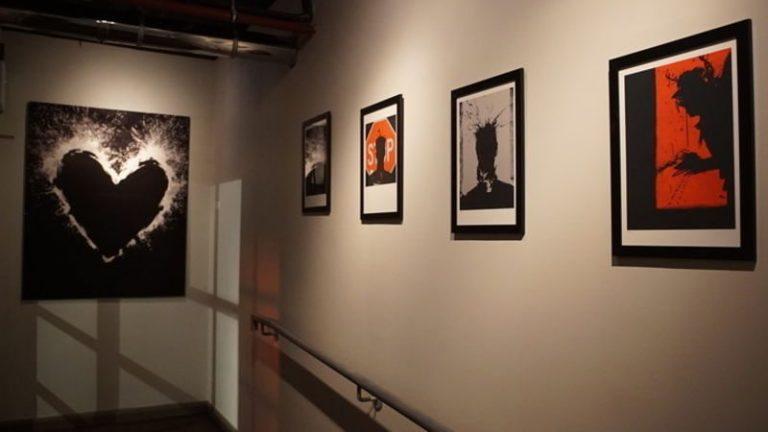
Sponsored by Woodbury House
We spoke with Woodbury House to find out more about the art investment market, in particular street art and an artist named Richard Hambleton. Here is an inside scoop about Woodbury House and their knowledge of Richard Hambleton and the art market.
We visited their studio and interviewed the brand’s co-founder Steven Sulley.
Woodbury House is a well-respected private art studio based in the heart of Soho, London. They specialise in contemporary art and have an extensive collection of artworks from emerging to established artists. Artists included in their collection are Richard Hambleton, Daze, Banksy, Futura, Retna, and many more. Click here to contact Woodbury House.
There are substantial plans for Woodbury House as they venture into becoming the link between the art and fashion world. Whilst still selling investment-grade art, later this year Woodbury House 2.0 is due to launch, this will commence the start of limited drops that they will continue to release with various emerging and established artists.
Coined ‘The Godfather of Street art’ by The New York Times, Richard Hambleton is regarded as a legend of the street art world as many late artists have used his artwork as inspiration. The 1980s New York scene was a popular exclusive scene to be a part of, Hambleton was not fazed by the limelight and rejected the attention he received.
However, his predecessors Jean-Michel Basquiat and Keith Haring were very savvy on their approach towards the press. They worked in collaboration with them agreeing to interviews and article features to remain in the public eye.
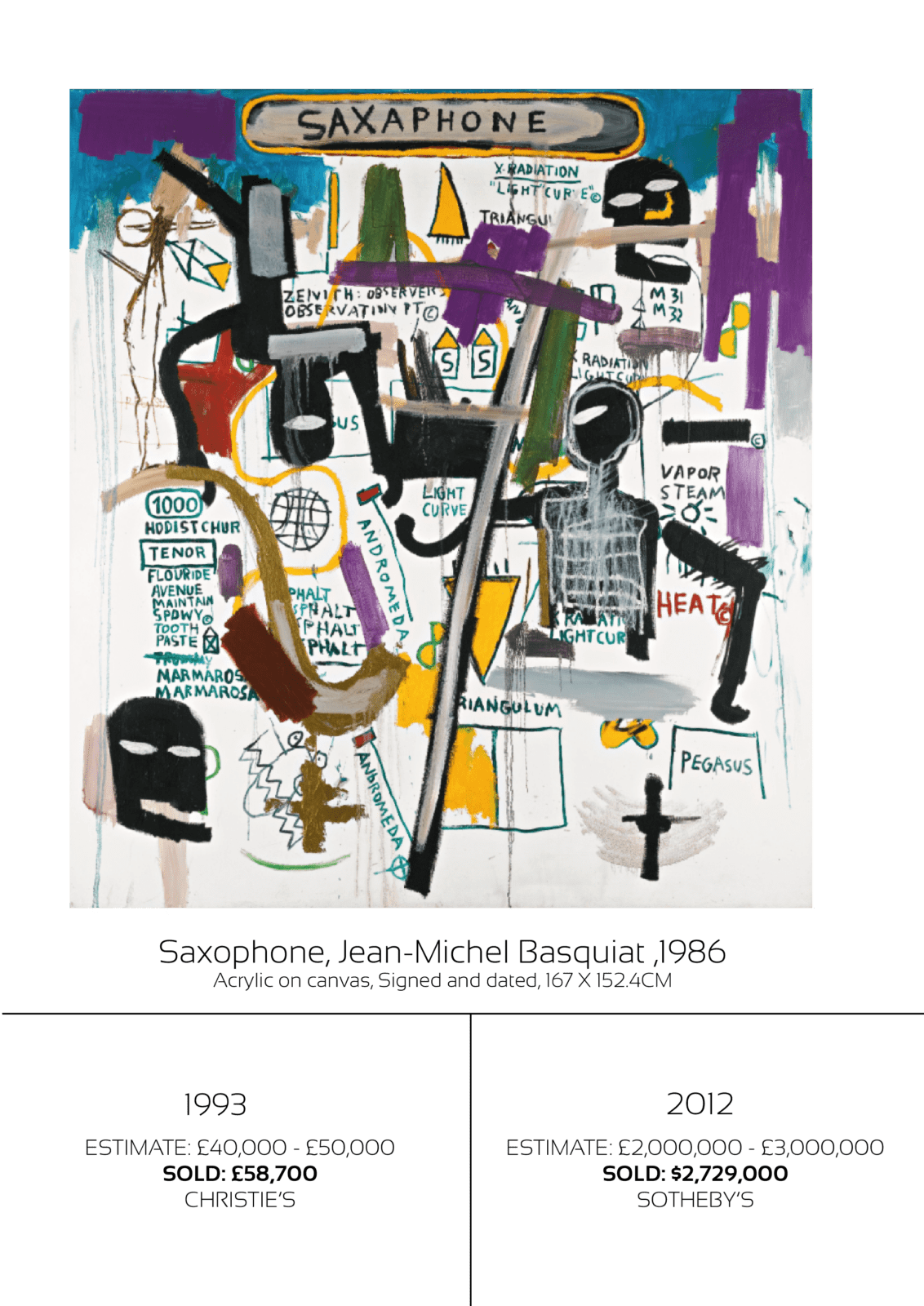
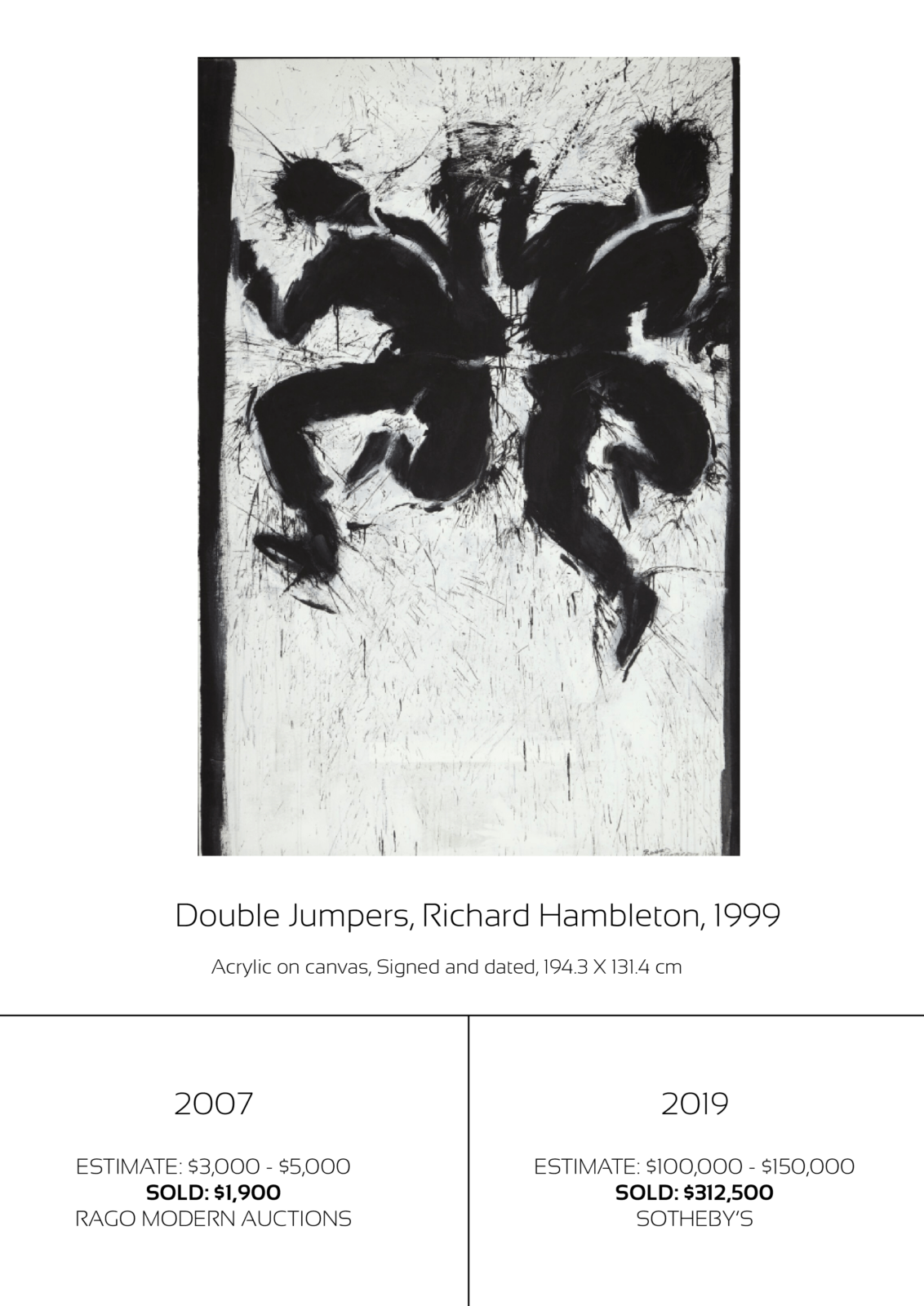
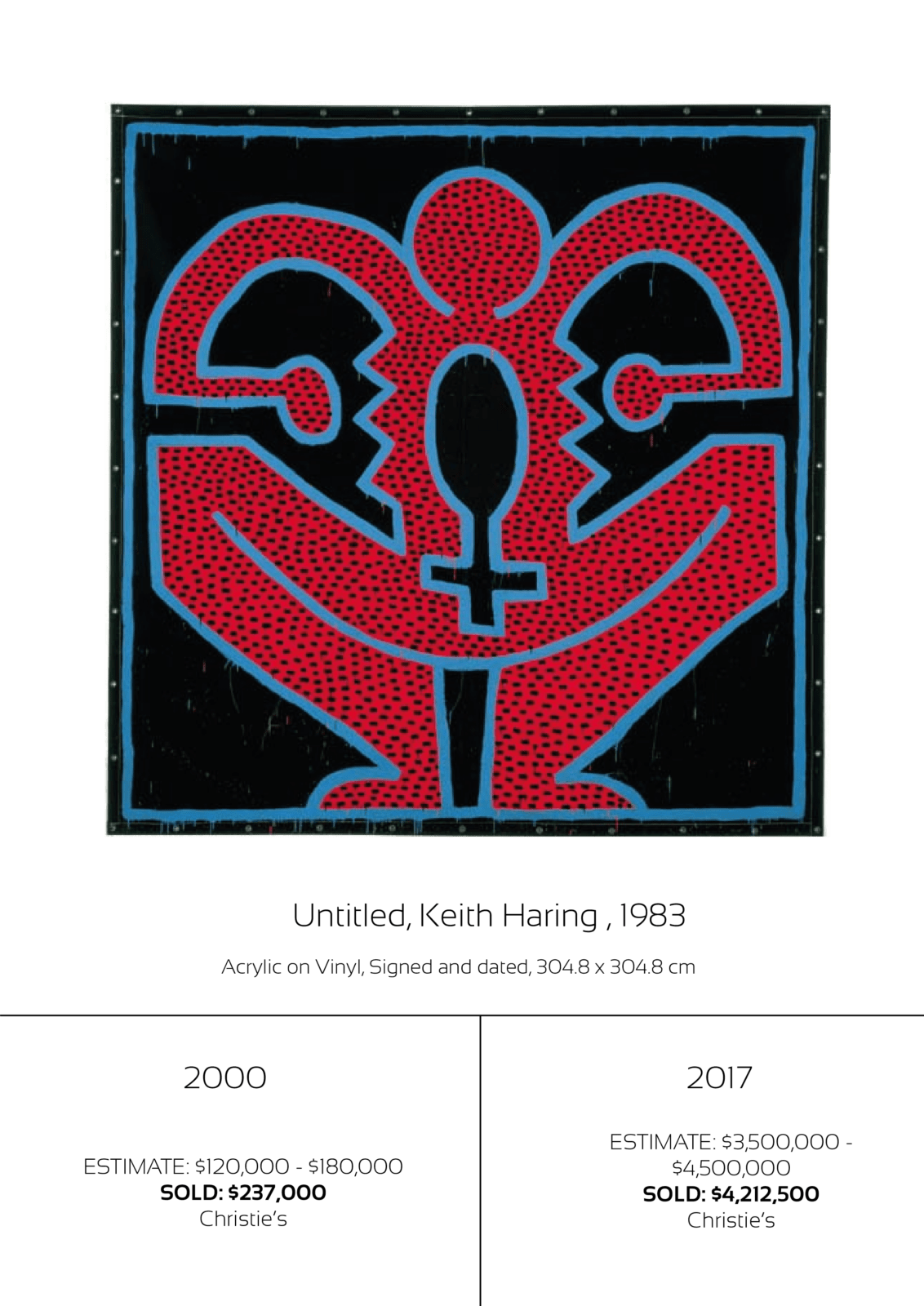
We’ve gathered data from past auctions, to show a price increase of one artwork for each of the three artists. We decided to compare past auction results, as this is impartial data out there for everybody to see.
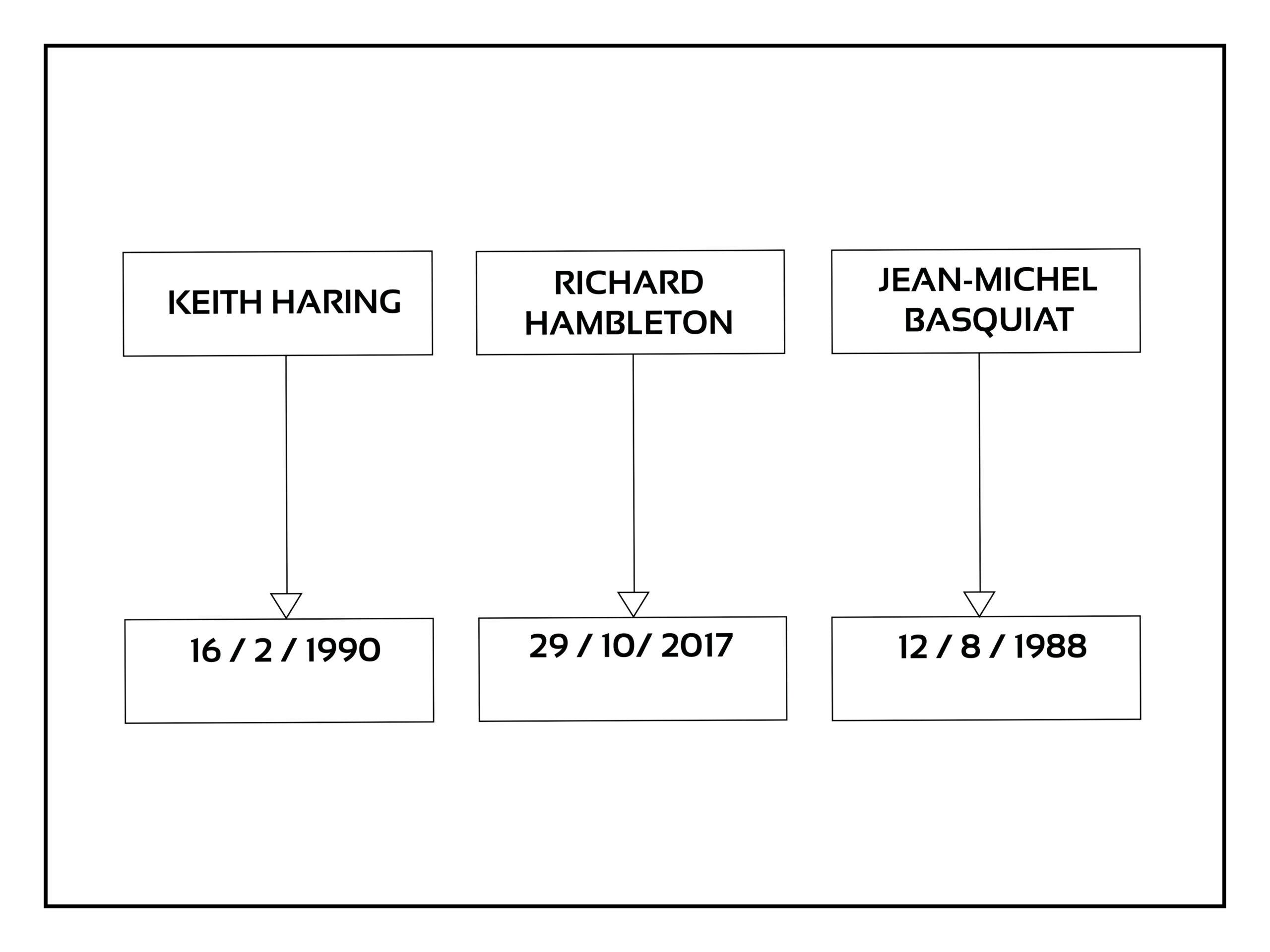
Below is a graph showing the dates of the three artists that have passed away, as you can see Hambleton’s friends, Basquiat and Haring passed away over thirty years ago.
 Jean-Michel Basquiat
Price increase of £2,670,300 in 19 years
\
Richard Hambleton
Price increase of $312,600 in 12 years.
Keith Haring
Price increase of $3,975,500 in 17 years.
Once an artist passes their artwork becomes limited to an archive of artwork they created whilst they were alive. In this case, Hambleton’s artwork from the start of his career i.e. the 1980s is becoming much harder to source as investors are seeking these works to build up their collections.
Below is Basquiat’s most memorable artwork originally sold for $19,000 in 1984 and progressed to sell for $110.5 million in the Sotheby’s auction in 2017.
To conclude, logic suggests that the Hambleton market will follow in the same footsteps as his predecessors Jean-Michel Basquiat and Keith Haring. Hambleton’s works have already seen some good capital growth since his death in 2017, the above artwork we showed is not a standalone example either. Investors and collectors worldwide are now stockpiling his work with a common-sense approach that it will rise in value in the coming years.
Jean-Michel Basquiat
Price increase of £2,670,300 in 19 years
\
Richard Hambleton
Price increase of $312,600 in 12 years.
Keith Haring
Price increase of $3,975,500 in 17 years.
Once an artist passes their artwork becomes limited to an archive of artwork they created whilst they were alive. In this case, Hambleton’s artwork from the start of his career i.e. the 1980s is becoming much harder to source as investors are seeking these works to build up their collections.
Below is Basquiat’s most memorable artwork originally sold for $19,000 in 1984 and progressed to sell for $110.5 million in the Sotheby’s auction in 2017.
To conclude, logic suggests that the Hambleton market will follow in the same footsteps as his predecessors Jean-Michel Basquiat and Keith Haring. Hambleton’s works have already seen some good capital growth since his death in 2017, the above artwork we showed is not a standalone example either. Investors and collectors worldwide are now stockpiling his work with a common-sense approach that it will rise in value in the coming years.
 Jean-Michel Basquiat
Price increase of £2,670,300 in 19 years
Jean-Michel Basquiat
Price increase of £2,670,300 in 19 years
 \
Richard Hambleton
Price increase of $312,600 in 12 years.
\
Richard Hambleton
Price increase of $312,600 in 12 years.
 Keith Haring
Price increase of $3,975,500 in 17 years.
Keith Haring
Price increase of $3,975,500 in 17 years.
 Once an artist passes their artwork becomes limited to an archive of artwork they created whilst they were alive. In this case, Hambleton’s artwork from the start of his career i.e. the 1980s is becoming much harder to source as investors are seeking these works to build up their collections.
Below is Basquiat’s most memorable artwork originally sold for $19,000 in 1984 and progressed to sell for $110.5 million in the Sotheby’s auction in 2017.
Once an artist passes their artwork becomes limited to an archive of artwork they created whilst they were alive. In this case, Hambleton’s artwork from the start of his career i.e. the 1980s is becoming much harder to source as investors are seeking these works to build up their collections.
Below is Basquiat’s most memorable artwork originally sold for $19,000 in 1984 and progressed to sell for $110.5 million in the Sotheby’s auction in 2017.
 To conclude, logic suggests that the Hambleton market will follow in the same footsteps as his predecessors Jean-Michel Basquiat and Keith Haring. Hambleton’s works have already seen some good capital growth since his death in 2017, the above artwork we showed is not a standalone example either. Investors and collectors worldwide are now stockpiling his work with a common-sense approach that it will rise in value in the coming years.
 FTSE 100 led lower by financials with Hong Kong exposure
The FTSE 100 fell on Friday after China said it was going impose security law in Hong Kong, significantly increasing tensions that had diminished during the coronavirus outbreak.
Security law means it would be made illegal for people in Hong Kong to undermine the central Chinese government under lose offences of treason, sedition and subversion.
Mike Pompeo, US Secretary of State, called the move a ‘death knell’ for Hong Kong autonomy.
Whilst Hong Kong leaders said they would co-operate with the legislation, many voiced their concerns over the move which could see a return to social unrest that caused significant economic disruption before the COVID-19 pandemic.
The real risk is any unrest spills over into the relationship between the US and China who are locked into trade negotiations and a political stand off caused by Trump blaming China for the global coronavirus crisis.
The FTSE 100 had reached lows of 5,893 on Friday morning before recovering to 5,980 at 15:30 on Friday.
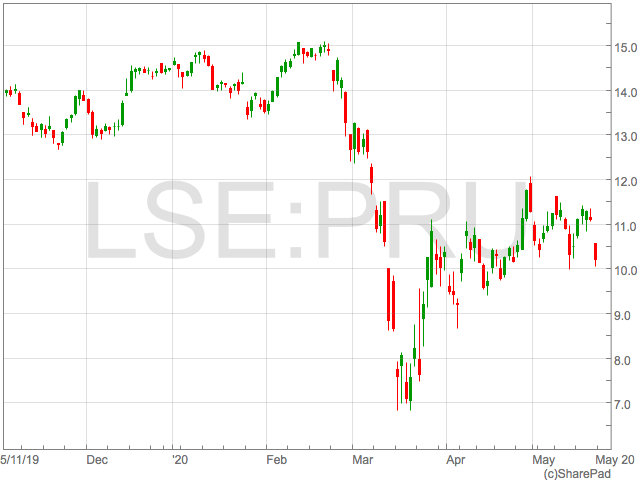
FTSE 100 shares with a substantial exposure to Hong Kong were among the most heavily hit as Prudential shed 8% and HSBC sank 4%. Asia focused Standard Chartered was down 2.8%.
Following the demerger of M&G Investments, Prudential is highly reliant on Asian earnings and disruption in Hong Kong could be highly damaging to 2020 earnings.
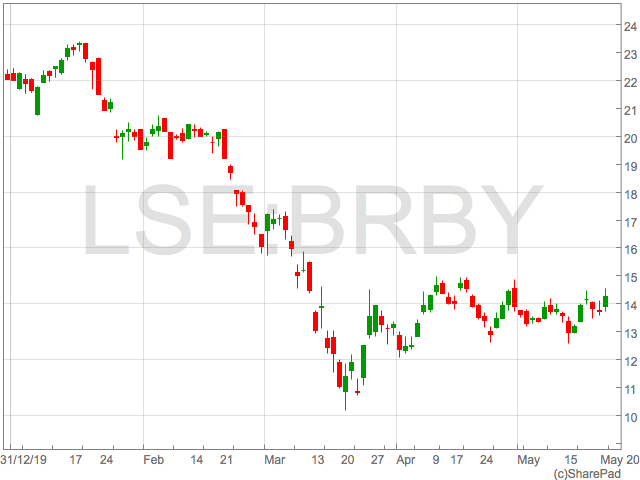
Burberry was one of the top risers after the luxury brand said it had seen a strong rebound in Asian sales as demand returns after lockdown measures are lifted. Whitbread was also stronger as the Premier Inn owner rebounded following the announcement of a rights issue.
Despite falling on Friday, the FTSE 100 is now down just 20% in 2020 having rallied 20% from the 23rd March low. However, there are concerns that the market hasn’t fully priced in the risk of coronavirus on the economy.
“After the shock of the COVID-19 lockdown, we have to go through a regular recession with high unemployment, low capex, low demand and that’s not what’s priced in at the moment,” said Andrea Cicione, head of strategy at TS Lombard.
 Following the demerger of M&G Investments, Prudential is highly reliant on Asian earnings and disruption in Hong Kong could be highly damaging to 2020 earnings.
Burberry was one of the top risers after the luxury brand said it had seen a strong rebound in Asian sales as demand returns after lockdown measures are lifted. Whitbread was also stronger as the Premier Inn owner rebounded following the announcement of a rights issue.
Following the demerger of M&G Investments, Prudential is highly reliant on Asian earnings and disruption in Hong Kong could be highly damaging to 2020 earnings.
Burberry was one of the top risers after the luxury brand said it had seen a strong rebound in Asian sales as demand returns after lockdown measures are lifted. Whitbread was also stronger as the Premier Inn owner rebounded following the announcement of a rights issue.
 Despite falling on Friday, the FTSE 100 is now down just 20% in 2020 having rallied 20% from the 23rd March low. However, there are concerns that the market hasn’t fully priced in the risk of coronavirus on the economy.
“After the shock of the COVID-19 lockdown, we have to go through a regular recession with high unemployment, low capex, low demand and that’s not what’s priced in at the moment,” said Andrea Cicione, head of strategy at TS Lombard.
Despite falling on Friday, the FTSE 100 is now down just 20% in 2020 having rallied 20% from the 23rd March low. However, there are concerns that the market hasn’t fully priced in the risk of coronavirus on the economy.
“After the shock of the COVID-19 lockdown, we have to go through a regular recession with high unemployment, low capex, low demand and that’s not what’s priced in at the moment,” said Andrea Cicione, head of strategy at TS Lombard. Burberry sees ‘strong rebound’ in Asia
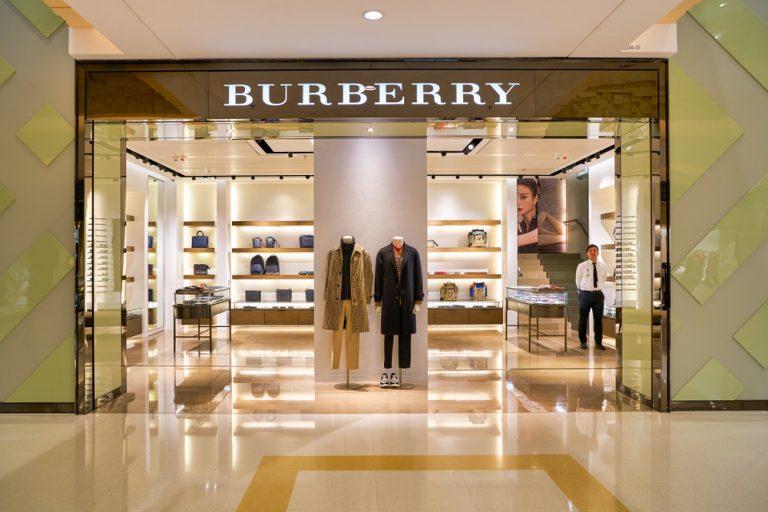
Burberry shares (LON:BRBY) gained on Friday as the luxury brand said they were experiencing a bounce back in demand from key Asian markets.
“It will take time to heal but we are encouraged by our strong rebound in some parts of Asia and are well-prepared to navigate through this period. Now, more than ever, our strategy to secure our position in luxury fashion is key,” said Marco Gobbetti, Chief Executive Officer of Burberry.
Burberry shares were over 2% stronger in early Friday morning trade, one of the few shares up on the day as the FTSE 100 fell 1.76% to 5,909.
The comments from the CEO were released in the group’s preliminary 2020 results, in which pro forma revenue in the 52 weeks to 28th March fell 3% to £2,633m.
The 3% drop in revenue could be seen as a relatively positive result, given 60% of stores were closed at the end of March due to coronavirus with comparable Q4 sales falling 27%.
The drop in sales in Q4 offset what had been a strong year for Burberry having seen double digit growth in their new collections.
However, the uncertainty surrounding COVID-19 was enough to push the board in the direction of many other FTSE 100 companies and cut their dividend to help strengthen the balance sheet.
“With these results, it comes as no surprise that, hoping to ensure liquidity, the company has decided to pull its dividend and review future pay-outs at the end of its 2021 year,” said Russell Pointon, Director & Head of Consumer at Edison Investment Research.
“Prior to the pandemic, Burberry, began to focus on leather goods and accessories in a bid to diversify their brand towards more resilient and growing sectors in the market and that has helped them navigate the current landscape. Although, they´ve had to put a hold on their plan to revive sales with star designer Ricardo Tisci, the opening of stores mainly in Asia should provide some comfort and hope for the company.”
“With much of the world still in lockdown, and hence no open shops, turbulent times still lie ahead for Burberry. Nevertheless, given its strong online offering as well as diversification of products, it will be interesting to see if consumers will continue buying online or potentially holding off from luxury during the coming months.”
FTSE 100 retreats on China concerns and poor UK data
The FTSE 100 fell on Thursday as the market digested UK economic data that had been ravaged by COVID-19 and a risk-off tone was set by concerns over China rifts.
The FTSE 100 was trading at 6,055, down 0.19%, going into the close on Thursday.
“On one hand, it was a relatively good morning for UK data. The flash manufacturing PMI rose from 32.6 to 40.6, while the services reading bounced from a truly horrific 13.4 to 27.8. On the other hand, the manufacturing and services PMIs still came in at 40.6 and 27.8, the awfulness of those readings only slightly dulled by comparisons to the month previous,” said Connor Campbell, analyst at Spreadex.
“The situation was the same across the Eurozone, with the French, German and region-wide PMIs all improving month-on-month. In fact, all bar the German manufacturing reading also came in higher than forecast.”
“However, it was little comfort to investors. With Trump ploughing ahead with his daily twitter assaults on China, but this time combing it with a 20-page report detailing the superpower’s ‘malign activities’ in an attempt to take heat off his own mishandling of the coronavirus pandemic, investors are worried about the state of things between Washington and Beijing,” Campbell said.
Whitbread was the top faller on Thursday after the Premier Inn owner announced a rights issue.
Rolls Royce was the top riser as the engine maker said they were going to cut 9,000 jobs ,whilst easyJet rose on plans to start flights again in mid-June.
easyJet shares fly as flights set to resume in June
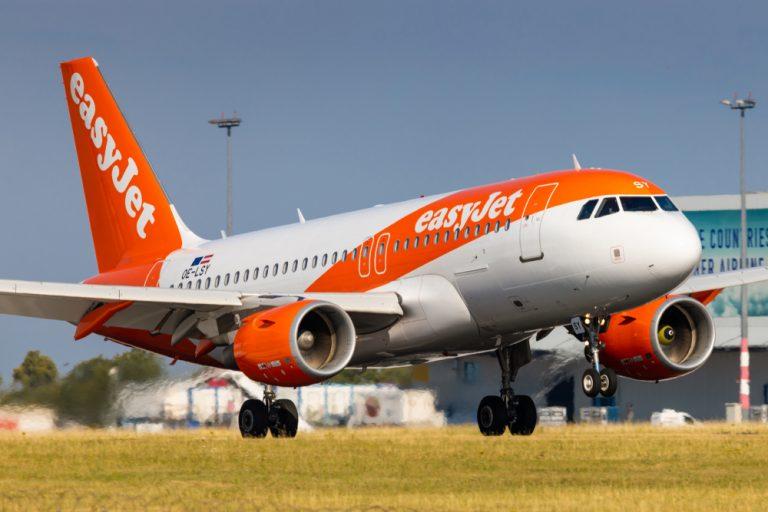
easyjet shares (LON:EZJ) rose sharply on Thursday as the budget airlines announced plans to commence flights from 15th June.
easyJet shares rose over 6% in midmorning trade on Thursday.
The service will be limited with flights revolving around a number of airports in the UK and France initially, with plan to expand the service as more European governments ease restrictions.
The COVID-19 lockdown has ravaged the European airline industry and governments are under pressure to step in and help prevent major airlines collapse.
The German government is exploring what would be a remarkable step to bailout of Lufthansa and take stake in the company whilst AirFrance has sought help from both the French and Dutch governments.
Government support has it’s critics and the Ryanair CEO said government bailouts would distort the market.
Nonetheless, the resumption of flights will be a lifeline for easyJet who will soon be facing the repercussions of a sophisticated cyber attack that compromised the personal details of 9 million people. However, easyJet said there hadn’t been any evidence of wrongdoing with the details.
Johan Lundgren, easyJet CEO commented on the resumption of flights:
“I am really pleased that we will be returning to flying in the middle of June. These are small and carefully planned steps that we are taking to gradually resume operations. We will continue to closely monitor the situation across Europe so that when more restrictions are lifted the schedule will continue to build over time to match demand, while also ensuring we are operating efficiently and on routes that our customers want.
“The safety and wellbeing of our customers remains our highest priority, which is why we are implementing a number of measures to enhance safety at each part of the journey, from disinfecting the aircraft to requiring customers and crew to wear masks. These measures will remain in place for as long as is needed to ensure customers and crew are able to fly safely as the world continues to recover from the impact of the coronavirus pandemic.”
 Johan Lundgren, easyJet CEO commented on the resumption of flights:
“I am really pleased that we will be returning to flying in the middle of June. These are small and carefully planned steps that we are taking to gradually resume operations. We will continue to closely monitor the situation across Europe so that when more restrictions are lifted the schedule will continue to build over time to match demand, while also ensuring we are operating efficiently and on routes that our customers want.
“The safety and wellbeing of our customers remains our highest priority, which is why we are implementing a number of measures to enhance safety at each part of the journey, from disinfecting the aircraft to requiring customers and crew to wear masks. These measures will remain in place for as long as is needed to ensure customers and crew are able to fly safely as the world continues to recover from the impact of the coronavirus pandemic.”
Johan Lundgren, easyJet CEO commented on the resumption of flights:
“I am really pleased that we will be returning to flying in the middle of June. These are small and carefully planned steps that we are taking to gradually resume operations. We will continue to closely monitor the situation across Europe so that when more restrictions are lifted the schedule will continue to build over time to match demand, while also ensuring we are operating efficiently and on routes that our customers want.
“The safety and wellbeing of our customers remains our highest priority, which is why we are implementing a number of measures to enhance safety at each part of the journey, from disinfecting the aircraft to requiring customers and crew to wear masks. These measures will remain in place for as long as is needed to ensure customers and crew are able to fly safely as the world continues to recover from the impact of the coronavirus pandemic.” Whitbread announces rights issue to navigate COVID-19
Whitbread (LON:WTB) have announced a £1 billion rights issue to help see them through the coronavirus lockdown and ensure liquidity when restrictions are lifted.
The announcement came alongside preliminary results for the 52 weeks to 28th February which saw a modest 1.1% increase in revenue to £2,072m.
However, since the end of the period, Whitbread have been forced to close all of its hotels and outlets due to the spread of COVID-19, and now require a capital injection to see them through the crisis.
Whitbread shares fell over 12% following the rights issue announcement.
“Whitbread is at the sharp end of the coronavirus crisis and it is no surprise that it has come cap in hand to shareholders for the cash to tide it over to better times. To persuade investors to stump up £1bn of new equity, it has had to offer the shares at a big discount to an already Covid-hit price,” said Tom Stevenson, investment director at Fidelity Personal Investing.
Whitbread’s brands include Premier Inn, Brewer’s Fayre and Beefeater, and their model had seen improved trading in H2 2020FY, before the company was forced to close outlets and furlough 27,000 staff.
“Whitbread’s model of providing budget Premier Inn hotel rooms next to one of its own pubs to provide dinner and breakfast has proved a winner with families and value-seeking business travellers alike,” Tom Stevenson said.
“Occupancy and revenues per available room, the key measure for a hotel chain, have risen strongly over the past ten years. But in lockdown, its fixed costs have to be paid while its revenues have dried up completely. Despite the government’s furlough support, it is an unsustainable situation.”
Stevenson went on to explain the discount Whitbread had to offer investors in order to drum up support for the rights issue, given the uncertainty in the hospitality sector with a backdrop if COVID-19.
“Shareholders are being offered one new share at 1,500p for every two they already own. Before today’s announcement, these were trading at 2,843p. So even accounting for the dilution implied by the issue of new shares, that is a sizeable discount that reflects the continuing uncertainty of life during and after Covid,” Stevenson said.
The Whitbread rights issue is fully underwritten by JP Morgan and Morgan Stanley.
Dow Jones keen to rebound after Moderna vaccine doubts
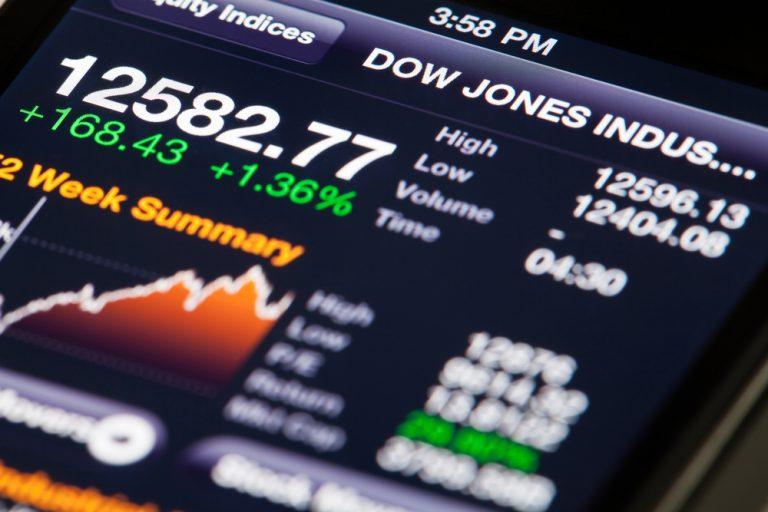
The Dow Jones enjoyed a bright start to the session, rallying 400 points to 24,600 points. This was led by some ‘solid’ earnings, lingering vaccine optimism and hopes of further Fed stimulus in coming weeks, and came despite what many pundits described as the ‘Moderna (NASDAQ:MRNA) shuffle’ – the fluctuating price of the stock since it published vaccine test results on Monday.
It was also a pleasant surprise to see the index ignore the latest round of bombast from President Donald Trump, who (rightly or not) lamented the ‘incompetence’ of Beijing for causing the virus to spread, before boasting that the US leading the way in Coronavirus cases should be seen as ‘a badge of honour’.
The buoyant start for the US gave a boost to European equities, which had initially suffered a sluggish opening. The DAX rose 0.7% to 11,170, while the CAC followed with a 0.2% increase, pushing it past 4,450 points.
Speaking on the UK, Spreadex Financial Analyst Connor Campbell stated,
The FTSE was up 0.6%, pushing the UK index back towards 6050. This as the pound fell 0.2% against the dollar and 0.6% against the euro. The fact Bank of England chair Andrew Baily refused to rule out negative interest rates – like Fed head Jerome Powell appeared to do last week – likely aided the FTSE and hurt the pound. Meanwhile against the euro specifically a better than forecast consumer confidence reading from the across the Eurozone gave the single currency a boost – it was also up half a percent against the greenback.
Marks and Spencer profit drops as strategy shifts towards food
Marks and Spencer (LON:MKS) has unveiled a £1bn action plan to help fight the impact of coronavirus as a strategy shift towards food start to bear fruit.
Despite group revenue falling 1.9% to £10,377m in the year to 31st March 2020, operating profit rose 11.9%, helped by a 1.9% rise in like-for-like food sales. Clothing sales fell 6.2% on a like-for-like basis in the same period.
Although operating profit rose, the impact of COVID-19 on write downs and adjustments meant profit after tax fell 39.5% to £45.3m.
The increase in sales volumes represents the results of recent investment in the Marks and Spencer food business as it sought to build on areas of the business it was experiencing strength.
The acquisition of a stake in Ocado Retail was probably the highlight of this strategy shift and is already providing M&S with a return. M&S acquired a 50% stake in Ocado Retail in 2019 for £750m to help boost their food offering as clothing sales continued to disappoint.
Marks and Spencer recognised a £2.6m profit from it’s investment in Ocado Retail in the 7 months to 1st March.
Shareholders will be pleased with the early news from the Ocado acquisition as sales at Ocado Retail jumped 40.4% in the 9 week period to 6th May, due to lockdown restrictions causing rocketing demand for home deliveries.
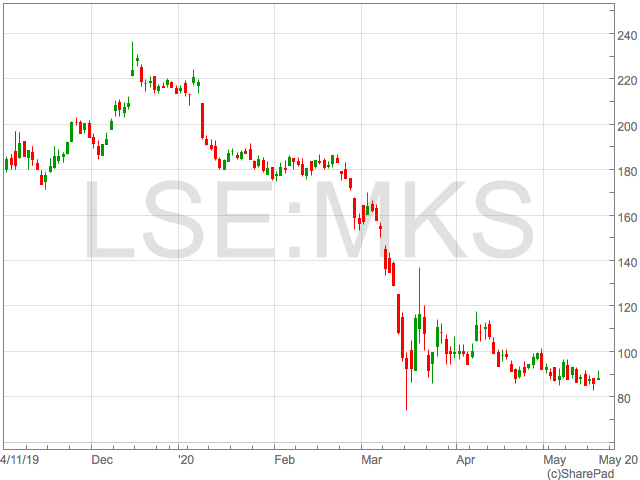
The market took the results well and shares rose over 2% on Wednesday morning. However, Marks and Spencer shares are down 63% over the last year, seeing them lose their position in the FTSE 100.
 The acquisition of a stake in Ocado Retail was probably the highlight of this strategy shift and is already providing M&S with a return. M&S acquired a 50% stake in Ocado Retail in 2019 for £750m to help boost their food offering as clothing sales continued to disappoint.
Marks and Spencer recognised a £2.6m profit from it’s investment in Ocado Retail in the 7 months to 1st March.
Shareholders will be pleased with the early news from the Ocado acquisition as sales at Ocado Retail jumped 40.4% in the 9 week period to 6th May, due to lockdown restrictions causing rocketing demand for home deliveries.
The market took the results well and shares rose over 2% on Wednesday morning. However, Marks and Spencer shares are down 63% over the last year, seeing them lose their position in the FTSE 100.
The acquisition of a stake in Ocado Retail was probably the highlight of this strategy shift and is already providing M&S with a return. M&S acquired a 50% stake in Ocado Retail in 2019 for £750m to help boost their food offering as clothing sales continued to disappoint.
Marks and Spencer recognised a £2.6m profit from it’s investment in Ocado Retail in the 7 months to 1st March.
Shareholders will be pleased with the early news from the Ocado acquisition as sales at Ocado Retail jumped 40.4% in the 9 week period to 6th May, due to lockdown restrictions causing rocketing demand for home deliveries.
The market took the results well and shares rose over 2% on Wednesday morning. However, Marks and Spencer shares are down 63% over the last year, seeing them lose their position in the FTSE 100.
£1bn Action plan
Marks and Spencer outlined £1bn worth of measures to help bolster the cash position which included £500m in cost reductions. The group, which closed 54 legacy stores in 2019/20, had previously announced it was scrapping its final dividend to improve the balance sheet. “Last year’s results reflect a year of substantial progress and change including the transformative investment in Ocado Retail, outperformance in Food and some green shoots in Clothing in the second half,” said Steve Rowe, Marks & Spencer CEO. “However, they now seem like ancient history as the trauma of the Covid crisis has galvanised our colleagues to secure the future of the business. The way our people have rallied to support our customers and communities has been awe-inspiring.” “From the outset we recognised that we were facing a crisis whose effects and aftershocks will endure for the coming year and beyond: Whilst some customer habits will return to normal others have changed forever, the trend towards digital has been accelerated, and changes to the shape of the high street brought forward. Most importantly working habits have been transformed and we have discovered we can work in a faster, leaner, more effective way. I am determined to act now to capture this and deliver a renewed, more agile business in a world that will never be the same again.”Severn Trent increases dividend

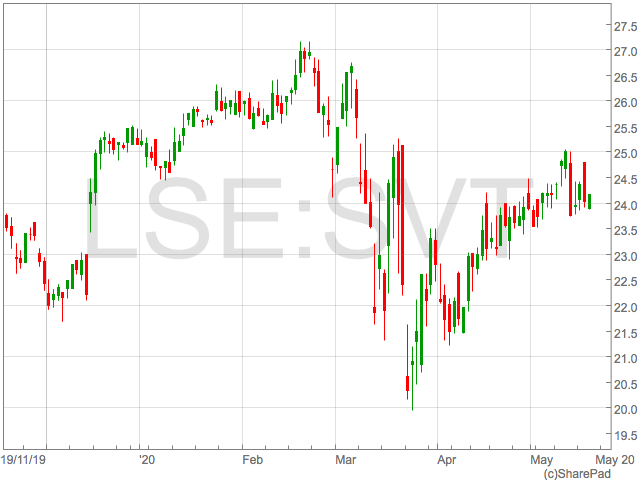
Severn Trent (LON:SVT) has increased their dividend as the water company enjoyed higher revenues in the year to 31st March, although profit fell due to exceptional costs.
Severn Trent shares rose tentatively on Wednesday morning as the group increased its dividend 7.2% to 100.08p. This would equate to a 4.1% yield with shares trading at 2,415p.
Exceptional costs meant profit after tax reported fell 49.6% to £159 million.
However, the underlying business was strong and revenue was 4.3% higher at £1,844m due to RPI-linke price increases and increased revenue from business services.
“Operationally, this has been another year where we have delivered for all of our stakeholders. However, the last few weeks have been extraordinary; not only for our business, but for the country,” said Liv Garfield, Chief Executive of Severn Trent.
Liv Garfield continued to thank the Severn Trent team; “I want to say thank you to all of my awesome colleagues; it has been a challenging time, and across each and every part of the business, they have shown amazing commitment to ensuring our customers have continued access to one of life’s essentials. We know that this is a difficult time for our customers, and I am incredibly proud of the ways in which the business has responded. We also understand that for many people this will be a difficult time financially, and we have stepped up our support for those on our Priority Services Register and customers that need extra help with their bills.”
“Our business remains strong and we have made further progress against the things that really matter to our customers with leakage, supply interruptions and water quality complaints all improving. We have invested £3 billion in our long- term future over the past five years and are now very focused on emerging from this crisis in the best possible shape to deliver against the exciting plans we have set out for the next five years.”
 Liv Garfield continued to thank the Severn Trent team; “I want to say thank you to all of my awesome colleagues; it has been a challenging time, and across each and every part of the business, they have shown amazing commitment to ensuring our customers have continued access to one of life’s essentials. We know that this is a difficult time for our customers, and I am incredibly proud of the ways in which the business has responded. We also understand that for many people this will be a difficult time financially, and we have stepped up our support for those on our Priority Services Register and customers that need extra help with their bills.”
“Our business remains strong and we have made further progress against the things that really matter to our customers with leakage, supply interruptions and water quality complaints all improving. We have invested £3 billion in our long- term future over the past five years and are now very focused on emerging from this crisis in the best possible shape to deliver against the exciting plans we have set out for the next five years.”
Liv Garfield continued to thank the Severn Trent team; “I want to say thank you to all of my awesome colleagues; it has been a challenging time, and across each and every part of the business, they have shown amazing commitment to ensuring our customers have continued access to one of life’s essentials. We know that this is a difficult time for our customers, and I am incredibly proud of the ways in which the business has responded. We also understand that for many people this will be a difficult time financially, and we have stepped up our support for those on our Priority Services Register and customers that need extra help with their bills.”
“Our business remains strong and we have made further progress against the things that really matter to our customers with leakage, supply interruptions and water quality complaints all improving. We have invested £3 billion in our long- term future over the past five years and are now very focused on emerging from this crisis in the best possible shape to deliver against the exciting plans we have set out for the next five years.”