
Royal Mail buys Dicom Canada for £213 million
Royal Mail PLC (LON:RMG) has bought the Canadian parcel delivery firm, Dicom Canada, for roughly £213 million (C$360 million). The company was purchased from private equity group Wind Point Partners. The deal is set to expand Royal Mail into Canada.
Dicom Canada provides transportation services offering courier facilities, truck loading, logistics management and trucking services. The firm operates in Canada and the US. The company generated unaudited revenue of C$233 million in the last year ending in June 2018.
Royal Mail has said: “Dicom Canada is well-placed to leverage growth trends in these markets and provides GLS with an established market position in this key economy.”
Despite the acquisition by Royal Mail, Dicom Canada will continue to be lead by Rick Barnes and its current management team.
At 10.34am: Royal Mail PLC share price was up by 0.56%.
Footasylum shares plunge 50pc on profit warning
Footasylum (LON: FOOT) shares plunged on Monday morning after the group warned of lower profits.
Shares in the group fell tumbled over 50 percent to 40p, valuing the company at about £42 million.
“These are undoubtedly challenging times in the retail industry and, in common with many other businesses, Footasylum’s trading has continued to be impacted by weak consumer sentiment,” said Barry Bown, the executive chairman.
“On top of that, increased clearance in stores has led to a reduction in gross margin, and we have also had some unforeseen delays in our new store openings and upsizes. However, we have continued our programme of investment, both in upsizing our stores and in our digital capabilities, and are working hard on a number of initiatives to maximise the Company’s performance during the upcoming peak trading period,” he added.
The company reported a rise in sales of 18.5 percent in the six months to 25 August but said sales since have been “more challenging”.
The retailer has adjusted earnings for the fiscal year 2019 so they are “significantly lower”.
The group said sales in the months of May and June were strong but sales for July and August were “more challenging” amid the tough retail environment as there is a growing shift towards online shopping.
Revenues for the half-year are expected to grow 18.5 percent to £98.6 million.
Despite the challenging outlook, we are encouraged by the continuing progress that we are making in improving our online performance, rolling out our store opening programme, and further enhancing our supplier relationships, and therefore remain confident in the Company’s long-term prospects,” Brown added.
Analysts at Liberum said that lowering its outlook again was “highly disappointing” and the rest of the current financial year is also “likely to be difficult”.
“The group should hopefully start to see the benefits from some of the initiatives laid out by the executive chairman, but these take time to deliver,” the analysts added.
Homebase to close 42 stores, risking 1,500 jobs
Homebase will close 42 stores in a move that will save the retail chain from bankruptcy.
Creditors approved proposals the company voluntary arrangement (CVA), that will cut 1,500 jobs and lead to the closure of closure of 42 out of 241 branches.
“We now have the platform to turn the business around and return to profitability,” said Damian McGloughlin, the group’s chief executive.
“We can look to the future with great confidence, and we will be working closely with our suppliers to capitalise on the opportunities we see in the home improvement market in the UK and Ireland.”
Over 95 per cent of Homebase’s landlords voted in favour of the CVA. Landlords of an additional 70 stores agreed to accept rent cuts of up to 90 percent.
Following the Australian firm Wesfarmers (ASX: WES) takeover of the group, a move that was branded, one of the worst acquisitions in UK corporate history, the group was sold on to Hilco, which bought Homebase for £1 in May.
Wesfarmers boss Rob Scott described the acquisition as “disappointing”.
“Problems arising from poor execution post-acquisition being compounded by a deterioration in the macro environment and retail sector in the UK,” he said.
Hilco plans to take the loss-making chain “back to its roots”.
CVA’s are becoming more and more commonplace this past year, with several chains on the high street seeking approval for similar measures.
Groups include Mothercare (LON: MTC), Carpetright (LON: CPR), House of Fraser and Byron.
Earlier this week, Jamie Oliver revealed that he injected £13 million of his own money into restaurant chain in order to save it from collapse.
Lyft plans March stock market flotation
Uber rival Lyft is reportedly planning for a stock market flotation as early as March 2019.
The ride-hailing company has hired IPO adviser Class V Group LLC to work on the matter and will take pitches from banks from September, according to Bloomberg.
“A variety of factors will determine if and when Lyft goes public, but in the meantime we are focused on building our business, which continues to grow,” said a spokesperson from the group.
“We don’t comment on rumors or speculation,” the spokesperson added.
If the group is to go public in March, it would go public before rival Uber.
Uber’s chief executive, Dara Khosrowshahi, has confirmed that his company are still planning for a planned public offering in the second half of this year.
Typically, similar companies do not want to begin selling shares at the same time in the fear that investor appetite might end following the first IPO.
However, Lyft also faces the risk that investors might wait for Uber’s flotation.
In February, Uber was valued at around $72 billion.
Uber’s incoming chief financial officer Nelson Chai did not seem as confident as Khosrowshahi about going public, he said in an interview with Axios earlier this month.
“I can’t say I’m on board yet with going public next year”, he said.
“I’ve been impressed with the information I’ve seen, but I don’t have enough insight until I really get in there to make sure we have the right processes and controls to be a public company.”
Travis Kalanick, Uber’s ousted boss, said before his resignation that he also wanted the group to float “as late as humanly possible”.
Kalanick left the group amid criticism over the company’s culture and after major investors asked him to leave. He still remains an important member of the company’s board.
UEFA Champions League draw: clubs’ financial insights
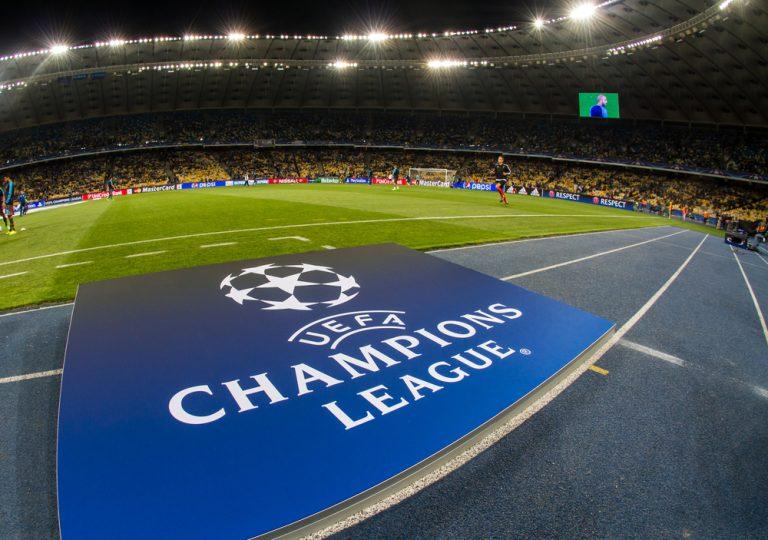
Deloitte has reported that the European football market is worth a staggering £22 billion (€25.5 billion). We provide some of the most exciting financial insights of each 2018/19 UEFA Champions League group after yesterday’s draw.
Forbes has ranked the value of each team based on their enterprise value (equity plus net debt) based on current stadium deal (unless new stadium is pending). This ranking has been used to inform the information below.
Group A: Atlético Madrid, Dortmund, Monaco, Club Brugge
Atlético Madrid and Dortmund are possibly the most exciting teams in this group.
The third most successful Spanish football club, Atlético, has a calculated team value of €720 million. The club’s major sponsors include CaixaBank and the online betting brand Bwin.
However, the top tier German football club, Dortmund, has a calculated team value of €765 million. The German team shares the same sponsor as Atlético, Bwin. In the past year, Dortmund have had a 12% value change.
Monaco and Club Brugge fail to make Forbes’ ranking of the top 20 richest European clubs.
Group B: Barcelona, Tottenham, PSV, Inter Milan
PSV is the only team in this group that fails to be ranked among the top 20. Currently, Barcelona is ranked third richest European club. The team is valued at €3.5 billion. The club’s most prestigious player and captain, Lionel Messi, takes home $111 million ($84 million in salary and $27 million in endorsements). Ranked tenth by Forbes, Tottenham Hotspur has a team value of £917 million. The club have recently invested in a new 62,062-seat stadium which should see them enter a new era of financial success. The new stadium is part of the Northumberland Development Project. The project also includes 579 new homes, a 180-room hotel, a local community health center, an extreme sports facility, as well as the Lilywhite House, which contains a Sainsbury’s supermarket, a sixth form college and the club’s headquarters. The project is a plan to regenerate the entire area. Almost at the bottom of the ranking lies Inter Milan with a team value of €515 million. Interestingly, over the past two seasons the club’s commercial revenue has nearly tripled.Group C: PSG, Napoli, Liverpool, Red Star Belgrade
Similar to Group B, all but one team make Forbes’ top 20, Red Star Belgrade. Premier League club, Liverpool, has a team worth of £1.4 billion. The club’s revenue has almost doubled since 2010. Interestingly, the team’s sponsors include Carlsberg and fashion New Balance. After the sponsorship of Liverpool’s kit, New Balance have begun to move themselves into the sports clothing market. Next, the French football club PSG has a team value of €825 million. The team have recently signed the prestigious Italian goalkeeper, and free agent, Gianluigi Buffon. This is following the end of his 17-year stay with Italian club Juventus. Finally for Group C is Napoli with a team value of €400 million. The Italian club has seen a 24% change in their value in the past year. They are one of the few Italian clubs with no long-term debt.Group D: Lokomotiv Moscow, Porto, Schalke 04, Galatasaray
The only team in this group to make Forbes’ top 20 is Schalke 04. The German club have a team value of €600 million.Group E: Bayern, AEK, Ajax, Benfica
Similar to Group D, only one team is ranked among the top 20, Bayern Munich. The German club is ranked fourth with a team worth of €2.6 billion. The team generated an astonishing $374 million in commercial revenue which is the most in football. Interestingly, the German league Bundesliga has the highest average stadium attendance worldwide. Bayern Munich is the most successful club in German football history having won 28 national titles and 18 national cups.Group F: Man. City, Shakhtar Donetsk, Lyon, Hoffenheim
Man. City is the only Group F club to be ranked in the Forbes top 20. The Premier League club has a team value of £1.8 billion. The club has seen a value change of 19% in the last year. In 2016-17, Deloitte ranked the team as having the fifth highest revenue in football at €527.7 million.Group G: Real Madrid, Roma, CSKA Moscow, Plzeň
Ranked second in Europe, Real Madrid has a team value of €3.5 billion. Driven by the club’s historic Champions League success, Real Madrid’s revenue has increased annually by an average of 11% since 2000. In July, the Spanish club agreed on a £99.2 million deal with Juventus for reigning Ballon d’Or winner Cristiano Ronaldo. The club currently holds sponsorship deals with several international brands including Adidas, Nivea, Microsoft and Audi.Group H: Juventus, Man. United, Valencia, Young Boys
Man. United is ranked as the team with the highest value at an incredible £3.1 billion and the controlling shareholder is the Glazer family. The club’s value has changed by 12% in the past year. In June 2015, it was ranked the most valuable football brand with an estimate worth of £789 million. The prestigious Italian club Juventus is ranked ninth with a team value of €1.3 billion. Interestingly, Deloitte has reported that the reigning Serie A champions became one of the first ten wealthiest in international football in terms of value, revenue and profit since the mid-1990s. Earlier in July, the club signed Cristiano Ronaldo after agreeing a deal with Real Madrid. This sparked strikes at a Fiat Chrysler plant in Italy after its main investor decided to pay millions of euros on the purchase of a player whilst workers were making economic sacrifices. Juventus remains Italy’s richest football club and has seen a value change of 17% in the past year.Restaurant Group shares rise 5pc despite fall in sales

Shares in the Restaurant Group climbed over five percent in morning trading despite a fall in sales.
The owner of Frankie & Benny’s and Chiquito reported a fall in total sales by 2.1 percent to £326.1 million in the six months to July 1 from £333.1 million this time last year.
The Restaurant Group said that results did not meet analysts expectations due to adverse weather conditions. With the best from the east hitting early in the year, customers were kept from restaurants. Similarly, the heat wave and World Cup meant the UK spent more time in pubs rather than restaurants.
The group said they are confident in delivering an adjusted pre-tax profit outcome for the full year.
“The first half of 2018 has been very challenging with a perfect storm of events; extreme weather patterns, the World Cup and continued structural challenges,” said the broker, Liberum.
“Despite this, the group continues to transform as it invests heavily in digital and new concepts as it targets more favourable structural channels.”
“The reshaping of the business is taking hold,” analysts added, who issued a “buy” recommendation.
In order to bring down costs next year, the group said it is planning on close poor performing restaurants.
The group is also planning to expand its pubs and concession business. Having acquired Ribble Valley Inns Ltd and Food & Fuel Ltd, the company hopes to open at least 39 new sites in 2018. In 2019, the plan is to open between 10 and 15 units.
Several dining chains, including Carluccio’s, Jamie’s Italian, Prezzo and Byron have called in administrators or been forced to cut the number of sites and jobs in 2018.
Shares in the group (LON: RTN) are trading up 5.89 percent at 291,40 (1311GMT).
Theresa May to raise plastic bag charge to 10p
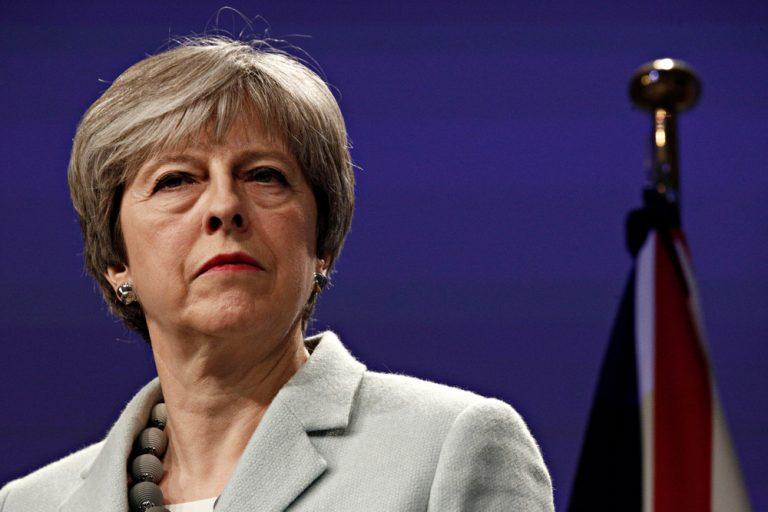
Theresa May has announced plans to double the cost of plastic carrier bags to 10p.
The prime minister hopes to make the changes, which will be applied to all retailers, in order to significantly reduce plastic consumption.
“We have taken huge strides to improve the environment, and the charge on plastic bags in supermarkets and big retailers has demonstrated the difference we can achieve by making small changes to our everyday habits,” said May.
“I want to leave a greener, healthier environment for future generations, but with plastic in the sea still set to treble we know we need to do more to better protect our oceans and eliminate this harmful waste.”
According to reports, Philip Hammond is unhappy with the proposed changes.
A Treasury source said that increasing the charge to 10p looks like “profiteering” and would leave consumers feeling “hammered”.
The money raised from the plastic bag tax is not a tax so does not go to the government. Instead, retailers are expected to give the money raised to good causes.
A Plastic Planet, an environmental campaign group, said increasing pressure on consumers was not the right approach to cut down on plastic.
Sian Sutherland, the group’s founder, said: “This levy increase unfairly targets consumers while major brands continue to force plastic upon them. The government needs to shift its focus on to them if it is to become a world leader in tackling the plastic problem.”
Since the 5p fee was introduced in October 2015, 13 billion plastic bags have been taken out of circulation.
For the UK’s international collaboration, May also announced £61 million in UK aid money to boost global research and help countries stop plastic waste from entering the oceans.
The UK government will give an extra £5 million in funding to assist CCOA countries taking action on plastic pollution.
CMA takes legal action against Viagogo
The Competition and Markets Authority has taken legal action against ticket seller Viagogo.
The competition watchdog has said the ticket sale website is breaching consumer protection law and consistently failing to change their practices.
“People who buy tickets on websites like Viagogo must be given all the information they are entitled to. It’s imperative they know key facts, including what seat they will get and whether there is a risk they might not actually get into the event, before parting with their hard-earned money,” said Andrea Coscelli, the CMA’s Chief Executive Officer.
“This applies to Viagogo as much as it does to any other secondary ticketing website. Unfortunately, while other businesses have agreed to overhaul their sites to ensure they respect the law, Viagogo has not. We will now be pursuing action through the courts to ensure that they comply with the law.”
Viagogo is a controversial platform that has been previously criticized.
The UK Trading Standards launched an investigation into the company earlier this year, with the digital minister Margot James saying that “they are the worst”.
The CMA said the breaches to the law meant that customers would face several risks including being given misleading information about the availability and popularity of tickets, not being informed which seat in the venue they will get or not being told if there is a risk that they will be turned away at the door.
The group has been criticised by the music industry, fans and ministers, who have called for a boycott on the website.
This latest attack to the website comes less than a week before Viagogo’s senior executives will appear before the digital, culture, media and sport select committee.
Ticketmaster UK recently shut its resale websites, which left Viagogo and StubHub as the only major sites in the ticket resale market.
Whitbread sells Costa Coffee to Coca Cola in £3.9bn deal, shares rise 17pc
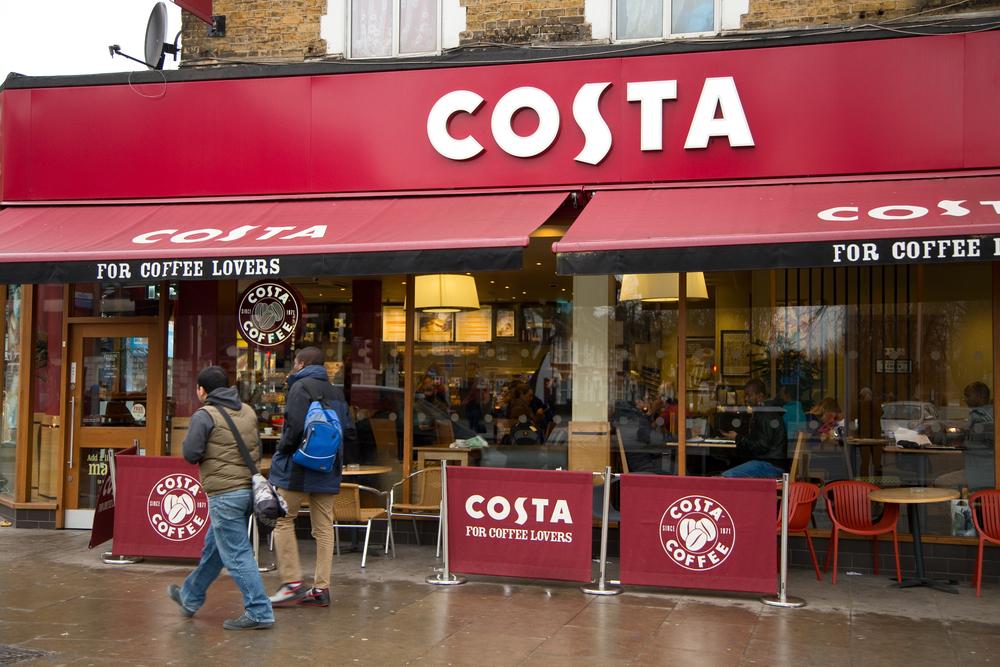
Whitbread (LON: WTB) has announced that it is selling the Costa coffee chain to Coca-Cola (NYSE: KO) in a £3.9 billion deal.
Following the sale, Whitbread will focus more heavily on Premier Inn chain of hotels in the UK and Germany.
“This is one of those beautiful moments where everybody is a winner. This is a significant premium than what could have been created by spinning it off alone,” said the Whitbread chief executive Alison Brittain.
“This transaction is great news for shareholders as it recognises the strategic value we have developed in the Costa brand and its international growth potential and accelerates the realisation of value for shareholders in cash,” she added.
“You could see Costa absolutely everywhere, in vending machines, hotels, restaurants, pubs, cafes – in all the places you see Coke today.”
News of the deal sent shares in Whitbread soaring 17.3 percent to £47.17 in early trade.
Costa Coffee is the UK’s biggest coffee chain and has 2,400 shops in the UK, as well as a further 1,400 outlets in 31 countries.
Whitbread bought the group in 1995 when it had just 39 outlets for just £19 million.
The group announced earlier this year that it was planning to spin off its Costa Coffee branch.
Nicholas Hyett, an equity analyst at Hargreaves Lansdown, said the deal is “a bitter-sweet moment for Whitbread investors”.
“On the one hand, £3.9 billion is an undeniably rich valuation and likely far better than Costa could achieve as an independently listed company, valuing its earnings higher than those of the mighty Starbucks,” he said.
“On the other, Costa has long been the jewel in Whitbread’s crown and some will be sad to see it go at any price, especially given the growth potential in China and elsewhere,” he added.
The deal is expected to be completed in the first half of next year.
Apple shares rally amid speculation of new iPhone reveal
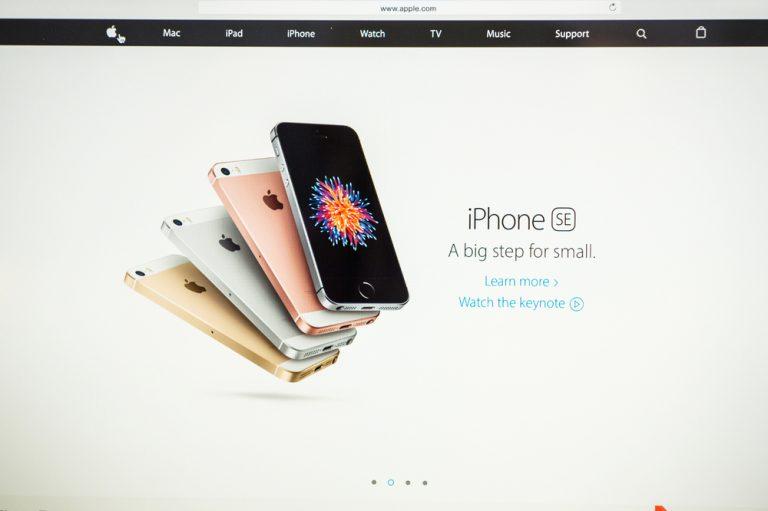
Shares in Apple hit $228 following speculation the tech giant will reveal its latest iPhone in September.
The group announced plans to host an event at its Cupertino campus on September 12, resulting in shares to increase to almost $228 each.
Apple often unveils its new iPhone models in the second week of September, with sales starting a few weeks after.
At the event in September, Apple is expected to unveil three new iPhone models, a new Apple Watch and upgraded iPad tablets.
The reveal will take place in the Steve Jobs Theatre, in the grounds of its headquarters, at 10 am Pacific Time – 6 pm in the UK.
Apple recently became the world’s first trillion-dollar company. The group hit a $1 trillion market capitalisation 42 years after it was founded.
The group achieved profits of $11.5 billion in three months due to record sales that hit $53.3 billion, pushing shares of the iPhone giant higher.
“Growth was strong all around the world,” said Apple’s finance chief, Luca Maestri.
The tech website 9to5 has said about the new iPhone: “We believe that the new 5.8-inch and 6.5-inch iPhones will both be called iPhone XS. We also believe iPhone XS will come in a new gold color option not previously offered on the new design. Apple leaked its own gold version of the iPhone X through the FCC, but it has not been available to purchase.”
“Other details are still to be determined, but we can report with certainty that iPhone XS will be the name, the OLED model will come in two sizes including a larger version, and each will be offered in gold for the first time.”
Shares in the group closed up 0.92 percent trading at 225,03.