Cameron to back Brexit if the public vote for it – but it is not the “right answer”

0

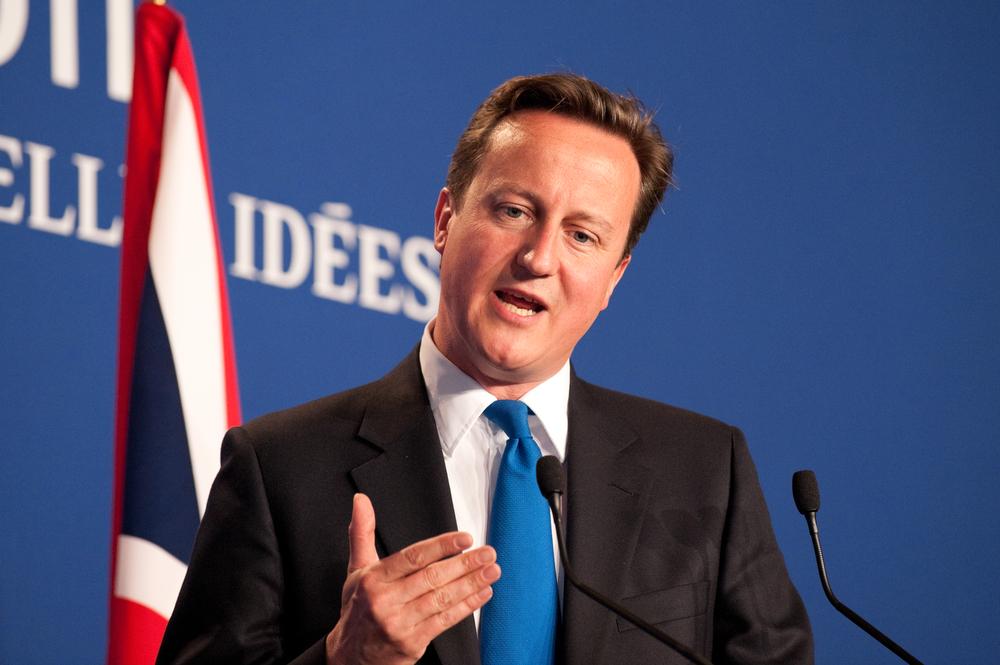
David Cameron has said that he does not think it is the “right answer” for Britain to leave the EU, but his priority is to hold a referendum and “abide by what the British public say”.

In an interview on the Andrew Marr Show over the weekend, Cameron confirmed that he is “hopeful” of reaching a deal with European leaders next month which will renegotiate Britain’s relationship with Europe. A referendum will then be held on the subject in 2017.

Cameron said that he hopes that voters will back Britain staying in Europe if new terms are reached; however, an opinion poll released on Thursday showed that a majority of Britons would vote to leave the EU. So far, Cameron’s attempts to renegotiate the terms of the UK’s membership of Europe have been met with opposition from European leaders. His four main points include economic security for those not in the Euro, a reduction in excessive European regulation, restrictions on the benefits offered to migrants from the EU and giving the UK parliament greater powers to block EU legislation. Unfortunately, these four points are all major elements of being in the Eurozone. Essentially what Cameron wants is to extract the UK from all obligations towards Europe, but retain access to all the benefits – which, understandably, is likely to be met with opposition from other member countries. Whilst Cameron has pointed out that a few countries, such as Switzerland and Norway, have a hands-off membership of the European Economic Area, they still have to comply with obligations without the benefits of getting a say in what regulations are made – an unenviable future for the UK.
Miranda Wadham on 11/01/2016

Shell-BG deal hit by opposition as key investor votes no

0

One of Royal Dutch Shell’s (LON:RDSA) key investors has spoken out against their proposed takeover of BG Group (LON:BG), as oil prices continue to fall and cast further doubt on the financial benefits of the deal.

David Cumming, head of equities at Standard Life, well-known for having a sceptical view on the deal, said: “We have concluded that the proposed terms of the acquisition of BG are value destructive for Shell shareholders. This view is based on the downside risks to Shell’s oil price assumptions plus the tax and operational risks surrounding BG’s Brazilian asset base. Consequently we shall vote against the deal.” He has confirmed that he will oppose the deal when it goes to a shareholder vote later this month. However, Shell remains confident that they have enough support to win the vote, with a spokesman saying: “We continue to believe we have the broad base of shareholder support we need for the deal to complete.” The price of oil has fallen over 50 percent since the deal first surfaced back in April, from $65 to $33 currently, making the tie-up between the two companies look far less appealing. The terms agreed by Shell – 383p in cash, plus shares currently worth 665p – has meant that in the current climate, Shell is arguably over-paying for BG. Concern about this has led to a massive drop in Shell’s share price over the last couple of months, falling around 25 percent since July. The Shell board need a majority of its shareholders and 75% of BG investors to back the deal for it to go through. Shell is currently trading down 0.87 percent, with BG down 1.28 percent (1052GMT).
11/01/2016

Asda steps up price war against Big Four rivals

0
Walmart-owned chain Asda has predicted another gloomy year for the Big Four supermarkets, and announced plans to spend a further £500 million on a price war with its rivals. In a statement released over the weekend, CEO Andy Clarke confirmed that 2016 would be “another year of intense pressure” for supermarkets, and warned that “radical action”would be taken to compete with budget rivals Lidl and Aldi. On top of the £1 billion investment into cutting prices that Asda announced in 2013, another £500 million will be put aside to increase competition in 2016. Britain’s Big Four supermarkets have had a difficult time of late, all losing out to independent stores and budget rivals. Clarke described the change as “a global phenomenon”, saying that “We saw the change coming and responded in 2013, but we didn’t move fast enough.” The announcement comes just ahead of a big week for supermarkets, most of which will announce their post-Christmas trading updates later this week.
11/01/2015

Fresh concerns for China as market closes down five percent

0

China has led global economies into another bad week, with the Shanghai Composite closing down over five percent on Monday.

This is the beginning of a second consecutive week of instability in China, which last week saw trading suspended twice as a circuit breaker mechanism designed to curb volatility came into effect. That mechanism was suspended on Friday, boosting investor sentiment.

Hong Kong’s Hang Seng index closed down 2.8 percent, with the Nikkei also down 0.39 percent. Europe started the day on the back foot, with all the main indexes down. However, the DAX and the FTSE have both regained ground, with the latter now trading up 0.17 percent.
11/01/2016

Profile: Zhou Xiaochuan, controversial governor of China’s central bank

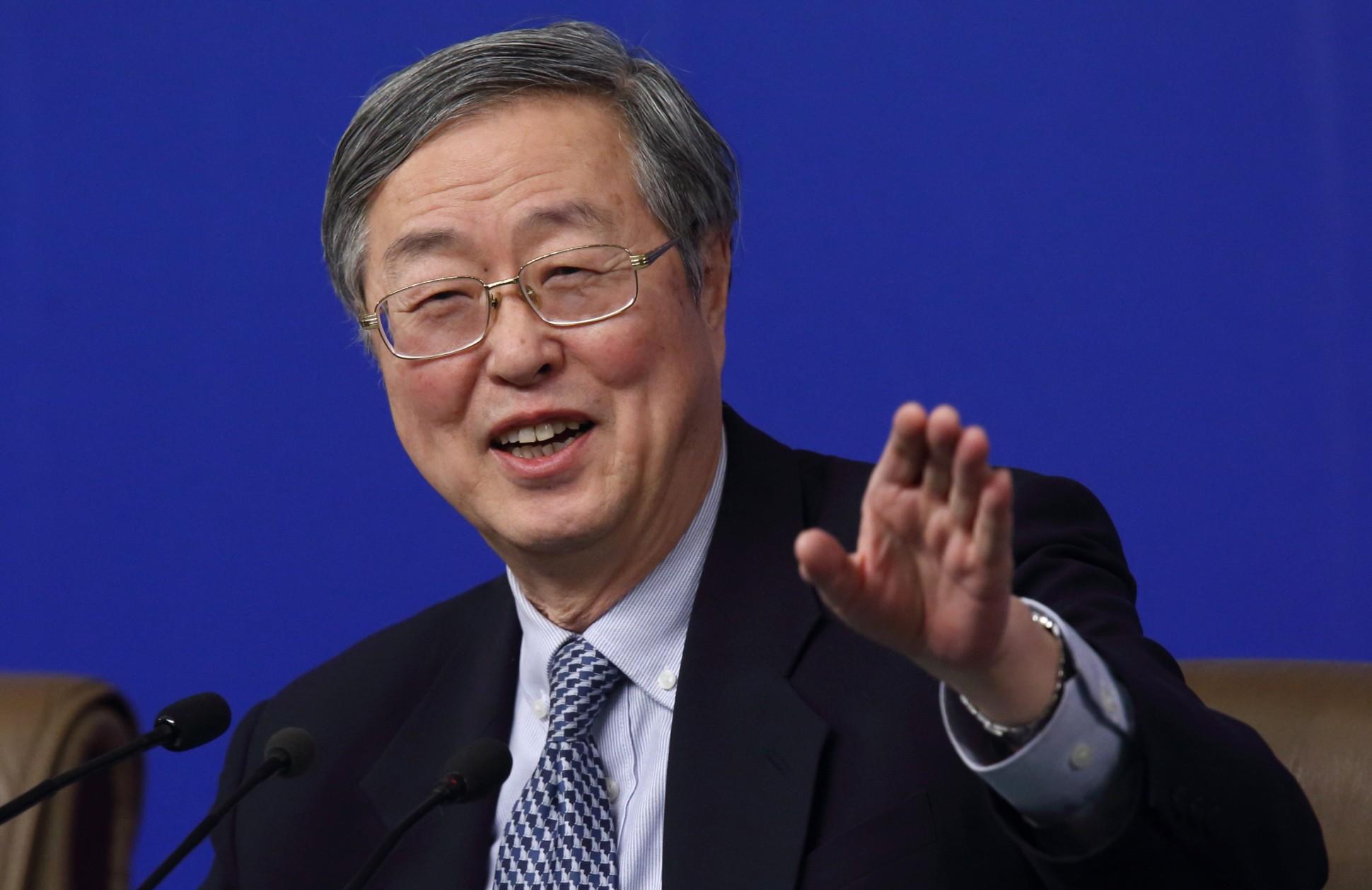
Born in 1948, Zhou Xiaochuan has come a long way from the rebellious teenager on a state farm during China’s Cultural Revolution; he is now the country’s longest serving, and arguably most radical, governor of the Chinese central bank. It may be a new year, but all eyes are still on China – another shock devalution of the yuan earlier this week caused turmoil on markets globally. And Zhou Xiaochuan is the man behind the news – quietly recommending free-market economic policy to the State Councils that control Communist China. The son of a an early Communist leader persecuted by the government then in power, Zhou was sent to a state farm for difficult teenagers in 1968, where he defied the powers that be by listening to banned classical music. His luck changed when President Jiang Zemin, a former protégé of his father, came to power in 1989 – and his career began to take off. Xiaochuan landed a string of jobs in the upper echelons of China’s finance sector, from the president of China Construction Bank to the head of of the China Securities Regulatory Commission. His career has several impressive milestones; over-hauling the state-owned banks to encourage a more competitive market and persuading Beijing to devalue the yuan, paving the way for a free-floating currency that can challenge the US dollar, to name just a few. Since 2002, Zhou has has served as the governor of the People’s Bank of China, but success rarely comes easily; over the years, he has been heavily criticised for ‘selling out to foreigners’, in the case of the modification of the state banks, and for disagreeing with the huge economic stimulus plan ordered in 2008 by Premier Wen Jiabao. Rumours have been abound that his time as head of the Bank may soon be over; however, he has so far outlived three administrations and his reign looks set to continue for a while longer. Throughout his time as head of the central bank, Zhou has consistently pushed for a freer, globalized currency and is almost solely responsible for the rising international use of the yuan since 2005. Amongst friends and peers, he is well known for his excellent English, love of tennis and ability to mix easily with global economic figures. Over the last couple of months, however, China has been on something of a downward spiral – arguably, it is now that Zhou’s skills as an economic leader will be truly put to the test.
Miranda Wadham on 08/01/2016

Sports Direct shares drop after Christmas sales slump

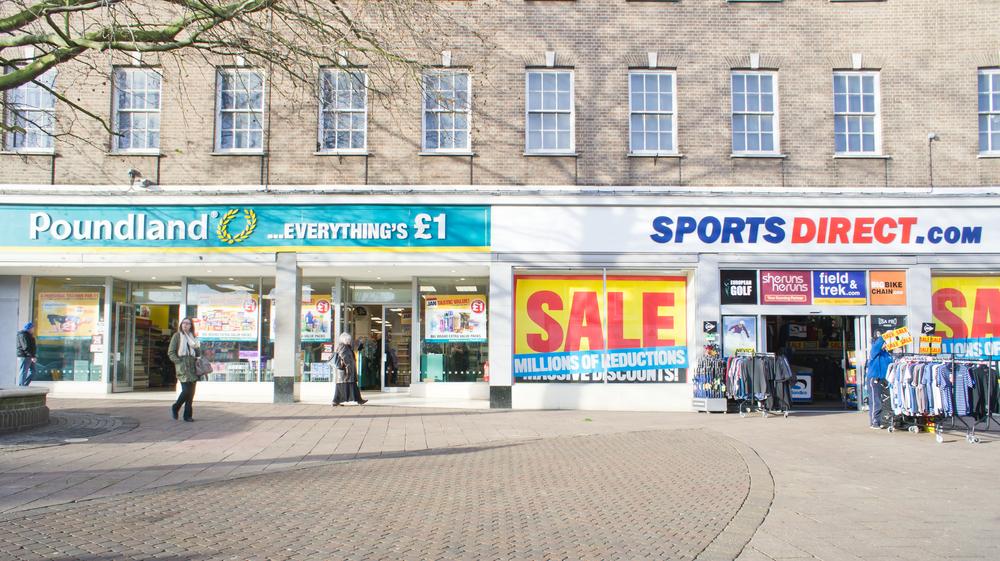
Sports Direct (LON:SPD) have seen shares plummet over 15 percent today, after disappointing sales in the run-up to Christmas led to the issuance of a profit warning. The company said in a statement that they were unsure whether they would be able to hit their adjusted earnings target of £420 million and lowering the expectation to between £380 and £420 million. They have been the latest in a string of companies to blame the unseasonably warm weather for a decline in sales, with both Next and Marks and Spencer citing the same reason for disappointing Christmas figures. Arguably, however, Sports Direct are less likely to have seen a decline in sales due to the weather, with their primary offering being sports clothing and footwear. In comparison, rival JD Sports adjusted their profit expectations for 2015 upwards by £10 million in December. Sports Direct stock has fallen by a quarter in the last month, with over £400 million wiped off today. It is currently trading down 15.49 percent at 432.70 (1401GMT).
08/01/2016

US non farm payroll figure shocks at 292,000

0
The latest US jobs data has just been released, with the non farm payroll figure coming in at 292,000. This is a huge advance on November’s figure of 211,000 and well above Bloomberg analysts’ expectations, which stood at 200,000. Unemployment rates were unchanged 5 percent. This is the first non farm payroll figure since the US Federal Reserve raised interest rates at their meeting in December, and such a positive figure may well encourage another rate rise within the next few months.
08/01/2016

For better or worse: economic forecast for 2016

A week into 2016 and the financial markets are off to a less than prosperous start; two trading suspensions on the Chinese markets, the halting of diplomatic relations between two major oil producers and a spate of negative trading updates have done nothing to elevate investor sentiment. But is this gloomy outlook it for the year, or is there a chance to turn it around? China is one of the biggest influences on the global economy, and according to Dafydd Davies, partner at Charles Hanover Investments, the forecast isn’t looking good: “Structural changes in China are likely to be the most detrimental factor for equity markets, although not so much the fundamental changes themselves but negative sentiment they create.” China have implemented several changes since crises over the summer of last year sent markets plunging – including several devaluations of the yuan and the perhaps ill-advised decision to bring in a ‘circuit-breaker’, designed to suspend the markets should they fall over 7 percent. What is certain is that Beijing’s attempts to control volatility in the markets will continue, with uncertain consequences. The oil sector’s start to 2016 wasn’t much better than China’s – prices hit 11-year lows at the beginning of the week after Saudi Arabia’s execution of a prominent Shia clerk caused Iran to cut diplomatic ties. Exacerbated tension between the two countries makes a much-needed agreement to curb output look more and more unlikely. Dafydd Davies comments: “With the $30 mark fast approaching, we expect to see some capitulation over the coming months as Western producers have to keep producing to pay debt, and Middle Eastern producers continue to support government spending.” Looking towards the UK, the biggest issue on the country’s agenda is the much-anticipated interest rate rise. Now that the Federal Reserve have taken the plunge and raised rates, the pressure is increasing on Bank of England chief Mark Carney to do the same. However he has repeatedly made it clear that the UK is in no hurry to follow suit – and with a strong of disappointing economic data, it seems unlikely rates will be raised until at least early 2017.
Miranda Wadham on 08/01/2016

FedEx, TNT receive merger approval from the EU

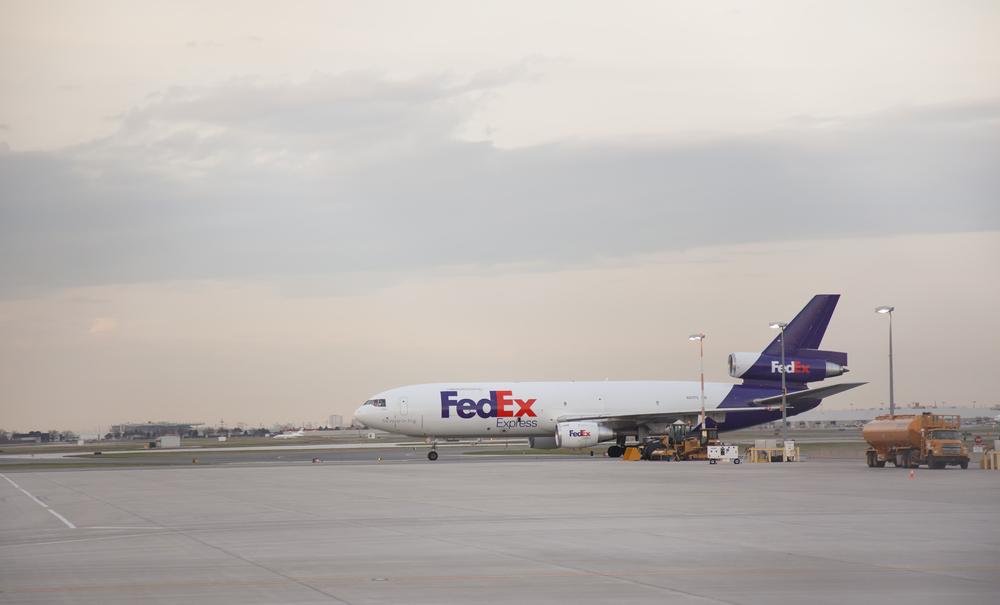
Couriers FedEx (NYSE:FDX) and TNT Express (AMS:TNT) have received unconditional approval for a merger from the European Commission, who concluded that the deal would not present any competition concerns. The companies announced the merger back in April last year, stating that FedEx intended to buy TNT for 4.4 billion euro to expand their business in the European market. With approval from the European Commission to proceed obtained, all that remains is clearance from remaining jurisdictions including Brazil and China. FedEx said in a statement that they expected the offer to complete in the first half of 2016. “We are extremely pleased to receive the European Commission’s unconditional approval,” said David Binks, Regional President Europe, FedEx Express. “We believe the combination of TNT Express and FedEx will provide significant value to the employees, customers and shareholders of both companies.” Investors have reacted negatively to the news, with FedEx currently trading down 4.37 percent in after hours trading. (1100GMT). The combined company would become Europe’s second largest courier, coming in just behind Dutch DHL.
08/01/2016

Tesco shares soar on positive recommendation

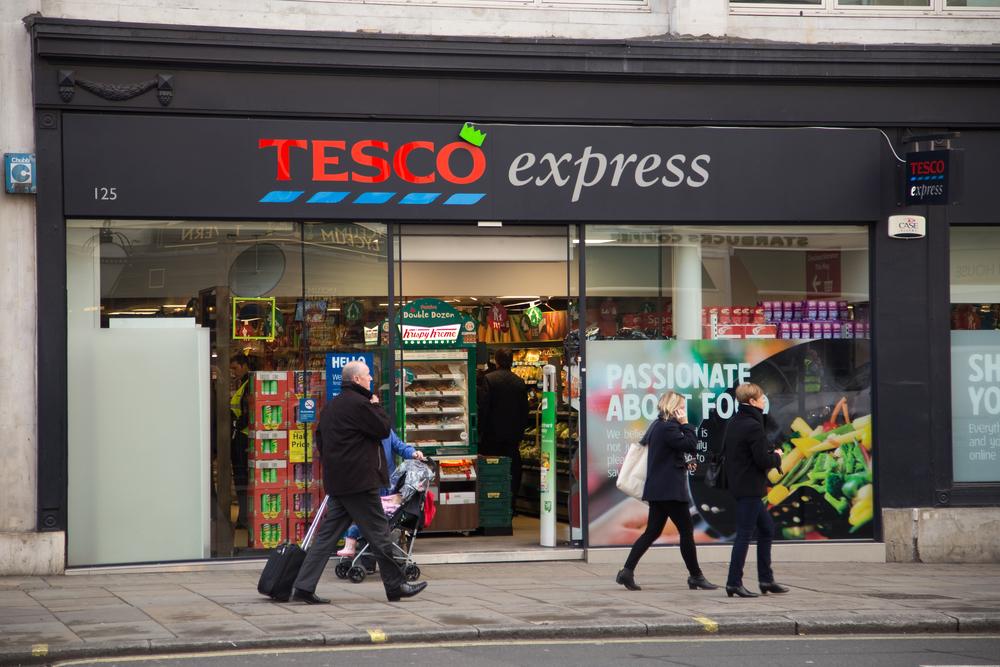
Big Four supermarket Tesco (LON:TSCO) is one of the biggest risers on the FTSE 100 this morning, gaining over 5 percent after a positive note from Barclays raised its recommendation. Whilst giving a nod to the difficulties facing the supermarket sector currently, analyst James Anstead said the near future for Tesco looked positive: “We think recent share price underperformance has left Tesco’s valuation at attractive levels, although we remain conscious of the numerous headwinds facing the UK food retail market. “Additionally, we tend to think that the upcoming trading statement (14 January) may be less worrisome than the market’s worst fears. Consequently we upgrade our stock rating to overweight (from equal weight), and our price target (reduced to £1.90 from £2.25, based on an average of discounted cash flow and sum of the parts valuations) still gives a 34% upside potential.” Britain’s supemarkets have been facing difficulties over the last couple of years, with increased competition from budget chains such as Lidl and Aldi causing a spate of disappointing results. A positive note from Barclays indicates that 2016 may be a more positive year for Tesco, which is currently trading up 4.67 percent at 145.70 (1026GMT). Their next set of results which covers Christmas trading is due for release on the 14th January, and will shed further light on the overall performance of the company.
08/01/2016