
08/06/2016
Morning Round-Up: Strong Japan growth, Sainsbury’s falls, UK hiring slows

Strong growth for Japan; disappointing figures from China
Japan’s economic growth was revised higher on Wednesday, expanding to an annual rate of 1.9 percent in the first quarter of this year.
The figure had been revised up from an initial estimate of 1.7 percent, below analysts’ expectations. Japan has struggled to grow its economy over the last few years, with stimulus measures put in place by Prime Minister Shinzo Abe having little effect.
After an initial fall, the Nikkei 225 bounced 0.9 percent on the news.
Elsewhere in China, however, markets were mixed after Chinese exports fell 4.1 percent in May. Imports also dropped 0.4 percent, sending both the Shanghai Composite and the Hang Seng down.
Sainsbury’s sales figures fall
Sainsbury’s has been hit again by disappointing growth in the supermarket sector, reporting a 0.8 percent drop in quarterly sales on Wednesday.
The figure came as a step down from the 0.1 percent growth seen in the fourth quarter of last year, with many hoping the tough supermarket sector was beginning to show improvement. However, alongside their most recent results, Sainsbury’s warned that it did not expect market conditions to improve any time soon.
“Market conditions remain challenging. Food price deflation continues to impact our sales and pressures on pricing mean the market will remain competitive for the foreseeable future,” said CEO Mike Coupe.
UK hiring slows as referendum worries weigh
The upcoming referendum vote impacted upon UK hiring in May, according to the latest figures from the Recruitment and Employment Confederation.
Worries over the 23rd June EU referendum are influencing businesses when deciding whether to hire and expand in case of a negative impact from Brexit. Starting salaries for permanent staff rose at the weakest rate since October 2013, and expenditure on hiring for temporary staff also fell.
British firms created 44,000 jobs in the first quarter of this year, a big step down from the 195,000 in the last three months of 2015.
Tullet Prebon ‘s take over of ICAP to face scrutiny from CMA
Today the Competition and Markets Authority (CMA) announced that as a result of ‘potential concerns’ over the voice/hybrid broking of oil products, the latest move made by Tullet Prebon plc (LON: TLPR) to take over ICAP plc (LON: IAP) will undergo a phase 2 ‘in-depth’ investigation by a group of independent CMA panel members.
Tullet’s move would see the company become of the world’s largest Inter-Dealer Broking firm where it would act as an intermediary between major dealers to forward inter-dealer trades. The move would see Tullet open to the movement of assets such as foreign exchange markets and crude oil.
The CMA are understood to believe that takeover would create a “substantial lessening of competition” meaning that competition for voice/hybrid oil products will be more limited. The CMA further states that it has received a number of third party complaints.
“Given the potential for this merger to adversely affect customers for voice/hybrid broking of oil products, we think the acquisition warrants an in-depth investigation unless Tullett and ICAP can offer suitable undertakings to address the CMA’s concerns” – Said Andrea Coscelli CMA Executive Director of Markets and Mergers.
Described as a “strong market position” The CMA also noted of its concerns relating to the phase 1 review in accordance to the ‘overlap in voice/hybrid’ sales of oil products, where an estimated revenue of £228 million is thought to be acquired in Europe, the Middle East and Africa.
In Response to the release ICAP said:
“ICAP is confident that clearance from the CMA will be obtained and, together with Tullett Prebon, is in the process of obtaining the necessary remaining regulatory and competition approvals from relevant authorities. The proposed Transaction remains on track to complete later this year”
Tullett and ICAP have until 14 June 2016 to offer undertakings to the CMA.
07/06/2016
BHP Billiton sells coal stake for $120 milllion

BHP Billiton (LON:BLT) is to divest a 75% stake in its Indonesian coal unit IndoMet Coal to PT Alam Tri Abadi for $120 million.
The deal comes at a time when mining companies have started to slow spinning off units considered to be non-core.
A slowdown in China exposed the years of rash spending by mining companies in the boom years leading to major overcapacity when demand from China began to weaken.
BHP Billiton’s recent sale follows the divestment of assets into South 32 last year.
News of the sale came as the port authority in Port Headland, Australia, released data showing exports of iron-ore leaving the port increased 4.5% mom in May.
BHP Billiton along with Fortescue are the largest iron-ore miners in Pilbara region of north-west region of Australia, with much of their ore destined for China, Japan and Korea.
Royal Dutch Shell estimates a $4.5 billion saving

Shares in Royal Dutch Shell rose on Tuesday morning after it announced the tie-up with BG Group would produce higher synergies than previously thought.
The Anglo-Dutch oil and gas supermajor said the deal is likely to achieve $4.5 billion in pre-tax savings in 2018.
Shell have been left with a $70 billion debt pile after the BG merger and management are keen to start reducing this as soon as possible.
“By capping our capital spending in the period to 2020, investing in compelling projects, driving down costs and selling noncore positions, we can reshape Shell into a more focused and more resilient company,” said Shell CEO Ben van Beurden.
Royal Dutch Shell B (LON:RDSB) traded 2.5% higher at 1755p at 10:34 in London trade.
House prices rise in May, activity drops most since 2005.

Average house prices in the UK rose 0.6% in May from the previous month and 9.2% from the same period a year ago.
Halifax housing economist, Marin Ellis pointed towards loose monetary policy and rising wages as the main factors for the increase in house prices.
“Low interest rates, increasing employment and rising real earnings, continue to support housing demand. The strength of demand, combined with very low supply, is causing house prices to rise at a brisk pace in quarterly and annual terms,” said Ellis.
Although the average price of home sales rose, Halifax noted activity in the sector fell significantly in April compared to March. Halifax, citing data from HMRC, said UK sales fell by 45% from March to April, the biggest drop since 2005.
The upcoming Brexit vote can be attributed to the slowdown in housing activity as investors, particularly from overseas, hold off until the uncertainty diminishes.
The nervousness is evident not only in housing sales activity but also in the share prices of home building stocks. Share in Bovis Homes (-3.15%), Berkeley Group (12.65%), Taylor Wimpey (7.19%) and Barratt Developments are all negative year-to-date.
Esure and Go Compare set to de-merge

Esure have announced plans to split off from Go Compare, nearly two years after acquiring full control of the comparison site.
Esure bought the remaining 50 percent of Go Compare for £95 million in December 2016, and has since increased the site’s profits by 20-30 percent and widened its product range. Matthew Crummack, previously CEO of lastminute.com, has been named chief executive as the companies prepare to split.
Esure’s chairman Peter Wood commented: “Now is the right time to review strategic opportunities for the Gocompare.com business, including a potential demerger, in order to continue to maximise value for our shareholders.”
Esure shares jumped 2.05 percent on the news to 288.80, its highest price in three months.
07/06/2016
Morning Round-Up: Asian stocks up on Yellen, Sports Direct questions, city on alert on polling day

Asian stocks up on positive Yellen comments
Asian stocks hit a five-week high on Tuesday following market-calming comments from Federal Reserve chair Janet Yellen.
The Hang Seng closed up 1.40 percent, with the Shanghai Composite and Nikkei 225 following suit, up 0.07 percent and 0.58 percent respectively.
Whilst Yellen admitted that the last set of US jobs data was “disappointing”, she warned against attaching too much significance to the payrolls data in isolation. She continued to say that “positive economic forces have outweighed the negative”, and reaffirmed a gradual rate rise.
Yellen also weighed in on the Brexit debate, saying in her speech on yesterday that a Leave vote could cause “significant economic repercussions”. She confirmed that the central bank would take Brexit into account when deciding whether to raise interest rates.
Sports Direct Mike Ashley faces questions from MPs
The billionaire founder of Sports Direct, Mike Ashley, is due to appear before a Select Committee today in order to “defend the good name of Sports Direct”.
Having previously declined to be questioned by MPs as part of an investigation into the way the company treats its staff, Ashley agreed to face the Business, Innovation and Skills committee later today.
The retailer has been hit by criticism from both the media and politicians in relation to its treatment of workers at Shirebrook warehouse. Sports Direct denies that they effectively pay staff below the national minimum wage by requiring them to queue for security checks on their own time at the end of a shift.
Shares in the company have dropped 37 percent in 2016, falling out of the FTSE 100 index in March.
City banks to work through referendum night
City banks are preparing to work throughout the night on the 23rd of June, in case the EU referendum vote immediately sparks market volatility.
Most major City firms will have teams of experts available through the night to respond to customer queries and demands to move money, with the first exit polls being published at 10pm on polling day likely to have an effect.
As the vote gets closer volatility is already increasing, with sterling slipping on Monday as the most recent poll suggest the UK was ready to leave the UK.
07/06/2016
What could the Brexit vote mean for your investments?

As the vote for the UK’s inclusion in the E.U. draws closer, markets and world leaders are growing nervous. Many figure heads have been condemned for airing their views on how the people of the UK should vote in the referendum, which threatens not only financial stability in the UK but the entire global economy.
Topics covered in the report include:
-
What are the BIG risks?
-
The warnings
-
Which stocks could suffer?
-
What will the impact be on your portfolio
-
Doomsday – Will everyone sell? Will companies pack up and leave?
This report is now publicly available, you can download your copy below:
A copy of this report will be sent to you immediately
Disclaimer
This guide is for information purposes only and Trading and Investment News shall be held responsible for any errors, omissions or inaccuracies within it. Any rules or regulations mentioned within the website are those relevant at the time of publication and may not be the most up-to-date.
Trading and Investment News does not endorse any of the products or services that appear on it or are linked to it and are not liable for any action that you may take as a result of the content of this guide, or losses or damage you may incur doing so.
There is no obligation to purchase anything but, if you decide to do so, you are strongly advised to consult a professional adviser before making any investment decisions. Not all companies or products mentioned in this guide are necessarily regulated by the Financial Ombudsman Service and, as such, you may not have access to statutory or regulatory protections such as the Financial Ombudsman Service and the Financial Services Compensation Scheme.
Please remember that financial investments may rise or fall and past performance does not guarantee future performance in respect of income or capital growth; you may not get back the amount you invested
US only adds 38k jobs in May, lowest since 2013

Non farm payroll figures show that the US has added only 38,000 jobs in May against a consensus of 165,000, the lowest figure since 2013.
Despite the dismal headline figure, the quality of jobs showed signs of improvement; average earnings in the report were up 0.2% to $25.59 and the unemployment rate fell to 4.7%.
In immediate reaction to the release, the FTSE 100 has dropped 20 points and the Euro rose nearly 100 points against the dollar.
Haughton Honey continues to smash crowdfunding target
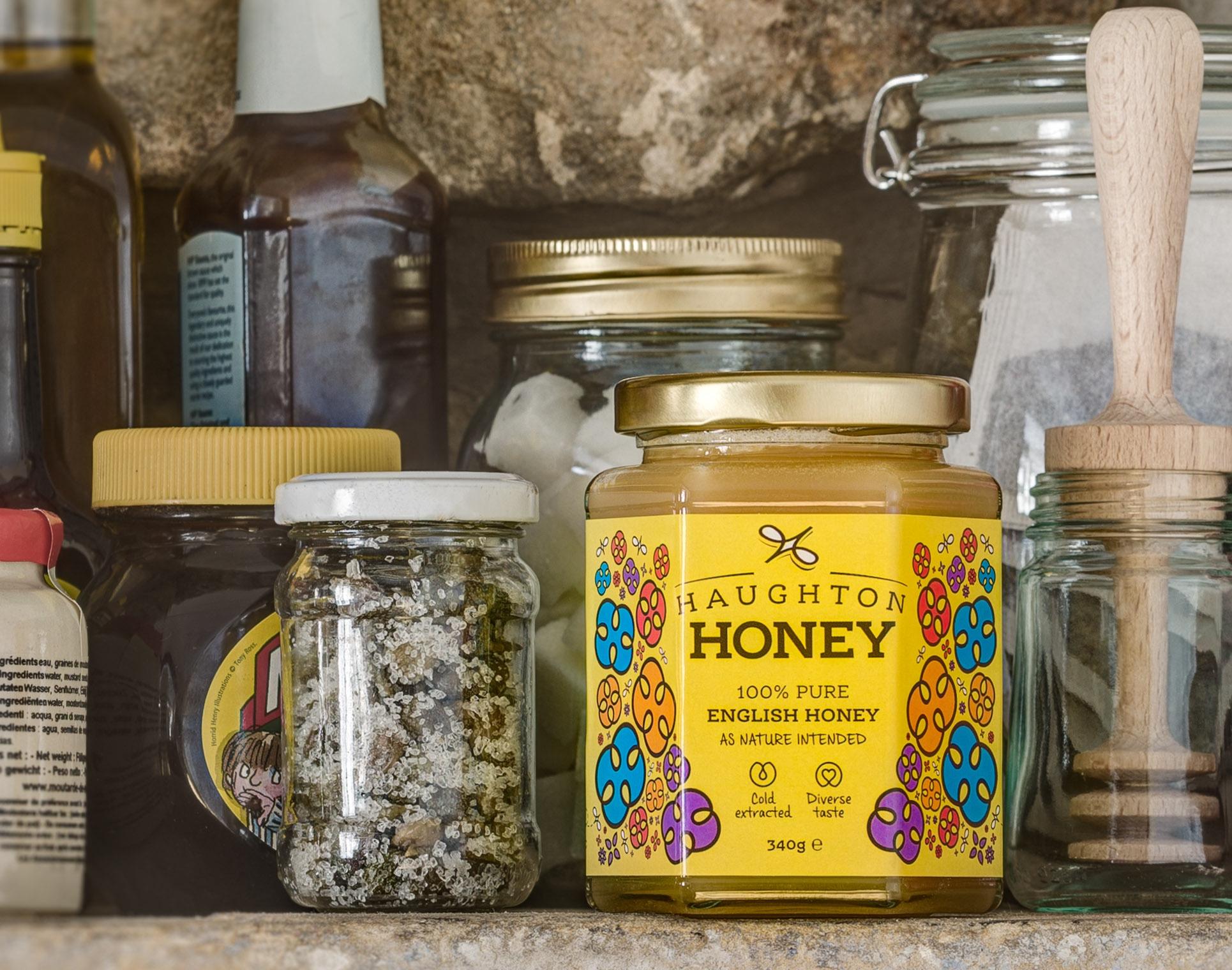
Premium honey brand Haughton Honey has continued to create a buzz with its crowdfunding campaign by smashing through its £80,000 target and collecting more than £112,000 in investments.
Over 200 investors have backed the six-week campaign which was launched to support the next stage in the company’s growth.
Founder Crispin Reeves said: “We’ve got high ambitions for Haughton Honey. Demand for pure, raw honey is growing in the UK and we feel there’s tremendous export potential too.
“I’m thrilled that so many investors have come on board to support us as we continue to expand, and would like to thank everyone who’s got involved. Some 98% of businesses that apply to CrowdCube don’t get selected and of those 2% that do, only half successfully fund.
“It’s been a gruelling four months of due diligence, promotion, meetings, sleepless nights, and answering thousands of queries but we smashed it.”
Some 211 investors swarmed to get a taste of Haughton Honey, with £112,870 in total being invested. The investment pledged to the Cheshire-based company will be used to recruit more bee farmers, expand markets and raise awareness of the brand, which was launched in 2014.
Since 2014, the firm has steadily expanded and recently began supplying the fine food retailer Booths, as well as The Protein Works, a large sports nutrition brand owned by Alliance Boots, which has just launched a co-branded Cashew Nut Butter Luxe product containing Haughton Honey.
The honey is available via more than 80 regional sales outlets across the North West and Midlands, as well as through premium supermarket Booths, which started stocking Haughton Honey at the beginning of April 2016 and which has almost 30 outlets.
During the crowdfunding campaign alone, which was operated through CrowdCube, the company secured eight new independent retailers across the Midlands and East Anglia.
The company, based at Radmore Farm, Haughton, near Tarporley, bottles raw honey which comes straight from the hive, is cold extracted and never pasteurised which means that it retains all of the natural enzymes and proteins that make English honey so special. It is also 100% natural and pure and features traces of dandelion, chestnut, blackberry, clover and other wildflowers.
For more information about Haughton Honey visit www.haughtonhoney.com