Small & Midcap Roundup: ContourGlobal, TI Fluid System, Corcel, Kinovo

0

The UK’s Small & Midcap indices joined European indices in a strong rally with the FTSE 250 trading up 1% to 20,121 and the AIM All-Share index up 0.6% to 961.6 on Tuesday.

FTSE 250

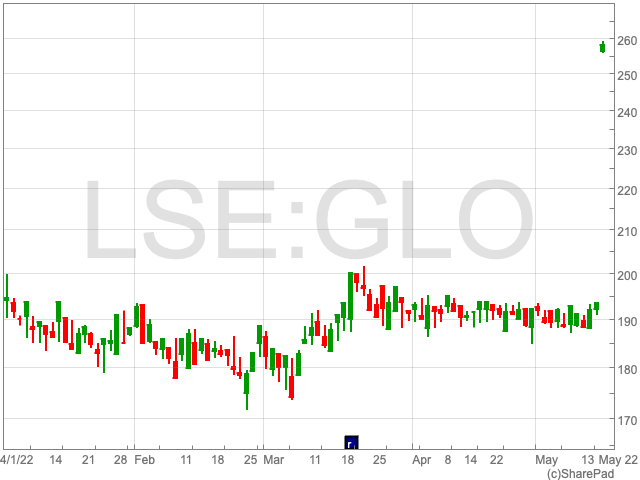
ContourGlobal shares skyrocketed 32.5% to 256p after the group agreed to a £1.75bn takeover bid from Kohlberg Kravis Roberts & Co which is a US private equity firm.

“Power generation business ContourGlobal, which has struggled to gain traction on the stock market after a 2017 IPO, looks set to disappear from London as private equity firm KKR swooped for its portfolio of energy projects from across the world,” says Russ Mould, Investment Director, AJ Bell. 

“With Contour set to recommend the takeover offer, which is pitched at a healthy premium, the deal looks like a fait accompli at this stage.”
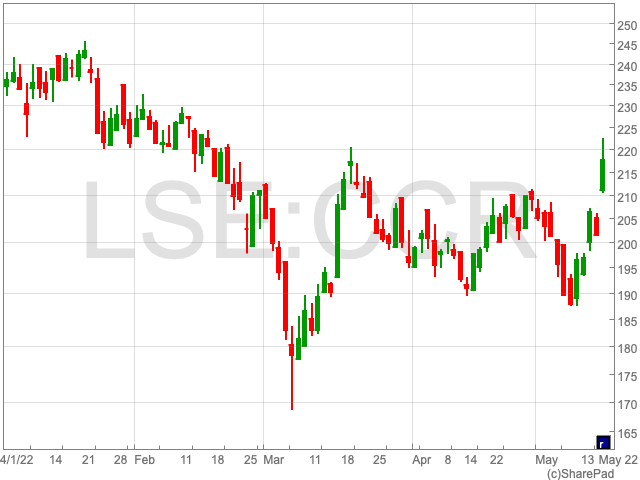
C&C Group shares rose 6.1% to 217.5p following the group’s final results in which it noted a pretax profit of £45.7m compared to a loss of £121.3m in 2021 due to restrictions easing and increased demand for the group’s drinks. C&C recorded a rise in revenue from £1.02bn to £1.79bn in 2022.
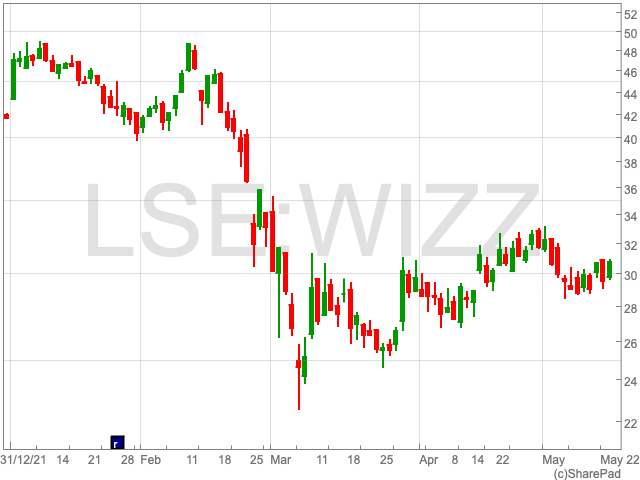
Wizz Air’s shares jumped 4.2% to 3,077p after the company revealed plans to apply to the EU Aviation Safety Agency and the Malta Civil Aviation Directorate for an air operator’s certificate and an operating licence for its Malta subsidiary. Wizz Air Malta, a new airline subsidiary in Malta, is expected to begin operations in October.
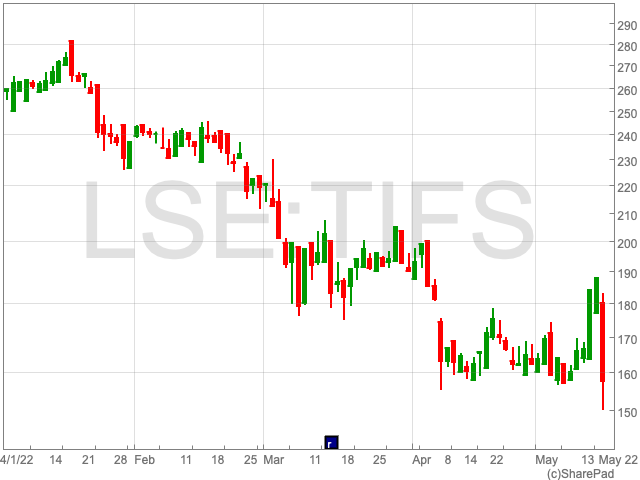
TI Fluid System shares fell 16.2% to 157.6p, following TI Fluid System’s trading update, which stated that margins in the first half of 2022 will be “modestly” lower than H2 2021 due to production problems due to conflicts in Ukraine and lockdowns in China, continued inflation, and a time lag on recoveries. However, the company stated that it expects to outpace revenue in 2021, but it did not indicate how much.
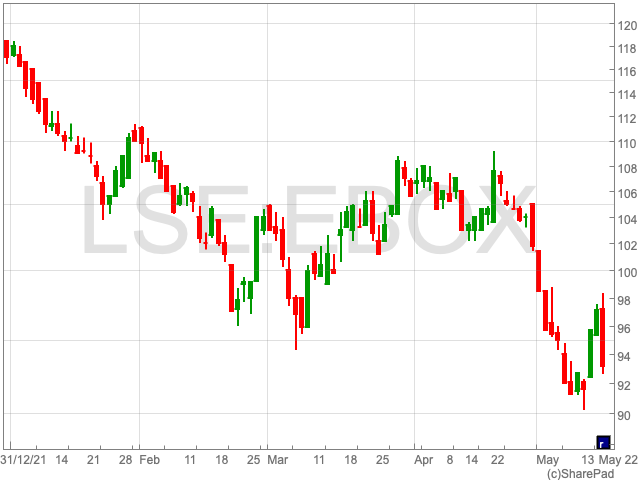
Tritax Eurobox shares fell 4.1% to 93.1p despite the group reporting a “strong” financial performance in H1 2022 due to signing leases on two assets worth €1.3m. The group’s pretax profit more than doubled from €41.2m to €109.2m and rental income rose 42% to €27.6m in 2022.
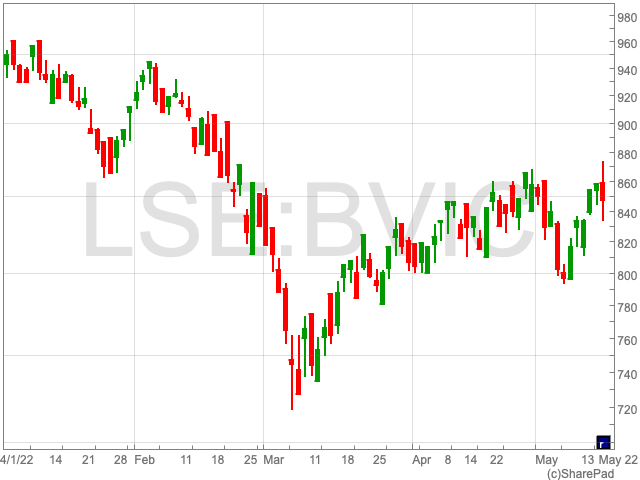
Britvic shares fell 1.1% to 845.5p as the group expects inflationary pressure and changing consumer behaviour to hurt sales in 2022. However, in its half-yearly results, the group noted a “strong” financial performance with a 17% rise in revenue from £617.1m to £719.3m. Britvic’s pretax profit soared 49% to £59.3m from £39.8m in 2021.
AIM All-Share

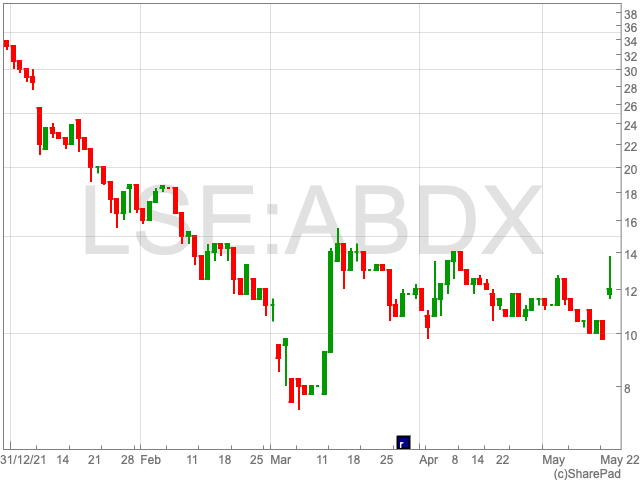
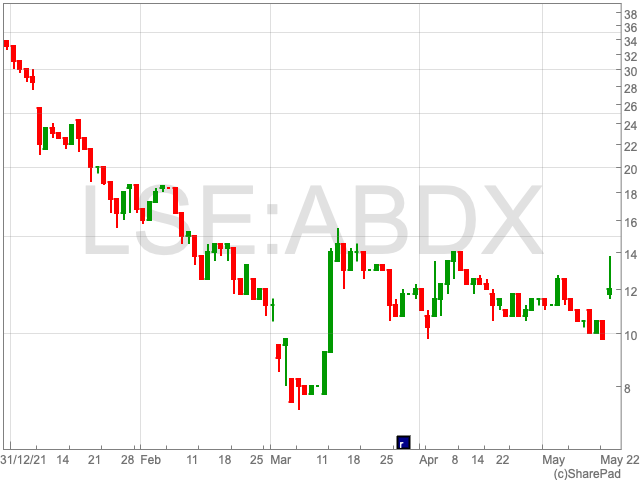
Abingdon Health shares were trading up 20.5% to 11.75p after the group signed a significant European contract with an unnamed European customer for £2.7m, to supply components for a Covid-19 rapid antigen test. The contract is currently for a period of 12 months with the option to extend later.
Corcel shares gained 14.3% to 1.4p following the announcement of the mining company completing its MRE on its Wowo Gap nickel-cobalt project in Papua New Guinea, a project it recently acquired.

The MRE proves Wowo Gap as a deposit of similar size and grade to Mambare, another company project in Papua New Guinea, where the deposit is predicted to contain 110m tonnes at 0.81% nickel for 891,000 tonnes of contained nickel and 0.06% cobalt for 66,000 tonnes of contained cobalt.
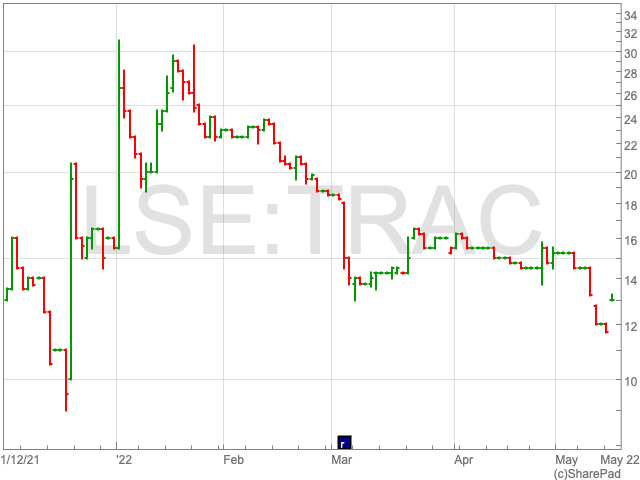
T42 IoT Tracking Solutions saw its shares climb 11.11% to 13p after the security firm for the freight industry announced a commercial order from Olimp Bulgaria, a global leader and exporter of security seals, for its tracking solutions and services.
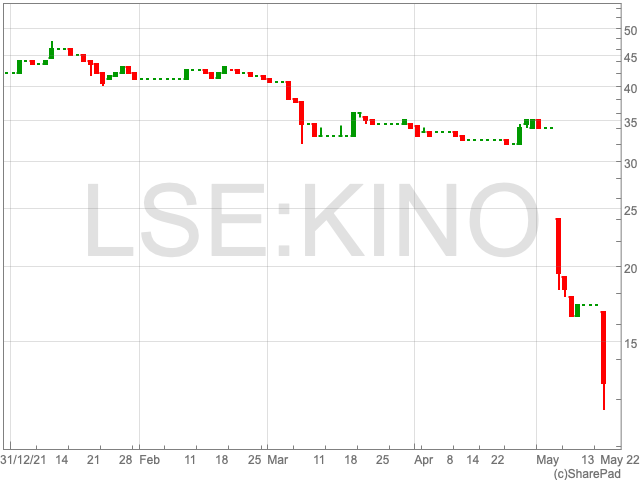
Kinovo shares tanked 26.1% to 12.8p after the property services company announced its subsidiary DCB Kent has engaged two partners of CFS Restructuring as joint administrators. Kinovo is calculating the impact of DCB’s administration based on the funds it has advanced to the subsidiary to sustain its working capital, which is presently £3.7m.
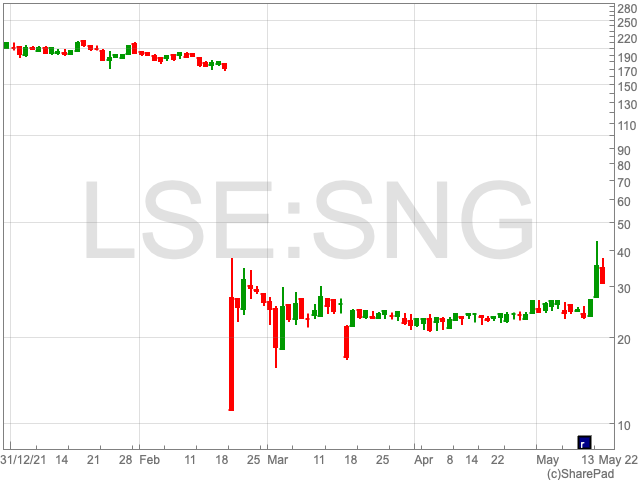
Synairgen shares reversed 13% to 30.4p after the company stated that an analysis revealed higher treatment effects with SNG001 in high-risk patient sub-groups, with major impacts shown in individuals who had clinical evidence of reduced respiratory function on Monday.
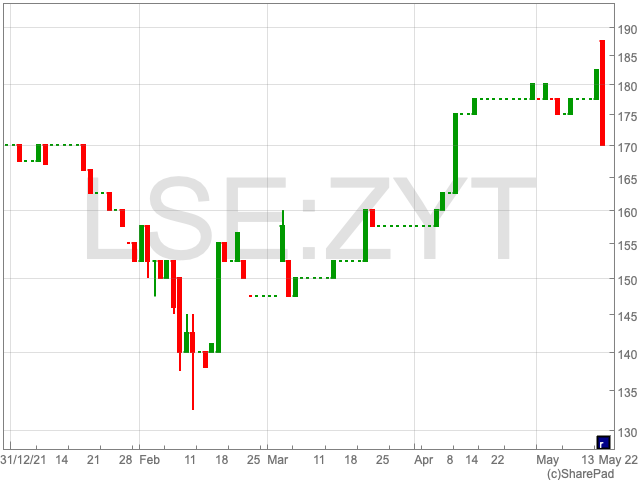
Zytronic shares dropped 6.9% to 170p as the group announced the decision to not pay interim dividend in 2022, which is the same as 2021. However, the group did say they will consider a final dividend. Zytronic recorded a 23% rise in revenue to £5.9m and swung to profits of £399k from losses of £314k in 2022.
Vodafone sees a drop in profits

0

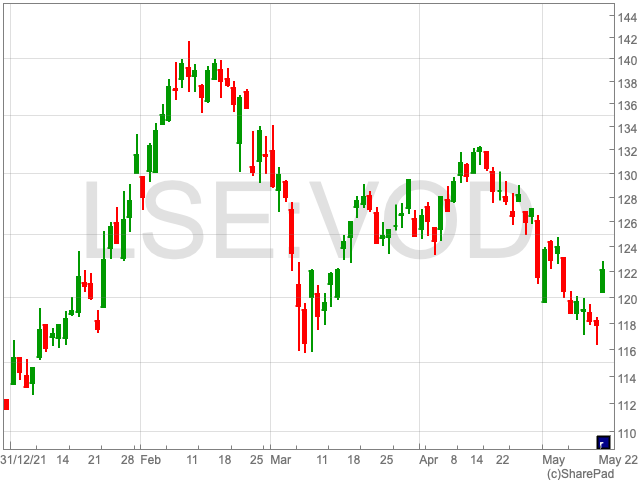
Vodafone Group announced a fall in annual pretax profit but saw revenue rise in its preliminary results on Tuesday.

Vodafone Group recorded a 4% increase in total revenue from €43.8bn to €45.6bn as a result of contributions from equipment revenue and growth in Europe and Africa.

The group said adjusted EBITDA rose by 5% from €14.4bn to €15.2bn owing to revenue growth, cost control and a legal settlement in Italy. The group’s adjusted EBITDA was within the management’s updated range.

Vodafone’s operating profit noted an 11.1% rise to €5.7bn from €5.1bn in 2021 as a result of higher adjusted EBITDA and lower depreciation and amortisation on the group’s assets.

The telecommunications company recorded a pretax profit of €3.95bn which was a 10% fall compared to €4.4bn in 2021 and said inflation may hinder results in 2022.

Vodafone stated basic EPS surged from 0.38 Eurocents in 2021 to 7.2 Eurocents in 2022.

The group noted a 5% rise in cash inflow from €17.2bn to €18.1bn in 2022 and net debt rose to €41.6bn from €40.5bn due to a €2bn share buyback programme to combat dilution linked to mandatory convertible bonds.

Vodafone declared a total dividend of 9 Eurocents which was the same 2021, and a final dividend of 4.5 Eurocents.

On Monday, e& acquired a stake in Vodafone which have had no impact on results and there has been no further updates since.

Sophie Lund-Yates, Equity Analyst at Hargreaves Lansdown said, “Vodafone’s shares were down 3% after the market opened this morning, as investors sounded a tepid response to full year results. While the underlying operational performance was sturdy enough, the market was clearly expecting more.

“Subdued sentiment may well be coming from the warning that Vodafone isn’t immune to the wider macroeconomic challenges we’re seeing. Either way, the group has recently acquired a new largest shareholder, in the form of Emirates Telecommunications, which now owns 9.8% of Vodafone.” 

“Emirates Telecommunications has said this isn’t the beginnings of a takeover bid, and is supportive of Vodafone’s position. The premium paid for the stake suggests there is indeed a lot of faith in a turnaround for the battered Vodafone group.”

“While progress is steady, it’s hard to get away from the fundamental truth for telecoms – there is very little to differentiate from competitors in any real way other than price. That keeps a lid on margins. Full year results haven’t been a disaster, but they aren’t exactly shiny either.”

JLEN shares rise on 14.6p NAV increase

0

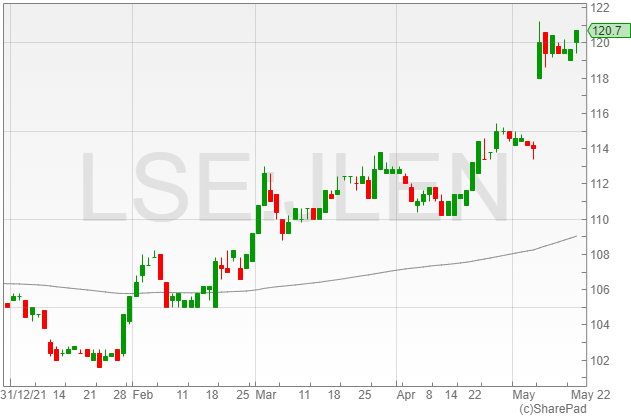
JLEN shares were up 0.6% to 120.3p in late morning trading on Tuesday following a quarterly NAV growth to £762.9 million, amounting to 115.3p per share and representing a 14.6p rise since 31 December 2021.

The company attributed its uplift to a selection of drivers, including power prices, which saw a dramatic rise over the past 12 months and brought summer 2022 prices to almost triple the rates from April 2021 to March 2022.

Gas prices reportedly increased more than 500% in the same period, before dropping down to 300% higher in April 2022.

JLEN added that its green energy assets such as solar and wind grew its NAV by 5p, alongside a further 8.4p uptick generated by changes in electricity price assumptions at two bio-energy projects, which were previously held at acquisition cost in its 31 December 2021 valuation.

The assets were reported as an ETA Energy-from-Waste resource in Italy, and Cramlington biomass in the UK, both of which were baseload generators with limited fixed price contracts at the time of acquisition, resulting in strong positioning to benefit from recent rises.

JLEN confirmed its MWh basis across electricity and gas generating assets was 76% fixed for summer this year, 64% fixed for winter and 47% fixed for summer 2023, representing a high level of firm confidence for revenues.

Inflation played a key role, with the combination of higher actual and near term inflation adding 2.6p to the group’s NAV.

Discount rates reportedly reduced for onshore wind projects, in line with observed market benchmarks, and the discount rate for the company’s investment in low-carbon refuelling infrastructure was also reduced on the satisfactory rollout of new sites.

The investment firm added that a risk premium had been added to the discount rate for its Cramlington asset, due to its sensitivity to near term electricity prices, however the group expected the premium to be removed progressively as uncertainty around actual prices captures decreased.

Cramlington currently has 50% of merchant revenues fixed for summer in 2022.

JLEN commented that the net effect of changes to discount rates was to grow the NAV by 1p.

The investment firm announced a quarterly dividend of 1.7p per share, which amounted to a total dividend of 6.8p per share combined with the 5.1p dividends paid out in the current financial year, in line with the company’s target dividend listed in its 2021 annual report.

JLEN also announced a rise to the target dividend for the next financial year of 5% to 7.14p per share for its 2023 financial year.

40% of UK investors fail to conduct adequate research, says FCA

4

A surprising 40% of financial investors report wishing they had spent more time researching their investments, according to research conducted by the Financial Conduct Authority (FCA) and Financial Services Compensation Scheme (FSCS).

The report found that 42% of young UK investors between 18-24 made their latest investment while sitting in bed, watching streaming entertainment, spending time at the pub or returning from a night out.

Lack of Investment Research

The FCA and FSCS commented that the environment investors made their portfolio decisions in made them highly susceptible to scams and false investment opportunities, leaving them vulnerable to having their money funnelled off in illegitimate offers.

Approximately 44% of the 37% of adults actively participating in the investment field said they regretted not spending more time researching their investments, however respondents pointed out that they didn’t conduct adequate research due to finding the exercise too complicated and time-consuming.

“With almost two in five adults holding investments in the UK, it’s clear there’s a growing appetite to start investing as online platforms are making it easy and accessible for everyone,” said FSCS spokesperson Lila Pleban.

“But as our findings show, carving out time to research and look into investment opportunities is not always top of people’s to-do lists and unfortunately, puts them at a higher risk of being scammed or putting their money with an unprotected platform or provider.”

Fraud Risk

The organisations also highlighted that 27% of investors confirmed that they were more likely to invest in an offer with a limited time frame, which is a common scare tactic used by scammers to drive investors to finance a scheme without conducting adequate research into the opportunity.

The FCA directed investors to check out investment schemes on the FCA Warning List to see if the venture is running without government authorisation.

Concerningly, 22% of respondents said they hadn’t confirmed if their investment was FSCS-protected, which would have provided a scammed investor with up to £85,000 in compensation from the FSCS against any FCA authorised firm which has failed.

The FSCS urged investors to use its recently launched Investment Protection Checker tool, which consumers can use to check if their investment is protected.

“While FSCS can’t offer protection for consumers if they are the victim of a scam, our new Investment Protection Checker offers an easy and quick way for consumers to check whether the investment they are looking to make is protected – empowering them to make informed decisions about where to put their money,” said Pleban.

The FCA also highlighted available information to brief investors with typical fraudulent tactics on investment offers on its ScamSmart page online.

“Fraudsters will always find new ways to target consumers, so make sure you do your homework and spend some time doing research,” said FCA director of enforcement Mark Steward.

“Just a few minutes can make a big difference to your investment choices.”

Osirium Technologies signs first US customer

0

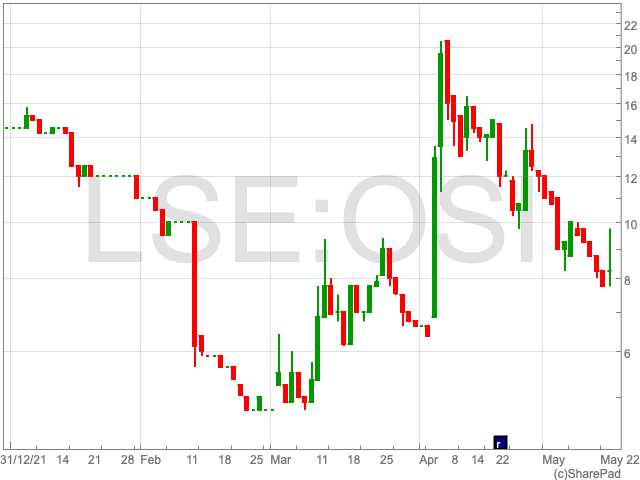
Osirium Technologies shares rose 6.5% to 8.25p after the group announced that it signed its first customer in the US through one of its channel partners on Monday.

Osirium’s Privileged Access Management security software was picked by the new customer, a worldwide investment bank located in New York and listed on the New York Stock Exchange.

By controlling internal and third-party accessibility to vital servers, apps, and networking equipment, Osirium’s services will protect the client’s IT system from potential attacks such as ransomware attacks.

This deal was offered through reseller HIC Global in collaboration with software firm Prianto, which has a strong cybersecurity footprint with mid-market clients in the UK, Europe, and North America.

Prianto has received different contracts with Osirium for its Privileged Access Management and Privileged Endpoint Management services after recently partnering with the company.

While the deal is not intended to have a large influence on the group’s profits in the current financial year, the company’s directors believe it is strategically essential in indicating potential demand for the group’s products in the United States.

David Guyatt, Chief Executive Officer, Osirium Technologies, said, “We are delighted to announce this first win in the USA, which represents further evidence of the opportunity to grow outside of the group’s core UK market.”

“This contract is strategically important and shows good referenceability as we continue to expand our footprint in this important region while working with our network of partners like Prianto to make it easy for customers to do business.”

“This network forms a core element of the group’s strategy, both domestically and internationally, and extends the Group’s reach across the five continents in which it operates.”

“In line with the maturation of the privileged security market alongside the broadening of the group’s network, Osirium expects to see a continued healthy pipeline of greenfield opportunities, both in the UK and overseas.”

Imperial Brands: Dividend up, profits down

0

Imperial Brands announced higher interim dividends in its half-year results, however, the group noted a fall in operating profit owing to the charges from the exiting Russia on Tuesday morning sending Imperial Brands shares to gain 6.5% to 1,824p.

Imperial Brands recorded a fall of 1.3% in reported net revenue from £15.6bn to £15.4bn in H1 2022 due to lower excise duty in Europe. However, next-generation products (NGP) net revenue grew 8.7% to £101m with support from progress in Europe.

The group’s overall volumes saw a decrease of 0.7% due to reductions noted in Europe which were offset by strong volume performance in the USA, Middle East and Australia.

The group noted a 26.6% drop to £1.2bn in reported operating profit from £1.64bn as a result of Imperial Brands having to pay a £201m charge for exiting Russia in 2022.

However, in 2021, the group had sold its cigar business which generated £281m contributing to the total of £1.64bn then.

The tobacco company’s group adjusted operating profit grew 2.9% on a constant currency basis due to reduced losses in NGP reflecting the prior year’s market exits.

Imperial Brands noted a drop of £0.8bn in pretax profit from £2.06bn to £1.26bn in H1 2022.

The group’s reported EPS declined by 45% to 105.2p from 191.2p due to lower reported operating profit and lower finance income as Imperial attempted to limit its impact from unhedged currency exposures on financial instruments.

However, on a constant currency basis, adjusted EPS for Imperial Brands rose 7.7% to 113p from 107p as a result of growth in adjusted operating profit and a reduction in the tax rate to 21.9% owing to favourable results in many tax authority audits.

The group’s cash conversion was strong at over 102% which helped the deleverage momentum and Imperial’s net debt declined by £1.2bn due to free cash flow, on a 12-month basis.

The tobacco makers also noted an improvement in adjusted net debt to EBITDA to 2.4x due to “usual seasonality” which was in line with expectations according to Imperial Brands.

Imperial Brands raised its interim dividend by 1% to 42.54p from 42.12p issued in H1 2021, following the group’s progressive dividend policy.

Imperial Brands Performance

Europe Region

Imperial Brands noted a change in consumer behaviour as Covid restrictions eased and travel increased.

The group said sales are starting to return to conventional markets and channels, however, there was a 3.6% drop in volume for the region, which is offset by the group’s worldwide duty-free business and travel retail sales in “Southern European holiday locations”.

As the COVID-19-related swings in markets and channel buying patterns began to unwind, tobacco net sales fell 3.8% at constant currency, with a negative price mix of 0.2% reflecting price phasing and an adverse geographic mix.

Imperial’s NGP portfolio has done well, with net revenue growing 44.7% at constant currency, indicating great success in all three categories, hot tobacco, modern oral, and vapour.

At constant currency, adjusted operating profit fell 7.3% due to reduced tobacco net revenue as a result of price phasing, an unfavourable geographic mix and additional investment in the group’s new strategy.

Strong market share gain for Imperial in the UK was aided by investment in its strategic projects such as the local jewel brand, Embassy.

With investment attempts to revitalise JPS and West, and sales performance, the group’s market position in Germany is under attack. Imperial raised prices early in the period in Spain, but this harmed its market share.

The group launched a pilot program for a new vape, ‘blu’ in France to determine market reaction prior to rolling the product out.

Regarding Ukraine, the company is monitoring closely developments in the region while focusing on the safety and well-being of its 600 colleagues and their families.

The group’s heated tobacco system, Pulze fared well in its trials in Greece and Czech Republic, resulting in the plans to roll out Pulze to other European markets later this year.

Americas Region

The US contributed 34% of Imperial Brands’ group net revenue due to “strong combustible tobacco performance” said the group.

The volume of tobacco increased by 3.9% compared to the decline in industry volume of 6.8%. Imperial’s growth in volume came from improvements in the US cigarette market share to 9.8% which the group took from KT&G’s exit from the US market and its increased investments in sales execution.

Tobacco net sales climbed by 3.2 % in constant currency, boosted by cigarette pricing but offset by an unfavourable product mix, with substantial growth in the deep discount cigarette market. During the half-year, the company saw two price rises.

Market share advances, the advantage of trade inventory phasing, and decreased NGP costs all contributed to a 6.0% rise in adjusted operating profit at constant currency.

On a constant currency basis, Imperial Brands’ NGP revenues decreased 28.1%, reflecting the category’s continuing competitive environment and increased discounting.

The updated marketing plan for blu has successfully completed in Charlotte, and they now want to expand to other US territories.

The group was disappointed by the FDA’s decision in early April to issue Marketing Denial Orders for some of its myblu products, and they are actively pursuing an administrative appeal to overturn the decision during which the products will stay on the market.

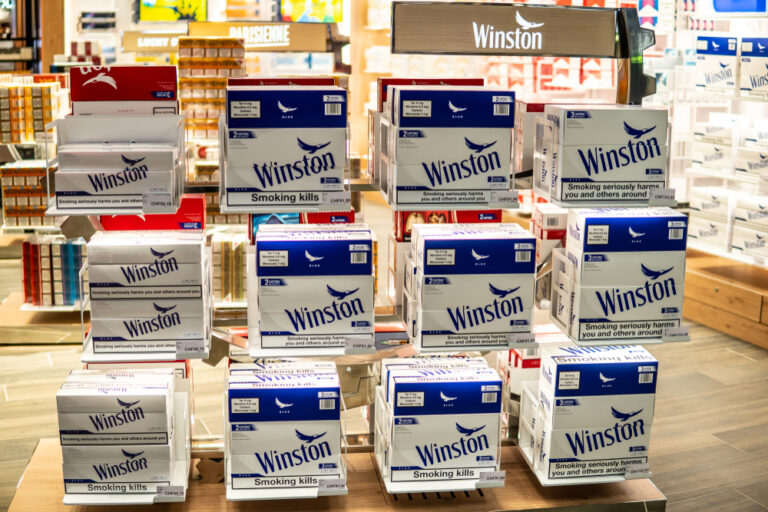
In the premium segment, Winston’s trials of a new pack design and marketing strategy in Texas were successful, and they have now been pushed out nationally. The mass market cigar portfolio gained market share thanks to Backwoods and Dutch Leaf’s great performances.

Africa, Asia, and Australasia Region

Imperial’s Africa, Asia, and Australasia area fared well, with tobacco volumes increasing and total net revenue and adjusted operating profit increasing in constant currency.

Imperial Brand’s tobacco volumes increased by 2.6%, owing to a robust volume performance in the Middle East, which had recovered from a COVID-19-related disruption in the previous month.

The group’s tobacco net revenue increased by 4.1% in constant currency, owing to stronger volumes and a 1.5% price mix.

Following its decision to abandon the vapour market in Japan and Russia, as well as the hot tobacco business in Japan, NGP net revenue fell to zero.

When compared to 2021, adjusted operating profit increased by 25.8% at constant currency, owing to excellent financial performance in Africa and the Middle East, as well as lower NGP investment in the region.

Imperial improved its market share in Australia by focusing on sales execution and marketing in accordance with its strategy. Lambert & Butler was launched in the fifth price tier, allowing the company to ensure that it had a distinct brand offering at each of the important pricing points.

The group’s African portfolio of markets did exceptionally well, with increased market share and revenue and profit growth which has been driven by portfolio concentration on international brands such as Gauloises.

As pandemic-related travel bans in the region were relaxed and consumer behaviours normalised resulting in the Middle East business performing strongly.

The group had a solid financial performance in Asia, led by Taiwan, where it increased market share with Davidoff Absolute and West 25s.

Imperial Brands’ choice to cease operations and eventually quit the Russian market had an impact on overall results as Russia accounted for roughly 1.5% of net revenues and 0.2% of adjusted operating profit in FY21.

Imperial’s operations in Russia have now been completed with the sale of its Russian business as a going concern to Russian investors.

Ross Hindle, Analyst at Third Bridge said, “Imperial Brands saw revenue drop 1.3% to £15,362m, with management suggesting the group remains on track to hit its full-year guidance.”

“The structural decline of combustibles continues to push tobacco companies towards alternative business models, with all focusing on developing a strong portfolio of next-generation products (NGPs).”

“The Group’s NGP division still operates at a loss. Our experts say that Imperial probably went too widely across geographies with Myblu. The company will learn from their experience of heat-not-burn and try to get Myblu back on track, mainly in US and UK, where the brand has a good heritage.”

“The cost-of-living crisis should benefit Imperial Brands, given how their portfolio is more focused towards the lower end of the pricing scale.”

Velocys revenue soars to £8.3m as alternative fuels projects take off

0

Velocys shares gained 1.7% to 5.7p in early morning trading on Tuesday, after the firm reported a revenue surge to £8.3 million in its 2021 results compared to £200,000 year-on-year.

The sustainable fuels technology company highlighted administrative expenses of £13.3 million against £9.2 million the previous year, alongside an operating loss of £9 million from £8.8 million.

Velocys confirmed a net assets growth to £29.7 million at 31 December 2021 compared to £13.1 million, and a net cash level of £25.5 million against £13.1 million.

The group successfully raised £26.2 million, before expenses, through a Placing and Open Offer in December 2021.

Fuel Projects

The company noted a commercial offtake agreement with Southwest Airlines and a Memorandum of Understanding (MoU) with IAG for all the Sustainable Aviation Fuel and linked credits for the Bayou Fuels project, alongside a collaboration with TOYO, which is set to see Velocys’ Fischer Tropsch technology used for an e-fuels project commissioned by the Japanese government.

The company noted a high level of pride in its alternative fuels projects, with the group spurring on future low-carbon developments in aviation technologies.

“Our commercially demonstrated patented technology enables an alternative to fossil jet fuel with an ultra-low carbon intensity,” said Velocys CEO Henrik Wareborn.

“In addition, our production pathway generates fuels with much lower sulphur oxide and particulate matter emissions.”

“Synthetic drop-in fuel is the here and now solution, which requires no modification to aircraft or airport infrastructure.”

Additional highpoints for Velocys in 2021 included a grant awarded by the UK government to Velocys and British Airways for up to £2.4 million from the administration’s Green Fuels Green Skies grant scheme, and the appointment of Koch Project Solutions to supply pre-FEED/FEED support, along with a potential EPC contract for the Bayou Fuels project.

Velocys added that it had a growing pipeline of customer opportunities, leading to an expanded selection of technology licensing opportunities across three continents.

“Velocys offers a decarbonisation solution to the aviation industry and is now firmly in the technology delivery and commercialisation phase of our growth strategy,” said Wareborn.

“We have a growing pipeline of new customer opportunities spanning multiple continents, which have developed in response to client specific net zero targets in countries that are ahead of the game on mandates and policy incentives.”

Jobs vacancies outnumber unemployment figures for first time on record

1

The UK employment rate increased by 0.1% to 75.7% over Q1 2022, however the great resignation is still very much in action, with an estimated total of 994,000 workers resigning from their positions for new jobs over the period, according to the Office of National Statistics (ONS).

“There’s been a record number of people moving job over the last quarter as the cost the living squeeze really begins to grab hold of the country suggesting workers are chasing higher pay in an increasingly tight labour market,” said AJ Bell financial analyst Danni Hewson.

Labour Hours Grow

The latest labour market overview, released today by the ONS, reported an uptick in payrolled employees for April 2022 of 121,000 to 29.5 million, with a rise in total actual weekly hours worked of 14.8 million to 1.04 billion in Q1 compared to the last quarter.

However, the survey added that the hours came in 10.7 million below pre-Covid-19 levels.

Average actual weekly hours remained at similar rates to pre-pandemic records, with part-time worker hours at an all-time high of 16.8 hours per week, suggesting that workers were finding shifts overtime to keep up with the surging cost of living on the back of skyrocketing 7% inflation.

“People are working more hours, part time numbers have jumped up suggesting that calls from some quarters that people need to take on extra jobs to make ends meet is something that’s already happening,” said Hewson.

Unemployment Falls

Meanwhile, unemployment levels fell 0.3% to 3.7%, representing the lowest level since 1974 and marking the first time since records began that there were fewer unemployed people than job vacancies.

Job vacancies also grew to a record number of 1,295,000, however the rate of vacancy growth continued to slow over the term.

“For the first time since records began there are more vacancies than people out of work, a situation that’s forcing employers to adopt whatever methods they can to tempt workers to jump ship,” said Hewson.

“People power the motor, without them businesses can’t function properly, but businesses are also struggling with rising costs and looking at where those vacancies are still sprouting up it’s the larger companies, those that have deeper pockets which are still hiring whilst the smallest employers are cutting back.”

The ONS further commented that economic inactivity increased by 0.1% to 21.4%, driven by people in the 50-64 year age bracket.

Private Sector Drives Pay Growth

The report confirmed a 7% increase in total pay, with a 4.2% rise in regular pay, excluding bonuses, and a total pay growth of 1.4% while regular pay fell year-on-year by negative 1.2%.

Meanwhile, private sector pay rose at its fastest level since records began in 2001, with a spike of 11.7% year-on-year.

Real total pay rises were reportedly kept afloat by strong bonus payments across the workforce, with bonuses accounting for 9% of private sector pay, marking a growth from 7% over the past year.

“There’s some good news in today’s figures, with record pay growth in the private sector just about keeping wages ahead of inflation, and unemployment continuing to fall to its lowest since 1974,” said IES Director Tony Wilson.

“However this is masking now the tightest labour market that we have seen in at least half a century, with more vacancies than there are unemployed people for the first time ever, and well over a million fewer people in the labour force than on pre-pandemic trends.”

Wilson added that the higher private sector pay was serving to drive the hike in interest rates, in a bid to stamp out surging inflation, which is currently barrelling towards a high of 10% in Q4 2022.

“However rather than trying to dampen demand, we need to be doing far more to boost labour supply, which would support economic growth, raise household incomes and help contain inflation.”

“This needs to be focused on better support for older people, disabled people and those with health conditions. Employers will need to do more too, and make sure that jobs are advertised and designed in ways that are accessible and inclusive for those further from work.”

Made.com slumps on warning

A trading warning from fully listed online furnishings and homewares retailer Made.com (LON:MADE) has led to a sharp downgrading of expectations. Trading has deteriorated since March and Easter was disappointing. The focus on high price items has not helped.
Patrick Lewis will become finance director on 27 June. He was previously with the John Lewis Partnership and has been a non-executive director of Ocado.
Online furniture sales are weaker than those in stores. Made.com revenues were 10% lower in the first quarter of 2022, and it is getting worse. They are currently around one-third lower in...

Aquis Stock Exchange April 2022 trading

There was a bounce back in trading on the Aquis Stock Exchange even though the month included Easter. There were £18.4m worth of shares traded and 2,985 individual trades. There were 2,976 trades valued at £13.4m during March.
The value of trades is the highest it has been since January when the total was £20.4m, but the number of trades is less than two-thirds of the January figure.
=====
TOP 5
=====
Valereum (LON: VLRM)
Value of trades: £3.6m
% of market value: 13.1
Number of trades: 748
Average value of trades: £4,816
For the first time this year Valereum is the most traded company on Aquis...