Presenting at the UK Investor Magazine Metals & Mining Conference, Cadence Minerals detailed their strategy of investing in assets that are under-priced but have strategic advantages, which CEO Kiran Morzaria calls “de-risked” assets.
The AIM-listed company added that it invested in long-term partners which boast strong financial returns, and that the investee producer has based itself the correct commodity space, such as iron ore and lithium with demand estimated to keep rising in the coming years.
Cadence Minerals investments are currently in unlisted assets including a 20% stake in the Amapa Iron Ore project, scheduled to hit 27%, 30% stake in the Sonora Lithium project, Synergy Prospecting 31%, and 30% of the Yangibana Rare Earths project.
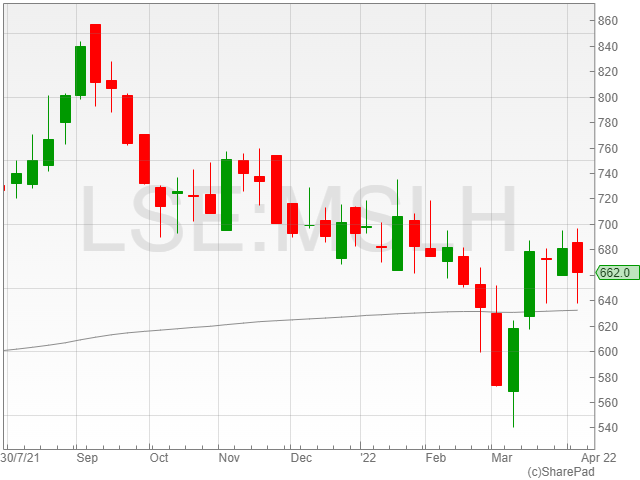
Cadence has a 8.2% equity stake in listed European Metals Holdings.
Amapa Iron Ore
Cadence Mineral’s flagship project is the Amapa Iron Ore which is expected hit 5.3 million tonnes of iron ore per year at full capacity. The asset was previously owned by Anglo-American and generated $171 million of profit during the period they operated the mine from 2007-2012.
Cadence has a 20% stake in Amapa which is set to rise to 27% for a total investment of $6 million. Cadence has a first right of refusal to increase their stake to 40%.
Feasibility studies are ongoing and the market will learn of updates in 2022.
Cadence Minerals added that maintenance and repair is currently ongoing for the Amapa mine, and they will continue post-finance talk to reconstruction and recommissioning until an estimated date of 2024.
The company said in terms of its creditors that it is looking for shipment of stockpiles to pay secure bank creditors, and hoping to lock-in long-term shipping contracts.
Cadence Minerals estimated that the GDP impact at state level for Ampara Iron Ore will hit approximately 4%.
Lithium and Rare Earths
Cadence has a portfolio of Lithium assets which are targeting the demand from electric and hybrid vehicles.
Cadence holds a 8.2% in UK-listed European Metals Holdings which owns the Cinovec Lithium mine in the Czech Republic and is well placed to serve the demands of European EV manufacturing.
Following an ‘outstanding’ PFS, Cinovec now has a NPV of $1.94 billion and a Total JORC resource of 7.39 Mt LCE.
Cadence is a 30% joint partner on the Sonora Lithium Project that has an NPV of $802 million. Cadence Minerals’ joint-venture Partner Ganfeng Lithium is ranked as the third-largest lithium compound producer globally.
Synergy Prospecting in Lithium Exploration is a speculative asset for the company, with some initial surface sampling complete. The company will announce its further steps following the results of its initial exploration.
Cadence Minerals has exposure to Rare Earth through the Yangibana Rare Earths project in Western Australia. The Yangibana Project holds a net value of $1.01 billion, and Cadence Minerals said the mine is expected to produce 1.7 million tonnes of ore in the latter end of the mine cycle.
By Viktor Szabo, Investment Manager, abrdn Latin American Income Fund Limited
There are two elements in the region’s favour: exciting companies and economic recovery
The region has been hit disproportionately hard by global inflationary pressures, but this is likely to have peaked
Economies are starting to recover, helped by high vaccination rates.
Investing in Latin America is seldom straightforward – and proved particularly tricky in 2021. Looking into 2022, however, there are two elements in its favour: exciting companies and economic recovery. These two elements could suggest better returns for investors across the region in the year ahead.
At a time when the rest of the world has seen significant economic recovery, Latin America has had some headwinds. While the region would normally be a significant beneficiary of global recovery, supply chain disruption in the wake of the pandemic has held back countries such as Mexico, which are strong in car making. There has been plenty of demand, but distribution has been difficult.
The region has also been hit disproportionately by global inflationary pressures. In Brazil, inflation surpassed 10% last September, necessitating the continuation of an aggressive interest rate hiking cycle. This was a blow to stock markets, which had started to anticipate better times ahead. While Brazil saw the greatest inflationary pressures, there were difficulties across the region and many central banks raised rates.
A turning tide
This has been a tough backdrop for the abrdn Latin American Income Fund to navigate. However, these rate rises are now reflected in the price of Latin American equities and bonds. Equally, the Brazilian central bank believes inflation may have peaked in the region*. Higher rates are already starting to have the desired effect of calming price rises. Latin America may prove to be ahead of the rest of the world in its rate cycle.
Economies are starting to recover. This recovery has been helped by high vaccination rates. Brazil has around two-thirds of its population double-vaccinated, with Chile and Uruguay even higher. Mexico is a relative laggard, but still has over half of its population immunised against the virus. The recovery was more robust than expected last year with IMF revising its outlook for the broad region in October and adding 1.7% points to its previous forecast; Brazil’s economy is forecast to have grown by 5.2% in 2021 and Mexico by 6.2% last year.
The global inventory cycle and high inventory prices should be supportive for the region. The world needs to build back all its stockpiles, having run them down during the pandemic and the region is a treasure trove of natural resources. The theme of reshoring could also be interesting for Latin America, particularly for Mexico. The pandemic has exposed the difficulties of long supply chains that reach across continents and US companies are moving production closer to home.
Stock markets
Stock markets in Latin America had a tough 2021, hit by rising interest rates. Assets have repriced to reflect a higher cost of capital. As inflationary pressures have risen, those companies without much pricing power have been hit particularly hard. Their cost base has risen, but they haven’t been able to pass those costs onto their customers. This has also weighed on certain equities.
For example, we have seen technology adoption accelerate across the region, creating opportunities within ecommerce, fintech and education. We hold Mercado Libre, for example, Latin America’s Amazon equivalent. We have XP Inc, an innovative brokerage firm in Brazil.
Infrastructure is also likely to be a priority for governments across the region, creating real opportunities for investors. With that in mind, the trust holds OMA, an airport operator in Mexico, plus a railway operator in Brazil. At the same time, environmental awareness is creating opportunities in sustainable agriculture.
In line with its long-term investment strategy, the trust remains overweight those companies that are highest quality at decent valuations. The largest overweight positions are in the consumer discretionary sector, followed by industrials, real estate, information technology. The trust is geared, meaning that it has borrowed money for investment purposes, endeavouring to capture the domestic consumption story across the region.
Strength in income
It is also worth highlighting the recovery in dividends in Latin American countries. Many companies were prudent during the pandemic, choosing to keep liquidity to hand at a time of uncertainty. However, many have resumed payouts as the outlook has improved. There is still potential for future improvement as recovery comes through.
The shifting interest rate environment has also created opportunities within fixed income. Yields have risen and that has created some flows into fixed income over equities. That said, the trust retains a slight overweight to equities over fixed income, based on continued economic recovery and higher inflation. Where we are invested in fixed income, we are moving into shorter-dated bonds, and have an overweight position in Uruguay, where the quality of the institutions is very high and political risk is low.
The future
The pandemic has exposed some of the long-standing inequalities across Latin America – particularly in healthcare and education. It has also raised concerns about the distribution of profits from natural resources. The state’s role can hardly go back to pre-Covid levels, but the question is how far the state should reach. That will be decided in the next months and years. To our mind, this could be a catalyst for positive change across Latin America, including more equality and better public services. We are seeing early signs of this already.
Some risks remain. There is a busy year of elections coming up and this creates the potential for volatility. In Brazil, there is a danger that President Jair Bolsonaro takes significant fiscal risks in an attempt to shore up his popularity. However, these risks are known and understood by markets.
Overall, 2022 has a brighter outlook than 2021. The country’s stock markets could benefit from falling inflation, global economic recovery and the blossoming of a number of longer term structural trends, even if the elections create some short-term instability.
Companies selected for illustrative purposes only to demonstrate the investment management style described herein and not as an investment recommendation or indication of future performance.
Important information
Risk factors you should consider prior to investing:
The value of investments and the income from them can fall and investors may get back less than the amount invested.
Past performance is not a guide to future results.
Investment in the Company may not be appropriate for investors who plan to withdraw their money within 5 years.
The Company may borrow to finance further investment (gearing). The use of gearing is likely to lead to volatility in the Net Asset Value (NAV) meaning that any movement in the value of the company’s assets will result in a magnified movement in the NAV.
The Company may accumulate investment positions which represent more than normal trading volumes which may make it difficult to realise investments and may lead to volatility in the market price of the Company’s shares.
The Company may charge expenses to capital which may erode the capital value of the investment.
Derivatives may be used, subject to restrictions set out for the Company, in order to manage risk and generate income. The market in derivatives can be volatile and there is a higher than average risk of loss.
Movements in exchange rates will impact on both the level of income received and the capital value of your investment.
There is no guarantee that the market price of the Company’s shares will fully reflect their underlying Net Asset Value.
As with all stock exchange investments the value of the Company’s shares purchased will immediately fall by the difference between the buying and selling prices, the bid-offer spread. If trading volumes fall, the bid-offer spread can widen.
The Company invests in emerging markets which tend to be more volatile than mature markets and the value of your investment could move sharply up or down.
Certain trusts may seek to invest in higher yielding securities such as bonds, which are subject to credit risk, market price risk and interest rate risk. Unlike income from a single bond, the level of income from an investment trust is not fixed and may fluctuate.
With funds investing in bonds there is a risk that interest rate fluctuations could affect the capital value of investments. Where long term interest rates rise, the capital value of shares is likely to fall, and vice versa. In addition to the interest rate risk, bond investments are also exposed to credit risk reflecting the ability of the borrower (i.e. bond issuer) to meet its obligations (i.e. pay the interest on a bond and return the capital on the redemption date). The risk of this happening is usually higher with bonds classified as ‘sub-investment grade’. These may produce a higher level of income but at a higher risk than investments in ‘investment grade’ bonds. In turn, this may have an adverse impact on funds that invest in such bonds.
Yields are estimated figures and may fluctuate, there are no guarantees that future dividends with match or exceed historic dividends and certain investors may be subject to further tax on dividends.
Centrica saw group statutory revenue from continuing operations growth of 20% from £12.2bn to £14.7bn in the full year.
Revenues from the sale of products and services between segments climbed by 30% to £20.5 billion (2020: £15.7 billion) in the gross segment revenue from continuing operations. Higher wholesale commodity prices impacted Energy Marketing & Trading and Upstream, as well retail pricing in British Gas Energy, Bord Gáis Energy, and Centrica Business Solutions.
The group recorded and adjusted operating profit increase of 112% from £447m to £948m.
A 38% rise in EBITDA from continuing operations from £541m to £1.8bn due to higher achieved prices and restating of operating profits.
Customer retention grew to 82% in 2021, despite a drop of 135,000 customers at British Gas Services.
“Centrica’s posted strong full year results, with profits almost doubling despite ongoing volatility. The group’s restructuring is all but complete, and the cost savings went a long way in offsetting volatility and weakness in some parts of the business,” said Laura Hoy, Equity Analyst at Hargreaves Lansdown.
“Profits at British Gas Service & Solutions were hurt as customers swapped to lower-priced products to temper the impact of inflation and covid-related costs offset hard-earned efficiency improvements. The latter is likely to dissipate, but the former could be an ongoing trend.”
Recovery in the energy demand due to reduced impact of Covid restrictions and growth in volume resulted in an increase of 14% from 2020 in the amount of energy provided.
Non-Core Divestments
On January 5, 2021, Centrica competed the sale of Direct Energy to NRG Energy for £2.7bn. The sale was part of Centrica’s business strategy to be more focused on their core markets, UK and Ireland.
“Our strong balance sheet and responsible business model has allowed us to ensure continued supply for customers whose suppliers have ceased trading and offer additional help to those most vulnerable through the ongoing energy crisis. 2021 financial performance was resilient, and we continue to make good progress towards the turnaround of Centrica, having materially completed our portfolio simplification. Our focus for 2022 is on building on the progress we have already made to drive improvements in colleague engagement and in particular customer service, while continuing to build our capabilities to help our customers on their path to net zero,” said Chris O’Shea, Group Chief Executive.
Despite a recovery in Centrica’s revenues and profit, the board held off declaring a dividend for the period.
“The dividend isn’t back on the table yet, though management said it’s in the pipeline. With the balance sheet looking much improved and free cash flow on the up, the group looks on track to stage a fully fledged recovery,” said Laura Hoy.
“However with uncertainty looming over future price volatility it could take some time before management is confident enough to loosen the purse strings.”
The UK mining company’s share price also climbed 2.87% to 3,634p, one of few FTSE 100 gainers in a crumbling market in light of Russia invading Ukraine.
The company reported a $6.2 billion shareholder return with a $2.1 billion proposed final dividend.
Anglo-American also reported improved operational performances at PGMs, De Beers and Kumba (Iron Ore), attributed to the easing of Covid-19 restrictions and improved mining performance and processing stability at its PGMs.
Further factors of company growth included planned higher rough diamond production at De Beers as a response in line with strong consumer demand, and improved plant availability at Kumba.
“In a year of two distinct halves, we recorded strong demand and prices for many products as economies recouped lost ground, spurred by government stimulus,” said Anglo-American CEO Mark Cutifani.
“Copper and PGMs – essential to the global decarbonisation imperative – and premium quality iron ore for greener steelmaking, supported by an improving market for diamonds, all contributed to a record financial performance, generating underlying EBITDA of $20.6 billion.”
“The proposed final dividend of $1.18 per share, in line with our 40% payout policy, in addition to a special dividend of $0.50 per share, will bring our total return to shareholders in respect of 2021 to $6.2 billion (including our share buyback), equal to $4.99 per share.”
Spectra Systems received positive responses on the introduction of their machine-readable covert polymer substrate at the Banknote Conference.
Spectra Systems focuses on security technology inclusive of both software and materials to be used in gaming, product authentication and banknotes.
TruNote and Trutrack are two proprietary products of Spectra Systems. TruNote enables smart phones to detect materials that prove the authenticity of banknotes. Trutrack tracks the authenticity and geographic location of banknotes.
During the conference in Washington, Spectra Systems introduced for the first time, Fushion machine-readable, covert polymer substrate. This substrate is a breakthrough in banknote protection. The presentation organised by Dr. Nabil Lawandy, Chief Executive Officer, received great reactions by the attendees.
The current capacity for these substrates is 2 billion notes per year, with that capacity expected to expand to 10 billion by the end of 2020.
Dr. Nabil Lawandy, Chief Executive Officer of Spectra, stated, “We are extremely pleased with the response to our breakthrough product and the opportunity to have in person discussions with potential customers and strategic partners.”
BAE Systems have reported strong profits of £19.5 billion in its financial results for 2021 and have defied the current market trend with a share price increase of 1.93% to 612.4p.
The company mentioned that its growth for 2022 was projected to stem from electronic systems, air, maritime and cyber and intelligence segments, with BAE System’s Platforms & Services (US) estimated to remain stable.
“Our strong results reflect the outstanding efforts of our employees who have continued to adapt and work closely with our customers, suppliers and trades unions to deliver capabilities which keep nations and citizens safe,” said BAE Systems CEO Charles Woodburn.
“We are continuing to evolve our business, increasing our investments in advanced technologies to deliver differentiated solutions to meet our customers’ priorities.”
“Our diverse portfolio, together with our focus on programme execution, cash generation and efficiencies, is helping us to navigate the challenging operating environment, meaning we are well positioned for sustained top line and margin growth in the coming years.”
Evraz shares are trading down 30% at the time of writing as Russia launches a full scale invasion of Ukraine, sending troops into the country and launching rocket attacks on cities.
The flagrant disregard for Ukraine’s sovereignty by Putin has rocked European markets, in particular those with operations or links to Russia, including FTSE 100 Evraz.
The Evraz share price was down 30% on Thursday and has collapsed by 71% so far in 2022. Indeed, the company is trading more like a penny share than a FTSE 100 constituent. Such a sharp decline in Evraz shares will likely grab the attention of bargain hunters, but is now a good time to buy Evraz shares?
With such a high degree of uncertainty around the situation on the ground, and what impact sanctions will have on Russian businesses, considering taking a position in Russia-Exposed companies will be pursuit only for the brave.
“Investors hate uncertainty and whilst it’s inevitable that the west will respond to Russia’s aggression, what’s unclear right now is by what severity and how the situation could escalate further. As a result, investors are seeking asset protection and don’t want to take on any risk to their portfolios,” said Walid Koudmani, chief market analyst at financial brokerage XTB.
Evraz shares have suffered due their substantial steel-making operations across Russia. Of Evraz’s total Q4 crude steel production of 3,384,000 tonnes, 2,904,000 tonnes were produced in Russia.
The West is promising serve sanctions on Russia which will likely target their commodity exports which would ravage the ability of Evraz to export steel and destroy their revenue and prices achieved for their output. Steel could well be high on the West’s list of exports to targets as curbing their oil exports would harm their own economies as much as Russia’s.
Adventurous short-term traders may look to the Evraz share price for a ‘dead cat bounce’, but the longer term outlook for Evraz shares is highly uncertain and buying Evraz should be considered extremely high risk.
European markets were rocked on Thursday by the news Russia had launched a full scale invasion of Ukraine which was met by the promise of server sanctions by the West.
European equities opened sharply lower on Thursday in a broad risk off move in equities and commodities soared of supply disruption fears.
The FTSE 100 was trading down by 2.2% at 7,328 in early trade on Thursday. The German Dax plunged more than 3%.
While equities sank, energy prices jumped on concerns supply would face severe disruptions, and oil broke the $100 mark.
“Markets woke up in panic mode as investors reacted to the news overnight of Russia’s invasion of Ukraine. We have seen clients sell out of risky asset classes such as stocks and buy gold and the US dollar which are seen as safer investments at times of uncertainty. We have seen oil prices charge higher with Brent Oil trading above $100 for the first time since 2014. This will have further consequences to the cost of living and inflation in Europe,” said Walid Koudmani, chief market analyst at financial brokerage XTB.
European shares sink
European shares experienced sharp selling on Thursday with sectors linked to Russia the most heavily hit. The West has promised a server package of sanctions that will likely cause economic hardships for Russia businesses and individuals.
Shares in FTSE 100 Polymetal and Evraz crashed 31% and 29% respectively as investor fled companies that relied on Russia for their business operations. Polymetal and Evraz have substantial mining operations across Russia.
Travel shares were heavily hit over fears the conflict could put people off from booking or taking holidays. IAG shares gave up 4.6% and FTSE 250 easyJet sank 4.9%.
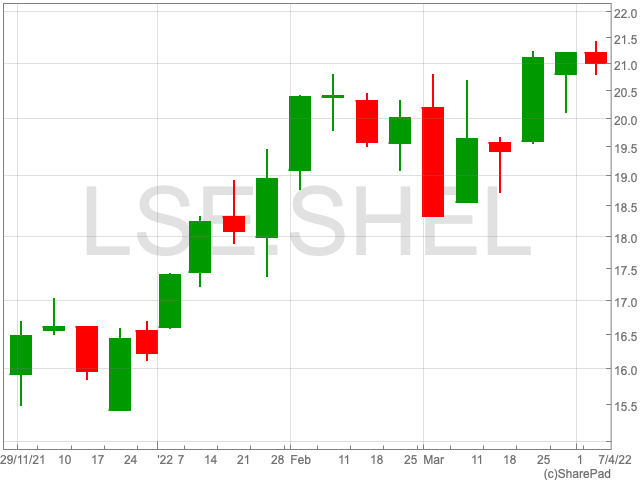
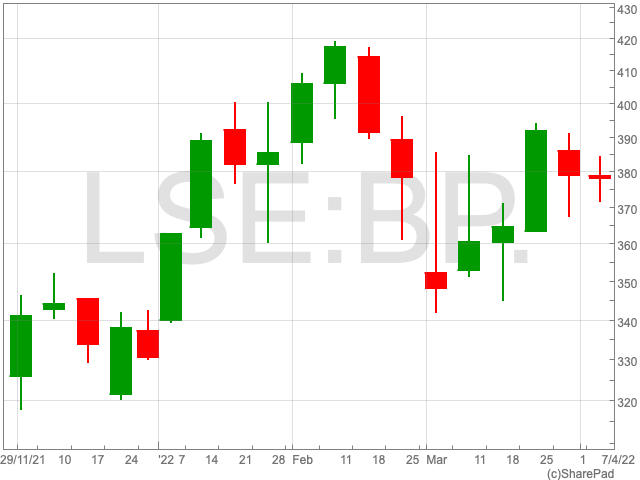
Although oil prices jumped to the highest levels in six years, oil companies also slipped with Shell giving up 1.5% and BP sinking by 3.8%.
Lloyds’ share price has taken a major hit with the stock dropping 7.3% to 48.37 in the early morning, although the crisis in Ukraine would account for much of the drop.
Lloyds enjoyed a boost to underlying profit as a result of £1.2 billion in emergency reserves the bank allocated to help with pandemic-linked defaults on loans which were subsequently unneeded.
“In the context of continued business momentum and balance sheet growth, the Group has delivered a solid financial performance with statutory profit after tax of £5.9 billion, significantly higher than 2020,” said Lloyds Bank CEO Charlie Nunn.
“Increased profits benefitted from higher income and the net underlying impairment credit of £1.2 billion in 2021, driven by improvements to the macroeconomic outlook for the UK, combined with robust observed credit performance.”
“Underlying profit before impairment of £6.8 billion was up 6 per cent on 2020, with increased average interest-earning assets, a strengthened banking net interest margin and early signs of recovery in other income, alongside a reduction in operating lease depreciation.”
The bank was forced to pay £1.3 billion pounds, alongside a charge of £600m for costs linked to fraud at its HBOS Reading branch.
“Remediation charges increased in the year to £1,300 million, with £775 million in the fourth quarter,” said Nunn.
“The full year remediation charges relate to a number of pre-existing legacy issues and include a £790 million charge relating to HBOS Reading which reflects the Group’s estimate of its full liability, albeit significant uncertainties remain.”
“We continue to support the independent Foskett Panel re-review and Dame Linda Dobbs’ independent review process as we work to bring this matter to a conclusion.”
Hikma revenues grew 9% from $2.3bn to $2.5bn as core operating profit increased by 12% from $566m to $632m.
The EPS remained unchanged and the reported profit which is distributed amongst the shareholders reduced by 2%. Dividend payout for the full year increased by 4 cents.
Hikma Pharma also announced a change in their board of directors on Thursday morning.
Hikma Pharmaceuticals has business divisions: injectables, generic and branded.
Plans for Growth
Hikma launched Advair Diskus last April and is preparing for steady growth and market share through 2022.
The Pharma group plans to expand distribution of specialty products in the US, which includes the launch of a nasal spray, Kloxxado 8mg naloxone.
Injectables are in the process of gaining potential growth by the signing of 2 US biosimilar agreements.
Eight oral oncology products in Algeria have been added to the Branded portfolio.
The Group plans to reduce their greenhouse gas emissions by 25% till 2030.
“Hikma delivered strong financial results in 2021, marking another successful year of solid growth and continued strategic momentum. Our operational strength and high quality standards ensured our ability to provide customers with a consistent supply of essential medicines in a challenging environment. I am grateful to Hikma colleagues around the world for their steadfast commitment to helping the millions of patients who rely on our medicines every day,” said Siggi Olafsson, Chief Executive Officer of Hikma.
“As we look to 2022 and beyond, I am most excited about how we are continuing to build and evolve our portfolio with important investments and new partnerships. Our Injectables business is now supplying US hospitals with sterile compounded pharmaceutical products, has expanded into Canada, and is set to grow further with the acquisition of Custopharm and our expansion into US biosimilars. Our Generics business is bringing more complex and specialty products to market, launching Kloxxado and generic Advair Diskus in 2021, and with additional product launches planned for this year. Our Branded business is delivering consistent growth, with an increased focus on medications to treat chronic illnesses. We have an exciting platform that will drive continued growth and progress in the year ahead.”