Evraz and Polymetal shares soar as they respond to sanctions

1

The Russian mining groups, Evraz and Polymetal addressed the impact of sanctions on their businesses to reinstate investor confidence.

Evraz and Polymetal shares have seen increased volatility over the ongoing Russia-Ukraine war.

Polymetal shares

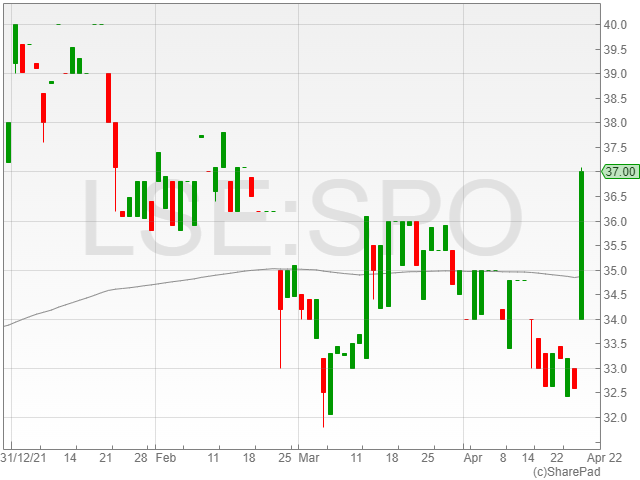
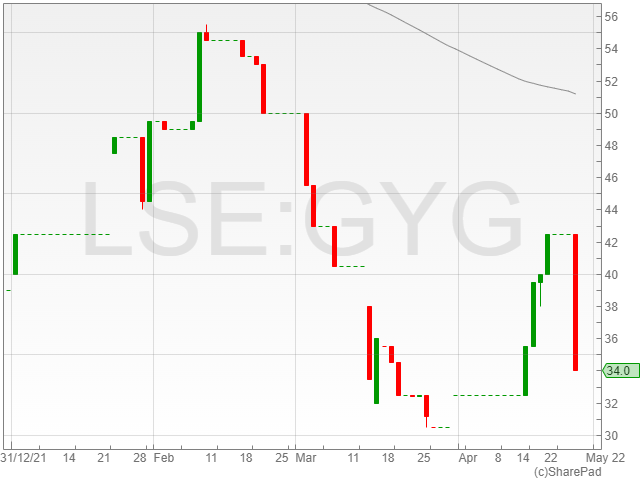
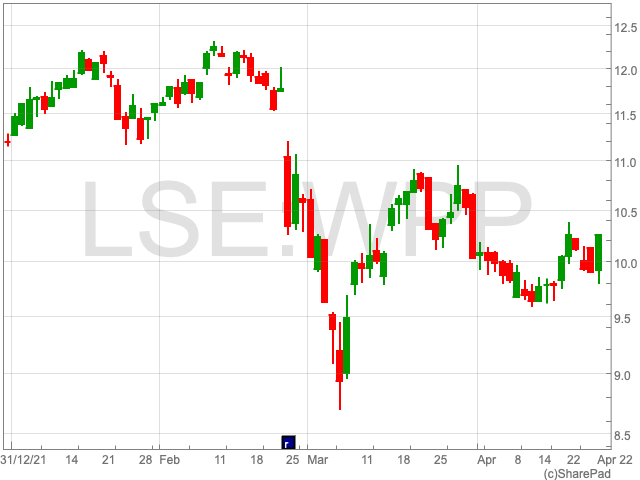
Polymetal shares skyrocketed 44% to 132p after the mining company said that their operations in Russia and Kazakhstan are ongoing without any disruptions.

Operations in Kazakhstan contributed to 48% of the net earnings in 2021. The mines in Kazakhstan produce 40% of the gold reserves for the company.

Regardless, the group is working on operations that will not require large amounts of capital to ensure that they are liquid. Due to stockpiling during covid times, the company has surplus supplies to fall back on if there were any inventory issues.

Russian legal entities are currently banned from paying out dividends to international investors which is a grey area for Polymetal. In terms of dividend, the company may reassess their business’ liquidity prior to paying out the proposed final dividends.

Income from existing contracts will still stand with the sale of silver to Kazakhstan and gold concentrate to China. However, sales within Russia have been subject to sanctions. In order to curb the sanctions loss, the Russian Central Bank will begin purchasing the gold.

The group has access to an untouched credit line $1bn from a financial institution that is not subject to sanctions. The group also have $400m cash secured in a similar bank. From the income of the operations in Kazakhstan, the company is in a good financial position to meet any fiscal obligations.

The net debt was impacted by seasonal productions and increased to $1.8bn in 2022. 96% of the company’s debt is recorded in US$. The interest rate on borrowings is 2.9% but is expecting a rise for debt in Russian roubles. However, 27% of the net borrowings will be paid back over the next 12 months.

EVRAZ shares

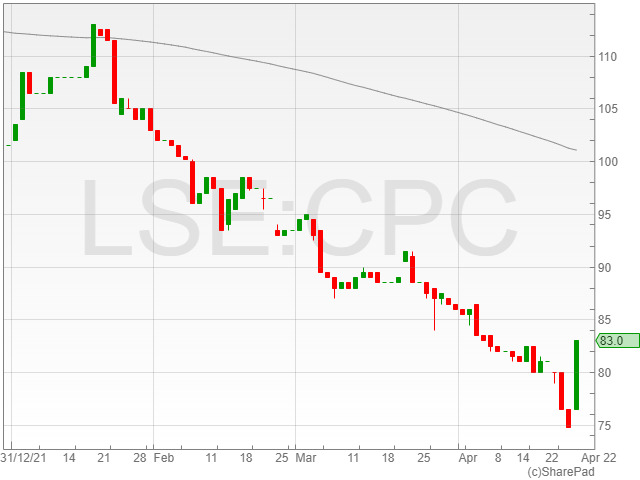
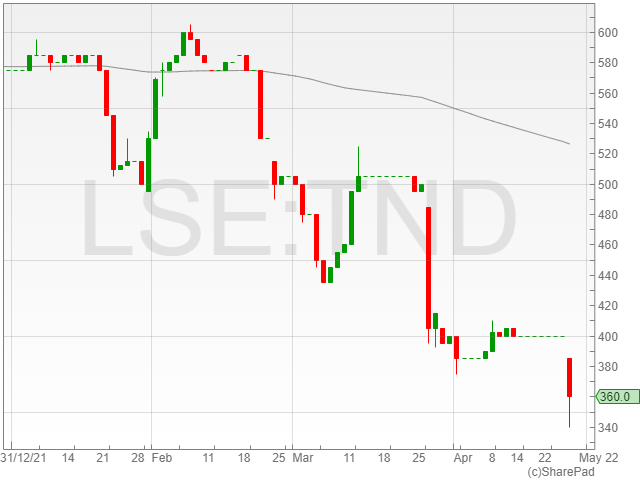
Evraz shares rose 25% to 97.5p as mining company confirms ‘no material direct impact on day-to-day operations’.

The mining company acknowledged that the sanctions imposed are getting into the way of Evraz’s functionings in terms of logistics, but confirmed that there isn’t any direct impact on their operations.

The company said they could not conclude relationships between Russian shareholders, including Roman Abramovich, to Putin and Russia. The company did go on to say that no loans were given out in any form to these shareholders.

The company acknowledges that though they are not acting on behalf of any Russian influence currently, if in the future that were to change, they would be subjected to the Russian sanctions too.

The previously announced potential demerger by Evraz of PJSC Raspadskaya, the company’s coal assets portfolio, was still being monitored.

Threat of US Fed rate increase — how the dollar has responded

One of the most actively traded markets in the world is the foreign exchange (forex), which enables you to invest in the world’s currencies. As a forex trader, you’ll buy and sell currencies through currency pairs, attempting to potentially profit from price movements in the market. 

The forex market is highly volatile and affected by external factors, meaning prices will fluctuate. To trade forex successfully, you’ll need to understand the factors which can impact your position, so that you can best prepare and respond to increased levels of volatility. 

To help you to get started, you can learn more about forex trading on Plus500, for example and use an array of online resources to research the market.

One factor to take into consideration are the data release from central banks. Central banks have a significant impact upon the forex market, since they control a nation’s monetary policy and supply. This means that they have the power to directly influence the value of their own currency with the decisions that they make, subsequently affecting the forex market. 

The US dollar is the most popularly traded currency in the world and acts as the market’s reserve currency. At the time of writing, the US is experiencing extremely high levels of inflation and there’s growing concern that their central bank — the Federal Reserve — will respond by increasing interest rates. 

In this article we’ll take a look at the implications that this change to interest rates could have upon the forex market, and specifically explore how the dollar has responded to the threat of increased rates. 

Keep reading to find out more. 

What is the Fed Funds Rate?

The Federal (Fed) Funds Rate is the rate at which banks lend excess cash and reserves to one another. This is a set target adjusted by the Federal Reserve Bank and typically establishes the rate that all banks lend their capital. 

The Fed Funds Rate controls interest rates, which is the amount of money it costs for individuals to borrow money from the bank. This affects consumer’s savings, loans and mortgages. Therefore, it has a direct impact upon the economy, and the value of the nation’s currency. 

Inflation rates 

The world is anticipating the hike of the Fed Rate because of the high levels of inflation that the US is experiencing, at the time of writing. The country’s inflation target rate is set at just 2%, to enable the maintenance of stable prices and employment. 

However, in December 2021, the US recorded an inflationary surge of 7%, the highest seen since June 1982. The coronavirus pandemic is one of the biggest contributors to this rise. Recurrent lockdowns flattened the US economy, and the government spent $1.9 trillion on a national relief system, which its nationals are now paying the price for through increased living costs. 

The world now fears an increased Fed Rate because this would lower inflation by curbing consumer spending. When the Federal Open Market Committee (FOMC) raises rates, it becomes more costly to borrow money, forcing individuals to save their capital and consequently bring down the rate of inflation. 

How has the dollar responded?

The value of the dollar and the health of the US economy are directly linked, meaning forex traders will be looking to the dollar in the lead up to the anticipated rate hike in March. In January 2022, the day after the Fed had announced potential increases to interest rates, the dollar’s value rose to highs that hadn’t been recorded since July 2020.

Although inflation and interest rates can greatly impact the dollar, this currency also has the power to manipulate and support the economy. For example, when US exports are sold to other countries, the international buyers will need to convert their own currency to the dollar in order to make the purchase. A stronger dollar will mean that the exchange rate is higher, and international countries will pay more to import US goods, aiding the economy. 

— 

As a forex trader, there are many economic factors that can influence the value of your trade. Because of this, it is vital that you keep up to date with news and data releases, and consult an economic calendar, to help you to track key events in the future that could move prices.

Iodine tablet prices double over fears of nuclear war radiations

0

The price of iodine tablets have doubled from $30 per bottle to $70 as victims of the war are panic buying to mitigate potential radiation threats.

Putin on Sunday told the world that he’s putting his nuclear forces on special alert as a response to aggression coming from the West to stop the war. Ukrainian citizens and neighbours are fearful of a nuclear war especially after the largest nuclear power plant in Ukraine, Zaporizhzhia, was seized by Russian troops.

Similar to the panic purchase of household goods during the pandemic, war victims are preparing for the worst by hauling as much iodine tablets as they can. With the takeover of Zaporizhzhia, people are more fearful resulting in a larger demand for iodine tables to be expected in the coming days.

Iodine tablets are said to help in protecting people from the harmful exposure of nuclear radiations.

However, there is a difference between non-radioactive iodine and over the counter iodine. With over the counter iodine, various health concerns like heart attacks could be a side effect. Without the consent of a health practitioner, iodine should not be consumed. With non-radioactive iodine, a blockage is created in the thyroid which prevents the development of thyroid cancer.

France’s government has sent iodine and medical equipment to Ukraine in support of the fight against the Russia invasion.

In Belgium last Thursday, 56k packs of iodine tablets were distributed with 30k Belgian citizens rushing to panic buy.

Nikolay Kostov, the chair of the Pharmacies Union, said that Bulgarian pharmacies had sold as much iodine in the past six days as they usually sold each year.

Sanctions! Sanctions! And more sanctions!

5

Three sources told Reuters that the European Commission has planned a new set of sanctions against Russia and Belarus in response to the Russian invasion of Ukraine, which will target more Russian oligarchs, politicians, and also 3 Belarusian banks.

On Tuesday morning, the proposed measures were approved by the EU executive which would later be addressed by EU ambassadors said one source. The sanctions coming up are targeted at the Russian shipping industry and the Belarusian financial sector.

In the new set of sanctions, 3 Belarusian banks are said to be banned from the SWIFT banking system. The names of these financial institutions will not be revealed said the source to Reuters. The EU will also add more more oligarchs and Russian legislators to their blacklist amongst which are members of the Russian Parliament’s upper house.

In the draft package, the sources have said that the EU will prohibit the supply of naval equipment and software to Russia in the attempt to hinder their shipping industry.

Along with bans from the SWIFT and exports of maritime equipment, cryptocurrencies transactions will also be observed to make sure that the banned parties do not skirt EU sanctions according to the sources.

Ukraine along with their allies in the west reject the claim of disarming their contenders and call it a ‘bogus excuse’ for Russia to seize their country.

President Biden of the United States announced on Tuesday the ban on Russian oil and gas imports to the US in an attempt to end Russia’s assault on Ukraine. He said, “we’re banning all imports of Russian oil and gas energy.”

“That means Russian oil will no longer be acceptable in U.S. ports and the American people will deal another powerful blow to Putin’s war machine.”

Going forward, Ukraine and the US are urging the EU to also target Russia’s supply of oil and gas in the sanctions. The UK has set a path to use alternative oil sources by the end of 2022. British Business Secretary Kwasi Kwarteng said on Tuesday that costs are being estimated and a task force to search for alternative sources is in the works.

British Business Secretary Kwasi Kwarteng tweets about expected Russian oil bans on Tuesday

Danni Hewson, Financial Analyst, AJ Bell said, “it’s been trailed for days but many didn’t expect the US and the UK to follow through on their threats to ban Russian oil.  The US has gone even further saying coal and gas imports are also off the table, ‘a powerful blow’ to President Putin’s leadership said the US President and one which is already having global ramifications.”

“The price of oil has been heading higher all day as markets waited for the news to come through when it did it just added to the volatility Wall Street had already been experiencing. “

“There are big questions about how the world deals with both the current crisis and the longer-term shifts in supply and demand. Will it stimulate new exploration for those much prized and incredibly lucrative oil and gas supplies or will it speed up the transition to cleaner, greener fuel sources. Whichever way the pendulum swings there is little doubt the consumer will suffer in the short term and inflation numbers which have been bandied around in the US and UK might be looking a little optimistic in the cold light of today’s announcement.”

In past, recommended sanctions against Russia and Belarus have been approved without any alterations by EU diplomats.

Through sanctions issued, 7 Russian banks had been displaced from SWIFT however, no Belarusian banks were blacklisted. From Russia’s lower house, a large number of members have been fined for their vote in support of Russia’s control over Donbas, the southeastern Ukrainian regions of Donetsk and Luhansk.

What’s happening to the price of oil?

The oil price has skyrocketed in recent days due to the Russian conflict in Ukraine, with Brent Crude soaring to $131 per barrel and WTI Crude hitting $127.

The war continues to rock the market, with consumers wondering why the price of the commodity has soared, and when the price will reach its peak.

The currently oil price marks the highest price for oil in 14 years, with petrol now 155p per litre, according to the AA Motoring Group.

Oil prices are only set to climb higher after the UK and US took the difficult decision to ban Russia’s oil exports in a move which will most likely see household bills squeezed even tighter.

The UK imported 4.7 million tonnes Russia’s oil in 2021, amounting to slightly under 100,000 barrels per day (bpd).

The imports account for less than 10% of UK’s oil requirements, however the price per barrel is set to ripple out on a global scale.

The record price for oil was set at $147.50 in July 2008, however analysts such as UBS commodities expert Giovanni Staunovo noted that a drawn out war could potentially see prices exceed $150.  

“There are big questions about how the world deals with both the current crisis and the longer-term shifts in supply and demand,” added AJ Bell financial analyst Danni Hewson.

“Will it stimulate new exploration for those much prized and incredibly lucrative oil and gas supplies or will it speed up the transition to cleaner, greener fuel sources.”

“Whichever way the pendulum swings there is little doubt the consumer will suffer in the short term and inflation numbers which have been bandied around in the US and UK might be looking a little optimistic in the cold light of today’s announcement.”

Alfa Financial Software grows customer base

0

Alfa Financial Software’s shares are trading up 4% t0 148.8p on Wednesday morning after the company said revenues increased 5% in 2021, helped by a growing customer base.

Revenue increased by 5% from £78.9m in 2020 to £83.2m in 2021.

Subscription revenues increased by 30% to £23.5m. Increased revenues are a reflection of rise in customer base. Under the subscription services, Alfa increased clients from 10 to 12 in 2021 through cloud hosting services of the company.

Customers numbers for their ongoing maintenance contracts increased by 2 to 29.

In terms of their software division, Alfa launched a new user interface (UI) last year which is now delivering results with the use of collections and curtailments feature developed with the help of eight clients and Alfa’s UI methods.

The revenue from the software division reduced by 32% to £13.6m because of license income being impacted.

The services division contributed the highest to revenues with £46.1m with increased exposure to partner resources, and the group had partners working with them for 7 customers, up from 4 in 2020.

Alfa iQ is actively recruiting for the joint venture of Alfa and Bitfount. Alfa iQ received ISO 27001 certification.

Operating profits rose 3% to £24.7m in 2021. The operating profits were up £0.8m with an increase of £4.3m in revenues. However, the operating profits were reduced by a £3.5m rise in expenses.

The growth in expenses was due to pay rises and hirings, which resulted in salary costs to increase by £1.8m. Hosting costs and computer costs both increased by £0.8m which also contributed to the total rise in expenses.

Pretax profit saw a 3% rise to £23.8m. Alfa’s balance sheet reflects no debt and cash of £23m.

Andrew Denton, Chief Executive Officer said, “we started 2021 with a strong financial and delivery performance and maintained this through the whole of the year. The market opportunity for Alfa is very exciting.” 

“We have good visibility of work for 2022, and assuming we continue our excellent recent record of attracting and retaining talent, we will see good revenue growth in 2022, albeit with some additional margin pressure due to salary inflation and return to normal costs. With the improving quality of our revenue mix, the strategic improvements made across the business, the quality of our people and strength of the intellectual property in our software, we have great confidence in Alfa’s prospects.”

the total dividend for 2021 is 26p including an ordinary dividend of 1.1p and a special dividend of 10p.

Ibstock cements profit in 2021 results

0

Ibstock saw a share price increase of 4.9% to 161.6p on early Wednesday morning trading, after the building materials company returned to profit in its 2021 results.

Ibstock reported a revenue of £409 million against £316 million in 2020.

The company enjoyed a pre-tax profit of £65 million compared to a loss of £24 million in 2020, alongside an adjusted EBITDA of £103 million against £52 million in 2020.

Ibstock announced a total dividend per share of 7.5p compared to 1.6p in 2020.

The building materials group attributed its strong results to strong demand across the clay and concrete markets, noting an outperformance in the clay division.

The company mentioned its committed investment of £50 million over 2022 in Atlas, Aldridge and Nostell projects and cited its objective to supported medium-term growth objectives.

Ibstock also announced that its path for growth in 2022 will be based on a combination of investment within its core businesses, alongside diversified growth opportunities.

The Group reportedly aims to grow revenues in excess of £600 million by 2026, hit an adjusted EBITDA1 margin above 28% over the medium-term and get revenues outside the clay division to exceed 40% of the overall company.

“Our 2021 results reflect both continued robust demand across our markets and strong operational execution,” said Ibstock CEO Joe Hudson.

“Despite market-wide challenges arising from cost inflation and supply chain pressure, we have delivered a result ahead of the Board’s expectations, and are well positioned for future growth.”

“Whilst we remain mindful of the broader macroeconomic uncertainties, particularly in light of the tragic conflict in Ukraine, we have made a good start to 2022, with a strong demand backdrop.”

“This positive momentum, along with additional brick capacity coming on stream during 2022, provides us with a strong platform to deliver significant further financial and strategic progress.”

Breedon Group to build profit in 2022

0

The Breedon Group saw its share price climb 1.65% to 80.8% in early morning Wednesday trading after the company reported stronger revenue and profit on higher sales volumes.

The company reported a statutory revenue of £1.2 billion against £928.7 million in 2020.

The Group also reported a statutory EBIT of £127.4 compared to £61.6 million in 2020, alongside a pre-tax profit of £114.3 million against £48.1 million in 2020.

The Breedon Group announced a 1.6p dividend per share, after paying no dividend in 2020.

The company mentioned record volumes, revenue and earnings, alongside a strong rebound in like-for-like volumes and revenue.

The Breedon Group also confirmed its Cemex acquisition had been fully integrated and was on track to hit its synergy targets.

The company added that its growth was predicted to be in the single-digit margins for 2022.

The Group reportedly expects to fully recover input and cost increases, despite strong market volatility.

“2021 was a record year for Breedon, said Breedom Group CEO Rob Wood.

“We navigated the second year of the pandemic successfully, supplied our customers with more materials than at any point in our history and fully integrated the Cemex assets.”

“This excellent outcome was achieved at a time of constant change and the response from our colleagues, adjusting to the pandemic and the volatile economic backdrop, has been outstanding.”

“Our experienced leadership team and committed workforce operate a well-invested portfolio of assets with significant opportunities for sustainable growth.”

“The building blocks are in place for our next chapter of growth.”

Manchester United shares trade at lowest level since 2012

Manchester United shares have declined to trade at the lowest levels since 2012 as the market grows impatient with woeful performances on the pitch and a weakening of their finances.

Indeed, the Glaziers may be regretting they didn’t sell more of the club when they cashed in around $19 in late 2021.

The Glazers took advantage of a post-Ronaldo boost in the share price and the Manchester clubs shares have fallen over 35% since then and traded at lows of $12.10 this week.

Manchester United rot runs deep

The pandemic ravaged football clubs’ revenues as gates shut to fans and extended periods of no games at all hit revenues.

However, as many teams are bounce back from the period of disruption, its seems as though Manchester United have become an entirely different club, both on the field, and financially.

There is still delusion among their fans that Manchester United are the biggest club in the world. It is evident by their performances on the pitch this is no longer the case, and a quick look at their finances confirms this.

Earnings outlook

Manchester United break their earnings down into three categories; commercial, match day, and broadcasting.

Not one of these categories has a strong outlook and all have failed to bounce back in the post-pandemic world to the extent investors would like.

Manchester United have consistently seen sponsorship revenue drop off over the past year. In their quarterly Q2 2022 update, sponsorship revenue had declined by 6.9% to £35.2m year-on-year. Q1 2022 saw sponsorship revenue 0.5% drop to £36.2m.

Manchester United recorded an overall reduction 16.8% in commercial revenue in 2021.

They reasoned the destruction in commercial revenue was down to COVID-19 and inability to partake in certain tours.

This may be acceptable for the 2021 FY, but the continued decline in 2022 FY will make difficult reading for shareholders.

You could point to other areas of the business if you wanted to look past this to something more optimistic. But you can’t get away from the fact sponsors aren’t as interested in the club as they once were, and the argument United are the biggest club in the world, is simply for the birds.

Falling broadcast revenue

In their most recent update, the club said broadcast revenue fell by 20.5% to £86.4m. This was attributed to four matches being moved or cancelled in the period.

However, falling broadcast revenue is something shareholders may have to get used to as their chances of qualifying for the Champions League looks all but dead. This will be particularly painful if United miss out on the new enhanced fees level clubs starting from 2024. A long spell out of Europe’s top competition will likely increase the gulf between England’s top teams and Manchester United.

In addition, broadcast merit fees are set to fall for the upcoming season. Merit fees are based on where a Premier League team finishes. This season, Manchester United are set to slide down the league and see their broadcast payments go with them.

Looking forward, investors may be concerned that they also see their facilities payments hit, which are payed when a game is televised.

If United performances on the field are persistently abysmal, the neutral – and maybe even their own fans – will switch them off and the attraction for broadcasters such as Sky and BT to play their games on TV will diminish.

Matchday revenue is starting to bounce back but this could be short lived should results continue to disappoint.

Financial Health

Manchester United fans are furious at the way the Glazers are treating the club, and well they should be.

The club has been racking up substantial debts and all of the club’s retained earnings have evaporated to amount to a deficit of £40.2m as of 31st December 2021.

This isn’t a disaster, but given adjusted basic loss per share accelerated 27.41p in 2021, and Reuters estimates this will deepen further to 35p in 2022, it is likely the club could soon need to raise further finance, if they want to buy their way out of the rut they are in.

Manchester United’s debt stood at £495m at the end of 2021 which is £40m increase over the prior 12 months.

There is an argument the Glazers are trying to improve the club finances by provisioning resources for new players, and the blame lays with the players who seem not to care about the clubs woeful performance.

However, hopes that interim manager, Ralf ‘the godfather of gegenpressing’ Rangnick, will ‘one day’ turn the club’s fortunes around need to become a reality soon, or the Manchester United share price will be facing persistent pressure.

Fresnillo pretax profits rise 10.9% despite staffing problems

1

Fresnillo saw an 11% growth in revenues from $2.4bn to $2.7bn in 2021, with a 9% increase in adjusted revenues and a 20.5% reduction in treatment and refining costs.

Pretax profit increased by 10.9% to $611.5m in 2021 with the rise in silver prices.

Silver production grew 0.1% due to better mining results in Fresnillo and San Julián Veins. However the 16.9% rise in prices of silver had a direct impact on adjusted revenues, which were £2.8bn in 2021.

Staffing problems due to labour reforms and the pandemic stunted expected silver productions. With increased productivity from new equipment and training, along with recruitment campaigns, the staffing problem should be addressed by Q3 of 2022.

Gold production dropped 2.4% to 751,203 Oz due to geotechnical issues like depletion of resources and higher costs associated with the mining.

Fresnillo Projects

A $30m project was commissioned for plant optimisation to enhance the recovery of lead and zinc from the deeper levels of the Fresnillo mine. The mine is now delivering better quality concentrates at a higher rate without as many impurities.

The San Carlos shaft expansion project in Fresnillo is on schedule to be completed in 2022.

Power Grid Problems

Ongoing issues with connecting to the national power grid has caused delays across Fresnilo’s portfolio. The national power grid connection was refused by the government runned electrical company, Comisión Federal de Electricidad (CFE).

Despite Juanicipio power plant completing their construction in 2021, an additional 6 months were added on to the timeline for the mill in order to meet the requirements from Centro Nacional de Control de Energía (CENACE).

Once up and running, the annual silver and gold production expected to average at 11.7 moz and 43.5 koz respectively as a result of operations.

New pyrite plants at Fresnillo mines were completed on schedule however, the plant is yet to produce due to halts from national power grid.

The expansion of the Jarillas shaft to 1,000 metres in Saucito is in progress to be completed by 2025. Access to deeper levels of the mines will save on haulage costs.

At full capacity, a production of 3.5 moz of silver and 13 koz of gold per year on average is expected from total production from the new pyrite plants and Saucito.

Octavio Alvídrez, CEO, Fresnillo said, “we made good progress on our development projects. The new Juanicipio mine was completed at the end of 2021, as planned. However, approval to complete the tie-in to the national power grid was not granted by Comisión Federal de Electricidad, the state-owned electrical company, before year end as expected.”

“The mill commissioning timeline was therefore extended by approximately six months. Juanicipio will be an increasingly major influence in our operations, on average producing 11.7 moz silver and 43.5 koz gold a year for the life of mine. Similar covid-related delays related to energy inspection and new requirements also affected the start-up of the new Pyrites Plant at the Fresnillo mine.”

“Despite the challenges, we delivered a creditable performance. Silver production of 53.1 moz, was marginally below guidance, but flat vs. FY20. Gold production of 751.2 koz, was however ahead of guidance, down 2.4% vs. FY20.”

The total dividend is $0.33 including a final dividend of $0.23 as profits increased.

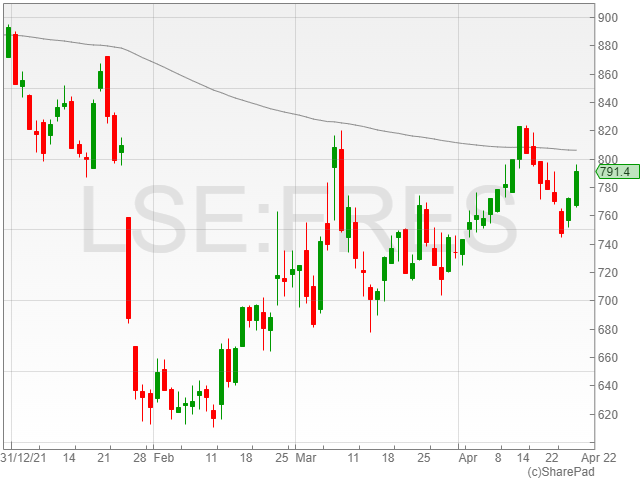
Fresnillo shares were up 9% to 806p per share with updates of resolving the staffing issue and increased expected productions.