Oil shrugs off poor China manufacturing data to continue rally

Oil at highest point since 2019

Oil has continued its recent resurgence despite a recent weak performance of the Chinese manufacturing sector.

West Texas Intermediate (WTI) began February at $53.55 per barrel and finished the month $61.50, up early 15%. Brent crude oil started February at $56.35 per barrel and was valued $66.13 heading into March, an increase of over 17%.

It was oil’s highest point since 2019, well before worldwide lockdowns came into effect.

This is despite a slowdown in manufacturing growth in China.

The headline seasonally adjusted Purchasing Managers’ Index (PMI), an indicator of manufacturing conditions in the Chinese economy, fell from 51.5 in January to 50.9, a nine-month low.

If the PMI figure is above 50 then output has increased for that month. Therefore, while output is still rising, it is going up minimally. PMI has also risen at a slower rate for the third month in a row.

Many companies commented on the ongoing negative impact of the pandemic on demand and business operations during the last survey period.

Analysing the China General Manufacturing PMI data, Dr. Wang Zhe, senior economist at Caixin Insight Group said:

“The Caixin China General Manufacturing PMI fell to 50.9 in February and stayed in positive territory for 10 straight months, indicating that the economic recovery in the manufacturing sector continued. But the effect of the recovery further weakened as the reading declined for a third straight month, falling to the lowest since May,” Zhe said.

Russ Mould, investment director at AJ Bell, is looking forward to Thursday as he predicts the commodity’s recent bullish run could be tested.

“Its price faces a big test on Thursday when oil producers’ cartel OPEC+ holds its next meeting. The market will be watching closely to see if an increase in supply is agreed at the meeting as a large hike could cap any further gains with Brent Crude in the near-term,” said Mould.

Oil’s price has benefitted from a number of favourable macroeconomic factors in recent weeks in addition to China’s recovery, including the Texas freeze, Joe Biden’s pending stimulus package and the retreat of Covid-19.
Lloyds share price: are Lloyds shares now the pick of UK banks?

0

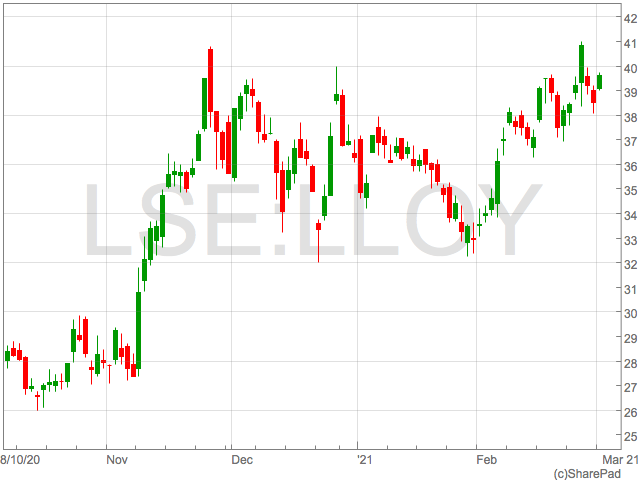
Lloyds share price (LON:LLOY) has been relatively stable so far this year after a tumultuous 2020.

Despite facing huge pressure throughout the pandemic, Lloyds and other UK banks posted robust results in February given the circumstances.

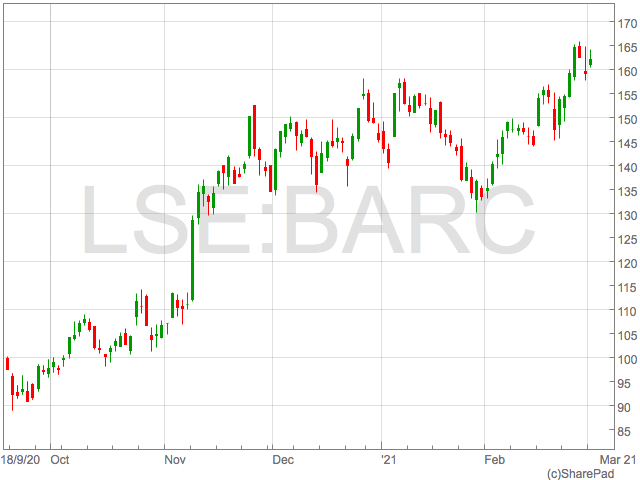
Investors are now looking to the FTSE 100’s staple institutions to explore their relative value as share prices continue to recover from sharp falls when lockdowns began. Lloyds surpassed expectations by making a respectable profit, while Natwest and Barclays both produced profits in 2020. This article will look at the recent performance of the banks and some useful valuation metrics to compare and contrast each one’s credentials as an investment proposition as the UK economy continues its recovery.

Dividends

In March 2020 the Bank of England (BoE) told the UK’s major banks to suspend dividend payments until the end of the year as a protection against loss of revenue due the pandemic. Towards the end of 2020, the BoE informed the banks that they could resume dividend payments as they were well capitalised and equipped to deal with any further disruptions caused by the pandemic. Lloyds, Natwest and Barclays resumed their dividends accordingly, with payouts of 0.5p, 3p and 1p respectively.

The newly resumed dividend payouts means Lloyds is now yielding 1.5%, whilst Natwest is yielding 1.6% and Barclays 0.6%.

These dividends are a long way off the yields investors had become accustomed to prior to the pandemic. Due to ongoing guidance from regulators, payments to investors may remain tepid in the short-term, but Lloyds has said it is committed to resuming a progressive dividend policy.

Earnings

Lloyds’ pre-tax profit dropped from £4.4bn to £1.2bn as the bank paid a £4.2bn impairment charge. Natwest, formerly the Royal Bank of Scotland, slumped to a £351m loss from a profit of £4.2bn a year earlier. Barclays was the most profitable bank out of the three during 2020, making a pre-tax profit of £3.1bn, down from £4.3bn in 2019. Barclays’ balance sheet was supported by its investment banking department which recorded robust revenues from its equities and fixed income businesses as customers rushed to the markets in 2020.

Price-to-earnings

Lloyds has the highest price-to-earnings (PE) ratio out of the three banks at 24.4, while Natwest and Barclays are at 13.2 and 16.8 respectively. Lloyds shares are the highest values based on earnings, while this may make the Lloyds share price seem expensive, it could also signal the market’s expectations of higher earnings going forward.

However, with the banks’ earnings remaining volatile due to the impact of the pandemic, investors will be paying particular attention to the valuation of banks based on their assets.

Price-to-NAV

There is little discrepancy between the banks when it comes to their price to NAV (net asset values). Lloyds, Natwest and Barclays all have Price-to-NAV measures below 1 – 0.6, 0.5 and 0.4 respectively – meaning the total value of their assets minus their liabilities is lower than the value of their share price.

This could represent excellent value for investors looking at the UK’s major banks.

However, it also reflects the current uncertainty around banks, and the future value of their assets. With all three banks trading below a Price-to-NAV of one, it suggests the market doesn’t have a high degree of confidence in the current health of banking assets such as loans and mortgages.

Lloyds share price

With Lloyds share price trading at 39.2p, it has performed worse year-to-date than peers Barclays and Natwest, who have seen their share prices increase by 10%.

Lloyds share price year-to-date is up 7%. With such little deviation in share price performance, it suggests the market views all three banks in much the same light.

Halfords to repay furlough grant as profits expected to soar

0

Halfords’ profit forecasted between £90m and £100m

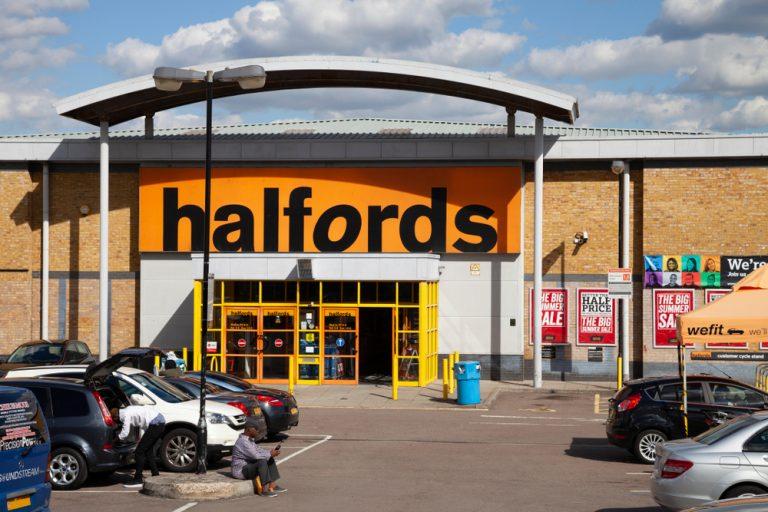
Halfords (LON:HFD) announced on Monday that it expects to post a profit for the year between £90m and £100m as cycling’s boom during the pandemic continues.

Shares in Halfords rose by 19.86% to 347p upon the company’s announcement.

Following its better than expected performance, the company offered to repay the £10.7m received as a part of the government’s furlough scheme.

The company said: “The board has taken the decision to repay in full £10.7m of furlough income received, and the profit range is after this repayment.”

For the first seven weeks of Q4 2021, between 2 January and 19 February, like-for-like growth was up 6.2%, with retail and Autocentres at 13.3% respectively.

Halfords’ results indicates the sustained impact of the pandemic on cycling, according to investment director at AJ Bell, Russ Mould.

“The bullish trading statement from Halfords shows the love for cycling picked up by Britons during lockdown still has momentum,” Mould said.

“While previous cycling booms, including the one linked to the 2012 Olympics, have lost traction rapidly, it may be that the more dramatic impact of Covid on our lives will make the cycling habit stick this time.”

Halfords could also benefit from a return to normality, said Mould, as people will increasingly use their cars for longer journeys.

“On the auto side Halfords could be a beneficiary of a reopening of the economy as people get their cars on the road or at least consider longer journeys for the first time in months and want to get their vehicles checked over to ensure they are road-safe and ready.

More than £907m has been spent on cycling-related infrastructure and 1,400 miles of new bike lanes have been rolled across Europe since the pandemic began.

However, the company warned over further uncertainty in the weeks ahead. “Trading patterns continue to be volatile, with sales before Easter particularly difficult to predict while the UK remains in lockdown. As the country starts to open up once more, our overriding priority remains the health and safety of our colleagues and customers,” Halfords said.

1Spatial revenue set to surpass expectations

0

1Spatial revenue to exceed £24m for the year

1Spatial (AIM:SPA) announced on Monday that it expects to post better than forecasted financial results for the second half of the company’s trading year.

The Location Master Data Management (LMDM) software and solutions company expects its yearly revenue will exceed £24m, up from £23.4m the previous year. Recurring revenue is also forecasted to have increased on the year, along with committed revenue and longer-term contracts.

Adjusted EBITDA is expected to be in excess of £3.2m.

The AIM-listed company has improved its cash performance, with net cash increasing to £4.3m, up from £3.9m the previous year. The increase in net cash is after payment of deferred consideration of €0.7m (£0.6m), and the result of a strongly positive operating cash flow and a positive free cash flow for the full year. 

1Spaitial’s share price is up by 1.79% to 34.1p on Monday’s mid-morning trading.

1Spatial expects to continue its progress in the coming year, while remaining cautious over how the pandemic continues to unfold.

Commenting on the update, 1Spatial CEO, Claire Milverton, said:

“I am delighted to report such a solid set of numbers and significantly improved cash performance against the challenging backdrop of the global pandemic. Our expertise in the cleansing and management of location data means we sit right at the heart of changes across multiple sectors.”

“Whether that be in helping governments and energy providers prepare to meet the green agenda, supporting the investment in infrastructure upgrades as the world’s economies prepare for post-COVID recovery, or implementing digital transformation strategies. We closed the year strongly and look to the future with increasing confidence,” Milverton continued.

Reach to pay dividend despite falling print sales

0

Reach revenue down £600.2m

Reach PLC (LON:RCH) has announced a 14.6% fall in revenue to £600.2m for the year.

Revenue from the media organisation’s digital operations rose by 10.6%, while print fell 18.9%.

The group – which operates the Daily Mirror along with a host of other publications – put its performance down to the impact of the coronavirus pandemic.

Reach’s adjusted operating profit was also down by 12.8% to £133.8m.

Reach’s final dividend will remain the same from 2019 at 4.26p per share. At early morning trading on Monday, Reach’s share price is down by 1.05% to 236p.

Commenting on the results and the year ahead, chief executive Jim Mullen said:

“A radical reorganisation of our business model not only makes us more efficient, it also enables our changing culture, which is evolving to support a growth led agenda.”

“We have delivered our strategic milestones ahead of our original expectations and will now increase investment to accelerate delivery, focusing on the use of enhanced customer insight to drive engagement and our medium-term objective of doubling digital revenues,” Mullen added.

“Resilience in print circulation is the foundation for the strong cash generation which underpins strategic investment, our pension commitments and growing returns to shareholders.”

“While macro-economic uncertainty resulting from Covid-19 clearly remains, the group is well placed to make good progress during 2021 and to generate increased long term value as the strategy gathers momentum.”

Last July, Reach announced it would cut its staff by 550, more than 10% of its workforce.

FTSE 100 regains ground early on following disappointing end to February

0

The FTSE 100 surged on Monday morning following a disappointing end to the previous week. The index of the UK’s top companies rose by 1.89% to 6,605.73 soon after the trading day commenced.

Richard Hunter, head of markets at Interactive Investor, said: “The FTSE 100 is seeing a relief rally following a poor end to last week. 

“The increase in the oil price is a factor, and as an index increasingly being seen as providing value, international investors may be tempted to buy into any strength. The index remains ahead by 2.0 per cent in the year to date, with the state of the nation likely to be revealed later in the week when the terms of the Budget are revealed.”

The surge in the FTSE 100 comes amid expectations that Rishi Sunak will upgrade forecasts on the UK’s economic recovery from Covid-19.

FTSE 100 top movers

Home builders Persimmon (5.48%), Taylor Wimpey (5.04%) and Barratt Developments (4.5%) are the biggest risers on the FTSE 100 at early morning trading.

Down at the bottom, Bunzl (-1.99%), Informa (-1.63%) and B&M European Value Retail (-0.037%), were the only three companies to lose ground on the FTSE 100 index.

Bunzl

Bunzl’s (LON: BNZL) currency adjusted profit before income tax is up by 25.6% to £715.6m as demand for supplies rose during the pandemic. The distribution company saw its adjusted revenue climb by 9.4% compared to the year before, up to £10.1bn. 

The FTSE 100 company announced a dividend of 54.1%, up 5.5% from the year before, while basic earnings per share rose by 22% to 128.8p. Shortly after market opening, Bunzl’s share price is down by 3.13% to 2,167p per share.

Reach

Reach PLC (LON:RCH) announced a 14.6% fall in revenue to £600.2m for the year. Revenue from the media organisation’s digital operations rose by 10.6%, while print fell 18.9%.

The group – which operates the Daily Mirror along with a host of other publications – put its performance down to the impact of the coronavirus pandemic.

Bunzl profits up following surge in demand for supplies during pandemic

0

Bunzl acquires three “highly complementary” companies

Bunzl’s (LON: BNZL) currency adjusted profit before income tax is up by 25.6% to £715.6m as demand for supplies rose during the pandemic.

The distribution company saw its adjusted revenue climb by 9.4% compared to the year before, up to £10.1bn.

Bunzl announced a dividend of 54.1%, up 5.5% from the year before, while basic earnings per share rose by 22% to 128.8p. Shortly after market opening, Bunzl’s share price is down by 3.13% to 2,167p per share.

A surge in bulk orders of disposable gloves, hand sanitiser and masks helped the distributor to grow its profit significantly during the pandemic.

Frank van Zanten, chief executive of Bunzl, discussed the effect of the pandemic on the business:

“The pandemic has served to highlight the vital role that Bunzl plays in ensuring supplies of essential products as well as the benefits of our diversification. As a result of our extensive supply chains and our Asia sourcing and auditing operation, we were able to quickly source and deliver significant quantities of quality assured Covid-19 related products, such as gloves and masks,” said van Zanten.

“Consequently, we were able to offset the negative impact that restrictions had on many of our customers’ businesses, particularly in the foodservice and retail sectors. I am very proud of the role we have played in serving and protecting front line heroes.”

The FTSE 100 company confirmed on Monday it had completed three acquisitions of “highly complementary” companies.

The specialist distribution group acquired Deliver Net in January, in addition to Disposable Discounter and Pinnacle in February.

Commenting on the acquisitions, Frank van Zanten, Chief Executive Officer of Bunzl, said:

“I am pleased to welcome Deliver Net, Disposable Discounter and Pinnacle into the Bunzl family.  All three businesses demonstrate our continued focus on growing Bunzl through the acquisition of high quality businesses. Further, these acquisitions demonstrate Bunzl’s continued acquisition momentum, with our pipeline remaining active and discussions ongoing.”

Investors bid up Auction Technology price

Online auctions provider Auction Technology Group (LON: ATG) got off to a strong start in its first week on the Main Market. Boosted by Covid-19 restrictions making normal auctions more difficult, demand for online auctions has boomed in the past year.
The company raised £247.4m at 600p a share, while existing shareholders pocketed £51.5m after the over-allotment option was exercised. The company was valued at £600m. There was a 30% gain at the end of the first week of trading.
Business
The genesis of the business was the trade magazine Antiques Trade Gazette and it still generates nearly 10% ...

Town Centre dividend surprise

Town Centre Securities (LON: TOWN) provided a pleasant surprise with a 1.75p a share interim dividend. This indicates the confidence of management even though revenues have declined due to Covid-19.
Town Centre has collected 85% of rents since last March and 3% more relates to deferral agreements. Some high street retailers remain unwilling to pay rents, although Boots has started to pay after threatened legal action.  
The reduction of exposure to retail and leisure properties continues and they currently account for 39% of the portfolio – pure retail is 26%. A further £1.4m of sales are...

IAG share price: good value if air travel returns to normal

0

The coronavirus pandemic devastated not only International Consolidated Airlines (IAG) (LON:IAG), but the airline sector more generally. Heathrow confirmed a £2bn loss during 2020 as passenger numbers dropped to the airport’s lowest level since the 1970s. However, while the way back for the aviation is not imminent, there is now a roadmap which could tempt investors to look closely at IAG. The Prime Minister has ruled out non-essential travel until May 17, although there will be a review on April 12 on how to safely restart travel ahead of summer.

Good value?

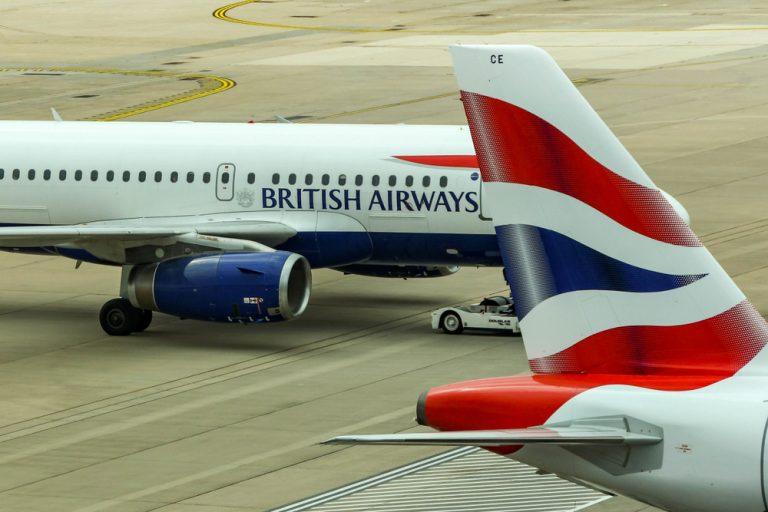
British Airways owner IAG stomached a €7.4bn loss in 2020, a €10bn swing from the year before. “Our results reflect the serious impact that Covid-19 has had on our business,” said Luis Gallego, the chief executive of IAG. As a result, the airline’s share price is down to 191.95p, from 351.31p 12 months ago.

While other industries have experienced rallies as the vaccine roll-out picks up momentum, the aviation sector is being left alone by investors, while question marks remain over the future. On the assumption that travel returns to its normal levels during the summer, IAG shares could represent excellent value. Analysts at UBS Group have issued a 215p price target to its clients on Friday, as well as assigning the stock a “buy” rating. The price target is 12% above the stock’s current price.

Will flying return to pre-pandemic levels?

Airlines reported an influx of holiday bookings following the Prime Minister announcing a roadmap out of lockdown. The demand is there, according to chief executive of easyJet, John Lundgren: “We have consistently seen that there is pent-up demand for travel and this surge in bookings shows the signal from the government that it plans to reopen travel has been what UK consumers have been waiting for.”

However, the sector will need more than demand from consumers to secure its future. A question mark remains over the long-term effects of Covid-19, even once most people have received a vaccine jab. If the disease lingers then international travel could be restricted beyond May 17

“The challenge is to find a way to live with it without keeping huge restrictions in place,” says Azra Ghani, professor of infectious disease epidemiology at Imperial College London.