
WPP reveals drop in Q3 revenue

WPP (LON: WPP) has revealed a 9.8% fall in revenue for the third quarter to £2.97m.
Like-for-like sales fell 5.5% to £2.97bn, however, the drop was smaller than the 11.5% fall in the second quarter.
“WPP continues to demonstrate its resilience in a challenging market. We have maintained our new business momentum as clients seek out our creativity and our skills in media, technology, data and ecommerce,” said chief executive Mark Read.
“This month, Uber joined a growing list of major assignment wins that includes Alibaba, Dell, HSBC, Intel, Unilever and Whirlpool, and we continue to lead the new business rankings. We have also renewed and expanded our relationship with Walgreens Boots Alliance to encompass its data- and technology-driven marketing strategy.
“Given the tightening of COVID restrictions around the world and uncertainty in the global economic outlook, we remain cautious about the pace of recovery. It is important that we maintain our strong financial position and we are on track to achieve cost savings towards the upper end of our £700-800 million target.”
WPP said it has seen improvement in North America as clients are returning to spending more on media ads.
Shore Capital analysts said in a note: “Notwithstanding continuing uncertainty over short-term advertising spend, we are encouraged by the momentum flagged in this morning’s update, continue to view WPP as a quality business and like the way in which it is been repositioned.”
WPP shares (LON: WPP) were down 3.25% in Thursday morning trading.
Lloyds returns to profit amid housing boom

Lloyds (LON: LLOY) has reported a pre-tax profit of £1bn, beating expectations for the third quarter.
After posting a loss in the first half of the year, the lender has returned to profitability after a surge in demand for home loans.
This quarter has seen the biggest growth in demand for home loans since 2008, which led to mortgage lending at the bank of £3.5bn.
The temporary stamp-duty holiday has led to a boom in the housing market, also helped by people wanting more space amid the pandemic.
Chief executive Antonio Horto-Osario commented: “Although our performance has clearly been impacted by the pandemic and the associated challenging economic environment, I am pleased that we are now seeing an encouraging business recovery and, with impairments significantly lower, a return to profitability in the third quarter.”
“Our customer-focused strategy and the strength of the group’s business model will allow us to continue to help Britain recover and play our part in helping to return the UK to prosperity.”
Horta-Osorio will be leaving the lender next year after a decade at the helm.
Lloyds shares (LON: LLOY) opened 2.6% at 28.37p. Shares this year have fallen 53% from previous highs of 69.99p.
BT raises profit guidance despite 20% fall in profits
In the latest trading update, BT (LON: BT.A) has reported a 20% fall in half-year profits.
The telecoms giant revealed post-tax profits of £856m – falling from last year’s £1.07bn.
Revenue at the group fell 8% to £10.6bn.
Despite the fall in revenue and profits, BT has raised its full-year guidance to £7.3bn – £7.5bn.
“BT delivered financial results in-line with expectations for the first half of the year, thanks to strong operational performance during exceptional circumstances. Customer demand during the pandemic has shown how critical our networks have become, and our significant network investments have helped us double the number of Openreach’s FTTP orders compared to this time last year and have seen our leading 5G network expand to 112 towns and cities across the UK,” said chief executive, Philip Jansen.
“We continue to invest to make BT more competitive and I’m pleased to see the quality of our products and services improving. At the same time we are firmly on track with the delivery of our modernisation programme and have delivered £352m in cost savings in the first half of the year.
“This performance has given us confidence to raise the lower end of our EBITDA outlook range for this year and publish an EBITDA expectation of at least £7.9bn for 2022/23, with sustainable growth from this level forward. This growth will be driven by the continued recovery from Covid-19, enhanced by sales of our converged and growth products, and by significant savings from our modernisation and cost saving programme. In combination these factors will more than offset legacy product declines.
“The growth in EBITDA underpins the planned reinstatement of our dividend next year whilst ensuring that we can continue to drive value-creating investments in our networks and products.”
BT shares (LON: BT.A) opened +5% at 107,10. Over the past year shares in the group have fallen almost 50%.
Three reasons why New Year’s Eve may be an eventful time for equities

It’s still an election, twenty new COVID policy measures, and a Christmas dinner away, but its worth trying to anticipate what equities will look like as the clock strikes midnight on New Year’s Eve. And, here are three factors to consider.
The Christmas COVID Crunch
Despite the police commissioner’s misguided tough guy comments about breaking up gatherings in breach of COVID rules, it seems almost inevitable that families across the Western world will come together to celebrate Christmas. And, with this in mind, we can make the assumption that the days following Christmas will be filled with headlines fretting about spikes in cases. Of course, the extent to which this comes to pass will be influenced by the lockdown measures in place over the festive period. However, many Twitter users in the UK and US have been vocal about their intentions to see loved ones, regardless of official restrictions. Should this be the case, we can expect further downside for Western equities. Politicians may be keen to avoid stringent lockdown measures over Christmas, but this might require tougher measures before – and, importantly – after the holiday period. While new lockdown measures between now and Christmas are already being priced in by shaky indexes this week, the severity of new case numbers will have a hand in steering the range of restrictions in place as we enter the New Year.Equities will love the duck no longer being lame
In a roundabout way: the new US president will stop being a lame duck in January. Save for the nightmare outcome of a close result in the presidential election next week, the next US president will be inaugurated in January. At present, bookies have three likely outcomes – a Democrat clean sweep, a Biden win but mixed legislature, and a Trump win with mixed legislature. Now, both candidates look likely to implement a new stimulus package once they take office, and whoever is in power will normally drop some breadcrumbs about what new support measures will look like ahead of time. Certainly, there have been reports saying that markets have priced in a Biden win next Tuesday, and such an outcome would likely result in more generous stimulus being introduced in the New Year. While markets would rub their hands eagerly at such a prospect, they’ll recoil in disgust at his new taxation policy plan. Trump will implement more modest stimulus, and thus the excitement for new support, while present, while be more muted. In contrast, Biden will likely bring in more extensive support, but – and despite BlackRock debunking some of the practical fears being raised – the giddy sentiment this incites will to some extent be cancelled out by equities pricing in heavier taxation.New Year, new hope
Perhaps the variable offering the strongest potential upside is the ultimate light at the end of the tunnel: a vaccine. With status updates being posted this week on the potential efficacy of the Oxford-AstraZeneca vaccine candidate, and Pfizer flexing the muscles of its vast vaccine roll-out logistics operations, any hope of there being an end in sight should have been rekindled. Indeed, just today, GSK and Sanofi announced a joint Statement of Intent to supply 200 million doses of its vaccine to the COVAX initiative, once approval has been received. Regarding a timeframe for these promising words to become reality, GSK hopes to achieve regulatory approval within the first half of 2021, and their effort doesn’t even seem to be the current front-runner. With that in mind, we may be on the brink of a vaccine candidate being made publicly available in the early stages of 2021 – or at least, that’s what’s currently being alluded to. Failing this, we’ll no doubt have more sweet nothings to sate our appetite for good news. And, if nothing else, some promising updates at the turn of the New Year may be enough to leave equities in a good mood.Hogma-nay or Hogma-yay?
I’m opinionated but not an oracle, and I won’t give you a clear answer I’ll regret at a later date. What I will say, though, is that you take time off over the holiday period at your peril. Even with just the three themes we’ve discussed, family arguments around the dinner table are unlikely to be the main sites of drama as the year draws to a close.UPS delivers 16% revenue growth but shares price in future downside
US-based international parcel company, UPS (NYSE:UPS) saw its shares drop on Tuesday, despite posting some healthy financial gains during third quarter trading.
The company booked Q3 consolidated revenue of $21.2 billion, up 15.9% year-on-year. Similarly, the company’s consolidated average daily volume increased 13.5% on-year, while net income rose by 11.8% and 10.7% on an adjusted basis, to $2.0 billion.
The company also recorded a third quarter operating profit of $2.4 billion, up 11.0% versus last year, and 9.9% on an adjusted basis. Fundamentals appeared equally peachy for UPS shareholders, with adjusted diluted earnings per share bouncing 10.1% year-on-year.
“Our performance highlights the agility of our global integrated network amid the ongoing challenges of the pandemic. Our results were fuelled by continued strong outbound demand from Asia and growth from small and medium-sized businesses,” said Carol Tomé, UPS chief executive officer.
“UPSers are everyday heroes who are keeping the world’s supply chains moving. I want to thank our team for their ongoing commitment to our customers and the communities we serve.”
In its US operations, the company saw its profits fall by more than $100 billion during Q3, even though daily average volume increased by 13.8%.
In its International Segment, volumes rose by 12.1% and profits spiked by over $300 million.
For its Supply and Freight business, revenues increased by 16.5%, and profits rose by around $50 million.
“Our Better, not Bigger approach had a positive impact on our performance in the quarter, specifically through the revenue-quality actions we’ve taken. Additionally, we recently launched new initiatives to further reduce our costs,” said Brian Newman, UPS chief financial officer.
“Looking ahead to the fourth quarter, we are collaborating with our customers and using our proven tools to control volume and ensure the resiliency of our network. We are focused on delivering a successful peak and generating cash returns.”
Following what was seemingly a positive update, UPS shares dipped by between 4% and 5%, down to just over $163 a share. This price dip perhaps anticipates some bounce-back against the rapid rise of deliveries during lockdown, and prices in the effect of a possible increase in face-to-face retail activity as vaccines start to be administered in the new year.
At present, the UPS price is around 10% ahead of analysts’ target of $146.75 a share. Analysts currently have a consensus ‘Buy’ rating on the stock; it has a p/e ratio of 32.05; and the Marketbeat community has a 51.90% ‘Underperform’ stance on the stock.
Ibstock reports decline in revenue, shares fall

Ibstock (LON: IBST) shares are down on Wednesday after the group issued a trading update for the period to 30 September 2020.
Group revenues for the period were 88% of those compared to the same period last year.
Ibstock has seen a continuing recovery in demand, with trading conditions improving steadily across the third quarter.
“As volumes have continued to improve, the benefit of the cost and capacity actions taken since the start of the second quarter have resulted in an encouraging recovery in margins across both businesses which are trending towards pre-COVID-19 levels on a run-rate basis,” said the manufacturer of clay bricks and concrete products.
“We have continued to operate our manufacturing sites in line with the recovery in customer demand and to ensure we have capacity in place to deliver on our volume expectations for the final quarter. As has been the priority since the onset of the pandemic, this has been done whilst ensuring the health and safety of our colleagues, with revised working protocols, including social distancing measures and onsite temperature checks, in place at all of the Group’s locations.”
Ibstock adjusted EBITDA for the 2020 financial year to be approximately £50m.
Joe Hudson, the chief executive of Ibstock, commented: “We are encouraged by the continued recovery in demand seen in the third quarter in both our Clay and Concrete businesses, although we remain mindful that there is significant uncertainty in the period ahead.
“We remain confident in the recovery of our markets over time and that the actions we have taken in the business leave us both with the necessary flexibility to meet current challenges and an organisation well positioned to take full advantage of future opportunities,” added Hudson.
Ibstock shares (LON: IBST) are -9.86% at 161,20 (1442GMT). Over the last year, Ibstock share price has been traded in a range of 191.7, hitting a high of 323.6, and a low of 131.9.
Rolls-Royce: Why are shares at a 15-year low?
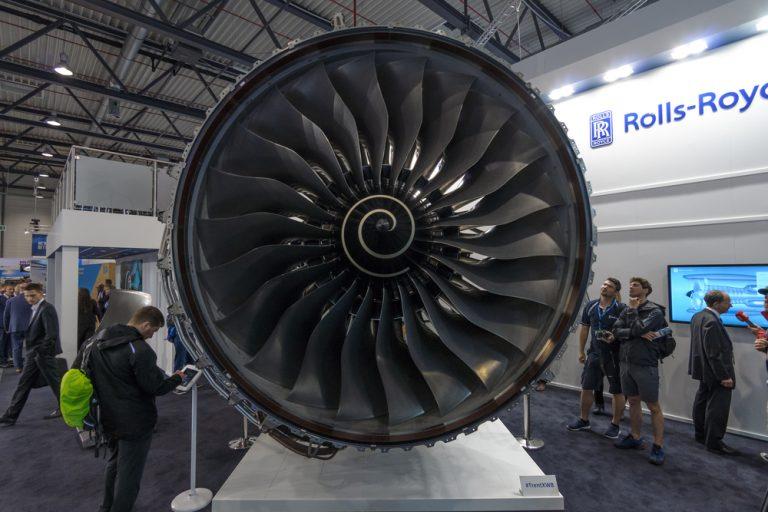
Rolls-Royce shares (LON: RR) plunged 56.7% today after the FTSE 100 firm voted in favour of a £2bn rights issue.
Shares in the engine-maker were trading at 94.85p today, which is a 95% fall in value over the course of the year.
Shares are currently their lowest since April 2003.
Yesterday shareholders voted in favour for the company to issue 6.4bn new shares, which unlocked £5bn in extra liquidity and a new £2bn bond issue.
New shares will cost 32p each, which is a 41.4pc discount to the 130p closing price on September 30.
Rolls-Royce has been hammered by the Coronavirus pandemic as international travel remains at record lows.
“At a time where the company is already struggling to cope with the fallout from the first set of lockdowns, the almost inevitable period of secondary lockdowns in Europe does little to bolster confidence for Rolls-Royce,” said Joshua Mahony, senior market analyst at IG.
“With the current market cap down to £1.54bn, it is understandable for investors to question the value of a company that could easily end up pushing for yet another multi-billion rights issue down the line.”
The firm slumped to a £5.4bn half-year loss in August.
Joachim Kotze, from Morningstar, commented: “This is a marked increase and investors who choose to follow their rights must have a high level of confidence that the company can return to previous levels of profitability to justify the commitment.
“Alternatively, if shareholders don’t follow their rights, they will be diluted away and will not get any upside at all – but at least they don’t risk losing additional capital,” he said.
Rolls-Royce shares (LON: RR) are currently trading +10.70% at 83,19 (1420GMT).
Boeing to cut 20% total workforce
Boeing has said that it plans to cut thousands of additional jobs in upcoming months.
Chief executive of the US airline, Dave Calhoun, said that he hopes staff numbers will be reduced from 160,000 to 130,000 by the end of 2021.
In a memo to staff he said: “As we align to market realities, our business units and functions are carefully making staffing decisions to prioritize natural attrition and stability in order to limit the impact on our people and our company.”
“We anticipate a workforce of about 130,000 employees by the end of 2021. Throughout this process, we will communicate with you every step of the way.”
Boeing has reported four straight quarterly declines with a $466m (£354m) loss for the three months to 30 September.
GSK and Sanofi sign Statement of Intent to provide 200m COVID vaccines
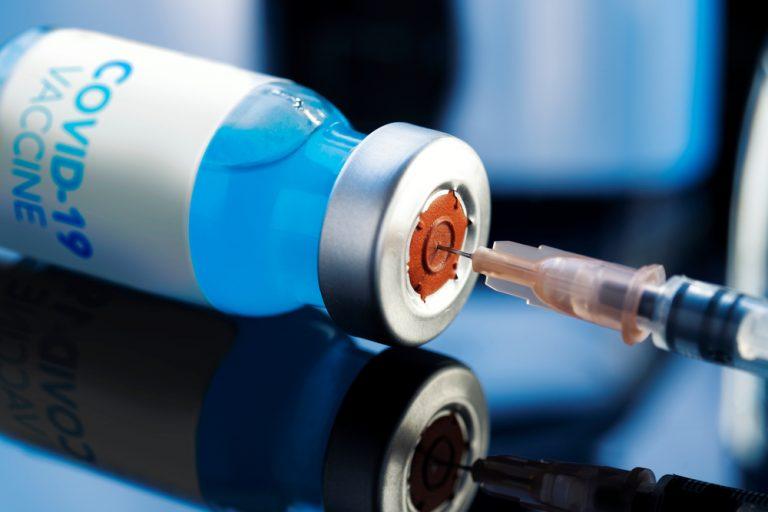
The COVAX Facility is led by the Gavi vaccine alliance group, and has the goal of allowing companies and researchers to collaborate, and develop, produce and provide equitable access to COVID tests, treatments and vaccines. In service of this alliance, UK health giant GSK (LON:GSK) and French pharma blue chip Sanofi (EPA:SAN) have signed a Statement of Intent with Gavi, for the supply of 200 million COVID vaccine doses.
Once necessary approvals are gained, both companies say they will make their adjuvanted recombinant protein-based COVID-19 vaccine available to the COVAX Facility, to contribute towards its goal of “[reaching] those in need, whoever they are and wherever they live”.
Speaking on the companies’ commitment, Thomas Triomphe, Executive Vice President and Global Head of Sanofi Pasteur, said:
“To address a global health crisis of this magnitude, it takes unique partnerships. The commitment we are announcing today for the COVAX Facility can help us together stand a better chance of bringing the pandemic under control. This moment also reflects our long-term commitment to global health and ensures our COVID-19 vaccines are affordable and accessible to those most at risk, everywhere in the world.”
Roger Connor, President of GSK Vaccines added:
“Since we started working on the development of COVID-19 vaccines, GSK has pledged to make them available to people around the world. We are proud to be working with Sanofi to make this adjuvanted recombinant protein-based vaccine available to the countries signed up to the COVAX Facility as soon as possible – this has the potential to be a significant contribution to the global fight against COVID-19.”
Having initiated the first of two phases of its trials on September 3, with 440 participants enrolled, GSK stated that it expects first results in early December 2020. It said these results being secured would be ‘pivotal’ to support the initiation of a Phase 3 study before the end of the year. Should the data prove sufficient for licensure application, GSK said it will request regulatory approval during the first half of 2021. In parallel, GSK said that it and Sanofi had been scaling up manufacturing of the antigen and adjuvant respectively. The company adds that the use of an adjuvant technology is particularly important in a pandemic situation, given that it may reduce the amount of vaccine protein required per dose. It continued, saying that it does not expect profit to be made from the COVID vaccine during the pandemic phase, and said it will invest any short-term profit back into COVID-related research and long-term vaccine preparedness.Tribal Group hikes profit expectations, shares rise

Tribal Group shares (LON: TRB) are up almost 8% this morning after the group released a trading update for the year ending 31 December 2020.
The provider of software and services to the international education market said in the update that it “performed well” in the second half of the year to date, Despite sales cycles being protracted as a result of the pandemic.
Tribal Group now anticipates reporting profits for the year comfortably ahead of current market expectations in the region of £72m.
The firm has said that it will pay an interim dividend of 1.1 pence per share.
“During the third quarter, we have continued to make positive progress against our strategic objectives, winning new customers, retaining and growing our existing customers, while investing in the transition of our offerings to the cloud,” said Mark Pickett, the CEO of Tribal Group.
“We are pleased to have paid back all government support received during the COVID-19 period and to reinstate our dividend. I would like to thank all of our team for their continued hard work and commitment to Tribal and our customers through this difficult time.
“Our priorities for the remainder of 2020 are to continue to protect the business from the impact of COVID-19, win new customers, retain and grow existing customer relationships, and deliver on the Tribal Edge strategy.
“Never has the need for cloud-based solutions for the Education market been more pressing. The investments we have made position us at the forefront of this evolution in our industry, providing for an exciting future for Tribal.”
Tribal Group shares (LON: TRB) are currently +7.69% at 70,00 (1242GMT).