
Avacta teams up with Integumen to develop waste water COVID-19 testing

Avacta (LON:AVCT) has announced a corroboration with AIM-listed Integumen (LON:SKIN) to develop an early warning testing system for the presence of COVID-19 proteins in waste water.
The detection sensors are to implemented through Modern Water’s Microtax water contamination systems which can detect bacteria in waste water through their 3,000 installations.
“Multiple international commercial opportunities exist beyond individual equipment unit sales, with all three parties standing to enjoy long-term recurring revenues generated through the supply of Affimer® reagents in each of the proprietary consumable test cartridges, AI-as-a-Service predictive alerts and maintenance contracts,” said Barry Gibb, Research Analyst at Turner Pope Investments.
Mr Gibb continued to highlight the potential size of the target market and how such a system could facilitate some parts of the economy returning to normality.
“The true scale of this opportunity is perfectly demonstrated by, for example, the global cruise line industry which handles 32 million passengers in a market annually worth US$31.5 billion, yet is likely to remain entirely disabled with passengers effectively uninsurable until perpetual coronavirus monitoring, detection and testing systems are installed.”
“In this respect, Avacta, Integumen and Modern Water appear to have not only rapidly recognised one of the world’s most pressing needs, but are also combining their core competencies and well-established worldwide marketing reach to develop and distribute a unique, seemingly unmatched technological package of potential global significance,” Mr Gibb concluded.
Avacta’s Affimer technology will be evaluated over the coming weeks with test being held at the University of Aberdeen. If proved successful, Integumen will commercialise the detection sensors.
“Affimer reagents are ideal for applications such as this, not only because of their sensitivity and specificity, but also because of their robustness, which is essential when being deployed in real-world situations, such as real-time waste water analysis,” said Dr. Alastair Smith, Chief Executive of Avacta Group.
“With the spread of COVID-19 continuing to accelerate globally, we are proud to work with partners like Integumen to provide our Affimer reagents for development on a range of platforms to combat the pandemic. This collaboration has the potential to deliver a product that will play a crucial role in the early detection of COVID-19 hotspots around the world.”
Virgin Atlantic set to receive £1bn rescue deal
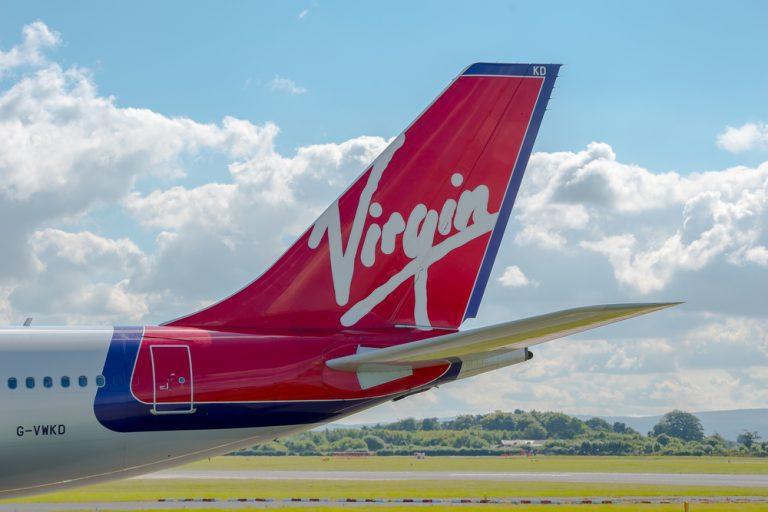
Virgin Atlantic is set to announce a £1 billion rescue deal from Atlanta-based financial services firm First Data, in a last-ditch attempt to avoid collapse without relying on taxpayers’ money.
The airline, launched in 1984 by British business tycoon Richard Branson, has struggled to stay afloat during the coronavirus pandemic due to almost universal travel restrictions which grounded its planes and drove the wider travel industry into paralysis.
First Data is a subsidiary of NASDAQ resident Fiserv (NASDAQ:FISV). The financial services provider has allegedly made “stringent” demands in return for its support for the struggling airliner.
Sources told Sky News on Sunday that the firm has requested to hold onto all future bookings revenue in a bid to “protect itself” if Virgin should indeed collapse. Virgin Atlantic Chief Executive Shai Weiss is reportedly trying to “moderate” First Data’s demands.
Lloyd Bank’s Cardnet has already “broadly agreed” to the terms put forward in the proposal.
The deal would pave the way for a £200 million cash injection from Atlantic’s parent company Virgin Group, as well as an additional £400 million in fee deferrals and waivers from Virgin Group and Delta Air Lines (NYSE:DAL) – which owns 49% of the company.
If the deal goes through, thousands of British jobs could be saved. Virgin announced back in May that as much as a third of its 10,000 UK employees could expect to lose their jobs over the next few months.
A number of other airline giants have been forced to make mass redundancies, including United Airlines (NASDAQ:UAL), who is set to lay off almost half of its global workforce.
Global airlines are projected to suffer an $84 billion loss due to the pandemic over the course of 2020.
Primark rejects £30m coronavirus job retention bonus

Fashion retailer Primark, an Associated British Foods (LON:ABF) subsidiary, has turned down a £30 million offer from the UK government for bringing back its 30,000-strong furloughed workforce.
The high street clothing chain stated that it “should not be necessary” to take the government up on its offer, which includes a £1,000 bonus for each employee that companies bring back from furlough.
The initiative was designed to offset the “tragic projections” for unemployment expected this autumn when the government’s furlough scheme comes to an end in October.
Since swathes of Primark stores reopened in mid-June, all staff have returned to work, with the company expecting to generate a modest profit by the end of the year – although significantly less than usual.
An Associated British Foods spokesperson stated:
“The company removed its employees from government employment support schemes in the UK and Europe in line with the reopening of the majority of its stores. The company believes it should not be necessary therefore to apply for payment under the bonus scheme on current circumstances”.
Although losing around £800 million in sales since the lockdown began in March, Primark has remarked that reopening profits across its 375 UK stores have been largely encouraging. Photographs of lengthy queues outside Primark stores when they first reopened were featured across the front of national newspapers.
Without the support from the government’s furlough scheme, Primark has admitted that as many as 68,000 of its employees in the UK and Europe may have had to be laid off. The company was one of dozens of high street chains that struggled to stay afloat during the peak of the pandemic, with stores shut nationwide and trade essentially paralysed.
A source close to Primark commented on the company’s decision to turn down the £30 million bonus, saying:
“The stores are open, they’re trading, cash is coming in, if you don’t need the money why take it? But those circumstances don’t apply to other retailers or other industries”.
Other high street brands have been weighing up their options, with M&S (LON:MKS) “welcoming” the government’s ongoing support for businesses, although the company has not yet confirmed if they will be taking up the furlough scheme bonus.
Fast food giant McDonald’s (NYSE:MCD) has not yet commented as it is “still working through the details of the chancellor’s announcement”.
EasyJet accused of using sickness records to decide on job cuts
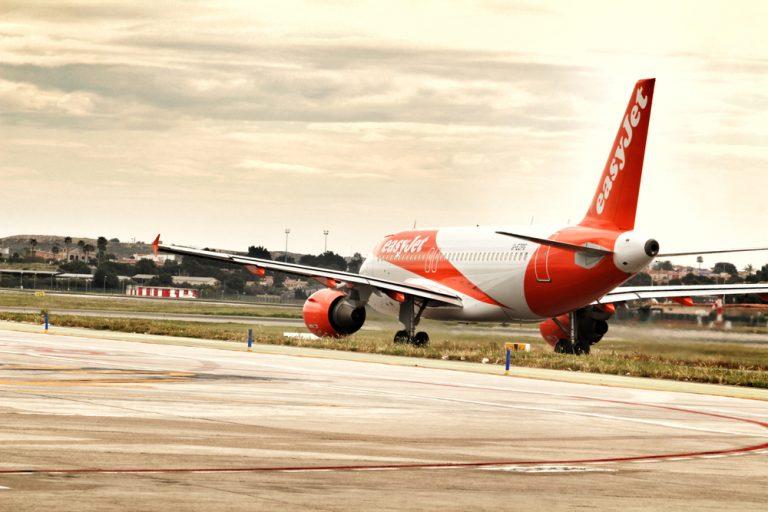
Airline giant easyJet plc (LON:EZJ) has been accused by prominent pilots’ trade union, the British Airline Pilots’ Association (BALPA), of using staff sickness records to calculate which employees to make redundant as the company pushes ahead with plans to axe 4,500 jobs.
The firm is preparing for 727 pilot redundancies as well as shutting down operations at its Stansted, Southend and Newcastle bases, following a mass restructuring drive in response to the economic impact of the coronavirus pandemic.
A number of airlines, including AirAsia (KLSE:AIRASIA) and United Airlines (NASDAQ:UAL), have been forced to cut costs and lay off staff after worldwide lockdown restrictions ground the travel industry to a halt.
While easyJet has acknowledged that historic staff absences will form part of its assessment, the company has defended itself by stating that it has only put forward initial proposals to BALPA and that talks are still at an early stage.
BALPA General Secretary, Brian Strutton, rejected the airllne’s statement:
“Flight safety is built on a culture of openness and not fear of repercussions. This is a well understood and fundamental tenet for everyone involved in ensuring our skies are safe. It is unnecessary and wrong that easyJet is intending to use sickness as a stick to beat its safety-critical staff”.
He has alleged that easyJet intends to use absences during the start of the coronavirus pandemic – when staff may have been sick, shielding themselves, or working from home for the safety of a family member – as part of its absenteeism timeframe.
The airline has since responded that these claims are untrue, stating:
“We would never put forward proposals which would compromise safety as we have an industry-leading safety culture, as BALPA acknowledges. Safety is our number one priority and we are focused on doing what is right for the long term health of the company and our people so we can protect jobs going forward”.
With talks still ongoing, easyJet has confirmed that sick days may be considered as part of the company’s redundancy criteria, but overall conduct and attendance rates will form the bulk of the decision.
Sick leave taken during the coronavirus pandemic will not be included in the airline’s assessment, easyJet has assured.
The company concluded that it is taking all necessary steps to protect the health and safety of its staff, as it resumes its summer schedule with reduced flights to reflect less travel demand. EasyJet is reportedly planning to run 50% of its 1,022 routes in July and 75% in August.
Despite the controversial news, easyJet’s share price remains steady, up 1.72% to 664.00p at BST 16:39 10/07/20.
Airlines to battle turbulence as quarantine measures ease
As quarantine rules are relaxed for travellers from dozens of countries arriving in the UK, the airline industry faces a grim few months ahead.
The relaxing of lockdown measures around the globe may have seen an initial “explosion” in holiday bookings, but airlines are expecting cautious travellers to opt to stay home for the summer instead, dampening hopes of reviving the usual busy holiday season due to fears of a second wave of coronavirus.
Today, the UK government eased restrictions which had previously required everyone arriving in the UK from abroad to self-isolate for 14 days upon arrival.
After mounting criticism and a legal review launched by leading airliners easyJet (LON: EZJ), British Airways (LON:IAG) and Ryanair (LON:RYA), it was announced last month that quarantine rules would be relaxed for a select number of countries deemed to be at “low-risk” of spreading the coronavirus.
Meanwhile, even as the UK and Europe begin to build the long-awaited “air bridge” between destinations, the US is battling a sharp rise in virus cases that threatens to pour cold water over the whole ordeal, and send travellers rushing back to safety of their homes.
A number of major airline companies have struggled to stay afloat during the pandemic. Big names such as United Airlines (NASDAQ:UAL) and British Airways were forced to lay off thousands of employees, with their planes grounded due to globally-enforced lockdown restrictions and a free-fall in travel demand.
The near-paralysis of the airline industry helped drive oil down to its lowest recorded price since 1982 – a mere $11.01 – at the peak of the pandemic in April.
Commenting on today’s progress, IG Senior Market Analyst Joshua Mahony stated:
“Airlines are on the slide in early trade today, as the first day of quarantine exemptions did little to boost sentiment after a dismal June.
“While May saw Heathrow passengers down by almost 97%, the recent step to reduce hurdles for those seeking to travel abroad will hopefully provide some precious income for airlines at one of the most testing periods in history for the industry.
“Nevertheless, with fears of localised lockdowns around the globe, there is a good chance that it will take many months and even years to see air travel return to pre-Covid levels”.
Investing in fine wine to beat the pandemic wobble

Speaking to the UK Investor Magazine, Vindome Consultant and Master of Wine, Roderick Smith, MW, offered his insight into investing into an asset he thinks has the ability to ride out economic instability.
He says that fine wine emerged as one of the most robust investments following the 2008 financial crash, and though it’s hard to predict the outcome of the current economic uncertainty, fine wine‘s status as ‘a finite, luxury product with increasing demand’ gives it the ability to maintain something of a consistent performance versus other asset classes.
“Wine consumption continues to rise, and even in markets where future tax implications may have an effect on the wealthy, there remains a healthy appetite for fine wine. It may be time for introspection when it comes to investing in real estate, fine art, classic cars, or even the stock market, but wine seems to remain a safe bet”, said Mr Smith.
Three top tips for budding fine wine investors
Number 1: Mr Smith’s first suggestion is getting the foundations right. Having an easy way of trading, a trustworthy broker and supplier, and secure storage are all crucial components for a successful fine wine investor. Looking for a medium, such as an app, which provides all of these tools in one umbrella service, can be the most viable way for regular investors to enter the fine wine space. This is why services such as Vindome play such an important role in democratising reliable asset classes such as fine wine. Number 2: Whatever the investment, your point of entry is crucial. Smith says that whether it’s wine, oil, tech or marmalade, it is intuitive to think that you want to buy into something while it’s at a price that can be considered relatively good value. This is currently the case with fine wine. While having overall resilience against instability, COVID has downgraded many prices and wine has yet to catch up to its pre-pandemic levels. With a wide array of fine wine classes, categories and price ranges, the COVID discount offers rare cut-price entry at several different price points. Number 3: Personally my favourite piece of advice – while offering great prospects, fine wine is only rarely a ‘day trading’ venture. If considering a move into fine wine, an investor should see the asset as something which will yield profits in the medium-to-long term, as the items increase in rarity and maturity. Hence the saying – ageing like a fine wine. Bonus: As an added piece of advice, I’d say that fine wine should be to a portfolio what it is to a healthy life, an alternative to the mundane but ultimately not the bulk of its substance. As Warren Buffet advised, some small part of every portfolio should contain fine wine, but without the expertise or time to constantly track the market, and risk factors such as an influx or departure of new demand (as seen with Chinese buyers in the last decade or so), fine wine should not be the mainstay of an average investor’s portfolio. As my favourite adage for this asset class goes: it is a fun, alternative asset. If it all goes to pot, you can always drink your assets and forget your problems for a while.What does Vindome offer?
Speaking on his own company, Mr Smith told us that Vindome was an exciting entrant to the online fine wine trading space. “Vindome connects producers, investors and consumers to buy and sell collectible wine in real time, via a smartphone app. It offers rapid, direct and secure investments and allows users to trade directly with one another.” “All wines on the Vindome app are sourced direct from renowned wineries and négociants, guaranteeing their provenance. One of the key advantages of using the Vindome platform is that it offers immediate access to thousands of wines, including special vintages and en-primeur, unlike other trading platforms where the wines are often unavailable for immediate purchase” he added. Other services providing by Vindome include NFC tags on all purchased crates of wine, which state a crate’s contents, trade history and contents of ownership. Further, the app also gives prospective investors access to experts who can be contacted via email or telephone, to provide consultation based on an individual’s taste, budget and returns expectations. Finally, the company offers full security and storage as part of its service. All wines are tagged and stored in bonded warehouses with humidity and temperature control and security, with an insurance policy that compensates clients for compromised goods at market value, rather than purchase price.Royal Mail shares unfazed as company fined £1.6m by Ofcom
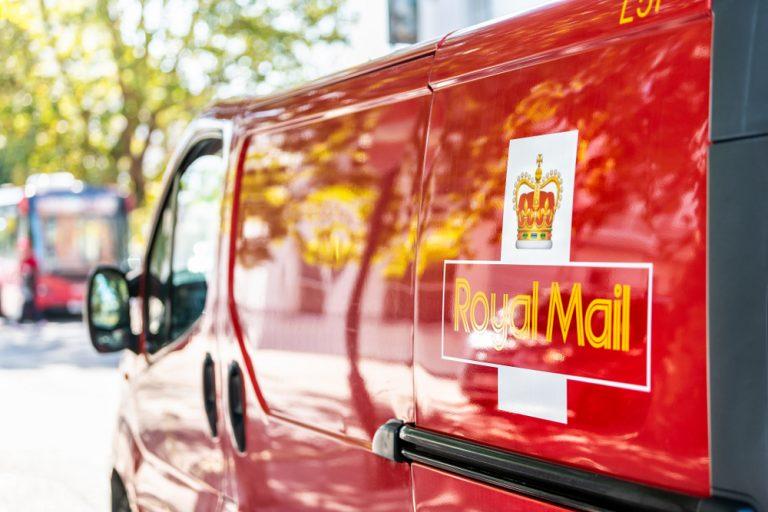
Royal Mail Group plc (LON:RMG) has been fined £1.6 million by communications regulator Ofcom for late deliveries and overcharging for stamps. Meanwhile, the company’s share price remains largely unbothered by the penalty, up 0.36% to 165.90p at Friday lunchtime.
The postal service is required to deliver 93% of its First Class mail within one working day of collection, but between 2018 and 2019 Royal Mail missed the target by a “significant amount”, with only 91.5% of next-day mail delivered on time.
Highways England was blamed for disruption on the roads, but Ofcom argued that the company still undershot the target even when adjusting for disadvantaged drivers.
In addition to late deliveries, Royal Mail also overcharged customers by 1p for second-class stamps during one week in March 2019. Despite the relatively small fee, UK customers were overcharged by a cumulative £60,000 – indicating that a total of 6 million overpriced stamps were bought with money that the company is unable to refund.
Ofcom has since handed down an additional £100,000 fine for the stamp error, on top of the £1.5 million for breach of delivery obligations. The fines will be received by the Treasury.
Gaucho Rasmussen, Ofcom’s Director of Investigations and Enforcement, commented on the news:
“Many people depend on postal services, and our rules are there to ensure they get a good service, at an affordable price. Royal Mail let its customers down, and these fines should serve as a reminder that we’ll take action when companies fall short.”
Royal Mail said in a statement that it “accepts and understands Ofcom’s decision”, and added:
“We accept and note Ofcom’s decision around the 2019 Second Class price cap. We made a mistake. Due to an error on our part, our price for Second Class stamps was 1p above the requisite regulatory cap for seven days. At the time, we sought to put this error right by publicly acknowledging our mistake”.
The company has since donated the £60,000 revenue it gained from the stamp error to the charity Action for Children, which helps young people at risk of developing mental health problems.
Royal Mail’s share price has nonetheless risen a modest 0.36% to 165.90p at BST 13:03 10/07/20, gaining some ground after falling to just 160p in the last week of June. The company’s full year results released last month revealed that while revenue was up 3.8%, profits sank a painful 31% to £275 million.
An estimated 2,000 Royal Mail employees are set to be made redundant due to the coronavirus pandemic.
71% of UK households have saved money during lockdown

A survey by price comparison specialists money.co.uk has found that 71% of UK households have managed to save money during lockdown – slashing spending by an average of £2,879 each across the 13 weeks that Brits were told to stay at home during the peak of the pandemic.
The average weekly saving of £221.50 was achieved by frugal Brits cutting back on their spending habits, with the largest savings being made on buying clothes (£34.39p/w), running the car (£34.14p/w) and eating meals out (£33.57p/w).
With the majority of UK employees either furloughed or working from home, appetite for new wardrobe items understandably plummeted, and fuel demand sank to record lows. The restaurant industry was also hit hard by the government’s decision to close all “non-essential” businesses, and Brits were forced to turn to delivery giants instead to get their food fix.
Alcohol spending was down £27 p/w as pubs and bars shut their doors to customers from March, while the beauty industry ground to a halt when hairdressers and spas joined the quarantine, saving the average Brit £25 p/w on haircuts and manicures. The closure of high street coffee stores also saw a weekly £21 in savings, as keen caffeine drinkers worked from home rather than in the office.
A distinct regional disparity in saving habits during the lockdown emerges from money.co.uk’s findings, with Londoners managing to save the most on clothing and alcohol, at £39p/w and £44p/w respectively. The West Midlands saved £36.38p/w on eating meals out, and those living in the North-East saved a lofty £37.69p/w on running the family car. Outside England, the Welsh racked up savings of £21.46p/w on cosmetics and grooming products.
Salman Haqqi, money.co.uk personal finance expert, commented on the firm’s findings:
“During lockdown, many people have cut back on their spending on non-essential items. The savings have largely been made by households cutting back on the amount of cash they spend on items like alcohol, cigarettes, clothes, make-up, cosmetics and grooming products, meals out, haircuts and beauty treatments, plus shop bought lunches and takeaway coffees.
“They’ve also spent less because may are not having to use their car to travel to work and have also cut back on other outgoings like sports and gym memberships”.
The survey concludes with an estimate that UK households could save a whopping £8,638 by the end of 2020 if they continue their lockdown spending cuts. Haqqi added:
“Almost 8 out of 10 householders we surveyed (79%) say they aim to continue to save as much as possible even though the lockdown is easing. The biggest opportunity to save money, according to our study, is in cutting back on going for meals out. More than a third of the 2,000 people we surveyed said that would be the top priority for continuing to save money”.
Savvy smart meter owners saved almost £270m during lockdown
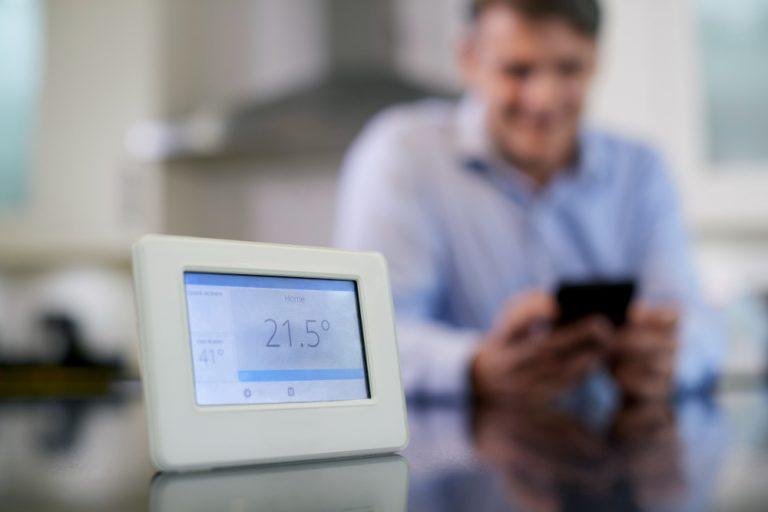
A report by SWNS Digital has revealed that UK smart meter owners have managed to save a combined total of almost £270 million on energy consumption alone since 23 March.
Across a study of 2,000 smart meter-owning Brits, each household estimated a £39.50 reduction in energy fees during the last three months of lockdown. This amounts to total savings of £268.6 million for the 1 in 4 UK homes that have a smart meter – over 21 million have already been installed across the country.
While installation was put on hold during the peak of the pandemic, the UK government has once again begun to push ahead with its plans to offer smart meters to every home and small business by 2025 – a deadline originally set for 2020, which has recently been delayed even further due to the disruption of the coronavirus crisis.
A recent statement by UK Minister for Climate Change, Lord Callanan, read:
“Smart meters are playing an important role in helping the UK deliver a cleaner and more efficient energy system, with the added benefit of also saving tens of billions of pounds in the process.
“By allowing households to conveniently track their energy use, and prepayment customers to more easily top-up credit, we are working with industry to safely install even more across the country in a way that keeps consumers and suppliers safe.
“Since lockdown restrictions started easing, engineers have begun undertaking non-emergency installations of smart meters again in accordance with published guidance on safe working in other people’s homes”.
The government has estimated that the cost of installing smart meters across the UK could reach a hefty £11 billion, but is expected to be offset by more than £17 billion in energy savings.
The Department for Business, Energy & Industrial Strategy (BEIS) has estimated that smart meters could save Brits up to £250 per year, and potentially slash carbon emissions by 45 million tonnes – the equivalent of 26 million less cars on the road for an entire year.
In addition, the SWNS’s report found that 56% of smart meter owning Brits have adopted other money-saving methods to cut costs during the pandemic, including upcycling furniture and meal planning for the week ahead.
31% said that they believed lockdown has offered them a unique opportunity to build on their savings. 3 in 10 also stated that they have learned to be more resourceful in response to supermarket shelves left bare due to panic-buying, and with more than 1 in 4 UK employees furloughed and on a reduced income.
Bill Bullen – CEO of Utilita, the UK’s leading Pay-As-You-Go energy firm – which carried out the research, commented:
“One thing which is clear from this research is that the majority of smart meter owners are both frugal with their money and smart with their spending, having adopted a number of methods to save cash. These simple tricks mean owners can have a little more disposable income to enjoy.
“But I’m deeply concerned that tens of millions of consumers without smart meters are completely in the dark over their household energy usage.
“Sadly, there is still a lot of education that needs to be done by suppliers and government. The advantages of smart meters are not widely known, which means Brits are missing out on the financial and environmental benefits”.
Boohoo: Shares recover but will it survive the wider backlash?

After Boohoo promised to improve factory conditions, shares in the retailer rebounded over 27%.
The company said on Wednesday that they plan to invest £10m into improving the factories in Leicester, where almost half of their clothes are made.
Since the news of the poor working conditions of the factories broke, including suggestions from an undercover Sunday Times reporter employees were paid only £3.50 an hour, almost £2bn was wiped from the group’s value.
“This week a number of serious allegations have been made about the treatment of people working in the garment industry in Leicester,” said a spokesperson for Boohoo.
“As one of a number of retailers that source products in the area, boohoo wants to reiterate that it does not and will not condone any incidence of mistreatment of employees and of non-compliance with our strict supplier code of conduct.
“Boohoo remains committed to supporting UK manufacturing and is determined to drive up standards where this is required.
“Where help and support for improvement is required we have and will continue to provide it, to ensure that everyone working to produce clothing in Leicester is properly remunerated, at least the National Minimum Wage, fairly treated and safe at work.”
For many years, Boohoo has remained low on the supply chain transparency index of the world’s 250 largest fashion brands. Whilst 40% of clothing is made in Leicester, the remaining is in factories in Bangladesh and Morocco.
Despite a huge backlash on social media, many analysts do not think that the retailer’s profits are threatened.
John Stevenson at Peel Hunt said: “The company operates on a cost-plus model. If costs rise they will increase prices. If a £7 dress suddenly costs £8, will demand disappear? I doubt it.”
And despite Boohoo being removed from websites including Asos and Very.co.uk, the dent made to Boohoo is likely to remain minimal. Revenue from third-party sites accounted for 4% of the total figure last year.
Thursday saw shares rise to 286p, however, remaining lower than the prior Friday’s closing price of 390.5p.
Boohoo (LON: BOO) shares are trading up 4.31% at 298.44 (0832GMT) on Thursday.