
Qatar to withdraw from Opec to focus on gas production
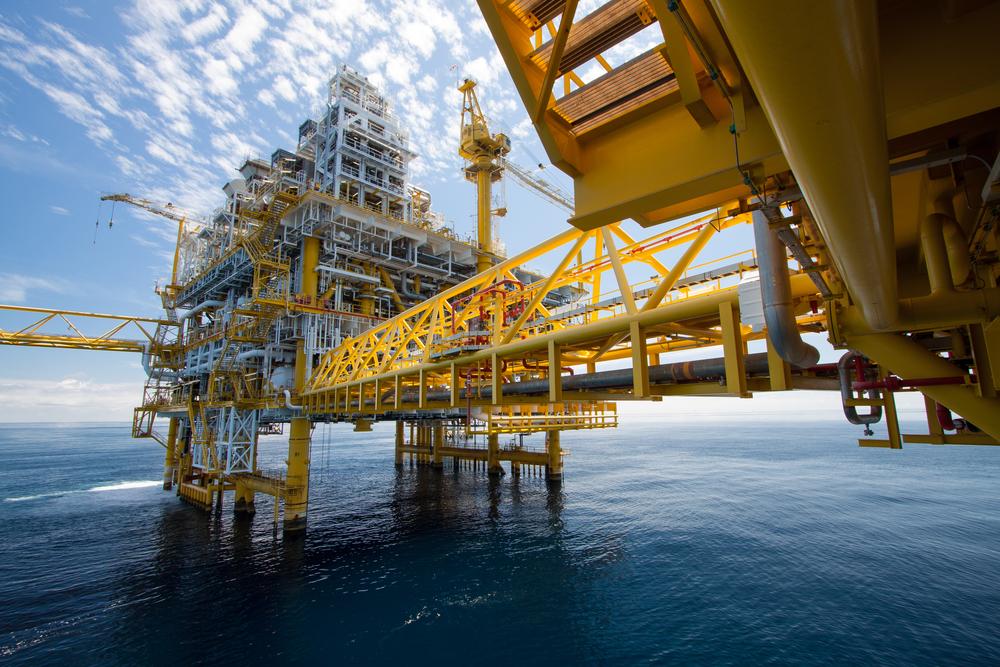
Qatar has announced plans to withdraw from Opec from January 2019.
The Gulf state said it will now focus on gas production and leave the cartel after being a member since 1961.
“Qatar has decided to withdraw its membership from Opec effective January 2019 and this decision was communicated to Opec this morning,” the energy minister, Saad al-Kaabi said.
“We will make a big splash in the oil and gas business soon,” he added.
Naeem Aslam, who is an analyst at online broker ThinkMarkets, said: “Qatar leaving Opec isn’t great news for the oil market and the market participants haven’t digested the full impact of this news. Basically, Qataris have brought the biggest weapon out and it only means more instability between the Qatari and Saudi relationship.”
“In fact, we would not be surprised if other counties start to follow the same path and then we have no control over supply or demand as each individual country could just do what they like. Yes, for now, there is optimism that Saudi Arabia and Russia are committed to keep the supply under control. This has jolted the price of oil higher especially the fact that Canada’s largest oil-producing province is curbing the output.”
Qatar announced the decision days before the cartel is due to meet in Vienna. Countries part of the cartel will meet on December 6 to discuss oil prices.
Qatar will still attend the meeting to discuss its withdrawal.
At the meeting, production of oil is expected to be curbed after the price has plunged over the past couple of months.
Last week, Brent crude fell to $60 a barrel from $86 in October. US crude slid to below $50 a barrel.
Prices in oil, however, surged following news of the 90-day truce in their trade war between the US and China. The price of Brent crude was up by 4.7% to $62.24 in early trading.
McColl’s lowers full-year forecast, shares tumble 26%
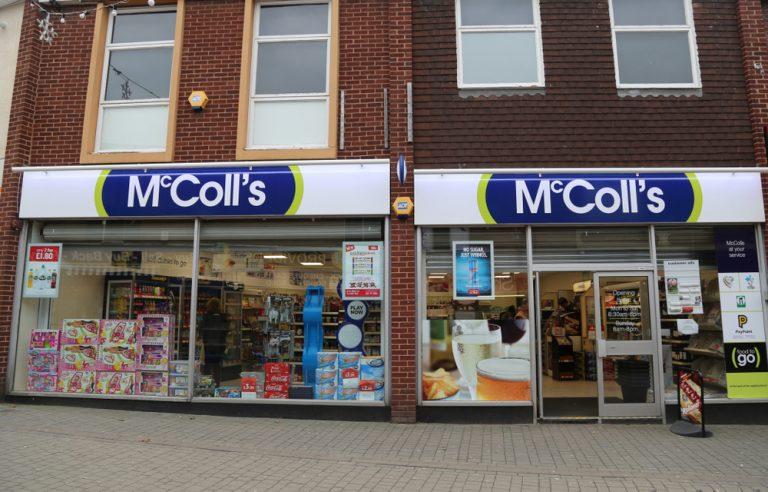
Shares in McColl’s plunged on Monday as the group lowered its profit forecast for 2018.
Previous estimates of full-year forecasts have lowered from £44 million to about £35 million.
The convenience store chain has blamed the collapse of wholesaler Palmer & Harvey for the downgraded profit forecast.
The wholesaler collapsed in January with debts of over £700 million.
Jonathan Miller, the chief executive of McColl’s, said: “2018 has been a very difficult year for the business, marked by unprecedented supply chain disruption and ongoing challenges.”
“Looking ahead, we expect competition in the grocery retail sector to remain intense and we face into significant cost pressures.”
“Important to our future success will be continuing to develop our partnership with Morrisons, alongside our plans to enhance our neighbourhood convenience offer by improving the quality of our estate and our overall customer experience,” he added.
The group said: “In the last 12 months, following the collapse of Palmer & Harvey, we have experienced significant supply chain disruption and have needed to accelerate the rollout of Morrison’s (LON: MRW) supply to 1,300 of our stores.”
“The speed of this transition has created significant challenges and severely disrupted our plans for the launch of Safeway. We are extremely grateful for Morrisons’ support during this period, and whilst the transition is now complete, we are continuing to experience a number of challenges. We are working together to address these issues and to develop an optimal range and promotional offer for the future.”
“In addition, a stronger performance in tobacco, relative to other categories, has resulted in a lower conversion of sales to profit than anticipated. As a result, we now expect adjusted EBITDA for FY18 to be around £35 million.”
In 2018, the chain has acquired 11 new convenience stores.
The share price plunged 24% to 90p shortly after the open on Monday. Shares in the group (LON: MCLS) are currently trading down 26.40% at 87.40p (0937GMT).
Brexit: PM does not rule out second vote if MPs reject deal
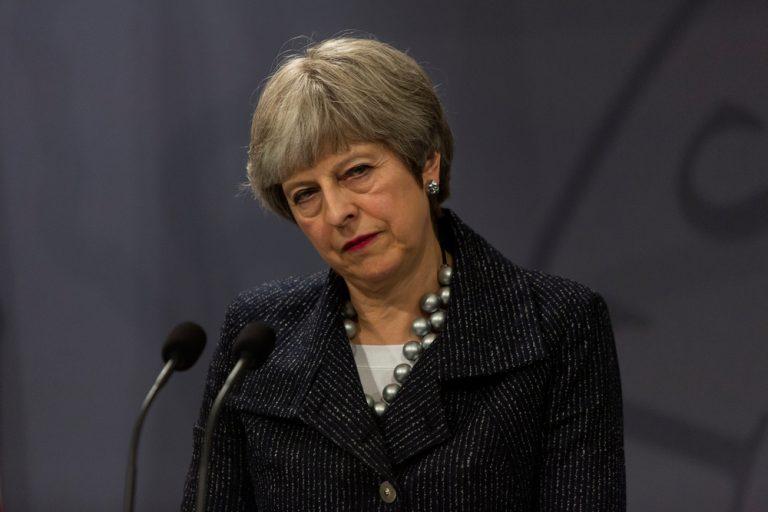
In an interview on Friday, Theresa May said that she was confident in winning the vote on her Brexit deal held on 11 December.
Speaking to Laura Kuenssberg, the prime minister urged that MPs would back her deal and “deliver on the vote of the referendum”.
Many MPs, including from her own party, have voiced plans to vote against the deal.
When asked what May would do if the deal was rejected in Parliament, she did not rule out another Commons vote on the deal.
“I’m focused on the vote that is taking place on 11 December and I want everybody who’s going to participate, all members of Parliament, to focus on what this vote does.”
Some MPs have shown support for the vote taking place in December. Shadow Brexit secretary Sir Keir Starmer said May’s deal had his “full support” as he hopes to avoid a no-deal scenario.
A no-deal scenario has been warned against this week by the Bank of England and Philip Hammond.
Hammond’s Brexit analysis concluded that whilst all possible Brexit scenarios will leave the UK worse off economically, the prime minister’s deal is the best option.
“If you look at this purely from an economic point of view, yes there will be a cost to leaving the European Union because there will be impediments to our trade,” he said earlier this week.
“The deal that will be put to the vote in December will “absolutely minimise those costs.”
The Bank of England was accused of scaremongering after warning that a no-deal scenario could result in a recession worse than the 2008 financial crisis.
Bank of England governor Mark Carney said: “These are scenarios not forecasts. They illustrate what could happen not necessarily what is most likely to happen.”
“Taken together the scenarios highlight that the impact of Brexit will depend on the direction, magnitude and speed of the effect of reduced openness of the UK economy.”
Nationwide: UK house prices remain “relatively subdued”
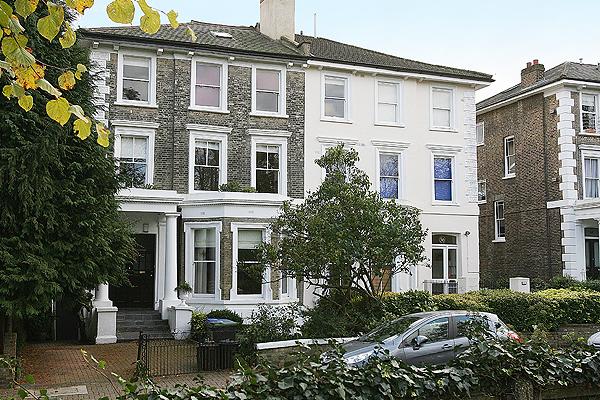
UK house prices have increased over November, growing by 1.9%.
According to Nationwide, house prices have picked up by 0.3% on a month-by-month basis but remain “relatively subdued”.
This week saw the Bank of England’s Brexit analysis, which warned that a no-deal scenario could lead to house prices plunging by 30%.
The building society announced on Friday that the future of the housing market will depend on how broader economic conditions will evolve.
Nationwide’s chief economist, Robert Gardner, said: “In the near term, the squeeze on household budgets and the uncertain economic outlook is likely to continue to dampen demand, even though borrowing costs remain low and the unemployment rate is near 40-year lows.”
“If the uncertainty lifts in the months ahead and employment continues to rise, there is scope for activity to pick-up through next year. The squeeze on household incomes is already moderating and policymakers have signalled that, if the economy performs as they expect, interest rates are only expected to rise at a modest pace and to a limited extent in the years ahead.”
The average home now costs £214,044.
The market significantly improved in the wake of the 2008 financial crises, where prices plunged 60%. In recent years, construction has picked up particularly in the South West, London and the East of England.
In the North East and North West, where house prices are still near 2007 levels, growth in supply has been more modest.
In other housing news, October saw mortgage approvals hit a 9-month high.
“These figures are better than expected, after unchanged monthly price and lowest annual growth for more than five years last month,” said Jeremy Leaf, who is a north London estate agent and the former RICS residential chairman.
“They come on the back of encouraging mortgage approval and transaction figures yesterday which show, once again, that realistic buyers and sellers are taking advantage of very low mortgage rates and shrugging off Brexit concerns,” he added.
Rail fares to rise 3.1% in 2019
Train fares will increase on average by 3.1% in January.
The Rail Delivery Group said on Friday have confirmed that the cost of fares in the UK will for the fourth time in the past six years.
There have been calls this year to freeze prices following major disruptions to lines and the new timetable introduced in May.
Rail fares have grown faster than wages. The latest rise will add another £100 to the Manchester to Liverpool annual season ticket.
“Value for money needs to be a key part of the upcoming government review and passengers must receive automatic compensation for delays and cancellations,” said Alex Hayman of consumer group Which?.
At the start of 2018, rail fares increased by 3.4%, just below the 3.6% cap.
Paul Plummer, Chief Executive of the Rail Delivery Group, said:
“Nobody wants to pay more to travel, especially those who experienced significant disruption earlier this year.
“Money from fares is underpinning the improvements to the railway that passengers want and which ultimately help boost the wider economy. That means more seats, extra services and better connections right across the country.”
Whilst 98p of every pound the consumers spend on rail fares is reinvested into railways, the increase of ticket prices has not gone down well.
“Rail passengers have endured enough this year, with botched timetable changes and delays to their journeys which led to the worst punctuality figures for 12 years,” said Darren Shirley, the chief executive of the Campaign for Better Transport.
“The government should introduce a fares freeze from January. Any future fare increases should be based on the consumer price index rather than an outdated and discredited measure of inflation. Rail travel should be affordable so passengers aren’t left struggling with the cost of their commute,” he added.
The changes to fare prices will come into effect on January 2.
Bayer to cut 12,000 jobs in cost-cutting drive
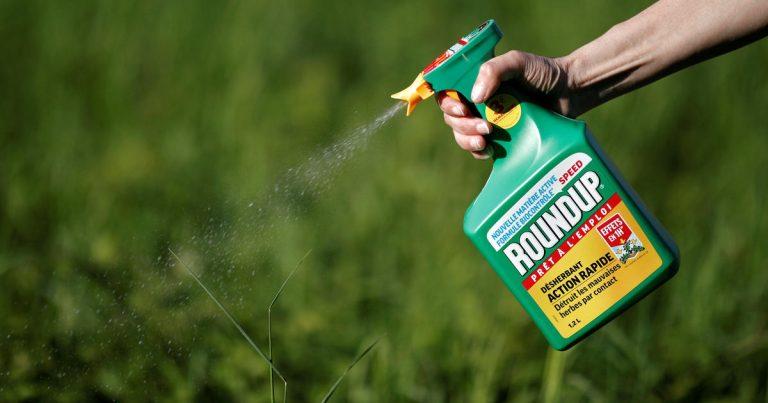
Following a $63 billion takeover of Monsanto, Bayer has announced plans to sell its animal health business, sell brands and axe 12,000 jobs.
The German company is taking part in a dramatic cost-cutting drive, which will see an estimated one in ten jobs cut.
In addition, Bayer plans to sell the animal health division, which is worth around €7 billion (£6.2 billion).
The group will also sell products including Coppertone Sunscreen and Dr Scholl’s foot care products.
Shareholders did not jump on the completion of the Monsanto deal, with concerns that the lawsuits from the group’s weedkiller that has alleged carcinogenic effects would hit Bayer.
In August shares plunged by over 30% after a US jury awarded $289 million in damages to a school groundskeeper, Dewayne Johnson, who said his terminal cancer had been caused by a product made by Monsanto.
There are at least 9,000 pending lawsuits.
The combined group has a focus on pharmaceuticals, consumer health and crop science.
The first round of job cuts will take place before 2021, where 4,000 jobs will be axed.
“The (plan) includes an intention to exit the Animal Health business, and to allocate the investment resources necessary to support Animal Health to our core businesses of Pharmaceuticals, Consumer Health and Crop Science. The impact across each country is not yet known,” said chief executive Werner Baumann.
“These changes are necessary and lay the foundation for Bayer to enhance its performance and agility.”
“A leaner organization will help us become more responsive to changing markets and increase our agility,” he added.
The group’s shares (ETR: BAYN) have lost 40% value over the year.
Lloyds share price rises following Bank of England stress test
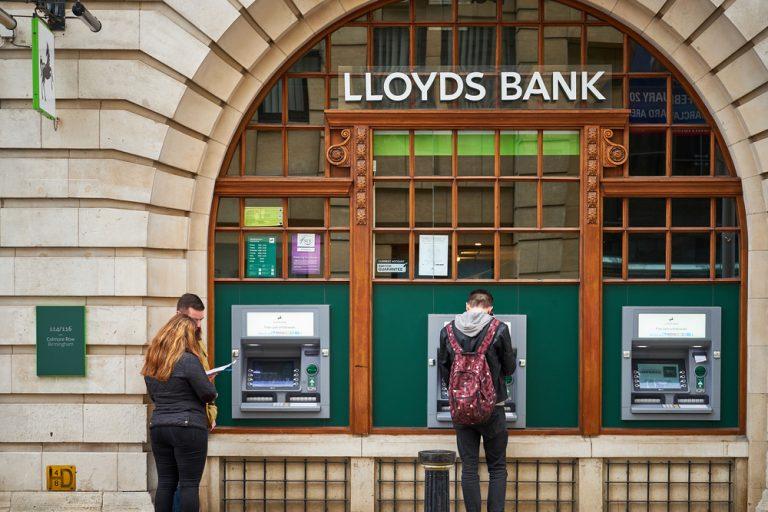
Lloyds share price rose on Thursday after the UK bank passed the Bank of England’s lastest stress test.
Lloyds (LON:LLOY) was among seven major lending institutions including Lloyds, Barclays, HSBC, Santander and Nationwide to undergo the test.
All banks passed the test which simulated extreme financial conditions caused by falling UK house prices, a global economic slowdown and a rise in unemployment.
The stress test also included misconduct fines of £25bn.
It was found that in the most stressful situation banks would have at least twice as much capital reserves as they did in 2007.
The banking sector rose in early trade on Thursday with the Lloyds share price rising over 1% before falling back in afternoon trade.
Lloyds capital reserves
The Bank of England stress test found that Lloyds a hypothetical worst case scenario would see Lloyds CET1 ratio fall to 9.3%. The ‘hurdle’ rate is 8.5% and Lloyds actual and current CET1 ratio is 14.6%. Like all other institutions that underwent the stress testing, Lloyds was not required to submit a revised capital plan to the Prudential Regulation CommitteeLloyds share price under pressure
Lloyds has remained in the steady downtrend for much of 2018 as the Brexit negotiations hit sentiment surrounding UK banks. Lloyds, like other major UK listed banks Barclays and RBS, are highly exposed to the UK economy with little overseas diversification after capital reserve rules forced non-core asset sales. While the stress tests show UK banks are safe from total collapse, the tests included forced management actions that would be implemented in reaction to significant deterioration in profitability and cash flow. The stress tests came alongside releases from the Bank of England and UK government that predicted sharp reductions in potential UK GDP if the UK was to leave the EU with no-deal. The UK government report suggested a No-deal Brexit could lead to UK GDP being 9.3% lower in 15 years than if the UK wasn’t to leave UK. Such a situation wouldn’t mean a collapse of UK banks – but it could mean a collapse in their share prices.Theresa May defends Brexit deal, pound falls
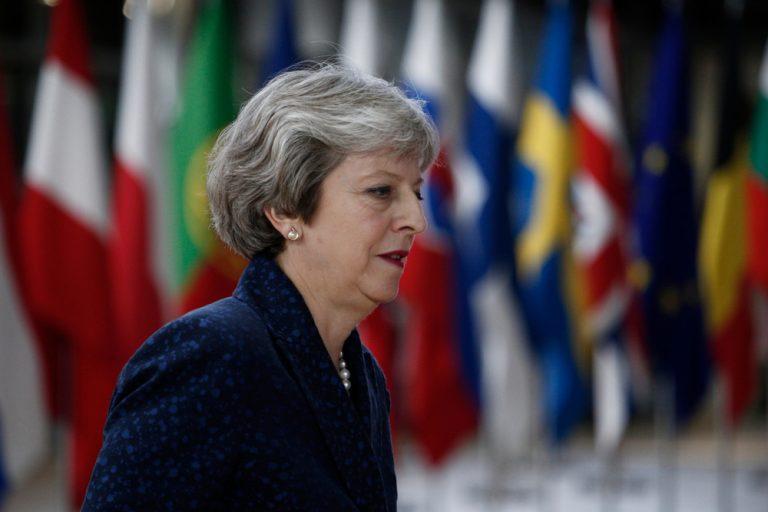
The pound has fallen 0.5% as Theresa May appeared in front of the Commons Liaison Committee.
Defending her Brexit deal, the pound fell to a weekly low against the euro on Thursday when the prime minister warned that rejecting the agreement could lead to a no-deal scenario.
“The timetable is such that actually some people would need to take some practical steps in relation to no deal if the parliament were to vote down the deal on the 11th of December,” she said.
MPs will vote on the deal on 11 December, where many have voiced plans to reject the proposed deal.
This week, Brexit analyses from Philip Hammond and the Bank of England have suggested that a no-deal scenario will be the worst option for the UK.
The Bank of England warned that a no-deal scenario could lead to a recession worse than the 2008 financial crisis.
“Taken together the scenarios highlight that the impact of Brexit will depend on the direction, magnitude and speed of the effect of reduced openness of the UK economy,” said Bank of England governor Mark Carney.
The pound fell 0.5% against the dollar to $1.2759 and 0.3% against the euro to €1.112.
Connor Campbell from Spreadex said:
“It took a bit of time, but the pound now seems back to focusing on Brexit, the Bank of England’s alarming – and controversial – warnings about the state of the UK economy once it is out of the EU erasing Wednesday’s Jerome Powell-inspired growth.”
“Against the dollar the pound fell 0.6%, returning cable to $1.276 having struck $1.285 earlier in the session; against the euro, meanwhile, sterling sank 0.4%, slipping back under €1.124 for the first time in a week. Mark Carney’s constant warnings that businesses aren’t ready for Brexit, and a lack of confidence gained from Theresa May’s appearance in front of the Commons Liaison Committee, appear to be responsible for tipping the currency back into the red.”
“The pound’s losses made an already good session even better for the FTSE, with the index up more than half a percent and knocking on the door of 7050, begging to be let back in. Its gains could have been greater if it weren’t for Brent Crude; the black stuff is down another 1.4% and sitting the wrong side of $58 per barrel, a move that caused BP to shed 0.6% as the day went on,” he added.
Icelandair shares plummet after group cancels Wow Air deal
Icelandair has ditched plans to buy low-cost rival Wow Air.
In a statement to the Icelandic Stock exchange, the airline said it had cancelled the proposed $25 million (£19.6 million) aqcusition.
It had signed a deal on 5 November.
The group said in a statement: “Therefore, it is unlikely that the board of directors of Icelandair Group can recommend to the shareholders that they agree to the purchase agreement. Furthermore, the board does not intend to submit to the shareholders’ meeting a proposal to postpone decision-making on the purchase agreement.”
“Due to this this situation, both parties agree to abandon the aforementioned purchase agreement.”
The chief executive and founder of Wow Air, Skuli Mogensen, said: “It was clear at the outset that it was an ambitious task to complete all the conditions of the share purchase agreement in this short period. We thank the Icelandair Group’s management team for this challenging project, and also wish the management and staff of Icelandair Group all the best.”
Bogi Nils Bogason, who is the Interim president and chief executive of the Icelandic airline, said: “The planned acquisition of Icelandair Group of Wow Air will not go through. The board of directors and management of both companies have worked on this project in earnest. This conclusion is certainly disappointing. We want to thank Wow Air’s management for a good cooperation in the project during recent weeks . All our best wishes go out to the owners and staff of the Wow Air. ”
Shares in Icelandair (CPH: ICEAIR) have plunged 10.68% (1354GMT).
Greene King’s profits grow 3%, shares rise
Greene King has announced on Thursday its interim results for the 24 weeks to 14 October 2018. The pub group has revealed that Christmas bookings are well ahead of last year and it is performing well in line with expectations. Shares in the company (LON:GNK) edged up just over 4% as a result of the news.
During the period, pre-tax profit increased 3.2% to £127.7 million, with group revenue totalling £1.1 billion. Group revenue is 1.9% higher than it was during the same period a year earlier.
The Pub Company’s like-for-like sales were up 2.7% which is ahead of the market up 1.1%. This strong performance was driven by the ongoing benefits of Greene King’s investment value and the UK’s hot summer and World Cup success.