
Capita shares down on NAO’s British Army report

Shares in Capita fell over 6% on Friday after a new government report revealed that it has failed to meet targets recruitment contract for the British Army every year.
The outsourcing firm has a £495 million contract with the British Army since 2012, where Capita has been responsible for recruitment.
According to the report from the National Audit Office (NAO), Capita has failed to meet targets every year since the deal was awarded and recruitment has been as low as 21% of the British Army’s requirements.
The NAO has said that the Army Recruiting Partnering Project has “underestimated the complexity of what it was trying to achieve” and there are “significant problems”.
A spokesperson from Capita said: “As the NAO report states, both Capita and the Army underestimated the complexity of this project. Our focus is now on working with the Army to deliver a recruitment process fit for the 21st century.”
“We have overhauled governance on the contract and are already seeing improvements, with applications at a five-year high and a reduction in the amount of time it takes candidates to join the Army. We are absolutely committed to getting this partnership right.”
The Army and Capita believe the changes to the recruitment approach and the new online system will lead to an increased number of recruits. Recruits have already increased over the past two years.
A spokesman from the British Army said: “We are fully committed to improving our recruiting process. Working with Capita we have put in place a plan to address the challenges. The army has developed a range of measures to speed up the recruitment process.”
“This includes new measures to reduce the time between applying and starting training, greater access to military role models for recruits and a new IT system.”
“The army meets all of its operational commitments to keep Britain safe,” he added.
Shares in Capita (LON: CPI) are currently trading down 4.24% at 109,65 (1119GMT).
Richard Branson: Hard-Brexit would be a “disaster”
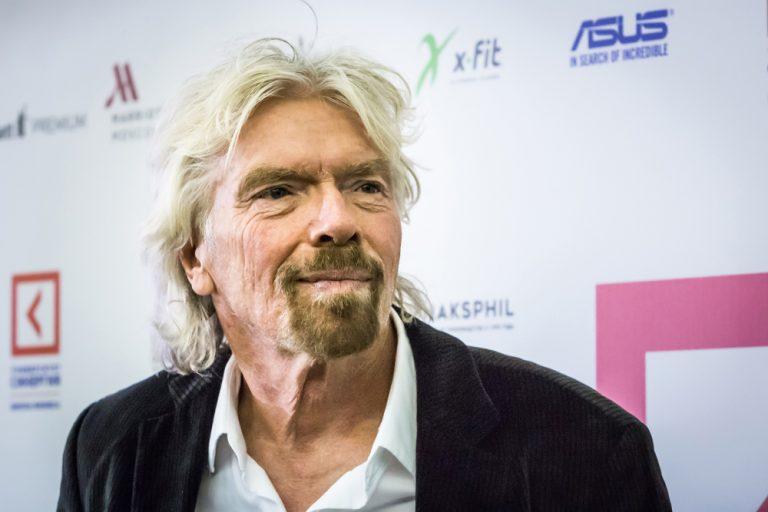
Richard Branson has warned that a hard Brexit would be “an absolute disaster”.
Speaking to the BBC, the Virgin Group founder said that the British people and businesses will suffer in the event of a hard Brexit.
“I think Theresa May needs to be 100% honest with the public. She’s admitted that a hard Brexit would be an absolute disaster for the British people,” he said.
“From our Virgin companies’ point of view, a hard Brexit would torpedo some of our companies. If British business suffers, British people will suffer, and it’s really really important that people realise that.”
Branson went on to say the fall in the pound would particularly affect Virgin holidays, where fewer people would be able to afford to go on holiday due to the poor exchange rates.
The Virgin Group boss was speaking from the Virgin Galactic event, where one of his spaceships is set to reach space for the first time.
Branson’s space startup hopes that the SpaceShipTwo passenger rocket ship will reach further than 80km, which space is said to start.
“Overall the goal of this flight is to fly higher and faster than previous flights. We plan to burn the rocket motor for longer than we ever have in flight before, but not to its full duration. At the end stages of the rocket burn in the thin air of the mesosphere and with the speeds that we expect to achieve, additional altitude is added rapidly,” said the company in a blog post.
His comments come during a tough time for the prime minister, who has delayed the Parliamentary vote on the Brexit withdrawal agreement. The new vote will take place in January.
Theresa May is currently in Brussels where she is working on the backstop issue with the Irish border with EU leaders.
ReNeuron shares rally despite first-half loss

ReNeuron released its half-year results for the six months ended 30 September on Friday. The stem cell-based therapy company posted a first-half loss amid the development of treatments for stroke sufferers and sight issues. Shares in the company rose over 5% following the announcement.
Loss before tax for the period came to £6.8 million. This compares to the £11 million on-year losses.
Across the period, the company has been developing various treatments. Its CTX cell therapy is designed for stroke disability and has progressed into a clinical trial in the US. Top-line data from the US trial is expected in early 2020. Equally, ReNeuron has made advancements on its hRPC drug product for retinal diseases.
ReNeuron is a leading, UK-based, clinical-stage cell therapy development company.
The company also highlighted its increased business development during the period, reflecting a third party interest in its core therapeutic programmes. Chief Executive Officer of ReNeuron Olav Hellebø commented on the announcement: “Our therapeutic development programmes have continued to progress well during the period. We are particularly excited to have opened the placebo- controlled Phase IIb clinical trial in the US for CTX in chronic stroke disability. We remain encouraged by the progress made in partnering discussions across all of our technologies and programmes and we hope to be able to conclude an initial out-licensing agreement in the near term.” “We have continued to maintain tight control over our operating costs, reflected in the financial statements for the period. Our cash position remains robust and we are positioned to deliver significant clinical milestones in our stroke and retinitis pigmentosa programmes over the next 18 months.” Elsewhere in the medical sector, AstraZeneca’s cancer medicine failed to meet its primary objective in November. Equally, the company sold its US rights to Sobi and Grunenthal. At 09:56 GMT today, shares in ReNeuron Group plc (LON:RENE) were trading at +5.38%.SThree profits ahead of market expectations

Specialist STEM staffing business SThree issued a trading update on Friday for the financial year ended 30 November. Shares in the company rose almost 7% in early trading on Friday morning following the announcement.
Full year adjusted profit is expected to be ahead of the current market consensus range.
Adjusted pre-tax profit is predicted to lie within the range of £49-£51.4 million. Additionally, the company has announced that Gary Elden OBE will be stepping down from his position as Chief Executive Officer in the new year. Gary Elden commented on the announcement: “We are pleased to have delivered another strong quarter in Q4 continuing the momentum from Q2 and Q3, resulting in an overall GP result for the year of +12%. The Group is benefiting both from the broad geographic reach of its operations, with 83% of GP now generated in international markets, and from its focus on the best STEM markets, where the demand for niche, skilled candidates continues to be driven by a shortage of supply.” “Strong performances in Continental Europe, particularly from our market-leading businesses in the Netherlands and Germany, as well as the USA were key to the delivery of this result. Our Contract businesses continued to perform well, with GP increasing by 14% year on year and with Contract runners at the period end reaching a record level for the Group. We expect full year profit to be ahead of consensus.” “At the start of 2018 I stated that after two years of turbulent political, market and economic pressure, we entered the year in good shape. That turbulence and pressure has increased throughout the year and yet we have delivered strong results. Looking ahead to 2019, we are in better shape, and well positioned to continue to benefit from the growth opportunities in our chosen STEM markets.” “I have been privileged to be part of SThree for almost 30 years and am proud to have led the Group as CEO during a major period of growth and development. As today’s results demonstrate, the Company is in great shape to make further progress and I look forward to following its continued development as a shareholder. I am grateful to the Board for their support and encouragement, and to SThree staff around the world for all their commitment and hard work.” Other stock market headlines on Friday include ReNeuron shares rallying amid the company’s first-half loss announcement. At 09:42 GMT today, shares in SThree plc (LON:STHR) were up 4.20%.Theresa May on her “difficult day” and lack of breakthrough in Brussels
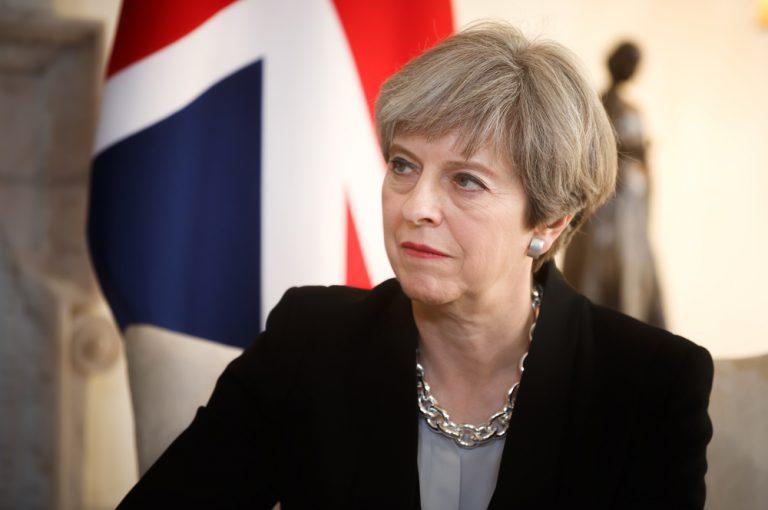
Prime Minister Theresa May arrived at the EU HQ on Thursday for the start of the summit.
Speaking to reporters, the prime minister spoke of the “difficult” day experienced on Wednesday and how she has no plans to lead the party into the next general election.
“Can I just say a word about yesterday, which was a difficult day. And I’m grateful for the significant support I had from colleagues. But I have also heard loud and clear the concerns of those who didn’t feel able to support me. And I know the concerns there are in the House of Commons about this issue of the backstop, that they do not want it to be permanent,” said May, speaking in Brussels.
“And what I will be talking to European leaders about here today is what we need to get this deal over the line. I’ve already met Leo Varadkar, I will be addressing the European Council later, and I will be showing the legal and political assurances that I believe we need to assuage the concerns that members of parliament have on this issue.”
Ahead of the summit, May said that she did not expect an immediate breakthrough at the meeting.
“It’s in the best interest of both sides, the UK and the EU to get the deal over the line, to agree a deal – but I recognise the strength of concern in the House of Commons and that’s what I will be putting to colleagues today,” she told reporters.
“I don’t expect an immediate breakthrough, but what I do hope is that we can start to work as quickly as possible on the assurances that are necessary.”
This week saw May survive the vote of confidence in her leadership. She won by 200 to 117 with 63% of the vote.
ECB announces end to QE programme
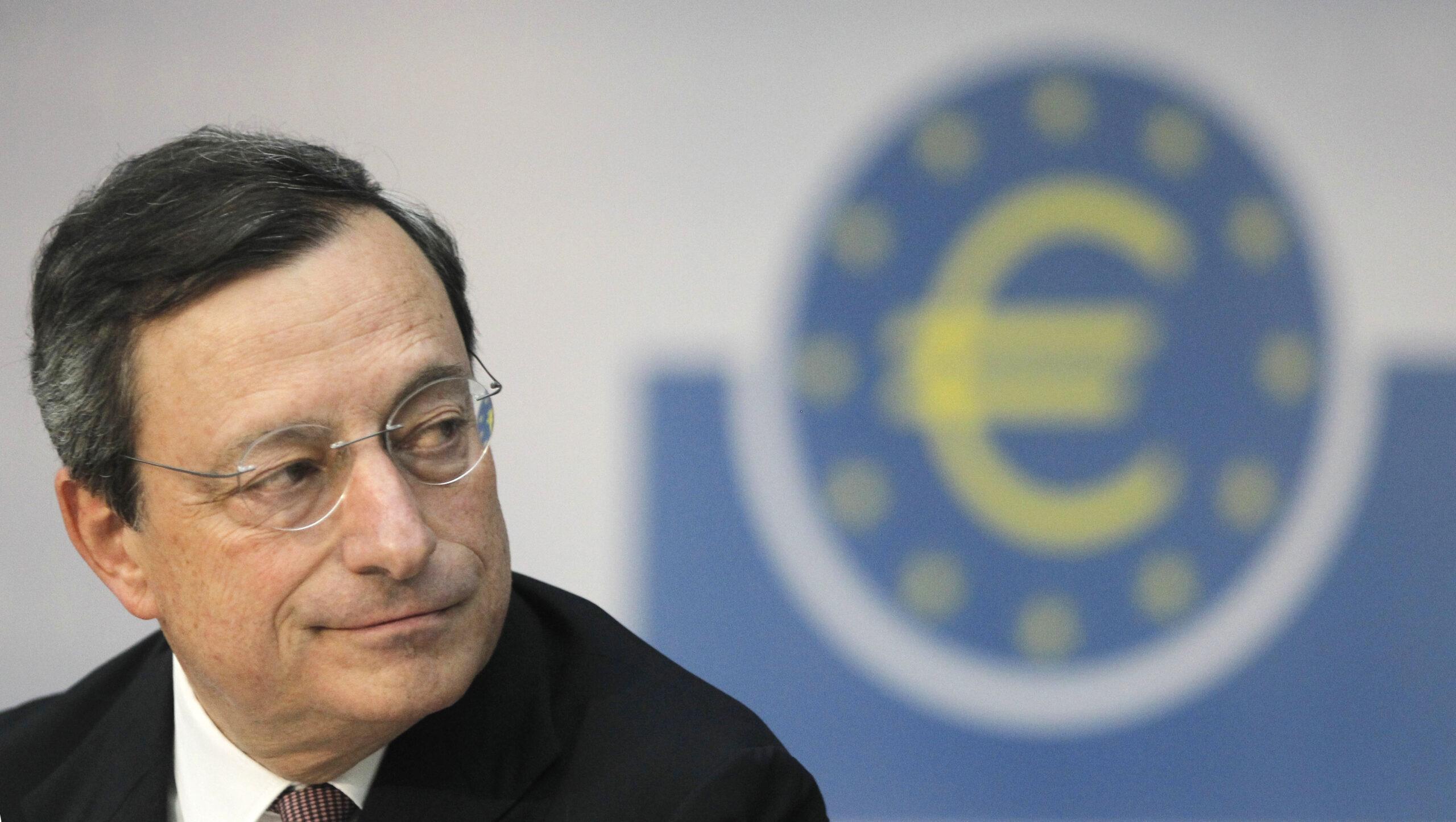
The European Central Bank (ECB) announced the end to its quantitive easing programme on Thursday, sending the Euro lower.
In a widely expected decision, the bank is set to halt its €2.6 trillion bond-buying programme towards the end of this month.
However, the central bank will continue to reinvest money from maturing bonds, remaining active in the bond market.
The council said the investments would continue: “for an extended period of time past the date when it starts raising the key ECB interest rates, and in any case for as long as necessary to maintain favourable liquidity conditions and an ample degree of monetary accommodation”.
Nevertheless, investors still remain concerned that the eurozone economy has more to go in terms of recovery.
Christian Jaccarini, senior economist at Centre for Economics and Business Research said:
“With Eurozone stability remaining under threat from the slowing growth and heightened political unrest, the ECB’s Governing Council was keen to remain supportive as it announced the end of quantitative easing today.
The move to end QE was almost inevitable given the ECB’s credibility was at stake. Still, while clear statements on the prolonged use of reinvestments and low interest rates will provide some reassurances for investors, the backdrop for the announcements will remain concerning for many.”
During a speech in Frankfurt on Thursday, ECB President Mario Draghi acknowledged continued concerns about the strength of the Euro economy.
Nevertheless, he pointed to domestic economies as key to leading economic expansion.
Moreover, Draghi said eurozone growth was expected to be 1.9%, rather than the 2% initially forecast back in September.
“The risks surrounding the euro area growth outlook can still be assessed as broadly balanced. However, the balance of risk is moving to the downside owing to the persistence of uncertainties related to geopolitical factors, the threat of protectionism, vulnerabilities in emerging markets and financial market volatility,” Draghi told reporters.
GDP for 2019 also revised downwards to 1.7 %, as opposed to to an earlier forecast of 1.8%.
Regarding inflation, Draghi said he expects headline euro inflation figures to fall in the coming months.
He said:
“Measures of underlying inflation remain generally muted, but domestic cost pressures are continuing to strengthen and broaden amid high levels of capacity utilization and tightening labor markets, which is pushing up wage growth.”
Draghi also said that the ECB still intend to raise rates in the summer of next year.
Apple to create new $1bn campus in Texas

Apple has announced plans to build a new campus in Austin, Texas.
Austin is already the biggest base for the tech giant outside of California’s Silicon Valley. Apple hires 6,200 employees in the city.
The investment will cost Apple $1 billion (£790 million) for a new 133-acre (0.54 sq km) campus.
Texas is a lucrative area for many tech companies. Facebook (NASDAQ: FB), Google (NASDAQ: GOOGL), IBM (NYSE: IBM), Dell (NYSE: DVMT), Amazon (NASDAQ: AMZN) and Samsung (KRX: 005930) are also big employers in the state.
Chris Green, an independent analyst said: “There’s a lot of computer chip expertise but Texas is also a massive hotbed for the data-centre industry.”
“It also has a reputation for its traditional entertainment media scene as well as social-media development, with lots spurred on by the South by Southwest festival and other technology gatherings that have made Austin their home.”
In January, Apple pledged to create 20,000 new jobs in the US. The tech group currently employs 90,000 people.
Tim Cook, Apple’s CEO, said: “Apple is proud to bring new investment, jobs and opportunity to cities across the United States and to significantly deepen our quarter-century partnership with the city and people of Austin.”
“Talent, creativity and tomorrow’s breakthrough ideas aren’t limited by region or zip code, and, with this new expansion, we’re redoubling our commitment to cultivating the high-tech sector and workforce nationwide,” he added.
Jobs on the new campus will range from engineering, R&D, operations, finance, sales and customer support.
The tech group also plans to increase employment in San Diego, Pittsburgh, New York, Boulder, Boston and Portland, Oregon.
The Texas Governor Greg Abbott said on Apple’s decision to create the new campus: Apple is among the world’s most innovative companies and an avid creator of jobs in Texas and across the country.”
“Their decision to expand operations in our state is a testament to the high-quality workforce and unmatched economic environment that Texas offers. I thank Apple for this tremendous investment in Texas, and I look forward to building upon our strong partnership to create an even brighter future for the Lone Star State.”
Shares in Apple (NASDAQ: AAPL) are currently trading +0.73% (1438GMT).
Draper Esprit shares rise following investment announcements

The leading venture capital firm, Draper Esprit, announced on Thursday that it is leading a $40 million investment in FINALCAD. Shares edged up by almost 5% following the announcement.
FINALCAD aims to improve construction companies’ operational efficiency through a mobile digital platform. Draper Esprit has invested £12.4 million in the round alongside investors Cathy Innovation and Salesforce Ventures. The investment hopes to extend the product platform into the energy, operations and maintenance sectors. Additionally, it hopes to increased global headcount.
Other recent investments lead by the company includes the $14 million Form3 Series B round, $31 million Series A Fluidic Analytics round and a £14.5 million growth round for Crowdcube.
Draper Esprit is one of Europe’s most active venture capital firms.
It aims to help build and invest in disruptive and high growth technology companies. The company’s portfolio includes global technology leaders includes Trustpilot, Ledger, Revolut and Graphcore. CEO of Draper Esprit, Simon Cook, commented on the announcement: “These four investments demonstrate our position as one of Europe’s most active VC firms, the attractiveness of our £500m+ evergreen capital and global network to potential investees, and the growing diversity of our portfolio across fintech, deep tech and digital health. This offers our investors access to companies with the potential to disrupt the industries that they operate within. With new investments in FINALCAD and Form3, and follow-on capital in Fluidic Analytics and Crowdcube, we’re thrilled to see such a diverse range of companies joining, and growing within, the Draper Esprit family. We are further pleased to have concluded another key secondary acquisition, having been the active pioneers in secondary VC investments for over 12 years including single companies and portfolios.” Other market news includes Bonmarche shares dropping 36% following a revised profit forecast and Ocado shares edging up 3%. Elsewhere, Sports Direct reported a drop in its profits by over a quarter and Tui defies the “challenging market” In its latest trading update. At 13:37 GMT today, shares in Draper Esprit plc (LON:GROW) were trading at +4.86%.GAME Digital shares fall amid AIM consideration

GAME Digital shares (LON:GMD) fell on Thursday after the company announced it was considering cancelling trading on the main market of the London Stock Exchange.
The company announced it would propose cancellation and admission onto the AIM market of the London Stock Exchange to shareholders at its annual general meeting in January.
The statement said:
“The board has considered carefully the proposed Cancellation and Admission and believes that AIM is a more appropriate platform to enable GAME to deliver value more effectively to all of its stakeholders, including Shareholders.”
“In addition, GAME is also proposing certain minor administrative and definitional changes to its articles of association and to its employee share plans, to make them suitable for a company whose shares are trading on AIM.”
The company said it will update shareholders later on Thursday on details of the proposed changes.
Back in August, shares in the retailer rose after the group posted a positive set of results for the second half of the year.
Specifically, retail metrics improved by 6.2% year-on-year for GAME Digital’s UK business.
Similarly, the group’s Spanish unit enjoyed 5.3% growth across the period.
Group total gross transaction value for the year rose 1.8% to £907.2 million, going on to fall 1.6% in the second half, dropping to £320.4 million.
Shares in GAME Digital are currently -6.22% as of 12:29PM (GMT).
Property market to be hit by Brexit uncertainty, says RICS

The UK property market is likely to be hit by continued Brexit uncertainty, a survey has warned.
The latest report conducted by the Royal Institution of Chartered Surveyors (RICS) predicts that both prices and the number of houses being sold will continue to decline in the coming months.
Demand fell again for the month, with numbers of people looking for homes down, with economic uncertainty relating to Brexit deterring buyers.
Simon Rubinsohn, Rics’ chief economist, said: “It is… evident that the ongoing uncertainties surrounding how the Brexit process plays out is taking its toll on the housing market. I can’t recall a previous survey when a single issue has been highlighted by quite so many contributors.
“Caution is visible among both buyers and vendors and where deals are being done they are taking longer to get over the line. The forward-looking indicators reflect the suspicion that the political machinations are unlikely to be resolved anytime soon.”
In particular, property in London has proved the most affected by Brexit uncertainty, with house prices continuing to stagnate across the capital.
Last month, Estate Agent Foxtons closed six of its branches in London, citing a “challenging market”.
Brexit uncertainty only seems set to prolong further, with Prime Minister Theresa May delaying the parliamentary vote on her Brexit plan till January.