Tesco (LON:TSCO) reported a sharp rise in profits for the year in spite of a challenging retail environment.
The UK’s largest supermarket reported pre-tax profits of £1.64 billion for the year to 24 February, up from £145 million for the previous year.
Sales at UK and Irish stores rose 2.4 per cent in the final quarter, ahead analyst expectations of the 2.2 per cent.
This marks a year of “strong progress”, as the retailer looked to turnaround its fortunes in light of the exposure of an accounting scandal in 2017.
Chief Executive Dave Lewis commented:
“This has been another year of strong progress, with the ninth consecutive quarter of growth,” he said.
“We have further improved profitability, with group operating margin reaching 3% in the second half.
“We are generating significant levels of cash and net debt is down by almost £6 billion over the last three years.
“All of this puts us firmly on track to deliver our medium-term ambitions and create long-term value for every stakeholder in Tesco.”
Despite the strong figures, competition among the UK’s supermarkets remains fierce, with the popularity of budget-friendly options Aldi and Lidl challenging the dominance of the Tesco and Sainsbury’s (LON:SBRY) brands.
Moreover, the retail sector continues to suffer, with many high-street retailers feeling the strain.
Consumers have been increasingly tightening their spending due to lower disposable incomes, as inflation continues to drive up the the price of groceries.
Following the collapse of Maplin and Toys R Us, Restaurant chains such as Prezzo and Jamie’s Italian also announced the closure of several locations, in a bid to streamline costs amidst challenging trading conditions.
In fact, last year the high street faced its toughest year since 2010, with a total of 1,700 chain chain shops closing.
On average, 11 chain stores a day opened, whilst 16 a day closed, according to an analysis conducted by the Local Data Company (LDC) for PricewaterhouseCoopers.
Shares in Tesco have ticked up 5.38 percent as of 11.13AM (GMT).
The UK high street survived its toughest year since 2010 last year, with store closures soaring as competition from internet retailers hots up.
A net 1,700 chain shops closed on British high streets in 2017, according to analysis of the UK’s top 500 towns compiled by the Local Data Company (LDC) for PricewaterhouseCoopers.
In the UK an average of 11 stores a day opened, but 16 a day closed, not including figures from independent shops.
Retailers were not the only ones hit throughout the course of the year, with travel agents and estate agents also affected by online competitors.
High streets have also been negatively affected by shoppers having a lower disposable income, as inflation boosts the price of groceries and leaves less money in consumers’ pockets.
Major British retailers have been hit hard lately, with many announcing the closure or falling into administrations. 2018 has so far seen the loss of Toys R Us, with Mothercare and Carpetright facing difficulties.
Fashion retailer Asos (LON:ASC) saw shares fall 9 percent in early trading on Wednesday, despite a strong half year performance taking profits up 10 percent.
The online group reported a 27 percent rise in retail sales for the six months to February, hitting £1.13 billion, with profits reaching £29.9 million.
However, the group spooked investors on Wednesday morning bu saying it would reinvest up to £250 million of the profits in its operations.
Nicholas Hyett of Hargreaves Lansdown told the BBC:
“Any retailer growing at 20% plus a year will need to invest, but what’s disappointing about Asos is its tendency to underestimate capital expenditure requirements by some tens of millions a year”.
Asos has already spent around £95 million this year on its business.
CEO Nick Beighton applauded the strong results, saying that the site attracted more than a billion visits for the first time.
“These results show strong trading at the same time as we are making substantial investment in our future”, he added.
Shares in Asos are currently down 7.80 percent at 6,482.00 (0934GMT).
British fintech company Universe Group (LON:UNG) recorded a fall in profit in its most recent figures, after contract delays weighed.
The point-of-sale technology provider saw pre-tax profit fall to £0.63 million, down from £1.83 million in 2016, as revenue dropped to £19.6 million.
The company design, build, install and support systems in 5,700 retail and petrol forecourt sites, processing over 6 billion transactions each year in our data centres.
“We have had a solid start to 2018 with a two-year contract extension with a large food retailer client as well as the prospect of new business from a major international forecourt operator with whom we have not traded before,” chief executive Andrew Blazye said.
“Our pipeline remains solid and supports our budgeted turnover, with the exception of the significant uncertainty regarding our contract with Conviviality, which represents approximately £2m of our pipeline revenue for the current financial year.”
Universe Group (LON:UNG) shares sunk 7.09 percent at 5.11 (0915GMT).
EasyHotel (LON:EZH) shares rose 6 percent on Wednesday morning, after it “significantly outperformed” the budget hotel market and reported soaring system sales.
Total system sales rose 33.6 percent to £16.10 million from £12.05 million the same period a year ago, supported by a new booking engine and yield management systems as well as the growing recognition of the easyHotel brand.
The key performance metric, revenue per available room, rose 11.2 percent to £36.60, beating their competitive set by 11.7 percent. Like-for-like revenue for franchised hotels increased by 13.5 percent.
“We are mindful that consumers in the UK will continue to be cautious, given the wider macro-economic and political uncertainty, but believe our super budget offer positions us well, as consumers become increasingly discerning and value conscious,” said Guy Parsons, CEO of easyHotel.
“We continue to make good progress with our growth strategy. The Chester transaction marks our second investment following the successful fundraising announced in February 2018, taking easyHotel’s pipeline of owned and leased development projects to 1,150 rooms, in addition to the 1,857 franchise rooms currently under development.”
Shares in easyHotel (LON:EZH) are currently up 5.41 percent at 117.00 (0848GMT).
Tesco (LON:TSCO) reported soaring profits on Wednesday, up 770 percent in the year to February as its recovery plan starts to show real progress.
Tesco’s pre-tax profits rose to £1.3 billion over the course of 2017, up from just £145 million in 2016, after a year of “strong progress”.
Revenue rose 2.8 percent to £57.5 billion, while UK like-for-like sales grew by 2.2 percent amid a strong performance in food, offset by a weak performance in general merchandise.
The troubled supermarket has suffered for several years from big losses, brought on by the advent of cheaper competition, and a series of write-downs, negatively impacting figures. Thee figures are the first sign its turnaround plan is beginning to have a real impact.
Tesco declared a final dividend of 2p per share, adding to the 1p per share paid at the first half.
Tesco shares are currently trading up 4.52 percent to 219.80 (0834GMT).
Retirement property builder McCarthy & Stone (LON:MCS) recorded a 52 percent drop in profits in its latest half year results, due to fewer building completions and “subdued market conditions”.
Pre-tax profit dropped 52 percent to £10.5 million, but 12 percent fewer completions were offset by a 15 percent rise in selling prices.
The group warned that growth would be modest over the next two years, with a decline in land exchanges and planning consents in the half-year following a government proposal to set ground rents.
Revenue rose by 1 percent over the half year period, hiking its interim dividend to 1.9p per share, from 1.8p in the previous corresponding period.
“Trading was constrained by the ongoing subdued conditions in the secondary market and the lower number of new first occupations resulting from a pause in build start activity following the EU Referendum in June 2016,” the company said.
“We continue to work with the government to seek an exemption from these changes due to the unique viability model of retirement housing”.
McCarthy & Stone said its full-year guidance given in March remained unchanged, and was expected to be in line with the current range of analyst forecasts.
Shares in McCarthy & Stone (LON:MCS) are currently down 7.58 percent 126.71 (0823GMT).
The Property Franchise Group posted strong results on Tuesday following a year of organic growth boosted by acquisitions.
The online/hybrid estate agency revealed a 33% increase in profit before tax driven by a 23% jump in revenue to £10.2m.
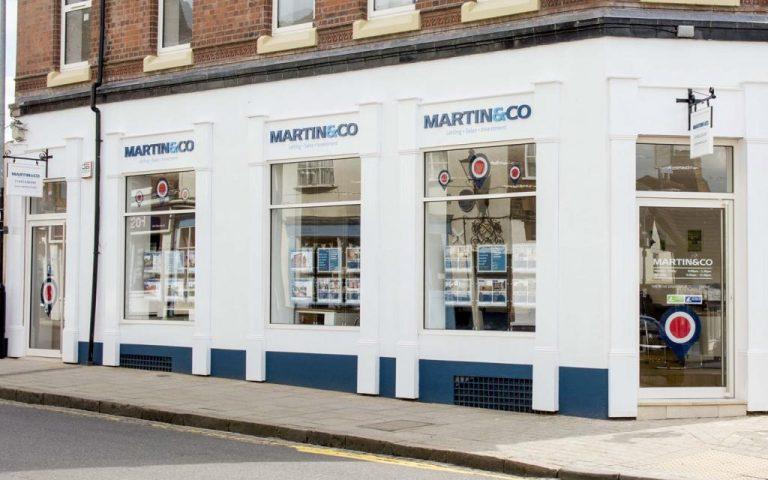
The Property Franchise Group has recently changed its name from MartinCo to reflect the firms transformation from a single brand franchise to a multi-chanelled group harnessing the technological advancements in the estate agency business.
A key acquistion for the group has been EweMove that not only added 120 offices but also provided the digital technology to enhance the entire group with a robust digital outlet previously lacking in some its traditional brands.
EweMove came with the technology to help drive down the cost of winning new revenue across all brands. Whitegates, one of the groups brands focussed on the Midlands and North of England, saw a 649% increase in overall website conversions in what highlights Property Franchise Group’s push to compete with their digital led competitors.
Source: The Property Franchise Group
UK Investor Magazine spoke with CEO Ian Wilson who was upbeat about the groups ability to grow in a transforming industry not only through technologcial advancements but through a business model that supports the groups franchisees.
The firm counts brands such as Martin&Co, Ellis&Co, Parkers and CJ Coles as their franchises and has enjoyed a 7% increase in the number of offices over the past year.
Mr Wilson also touched on plans for further growth through the acquisition of smaller agencies by their franchisees with support from the parent company in the form of cash back schemes to help support cash flow during the process.
On the topic of cash – of which the group has plentiful -cash in the bank increased to £2.6m supplemented by a near doubling of cash from operating activities.
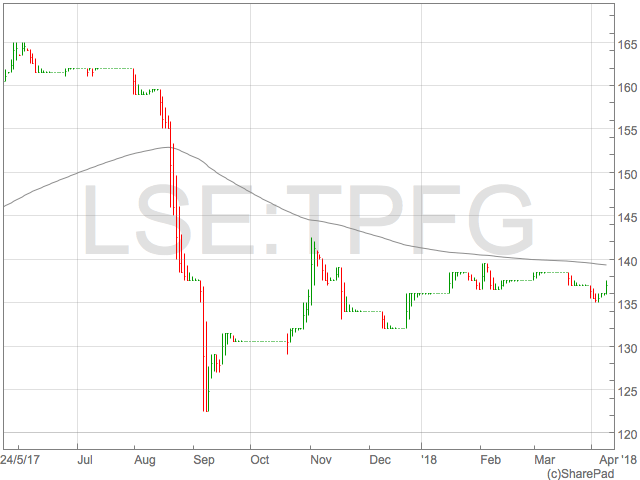
The strong cash position has given the board the confidence to increase the dividend to a full year payout of 7.5p, giving the stock a current yield of around 5.5%.
Despite the strong profit growth and increase in the dividend, there is a reason to be vigilant.
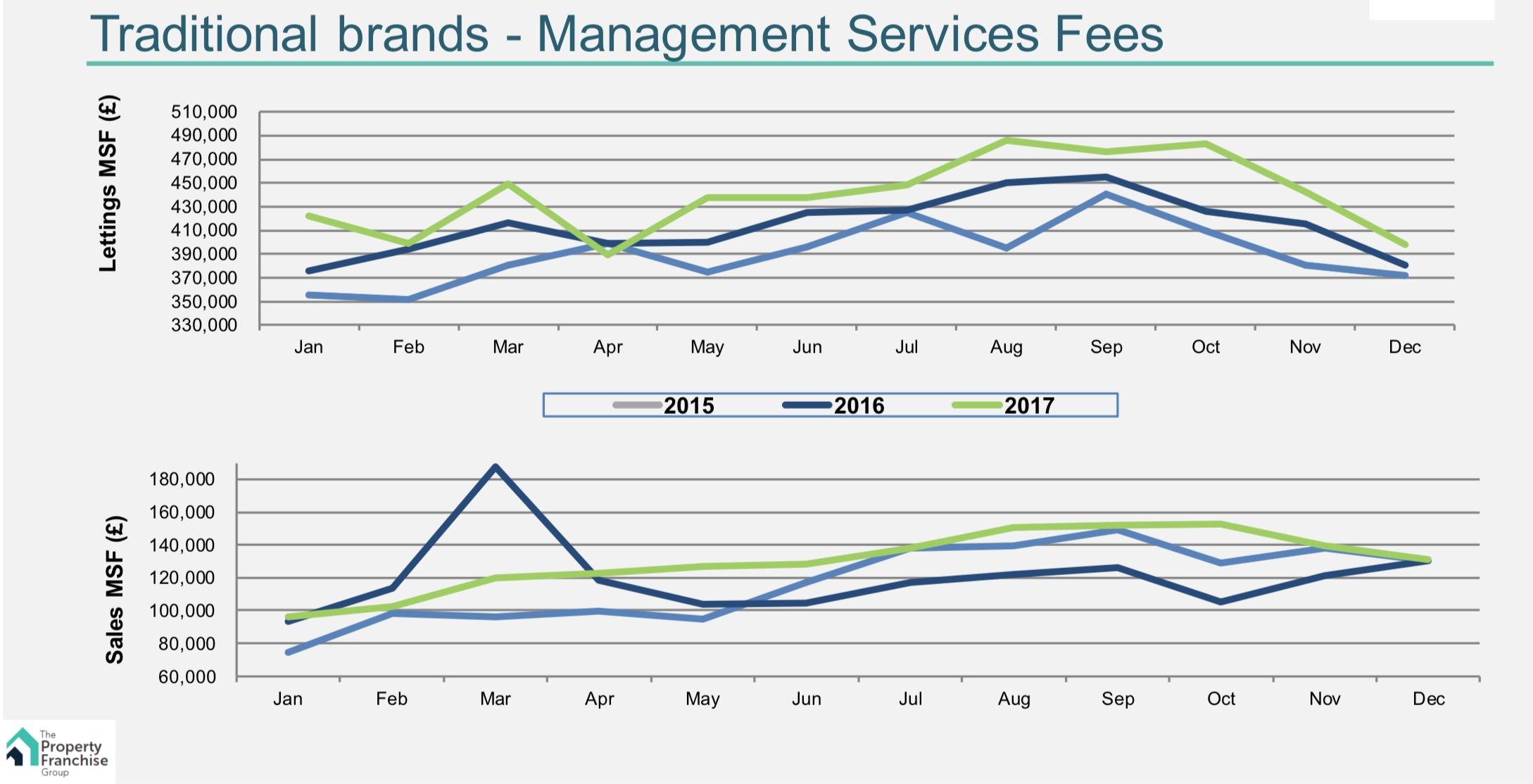
The outlook for the UK housing market and changes lettings fees present potential risks but the fundamentals are resilient with a large proportion of revenue coming from ongoing management fees so while the group, like all lettings firms, will likely take a hit from the ban on upfront letting fees, it doesn’t represent a material threat to ongoing growth.
British Gas (LON: CNA) has announced plans to increase energy bills rise by 5.5 percent to £1,161 a year from the end of May.
Customers will pay an extra £60 a year as the UK’s biggest energy supplier blamed the increase in price on the rising wholesale gas and electricity prices.
“We fully understand that any price increase adds extra pressure on customers’ household bills,” said Mark Hodges, chief executive of Centrica Consumer, the parent company of British Gas.
“This increase we are announcing today is reflective of the costs we are seeing which are beyond our control,” he added.
The changes to British Gas energy bills comes just days after the government raised a price cap on five million vulnerable households.
The group recently announced plans to cut 4,000 jobs amid tough competition and the potential government price cap.
In March, E.ON also announced higher bills for gas and electricity. Customers will pay an average increase of £22 a year.
E.ON blamed rising costs, as well as claiming the changes to prices would “make it simpler and easier for customers to understand our tariffs and compare them with other suppliers in the market”.
Comparethemarket.com’ head of energy, Peter Earl expressed disappointed to see tariff simplification used as an excuse to raise bills for consumers.
“There is little justification for removing discounts and certainly not in the name of making billing simpler,” he said.
Soon after the price raises, analysts predicted further price increases from the big six energy companies.
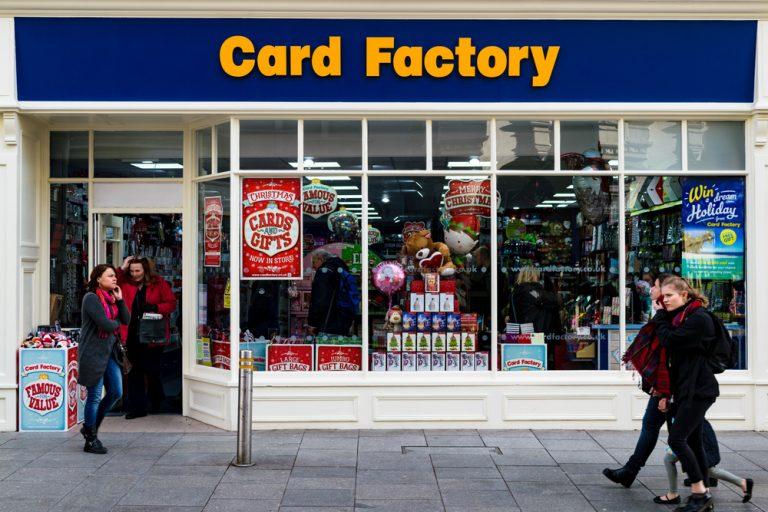
Card Factory (FRA: 0CT) profits have taken a hit due to the weaker pound and increase to the National Living Wage.
The retailer posted a 12.3 percent fall in profits to £72.6 million after it said costs increased £14.6 million in the year to 31 January 2018.
Not only did cost of imports increase due to the weaker pound, but the increase in the National Living Wage from £7.20 per hour to £7.50 per hour for over-25s in April 2017 led to a dent in profits for the retailer.
The National living Wage increased again this month to £7.80.
As the high street faces a “tough consumer environment”, Card Factory continues to grow and opened 50 new stores in the period as well as opening six trial stores in the Republic of Ireland.
Despite the fall in profits, the group’s chief executive officer remained positive and hailed the growth in like-for-like sales.
“We also saw a record-breaking number of customers shopping with Card Factory for both card and complementary non-card products, demonstrating our resilience against a backdrop of High Street footfall decline,” said Karen Hubbard.
“Our store roll-out programme continues, with 50 new UK sites opened in the year, and our Card Factory online business has seen further growth, with increased visitors and sales, and represents a clear opportunity for future growth,” she added.
The high street’s restaurants are also facing the difficult trading period with many, including Jamie’s Italian and Byron Burger announcing store closures.






 The strong cash position has given the board the confidence to increase the dividend to a full year payout of 7.5p, giving the stock a current yield of around 5.5%.
Despite the strong profit growth and increase in the dividend, there is a reason to be vigilant.
The outlook for the UK housing market and changes lettings fees present potential risks but the fundamentals are resilient with a large proportion of revenue coming from ongoing management fees so while the group, like all lettings firms, will likely take a hit from the ban on upfront letting fees, it doesn’t represent a material threat to ongoing growth.
The strong cash position has given the board the confidence to increase the dividend to a full year payout of 7.5p, giving the stock a current yield of around 5.5%.
Despite the strong profit growth and increase in the dividend, there is a reason to be vigilant.
The outlook for the UK housing market and changes lettings fees present potential risks but the fundamentals are resilient with a large proportion of revenue coming from ongoing management fees so while the group, like all lettings firms, will likely take a hit from the ban on upfront letting fees, it doesn’t represent a material threat to ongoing growth.