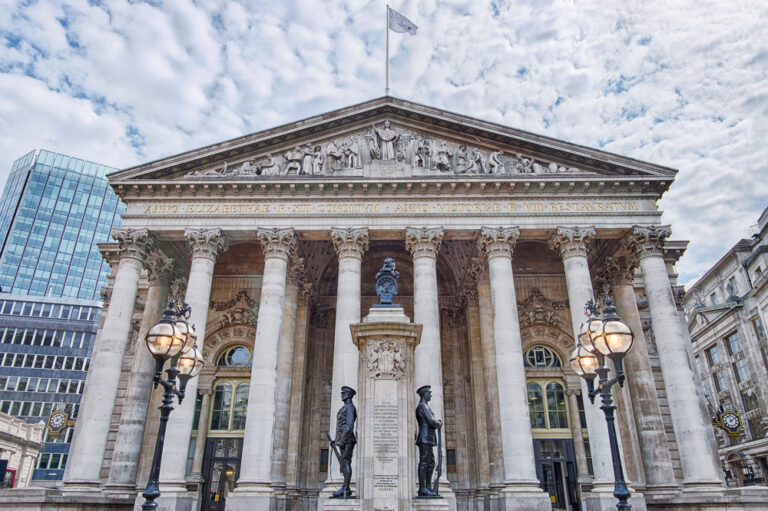
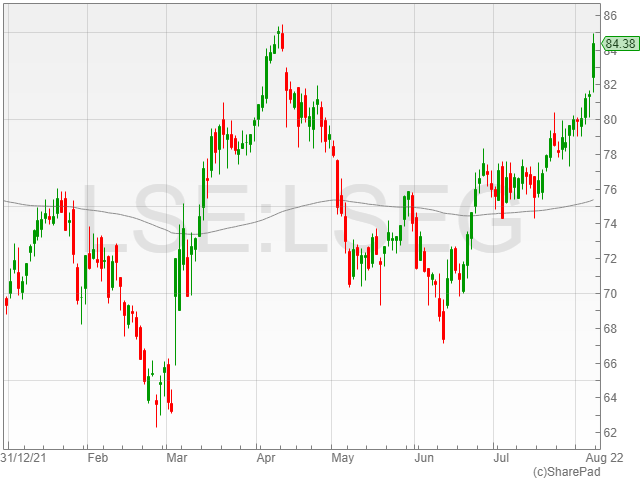
London Stock Exchange shares climbed 4.2% to 8,496p in late morning trading on Friday, after the group announced a sweeping slate of strong profits in HY1 2022.
The company reported a gross profit growth to £3.2 billion compared to £2.6 billion year-on-year, alongside an EBITDA rise to £1.7 billion from £1.2 billion and an operating profit of £897 million against £550 million.
London Stock Exchange also confirmed a pre-tax profit of £803 million compared to £463 million the last year.
The company highlighted a total income rise of £717 million to £3.7 billion across the financial period.
London Stock Exchange reported a Data & Analytics revenue climb of £482 million to £2.3 billion, alongside a Capital Markets revenue rise of £181 million to £720 million and a Post Trade revenue increase of £37 million to £482 million.
The firm said it would be launching a £750 million share buyback over the coming 12 months on the strength of its profits and revenue, with the first tranche set to commence immediately.
The group noted a positive cash generation in HY1 and the completion of its GDC and MaryStreet acquisitions, with its acquisitions of TORA and Quantile expected to close in HY2.
The London Stock Exchange added it experienced good momentum going forward in HY2 2022, with effective cost management and strong progress in achieving synergies.
“LSEG has delivered a strong first half performance with continued revenue growth across our businesses. We are managing costs well and we continue to make progress on achievement of synergies,” said London Stock Exchange CEO David Schwimmer.
“We provide solutions solving critical issues for our customers, with a high proportion of recurring subscription revenues and structurally growing transactional revenues that benefit from volatility.”
“Our cash generation is allowing us to actively deploy capital across organic and inorganic investments, grow our dividend and commence a share buy-back programme, driving further value for our shareholders. We are successfully executing on our strategy, have good momentum going into the second half and our targets remain unchanged.”
London Stock Exchange recommended a 27% dividend hike to 31.7p per share for HY1.
Flutter Entertainment announced its completed acquisition of Italian online gaming operator Sisal for £1.62 billion on Friday, after receiving all the necessary regulatory confirmations for the transaction.
Flutter Entertainment commented the acquisition was aligned with its strategy of investing to build leadership positions in regulated markets.
The Italian company has reportedly posted a strong performance since the agreement was announced.
Sisal grew its revenues 58% year-on-year to £402 million, with a 51% EBITDA climb to £120 million in HY1 2022.
Flutter Entertainment said the transaction had been completed using debt facilities agreed upon at the initial announcement on 23 December 2021.
The closed deal brought the group’s expected weighted average cost of debt to approximately 3.4% for HY2 2022.
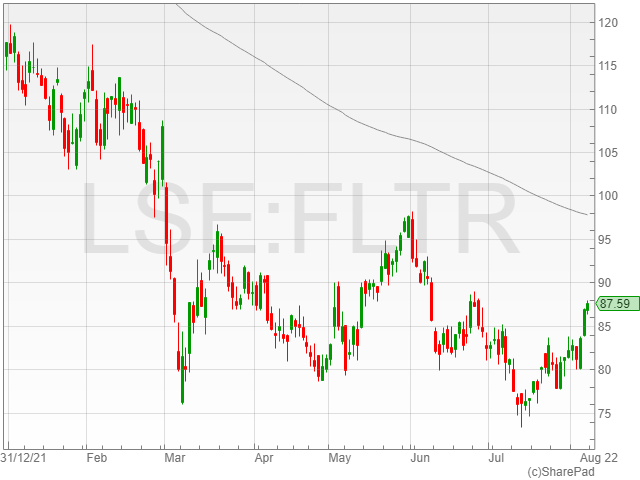
Flutter Entertainment shares rose 0.7% to 8,762p in late morning trading on Friday.
Lithium-ion battery cell technology developer AMTE Power (LON: AMTE) has secured a partnership with Cosworth for its Ultra High Power (UHP) rechargeable pouch battery cells.
This follows the announcement that AMTE Power has chosen a site in Dundee for a new 0.5GWh battery production facility. This could open in the third quarter of 2025. At full capacity, the facility could generate annual revenues of more than £200m.
UHP cells have consistent energy delivery at a very high rate. There are rapid charging and discharging times that are suitable for the automotive, aerospace and marine sectors.
Cosworth is a global technology business that used to be famous for making Formula One engines. It can design, develop and manufacture engines. Cosworth recently acquired electrification business Delta and this deal will add to the expertise.
AMTE Power has previously announced a memorandum of understanding with MAHLE Powertrain, which has a facility in Northampton. The partnership will help MAHLE to develop powertrain technology. There is also a deal with Viritech to help in developing hydrogen fuel cell electric vehicles.
AMTE Power raised £12.95m at 175p a share when it joined AIM in March 2021. Following the latest news, the share price rose 10.9% to 81.5p. It was 65p prior to the Dundee factory announcement.
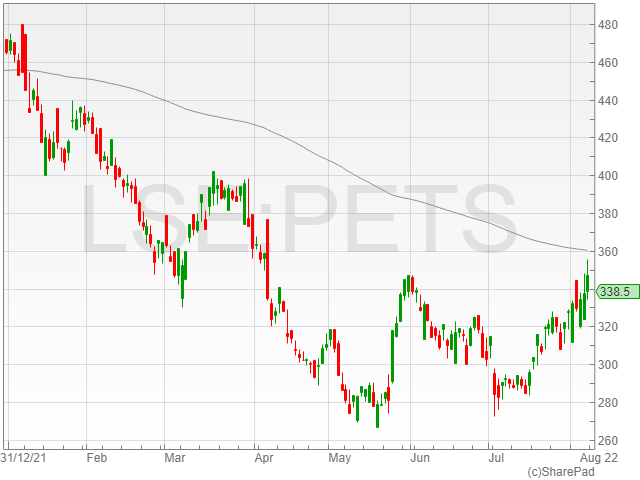
Pets at Home shares gained 0.3% to 338.6p in early morning trading on Friday after the group reported a 6% like-for-like revenue increase to £404.7 million in Q1 2023.
The pets care company announced a 7.1% total revenue climb to £404.7 million.
Pet at Home highlighted strong customer acquisition, with 1.1 million new customers in the last year.
“First quarter performance was solid, with new customer growth continuing and crucially strong retention of the 1.1m customers added last year,” said Hargreaves Lansdown equity analyst Matt Britzman.
“The pandemic fuelled pet ownership craze was a blessing for Pets at Home and those cats and dogs will need looking after long into the future.”
“Attracting and retaining subscription-based revenue is a great strategy, the VIP and Puppy & Kitten Club continue to push on which gives attractive recurring revenue sources.”
Meanwhile, the group mentioned strong sales to profit conversion as it continued to proactively manage inflationary costs via a range of productivity and efficiency initiatives.
“Our performance has remained strong in the first quarter, underpinned by continued customer growth and high levels of retention,” said Pets at Home CEO Lyssa McGowan.
“We operate a unique omnichannel model, in a market in structural growth, where the passion and expertise of our colleagues and partners is a key competitive advantage.”
“I would like to thank them for their warm welcome, their continued efforts in helping our record number of customers care for their pets in these challenging times, and their ongoing commitment to building the best pet care business in the world.”
Pets at Home noted a good balance sheet with net cash of £40.2 million and decent liquidity through its recently renewed £300 million revolving credit facility until 2027.
The firm added the vast majority of its currency requirements were hedged over the coming year.
“What’s very interesting with Pets at Home is its hybrid approach, omnichannel revenue continues to grow and was the standout this quarter,” said Britzman.
“That’s testament to a lot of work that’s gone into boosting the online offering, with services like click and collect meaning customer journeys are a mix of online and in store.”
“That’s a gold mine for cross selling other services like the groups in store vet and grooming practices.”
Pets at Home said there were no changes to its sales and margin outlook, with a FY group underlying pre-tax profit to be in line with analyst expectations of £131 million, with a range between £127 million to £136 million.
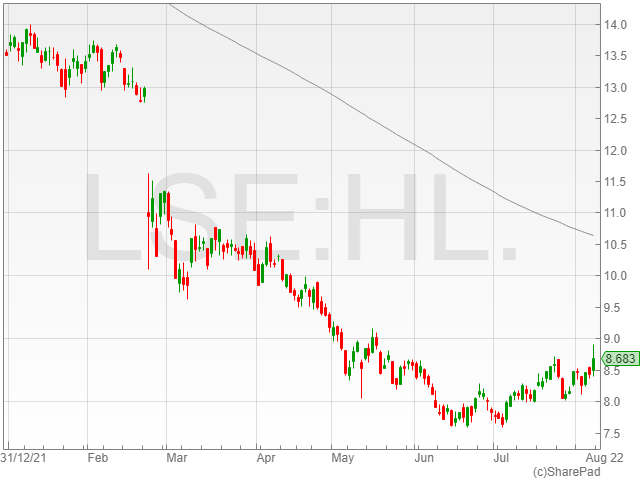
Hargreaves Lansdown shares rose 3% to 869.3p in early morning trading on Friday after the firm announced a 92,000 client growth to 92,000 in FY 2022.
The investment group confirmed the volatile market environment had also impacted its business, with an 8% revenue fall to £583 million against £631 million in FY 2021 as lower than expected share dealing volumes led to more atypical trading volumes experienced across the Covid pandemic last year.
The company noted a 26% slide in pre-tax profits to £269.2 million against £366 million the last year, along with a 19% underlying pre-tax profit fall to £297.5 million from £366 million.
Net new business inflows also saw a sharp decrease of 37% to £5.5 billion compared to £8.7 billion in the previous year.
Hargreaves Lansdown reported a 19% diluted EPS decline to 50.4p compared to 62.5p.
“Against a macroeconomic and geopolitical climate not seen in a generation with subdued flows and lower activity across wealth management, we have delivered £5.5 billion of net new business through the year and the quality of our service attracted a further 92,000 net new clients, said Hargreaves Lansdown CEO Chris Hill.
“Our focus is firmly on servicing our clients, disciplined cost management and delivering our strategy because we remain confident that it will deliver outstanding client service, strong shareholder returns and market leadership for HL.”
The group also highlighted the progression of its Active Savings operations, with two new partner banks including Santander International bringing its number of partners to 15. The company added the rising interest rates environment had served to boost the sector’s performance.
“Our progress against our strategic goals has been strong since February with the launch of the first of our new funds and an acceleration in our Active Savings proposition, an essential service to help clients manage their cash savings at this critical time, leading to a record £4.6 bn assets, with over 114,000 client accounts, said Hill.
The investment advisor recommended a 3% ordinary dividend hike to 39.7p compared to 38.5p, alongside a 21% total dividend drop to 39.7p against 50.5p the last year.
While stockmarket deals have been in short supply in recent months there has been plenty of investment activity in the private arena. Private UK companies raised £14.9bn in the first half of 2022, according to Beauhurst.
The number of deals was 10% higher at 1,456 with particularly strong activity in the first quarter. However, even more of the fundraisings were in London – 51.8% during the period. Sometimes companies have a head office address in London, but their main operations are outside of the capital.
The figures cover 1 January to 30 June 2022 and include all publicly announced fundraisings by non-quoted companies.
Where the money is going
Venture and seed rounds dominate in terms of numbers, but growth fundraisings account for £7.32bn of the total. There were 29 cash calls of more than £100m in the first half of 2022, which is the highest number for a six-month period. The deals between £50m and £100m fell from 38 to 35.
The largest fundraising was by Britishvolt, which is developing lithium-ion battery cells for electric vehicles. The Northumberland-based company raised £1.7bn, which is nearly 12% of the total raised.
The majority of the larger fundraisings were by fintech companies, and they accounted for the largest number of deals. Artificial intelligence and clean technology were not far behind.
Business angels are becoming an increasingly important source of cash with 353 deals in the period. There were 281 crowdfunding deals, with Seedrs handling 137 and Crowdcube 101 – although £76.5m was raised through Crowdcube against £69.1m through Seedrs.
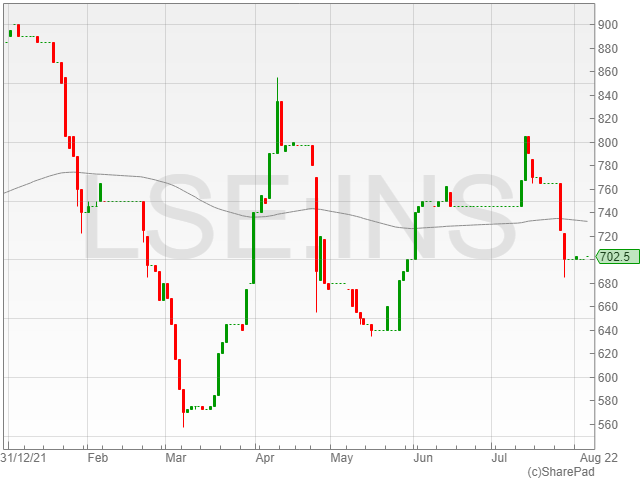
Instem shares saw an uptick of 0.3% to 702.5p in late afternoon trading on Thursday after the group reported a strong trading update for HY1 2022, including a combined and inorganic revenue growth of approximately 39% to £27.6 million against £19.8 million year-on-year.
Instem confirmed its recurring software revenue rose over 60% over the financial term.
The company said its finalised acquisitions of The Edge Software Consultancy, d-Wise Technologies and PDS Pathology Data Systems over the last financial year started contributing fully for the first time over HY1.
The IT solutions firm added its operating profit climb in the period was anticipated to be at a lower rate than overall revenue growth as a result of inflationary pressures, which led to a higher level of remuneration for staff across the firm.
Instem commented the inflationary costs would be partially mitigated by the price increases announced in late April 2022.
The firm highlighted a strong balance sheet with closing cash at 30 June 2022 of £10.3 million, with available flexibility to execute acquisition opportunities as they arise.
Instem confirmed it was on track to meet FY 2022 market expectations on the back of a scalable platform and significant opportunities on the horizon.
“Consistent delivery is key and we are delighted with the continued successes of our organic and acquisitive growth strategies,” said Instem CEO Phil Reason.
“Visibility for H2 has improved through increased recurring revenue, the value of the order backlog for professional and outsourced services and reduced growth in staff numbers which in turn reflects a higher gross margin revenue mix.”
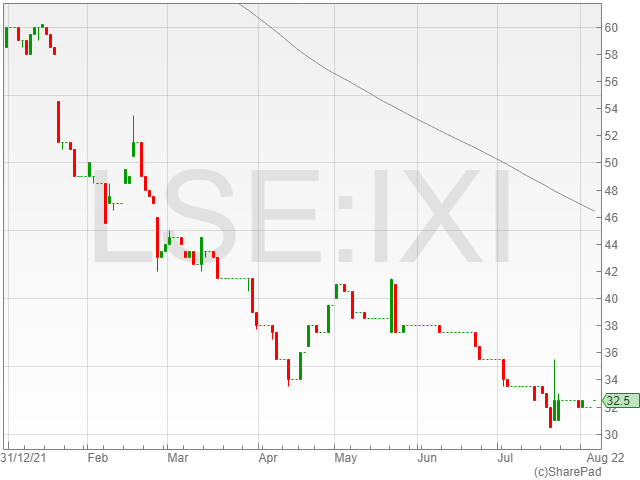
IXICO has been selected for a contract to provide MRI and DAT-SPECT imaging services by an unidentified European biopharmaceutical company for a Phase 2 clinical trial in Parkinson’s disease.
The contract represents the second study award IXICO has received from the client over the last 12 months, with the trial expected to progress over four and a half years.
IXICO is reportedly set to provide radiology and quantitative analysis services to support patient selection, safety and efficacy analysis.
The contract will build on the pharmaceutical group’s portfolio of proprietary imaging data management and analysis technologies for the investigation of neurological disorders across the drug development lifecycle, from phase one to commercialisation.
“We are delighted to be awarded this contract to support the development of this promising investigational drug in PD,” said IXICO CEO Giulio Cerroni.
“Our success in being awarded a second study with this client, demonstrates the momentum we are building in expanding into a broader range of neurodegenerative therapeutic indications.”
“Our mission is to support our current and prospective clients in their efforts to bring potential treatments to patients suffering from neurological disorders, and this contract is an example of the confidence that increasing numbers of companies are placing in IXICO as their trusted neuroimaging partner for their important CNS studies.”
The FTSE 100 had a spring in its step on Thursday, as the blue chip index rose 0.5% to 7,485.1 in early afternoon trading.
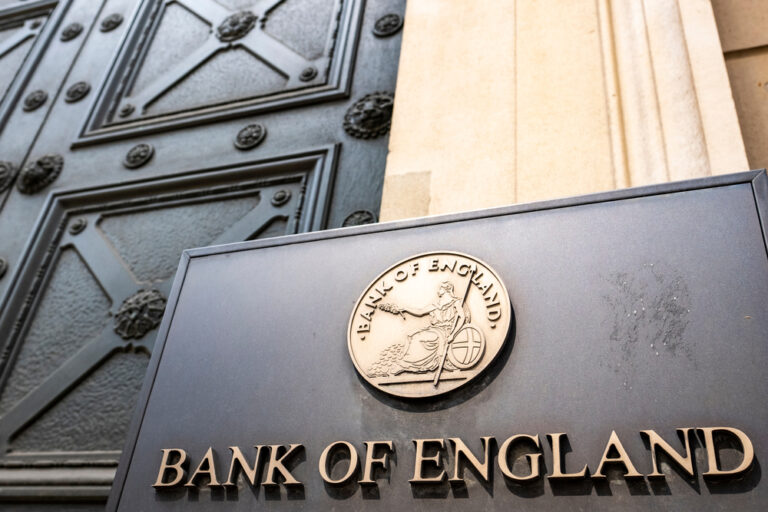
The market seemed to defy recession fears after the Bank of England announced an interest rates hike of 0.5% to 1.75%, representing the most aggressive rates growth in 25 years.
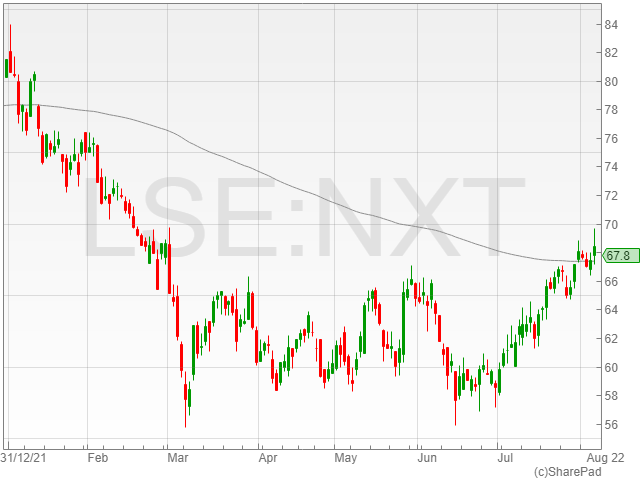
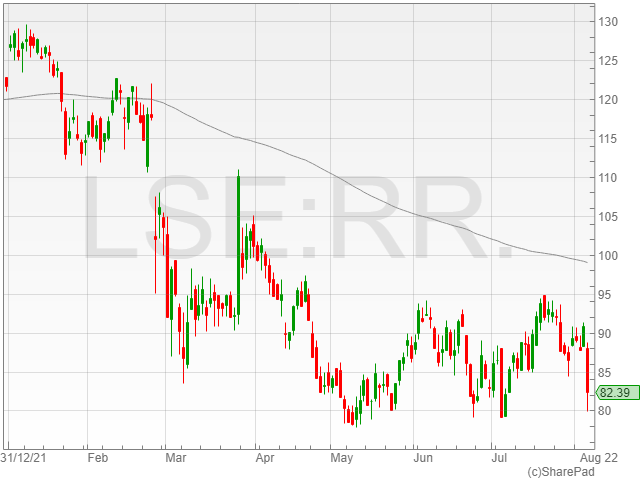
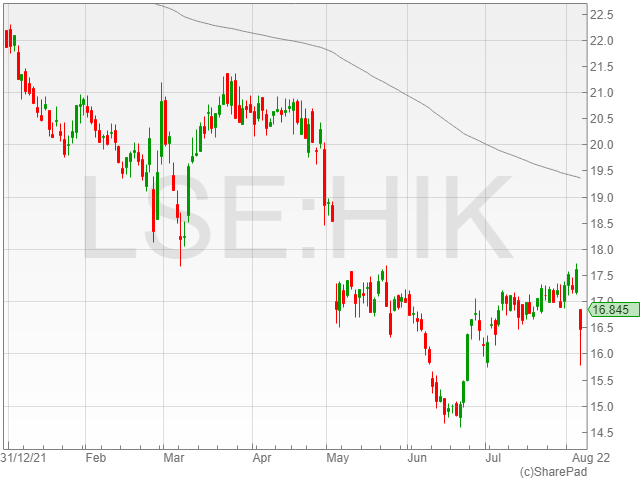
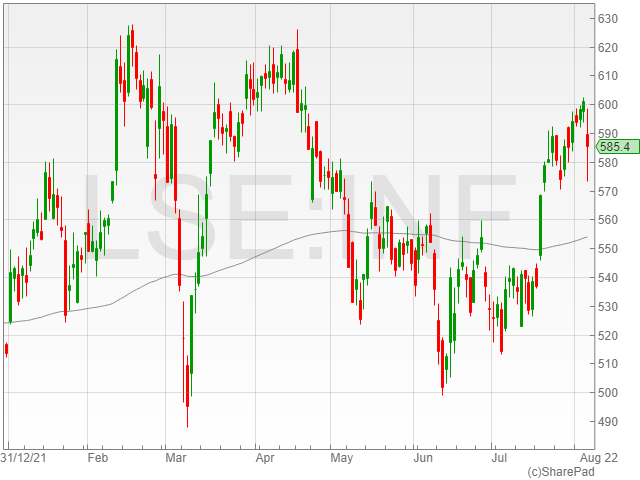
The FTSE 100 was buoyed by a selection of positive results, as miner Glencore and fashion company Next gave the index a shot in the arm despite several weaker results from Rolls-Royce, Hikma and Informa.
Glencore
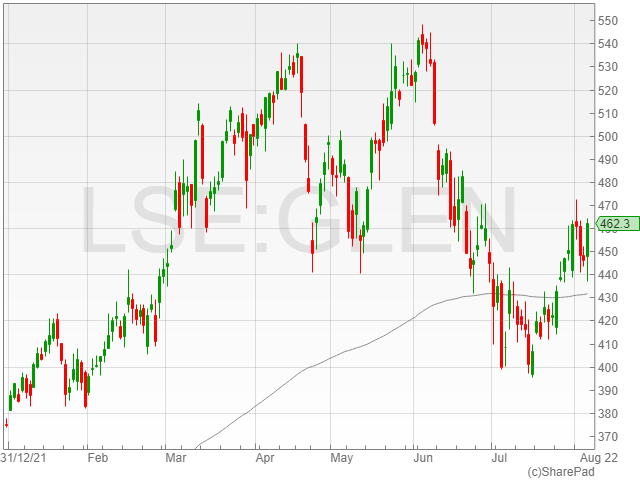
Glencore shares gained 3.8% to 463.1p after announcing a revenue surge to $134.4 billion as market volatility led to record prices across its coal, gas and physical premia segments.
The mining giant reported an adjusted EBITDA climb of 119% to $18.9 billion against $8.6 billion the last year.
Glencore also cut its net debt by 62% to $2.3 billion from $6 billion, and confirmed a basic EPS rise of 820% to 92c compared to 10c.
The group mentioned $4.5 billion in shareholder returns over the interim period, including 11c per share in special distributions and a $3 billion share buyback.
Glencore confirmed a total of $8.5 billion in total shareholders returns in FY 2022.
“Glencore became the latest natural resources player to deliver bumper returns to shareholders,” said AJ Bell investment director Russ Mould.
“However, with the risks of recession bubbling, investors may not see such high levels of generosity going forward.”
Glencore revenues soar to $134.4bn as market volatility leads to record priceshttps://t.co/b233uahrlz
Next also commented its stronger sales might be linked to the closure of several competitors over the past three years, funnelling a higher level of customer revenue into the high street brand.
“Next is widely considered a best-in-class retailer and today’s results offer ample evidence of why that is the case,” said Mould.
“Bosses at Next are well-versed in how to operate successfully as a public company, demonstrating fluency in the art of expectation management.”
“This helps explain how, right in the middle of the worst cost-of-living crisis in a generation, the company has been able to deliver better-than-expected numbers.”
“Next has also benefited from market share gains as competitors like Topshop and Debenhams have disappeared from the high street.”
Next full price sales shine as warm weather boosts formal wear sectorhttps://t.co/xKbVrRYqhp
Rolls-Royce shares plummeted 9.3% after the engineering firm swung to a statutory loss of £1.6 billion in HY1 2022 compared to a profit of £394 million year-on-year.
Rolls-Royce confirmed a revenue growth to £5.6 billion from £814 million, however, on the back of its record Power Systems order intake, continued recovery in its Civil Aerospace flying hours and a strong Defence order book.
However, the company said it expected supply chain problems and inflationary issues to persist into 2023, and with news of a recession on the horizon, the prospects looked slightly bleak for the group.
The firm also mentioned struggles in attracting experienced and qualified engineering staff.
“We are actively managing the impacts of a number of challenges, including rising inflation and ongoing supply chain disruption, with a sharper focus on pricing, productivity and costs,” said Rolls-Royce CEO Warren East.
“This is setting us up to deliver on our commitments this year and in the future. We are making choices to manage the current challenges, deliver better returns, reduce debt, and generate long-term sustainable value.”
Mould added: “For a one-time champion of British engineering, the company is at a pretty low ebb. Today’s results demonstrate the size of the task facing the newly appointed chief executive Tufan Erginbilgic.”
“If even a well-regarded figure like Warren East, who will hand over to Erginbilgic at the beginning of next year, can’t fix the business then what hope is there for anyone else?”
“Despite seeing some recovery in the all-important civil aerospace business, Rolls is still left trailing behind expectations.”
Hikma
Hikma shares dropped 4.5% to 1,682p following a 27% operating profit drop to $239 million in HY1 compared to $326 million the last year.
Revenue remained flat for Hikma year-on-year at $1.2 billion, with stronger performance in Injectables and Branded sectors offsetting the weakness in Generics.
Hikma hiked its dividend 6% to 19c per share compared to 18c the year before.
“Hikma’s resilient first half performance is a testament to the strength of our core underlying business, supported by the breadth and depth of our portfolio and capabilities,” said Hikma Pharmaceuticals CEO and executive chairman Said Darwazah.
“Double digit profit growth in our Injectables and Branded businesses has helped to offset a decline in Generics caused by industry-wide competitive pressures.”
Informa announced its GAP II strategy also helped revenues climb, with its investment programme moving on track according to schedule.
The exhibition company also confirmed its resumption of dividends, recommending a 3p per share payout for the interim period.
“As outlined in our recent Market Update, Informa’s first half results underline the benefits of our GAP II strategy, with strong growth in revenues, profits and cash,” said Informa CEO Stephen A. Carter.
“We remain on track to achieve the upper-end of 2022 guidance, with good forward visibility in Subscriptions, Exhibitors, Delegates and Digital Services, whilst continuing to deliver accelerated shareholder returns, additional growth investment and further targeted expansion.”
Informa swings to £90.9m profit as GAP II strategy progresses on schedulehttps://t.co/l1lPGTSvoI
The move comes in a bid to tackle soaring inflation, which currently stands at a 40-year record of 9.4% and was previously estimated to reach 11% in October this year.
However, the Bank reported that inflation is now expected to hit 13.3% this autumn, the highest level since 1980, and remain as such for the bulk of 2023 before falling to the organisation’s 2% target in two years.
A 0.5% interest rates hike has not been seen in 25 years, with the aggressive move signalling trouble ahead for the UK economy.
The vote was passed with eight members of the Monetary Policy Committee in favour and one member suggesting a lower rate hike of 0.25% to 1.5% instead.
“After successive 0.25% rises, the Bank of England is taking a tougher stance on inflation with today’s 0.5% hike,” said Nutmeg personal finance specialist Annabelle Williams.
“There hasn’t been a 0.5% rate rise for more than a quarter of a century, and the expectation is that bringing interest rates to a higher level at a swifter pace will be more effective at calming inflation, which reached 9.4% on the CPI measure in June.”
“The prospect of lower inflation should provide some relief to households and businesses struggling with the highest inflation for 40 years. But a rise in interest rates will take time to dampen down prices and there’s no guarantee of how far prices will fall.”
GDP is currently slowing at a greater rate than expected, as rising gas prices feed into spiking inflation as a result of the Ukrainian war.
Real household income after tax is anticipated to fall sharply over 2022 and 2023, with a negative consumption growth.
However, the Bank of England said it projected no additional price growth in global commodities, and added it expected tradable goods inflation to fall back in the coming months, with the first signs already evident in the economy.