In the wake of Black Monday, what’s the price of a bailout?

With bailouts of the hotel industry already being discussed in the US Congress, should we expect more widespread quantitative easing in the wake of the Coronavirus induced Black Monday slump? The likely response will be a ‘yes’, explained away by the rational need to encourage liquidity and avoid a catastrophic 2008-style slump. After the G7 and IMF failed to produce any concerted plan of action during the weeks leading up to Black Monday, it falls upon national governments to answer the call, and provide a remedy for the market ill-sentiment inflicted by Coronavirus.

What does this mean for the UK?

Chancellor Rishi Sinak will deliver his first budget on Wednesday – one which many expected to set out Boris’s eponymous infrastructure ambitions, but will now likely shift some focus onto economic stimulus. This prediction was echoed and encouraged by Standard Life Aberdeen (LON:SLA) Chief Executive Keith Skeoch, who watched his company shed almost 8% on Black Monday. “Asset prices are suggesting that a global recession is around the corner,” said Skeoch, who believes that if the government follows China’s lead in containing Coronavirus, and helps SMEs survive their cash flow problems, we will see a short-term dip followed by a recovery in six months’ time. “The chancellor tomorrow has a splendid opportunity to put in place a significant fiscal stimulus without the risk of inflation,” he added.

Would a bailout be welcomed?

In the US, news of business bailouts being discussed in Congress invoked a Twitter storm:   While the discussion is currently about bailouts going to hoteliers and airlines, they follow bailouts to the farming sector during the Sino-US tariff war. So, we can reasonably assume this won’t be the last of Trump’s industry-specific handouts. The reaction from most US commentators seems to be the predictable one. First, many lamented the fact that giving handouts to the hotel sector appears to be a blatant bit of self-sponsorship on Trump’s part Second, and more significantly, the point was made that businesses were too greedy to prepare for the downturn they caused in 2008, so taxpayers bailed them out. They might not have caused Black Monday themselves, but they’ve probably had their fair share of helping hands. To me, this is a fair analysis. In lieu of top-down stimulus – whereby liquidity is encouraged by increasing big business cash flow – many are calling for a more bottom-up approach. So far, there have been few politically feasible suggestions for how this could come about. The terms ‘Green Deal’ and ‘UBI’ have picked up traction again in the US left-wing, and the UK audience will likely have their own iterations of similar sentiments on Wednesday. What we can safely assume, though, is that nobody has forgotten the mess that investors and the financial sector got the world into twelve years ago, and how much we all had to pay for their mistakes. The ensuing policies of austerity, narratives of welfare-shaming and deepening of wealth inequality will also be fresh in the memories of many. The fact a $5.7 billion company like Aberdeen Standard are losing out, or that Jacob Rees-Mogg saw £13 million wiped off of his Sberbank (MCX:SBER) holdings yesterday, is unlikely to move anyone to tears. To synopsise the general mood of the Twittersphere: we know we need to act to avoid a recession; it just seems odd that ‘socialist’ handouts are ready and waiting for big business and yet normal people are made to pay, without feeling any benefit but the slim privilege of continuity. When is the tickle-down due? The rich emerged richer from the last crash, perhaps this round should be on them.

Menzies stops dividend due to coronavirus

High debt levels mean that aviation services provider John Menzies (LSE: MNZS) has decided to suspend its dividend given the uncertainty about global travel. The business is in much better shape, but the recovery will be held back by coronavirus.
Net debt was £391.9m at the end of 2019, nearly double the start of the year. However, that was down to the inclusion of lease liabilities in the total. That added £175.5m, so the underlying increase was £16.8m. There is headroom in the current facilities of £325m, which last until January 2025.
There was a cash inflow from operating activities of £71...

Marshall Motor outperforms new car market

Motor dealer Marshall Motor Holdings (LON: MMH) continues to outperform the weak UK car market. Results were broadly on track last year, although some of the recently acquired businesses made slightly higher losses. This year’s forecast has been upgraded.
Having a strong balance sheet enables Marshall to continue to invest in new dealerships. Net debt, excluding leases, increased from £5.1m to £30.6m following acquisitions costing £27.4m. The debt figure was higher than expected because of fleet orders just before the year end.
Capital expenditure is continuing at around £19m a year. The deale...

Ryanair cuts 2020 passenger target after Italy lockdown

2
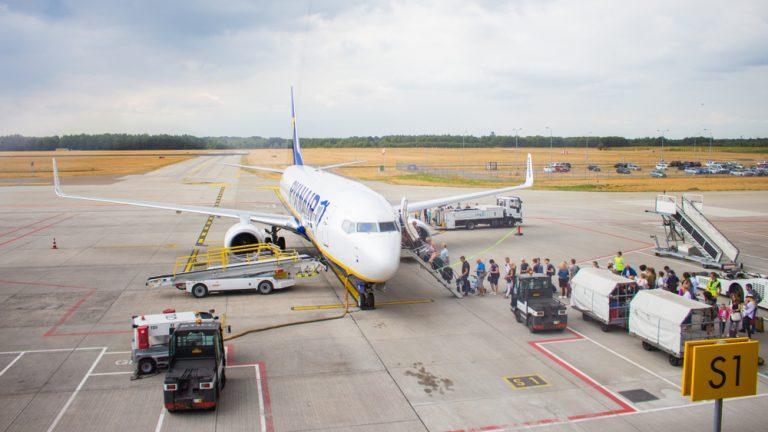
Ryanair (LON:RYA) announced on Tuesday that it will be lowering its passenger target for 2020 by 3 million as a result of Italy’s coronavirus lockdown. Shares in the budget airline were trading over 7% higher on Tuesday. The Irish airline said that its 2020 passenger target will be lowered from 154 million to 151 million. “This is a direct result of the suspension of all Ryanair flights to/from Italy, between 13 March and 8 April, in response to the Italian Government’s “lock down” of travel to/from Italy, in addition to a number of other EU countries (Slovakia, Czech Republic, Hungary, Malta, Romania, Austria) unilaterally restricting flights to/from Italy,” Ryanair said in a statement. Italy was recently placed on lockdown as the number of people infected by the virus grew to over 9,000, with cases confirmed in all 20 of Italy’s regions. The aviation industry has been hit by the outbreak of the coronavirus as demand for air travel is decreasing during a time when people are being encouraged to stay indoors. Flybe (LON:FLYB) collapsed just last week, and the immediate crash of the airline was blamed on coronavirus related impacts. Elsewhere, Wizz Air (LON:WIZZ) announced the measures it will follow to limit the impact that the virus will have on its business. Italy is a particularly popular tourist destination and receives a high volume of international travel. “Ryanair does not expect these traffic reductions to have a material impact on FY20 (31 March 2020) PAT guidance,” Ryanair continued. The budget airline added: “It is far too early to assess the impact of Covid-19 on FY21 traffic and earnings. The Ryanair Group will continue to focus on delivering cost savings and improved operational efficiency in FY21.” Shares in Ryanair Holdings plc (LON:RYA) were up on Tuesday, trading at +7.42% as of 14:17 GMT.

Tungsten Corporation books tenfold increase in earnings as revenues accelerate

Supply Chain enabler Tungsten Corporation (LON:TUNG) booked positive fundamentals and year-on-year progress for the first nine months of the full year. The company’s revenues rose from £26.9 million to £27.6 million, led by increased transaction volumes, up from 13.5 million to 14.4 million. The headline figure for Tungsten Corporation, though, was a jump in its adjusted EBITDA, up from £0.2 million to £2.0 million on-year, alongside an increased EBITDA margin, from 1% to 7%. Conversely, the Group’s operating losses widened from £2.5 million to £3.2 million. Further, its net cash narrowed from £2.5 million to £1.0 million.

Tungsten Corporation reaction

Responding to the Group’s results, CEO Andrew Lemonofides, states:

“In this year of transformation, we are demonstrating our ability to reduce costs and accelerate revenue. I am pleased to highlight that all of our strategic initiatives are being delivered as mentioned above and forecast last summer. In addition, I am continuing to restructure the company, drive down costs, re-boot our technology, replace key staff, introduce new products and augment new partnerships – and so build a redefined Tungsten in pole position to deliver accelerating growth.”

“Revenues remain in line with our YTD Q3-FY20 expectations. Whilst we still expect to show year on year growth in new sales billings, the growth will be below the level that we had previously expected and as a result we are a little more cautious about the outturn for the full year. However, as a result of prudent cost controls, we currently expect to meet EBITDA expectations.”

Investor notes

Following the update, the company’s shares are up 1.70% or 0.40p, to 23.90p per share 10/03/20 14:05 GMT. Tungsten Corporation has a market cap of £29.63 million, at 30 April 2019 its diluted EPS stood at negative 2.66p.

Coronavirus: Italy lockdown

16
Italy is now on lockdown as the outbreak of the coronavirus continues to evolve. Over 9,000 people have now been infected by the virus, with cases confirmed in all 20 of Italy’s regions. “We’re having an important growth in infection… and of deaths,” Italian Prime Minister Giuseppe Conte said, according to the BBC. “The whole of Italy will become a protected zone,” the Prime Minister continued. “We all must give something up for the good of Italy. We have to do it now.” In an attempt to contain the spread of the virus, public gatherings have been banned, sporting events have been cancelled and schools and universities will stay closed until 03 April. People are being encouraged to stay home unless it’s absolutely necessary to leave the house. Many are fearing the economic implications of the virus as it spreads across the world. The Italian Prime Minister announced the nation-wide lockdown yesterday evening: https://platform.twitter.com/widgets.js https://platform.twitter.com/widgets.js The Department of Health and Social Care provided an update on the situation in the UK: https://platform.twitter.com/widgets.js We will keep you updated as the situation evolves.

Seeing Machines profits narrow despite 12% revenue growth

AI powered monitoring systems provider Seeing Machines Limited (LON:SEE) booked deeper losses and narrower profits, despite good progress in its revenues for the half-year ended 31 December 2019. Operational revenues were up 12.8% year-on-year, up from $14.0 million to $15.8 million. This was led by an impressive 67% rise in monitoring service revenue, which grew from $2.4 million to $4.1 million on-year.

Despite this progress, the company’s gross profits narrowed from $8.9 million to $5.7 million, while its net loss marginally widened from $24.7 million to $24.9 million year-on-year.

However, the company boasted a strong cash position, with cash up from $26.9 million to $47.3 million on-year. It is also positive about the prospects of its DMS business, and the implementation of its products on roads and in aviation.

Seeing Machines response

Reacting to the company’s half-year results, CEO Paul McGlone commented,

“We continue to work through significant opportunities across each business unit and leverage the growing momentum for driver monitoring technology in Europe, the US and around the world. Our teams are working with some of the world’s biggest brands in Automotive and Aviation, and these deep relationships will secure our long-term competitive position across each of our transport sectors.”

“Our focus remains on meeting the expectations of our customers and delivering on current programs, while responding to a growing number of opportunities in Automotive, Fleet and Aviation.”

“It is clear that DMS is becoming increasingly more integral to improved safety on roads and there is growing recognition for its ability to improve efficiencies and safety in aviation. As this continues to be embraced globally, Seeing Machines is in an outstanding position as the world-leading provider of this technology.”

Investor notes

Following the update, Seeing Machines shares rallied 3.68% or 0.12p, to 3.24p per share 10/03/20 12:07 GMT. For the half year period, the company paid no dividend.

Octopus Renewables spends £59m of IPO proceeds on Ljungbyholm Wind Farm

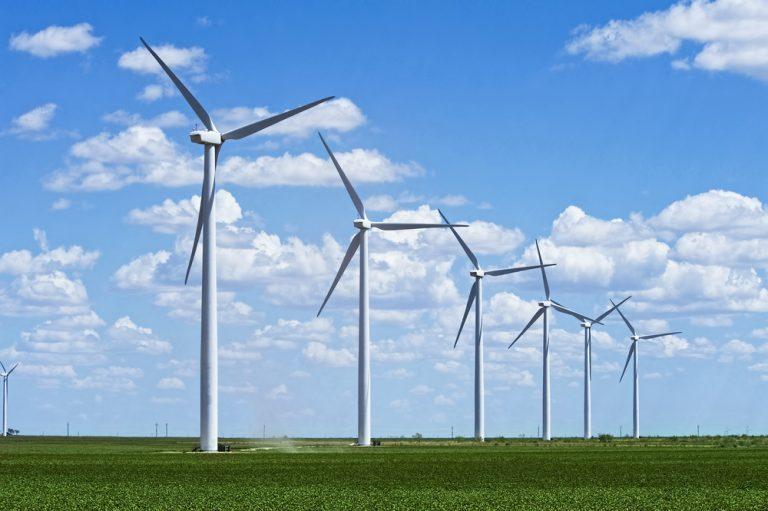
Octopus Renewables Infrastructure Trust (LON:ORIT) announced on Tuesday that it had acquired the Ljungbyholm Wind Farm from OX2 for a consideration of £59 million, including future construction payments. After the completion of the acquisition, Octopus Renewables will own 100% of the the construction-ready wind farm project. The project is located in Kalmar in Southern Sweden, and construction is expected to be completed by the middle of 2021, with the farm expected to be operational later that year. The company said an affiliate of OX2 will carry out the construction under a fixed-price turnkey contract, and that it would be completed without any debt finance at the project level. The Farm will consist of 12 turbines with an operating life of 30 years and a total capacity of 48 MW. Further to today’s acquisition, the company said it was looking to target investment in construction, construction-ready and operational renewable energy infrastructure assets in the UK, mainland Europe and Australia. Today’s acquisition represents the first in a pipeline of opportunities outlined by Octopus’s investment arm, and amounts to 17% of the funds raised in the company’s IPO in December 2019.

Octopus Renewables reaction

Responding to the company’s news, company Investment Director Chris Gaydon commented, “We are pleased to announce our first acquisition on behalf of Octopus Renewables Infrastructure Trust. Scandinavia is an attractive market due to the possibility of combining high levels of wind resource with the latest wind turbine technology, and we are delighted to have had the opportunity to acquire this asset in southern Sweden. Furthermore, acquisition of the Ljungbyholm Wind Farm may lead to further opportunities for collaboration with OX2, one of Scandinavia’s leading renewable energy developers.” “Since IPO our pipeline has continued to grow and we are actively pursuing a number of opportunities for the Company in our target markets across the UK, wider Europe and Australia. This first investment is in line with the timelines anticipated at IPO and over the coming weeks and months we look forward to updating shareholders on our progress towards deploying the balance of the IPO funds.”

Investor notes

After an excitable start, Octopus Renewables shares are now up 0.96% or 1.00p since the session began on Tuesday, rallying to 105.60p per share 10/03/20 10:53 GMT. The Group has a NAV of 98.00p per share.

Greatland Gold widen loss as exploration costs surge

1
Greatland Gold plc (LON:GGP) shares are in recovery today, as the firm released its’ interim results yesterday. The firm noted that its’ loss had widened across the first half – as exploration and development costs had surged. Greatland Gold said that it had seen a pretax loss of £2.6 million across the six month period which ended on December 31. Notably, this was deeper than the figure one year ago which saw a £1.5 million loss recorded. Exploration expenses formed the main driver of the widened loss – as these costs rose from £937,732 in 2019 to £1.9 million. Greatland Gold added that their cash stood at £4 million, and since then has received another £2 million of net funds from warrant conversions. Gervaise Heddle, Chief Executive Officer, commented: “The first half of the financial year was an exciting period for Greatland, which saw our Havieron project establish itself as a significant gold-copper discovery. During the period, Newcrest completed the first stage of the Farm-in, expanded the camp, accelerated drilling at this highly strategic asset with eight rigs now in operation, and provided plans for a further 20,000-30,000 metres of drilling over the next two quarters to support a potential maiden resource by the end of the calendar year. “Looking ahead, we will continue to focus on moving our portfolio of assets up the value curve, especially in the Paterson, which we regard as the leading frontier in Australia for the discovery of tier-one, gold-copper deposits. Beyond the exciting progress at Havieron, we have identified over a dozen targets in the region, many of which display similar geophysical signatures to Havieron, and drilling of these targets represents a strategic priority for Greatland in 2020. Our team has spent the last few months planning a comprehensive campaign across these targets and we are well capitalised to make further strong progress throughout the year.” Shares in Greatland Gold trade at 4p (+2.41%). 10/3/20 10:45BST.

Global equities lick their wounds after Black Monday

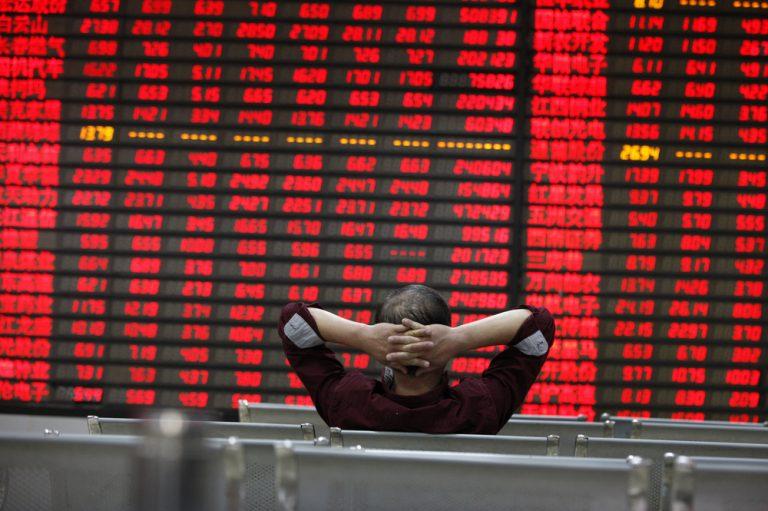
Black Monday offered volley upon volley of bad news for investors, with the worst dip in global equities since the financial crash, and the biggest Dow Jones dip in its century-and-a-half-long history. With Brent Crude diving by a third and the Dow shedding 2,000 points after the open, Monday offered little in the way of good news. Several bluechip equities shed 10-20% of their share price value, and the commodity-laden FTSE had a day to forget. As markets opened on Tuesday, there was room for some insipid green across indexes, with opportunists looking to snatch up the bargains offered by Monday’s casualties. The positive start was bolstered by a slight recovery in oil prices, and promises of economic stimulus from Donald Trump, though the longevity of the positive start will likely be dependent on how the Dow chooses to open during the Tuesday session. Speaking on the recovery of equities after Black Monday, Spreadex Financial Analyst Connor Campbell stated,

“There were a couple of things behind Europe’s green start. Firstly, a fall as great as that seen on Monday is always going to attract a few vultures, swooping in to pick at the market’s bloody carcass – remember, the global indices are now heavily discounted from the all-time highs struck just a month ago.”

“Then there was Donald Trump, attempting to gee-up investors by suggesting he was preparing a ‘major’ economic relief package in the US, one that would potentially include a payroll tax cut and provisions to protect hourly workers. This likely gave further justification at those looking to enter the market at a potential bargain price.”

“At the same time Italy is now in complete lockdown, with internal travel restrictions stretching far beyond the initially quarantined northern part of the country. A serious reaction to a serious situation, which is good. But boy will it be costly.”

“Buoyed by a 6.4% jump from Brent Crude, which in turn helped out the battered BP (LON:BP) and Shell (LON:RDSB), the FTSE was Europe’s best performer, adding 100 points to graze 6100. The CAC, meanwhile, rose 1.2% as it tried to reclaim 4800, with the DAX crossing 10800 as it added 1.2%.”

“Crucial to the longevity of [the European equities recovery] will be the US open. Currently the Dow Jones is set to take back around 800 points when things get underway on Wall Street, a rise that would just about push it to 24600. For context, that’s around 1000 points off of Monday’s lows.”