
Restaurant Group shares rise 5pc despite fall in sales

Shares in the Restaurant Group climbed over five percent in morning trading despite a fall in sales.
The owner of Frankie & Benny’s and Chiquito reported a fall in total sales by 2.1 percent to £326.1 million in the six months to July 1 from £333.1 million this time last year.
The Restaurant Group said that results did not meet analysts expectations due to adverse weather conditions. With the best from the east hitting early in the year, customers were kept from restaurants. Similarly, the heat wave and World Cup meant the UK spent more time in pubs rather than restaurants.
The group said they are confident in delivering an adjusted pre-tax profit outcome for the full year.
“The first half of 2018 has been very challenging with a perfect storm of events; extreme weather patterns, the World Cup and continued structural challenges,” said the broker, Liberum.
“Despite this, the group continues to transform as it invests heavily in digital and new concepts as it targets more favourable structural channels.”
“The reshaping of the business is taking hold,” analysts added, who issued a “buy” recommendation.
In order to bring down costs next year, the group said it is planning on close poor performing restaurants.
The group is also planning to expand its pubs and concession business. Having acquired Ribble Valley Inns Ltd and Food & Fuel Ltd, the company hopes to open at least 39 new sites in 2018. In 2019, the plan is to open between 10 and 15 units.
Several dining chains, including Carluccio’s, Jamie’s Italian, Prezzo and Byron have called in administrators or been forced to cut the number of sites and jobs in 2018.
Shares in the group (LON: RTN) are trading up 5.89 percent at 291,40 (1311GMT).
Theresa May to raise plastic bag charge to 10p
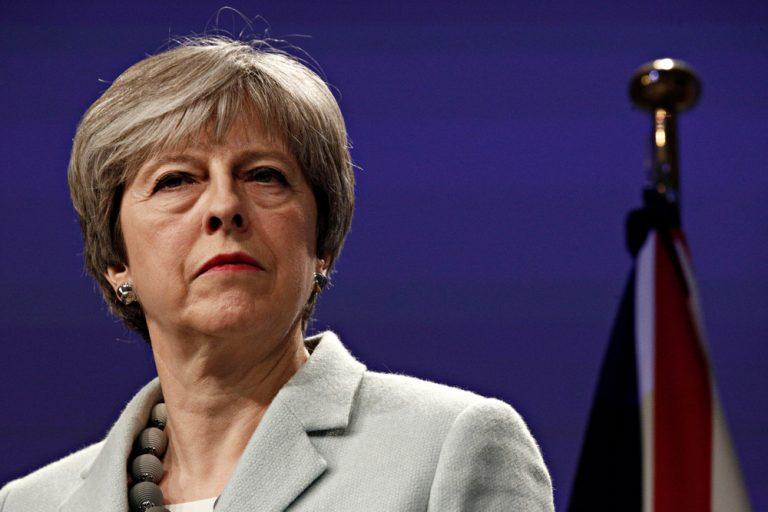
Theresa May has announced plans to double the cost of plastic carrier bags to 10p.
The prime minister hopes to make the changes, which will be applied to all retailers, in order to significantly reduce plastic consumption.
“We have taken huge strides to improve the environment, and the charge on plastic bags in supermarkets and big retailers has demonstrated the difference we can achieve by making small changes to our everyday habits,” said May.
“I want to leave a greener, healthier environment for future generations, but with plastic in the sea still set to treble we know we need to do more to better protect our oceans and eliminate this harmful waste.”
According to reports, Philip Hammond is unhappy with the proposed changes.
A Treasury source said that increasing the charge to 10p looks like “profiteering” and would leave consumers feeling “hammered”.
The money raised from the plastic bag tax is not a tax so does not go to the government. Instead, retailers are expected to give the money raised to good causes.
A Plastic Planet, an environmental campaign group, said increasing pressure on consumers was not the right approach to cut down on plastic.
Sian Sutherland, the group’s founder, said: “This levy increase unfairly targets consumers while major brands continue to force plastic upon them. The government needs to shift its focus on to them if it is to become a world leader in tackling the plastic problem.”
Since the 5p fee was introduced in October 2015, 13 billion plastic bags have been taken out of circulation.
For the UK’s international collaboration, May also announced £61 million in UK aid money to boost global research and help countries stop plastic waste from entering the oceans.
The UK government will give an extra £5 million in funding to assist CCOA countries taking action on plastic pollution.
CMA takes legal action against Viagogo
The Competition and Markets Authority has taken legal action against ticket seller Viagogo.
The competition watchdog has said the ticket sale website is breaching consumer protection law and consistently failing to change their practices.
“People who buy tickets on websites like Viagogo must be given all the information they are entitled to. It’s imperative they know key facts, including what seat they will get and whether there is a risk they might not actually get into the event, before parting with their hard-earned money,” said Andrea Coscelli, the CMA’s Chief Executive Officer.
“This applies to Viagogo as much as it does to any other secondary ticketing website. Unfortunately, while other businesses have agreed to overhaul their sites to ensure they respect the law, Viagogo has not. We will now be pursuing action through the courts to ensure that they comply with the law.”
Viagogo is a controversial platform that has been previously criticized.
The UK Trading Standards launched an investigation into the company earlier this year, with the digital minister Margot James saying that “they are the worst”.
The CMA said the breaches to the law meant that customers would face several risks including being given misleading information about the availability and popularity of tickets, not being informed which seat in the venue they will get or not being told if there is a risk that they will be turned away at the door.
The group has been criticised by the music industry, fans and ministers, who have called for a boycott on the website.
This latest attack to the website comes less than a week before Viagogo’s senior executives will appear before the digital, culture, media and sport select committee.
Ticketmaster UK recently shut its resale websites, which left Viagogo and StubHub as the only major sites in the ticket resale market.
Whitbread sells Costa Coffee to Coca Cola in £3.9bn deal, shares rise 17pc
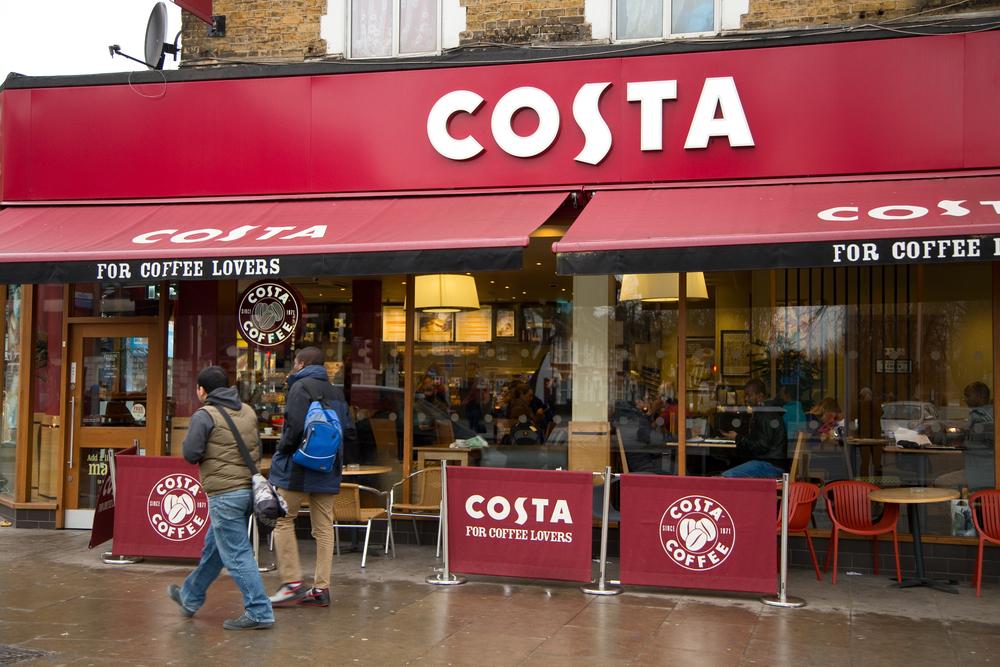
Whitbread (LON: WTB) has announced that it is selling the Costa coffee chain to Coca-Cola (NYSE: KO) in a £3.9 billion deal.
Following the sale, Whitbread will focus more heavily on Premier Inn chain of hotels in the UK and Germany.
“This is one of those beautiful moments where everybody is a winner. This is a significant premium than what could have been created by spinning it off alone,” said the Whitbread chief executive Alison Brittain.
“This transaction is great news for shareholders as it recognises the strategic value we have developed in the Costa brand and its international growth potential and accelerates the realisation of value for shareholders in cash,” she added.
“You could see Costa absolutely everywhere, in vending machines, hotels, restaurants, pubs, cafes – in all the places you see Coke today.”
News of the deal sent shares in Whitbread soaring 17.3 percent to £47.17 in early trade.
Costa Coffee is the UK’s biggest coffee chain and has 2,400 shops in the UK, as well as a further 1,400 outlets in 31 countries.
Whitbread bought the group in 1995 when it had just 39 outlets for just £19 million.
The group announced earlier this year that it was planning to spin off its Costa Coffee branch.
Nicholas Hyett, an equity analyst at Hargreaves Lansdown, said the deal is “a bitter-sweet moment for Whitbread investors”.
“On the one hand, £3.9 billion is an undeniably rich valuation and likely far better than Costa could achieve as an independently listed company, valuing its earnings higher than those of the mighty Starbucks,” he said.
“On the other, Costa has long been the jewel in Whitbread’s crown and some will be sad to see it go at any price, especially given the growth potential in China and elsewhere,” he added.
The deal is expected to be completed in the first half of next year.
Apple shares rally amid speculation of new iPhone reveal

Shares in Apple hit $228 following speculation the tech giant will reveal its latest iPhone in September.
The group announced plans to host an event at its Cupertino campus on September 12, resulting in shares to increase to almost $228 each.
Apple often unveils its new iPhone models in the second week of September, with sales starting a few weeks after.
At the event in September, Apple is expected to unveil three new iPhone models, a new Apple Watch and upgraded iPad tablets.
The reveal will take place in the Steve Jobs Theatre, in the grounds of its headquarters, at 10 am Pacific Time – 6 pm in the UK.
Apple recently became the world’s first trillion-dollar company. The group hit a $1 trillion market capitalisation 42 years after it was founded.
The group achieved profits of $11.5 billion in three months due to record sales that hit $53.3 billion, pushing shares of the iPhone giant higher.
“Growth was strong all around the world,” said Apple’s finance chief, Luca Maestri.
The tech website 9to5 has said about the new iPhone: “We believe that the new 5.8-inch and 6.5-inch iPhones will both be called iPhone XS. We also believe iPhone XS will come in a new gold color option not previously offered on the new design. Apple leaked its own gold version of the iPhone X through the FCC, but it has not been available to purchase.”
“Other details are still to be determined, but we can report with certainty that iPhone XS will be the name, the OLED model will come in two sizes including a larger version, and each will be offered in gold for the first time.”
Shares in the group closed up 0.92 percent trading at 225,03.
Wonga collapses into administration
Payday lender Wonga has collapsed into administration.
Following the collapse on Thursday, the 200,000 customers still owning a combined total of £400 million were told to keep making payments.
The Financial Conduct Authority said: “Customers should continue to make any outstanding payments in the normal way. All existing agreements remain in place and will not be affected by the proposed administration.”
Wonga has long been a controversial short-term lender, where interest rates rocketed to as high as 5,853 percent before the government capped them at 1,500 percent.
A spokesman for the Financial Ombudsman Service said: “We are aware of the recently announced news about Wonga’s administration. Due to the nature of the business, there is no protection offered to consumers under the Financial Services Compensation Scheme (FSCS) in this instance.”
“Once the administrators have been appointed, we’ll speak to them urgently to clarify the impact on the cases we have with us and whether we’ll be able to work any new cases brought to us after today. We do not yet know what, if any, funds will be available to settle complaints.”
The collapse of Wonga will put almost 500 jobs at risk.
The group raised an emergency £10 million from shareholders in August but the surge of compensation claims swung the group into heavy losses.
Jonathan Reynolds, the shadow economic secretary, did not express sadness at the company’s administration.
“Its business model was exploitative and immoral. Wonga had become a testament to so much that is wrong with our economy – too many people stuck in insecure employment reliant on short-term debt just to keep their heads above water.”
“We need urgent action from the government to change this broken model and review the way lending is regulated.”
Martin Lewis, the founder of MoneySavingExpert, said: “Normally when firms go bust, the fear is diminished competition. Not here. Wonga’s payday loans were the crack cocaine of debt – unneeded, unwanted, unhelpful, destructive and addictive. Its behaviour was immoral, from using pretend lawyers to threaten the vulnerable, to pumping its ads out on children’s TV.”
Sativa Investments appoints new CFO following the UK’s legalisation of medicinal cannabis
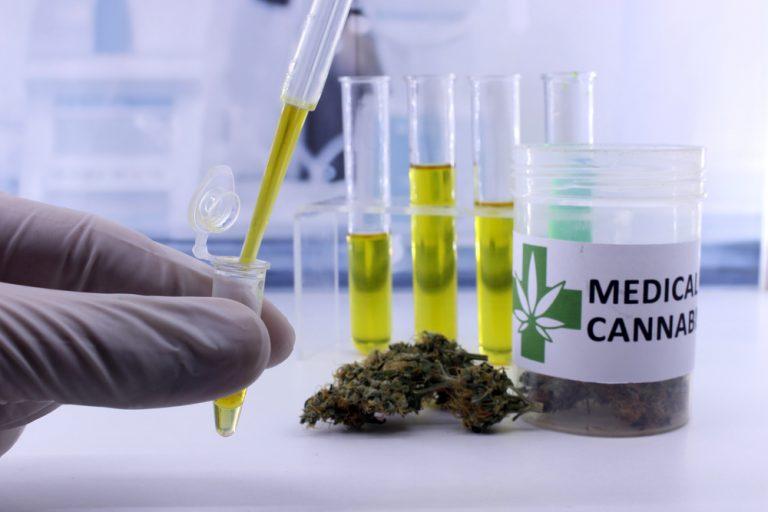
Sativa Investments PLC (LON: SATI) has appointed Joseph Colliver FCA as Chief Financial Officer and a Director.
Colliver has held past directorships and partnerships in Headlight Vision Limited and Henley Centre Headlight Vision Ltd. With his new appointment at Sativa Investments, he has been granted 3,350,000 share options at 1.5p.
Sativa Investments is the UK’s first medicinal cannabis investment vehicle. The company focuses on the production, testing and compliance, research and development, including pharmacology, commercialisation and sales and marketing of Medicinal Cannabis.
Sativa Investments also aims to drive the research and development of cannabis products by funding university research grants of medicinal cannabis through its Sativa Foundation.
Currently, Sativa Investments has four investments. Canada-based Veritas Pharma Inc., Toronto-based Rapid Dose Therapeutics Inc., UK-based CBD products provider George Botanicals and PhytoVista.
Commenting on the company’s new CFO appointment, founder and CEO of Satvia Investments, Geremy Thomas, has said: “With four investments to date and a pipeline of potential investments at varying stages of review, the Company needs an experienced, strategically-thinking full-time finance head.”
Medicinal cannabis was legalised in the UK earlier this year. After being advised by the Advisory Council on the Misuse of Drugs, doctors will be permitted to prescribe medicinal cannabis for its therapeutic benefits within months. Products will only be prescribed provided they meet safety standards.
Recent studies have shown that cannabis can be useful for the treatment of chronic pain, spasticity, nausea and vomiting in chemotherapy and drug-resistant epilepsy, just to name a few conditions.
Forbes have recently recorded that spending on legal cannabis worldwide is expected to hit $57 billion by 2027. North America will be home to the largest group of cannabis buyers, going from $9.2 billion in 2017 to $47.3 billion a decade later. However, the largest growth is predicted to be in the rest-of-world markets. Figures in this area are predicted to rise from $52 million spent in 2017 to $2.5 billion.
Glint is set for success following successful Crowdcube campaign

Fintech firm Glint have followed in the footsteps of predecessors such as Revolut and capitalised on early success, by utilising the publicly accessible crowdfunding platform, Crowdcube.
Glint was founded in 2015 but only began fulfilling its potential this year, with recent partnerships with two US financial groups expanding their potential user base by over 40 million.
The British company began their crowdfunding campaign with the aim of raising £1.25 million, and have since gone on to raise £2.045 million, 163% of their original target, with less than a day remaining until their public offering closes.
The company are attempting to revolutionise the volatile currency and payment market by looking to the past.
“Inflation is rising, cost of living increasing and return on cash savings decreasing – so what are our choices? Gold. Gold has maintained its purchasing power for millennia whilst the value of paper money continuously erodes. Gold offers protection of purchasing power in a way that cash doesn’t. The challenge – we live in a digital world.”
The firm’s aim is to reestablish gold as a viable currency by using a vault in Switzerland to store users’ physical gold resources, and then convert these into a currency of the users’ choice, which can be accessed via the recently launched Glint app or Mastercard. In exchange for the service, Glint are charging a 0.5% conversion rate.
Glint is just one of many new and innovative firms basing their venture capital campaigns on Crowdcube, with many now opting for this platform over corporate investment opportunities. Crowdcube sets itself apart in the way that it is open to large capital investors but also inexperienced members of the general public, which is a mutually beneficial arrangement for all parties. The general public have access to the most exciting investment opportunities, and businesses have the opportunity to market their services to the broadest possible scope of potential investors.
GSK secure approval for Nucala asthma treatment
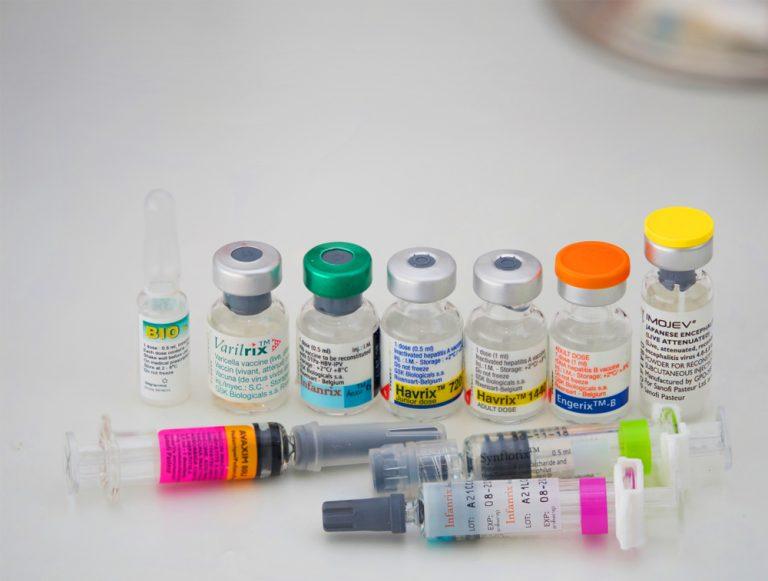
GlaxoSmithKline Plc (LON:GSK) have secured approval for a licence extension of their Nucala treatment for children with severe asthma.
The treatment was first received patent and distribution approval in 2015 and is the first method of pediatric care that directly combats the effects of interleukin-5 (IL-5), which regulates the function of eosinophils. In preliminary trials, a 100mg dose of the drug was shown to reduce clinically significant exacerbation of asthma by 53% versus the placebo, with overall reductions hitting 61%.
The new licence extension includes approval for use of the treatment on adult and pediatric patients in 31 European countries, covered by the European Medicines Agency.
“Asthma is the most common chronic disease in children. The availability of Nucala as the first targeted treatment available for young children with severe asthma, will help provide asthma control for these children and reassurance to their parents,” said Dr Hal Barron, Chief Scientific Officer and President, Pharmaceuticals R&D, GlaxoSmithKline.
The licence extension is positive news for the company who have seen a hike of 21% in shares since the year began, with their shares continuing to rally amidst the Sino-US tariff war only a few weeks ago.
Despite recent successes, Glaxo have shared the fate of their counterparts AstraZenica and seen a modest dip today, with shares trading at 1.583.8p, down 1.01% since trading began. Analysts from Liberum have also downgraded GlaxoSmithKline stock to a hold stance, stating that better value can be found elsewhere in the pharmaceutical market – though Glaxo is still an attractive long-term investment.
European Commission approves AstraZeneca’s Bydureon BCise device

Earlier this morning, AstraZeneca PLC (LON:AZN) announced the approval of a new easy-to-use formulation to treat patients with type-2 diabetes in Europe.
Bydureon BCise is the new formulation of once-weekly Bydureon. It is an improved single-dose, pre-filled pen device that can be used alongside other glucose-lowering drugs. Bydureon BCise will improve glycaemic control in adults with type-2 diabetes.
The approval of the European Commission follows two clinical trials that produced data to support the use of Bydureon BCise, DURATION-NEO-1 and NEO-2.
AstraZeneca is an international biopharmaceutical company operating in over 100 countries and treating millions of patients worldwide. The company drives the discovery and development of prescription medicine primarily to treat Oncology, Cardiovascular, Renal & Metabolism and Respiratory diseases.
AstraZeneca’s Vice President, Head of Cardiovascular, Renal and Metabolism, Global Medicines Development, Elisabeth Björk, has commented:
“Building on the already well-established efficacy and safety profile of once-weekly Bydureon, today’s approval of Bydureon BCise will enable us to offer an additional treatment option for patients with type-2 diabetes whose blood sugar levels are inadequately controlled by other glucose-lowering medicines together with diet and exercise.”
Whilst the European Commission has only just approved Bydureon BCise, the US Food and Drug Administration approved its use almost a year ago.