
Cineworld shares dive as CVA rumours swirl

Shares at British cinema chain Cineworld (LON:CINE) have been something of a horror show on Thursday, falling almost 7% as the firm reportedly considers launching a CVA amid ongoing financial difficulties.
A CVA – an insolvency procedure common among businesses seeking to cut costs – would help to take the pressure off of Cineworld’s mounting debt crisis, with over £6 billion in debt and the chain’s half-year results revealing a bruising £1.3 billion loss.
Rumour has it that if a CVA is agreed then as many as 127 of its UK cinemas may have to permanently close their doors as part of the arrangement, although a source close to Cineworld has cautioned that no deal has been made at this stage.
Other options are reportedly still being considered. Advisors from consulting firm AlixPartners were drafted in last month to help organise emergency talks with Cineworld’s creditors, as loan terms are likely to be breached by December.
Adding to the sour news, earlier today the owner of London’s entertainment complex Trocadero Centre filed a High Court claim against Cineworld, suing it for £1.4 million over unpaid bills.
Shares at the chain nosedived 6.81% to 45.10p at GMT 13:23 on Thursday, following on from a disappointing year with an annual low of a mere 21.38p in March when the UK launched its first lockdown.
Although Cineworld’s share price reached a rosier 52.98p earlier this week on Monday on the back of promising vaccine development news, the CVA rumours have understandably quashed hopes of an imminent recovery.
The chain’s dividend yield stands at 13.03%, and its P/E ratio at 3.00, while 63.82% of MarketBeat’s community voters list the chain as an “outperformer” compared to the S&P 500 average.
However, Cineworld was listed by City A.M. as one of the top 10 most shorted stocks as of 12 November according to analysis by exchange-traded fund provider Granite Shares, with 9.5% of the cinema’s stock held short by pessimistic investors last week.
Investec revenue down 24%, shares fall
Investec shares (LON: INVP) were down over 7% on Thursday as the group revealed a 24% in revenues.
The group described “reduced economic activity and increased market volatility” amid the Covid-19 backdrop.
Adjusted operating profit was down 48.4% to £142.5m – from £276.3m a year previously.
Investec has declared an interim dividend of 5.5p.
Fani Titi, Chief Executive commented: “The first half of the financial year has been characterised by difficult and volatile market and economic conditions attributed primarily to COVID-19. As a result, group adjusted operating profit of GBP142.5 million was 48.4% behind the prior period and adjusted basic earnings per share of 11.2p was 50.0% behind the prior period, albeit ahead of pre-close guidance. We are encouraged by the resilience of our loan book, the performance of our core franchises against a tough backdrop and progress made on our strategic objectives. Tangible net asset value per share increased by an annualised 10.4% and a dividend of 5.5p has been declared.
“We entered this crisis from a position of strength and continue to have a strong capital, funding and liquidity position, leaving us well placed, both operationally and financially, to navigate this evolving environment for the benefit of our clients and other stakeholders.”
Looking forward, the group expects the overall performance this year to be ahead of the first half.
Investec shares (LON: INVP) are -7.73% at 188,50 (1319GMT).
Nichols shares leave bitter taste as revenues fall flat
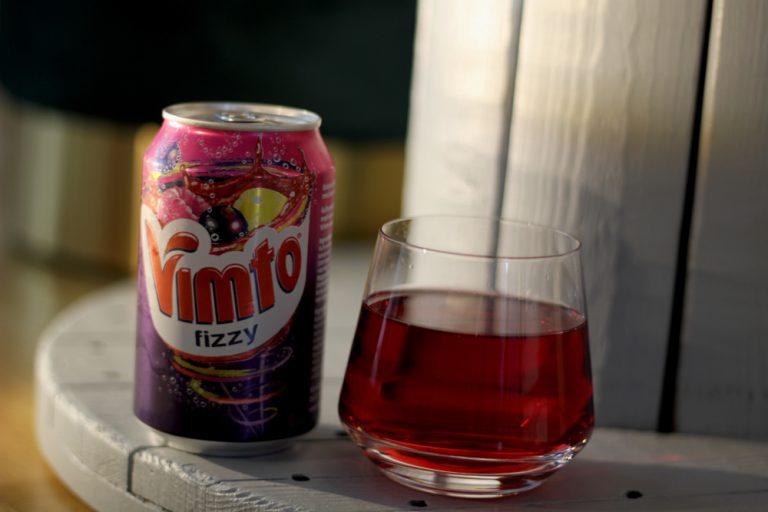
British soft drinks producer, Nichols plc (AIM:NICL) watched its shares leak value as its revenues slid down during the nine months to September 30 2020.
The company’s statement said that, “As anticipated in the Group’s Interim Results in July, the ongoing Covid-19 pandemic has continued to impact the soft drinks industry.” While it enjoyed ‘strong’ 5.8% value growth in its core Vimto brand, and a 10.5% rise in year-to-date revenues in its African business, the company saw a 45.2% reduction in its Out-of-Home (OoH) sector during the third quarter.
Amid ‘very challenging’ trading, and outlets either being closed or having reduced capacity, its packaged, frozen, post-mix and technical solutions all suffered a slump in demand. With this, the company’s total revenues fell by 16.5% year-on-year, to £91.7 million.
Nichols said it has been focusing heavily on cost control activities, with a mind to ‘build back better’ from the pandemic. Having reviewed its operational structures, and attempted to reduce its marketing investment, the company said that it will make staff redundancies by Q1 2021.
Keeping in mind the lingering uncertainty of COVID risk factors, the company has offered an £11 million to £14 million adjusted profit before tax guidance for Q4. Nichols added that company cash generation has continued to be ‘very positive’ through 2020 – with cash and cash equivalents totalling £45.4 million at period-end.
Speaking on the results, Non-Executive Director, John Nichols, said: “As part of our ongoing focus on ensuring the Group has the right structures in place to deliver its long-term strategy, the Group has taken the difficult decision to propose, subject to consultation, that a number of roles are removed from our structure. These difficult decisions have not been taken lightly and I thank all Nichols colleagues for their continued hard work and commitment.”
“Whilst recognising the current and near-term impact of the pandemic on the soft drinks market, the Board continues to believe that Nichols, underpinned by the strength of the Vimto brand and the Group’s diversified business model, remains well placed to deliver its long-term strategic ambitions.”
Following the update, Nichols shares lost their pop, falling 5.83%, to 1,130.00p a share 19/11/20. This price is behind its post-pandemic high of 1,387.50p, and around 6.2% short of analysts’ target price of 1,200p a share.
Analysts currently have a consensus ‘Hold’ stance on the stock; it has a p/e ratio of 23.69, versus the consumer goods average of 52.90; and the Marketbeat community give it a 54.11% “underperform” rating.
Jet2 shares lose altitude on half-year loss
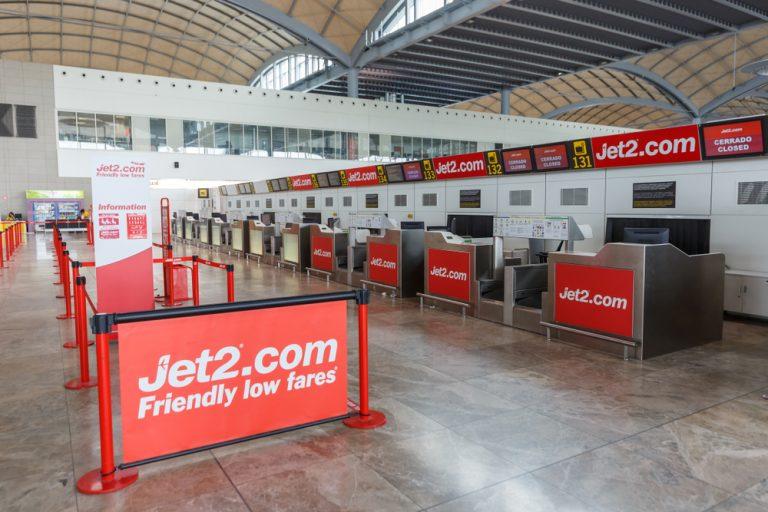
Shares at Jet2 plc (LON:JET2) slumped more than 6% on Thursday lunchtime after the airline posted its half-year results, with the coronavirus pandemic driving a £111 million loss in the sixth months leading up to September.
The firm reported a group operating loss of £111.2 million for the half-year period, in stark comparison to the £361.5 million profit it made during 2019 before the travel and tourism industries were decimated by global lockdown measures.
Jet2 was forced to ground its entire fleet in March when the UK government implemented the first wave of travel restrictions. The airline was able to resume operations in July, but lingering concerns about the safety of flying during a pandemic meant only 0.99 million passengers flew during the half-year period – plummeting from last year’s 10.07 million.
A reduced summer flights programme allowed Jet2 to concentrate on the most lucrative routes, and the firm insisted that its ‘quick to market, flexible operating model’ helped it to withstand the rife uncertainty amongst the industry.
Nevertheless, the damage has been clear to see. The average load factor (how many seats a plane fills) was just 69%, compared to 93.1% in 2019, a fall which Jet2 blamed on “uncertainty created by the several changes in UK government quarantine guidance”.
For the approaching winter season, Jet2 said it expects to fly about 50% of last year’s seat capacity, while investors battle with the implications of the firm’s basic earnings-per-share free falling from 185.5p to just 56.9p since last September.
However, the airliner was keen to emphasize that its total post-tax profit was still solidly in the green at £278.6 million.
Jet2’s executive chairman Philip Meeson said that the pandemic had caused “unprecedented operational and financial challenges”, but added that the group had benefited from a “strong and carefully-managed balance sheet” and its “considered but swift response to the pandemic”.
“As is typical for the business, further losses are to be expected in the second half of the financial year, as we ready ourselves operationally for the proposed summer 21 flying programme.
“In addition, the ability to fly in the short term remains uncertain, as UK government guidance currently restricts international travel except in limited circumstances, until at least 3 December 2020”.
Jet2’s shares were down 6.72% to 1290.00p at BST 12:38 on Thursday, following a turbulent year which saw prices hit an annual nadir of just 305.80p in March.
The airline’s performance has picked up in recent months – up 108.91% over the past 3 months alone – but questions remain on the impact of the UK’s current second lockdown as an extension is considered and Christmas holiday plans look to be under threat.
Johnson Matthey shares dip with profit before tax plunging 88%

FTSE 100 listed chemicals and tech company, Johnson Matthey (LON:JMAT), watched its share price shed 5% on Thursday, as the company saw its bottom line contract significantly during the recent half-year of trading.
The company reported that sales fell by 20%, driven by reduced demand for its Clean Air, Efficient Natural Resources and New Markets offerings. Despite this, reported revenues rose by 2%, led by increases in average previous metals prices.
Following the trend of painful fundamentals, its reported operating profits contracted by 74%, from £259 million to £68 million. Similarly, profit before tax dropped by more than 88% year-on-year, following ‘major’ impairment and restructuring charges of £78 million.
In terms of its balance sheet, Johnson Matthey reported cash flow of £482 million, while its net debt to EBITDA ratio stood at 1.6 and its return on invested capital fell to 10.6%, pushed by lower operating profit.
The situation was equally rough for the company’s shareholders, with reported EPS falling 87%, to 12.3p, and the interim dividend per share sliding 18% to 20.0p, due to reduced profits and higher net finance charges.
Responding to the challenges pandemic trading environment, and looking to the future, Chief Executive, Robert MacLeod said: “ It has been a challenging period but the steps we have taken in recent years to create a more simple, agile and efficient business, coupled with the dedication of all my colleagues across the whole of Johnson Matthey, have enabled us to navigate it well. I am pleased that we delivered operating performance ahead of market expectations, as well as good cash generation, and made further progress on transforming the group.”
“[…] I am excited by our medium term growth prospects driven by accelerating global trends and we are purpose led to reduce the impact of climate change. We are investing for our future and remain focused on executing our growth opportunities including battery materials, fuel cells and our hydrogen production technologies.”
Following the stinging trading update, Johnson Matthey shares fell by 4.59%, to 2,433.00p a share 19/11/20. This price is below its post-lockdown high of 2,654.00p a share, but fairly consistent with its going rate over the last six months.
Analysts currently have a consensus ‘Hold’ stance on the stock and a target price of 2,555p – which is roughly where it began the day. It’s p/e ratio of 18.40, which looks like good value versus the basic materials sector average of 26.81. The Marketbeat community currently has a 53.32% “underperform” stance on the stock.
Kingfisher shares fall despite sales adding 17%
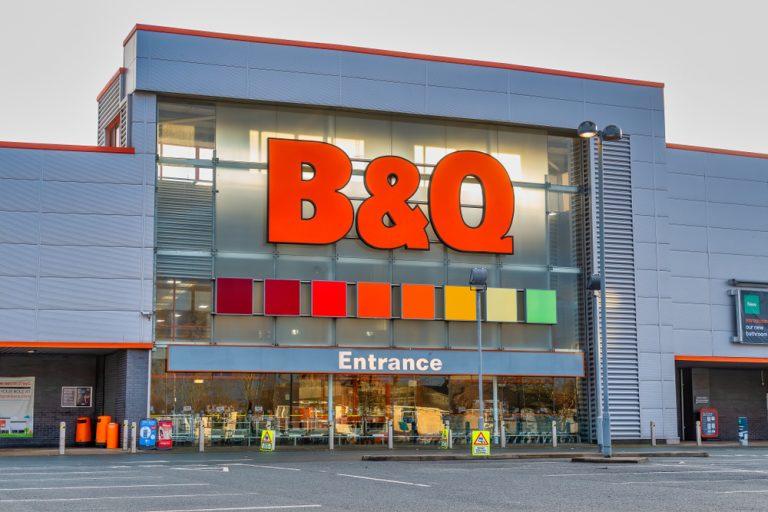
Hardware and DIY retailer, Kingfisher (LON:KGF) saw its shares slide as it built on its sales during the third and fourth quarters.
The company boasted “strong performance across all retail banners and categories, with growth in overall footfall and average transaction value”. With sales of £3.5 billion, Kingfisher reported 17.2% group-wide growth during the third quarter.
This was led by growth across all of its UK, French, Iberian, Romanian and Polish brands – and was led by B&Q, which reported 23.9% sales growth during the quarter. Kingfisher was also boosted by notable new trends in consumer habits, with its e-commerce sales increasing by 153% during Q3 – now comprising 17% of all sales – and click and collect spiking 216% – now making up 77% of all e-commerce activity.
Similarly, in the fourth quarter to-date, like-for-like sales growth continued, up 12.6% and “largely reflecting the impact of more recent temporary lockdown measures”. Despite the lockdown, the company said that all stores remain open.
Weighing on its balance sheet, Kingfisher repaid the £23 million it received under the government’s Job Retention Scheme. Similarly, it saw its sales in Russia contract by 12.3% during Q3, as it agreed to dispose of Castorama Russia for a consideration of £73 million.
In addition to lauding the company’s sales performance, CEO Thierry Garnier said: “At the same time, we have made good progress against our ‘Powered by Kingfisher’ strategic priorities – the early benefits of which are enabling us to meet the current strong demand, both in-store and online, and grow our share in key markets. I am thankful for the way in which our teams continue to respond to the immense challenges of doing business in today’s environment.”
“During the period we also furthered our commitment to supporting our communities. We continued to create jobs in our stores; we continued to make donations to charity partners and health authorities; and earlier this month we repaid £23 million received in the first half of the year under the UK government’s furlough programme. While there remains considerable uncertainty around COVID-19, we are confident in our ability to operate safely, to serve our customers, to look after our colleagues, and to protect our business.”
“Overall, we believe that the renewed focus on homes is supportive for our markets. Furthermore, we are confident that the strategic and operational actions we have taken so far are helping us to build a strong foundation for long-term growth.”
Following what appeared to be a positive update, Kingfisher shares dropped by 5.58%, down to 282.60p a share. This price is short of its 321.40p high seen in October, but around 7% ahead of analysts’ target price of 254p a share.
Analysts currently have a consensus ‘Hold’ stance on the stock; its p/e ratio of 39.12 is ahead of the service sector average of 33.27; and the Marketbeat community currently has a 59.95% “underperform” rating on the stock.
Naked Wines reports +80% sales
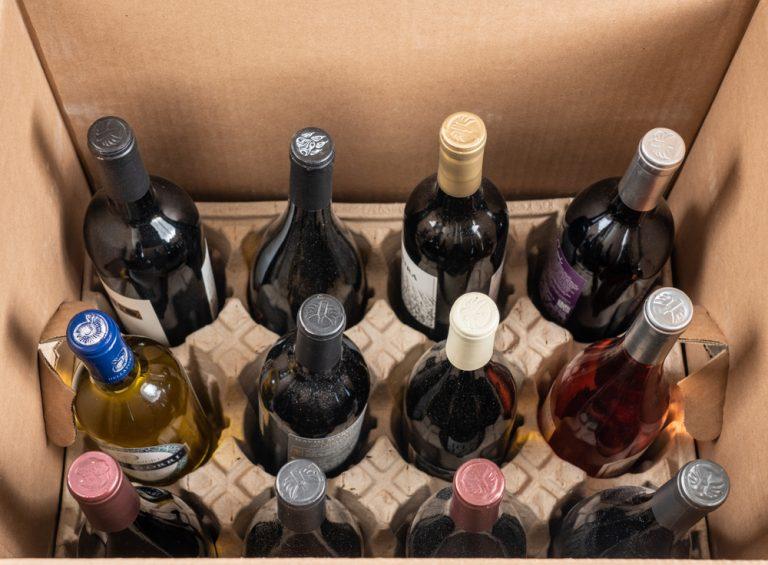
Naked Wines (LON: WINE) has reported an 80% surge in sales for the first half of the year.
The company revealed a rise in sales from £87.5m to £157.1m as more people ordered wine home amid the restrictions.
The listed company has raised full-year sales forecast and expects full-year sales increase to be between 55 and 65% – up from previous forecasts of 40%.
Chief executive Nick Devlin said: “Naked Wines is a bigger, better business than it was twelve months ago. The last six months have been a critical period in the development of the company.”
“We have delivered exceptional growth and a permanent step change in scale and efficiency for the organisation. We have a business today that is not only larger, but structurally improved and ideally positioned to deliver sustained growth in the coming years.
“Ultimately the most significant impact of COVID-19 on Naked Wines is not found in these interim results, but in the way it has accelerated the growth of the online wine category and increased consumer willingness to trial a new and better way to buy wine.”
“Delivering transformative growth, against a backdrop of new working conditions required by COVID-19, has required us to rapidly solve a series of operational challenges. We have done this whilst maintaining high levels of customer satisfaction and I am tremendously proud of the resilience, flexibility and capability displayed by our staff around the world,” he added. Naked Wine shares (LON: WINE) jumped 7% in early trading and are currently -0.30% at 497,50 (1032GMT).FTSE 100 opens lower

The FTSE 100 opened 47 points lower on Thursday morning amid rising Coronavirus cases.
Despite the vaccine positivity this week, which has led to rises in the blue-chip index, investors are becoming aware that it might not become available until after winter.
It wasn’t just the FTSE that slumped this morning. European markets were also down with the Dax and CAC 40 both opening 0.6% lower.
“The Covid era is not behind us yet,” said Charalambos Pissouros, senior market analyst at JFD Group.
“We may experience several more months of rising infections and economic slowdown. However, the upbeat developments with regards to the vaccine suggest that the end of this crisis is approaching.”
Some of the biggest fallers on the FTSE 100 this morning were oil companies, travel firms, and financial groups.
BP (LON: BP) was down 2.4% and Royal Dutch Shell (LON: RDSA) was 2.2% lower.
Royal Mail posts 90% profit plunge but boosts revenue estimates
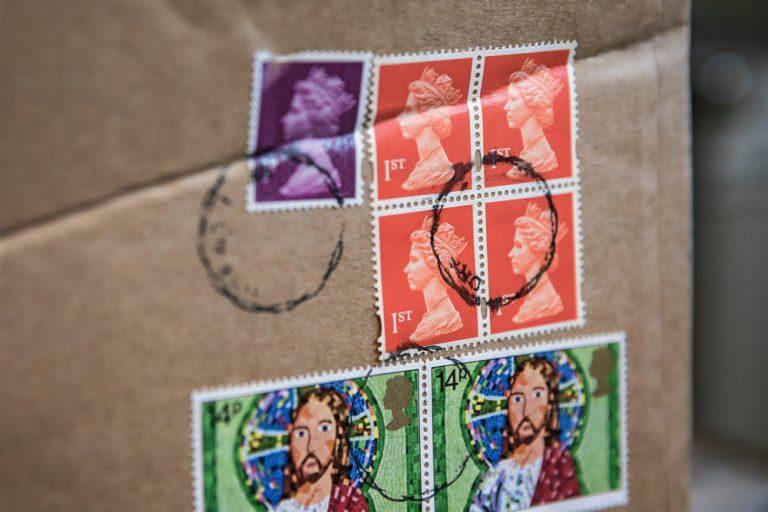
Royal Mail (LON: RMG) has revealed a collapse in profits for the first half of 2020.
Pre-tax profits plunged by 90.2% to £17m. However, the group is remaining positive and has said that expected full-year revenues could be between £380m and £580m higher than previously projected.
If revenues come in at the upper end of expectations, Royal Mail will “better than break-even”.
The group has also posted an adjusted loss of £127m after Corona-related costs and redundancies.
Despite the loss, the group did report a 51% increase in domestic parcels – not including Amazon. Parcel volumes have increased as shops shut and people are ordering more online.
“For the first time, parcels revenue at Royal Mail is now larger than letters revenue, representing 60% of total revenue, compared with 47% in the prior period,” said Keith Williams, interim executive chair.
“As parcel volumes at both Royal Mail and GLS have continued to be robust year to date, revenue performance in the scenario has improved.
“It remains difficult to give precise guidance but parcel growth is expected to remain robust in the third quarter, with more uncertainty over trends in the fourth quarter due to the development of the COVID-19 pandemic, further recessionary impacts and trends in international volumes,” he added.
Michael Hewson from CMC markets commented on the results and said: The outlook for the business is much more positive now with the company recently competing with Amazon for a £550m one-year contract to deliver 215,000 Covid-19 testing kits a day in the UK.”
Royal Mail shares (LON: RMG) are trading +7.13% at 306,40 (0920GMT).
Bitcoin surges to 3-year high amid analysts’ caution

Bitcoin surged to a 3-year high of $17,891 – its highest level since December 2017 – on Wednesday after surging almost 10% over the past 24 hours.
The world’s most valuable cryptocurrency, Bitcoin is often lambasted by critics for its historically unreliable price. In March this year, it was trading at just $5000, but in the ensuing market turbulence investors have increasingly turned to Bitcoin in the hopes it will weather the volatility.
When markets prove erratic, investors tend to move their money out of shares and into what are considered “safe havens” – like cash and gold.
Although not a typical “safe haven” asset, Bitcoin has bucked expectations and increased in popularity in what analysts are attributing to the combination of extreme market uncertainty due to the ongoing pandemic and brewing geopolitical tensions.
They suggest that cryptocurrencies are now being viewed as a “shelter” from stock market volatility.
Edward Moya, from currency trading firm Oanda, explained:
“Covid-19 has disrupted the traditional safe-haven trade and gold’s inability to outperform. Periods of extreme risk aversion have forced many traders to diversify into Bitcoin”.
The fixed supply cap of 21 million Bitcoins leads some to believe that their scarcity makes them innately valuable, potentially shielding the currency from factors such as inflation.
However Shane Oliver, head of investment strategy and chief economist at AMP Capital, warned about making sweeping assumptions on Bitcoin:
“Its huge volatility hardly makes it a safe haven as a store of value. I have far more confidence in the $50 note in my wallet retaining its value over time than Bitcoin, which seems to bounce around like a yo-yo”.
Eric Demith, co-founder of cryptocurrency firm Bitpanda, said that the current Bitcoin price hike is mainly down to institutional money, but added that consumer interest is beginning to pick up according to recent Google Search trends.
“We’re constantly seeing large numbers of daily signups from retail customers joining the crypto market for the first time,” Mr Demith said. “What we’re currently experiencing is a mentality shift where the younger generation see bitcoin as the gold of their generation”.
But Oanda’s Mr Moya warned traders to prepare for more volatility in the coming months, as Bitcoin’s price is expected to waver again:
“The amount of hedge funds and high-frequency trading systems driving Bitcoin higher will likely deliver exaggerated moves once its price nears the $20,000 level. Traders need to expect $1,000 swings in a matter of minutes”.
He added that the current headlines lauding Bitcoin’s price surge are peaking interest in people who would not normally invest in cryptocurrencies, driving the value higher, but that people still are generally cautious about cryptocurrencies.
There are widespread concerns about fraud following a spate of high-profile hacks.
AMP Capital’s Oliver is still not convinced: “I think most people would put more faith in a digital currency run by their government rather than one like Bitcoin that they have trouble understanding or explaining”.