RBC WM Managing Director tells us how we can teach children money management

Writing on week sixteen of lockdown, RBC Wealth Management’s Managing Director and Head of Relationship Management – Annabel Bosman – tells us this is an ideal time to start teaching children about the world of money management and financial skills. Having had to juggle a busy work life and childcare, Bosman tells us how she has turned the family’s dining room table into a joint work space, has incorporated stock market discussions into maths lessons, and even added extra money management lessons to the school work her children have been set. While this may sound like another story of life optimisation and the sort of successful responsibility-juggling that many of us can (and perhaps, should) only aspire to, the RBC Director’s personal story is filled with nuggets of advice we ought to give some thought to.

Money management in mundane tasks

As well as finding that children can be often more logical than adults (allegedly), Bosman states that children are naturally more inclined to fit new ideas into their existing schema of understanding. Between these traits, children are well-equipped to pick up some of the key – if rudimentary – philosophies of wealth management and philosophy. The ability to pick up these skills, she says, is something that will help them in later life, and their development can be seamlessly integrated into their everyday activities. For instance, she talks about generational differences in junior savings attitudes and opportunities. While some developments, such as apps, games and in-service products, make it easy for money to be spent instantly; and in turn lessen the opportunity for pocket money to be seen as tangible and valuable commodity. We should also note that new tech-enabled opportunities actually help children understand the realities of budgeting and investment from a young age. One example Bosman mentions, is how the video-game Roblox has given her children a virtual simulation of what are essentially real-life saving and investment cycles. Working, saving, spending money to build and then up-scaling and adding new abilities and items. While innocent enough, familiarity with such processes may prove invaluable when putting oneself in the mindset to save for a house or a holiday, or even spending on investments. Similarly, other tools have and will continue to be developed, such as GoHenry: a service that allows you to give your children a pre-paid card to learn both budgeting and, importantly, money management with virtual cash (which hopefully helps them avoid difficult lessons with their first debit and credit cards).

In addition, Bosman talks about some fun ways to teach children about financial mechanisms, such as applying nominal taxes and interest rates to their pocket money expenditure. She gives examples such as a “mummy-tax” on buying chocolate bars and faux-interest rates when they want to borrow money, though we could even go further and talk about bonuses to reinforce healthy or helpful activities and matching any contributions they make to their piggy bank (etc).

Managing money taboos

Of course, finance is a delicate subject for everyone, and it should rightly be viewed as an even more sensitive subject when taught to children. It is unhealthy to teach them that money is either the most important thing in life, or that merit and scorn is measured by financial rewards and punishments.

With that being said, implementing some creative money management games into a child’s life can be both fun and offer valuable skills and mindsets for later life. Speaking from experience – though still young myself – being taught the value of money, how to spend and save intelligently, has been invaluable to my ability to live a so-far contented life. This began with my dad paying me to help him with DIY, my mum starting a savings account for me and rewarding me for tucking some money away, and my stepdad paying me for doing odd-jobs around his shop – all of which taught me that money ought to be earned and respected, but not revered.

Speaking on the need to challenge the children’s money management taboo, Bosman remarks:

“Whatever our financial position, we often bury our heads in the sand when it comes to money, and don’t always have a clear financial plan, but when we start to put down on paper what’s going in and out, we immediately start to feel more in control, thus becoming more engaged. It can be uncomfortable to have that conversation with your family, but we regularly speak with our clients about all manner of sensitive subjects including putting wills in place, inheritance and protecting loved ones. Naturally, this is also bringing conversations to the fore around succession planning, legacy, philanthropy and even one’s own mortality. When times are good, it’s easy to not have these thoughts at the forefront of your mind, but in challenging times like these, it highlights how essential it is to talk. And just as with my children, there are plenty of apps and websites that can help you take the first steps.” She adds that for those looking for actual lessons for their children, young money management tips are easily accessed via video guides on YouTube and Tik-Tok, and through resources such as Usborne Money for Beginners.  


FTSE 100 shares: Two shares for dividend income consideration

FTSE 100 constituents have been ravaged by the coronavirus pandemic with large swathes of London’s leading index having to cut, or completely scrap, their dividends. As a result of the economic fallout caused by coronavirus, dividend favourites such as oil majors BP and Shell have had to reduce their holy grail dividends and the UK’s banks were ordered to cease payouts by the Bank of England. With investors suddenly finding many shares yielding a lot less than they once did, we look at two companies with dividend payment that should prove to be more resilient than their FTSE 100 peers.

Pennon Group

Utilities companies, in particular water companies, are viewed by some as the ultimate defence sector. The demand for their services is highly inelastic so cash flows can be relied upon, reducing the risk of shock dividend cuts. This is supported by steady revenue growth that tends to rise in line with inflation. Pennon, one of the recent addition’s to the FTSE 100, illustrated this in their full year results with revenue from continuing operations in 2020 increasing to £636.7m from £632.6m. In addition to steady revenue from ongoing operations, Pennon is set to receive £3.7 billion in cash from the sale of their waste management and recycling business, Viridor, to KKR. Pennon have said some of the cash will go to paying down debt and bolstering the pension scheme, with plenty left over for further investment in growth, and potentially retuning proceeds to shareholders. This means the ordinary dividend is not only safe, but there is the possibility of a special dividend, if the Pennon board do not find suitable investment opportunities. The Pennon ordinary dividend increased 6.6% to 43.77p, equivalent to a 4% yield with shares trading at 4%.

AstraZeneca

AstraZeneca has long promoted their progressive dividend policy and have stayed the course throughout the coronavirus pandemic. In their recent trading update, the board announced an interim dividend of 90 cent, meaning the pharmaceutical company currently has a yield of 2.6%. A 2.6% yield will not set the world on fire for most investors in FTSE 100 shares, but confidence in the ability to maintain this payment should take precedence in the current environment. AstraZeneca’s Core EPS grew by 24% to $2.01 in the second half highlighting strong coverage of the dividend by earnings. Not only does AstraZeneca provide an attractive income prospect, their pipeline of drugs presents a significant opportunity for capital appreciation. With treatments such as Lung Cancer drug Tagrisso producing a 43% increases in revenue, the growth story is as compelling as the income proposition. AstraZeneca, one the FTSE 100 top performers in 2020, is scheduled to go ex-dividend 13th August 2020 with the dividend paid 14th September.

Intercontinental Hotels shares rally despite $223m loss and dividend cancellation

FTSE 100 listed hotelier, Intercontinental Hotels Group (LON:IHG), saw its shares rally healthily during Tuesday trading, despite the company’s difficult half-year being reflected in its results. The company booked reportable revenues of $488 million and total revenues of $1.25 million, narrowing by 52% and 45% respectively during the first half year-on-year. This led the Intercontinental Hotels to swing from a $442 million operating profit during the first half of 2019, to a $233 million loss for H1 2020. Similarly, the company’s fee margin narrowed by 28.0% points, to 26.1%, though its net debt also decreased by 12%, down to $2.52 billion. The Group’s challenging half-year was also – if not more acutely – felt by its shareholders. Its basic EPS collapsed 169%, down from a profit of 167.2 cents per share, to a 115.4 cent loss per unit. Similarly, the company cancelled its dividend, which stood at 39.9 cents per share at the end of the half-year in 2019.

Intercontinental Hotels response

Commenting on the company’s performance, CEO Keith Barr stated that the company had made significant savings during the difficult half-year of trading, and had seen some promising early signs of recovery as it began reopening its sites. He stated:

“The impact of Covid-19 on our business has been substantial. Global RevPAR declined by 52% in the first half and was down 75% in the second quarter, when occupancy at comparable hotels fell to 25%. Despite this challenging environment, we delivered an operating profit of $74m. Small but steady improvements in occupancy and RevPAR through the second quarter continued into July, with an expected RevPAR decline of 58%, and occupancy rising to around 45%.”

“The support we have offered owners, such as fee relief and increased payment flexibility, was well received. Together with other measures we’ve taken to preserve cash, we have maintained substantial liquidity of around $2bn. Our ongoing actions to reduce costs include plans to make around half of the $150m of savings we will achieve this year sustainable into 2021, alongside continued investment in our growth initiatives. However, with limited visibility of the pace and scale of market recovery, we are not proposing an interim dividend.”

“As has been the case in previous downturns, domestic mainstream travel is proving to be the most resilient. Our weighting in this segment, led by our industry-leading Holiday Inn Brand Family, positions us well as demand returns in our key markets. In the US, our mainstream estate of almost 3,500 hotels is seeing lower levels of RevPAR decline than the industry, and is operating at occupancy levels of over 50%.”

Investor insights

Despite the seemingly downbeat the news, Intercontinental shares rallied 4.17% or 167.00p to 4,168.00p per share 11/08/20 12:30 BST. This is ahead of where the company’s consensus target price stood on Monday – which was just over 3,914.00p per share – though this may of course be adjusted given today’s rally and the company’s overall share price recovery in recent weeks. The company’s p/e ratio currently stands at 17.25.

Prudential shares bask in optimistic Asia profits

Shares at Prudential plc (LON:PRU) have bounced 2.76% after the company released a “resilient” set of half year 2020 results, celebrating a 14% adjusted operating profit across its services in Asia. The British multinational life insurance and financial services firm – based in London and boasting more than 20 million customers – announced that it intends to build on its encouraging Asian profits by focusing on “high growth Asia and Africa markets with a view to sustained double-digit growth in embedded value per share”. Nevertheless, Prudential was not entirely able to escape the impact of the coronavirus pandemic, with underlying operating profit in the first half down 2% year-on-year to $2.5 billion. Net cash across its business units was also down a whopping 60%, falling from $1.09 billion to $432 million. The company assured, however, that its regulatory capital surplus remains strong at $12.4 billion, and that it will be announcing a new dividend policy aimed at focusing on “value creation through growth”. Amidst its H1 results, Prudential also announced that it intends to “fully separate” from its US life insurance provider Jackson, beginning in early 2021. Mike Wells, Prudential’s chief executive, commented on the firm’s announcement: “We have delivered a resilient performance in the first half, despite a challenging new business sales environment, which is likely to persist for the rest of the year, and further falls in interest rates. “The Board of Prudential plc has decided to pursue the full separation and divestment of Jackson to enable the Group to focus exclusively on its high-growth Asia and Africa businesses. He added that the company is well-placed to withstand the long-term economic impact of the coronavirus pandemic: “We believe we are well positioned both to weather the disruption caused by the Covid-19 pandemic as we continue to support our customers and communities in the recovery to come, and emerge stronger and with a more focused strategy”. Neil Shah, Director of Research at Edison Group, weighed in on Prudential’s optimistic report: “Although Prudential has had to struggle with several unexpected set of events in Asia, from the start to the pandemic to Hong Kong riots and US/China or a hit to fees from falling markets, Pru has found a bright spot in the Far East with a 14% increase in profit”. It is good news for investors, nonetheless, as Shah maintains “proceeds from the [Jackson] move will force the company to take a new dividend policy and will kick off with a first interim dividend for 2020 of 5.37 cents a share”. Prudential’s share price rallied 2.76% to 1,226.00p at BST 12:41 11/08/20 in response to the company’s announcements.

Domino’s Pizza posts “resilient” H1 results despite collection-only lockdown

0
Family favourite fast-food pizza chain Domino’s (NYSE:DPZ) has released its interim results for the six months leading up to June 2020. Despite citing “resilient performance during unprecedented trading conditions”, the company’s underlying profits took a major 4.6% hit during the coronavirus pandemic. UK and Ireland system sales reportedly increased 5.5% year-on-year to £628.9 million, with like-for-like sales excluding splits up 4.8%, while Ireland like-for-like sales excluding splits slipped 3.6%. Domino’s underlying profit before tax took a blow, however, sliding to £47.6 million from £49.9 million in the same period last year. Statutory profit before tax from continuing operations nonetheless grew 13.6% to £45.8 million, up from the £40.3 million recorded in the sixth months leading up to June 2019. The chain has commendably managed to tackle its net debt, down 15.4% to £202.1 million. Domino’s decision to terminate collections throughout the Covid-19 lockdown period – offering contact-free delivery only between March and July to help keep customers and staff “safe and happy” – saw Q2 collection orders down 87%, while Q2 delivery orders increased by 22%. The company’s announcement also confirmed that its deferred FY19 dividend of 5.56p per share – amounting to £26m in total – is now set to be paid on 18 September 2020.

Commenting on the results, Dominic Paul, Domino’s chief executive officer, celebrated the company’s performance while warning that the outlook for its next half-year report is still decidedly uncertain:

“Throughout these unprecedented times we have focused on doing the right thing for our customers, colleagues, franchisees and communities. We view it as a privilege to have been able to stay open throughout the period.

“We have an amazing brand, an exceptional supply chain, highly experienced franchisee partners and a dynamic and responsive model. The relationship with our franchisees is challenging and this situation dates back several years. Although I expect this to take some time to resolve, our performance during the period is a great demonstration of what we can achieve when we work together.

“The macroeconomic, consumer and competitive backdrop for the second half of the year contain considerable uncertainties. Our system demonstrated responsiveness and agility in meeting the challenges presented through the lockdown period, although that did come at some inevitable and, in certain areas considerable, incremental costs”.

Shares at Domino’s were down 0.82% to USD 385.93 at the close on Monday.

SDL share price surges on strong results

0
Shares in SDL (LON: SDL), the intelligent language and content company, have surged +15% on Tuesday after the group announced positive half-year results. The company traded strongly amid the pandemic as employees continued to work at home and SDL saw a 46% growth in Machine Translation revenue – offsetting weaker sales in Marketing Solutions, travel, leisure, and manufacturing. The company remains positive for the second half of the year, which traditionally shows stronger results. Gross profit increased by £0.4m to £94.4m thanks to an investment in the Language Services automation process. Adolfo Hernandez, the group’s chief executive, said: “In challenging circumstances, we are pleased with the Group’s performance in the first half of the year. Crucially, we were able to enact our business continuity plans swiftly, moving the entire global workforce to working-from-home over a matter of weeks. As a result, there was no material disruption in our ability to service customers nor to our productivity.” “SDL remains operationally resilient and well-capitalised, and its core strategic plans remain on track. Looking to the second half, which is traditionally our stronger period, although our pipeline is good, COVID-19 continues to present a risk to trading patterns and software sales cycles. However, we believe that the Group is positioned to take advantage of the expected recovery in the global economy post COVID-19,” he added. Shares in SDL (LON:SDL) are trading +15.63% at 540.00 (1143GMT).  

ONS: UK unemployment reaches record highs

2
UK unemployment has risen by the biggest amount in over ten years. Despite the furlough scheme still in place in the UK, in the last three months, the Office for National Statistics revealed a 220,000 fall of workers compared to the previous quarter. The decline is the largest since the financial crisis in 2009. “The groups of people most affected are younger workers, 24 and under, or older workers and those in more routine or less skilled jobs.This is concerning, as it’s harder for these groups to find a new job or get into a job as easily as other workers,” said Jonathan Athow, deputy national statistician at the ONS. Although the numbers may have peaked over the past three months, fears are increasing as October approaches and the government furlough scheme will come to an end. “Unfortunately, the end of the furlough scheme will present a cliff-edge, statistically and economically, for those currently relying on government support to make up their wages,” said Jeremy Thomson-Cook, chief economist at Equals Money. “Longer-term government stimulus to create jobs is needed to ensure the gap between the end of the furlough scheme and a rise in employment is not larger than it needs to be,” he added. The Bank of England predicted last week that the unemployment rate would rise to 7.9% at the end of the year. The number of large companies announcing wide-scale redundancy plans this year has hit highs since the effects of the Coronavirus pandemic. In the month of June, 140,000 UK were lost.  

Apple shares climb as services sector grows 161% in 5 years

A new report from Buy Shares has revealed that Apple Inc. (NASDAQ:AAPL) enjoyed a 161.63% growth in its services sector between Q3 2015 and Q3 2020, seeing it surge to become the fastest-growing branch of the $1 trillion tech giant. Apple’s services segments comprises of a number of products, including: the App Store, Apple Music, Apple TV Plus, Apple Arcade, Apple News Plus, Apple Pay, and iCloud. In Q3 2015, Apple’s services segment raked in revenue of $5.03 billion, a figure nearly dwarfed in comparison to its Q3 services revenue this year, which currently stands at $13.16 billion. Despite the almost universal sucker punch dealt by the coronavirus pandemic in the first half of 2020, Apple actually saw a 4.95% growth in its services sector, up from $12.72 billion in the first 3 months of the year to $13.35 billion in Q2. Back in February, the company warned that its year-end profits may take a significant hit from the impact of the coronavirus on its manufacturing sector – largely based in China – and said it expected to miss its $63-67 billion revenue target. Overall, Buy Shares reported that Apple’s revenue per segment grew as follows between Q3 2015 and Q3 2020:
  • iPhone revenue dropped by 15.77%, falling from $31.37 billion in Q3 2015 to $26.42 billion in Q3 2020
  • Mac revenue shot up by 17.41%, up to $7.08 billion in Q3 2020 from $6.03 billion in Q3 2015
  • iPad revenue soared by 44.93% to $6.58 billion in Q3 2020, up from $4.54 billion in Q3 2015
  • Wearables, home, and accessories revenue grew 144.31% to $6.45 billion in Q3 2020 compared to $2.64 billion in Q3 2015
After reports that iPhone sales were beginning to slip back in 2016, the company shifted its focus to services and wearables to help plug the gap, and has since seen its profits lap up consumer interest in its innovative and stylish new products. Behind its services, Apple’s wearables, home and accessories revenue was its second fastest-growing sector between Q3 2015 and Q3 2020, no doubt buoyed by the company’s increasing focus on wearable tech such as its highly-successful Apple Watch and AirPods product ranges. The company’s share price has risen on the back of the company’s resilient performance during the pandemic and Buy Shares’ optimistic figures, up by 1.34% to USD 450.42 at 14:01 GMT-4 10/08/20, and way surpassing its annual low of USD 224.37 on 23/03/20. Its dividend yield stands at 0.73% and its P/E ratio at 34.26.

ESG Funds: 3 Funds with strong environmental, social and governance characteristics

ESG Funds have grown in popularity over the past 18 months as the asset management industry wakes up to investor demand for investment vehicles that provide some good, as well as a financial return. There is a wide range of fund structures and investment mandates that could fall under the ‘ESG Fund’ banner. This is illustrated below in three funds that vary in their approach from ones that set out make a measurable positive impact to those that simply try to avoid allocations to unethical companies.

iShares MSCI World ESG Enhanced UCITS ETF

The first fund demonstrates portfolio construction that selects companies with strong environmental, social and governance characteristics that on the face of it, may look like a straightforward equity fund. This ETF’S top holdings are dominated by US technology shares such as Apple, Microsoft and Facebook, and looks very similar to any other ETF tracking the world’s largest companies. However, the ETF excludes companies in sectors such firearms, tobacco and thermal coal. This approach means investors avoid investing in unethical companies through the screening out of certain sectors. However, this may not go far enough for investors that are seeking to invest in companies with goods and services that are tackling pressing matters such as global warming and extreme poverty head on.

The Tech For Good SEIS & EIS Fund

Whilst the prior fund simply excludes those deemed to be unethical, The Tech For Good SEIS & EIS Fund, run by Bethnal Green Ventures, actively seeks out investments in companies that are providing positive social and environmental impact. The focus is on technology companies that can provide a positive impact at scale. The fund has so far backed 127 ‘tech for good’ ventures with initial funding rounds of Examples of portfolio companies include aeroponic food venture, LettUs Grow, and EdTech firm Chatterbox that trains refugees to tach languages online. The fund is structured as a EIS fund only open to high net worth and sophisticated investors and will not be available to retail clients. This reflects the high risk nature of the Tech for Good Fund compared with the other funds included in this article but has the aim of returning £2.00 for every £1.00 invested, net of fees. The guidance term for the fund is seven to ten years.

Baillie Gifford Positive Change Fund

The Baillie Gifford Positive Change Fund is clear in it’s mandate to seek out companies that directly contribute the United Nation Sustainable Development Goals (SDGs). The managers of the fund undertaking a significant level of SDG mapping to ensure the companies in the portfolio are actually driving a positive change. Baillie Gifford also say they want to avoid companies ‘merely aligning with a theme at a superficial level’ or want to appear to be helping the SDGs through business practises as opposed to underlying business activities or objectives. As a note, the first fund mentioned in this article in ‘iShares MSCI World ESG Enhanced UCITS ETF’ may be labelled by some as falling into the category of superficial ESG, or even greenwashing. As of the end of June, the top holding was in the Baillie Gifford Positive Change Fund Tesla with 9.5% of the fund. Dexcom, the producer diabetes management systems accounted for 6.6%.

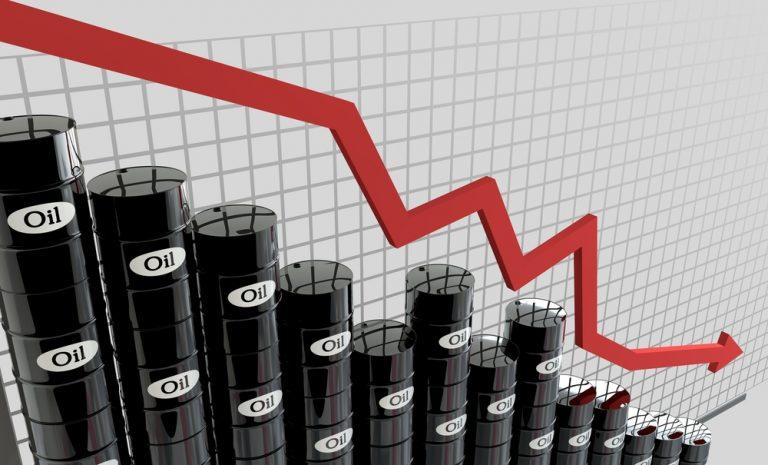
Saudi Aramco is latest oil giant to be hit – profits plunge 73pc

0
The Saudi state oil group, Aramco, shared its Q2 results on Monday – revealing a 73% dive in net profits. According to the group, the global pandemic has been a challenging period hitting all in the energy sector. Despite the difficult conditions, Saudi Aramco has proved resilience. Net profits from $24.7bn in the same period in 2019 down to $6.57bn. Just last year, the group floated on the Saudi stock exchange and was seen to be the world’s most valuable company after posting strong profits. Since the dent to demand since the Coronavirus, Saudi Aramco has been taken over by Apple. The group’s chief executive, Amin Nasser, said in a statement: “Despite COVID-19 bringing the world to a standstill, Aramco kept going. We have proven our resilience and reliability, setting a record in our business operations, while at the same time ensuring the health and safety of our people.” “Strong headwinds from reduced demand and lower oil prices are reflected in our second-quarter results. Yet we delivered solid earnings because of our low production costs, unique scale, agile workforce, and unrivalled financial and operational strength. This helped us deliver on our plan to maintain a second-quarter dividend of $18.75 billion to be paid in the third quarter.” “We are determined to emerge from the pandemic stronger and will continue making progress on our long-term strategic journey, through ongoing investments in our business – which has one of the lowest upstream carbon footprints in the world,” he added. The price of oil has tumbled down to $16 a barrel in April 2020, down from previous highs of over $45 a barrel. Shares in Saudi Aramco (TADAWUL: 2222) are trading +0.15% at 33.10 (0851GMT).