
Global business travel industry hit by coronavirus

Many companies around the globe are cancelling or suspending business travel as a result of the coronavirus, according to new data.
The latest data from the Global Business Travel Association (GBTA) revealed that business travel to Asia has been hit particularly hard.
Indeed, at least three out of every four companies have cancelled or suspended all or most business trips to China, the GBTA said.
Fears mount as the coronavirus outbreak continues to spread across the world.
Many companies have issued warnings to outline the potential business risks caused by the outbreak of the virus.
So far Italy is the worst-affected country in Europe, with over 10,000 people now infected.
The aviation industry has also been hit particularly hard by the lower demand for international travel, as many people are deciding to stay indoors instead.
Ryanair (LON:RYA) announced only yesterday that it has lowered its passenger target for 2020 because of the suspension of all Ryanair flights to and from Italy.
Over in the business travel industry, the GBTA said that there has been an exponential rise in the the cancellation and suspension of business travel to areas other than Asia.
“Coronavirus is significantly impacting the business travel industry’s bottom line. As the virus continues to spread across the world, business travel is slowing at an alarming rate. The impact to the business travel industry – and to the broader economy – cannot be underestimated,” said Scott Solombrino, COO and Executive Director of the Global Business Travel Association.
“Traveler safety remains the industry’s primary concern, and we are continuing to monitor conditions and respond appropriately. We encourage our member companies to heed the advice from all global health officials such as the CDC and the WHO when thinking about their travel plans,” Scott Solombrino continued.
“I am confident in our efforts to ensure the health and safety of all travelers and know that we will emerge from this downturn with an even stronger industry.”
Bank of England cuts interest rates to combat coronavirus impact
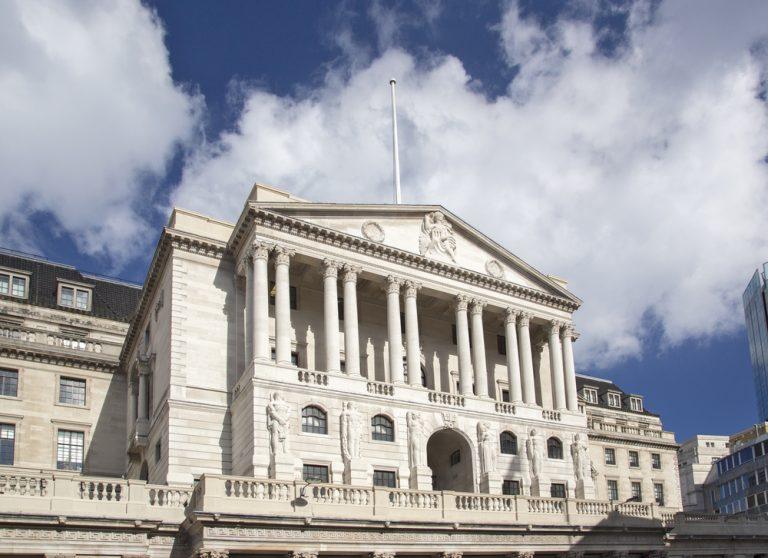
The Bank of England have decided to cut interests rates in an emergency move to combat the current coronavirus epidemic.
Legislators at the Central Bank decided to lower interest rates from 0.75% to 0.25% – a large cut considering increments are normally made in steps of 0.25% either way.
The current state of affairs with the coronavirus has left British and global business on the back foot – notably the FTSE 100 has dropped to twelve month lows whilst many British businesses have reported that results have taken a beating since the outbreak of COVID-19.
The Bank of England noted that the cut in interest rates would free up billions of pounds to help banks support firms and also give some market stability.
Mark Carney, the current governor said – “The Bank of England’s role is to help UK businesses and households manage through an economic shock that could prove large and sharp, but should be temporary,”
The actions today are designed to have ‘maximum impact’ and the hope remains that this should give businesses a small boost in the short term.
The coronavirus is now at its’ peak – with many more cases being reported by the day in both the UK and Europe.
England has not been the worst affected, as the Italian Government has enforced legislation which has banned mass gatherings and placed Milan on lockdown.
A few weeks back, many were relaxed about the coronavirus situation – suggesting that the worst of troubles had passed, however this was far from true.
Six people have now reportedly died from the coronavirus in the UK – and a total of 382 cases have been recorded.
Businesses, peoples and even football matches are now being played behind closed doors or being postponed – notably Manchester CIty’s blockbuster clash with Arsenal has been delayed due to the outbreak of the coronavirus, described as a ‘precautionary measure’.
The Bank of England said that turbulence across global financial markets had led to the decision made today, and policymakers are set to unveil a £100 billion scheme which will benefit the British people in allowing them to take full advantage of the interest rate cut.
There will be a larger focus on SME’s – as the Bank of England said this injection will “help UK businesses and households bridge across the economic disruption that is likely to be associated with COVID-19”.
Market analysts and traders have seemed keen on the decision to cut interests rates – however the long term effectiveness might be in question.
Richard Flax, Chief Investment Officer at Moneyfarm, comments: ‘The decision by the Bank of England to cut interest rates was a predictable but sensible monetary policy response. It remains to be seen how effective it will be in terms of lowering borrowing costs in the economy, given the low starting level of rates. However, it does represent a clear signal to financial markets that policy makers are willing to act decisively and we expect to see more policy measures, both in regards to fiscal and monetary policy, in the near future.‘
As the UK economy now faces on of its’ toughest battles since the financial crisis a decade ago – the outbreak of the coronavirus presents a new set of challenges.
Rishi Sunak, the Chancellor is set to unveil his new budget later today – and he has mentioned the need for universal support and extra funding into the NHS at a time where health services are in crisis.
James McManus, chief investment officer, Nutmeg, said: “While a cut to interest rates is bad news for cash savers, who have already endured historically low interest rates for a number of years, it will be welcome news for borrowers and financial markets. Investors had expected the Bank of England to cut rates by 0.5% at their March 26th meeting, and this emergency cut brings forward the decision following suit from the US central banks’ move on March 3rd. The cut to interest rates, in addition to the other measures announced today to ensure companies can continue to access credit cheaply, means this is a significant stimulus package. However, the market may quickly move to price in more given the outlook. Global growth expectations have come under renewed pressure as the outbreak of Covid-19 accelerates, and, as global stock markets begin to feel the full effects of market uncertainty, expectation for central banks to step in and act has increased.”
In the wake of Black Monday, what’s the price of a bailout?
With bailouts of the hotel industry already being discussed in the US Congress, should we expect more widespread quantitative easing in the wake of the Coronavirus induced Black Monday slump?
The likely response will be a ‘yes’, explained away by the rational need to encourage liquidity and avoid a catastrophic 2008-style slump. After the G7 and IMF failed to produce any concerted plan of action during the weeks leading up to Black Monday, it falls upon national governments to answer the call, and provide a remedy for the market ill-sentiment inflicted by Coronavirus.
What does this mean for the UK?
Chancellor Rishi Sinak will deliver his first budget on Wednesday – one which many expected to set out Boris’s eponymous infrastructure ambitions, but will now likely shift some focus onto economic stimulus. This prediction was echoed and encouraged by Standard Life Aberdeen (LON:SLA) Chief Executive Keith Skeoch, who watched his company shed almost 8% on Black Monday. “Asset prices are suggesting that a global recession is around the corner,” said Skeoch, who believes that if the government follows China’s lead in containing Coronavirus, and helps SMEs survive their cash flow problems, we will see a short-term dip followed by a recovery in six months’ time. “The chancellor tomorrow has a splendid opportunity to put in place a significant fiscal stimulus without the risk of inflation,” he added.Would a bailout be welcomed?
In the US, news of business bailouts being discussed in Congress invoked a Twitter storm:If there’s going to be any bailout, it should take the form of cash transfers to people losing work and savings, not to Wall Street.
— Anand Giridharadas (@AnandWrites) March 9, 2020
While the discussion is currently about bailouts going to hoteliers and airlines, they follow bailouts to the farming sector during the Sino-US tariff war. So, we can reasonably assume this won’t be the last of Trump’s industry-specific handouts. The reaction from most US commentators seems to be the predictable one. First, many lamented the fact that giving handouts to the hotel sector appears to be a blatant bit of self-sponsorship on Trump’s part Second, and more significantly, the point was made that businesses were too greedy to prepare for the downturn they caused in 2008, so taxpayers bailed them out. They might not have caused Black Monday themselves, but they’ve probably had their fair share of helping hands. To me, this is a fair analysis. In lieu of top-down stimulus – whereby liquidity is encouraged by increasing big business cash flow – many are calling for a more bottom-up approach. So far, there have been few politically feasible suggestions for how this could come about. The terms ‘Green Deal’ and ‘UBI’ have picked up traction again in the US left-wing, and the UK audience will likely have their own iterations of similar sentiments on Wednesday. What we can safely assume, though, is that nobody has forgotten the mess that investors and the financial sector got the world into twelve years ago, and how much we all had to pay for their mistakes. The ensuing policies of austerity, narratives of welfare-shaming and deepening of wealth inequality will also be fresh in the memories of many. The fact a $5.7 billion company like Aberdeen Standard are losing out, or that Jacob Rees-Mogg saw £13 million wiped off of his Sberbank (MCX:SBER) holdings yesterday, is unlikely to move anyone to tears. To synopsise the general mood of the Twittersphere: we know we need to act to avoid a recession; it just seems odd that ‘socialist’ handouts are ready and waiting for big business and yet normal people are made to pay, without feeling any benefit but the slim privilege of continuity. When is the tickle-down due? The rich emerged richer from the last crash, perhaps this round should be on them.Congress: 1. No bailouts for industries. 2. Targeted help for hospitals and the health care sector. 3. General relief directly to workers and families. The owners of capital have had a good decade and can weather a downturn; it’s labor that deserves a strengthened safety net.
— Bill Kristol (@BillKristol) March 10, 2020


Ryanair cuts 2020 passenger target after Italy lockdown
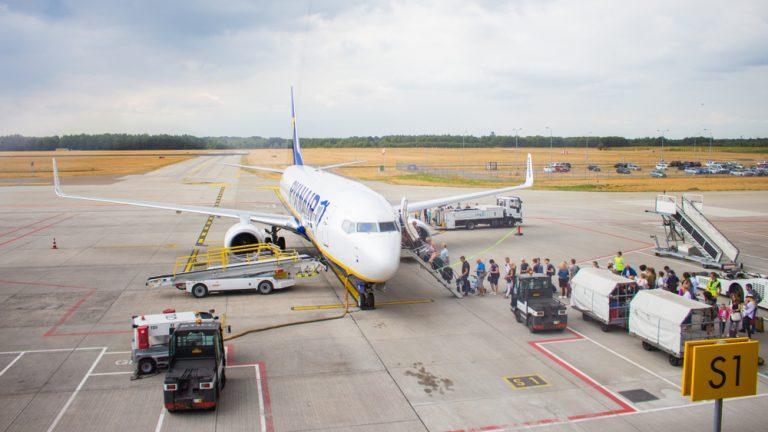
Ryanair (LON:RYA) announced on Tuesday that it will be lowering its passenger target for 2020 by 3 million as a result of Italy’s coronavirus lockdown.
Shares in the budget airline were trading over 7% higher on Tuesday.
The Irish airline said that its 2020 passenger target will be lowered from 154 million to 151 million.
“This is a direct result of the suspension of all Ryanair flights to/from Italy, between 13 March and 8 April, in response to the Italian Government’s “lock down” of travel to/from Italy, in addition to a number of other EU countries (Slovakia, Czech Republic, Hungary, Malta, Romania, Austria) unilaterally restricting flights to/from Italy,” Ryanair said in a statement.
Italy was recently placed on lockdown as the number of people infected by the virus grew to over 9,000, with cases confirmed in all 20 of Italy’s regions.
The aviation industry has been hit by the outbreak of the coronavirus as demand for air travel is decreasing during a time when people are being encouraged to stay indoors.
Flybe (LON:FLYB) collapsed just last week, and the immediate crash of the airline was blamed on coronavirus related impacts.
Elsewhere, Wizz Air (LON:WIZZ) announced the measures it will follow to limit the impact that the virus will have on its business.
Italy is a particularly popular tourist destination and receives a high volume of international travel.
“Ryanair does not expect these traffic reductions to have a material impact on FY20 (31 March 2020) PAT guidance,” Ryanair continued.
The budget airline added: “It is far too early to assess the impact of Covid-19 on FY21 traffic and earnings. The Ryanair Group will continue to focus on delivering cost savings and improved operational efficiency in FY21.”
Shares in Ryanair Holdings plc (LON:RYA) were up on Tuesday, trading at +7.42% as of 14:17 GMT.
Tungsten Corporation books tenfold increase in earnings as revenues accelerate

Supply Chain enabler Tungsten Corporation (LON:TUNG) booked positive fundamentals and year-on-year progress for the first nine months of the full year.
The company’s revenues rose from £26.9 million to £27.6 million, led by increased transaction volumes, up from 13.5 million to 14.4 million.
The headline figure for Tungsten Corporation, though, was a jump in its adjusted EBITDA, up from £0.2 million to £2.0 million on-year, alongside an increased EBITDA margin, from 1% to 7%.
Conversely, the Group’s operating losses widened from £2.5 million to £3.2 million. Further, its net cash narrowed from £2.5 million to £1.0 million.
Tungsten Corporation reaction
Responding to the Group’s results, CEO Andrew Lemonofides, states:
“In this year of transformation, we are demonstrating our ability to reduce costs and accelerate revenue. I am pleased to highlight that all of our strategic initiatives are being delivered as mentioned above and forecast last summer. In addition, I am continuing to restructure the company, drive down costs, re-boot our technology, replace key staff, introduce new products and augment new partnerships – and so build a redefined Tungsten in pole position to deliver accelerating growth.”
“Revenues remain in line with our YTD Q3-FY20 expectations. Whilst we still expect to show year on year growth in new sales billings, the growth will be below the level that we had previously expected and as a result we are a little more cautious about the outturn for the full year. However, as a result of prudent cost controls, we currently expect to meet EBITDA expectations.”
Investor notes
Following the update, the company’s shares are up 1.70% or 0.40p, to 23.90p per share 10/03/20 14:05 GMT. Tungsten Corporation has a market cap of £29.63 million, at 30 April 2019 its diluted EPS stood at negative 2.66p.Coronavirus: Italy lockdown

Italy is now on lockdown as the outbreak of the coronavirus continues to evolve.
Over 9,000 people have now been infected by the virus, with cases confirmed in all 20 of Italy’s regions.
“We’re having an important growth in infection… and of deaths,” Italian Prime Minister Giuseppe Conte said, according to the BBC.
“The whole of Italy will become a protected zone,” the Prime Minister continued.
“We all must give something up for the good of Italy. We have to do it now.”
In an attempt to contain the spread of the virus, public gatherings have been banned, sporting events have been cancelled and schools and universities will stay closed until 03 April. People are being encouraged to stay home unless it’s absolutely necessary to leave the house.
Many are fearing the economic implications of the virus as it spreads across the world.
The Italian Prime Minister announced the nation-wide lockdown yesterday evening:
https://platform.twitter.com/widgets.jsItaly’s Prime Minister Giuseppe Conte has announced that the whole of the country is being put on lockdown in an attempt to contain the #coronavirus outbreak.
For the latest on #COVID19, click here: https://t.co/BnjqqFZLOz pic.twitter.com/hFF2zYmuMB — Sky News (@SkyNews) March 9, 2020
https://platform.twitter.com/widgets.js The Department of Health and Social Care provided an update on the situation in the UK:Italy Prime Minister Conte says movement will be restricted all over the country and that people should not move other than for work and emergencies. All public gatherings will be banned and sporting events suspended. Live #coronavirus updates: https://t.co/DEcTSpULAT pic.twitter.com/dL4ZTch9lq
— Reuters (@Reuters) March 9, 2020
https://platform.twitter.com/widgets.js We will keep you updated as the situation evolves.UPDATE on coronavirus (#COVID19) testing in the UK:
As of 9am 9 March 2020, a total of 24,960 people have been tested: 24,641 negative. 319 positive. 3 patients who tested positive for coronavirus have sadly died. ▶️https://t.co/VdU3Lzcrhl pic.twitter.com/TDrhUzIEya — Department of Health and Social Care (@DHSCgovuk) March 9, 2020
Seeing Machines profits narrow despite 12% revenue growth

AI powered monitoring systems provider Seeing Machines Limited (LON:SEE) booked deeper losses and narrower profits, despite good progress in its revenues for the half-year ended 31 December 2019.
Operational revenues were up 12.8% year-on-year, up from $14.0 million to $15.8 million. This was led by an impressive 67% rise in monitoring service revenue, which grew from $2.4 million to $4.1 million on-year.
Despite this progress, the company’s gross profits narrowed from $8.9 million to $5.7 million, while its net loss marginally widened from $24.7 million to $24.9 million year-on-year.
However, the company boasted a strong cash position, with cash up from $26.9 million to $47.3 million on-year. It is also positive about the prospects of its DMS business, and the implementation of its products on roads and in aviation.
Seeing Machines response
Reacting to the company’s half-year results, CEO Paul McGlone commented,“We continue to work through significant opportunities across each business unit and leverage the growing momentum for driver monitoring technology in Europe, the US and around the world. Our teams are working with some of the world’s biggest brands in Automotive and Aviation, and these deep relationships will secure our long-term competitive position across each of our transport sectors.”
“Our focus remains on meeting the expectations of our customers and delivering on current programs, while responding to a growing number of opportunities in Automotive, Fleet and Aviation.”
“It is clear that DMS is becoming increasingly more integral to improved safety on roads and there is growing recognition for its ability to improve efficiencies and safety in aviation. As this continues to be embraced globally, Seeing Machines is in an outstanding position as the world-leading provider of this technology.”
Investor notes
Following the update, Seeing Machines shares rallied 3.68% or 0.12p, to 3.24p per share 10/03/20 12:07 GMT. For the half year period, the company paid no dividend.Octopus Renewables spends £59m of IPO proceeds on Ljungbyholm Wind Farm

Octopus Renewables Infrastructure Trust (LON:ORIT) announced on Tuesday that it had acquired the Ljungbyholm Wind Farm from OX2 for a consideration of £59 million, including future construction payments.
After the completion of the acquisition, Octopus Renewables will own 100% of the the construction-ready wind farm project.
The project is located in Kalmar in Southern Sweden, and construction is expected to be completed by the middle of 2021, with the farm expected to be operational later that year. The company said an affiliate of OX2 will carry out the construction under a fixed-price turnkey contract, and that it would be completed without any debt finance at the project level.
The Farm will consist of 12 turbines with an operating life of 30 years and a total capacity of 48 MW.
Further to today’s acquisition, the company said it was looking to target investment in construction, construction-ready and operational renewable energy infrastructure assets in the UK, mainland Europe and Australia. Today’s acquisition represents the first in a pipeline of opportunities outlined by Octopus’s investment arm, and amounts to 17% of the funds raised in the company’s IPO in December 2019.