
Glencore copper chief resigns, shares rally

Glencore shares rallies on Monday after the company announced the resignation of its copper chief, Telis Mistakidis.
The Anglo-Swiss commodity and mining company announced the departure of Mistakidis. a long-term director, who has been with the firm since 1993. He is set to be replaced by Nico Paraskevas.
Glencore is currently under investigation for its assets in the Democratic Republic of Congo.
Last month, the Katanga mining business, which Glencore has a controlling stake in, came up against further troubles amid a row with the government over export duties.
At the time of the news, Glencore issued a statement regarding the dispute.
Katanga said in a statement:
“Given that the copper cathode production at issue did not exist and that the copper lots were not exported, Kamoto strongly asserts that no export duties are owing on the overstated (not produced and not sold) copper cathode. As indicated above, Kamoto is engaged in discussions with the DGDA with a view to resolving the dispute,”
“Although the Company is optimistic that the parties will reach a satisfactory resolution in the coming days to allow imports and exports to continue, unless the dispute with the DGDA is resolved and Kamoto’s imports and exports are permitted to resume in the near future, the suspension of imports and exports is expected to negatively impact the Company’s production and revenue during the suspension,” it continued.
Alongside Mistakadis’ resignation, other management changes announced include roles within its coal, ferroalloys trading and mining divisions.
Moreover, Glencore adjusted its forecast for 2018 core profit in its trading division to be in the region of $2.7 billion.
Glencore had initially expected full-year training earnings from trading to be towards the top end end of its $2.2 billion to $3.2 billion range.
Shares in Glencore (LON:GLEN) are currently +4.64%, as of 15:27PM (GMT).
Scrap stamp duty for pensioners, says new report

A new report has called on the government to scrap the stamp duty for pensioners, encouraging downsizing.
The study by the Policy Exchange found that single people aged over 65 own and live in 1.1 million homes in the UK with two or more spare bedrooms.
The report will suggest that new housing purpose-built for pensioners, or “ageing baby boomers”, should be built in order to free up housing for younger families.
Such changes “would allow more baby boomers to move into homes fit for their retirement, releasing family homes onto local housing markets; and give more baby boomers the chance to access housing wealth they have stored up in spare bedrooms.”
Jack Airey, who is the author of the report, said: “Although debates around the housing crisis tend to centre on the experiences of younger people, some of its most acute impacts are felt by older generations.”
“From unsafe stairs to poor heating, too many older people live in homes that limit their physical and mental health. Building more homes suited to older people will allow more retirees to live in a house that supports them to lead healthy and happy lives.”
“It will also give more people the opportunity to downsize and draw down their housing equity, releasing money for retirement, and saving money by moving to a home which is easier and cheaper to maintain.”
“The aim should be enticing people to move at a younger age, avoiding a more traumatic move in later life and lightening the demand for residential care homes. This, as we argue, can be achieved by increasing the supply of good quality, desirable homes suited for older people,” he added.
Philip Hammond scrapped stamp duty for first-time buyers on homes up to £500,000 in 2017.
Thomas Cook shares continue to slide
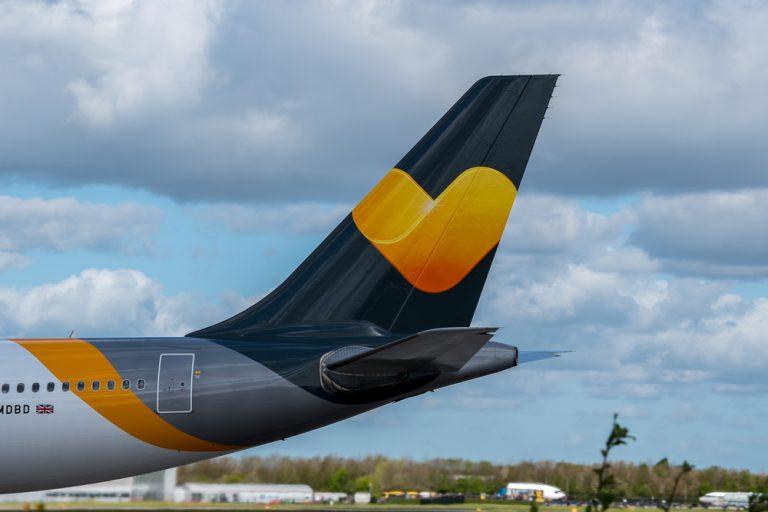
Shares in Thomas Cook are continuing to fall following last week’s profit warning.
On Monday, shares in the group were down more than 18% and have tumbled almost 70% since last week.
The airline and travel agent has downgraded profit forecasts twice in two months, blaming the heatwave for affecting bookings over summer.
“2018 was a disappointing year for Thomas Cook, despite achieving some important milestones in our strategy for transforming the business,” said the group’s chief executive Peter Fankhauser last week.
“After a good start to the year, we experienced a larger-than-anticipated decline in gross margin following the prolonged period of hot weather in our key summer trading period,” he added.
“Our final result is expected to be around £30 million lower than previously guided, due to a number of legacy and non-recurring charges to underlying EBIT. Within this, profit in our tour operating business fell £88 million as the sustained heatwave restricted our ability to achieve the planned margins in the last quarter.”
Full-year profit expectations were down by £30 million. Earnings to the end of September will be £250 million. Sales of holidays to its own-brand hotels increased by 15%.
Shares in the group (LON: TCG) are currently trading down 18.60% at 24,50p (1303GMT).
Unilever acquires GSK’s Horlicks in €3.3bn deal
Unilever and GlaxoSmithKline have agreed on a €3.3 billion ($3.8 billion) deal.
The Anglo-Dutch company will acquire GSK’s Indian health food and drinks portfolio, including the Horlicks brand, to strengthen presence in the growing economy.
In a statement, Nitin Paranjpe who is the President of Food & Refreshment at Unilever, said: “We are delighted to be acquiring the GSK Health Food Drinks portfolio.”
“The iconic Horlicks brand has a deep heritage, credibility and resonance around the world. The acquisition is transformative for our Foods and Refreshment business allowing us to enter the Health Foods Drinks category, further strengthening our position in health and wellness.”
“It is rare to be able to acquire brands with such leading market positions and fantastic consumer equity in one of the world’s most exciting and fast-growing markets. Improving the health and wellbeing of 1 billion people by 2020 is a key pillar in our Unilever Sustainable Living Plan. Horlicks and Boost will add to our stable of purpose-driven brands that help consumers to get more out of their lives.”
Anand Shah, an analyst at Axis Capital Ltd. in Mumbai, said: “If you look at Unilever’s foods portfolio in India they have been seriously lagging for many years now, especially versus the global Unilever portfolio. It’s a bid to expand the entire food pie for themselves.”
Shares in GlaxoSmithKline (LON: GSK) are trading -4.30%. Shares in Unilever (LON: ULVR) are +0.59% (1244GMT).
Omega Diagnostics half-year profits slip, shares fall

Omega Diagnostics posted its half-year results on Monday, causing shares to fall.
The medical diagnostics company reported revenue of £5.23 million, marking a 27% decline from the £7.11 million posted a year earlier.
Revenue from continuing operations was down 7% to £4.22 million.
For the six months until 30 September, Omega Diagnostics reported a pre-tax loss of $0.51 million, compared to $0.21 million back in 2017.
This was attributed to the one-off sale of its infectious disease unit, with reduced contributions affecting profitability across the period.
Adjusted earnings per share came in at -0.5p, compared to 0.3p a year previously.
Looking ahead, David Evans, Chairman, commented:
“Our short-term outlook is dominated by our efforts to realise value for Shareholders whilst at the same time successfully accelerating our efforts to commercialise our CD4 offering. The challenges are not inconsequential but I remain confident that in those areas where we can control our own destiny that we will succeed in delivering our objectives. In those areas where we are not masters of our own destiny then, by definition, the outcome will always be less certain. I believe it is best for our statement to reflect that reality as it stands today. Rest assured we will continue to work towards achieving success for all our Stakeholders.”
Omega Diagnostics focuses on specialised products relating to allergy, food intolerance and infectious diseases.
The firm was founded in Scotland back in 1987.
The company was listed publicly on the London Stock Exchange in 2006.
Shares in Omega Diagnostics (LON:ODZ) are currently -15.62% on the back of the announcement.
Ted Baker shares fall 13% amid ‘forced hugging’ petition
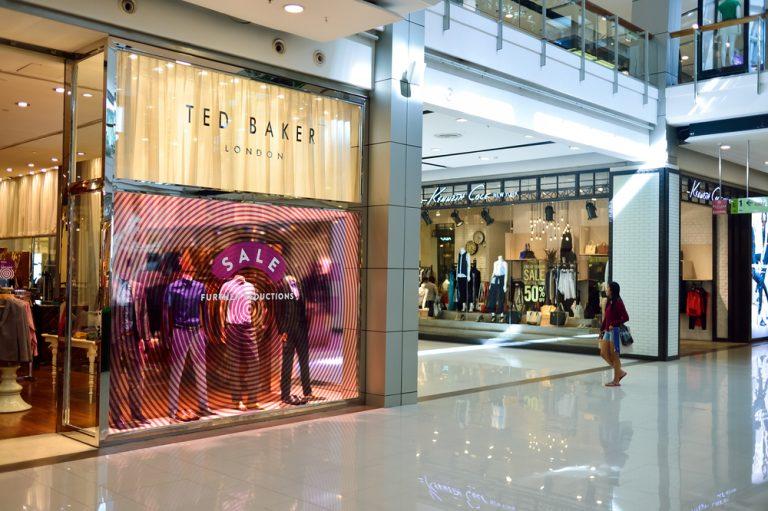
Shares in Ted Baker fell over 10% on Monday morning after a petition emerged accusing the group’s owner of inappropriate comments and behaviour.
An online petition, which has 2,500 signatures, calls for the “end of forced ‘hugging’ by the CEO. It is part of a culture that leaves harassment unchallenged.”
The company has launched an investigation into the claims but has defended founder and chief executive, Ray Kelvin.
“It is critically important to us that every member of our staff feels valued and respected at work,” said Ted Baker in a statement.
“Ray greets many people he meets with a hug, be it a shareholder, investor, supplier, partner, customer or colleague. Hugs have become part of Ted Baker’s culture, but are absolutely not insisted upon.”
“We have very clear and robust HR policies in place to provide all employees with a wide range of reporting options for any issues that they might encounter, including a completely confidential and anonymous 24/7 helpline,” the retailer said.
“While the claims made are entirely at odds with the values of our business and those of our CEO, we take them very seriously and will ensure that a thorough independent investigation is carried out. We will then carefully consider the content and recommendations of that report.”
The firm is due to release a trading update on Thursday. The FTSE-250-listed group has 544 stores worldwide and Kelvin is worth around £522 million.
The store is named after Kelvin’s alter-ego. The retailer’s boss refuses to have his full face photographed.
Shares in Ted Baker (LON: TED) are trading down 13.01% at 1.588,50 (1139GMT). The stock has roughly halved since March.
Bushveld Minerals poised to enter the Vanadium Battery market
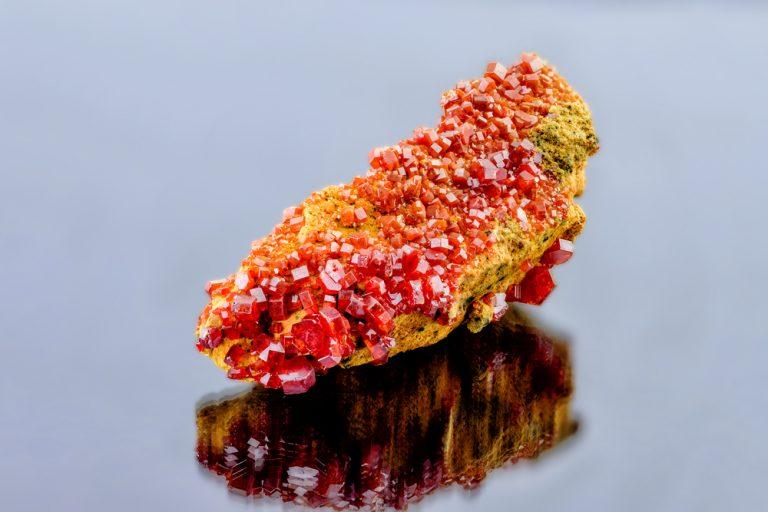
Bushveld Minerals (LON:BMN) is poised to enter the Vanadium Battery market as the miner prepares to diversify the business away from an extraction and processing play.
In a recent operation update, the group who operates primarily in Africa, announced they were on-track to commission the first Eskom vanadium redox flow battery (VRFB) in December 2018.
Bushveld Minerals’ Vanadium has largely been used in the strengthening of steel as an alloy but the metal’s properties makes it an excellent alternative to Lithium in the battery market.
The company awaits results of an Environment Impact Assessment (EIA) for an electrolyte production facility crucial to the production of Vanadium Redox Flow Batteries.
A VRFB creates electricity by storing power in tanks of Vanadium electrolyte then firing the electrolytes through specialist cells to create energy.
The electrolyte production facility is expected to be up and running in the first half of 2019 after facing delays in early 2018.
Vanadium Price
Another key element for the long-term success of Bushveld’s expansion into the battery market is the input price of Vanadium. Bushveld Minerals recorded an average Ferrovanadium price of $85.8 per KgV in Q3 2018, up 24% compared to Q2. In the nine months to September 2018 the ferrovanadium price averaged $72.3 per KgV, a rise of 137% compared to the same period in 2017. Bushveld have this year reaped the benefits of a higher Vanadium price which has helped drive Bushvelds share price up over 100% from 52-week lows. However, a rising Vanadium price will reduce the profitability of VRFBs so management will need to ensure a large proportion of the raw Vanadium used in their VRFBs is produced by Bushveld to keep costs in check and capture the valuation creation in the processing of ore. One would be reassured the board is preparing for this with the recent acquisition of a further interest in the Vametco production plant. Bushveld Minerals now has a 74% interest in the facility. Vametco produces Nitrovan for use in alloys and highlights the group’s willingness to take control of the supply chain. Mikhail Nikomarov, CEO of Bushveld Energy, said of the recent developments: “The third quarter of this year and events following immediately afterwards, have proven beyond doubt that the market for battery storage in both South Africa and Africa overall is significant and immediate. Bushveld Energy has long maintained the attractiveness of this market, especially for the long-duration and high-volume daily utilisation applications that are ideal for VRFBs.” “The knowledge gained by our team in deploying a system with Eskom and designing and building an electrolyte facility will continue to give Bushveld Energy a competitive advantage in supplying into this growing market. Our business plan, anchored in a low cost scalable primary production platform, will allow us to maximise value for Bushveld and its shareholders along the VRFB value chain, and therefore realise the Company’s vision of a deeply vertically integrated vanadium platform.”Global markets rally on US-China trade truce

The US and China have agreed to a 90-day truce in their trade war.
Donald Trump announced the decision via Twitter after a weekend meeting in Argentina between G20 meetings.
Global stock markets rallied on Monday when the President said that China would “reduce and remove” the 40% tariffs if applies to US cars imported to China. China and not commented on the plans and Trump has not given any details.
Hong Kong’s Hang Seng index rose 2.5%. The Shanghai Composite index increased by 2.6%. Japan’s Nikkei 225 index rose 1%.
In Europe, The FTSE 100 index grew by over 2%. Germany’s Dax increased by 2.6%. The CAC in France gained 2%. Spain’s Ibex grew 1.8% and Italy’s MiB increased by 1.9%.
The 90 days will allow for talks between the two countries.
US tariffs on Chinese goods will be unchanged during this period but “if at the end of this period of time, the parties are unable to reach an agreement, the 10 percent tariffs will be raised to 25 percent,” said the White House in a statement.
The US said China have agreed to “purchase a not yet agreed upon, but very substantial, amount of agricultural, energy, industrial, and other products from the United States to reduce the trade imbalance between our two countries”.
Neil Wilson, who is the chief market analyst at Markets.com, said: “Some may be concerned that there was no official word from China in relation to auto tariffs, and that the two sides are saying different things about the meeting.”
“Nevertheless, when both sides can claim they won, it’s usually good for sentiment. This is all shaping up to be positive for equities and other risk assets … This positive rhetoric and mood music is likely to be sustained through December as the two sides seek a deal, which is likely to mean we see a decent Santa rally through December.”
Qatar to withdraw from Opec to focus on gas production

Qatar has announced plans to withdraw from Opec from January 2019.
The Gulf state said it will now focus on gas production and leave the cartel after being a member since 1961.
“Qatar has decided to withdraw its membership from Opec effective January 2019 and this decision was communicated to Opec this morning,” the energy minister, Saad al-Kaabi said.
“We will make a big splash in the oil and gas business soon,” he added.
Naeem Aslam, who is an analyst at online broker ThinkMarkets, said: “Qatar leaving Opec isn’t great news for the oil market and the market participants haven’t digested the full impact of this news. Basically, Qataris have brought the biggest weapon out and it only means more instability between the Qatari and Saudi relationship.”
“In fact, we would not be surprised if other counties start to follow the same path and then we have no control over supply or demand as each individual country could just do what they like. Yes, for now, there is optimism that Saudi Arabia and Russia are committed to keep the supply under control. This has jolted the price of oil higher especially the fact that Canada’s largest oil-producing province is curbing the output.”
Qatar announced the decision days before the cartel is due to meet in Vienna. Countries part of the cartel will meet on December 6 to discuss oil prices.
Qatar will still attend the meeting to discuss its withdrawal.
At the meeting, production of oil is expected to be curbed after the price has plunged over the past couple of months.
Last week, Brent crude fell to $60 a barrel from $86 in October. US crude slid to below $50 a barrel.
Prices in oil, however, surged following news of the 90-day truce in their trade war between the US and China. The price of Brent crude was up by 4.7% to $62.24 in early trading.
McColl’s lowers full-year forecast, shares tumble 26%
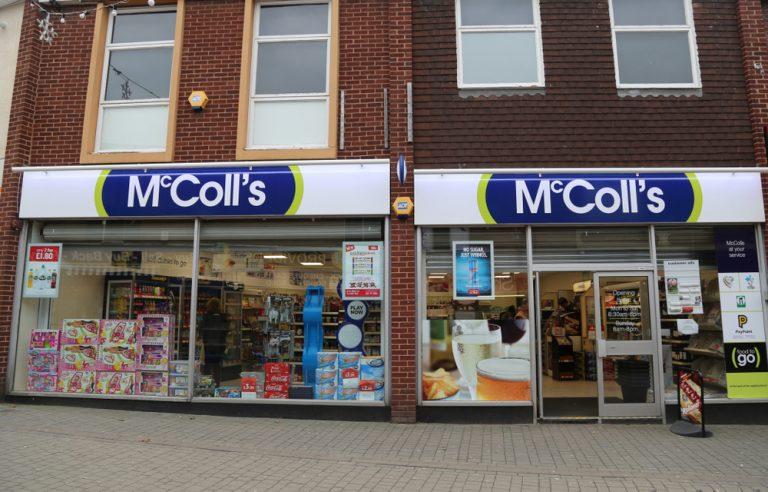
Shares in McColl’s plunged on Monday as the group lowered its profit forecast for 2018.
Previous estimates of full-year forecasts have lowered from £44 million to about £35 million.
The convenience store chain has blamed the collapse of wholesaler Palmer & Harvey for the downgraded profit forecast.
The wholesaler collapsed in January with debts of over £700 million.
Jonathan Miller, the chief executive of McColl’s, said: “2018 has been a very difficult year for the business, marked by unprecedented supply chain disruption and ongoing challenges.”
“Looking ahead, we expect competition in the grocery retail sector to remain intense and we face into significant cost pressures.”
“Important to our future success will be continuing to develop our partnership with Morrisons, alongside our plans to enhance our neighbourhood convenience offer by improving the quality of our estate and our overall customer experience,” he added.
The group said: “In the last 12 months, following the collapse of Palmer & Harvey, we have experienced significant supply chain disruption and have needed to accelerate the rollout of Morrison’s (LON: MRW) supply to 1,300 of our stores.”
“The speed of this transition has created significant challenges and severely disrupted our plans for the launch of Safeway. We are extremely grateful for Morrisons’ support during this period, and whilst the transition is now complete, we are continuing to experience a number of challenges. We are working together to address these issues and to develop an optimal range and promotional offer for the future.”
“In addition, a stronger performance in tobacco, relative to other categories, has resulted in a lower conversion of sales to profit than anticipated. As a result, we now expect adjusted EBITDA for FY18 to be around £35 million.”
In 2018, the chain has acquired 11 new convenience stores.
The share price plunged 24% to 90p shortly after the open on Monday. Shares in the group (LON: MCLS) are currently trading down 26.40% at 87.40p (0937GMT).