World Bank ranks New Zealand best place to do business

The latest rankings by the World Bank reaffirmed their previous stance, that New Zealand is the best country to start and run a business. The vote of confidence comes as the island retains the accolade for a second successive session – despite not making any economic reforms since the last rankings were published. While Norway enjoyed a ranking promotion to seventh place on the back of government reforms to business regulations and taxation, the UK was relegated to ninth place in the pecking order. This news only serves to compound previous worries about uncertainty in the British market, and comes as the City of London shows signs of fragility – though it is unlikely the City will fall anytime soon, and the rankings do not tell the British public anything they do not already know about fraught trade relations. The report particularly emphasised the steps taken by developing countries in the ‘most improved’ strata of the ‘doing business’ rankings. These candidates were largely made up of sub-Saharan countries which carried out a total of 107 reforms this year, including the implementation of electronic tax payment methods and making dispute settlement more efficient. The most celebrated candidate was Rwanda, who has carried out the most reforms of any member state, and is reeling off the back of a £30 million sponsorship with Arsenal Football Club and deals with hotel companies such as Marriott and notable Chinese players. “The latest improvements in Rwanda, which has carried out the most reforms since the inception of Doing Business 16 years ago, included making starting a business less costly by replacing electronic billing machines with free software for [VAT] invoices.” said the World Bank. Shanta Devarajan, the World Bank’s senior director for development economics and acting chief economist, said, “The diversity among the top improvers shows that economies of all sizes and income levels, and even those in conflict can advance the business climate for domestic small and medium enterprises.” The World Bank have however come under fire for their latest report, which holds countries such as Georgia and Mauritius aloft. The problem with this is that the former is sixth in the rankings with one of the highest levels of inequality and high rates of poverty, while the latter is only deemed good for business because its lack of regulation allows it to act as a tax haven. The World Bank Group’s president, Jim Yong Kim, said the private sector played an important role in, “creating sustainable economic growth and ending poverty around the world”. “Fair, efficient, and transparent rules, which Doing Business promotes, are the bedrock of a vibrant economy and entrepreneurship environment,” he said. “It’s critical for governments to accelerate efforts to create the conditions for private enterprise to thrive and communities to prosper.” These remarks have been rebutted by aid organisations such as Oxfam and bodies such as the Organisation for Economic Cooperation and Development, who state that the World Bank reward the aforementioned candidates as well as Macedonia, the United Arab Emirates and Malaysia with top 20 status, despite all ranking amongst the worst in the world for inequality. Similarly, Singapore has been cited by Oxfam as the world’s most unequal nation, and has been dubbed a model for post-Brexit Britain. Similarly, the rankings are only partially speculative, taking into account contemporary market uncertainty and tensions but not accounting for the possibility of macroeconomic phenomena – for instance a domino effect in developing markets, should either Turkey or Argentina default on loan payments.

Redrow boss and founder steps down

2
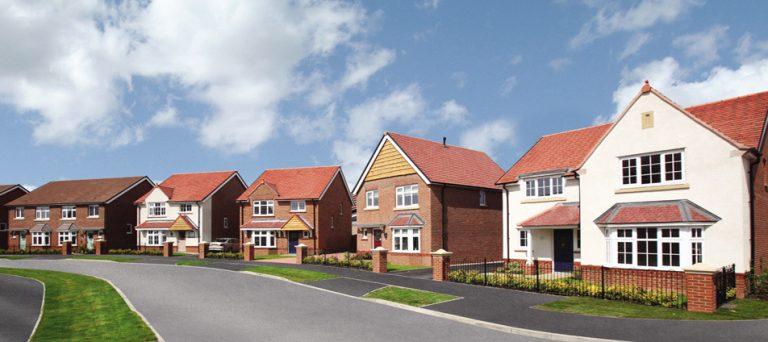
Steve Morgan, the founder and boss of Redrow, will retire from the group’s board at the end of March 2019. John Tutte, the housebuilding company’s chief executive, will replace Morgan as the executive chairman. Morgan will remain a major shareholder in the group. In a separate statement, the group also said that the group traded in line with expectations. “For the first 18 weeks of the current financial year, Redrow has traded in line with expectations,” said Morgan. “We continue to see good demand in our regional businesses with most sites sold well in advance. However, the London sales market has remained subdued affected by excessively high Stamp Duty tax and Brexit uncertainty.” The new Help to Buy scheme has helped enable the purchase of almost 170,000 properties. In early morning trading, Redrow (LON: RDW) shares fell 0.2% lower at 564p. Shares are currently trading -1.29% (1030GMT).

Mulberry reports £8.2m loss, shares fall

1
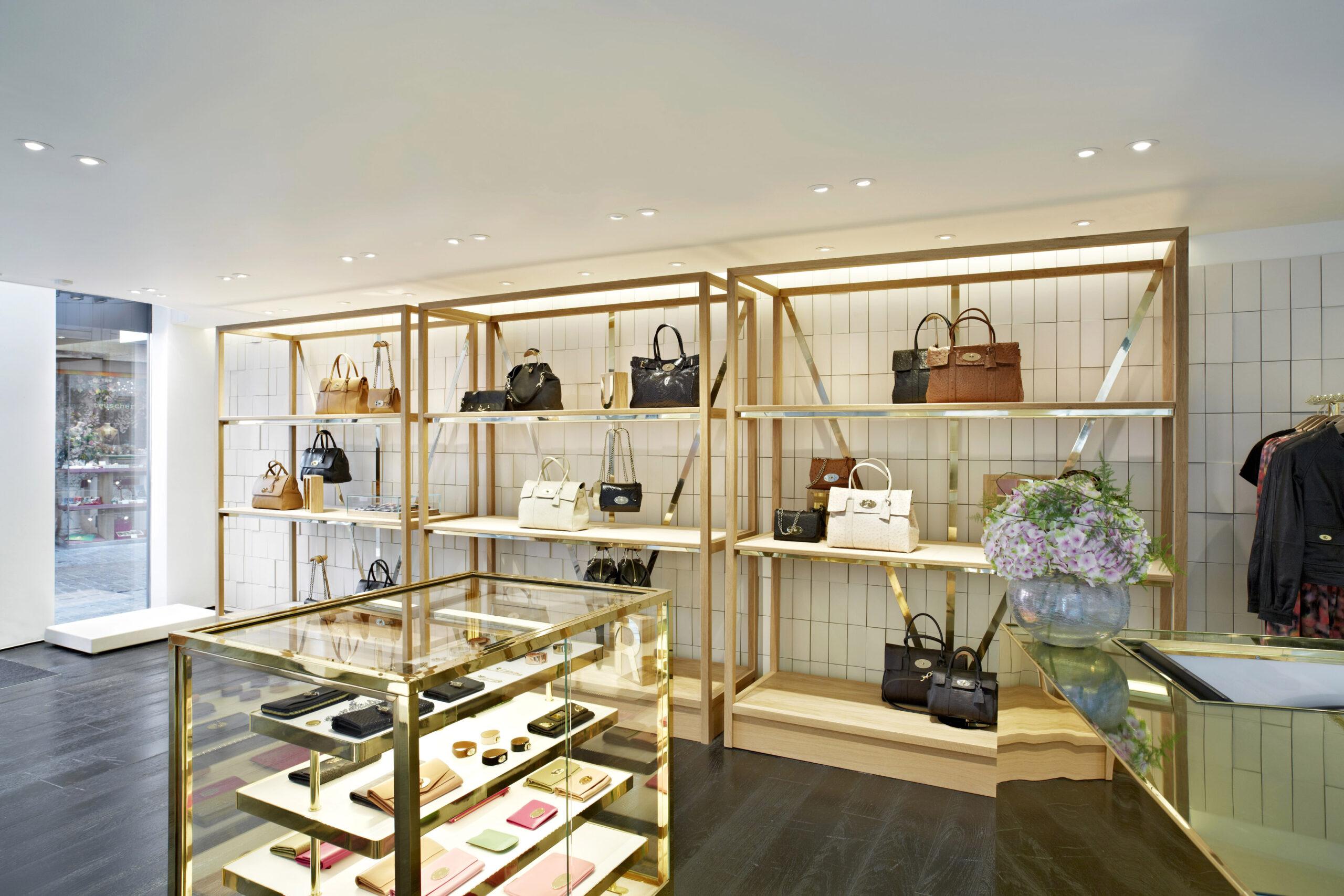
Shares in Mulberry were down 4.8% on Wednesday morning after the group reported a pre-tax loss of £8.2 million. Losses for the first six months of the year were £600,000 wider than the same period last year, whilst revenue also fell 8% to £68.3 million. The losses were mainly attributed to the £2.1 million one-off cost following the House of Fraser collapse and the £2.5 million cost to launch in Korea. Moving away from House of Fraser, the group has agreed on a deal with John Lewis. “We are delivering on the strategy to develop Mulberry as a global luxury brand with new subsidiaries in Korea and Japan, the creation of digital partnerships in China and the additions to our own store network in Asia,” said the chief executive, Thierry Andretta. “In the UK, our most important market, we are pleased to have signed a concession agreement with John Lewis & Partners, advancing our direct to consumer search.” Shares in Mulberry plunged 25% in August after the group revealed that it would take a £3 million hit from the collapse of House of Fraser. The group operated in 21 concessions in the department store, which is now owned by Sports Direct (LON: SPD) boss Mike Ashley. “The UK market has continued to remain challenging and sales in House of Fraser stores have particularly been affected,” the company said at the time. “If these sales trends continue into the key trading period of the second half of the financial year, the group’s profit for the whole year will be materially reduced.” Shares in Mulberry (LON: MUL) are currently trading -3.86% at 299,00 (1003GMT).

Wizz Air shares fall 5% on lowered profit forecast

1
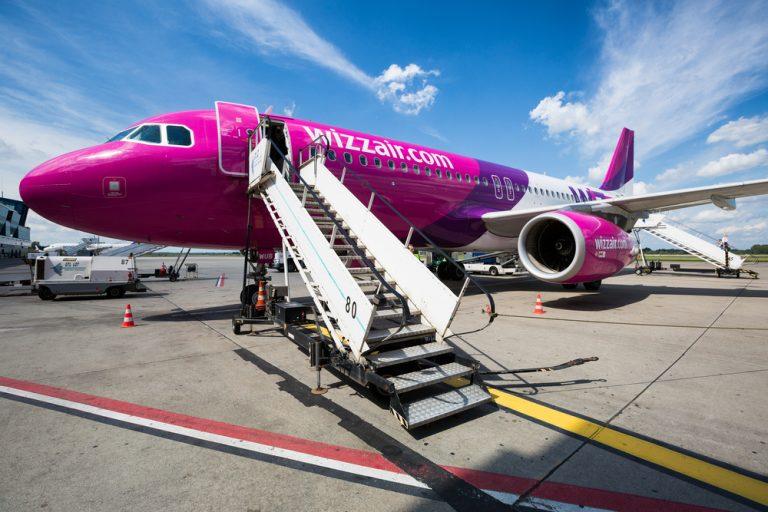
Wizz Air has lowered its forecast for full-year profit to between €270 and €300 million. The budget airline reduced forecast from €310-340 million, blaming by air traffic control strikes and higher fuel prices. The price of jet fuel is 23% higher than it was this time 12 months ago. Shares in the group dived 5.2% to 2,527p on Wednesday, despite the group reporting a 2.7% year-on-year increase in underlying earnings and 20% growth in revenues to €1.38 billion. Chief executive, József Váradi, said that an “encouraging revenue environment, robust demand and an improved operational performance” meant that Wizz Air was able to offset half of the disruption and headwind costs but it was not enough to prevent the downgrade. City broker Liberum said that capacity growth at the airline would “eventually improve the industry’s ability to offset higher fuel costs through higher unit revenues”. EasyJet (LON: EZJ) and Ryanair (LON: RYA) have also suffered from the increased fuel prices and airport disruptions. Shares in Wizz Air (LON: WIZZ) are trading -1.27% at 2.633,00 (0919GMT).

Persimmon boss asked to leave over bonus “distraction”

0
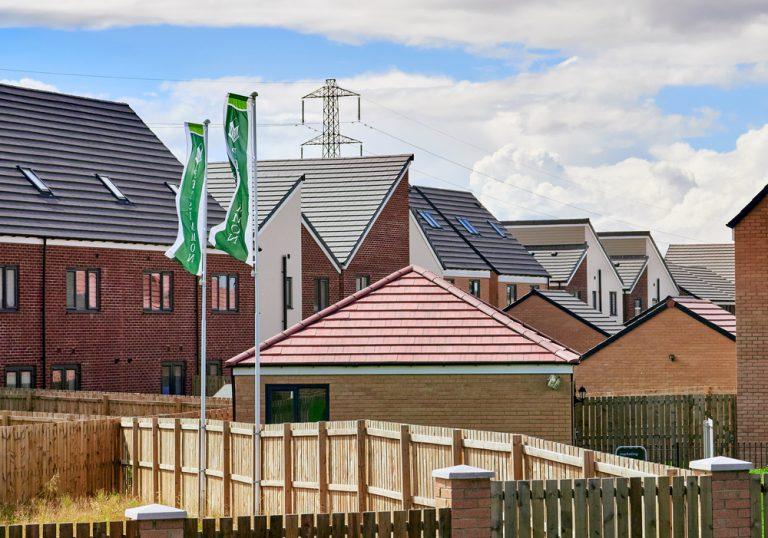
Persimmon boss Jeff Fairburn has been asked to leave the group over his £75 million bonus payout. The housebuilder has said that the controversial bonus had become a “distraction” whilst also damaging the group’s reputation. Fairburn’s bonus was reduced from £100 million but the reduced rate was still criticised by politicians, charities and shareholders. “Jeff has been a successful leader of the business since his appointment in 2013, but the board believes that the distraction around his remuneration from the 2012 LTIP (long term incentive plan) scheme continues to have a negative impact on the reputation of the business and consequently on Jeff’s ability to continue in his role,” said the company. The group said that it will not ask for any of Fairburn’s bonus back. “Whilst the company has sought to mitigate the entitlement falling due to Jeff, as Jeff is leaving at the company’s request, legal advice has confirmed that the company does not have any discretion to withhold or seek forfeiture over any of the ‘restricted’ 2012 LTIP shares, although these continue to be required to be held until 6 July 2021.” Fairburn will be replaced by replaced as the interim chief executive by David Jenkinson until a permanent replacement is found. When asked about his bonus in an interview with the BBC last month, the Persimmon boss walked away. “I’d rather not talk about that,” he said. Labour MP Rachel Reeves commented on the walkout, saying it was “unfortunate” that “Mr Fairburn thinks he is above answering questions about his extravagant gains and the cost to the public purse”. Since he took over in 2013, Persimmon’s stock market value had doubled to £7.5 billion. Shares in the group (LON: PSN) are trading +1.15% at 2.383,00 (0849GMT).    

Marks & Spencer sales fall 2.2%

1
Sales at Marks & Spencer (LON: MKS) have continued to fall this year. Like-for-like sales fell 2.2% for the six months to the end of September. Clothes sales were down 1.1%, whilst food fell a further 2.9%. “We are expecting little improvement in sales trajectory,” said the retailer, adding that trading conditions for the rest of the year will remain “challenging”. Marks & Spencer has said it will not rule out further closures. So far, the group plans to close 100 stores by 2022, affecting a total of 872 employees. “M&S is repositioning itself for the new retail world,” said Laith Khalaf, senior analyst at stockbrokers Hargreaves Lansdown. “Having a huge store estate is no longer the powerful retail force that it once was.” The retailer plans to make one-third of the business online. Commenting on the shift to online shopping, Paul Martin, head of UK retail at KPMG, says: “With the overall market not growing, it is all about market share, and 20% of that market is held by online players. If you don’t have the right online offering, again, you will struggle.” The chief executive, Steve Rowe, said the retailer was “re-shaping” its business. “What we are doing is making sure we protect the magic of M&S,” he added.

William Hill shares slide 8% on downgraded profit forecast

0
William Hill has warned that the government crackdown on fixed-odds betting terminals (FOBTs) will hit full-year profits. The bookmaker has downgraded its full-year profit forecast to between £225 million and £245 million. Last year, the group made £291.3 million. As well as the crackdown on FOBTs, William Hill has also said profits will be hit following the closure of accounts to combat problem gambling. In addition, the company is struggling to perform as well amid the tough high street conditions. “We are continuing to experience a period of significant change for our industry and have already made important changes over the last two years to transform our digital business, broaden the management team and enhance our financial flexibility ahead of key regulatory changes,” said Philip Bowcock, the group’s chief executive. The government is also cracking down on William Hills attempts to combat money laundering. In February, the group was fined £6.2 million by the Gambling Commission for failing to address money laundering in the previous two years. The group previously made plans to close up to 900 unprofitable betting shops. Nicholas Hyett, an equity analyst at Hargreaves Lansdown, said: “There’s a pot of gold at the end of the rainbow, and that’s the $5 billion-$19 billion US sports betting market. William’s Hill’s been fast out the stalls, an advantage of already being an established player in Nevada, and has started racking up the bets.” William Hill shares fell by 8% in early trading. Shares in the group (LON: WMH) are currently trading -5.38% at 202,10 (1403GMT).  

Grand Vision Media Holdings targets Chinese middle class with advertising solution

Grand Vision Media Holdings (LON:GVMH) is targeting the middle class in China with an innovative advertising solution.

Targeting China’s Middle Classes

The company, which has been listed on the London Stock Exchange as of June 2018, is deploying 3D technology in popular, high-traffic locations, as part of its targeted advertising strategy.

The firm specialises in glasses-free 3D technology, which is utilised as a means of engaging with China’s growing box office audiences, in turn developing a new advertising approach for various brands looking to crack into the Asian market.

Following their debut on the London Stock Exchange, GVMH raised £1.01 million. The market cap of the firm is currently valued at £21.6 million.

Experienced Management Team

At the helm of GVMH is Chief Executive Jonathan Lo. Prior to having founded the company, he started his career at Ernest & Young in London. He later joined Price Waterhouse Management Consultant’s Hong Kong branch.

The firm’s Executive Director is Edward Ng, a professional fund manager.

Back in 2005, Edward founded Primasia Pacific Mid Cap Fund, which has since been re-named as CAP China Fund. He is also a director for various other companies focused upon investment.

Ajay Rajpal holds the title of GVMH’s non-executive director.

A chartered accountant, Rajpal has worked extensively in Europe, the US, the Middle East, as well as the Far East.

His experience lies in particular with financial management and restructuring procedures.

[vc_video link=”https://youtu.be/OPlO-DEFA7c&rel=0″]

A Booming Chinese Cinema Market

Unlike Europe, China’s cinema market continues to expand, with 1,200 new cinemas since 2017. Moreover, last year box office growth across the nation exceeded RMB 55.9 billion.

GVMH have concluded that this burgeoning market is a crucial advertising demographic to tap into, with figures indicating that over 85% of cinema-goers have a degree-level of education.

Targeted Advertising Solutions

In fact, according to statistics from the National Cultural Industry Innovation Experiment Zone of the PRC, a staggering 70.4% of China’s cinema visitors have a Bachelor’s degree, with a further 16% educated to a Master’s level.

What’s more, the same figures reveal that 1/3 of this audience are in high-income employment, earning over 6,000 RMB a month.

The majority of audiences are of a younger age range, with only 11.1% of patrons proving 31 and older.

Consequently, the advertising platform provided by GVMH can provide clients with a targeted advertising solution focused upon China’s burgeoning middle class and the younger generation.

Opportunity for growth

Beyond further growth in China, GVMH is looking to expand internationally, capitalising on its recent listing.

Currently, the company has a less than 5% market share, signalling potential for considerable amplification of its business.

Michelin set to close Dundee plant, 845 jobs cut

2
The tyre manufacturer Michelin has announced it will be closing its Dundee factory, currently employing 845 people. The Tayside plant has been confirmed to close mid-2020. Upon receiving the information last week that this was a possibility, the Scottish government’s economy secretary said: “This will be devastating news not just for those who work at the Michelin plant, but their families and the whole of the city of Dundee.” The plant has had to close as a result of changes in demand and competition from cheaper market alternatives from Asia.

Opened in 1971, Michelin’s Dundee plant only manufacturers 16-inch and smaller tyres for cars.

A statement on the company’s website reads: “Despite the group’s continuous efforts, and the factory employees’ dedication to making the site economically sustainable through the implementation of several action plans – €70m has been invested in recent years to modernise the site – the accelerated market transformation has made the plant unsuitable and its conversion is not financially viable.” Michelin has said it will commence a consultation process with employees in the next two weeks. Moreover, the company has said it will provide a support programme to the employees. Indeed, it hopes to “propose a comprehensive plan to assist the employees concerned to start a new career as quickly as possible”. The closure of the factory is a warning sign that the UK car market is experiencing difficulty. Equally, Britain’s car industry has expressed serious concerns over the impacts of a no-deal Brexit. Factory manager at Michelin Dundee, John Reid, has commented: “I have been part of Michelin Dundee for 26 years and I am very proud of the hard work and dedication shown by the team here.” “This factory has faced incredibly tough challenges before and we have come through thanks to the hard work and flexibility of our people and the union, and the backing of the Michelin Group.” “However, the market for the smaller tyres we make has changed dramatically and permanently, and the company has to address these structural changes.” “The proposals are nothing to do with the UK’s decision to leave the EU, and they are absolutely not a reflection of the performance of the plant or the people who have worked so hard here for so many years.” At 13:31 CET today, shares in Michelin (EPA:ML) were trading at +0.58%.

Primark sales slide because of weather, profits increase

0
The owner of Primark has reported a decline in its annual sales as a result of “unseasonable weather”. The Associated British Foods (ABF) full year results reveal that Primark’s like-for-like sales dropped by 2.1% in the year to 15 September. This decline compares with a 1% increase for the previous year. In the UK, like-for-like sales rose by 1.2%, but European sales dropped by 4.7%. Total revenue increased by 5% to roughly £7.5 billion partly due to new store openings and higher margins. Indeed, Primark has opened 15 new stores in nine countries totalling 900,000 sq ft of trading space and driving sales. Additionally, adjusted operating profits in the retail division were up by 13% at £843 million. This includes 360 stores across the UK, Europe and the US.

However, the Chief Executive of ABF, George Weston, has blamed the European weather for the drop of Primark’s like-for-like sales.

Weston insists that the “unseasonable weather” did not suit the clothes ranges provided by Primark. George Weston commented: “This decline was driven by unseasonable weather during three distinct periods this year, especially in northern Europe, and by soft trading in a weak German market.” The company has also announced it plans to open a temporary Belfast store following a fire over the summer. Sophie Lund-Yates, a Hargreaves Lansdown analyst, said: “ABF continues to open up new stores, which given the challenges other bricks and mortar retailers are facing looks a bold move – but it’s working.” “Overall sales growth is continuing despite declining like-for-like sales, and a popular summer range means margins and profits continue to climb.” Primark has said it will open an additional one million sq ft of retail space in the next financial year. This includes a 160,000 sq ft store in Birmingham that is set to become the brand’s biggest outlet. At 12:11 GMT today, shares in ABF plc (LON:ABF) were trading at +2.68%.