Revolution Bars see a strong festive period as shares jump over 5%

2

Revolution Bars Group PLC (LON:RBG) have seen their shares jump over 5% following an impressive update.

The firm reported a seventh successive year of record Christmas sales and this lead to a rise in first half revenue.

Additionally, shareholders were further impressed as the firm announced a deal with real estate landlords to surrender its lease on five struggling sites, and have rent reductions at four other units.

In the four weeks to December 31, the firm saw a 4% rise in like for like sales, as weekly sales during the period averaged £65,000.

In the first half period, ending December 28 revenues grew 3.4% to £81.2 million from £78.5 million on year ago, as like for like sales also rose by 1.2%.

First-half adjusted earnings before interest, tax, depreciation and amortisation, pre-IFRS16, are expected to rise in line with market expectations. The adjusted measure also excludes bar opening-costs and share-based payments.

Revolution announced that they close three under performing stores which were located in Swansea, Wood Street and Liverpool.

Rob Pitcher – Chief Executive Officer said:

“I am delighted with our Christmas trading and the steady improvement in our like-for-like* sales performance over the first half is further evidence that our key initiatives are driving both operational and financial improvement. Considerable strides have been made in rebuilding customer loyalty and driving sales and profit from the existing estate, creating a stronger business with significant cash generation. Whilst external cost pressures persist, we will continue to manage cautiously, using excess cash to reduce indebtedness below one times EBTIDA before we will consider further expansion opportunities”

Loungers – a competitor to keep an eye on

A competitor in the form of Loungers (LON:LGRS) is a firm to keep an eye on.

In December, the firm gave a very impressive update to the market and looked to rival established names such as Fuller Smith & Turner (LON:FSTA) who have recently struggled.

The firm posted another “another strong” set of interim results, with revenue rising over 20%, which built upon a prior update provided in the middle of 2019.

Loungers own 161 bars, cafes and restaurants across England and Wales, and are a vastly expanding brand.

For the 24 weeks to October 6, Loungers revenue climbed 22% on the year before to £79.8 million, with the pretax loss narrowing to £2.5 million from £4.3 million. On a like-for-like basis, revenue growth was 5.4%, a figure Loungers said was “sector leading”.

Loungers reported an adjusted pretax profit of £2.6 million, after a £4.3 million loss the year prior.

It is on track to open 25 new sites during its current financial year, and has a “strong” pipeline further ahead. The target is for 25 new sites to open per year.

Shareholders of Revolution will be thoroughly impressed with the firms performance and will expect the good run of form to continue into 2020. Shares in Revolution trade at 89p having jumped 5.74% on Wednesday. 15/1/20 11:59BST.

Tullow Oil place faith in their strategic review following hectic few weeks

0

Tullow Oil (LON:TLW) are continuing their strategic review, as the firm updated shareholders on Wednesday.

The firm announced that they would be undergoing a strategic and operational review in December, and have faced troubles over the last few weeks.

Tullow today have said that progress is being made in this review and that the firm is still looking for a CEO.

Tullow said: “The Board’s business review covering all areas of Tullow’s operations, cost-base and reporting is progressing well. The Board is confident that the outcomes will deliver significant improvements to the Group’s organisational structure, major reductions in G&A and a more efficient and effective business. Actions taken in December included the implementation of a smaller, more focused interim Executive team and initial restructuring of the next level of leadership. Since then, work has focused on simplifying the structure of the organisation and these changes will be implemented in the coming months. The next phase of the review will focus on the investment plans for each of the Group’s major assets.”

“One of the decisions already made by the Board is to align the Group’s reporting calendar to that of its E&P peers and, going forward, the Group will report its Full Year Results in March and its Half Year Result in September. The 2019 Full Year Results will be released on 12 March 2020. The new timetable will enable Tullow to report on the key outcomes of the ongoing business review in its Full Year Results and its 2019 Annual Report and Accounts.”

“The recruitment of a new Chief Executive Officer is well under way with the assistance of an executive search firm.”

A few weeks back, Tullow reset their production guidance with regards to their operations in Ghana. Initially, it guided around 87,000 barrels of oil per day for 2019, and for between 70,000 barrels and 80,000 barrels in 2020.

However, the oil firm confirmed that production in 2019 was 86,700 barrels of oil per day, and it reaffirmed the 2020 guidance, which was something for shareholders to take as a positive in what has been a hectic few weeks for the firm.

Tullow guided for revenue in 2019 of approximately $1.7 billion, gross profit of around $700 million, and capital expenditure around $490 million.

Free cash flow is seen at approximately U$850 million, with net debt falling to $2.8 billion. As of June’s end, net debt was $2.9 billion.

Tullow expects to report pre-tax impairments and exploration write-offs of $1.5 billion primarily due to a $10/bbl reduction in the Group’s long-term accounting oil price assumption to $65/bbl and a reduction in TEN 2P reserves.

Dorothy Thompson, Executive Chair, commented today:

“Tullow has ended 2019 with average production of 86,700 bopd and free cash flow generation of c.$350 million. Since our December announcement, Tullow’s senior team has been working hard on a major review focused on delivering a more efficient and effective organisation. The fundamentals of our business remain intact: recent reserves audits demonstrate that we have a solid underlying reserves and resources base in West and East Africa, our producing assets continue to generate good cash flow and we retain a high-quality exploration portfolio. The Board and senior management are confident of the long-term potential of the portfolio and see meaningful opportunities to improve operational performance, reduce our cost base, deliver sustainable free cash flow and reduce our debt.”

United Oil Deal

Yesterday, both United Oil and Gas (LON:UOG) and Tullow confirmed that they would be extending a deal in Jamaica.

The two parties have furthered talks for the Walton Morant offshore asset in Jamaica.

United holds a 20% interest in Walton, and said that the initial exploration period with Tullow has been extended to July 31 as it was due to expire at the end of this month.

Tullow on the other hand hold the remaining 80% stake, and have the ultimatum as to whether they would “drill or drop” the asset.

At the Colibiri project, United Oil have expressed interest that the joint von sure will bring an additional partner to drill in 2021.

United Oil Chief Executive Brian Larkin said: “We are very pleased with the extension that has been granted. We have seen additional interest in the licence towards the end of 2019, and this extension will allow those parties to fully evaluate this excellent opportunity.”

Chief Executive Departure and Ugandan complications

The firm had started December in a dispute over their operations in Uganda.

The Ugandan Government had been in lockdown with firms such as Total (EPA: FP) and CNOOC (HKG: 0883) over the taxes assed on Tullow’s plans to sell part of its stakes in Ugandan oil fields, however the governmental disputes seem to have progressed last week.

Additionally, at the start of December, the firm saw their shares plummet as the Chief Executive announced his departure within a hectic week of trading for the firm.

Pat McDade, along with exploration director Angus McCoss, said they had quit the firm. The board said it was “disappointed by the performance of Tullow’s business”.

Tullow Oil saw more than £1.05 billion wiped off their market value on December 9, which left the company only valued at £801.7 million.

Certainly, Tullow will have tried to turn around fortunes in a busy few weeks for the firm.

Shareholders of Tullow can be optimistic with the update today, however the share price has not really recovered since that hectic Monday morning.

Shares in Tullow trade at 60p (+3.15%). 15/1/20 11:15BST.

Persimmon expect profits to meet expectations, however revenues decline

1
Persimmon (LON:PSN) have told shareholders that it expects a decline in full year revenue, however profit will meet expectations. Shares in Persimmon trade at 2,823p (+0.97%). 15/1/20 10:47BST. Across the annual period, the firm said that revenue is expected to total £3.65 billion, a 2.4% fall from £3.74 billion last year. Notably, new housing revenue dropped 3.5% year-on-year to £3.42 billion with new legal completion volumes down 3.6% to 15,885 from 16,449. The firm said that average selling prices remained consistent with 2018, in a year of political uncertainty which has hampered the property development market. Average selling prices edged 0.1% higher to £215,700 from £215,563. In Westbury Partnerships, which sells social housing to housing associations in the UK, the unit’s average selling price rose 1.3% year-on-year to £119,150 from £117,653. Westbury Partnerships contributed 21% of group sales in 2019, Persimmon said, up from 19% in 2018. The firm looked at the new year and told shareholders that it enters 2020 with froward sales totaling £1.36 billion, 2.9% down year-on-year from £1.40 billion. Persimmon added that they have 365 developments in construction, which remains flat year on year and plans to open 80 new sites in the first half of 2020. Dave Jenkinson, Group Chief Executive commented “Persimmon continues to make good progress with the implementation of its customer care improvement plan. Central to this plan is putting customers before volume, with new home legal completions for 2019 being 4% lower than last year. “Delivering the maximum benefit to our customers from our quality and service improvement initiatives will continue to be my top priority for 2020. I am pleased with the progress we have made in 2019 and there is more to do. Action taken to maintain our increased levels of work in progress investment, the increase in quality assurance and customer service resources, and our plans for the implementation of the recommendations of the recent Independent Review, will all add to our momentum. “While our plans for delivering a sustained improvement in quality go far beyond a focus on the criteria of the HBF customer satisfaction survey, our current rating, which is trending strongly ahead of the Four Star threshold, is tangible evidence of the improvement we are making. I am determined that we will make further headway this year, supported by the introduction of Persimmon’s customer retention scheme from July 2019, which was a first for the industry. “I am encouraged by the enthusiasm and commitment with which the whole Persimmon team is making the step change necessary to deliver higher levels of quality and service to our customers. When combined with Persimmon’s strong forward build and sales position, robust liquidity and industry-leading land holdings, I am confident of the Group’s future success.” The firm also announced that Claire Thomas will step down as a Non-Executive Director to pursue other interests. Thomas will leave Persimmon on 1st February 2020. Thomas who joined the Persimmon board in August 2019, said: “I have valued being part of the Persimmon Board and the experience it presented but it has also made clear to me my preference for working in a large scale complex global business environment. In my time on the board I have seen clear and determined efforts to transform the business and I wish Persimmon the best in their ongoing efforts.” Roger Devlin, Chairman, said: “Claire has made a strong contribution to the board during her time and we are disappointed to see her leave. We wish her every success for the future.”

Optimism somewhat pays off for Persimmon

At the start of November, the firm gave shareholders reassurance that it could perform in a market hit by Brexit complications. Persimmon joined firms such as Asda, who are owned by Walmart (NYSE:WMT) and Morrisons (LON:MRW) in citing Brexit complications as a hinderance on business. Persimmon reported that Summer trading had met expectations, and this was down to robust trading and consumer resilience. In the second half of 2019, Persimmon commented on the ‘resilient’ trading patterns alluding to full sale allocations for the year. Around £950 million of forward sales are secured beyond 2019, compared to £987 million this time a year ago. Despite the fall in forward sales, the housing market has been slow amid falling house price growth. Sales volumes for the first half of 2019 dipped 6% year-on-year to 7,584 homes, but this was due to an approach of selling homes only when they are at an advanced stage of construction. Persimmon expects second half sales to be above the first half.

Taylor Wimpey – Persimmon rival

Yesterday, a rival in Taylor Wimpey (LON:TW) told the market that they expect their results to be in line with expectations. The FTSE 100 trader said that the housing market remained stable in the last year, however there were challenges faced in London and the South East. Taylor Wimpey noted that total house completions in 2019 has increased by 5% to 15,719 which included joint ventures. “While 2020 will continue to be a year of change for the UK, we welcome the increased political stability following the general election,” the company said. “We start the year with a strong order book and continue to target a smoother profile of completions throughout the year but expect 2020 to continue to be second half weighted,” the house builder said. 2019 ended with a record total order book valued at £2.17 million, which showed a ruse from the £1.78 figure a year ago. The house builder said that it remains cash generative and intends to return £610 million to shareholders in a dividend form. Operating profit for the period was down 9.4% to £311.9 million, however this was attributed to higher build costs and geographic mix. The British property market and homebuilding market is still coping with tense Brexit relations, however shareholders of Persimmon will not be too worried as the firm has still managed to keep profits consistent despite falling revenues.

Everyman note market share increase within bullish annual update

1

Everyman Media Group PLC (LON:EMAN) have seen their shares jump today, following an impressive update from the entertainment group.

The firm reported that it has achieved record group sales of £65 million in the annual period which ended on January 2.

This was one of many stand out figures from this mornings update, as the £65 million figure showed a 25% rise from £51.9 million reported in 2019.

The firm noted that it had looked to improve customer service and quality of product, which led to a rise in average ticket price from £11.26 to £11.37 whilst spend per head rose to £7.13 from the 2018 figure of £6.30.

Notably, the firm also expanded its share in the market to 3.1% having held a 2.5% stake in 2018 amid competition from firms such as Odeon.

Everyman also added that pre-IFRS 16 EBITDA is expected to be approximately £12.0 million, an increase of 30% year on year.

The cinema chain now operates at 33 different venues, as five new sites were opened n the final quarter of the financial year (Cardiff, Clitheroe, London Broadgate, Manchester and Wokingham).

The total number of screens now operated by the Group is 110, which again shows a rise from 84 in 2018.

With Horsham and Newcastle which were opened in the first half of the year, this brings the total number of venues opened in 2019 to seven, a record number of openings for the Group in a single year.

Since the publishing of interim results in September, the firm has agreed lease deals for three more venues (Aberdeen, Exeter and London Kings Road).

With these in place, the firm has commitments in place to open a further 12 venues by 2022, with 4 openings confirmed for 2020, consisting of Dublin, Lincoln, London Kings Road, and Plymouth.

Crispin Lilly, Chief Executive of Everyman said: “This is a solid result for the year. After record admissions in 2018, UK box-office fell by 1.9% in 2019; despite this we grew each of our key performance metrics and also increased our overall market share of the UK box-office. We remain positive on the outlook for the cinema industry, the Everyman brand and for the Company in 2020. Our teams continue to deliver great results across all areas of the business and we are well placed to deliver to expectations in 2020.”

Successful year for Everyman

In March, the firm saw its profits up on the backs of new store openings, and this seems to have translated into the impressive update we have seen today.

Revenue for the year was up 27.7% to £51.9 million, compared to £40.6 million back in 2017.

Meanwhile, adjusted earnings before interest, tax, depreciation and amortisation rose 38.2% to £9.2 million, an improvement from the £6.6 million reported a year ago.

During the period, Everyman Media Group said it opened five new venues, including locations in York, Glasgow and Liverpool, taking its estate to 26 sites and 84 screens as of March 12.

September Success

As mentioned previously, Everyman once again saw their profits rise when they updated the market in September.

Revenue for the six months grew 16% to £28.9 million and operating profit increased 14% to £1.6 million.

Everyman Media Group said that these were supported by increasing admissions and the amount spent on food and beverages.

Admissions were up by 9.4% to 1.5 million across the period and the cinema company experienced continued growth in average food and beverage spend, up by 13.2% to £6.95.

Adjusted EBITDA increased by 61% to £6.6 million, up from the £4.1 million figure recorded the year prior.

The Cinema Market

Rival in the cinema market Cineworld (LON:CINE) have seen a similar period of trading, however it seems that Everyman have taken the market by storm.

Just before Christmas, Cineworld announced that they would be buying Cineplex Inc (TSE:CGX), the largest cinema operator in Canada, for CAD2.8 billion.

Cineworld, said that it will pay ay CAD34 in cash for each Cineplex share. Cineplex shares closed in Toronto on December 16 at CAD24.01, giving it a market capitalization of CAD1.52 billion.

Cineworld believes the deal represents an “exciting” opportunity to enter the “stable and attractive” Canadian market. The transaction will add 165 cinemas and 1,695 screens to Cineworld, it said.

Certainly the update from Everyman will impress shareholders, as they hit the new year up and running there should be a strong sense that the group can capture more of the market with better customer service and stronger performances, like the one seen today.

Shares in Everyman Media Group PLC trade at 219p (+2.57%). 15/1/20 9:40BST.

Credit card payments banned for gambling

Online gaming firms have downplayed the potential effect of the banning of the use of credit cards for gambling payments. However, the regulations could still be significant and there could be more to come.
The UK Gambling Commission wants to tackle problem gamblers. Reducing the stakes for fixed-odds betting terminals was one part of this. The latest is the ban on using credit cards to make payments into gaming accounts. This will come into force on 14 April.
Some gamblers have built up huge amounts of debt on their credit cards through betting and gaming. The ban covers deposits for online g...

Global equities lack inspiration and opt for insipid green

In a day lacking a wow factor, global equities opted for tentative gains following the opening of the US market on Tuesday afternoon. We can offer something of a half-hearted celebration for this news, given that we started off the day with modest losses and ended up checking out in the green. In spite of supposed trade deal progress, markets remained unenthused. This was likely due to the fact that they had all of the Christmas period (and several months prior) to anticipate and price in the effects of phase one of a trade deal being agreed. The pound saw some recovery, though still huffing under the weight of the ‘B’ word. Eyes will now look towards tomorrow’s announcements from the Bank of England, and the potential sweet music or death knells of inflation data and a potential rate cut. Speaking on movements in global equities, Spreadex Financial Analyst Connor Campbell stated, “It wasn’t the most exciting session, the markets unmoved by the impending rubber-stamping of the much sought after US-China trade deal.” “After drifting into the red at the start of the day, the Western indices instead opted for an insipid shade of a green following the US open.” “The Dow Jones scraped together a handful of points, keeping it above the 28900 mark it has recently been calling home. The DAX, which was down as much as half a percent in the early hours of trading, managed to rise 0.1%, pushing it above 13450. The FTSE, meanwhile, led the pack with a sluggish 0.2% increase, remaining around the 7600 level that has proved to be so difficult to truly escape in 2020.” “The good stuff related to the ‘phase one’ trade agreement is probably priced in at this point. Any rogue Trump comment, or hint towards the even more difficult ‘phase two’ part of negotiations, however, could cause some movement in the second half of the week.” “The pound saw a similar shift to the indices, re-crossing $1.30 against the dollar while pushing back above €1.169 against the euro. The currency is still, however, in a New Year slump as the realities of Brexit, the UK’s economic issues and a potential rate cut all playing on sterling’s mind.” “Tomorrow could be another difficult one for the pound. The session has an appearance from Bank of England MPC member Michael Saunders AND the latest inflation reading, both of which are likely to give the currency a bit more of an idea about slashed interest rates. The CPI figure is expected to remain at 1.5% month-on-month, with the core number set to be similarly unchanged at 1.7%.” Outside of global equities; Boohoo (LON:BOO) reported a strong festive period, Rosslyn Data (LON:RDT) shares jumped following a positive update, Serabi Gold (LON:SRB) finished the decade with its highest quarterly production and Taylor Wimpey (LON:TW) expects steady performance during 2020.

Rosslyn Data shares surge on ‘significant’ contract wins

Data extraction and software company Rosslyn Data Technologies PLC (LON: RDT) saw its share price jump on Tuesday following a trading update which laid out its financial successes and operational progress during the second half of 2019. The Group stated that its Annual Recurring Revenue carried forward had increased by 18.8% between the first and second halves of 2019, up to £6.0 million. Alongside that figure, the group reported that its contract revenue backlog hiked 25.5% to £6.4 million between the two halves.

It added that its revenues had narrowed from £3.5 million to £3.1 million between the two halves, and that during the second half it had acquired the assets and trade of Langdon Systems, a company specialising in supply chain data relating to import and export duty management.

The big news, though, was Rosslyn Data Technology’s contract wins. It secured deals with; a multinational general insurance company and a manufacturer of rolling stock and infrastructure for the rail network (with a combined contract value of £0.9 million), a science-led sustainable tech business (£0.6 million) and an international building materials group (worth €1.0 million).

It is intuitive to think that the role of data will only expand as we move forwards – Rosslyn Data Tech has enjoyed the trajectory of more tech-enabled society. It is important we realise that these developments aren’t just behind the scenes, they will redefine the way we think, buy and sell, and behave in general. This change is being led predominantly by the private sector, which is fine as long as we truly appreciate and legislate for the influence the largest data players will have over future society.

Rosslyn Data comments

Responding to the Company’s update, the Chief Executive’s report read,

“The first half of the year has seen us follow a process of trading out low margin revenues and replacing them with higher yielding annual recurring revenue (“ARR”).”

“A key highlight of the first half was the acquisition of the business of Langdon Systems Ltd. Langdon specialises in bulk handling of supply chain data with a strong position in import and export duty management systems, providing import and export data reporting, visualisation and data mining. Although not generating significant returns in the current financial year, Langdon adds over £0.4 million to our ARR and does not significantly increase our cost base. Already within three months of the acquisition, we have been able to increase the Langdon ARR, integrate the solution onto the RAPid platform and we are now able to offer the services to a broader customer base utilising our in-depth knowledge of data extraction, data cleansing and reporting. The impact of Brexit, although uncertain, is likely to create a significant jump in demand for the Langdon data services in the coming months and years as companies become required to report to HMRC for imports and exports with the EU. We are excited by its prospects and are implementing plans to benefit from this potential upside.”

“We have been able to develop and integrate new technologies and robotic process automation solutions that have been contributed to reducing our cost base. This has provided the additional resources to focus our attention on building out our Sales and Marketing team whilst managing our costs tightly and it is our expectations are that within the next 12 months this will start to show material financial benefits to the Company.”

“Our sales team continues to gain momentum as demonstrated by our increasing pipeline and the wins announced in the last few months. Furthermore, revenue growth from our installed customer base remains healthy as we continue to expand our ARR. This, we believe, is evidence of the success of our “land and expand” strategy as well as of the emerging value of the Rosslyn business model. Our customer churn remains extremely low, at less than 10% per annum.”

“We remain confident that, supported by strong contracted revenue visibility and new business momentum, we will continue to build on the solid progress and foundations laid.”

Investor notes

Elsewhere in the tech sector; Bigblu Broadband plc (AIM: BBB.L) debt widened, Falanx Group (AIM: FLX) saw their losses widen, ULS Technology plc (AIM: ULS) suffered in a challenging market and Solid State plc (LON: SOLI) boasted a strong first half. Rosslyn Data Tech shares are up 22.50% or 1.08p to 5.88p per share 14/01/19 15:02 GMT. Neither a dividend yield nor a p/e ratio are available for the company, their market cap is £11.53 million.

Moody’s cut Aston Martin and Marks & Spencer outlook

0

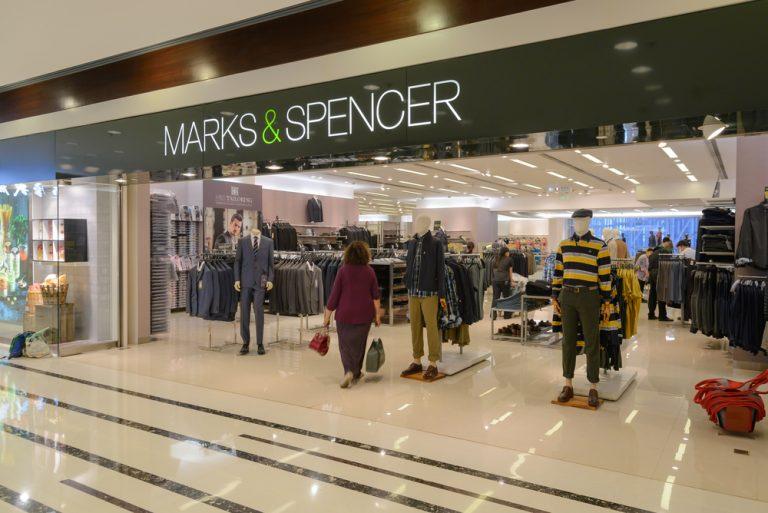
Moody’s (NYSE: MCO) have slashed the outlook for Marks & Spencer Group PLC (LON:MKS) and Aston Martin (LON:AML) as both firms have seen a tough few weeks of trading.

Aston Martin

Moody’s reiterated its negative outlook on Aston Martin, downgraded the company’s corporate family rating to Caa1 from B3 and probability of default rating to Caa1-PD from B3-PD.

Moody’s also downgraded the instrument ratings of Aston Martin Capital Holdings Ltd’s senior secured notes to Caa1 from B3.

“The downgrade reflects the weak profitability and low wholesale volumes in 2019 and particularly towards the end of the year,” said Tobias Wagner, a senior analyst at Moody’s.

“Cash flow for the second half of 2019 was also significantly below Moody’s expectations resulting in a lower starting point for liquidity as the company prepares for the critical DBX production ramp up and another year of significant investment spending,” Wagner added.

The negative outlook reflects the continued challenging overall market, uncertainty regarding the company’s performance in 2020, negative free cash flow and potentially further funding needs, Moody’s said.

A stabilization of the outlook would likely require a visibly improved liquidity and progress towards a more sustainable free cash flow profile, the ratings agency concluded.

Half year loss

The slowdown in performance really started with the firm’s half year results.

At the end of July, the firm made a pre-tax loss of £78.8 million, swinging to red from the £20.8 million pre-tax profit it had made during the same period the year prior.

The warning highlighted the challenging global macro-economic environment that was impacting the business.

“As described in our trading statement on 24 July, both our retail and wholesale volumes have increased year-on-year,” Dr Andy Palmer, Aston Martin Lagonda President and Group CEO, said in a company statement.

Q3 Loss

Aston also reported a third quarter loss a few months back, which alerted shareholders about the performance of the firm.

Aston Martin said that, for the three months to 30 September, loss before tax amounted to £13.5 million, compared to the £3.1 million profit generated during the same period a year prior.

“Tough trading conditions, particularly in the UK and Europe, persist and whilst retail sales have grown 13% year-to-date, wholesale volumes remain under pressure,” Dr Andy Palmer, Aston Martin Lagonda President and Group CEO, commented on the results.

“We remain pleased with the performance of DB11 and DBS Superleggera, however, the segment of the market in which Vantage competes is declining, and notwithstanding a growing market-share, Vantage demand remains weaker than our original plans,” Dr Andy Palmer continued.

January profit warning

At the start of this month, Aston Martin delivered a profit warning to shareholders which led to shares crashing.

The firm alluded to challenging trading conditions and as the firm continues to review its funding options.

The challenging trading conditions disclosed in November continued through the peak delivery period of December, Aston Martin said, resulting in lower sales, higher selling costs and lower margins.

The firm has said that 2019 adjusted earnings before interest, taxes, depreciation and amortisation to come in at a range between £130 million and £140 million.

This would lead to a margin between 12.5% and 13.5%, where as in 2018 adjust EBITDA totaled £247 million.

The firm said that wholesales declined 7% from a year ago, and this figure was 5,809 units.

Marks and Spencer

The ratings agency revised M&S’s outlook to negative, from stable but affirmed the company’s Baa3 senior unsecured ratings, which was something to hold onto.

David Beadle, Moody’s senior credit officer and lead analyst for M&S, said: “The negative outlook reflects the risk that the company’s profitability may continue to decline, notwithstanding the strategic efforts to reposition the business for sustainable growth.”

“The latest results highlight the challenges in Clothing & Home even though it is positive to note signs of progress in Food, cost control, and the decision last year to reduce dividends,” Beadle continued.

The company has cut its first half dividend, for the six months to September 28.

Marks cut their dividend by a massive 40% to 3.9p per share, something which has troubled shareholders.

Moody’s added: “There are however several areas where there are signs of progress. For example, Food like-for-likes remain positive, in contrast to some competitors, while the company’s confirmation that full year cost savings should be towards the higher end of its previous guidance range is credit positive. Moreover, Clothing & Home’s 1.7% like-for-like decline in the third quarter represents an improvement compared to recent quarters.”

A return to a stable outlook could occur if M&S is able to post “sustained positive like-for-likes” across both units, Moody’s said.

Festive trading slips

Last week, Marks saw their shares sink over 8% following a slump in UK sales.

The FTSE 250 listed firm said that performance has seen improvements on a like for like basis, however total sales declined in its Clothing and Home sector.

Notably, the period mentioned includes the festive holidays however British supermarkets seemed to have lost ground.

In the 13 weeks period which ended December 28 the firm said that its total UK sales dipped 0.6% year on year to £2.77 billion, however on a like for like basis this was a 0.2% rise.

Total sales were 0.7% lower at £3.02 billion, and this includes its international unit which saw a 2.3% fall in sales to £251 million.

The British supermarket mainly attributed its growth in UK trading to food unit, where sales climbed 1.5% year on year to £1.7 billion. Notably in the food unit, the firm saw a 1.4% rise on a like for like time scale.

The clothes unit, which contributed heavily to a slump back in November saw sales fall again by 3.7% to £1.06 billion and on a like for like basis sales fell 1.7%.

Notably, Marks fell victim to a retail slump which was experienced by both Tesco (LON:TSCO) and Sainsbury’s (LON:SBRY).

Profits plunge in November

In November, the firm reported a plunge in their profits which sent shares crashing.

Chief Executive Steve Rowe alluded to several factors which had caused the slump including blamed the 5.5% decline in like-for-like clothing sales in the first six months of its financial year on supply chain problems and buying errors that meant popular sizes quickly sold out in store and online.

M&S reported a 17% decline in pre-tax profits of £176.5 million on sales of £4.9 billion.

M&S said the store closures would reduce clothing sales by 2% rather than the 3% previously thought but warned that its profit margins would come under pressure in the second half.

After recovery was made by striking this deal with Ocado, the senior board at Marks and Spencer have other issues to attend to outside of poor business performance.

Additionally, the slump in clothing sales contributed to the poor performance in the online shopping sector where sales barely grew – an outcome it admitted was “less than planned”.

Store closures in May

In May, Marks and Spencer announced that they would be closing stores following a slip in performance in its full year results.

The retailer said that group revenue fell 3% to £10,377.3 million, compared to £10,698.2 million the year before.

Pre-tax profits fell 9.9% to £523.2 million, down from £580.9 million a year before. Meanwhile, like-for-like sales were also down 2.9%.

The company said that profits were impacted by £438.6 million in exceptional costs, including £222.1 million relating to its transformation plan.

UK Food revenue, one of the retailer’s biggest revenue drivers, fell 0.6%, with like-for-like revenue down 2.3%

Home and Clothing revenue, which has been struggling for several quarters, was down a further 2.9% largely as a result of store closures.

Looking at the performance over the last few months of both Marks and Spencer and Aston Martin, it is clear to see why Moody’s have slashed their outlook. Shareholders from both firms will be hoping that performance can be turned around in what seems to be a cut throat period of UK trading in a retail slump.


Charles Stanley finished the decade with a boost to its FUM

Investment management company Charles Stanley Group (LON: CAY) issued a positive update to round off 2019.

The company reported that revenues had jumped 14.2% year-on-year, from £37.4 million to £42.7 million. It said this was driven by increases in commission and fee income, which rose 19.5% and 13.5% respectively.

The Group added that its Funds under Management and Administration grew by 2.8% over the three month period, from £24.6 billion to £25.3 billion. It said this change reflected market improvement of £1.0 billion, which was offset by net outflows of £0.3 billion during the period.

Charles Stanley comments

Paul Abberley, Chief Executive Officer of the company, said, “Growth in FuMA over the third quarter mainly reflected market improvements. Group revenues have continued to improve year-on-year benefiting from higher trading volumes, market volumes and repricing, and our transformation programme is on track.”

Investor notes

AJ Bell PLC (LON: AJB) posted a strong full year, Monks Investment Trust PLC (LON: MNKS) underperformed, Investec plc (LON: INVP) sells its asset management division and Personal Assets Trust PLC (LON: PNL) provided a cautious update. Charles Stanley shares ralled 4.95% or 15.00p to 324.00p per share 14/01/19 14:00 GMT. Peel Hunt reiterated their ‘Buy’ stance on Charles Stanley stock, the company’s p/e ratio stands at 17.08 and their dividend yield is 2.75%.

United Oil and Gas agree extended deal with Tullow in Jamaica

United Oil and Gas (LON:UOG) have said that they have extended a production sharing agreement with Tullow Oil (LON:TLW) for operations in Jamaica.

The two parties have furthered talks for the Walton Morant offshore asset in Jamaica.

United holds a 20% interest in Walton, and said that the initial exploration period with Tullow has been extended to July 31 as it was due to expire at the end of this month.

Tullow on the other hand hold the remaining 80% stake, and have the ultimatum as to whether they would “drill or drop” the asset.

At the Colibiri project, United Oil have expressed interest that the joint von sure will bring an additional partner to drill in 2021.

United Oil Chief Executive Brian Larkin said: “We are very pleased with the extension that has been granted. We have seen additional interest in the licence towards the end of 2019, and this extension will allow those parties to fully evaluate this excellent opportunity.”

The company added: “A number of interested parties are continuing their evaluations of the licence data, and the extension was granted to provide sufficient time for these to be completed. The extension does not require any additional work programme commitments.”

United Oil and Gas continue to expand

Just before Christmas, United Oil and Gas outlined their intentions to acquire Rockhopper Egypt Ltd from Rockhopper Exploration PLC (LON:RKH).

United updated the market by saying that they had conditionally raised $6.3 million to part fund their purchase.

United Oil and Gas undertook a conditional equity offer, raising $6.3 million gross through the issue of 159.0 million new shares at 3 pence per share.

Additionally, 150.6 million were conditionally places by brokers Optiva Securities and Cenkos Securities PLC (LON:CNKS).

The funding package includes prepayment financing of up to $8 million from BP Group PLC (LON: BP) with which United Oil & Gas has entered an off take agreement for United’s future production.

At ASH-2, on the Abu Sennan concession, Rockhopper found 50 metres of net oil pay following the drilling of a hole 4,030 metres deep into the Alam El Bueib formation.

Rockhopper completed the well, perforated, and tested it, with “encouraging” results.

The move to join forces with Tullow, shows a vested interest for United Oil and Gas to expand, and shareholders would remain confident.

Positive update for Tullow

Tullow Oil have not had such an easy time off the last few weeks, as the firm saw its shares crash in December.

Pat McDade, along with exploration director Angus McCoss, said they had quit the firm.

The board said it was “disappointed by the performance of Tullow’s business”.

Tullow Oil saw more than £1.05 billion wiped off their market value in December, which left the company only valued at £801.7 million.

The firm has suspended its dividend to shareholders, and “now needs time to complete its thorough review of operations”.

Dorothy Thompson, the company’s chair, said: “Despite today’s announcement, the board strongly believes that Tullow has good assets and excellent people capable of delivering value for shareholders.

The company said it expects full-year net production to average around 87,000 barrels of oil per day, reiterating its guidance from November’s trading statement.

The company said it expects full-year net production to average around 87,000 barrels of oil per day, reiterating its guidance from last month’s trading statement.

The update for both firms today should be carried with positive sentiment, however an agreement will have to be made by July 31 before United bring in another partner drilling firm.

Shares in Tullow Oil trade at 59p (-4.88%). 14/1/20 14:33BST.

Shares in United Oil and Gas have slipped 2.35% across Tuesday trading to 3p. 14/1/20 14:33BST.