Babcock shares plummet after profitability review

0

Babcock shares plunged on Friday after the group reviewed its contract profitability.

Early indications of the review, carried out by PwC, suggest that the company could have “negative impacts on the balance sheet and/or income statement for current and/or future years”.

The review, which aims to be finished in time for full-year results, showed that the total order book for 2020 was down by nearly £1bn.

Operating profits fell from £320m to £202m. Underlying revenue was down by 3% to £3.4bn. Order intake year-to-date was £3.1bn. The group’s order book fell to £16.8bn from £17.6bn.

Chief executive David Lockwood said: “While trading in the third quarter has continued to reflect the challenges of the first half and there remain a number of near-term uncertainties, the fundamental strengths of the group and the opportunities ahead give us confidence for future years.”

Shore Capital analyst Robin Speakman said: “Whilst the trading picture and long-term outlook for Babcock appear as expected, immediate news flow remains challenging.”

Babcock shares are currently trading -15.96% at 221.44 (1204GMT). Shares have fallen 65% over the past 12 months.

Two Southeast Asia Funds for regional economic expansion

The Southeast Asian region encompasses some of the fastest growing frontier Asian economies, enjoying growth rates once only associated with China and longed for by India. Indeed, China’s success is now spilling over into these economies in the form of manufacturing migration and favourable demographics similar to India makes the Southeast Asia region ripe for growth.

The reinstatement of lockdowns in late 2020 will inevitably cause disruption to the growth trajectory in the very short term. However, this is likely to only be a blip in the longer-term expansion trend and heightened volatility could provide investors an entry to the sector.

The allocation of capital to Southeast Asian must be paid careful consideration as many products covering Southeast Asia have a large exposure to China and South Korea, which do not have same market dynamics as countries such as Vietnam, Thailand, Cambodia and Indonesia.

Barings ASEAN Frontier Fund

This fundamental bottom-up fund is one of the largest funds in this asset class with a NAV of some $352m.

The focus is on frontier Asian economies where they see favourable demographics such as Singapore, Thailand, the Philippines and Malaysia. 

Barings ASEAN Frontier’s largest holding is Singapore-based Sea Limited accounting for 8.8% of the fund. Sea Limited provides technology services across digital payments, gaming and e-commerce, and represents the wider adoption of technology in the region.

In the quarter to 30thSeptember, Sea Limited recorded a bumper 97% increase in revenue to $1.2bn, up from $610m a year prior.

The portfolio has a significant exposure to financials with 28% of the fund invested in the sector. The financial sector will act as a facilitator of growth in the region as well as being a major beneficiary as frontier economies expand. 

As the fund notes in its prospectus, the portfolio is set to benefit from a shift in manufacturing from China to the rest of Asia and the associated benefits in consumer spending.

Vietnam Holding

According to the World Bank, the Vietnamese economy is predicted to grow 6.8% in 2021, having grown 3% in 2020.

In addition to the expansion in GDP, Vietnam’s trade surplus is expanding driven by the increased manufacturing activity and exports that grew 7% in 2020.

This is bolstering the spending power of the Vietnamese consumer making the country an increasingly attractive destination for FDI.

Indeed, there have been numerous media reports suggesting Vietnam is beating India in the race to be Asia’s second major manufacturing hub behind China.

The strength of the Vietnamese economy makes London-listed Investment Trust Vietnam Holding (LON:VNH) an attractive option to capture growth in South East Asia. 

The trust, managed by Dynam Capital, focuses on high-growth Vietnamese companies well placed to benefit from Vietnam’s, and the entire Southeast Asian region’s, growth story.

Top holdings include Vietnam’s second largest bank by assets, Vietinbank, and leading industrial manufacturing Hoa Phat Group.

The impact of economic expansion is evident in these companies’ results after Vietinbank reported a 40% increase in profit before tax and Hoa Phat’s steel sales volume grew 22% year-on-year.

In addition to the healthy growth prospects of portfolio companies and Vietnam’s economy, Vietnam Holding trades at a 19% discount to NAV.

Leeds Group shares rally as group swings to profit

0

Leeds Group shares jumped 37.84% on Friday as the group share a trading update for the six months ended 30 November 2020.

Even though the pandemic continues to have impacts, sales in the first six months of the financial year were higher than expected. Sales at Hemmers jumped to £15.59m (2019: £14,52) and KMR sales climbed to £4,35m (2019: £4.07m).

In the second half of the year, tighter restrictions led to the closure of stores although online business is continuing.

Leeds Group made a pre-tax profit of £735,000, which is compared to the 2019 loss of £712,000.

“The effect of prior year cost cutting measures is now evident with a reduction in costs. Management is focused on aligning the business with sales demand and competing in markets where it can make acceptable margins,” said the group.

“Hemmers and KMR management will work hard to manage the situation and reduce all costs as far as possible given the reduced level of trading and both companies should benefit from any government financial support provided.”

Leeds Group are trading +48.11% at 27,40 (1040GMT).

Insurers to pay small firms for lockdown losses

0

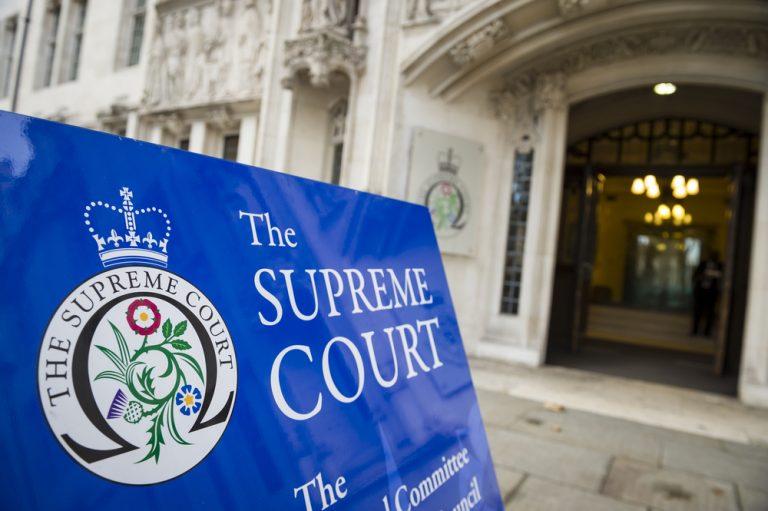
The UK Supreme Court has ruled in favour of small firms receiving insurance payouts to cover losses during the first national lockdown in the spring of last year. The ruling means insurance firms will have to pay out on previously-disputed coronavirus business interruption claims totalling at least £1.2bn.

Tens of thousands of businesses are expected to benefit, after the announcement on Friday morning following a court case launched by the Financial Conduct Authority (FCA), with 8 insurers taking part in the proceedings. The ruling is set to cost insurers hundreds of millions of pounds.

One of the insurers at the centre of the case is British-owned Hiscox, who were challenged by 30,000 policymakers on their mid-pandemic insurance policies. Other high-profile defendants included RSA, QBE, Argenta, Arch and MS Amlin.

In the 2020 spring lockdown – which lasted roughly from March until June – many small businesses made claims through business interruption insurance policies for loss of earnings when they had to close, but many insurers refused to pay out. They argued that there were few policies which were designed to cover such an unprecedented situation, and most cases were therefore ineligible.

The FCA took the matter to court, raising issue with a selection of policy wordings which had effectively ruled out small businesses receiving insurance payouts during the strict lockdown. The ruling has now redefined the parameters of what is considered a valid insurance claim in the context of the pandemic, and sets a precedent that could affect as many as 700 policies.

It now covers issues such as disease clauses – whether business were denied access to their properties – and the timing of lost earnings in respect to lockdown and tier restrictions.

One of the judges who presided over the case, Lord Briggs, said in the ruling: “On the insurers’ case, the cover apparently provided for business interruption caused by the effects of a national pandemic type of notifiable disease was in reality illusory, just when it might have been supposed to have been most needed by policyholders.

“That outcome seemed to me to be clearly contrary to the spirit and intent of the relevant provisions of the policies in issue”.

Huw Evans, director general of the Association of British Insurers, stated: “All valid claims will be settled as soon as possible and in many cases the process of settling claims has begun.

“We recognise this has been a particularly difficult time for many small businesses and naturally regret the Covid-19 restrictions have led to disputes with some customers”.

Celebrating the win, Richard Leedham – who represented the Hiscox Action Group – on behalf of small businesses, commented: “This is a landmark victory for a small group of businesses who took on a huge insurance player and have been fully vindicated”.

Biden unveils $1.9tn stimulus plan

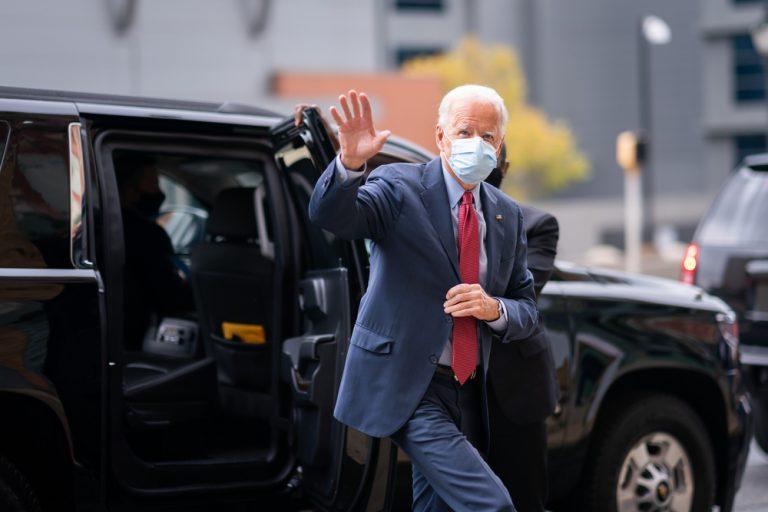
US President-elect Joe Biden has announced a $1.9tn economic relief package to boost the bruised American economy ahead of his inauguration next week.

Although the plan still needs to be approved by Congress before it is implemented, with the Democrats holding slim majorities in both the House of Representatives and the Senate – the first time the party has had control of both houses of Congress for a decade – it is expected that Biden’s proposal will pass, if with a little tussle from Republican senators who oppose its outlandish cost.

The package will include $415bn to pump into efforts to tackle the coronavirus pandemic, as well as a $440bn boost for small businesses, and direct cash payments of $1,400 – on top of the $600 already approved last month – to every “eligible” US adult to help mitigate the financial burden of Covid-19.

On top of this, Biden has pledged $20bn into making sure Americans get vaccinated against the virus, with the money being used to help set up mass vaccination centres and mobile units that can be used to reach remote parts of the country. The package also calls for an additional $50bn to expand testing and $130bn to help most schools reopen by the spring, as well as funds set aside to aid the hiring of 100,000 public health workers for contact tracing.

There are currently nearly 11 million people unemployed across the country, but Biden’s proposed package would see supplemental jobless benefits increase to $400 a week from $300 a week and also be extended until September. Evictions and home repossessions are also expected to be paused.

Among the more popular of Biden’s pledges is the plan to introduce a bill to Congress that could see the federal minimum wage doubled to $15 per hour – a Democrat commitment which predates the pandemic – although this one is probably going to face a lot of obstruction from the Republican party.

The Dow Jones was on the subdued side on Friday morning despite Biden’s stimulus plan announcement, actually slipping a bit, although this can most likely be attributed to yesterday’s news that US jobless claims have surged to their highest level since August 2020.

Commenting on the market’s week-end performance, Spreadex‘s financial analyst Connor Campbell weighed in:

“It seems the market’s view is that it is all well and good promising such stimulus – now Biden needs to get it through a precariously balanced, and distracted, Senate. If the incoming President can achieve that, then investors might be in the mood to celebrate.

“At the moment the Dow Jones doesn’t seem ready to applaud Biden’s stimulus plans, especially in light of Thursday’s jobless claims reading, which neared 1 million for the first time since the end of August. 

“Instead the Dow is facing a 100 point decline after the bell rings stateside, a loss that would leave it a fraction above 30,900. 

“One thing that could change the complexion of this afternoon’s trading is the US retail sales numbers for December.  The standard reading is set to rise from -1.1% to 0.0% month-on-month, with the core figure up from -0.9% to -0.1%. Beats for either of those could put a smile on the Dow’s face”.

The Gym Group revenue falls 48% amid restrictions

0

The Gym Group shares opened higher on Friday after the group shared a trading update for the year ended 31 December 2020.

The company, which owns 184 low cost gyms, revealed total revenue to fall from £153.1m in 2019 to £80.5m as it lost 45% of the trading days in the year amid government restrictions.

The Gym Group has started talks with lenders. It said in the update: “Given the ongoing impact from the latest lockdown and its implications for the operational reopening of our gyms, we have started discussions with our lending banks, who continue to be supportive, to review the future covenant tests relating to this facility.”

The company’s memberships fell from 794,000 to 578,000. All memberships have been frozen so that members do not pay whilst the gym is closed.

Richard Darwin, the chief executive, commented: “2020 has been a challenging year for our business, our members and our colleagues. Through the outstanding work of our team we provided a COVID-secure exercise environment for our members and demonstrated the resilience of our business model by trading profitably when gyms have been open.

“Our cash management during the pandemic has ensured we ended 2020 with manageable levels of debt and significant liquidity. At a time when health and fitness has never been more important to the nation, we are ready to emerge from the pandemic and take advantage of the many opportunities available us.”

Despite the difficult year, the Gym Group opened eight new sites last year and is onsite with a further three sites in York, Sydenham and Cambridge.

The group said that it “continues to see an opportunity to access excellent new sites at attractive rents; we are building a strong pipeline for 2021 and beyond and we will continue to progress new leases during this current period of lockdown. We will determine the timing of the rollout programme once there is greater visibility about a reopening date for gyms.”

The Gym Group shares are trading +1.66% at 221,61 (1007GMT).

Boohoo sales surge 40% ahead of Christmas

0

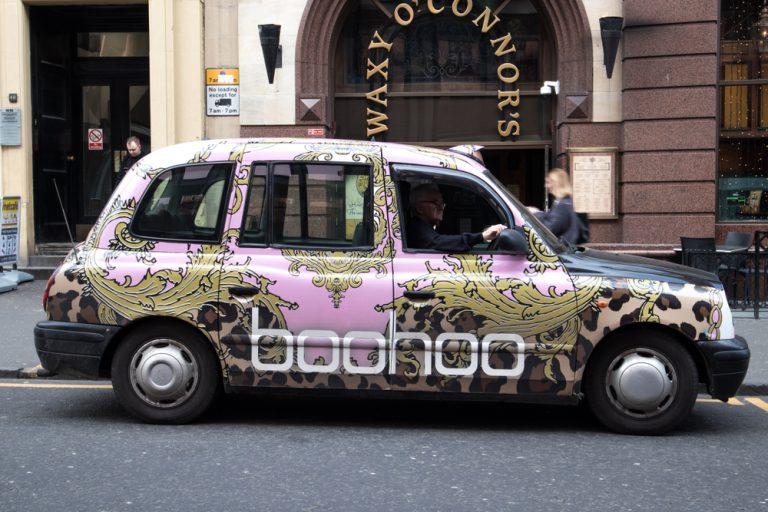
Boohoo sales surged 40% to £661m in the four months to 31 December.

The group is seeing strong sales over the pandemic and more people turn to online shopping as high street stores close.

The surge in sales is despite the poor working conditions for employees in the UK and abroad. An investigation by the Guardian found that Boohoo factories in Leicester were not paying workers the minimum wage.

The online retailer has hired Leveson to “bring transparency and independence” to their “agenda for change”. In today’s comments on the Agenda for Change, Leveson said: “It is clear that there is a long way to go.”

Following the strong peak trading performance, Boohoo revenue growth for the financial year to 28 February 2021 is expected to be 36% to 38%, ahead of our previous guidance of 28% to 32%.

John Lyttle, Boohoo chief executive, commented: “I’m delighted with the Group’s performance over the peak trading period. Our team worked exceptionally hard in 2020 as we navigated the many challenges, including the COVID-19 pandemic and the successful acquisitionand integration of Oasis and Warehouse.

“Growth has been strong across our multi-brand platform and we have continued to grow our market share across all geographies. I’m pleased to be able to provide a further update on our Agenda for Change programme today, which demonstrates our ongoing commitment to transparency as we invest in our approach to sustainability and our supply chain for the benefit of all of the Group’s stakeholders. The Group is in an excellent position entering 2021, which we expect to be another year of progress towards our goal
of leading the fashion e-commerce market globally.”

Boohoo shares (LON: BOO) are trading -3.47% at 339,00 (0937GMT).

GDP fell 2.6% during November lockdown

0

The UK GDP fell 2.6% in November’s second national lockdown.

In what could be the first step towards a double-dip recession, the economy was halted and the six consecutive months of growth have come to an end.

Whilst the economy may have shrunk, it is not by as much as the 5.7% that economists had expected.

“Following six consecutive monthly increases, including an upwardly revised 0.6% increase in October, real gross domestic product (GDP) fell by 2.6% in November 2020,” said the ONS.

“Restrictions were in place to varying degrees across all four nations of the UK during November.”

The new statistic show that the economy was 8.5% smaller in November than it was in the month before the pandemic.

The biggest fall was in the service sector. As pubs and restaurants closed, the sector shrank by 3.4%. Production was down 0.1% whilst construction grew by 1.9%.

The ONS commented: “There were falls in output in all 14 services sub-sectors between October and November 2020. The largest contributor to this fall was accommodation and food service activities, followed by wholesale and retail trade, other service activities and arts, entertainment and recreation, because of the reintroduction of restrictions in some parts of the UK. These four sectors accounted for nearly 80% of the fall in services.”

Rishi Sunak commented on what the new GDP figures meant for the country: “It’s clear things will get harder before they get better and today’s figures highlight the scale of the challenge we face.

“But there are reasons to be hopeful- our vaccine roll-out is well underway and through our Plan for Jobs we’re creating new opportunities for those most in need. With this support, and the resilience and enterprise of the British people, we will get through this,” he added.

Douglas Grant, is the Director of Conister, part of AIM listed Manx Financial Group. He commented on the new GDP figures: “While the economic contraction in November was expected as most of the UK entered a second lockdown, the drop in output is still a cause for concern for many businesses and reflects the dire situation that they are now facing. We must now ensure that the financial security of those businesses that are sustainable can flourish in the future.

“Up until now, the BBLS and CBILS have performed a fundamental role in keeping many SMEs alive and acted as an important triage system to identify and support qualifying businesses needing credit. However, we believe that we have now passed this phase and we must recognise that many businesses will not survive this pandemic, particularly those with an unsustainable debt burden. It is imperative for the future that we now focus on identifying and protecting our most resilient business sectors.”

Equities bullish ahead of stimulus announcement

0

Equities around the world rose on ‘Super Thursday’ as a slew of major companies posted festive trade updates, and anticipation continues to mount for the announcement of President-elect Joe Biden’s stimulus package.

With inauguration day fast approaching, it is expected that the new administration is ready to implement the multi-trillion dollar package passed by the House of Representatives towards the end of 2020 as well as a pledge of $1,400 stimulus checks to take the $600 payments approved by Trump’s team before Christmas up to a total of $2,000.

Global equities are broadly trekking upwards, as the Dow Jones (INDEXDJX:.DJI) looks to be on track for a record close after climbing 128 points on Thursday – floating near 31,200 – and the DAX (INDEXDB:DAX) and the CAC (INDEXEURO:PX1) both up 0.55% and 0.47% respectively.

The FTSE (INDEXFTSE:UKX) is also up a modest 0.71% to 6793.50 points as of GMT 15:36, buoyed by the news that the pound is set to close at its best price against the euro since early June.

Commenting on how equities are behaving across the pond, Spreadex‘s financial analyst Connor Campbell said:

“Hopefully not setting themselves up for disappointment, the Western markets rose on Thursday in anticipation of Joe Biden’s stimulus package announcement.

“We are now less than a week away from inauguration day. And though Donald Trump continues to eat up airtime despite the clock rapidly running out on his particularly grim chapter of modern American politics, the incoming administration is ready to go on the fiscal offensive from Day 1.

“Most relevant to the markets is size and scope of the relief plan the Democrats put together. It is likely Biden and co. will return to the multi-trillion dollar package passed by the House of Representatives in the latter portion of last year – if not the full $2.2 trillion sum – as well as an additional commitment to a round of $1,400 stimulus checks to compliment the paltry $600 payments approved pre-Christmas.

“The Democrats have the Senate and the House. But their control of the former is mighty slim, so this, more so than the impeachment process, will be the first real test of their ability to get things done over the new few years. That slight hesitance explains why the Dow Jones is warm rather than red hot. Flirting with 31,200, the Dow climbed 125 points, and could well be on track for another record close if Biden delivers”.

In terms of UK markets, stocks generally look rosy on the back of optimistic trade updates from some major British companies, such as Halfords (LON:HFD) and Taylor Wimpey (LON:TW).

“It is a rare sight to see the FTSE rising 0.6%,” Campbell adds, “as sterling takes 0.5% off its single currency rival and 0.2% off the greenback. As the UK index approaches 6,800 – a better reaction to Tesco’s latest figures could’ve given it the extra oomph it needs to hit that level – the pound is preparing to close at its best price since early June against the euro”.

Silver set to outperform gold in 2021

Swiss investment bank UBS has announced that it expects silver to outperform gold in 2021, following a year which saw “safe haven” precious metals hit record highs and reap the benefits of global stock market volatility.

2020 was a remarkable year for gold, which surged to a record high of $2,075 in August after one of its longest price rallies in history. With pessimism weighing down equities around the world as a result of the Covid-19 pandemic, investors increasingly looked to gold – which usually, but not always, appreciates in value during periods of economic turbulence – to balance their books.

Now, as gold extends a month-long dip in value, strategists at UBS’s Global Wealth Management team have warned that they do not expect the precious metal to repeat its 2020 arc, but that silver is ripe for its chance to shine – and may well outperform gold entirely.

As the economy gradually improves in 2021, UBS predicts that increased industrial demand will support silver prices, especially considering a greater focus from policymakers on renewable energy and decarbonisation efforts in 2021. According to UBS, more than 50% of silver used in industrial applications is linked to solar panels and electronics, both of which are crucial for the trend towards green technology.

The UBS strategists expect silver prices to reach $30 per ounce by the end of the first quarter and eventually level off to $27 per ounce by the end of 2021. It is is currently trading at around $25 per ounce.

Meanwhile, UBS expects that gold will struggle to attract “sufficient” ETF inflows to sustain prices above $1,900, with the firm estimating the asset will finish 2021 2.5% lower than current levels, at $1,800 per ounce.

UBS added that ongoing dollar weakness and low real interest rates will keep all precious metals prices elevated in the first quarter of 2021, but that gold will weaken in the second quarter as the macroeconomic backdrop improves and the Federal Reserve – as well as the Bank of England – begin to taper their quantitative easing programmes.