
Travis Perkins shares fall on 80% profit plunge
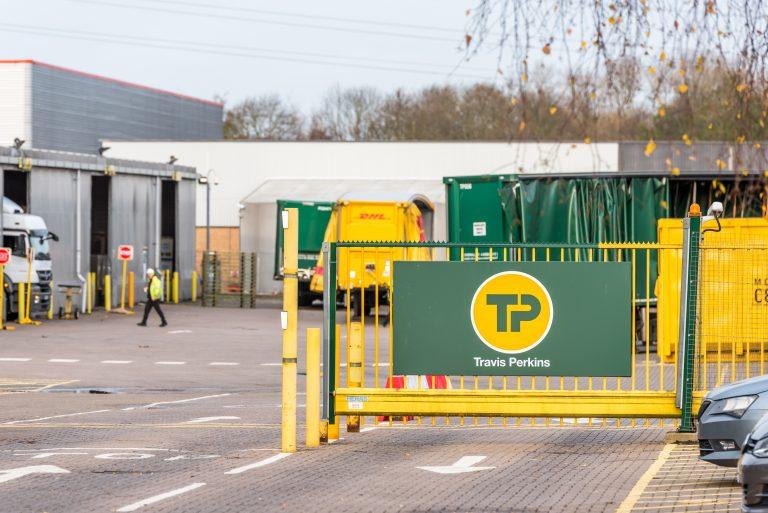
Travis Perkins shares (LON: TPK) shares fell on Tuesday after the group revealed an 80% fall in profits for the first six months of the year, as the Coronavirus pandemic halted construction work.
The builders’ merchant saw revenue fall 20% from the same period last year to £2.8bn.
Travis Perkins has over 2,000 sites and branches across the UK, which closed during lockdown – putting construction on pause.
The group has said that an ongoing restructuring programme will save £120m annually. This include shutting 165 branches and axing 2,500 jobs.
The company has said it will not pay an interim dividend.
Nick Roberts, the group’s chief, commented: “Throughout the pandemic, the health and safety of our colleagues and customers has been our primary concern.
“Customer interactions have changed significantly resulting in changes to the way we do business, from increased activity through digital channels through to alterations to our physical store formats in order to maintain safe working practices.
“Although our financial performance in the first half of 2020 was impacted by the Covid-19 pandemic, and we have had to undertake a restructuring programme in light of the challenging outlook for the Group‟s end markets, we have made significant strategic and operational progress against the four strategic priorities we outlined at our full year results in March 2020.
“Although considerable uncertainty around the impact of the COVID-19 pandemic remains, the actions we have taken to adapt and innovate in our businesses mean that the Group is well 2 placed to continue to service our customers, support our colleagues, outperform our markets and generate value for our shareholders,” he added.
Travis Perkins (LON: TPK) shares fell on Tuesday morning by 6% (0832GMT).
FTSE soars as the Pound falls on No-Deal Brexit jitters

UK prime minister Boris Johnson hinted that he might renege on January’s Withdrawal Agreement, and in doing so, renewed predictions that a No-Deal Brexit would be the most likely outcome of negotiations with the EU. Also on Monday, a Europe-wide equities rally was led by a booming FTSE. The index had been somewhat spurred on by a fall in the Pound Sterling – which was hampered by the rising tensions between Downing Street and Brussels.
Following the news of more diplomatic loggerheads, the pound sank 0.7% against the euro, down to 1.11, and 0.8% against the dollar, falling to 1.32. The latter fall sees cable at its worst price in over two weeks, with plenty of legroom to sink lower still.
With the start of the week undoing much of the good work done by the Pound Sterling during August, further discussions over the sensitive Irish border issue will no doubt prolong the awkwardness of the increasingly likely outcome (Britain leaving without a deal).
Despite the political bitterness and the glumness of the Pound, the FTSE proved eager to lead the pack in the Monday equities rally. With the US taking a day off, the FTSE bounced off of the news of Chinese exports hitting a 17-month-high and the Pound sinking, and booked a noteworthy 2.5% rally, up to 5935 points.
Still shy of its its recent 6500 point high in mid-June, political tensions will now dictate how much wiggle room the British index has to move upwards. Unfortunately, with Coronavirus likely ceding some media attention to renewed Brexit coverage, any hopes of recovering to the January 7,600 point highs in the near future, seem like little more than a fool’s hope.
Speaking on wider market sentiment and progress in Eurozone equities, Spreadex Financial Analyst Connor Campbell stated:
“The Eurozone indices were no slouches themselves, even when factoring in the euro’s gains against the pound. That Chinese export news helped, and the absence of the US, helped erase some of the bearish sentiment that arose at the end of last week, pushing the DAX and CAC up 2.3% and 2.2% respectively.”
“Now Europe needs to hope that the Dow Jones et al. are feeling similarly perky when they return from their Labor Day weekend break tomorrow.”
UK house prices hit record high, new report says

A widely-followed monthly report by money-lender Halifax has revealed that the average UK house price has risen to a record high of £245,747 in August 2020, making it the largest monthly leap since 2016.
Halifax’s House Price Index showed that house prices had risen 1.6% since July 2020, and overall 5.2% on this time last year.
The property market has seen a marked boom in recent months with a surge in demand following the easing of lockdown restrictions and the introduction of Chancellor Rishi Sunak’s stamp duty holiday.
An estimated total of 89% of all property sales in the UK are eligible for the scheme, as part of a drive to lift the property market out of the coronavirus-induced stalemate.
Last week, Yahoo Finance reported that rival lender Nationwide had published figures stating that house prices had hit the highest point in 16 years, as mounting evidence suggests an emerging “mini-boom” in the market.
Bloomberg also stated that property firm RightMove said “the value of agreed sales jumped to the highest in a decade in July and Bank of England data showed mortgage approvals rising”.
As many as 1 in 7 homes are selling in just one week – more than double the rate at this time in 2019.
Larger houses were also selling especially well, with RightMove citing the increasing move towards working from home as the driving force behind buyers seeking additional office space, as well as coastal and rural properties to get away from the city.
Three bedroom, semi-detached and four bedroom detached houses are currently seeing the greatest demand. Meanwhile, Sunak’s attempts to jumpstart the market have failed to fuel movement in London, where properties are taking the longest to sell.
The recent surge in activity is unlikely to last, however, with Halifax’s managing director, Russell Galley, urging caution over hopes that the upward trajectory may be exponential:
“A surge in market activity has driven up house prices through the post-lockdown summer period, fuelled by the release of pent-up demand, a strong desire among some buyers to move to bigger properties, and of course the temporary cut to stamp duty.
“Notwithstanding the various positive factors supporting the market in the short term, it remains highly unlikely that this level of price inflation will be sustained. The macroeconomic picture in the UK should become clearer over the next few months as various government support measures come to an end, and the true scale of the impact of the pandemic on the labour market becomes apparent”.
“It remains highly unlikely that this level of price inflation will be sustained,” Galley insists. “With most economic commentators believing that unemployment will continue to rise, we do expect greater downward pressure on house prices”.
Rumours swirl of Thomas Cook relaunch “within days”
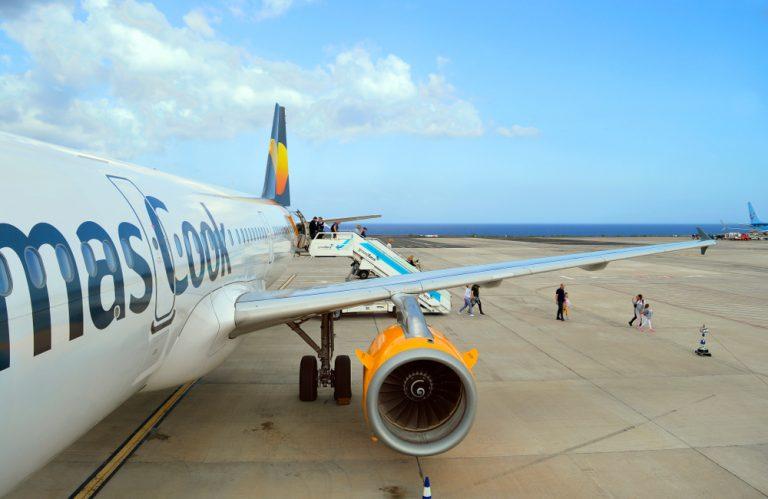
According to an article by Sky News this afternoon, doomed travel agent Thomas Cook could be set to make a revival as soon as this month, as Chinese owner Fosun toys with relaunch plans.
An announcement is expected in the coming days, but is highly subject to the “introduction of any further quarantining restrictions on British citizens” as well as needing to secure the required regulatory approvals.
If the relaunch does go ahead, it would roughly mark the 1-year anniversary of Thomas Cook’s collapse last September, when the brand was bought out of administration by Fosun for £11 million.
The subsequent chaos led to the UK government having to step in amidst the largest peacetime repatriation effort – and the largest overall since World War II – to organise travel for millions of stranded British citizens around the world.
Back in January, The Times reported that there were existing plans to rebrand Thomas Cook as an “online travel agent”, with the aim to relaunch sometime during June this year.
With the enormous impact of the coronavirus pandemic on the aviation and travel industries, it was largely expected that Fosun would shelve its plans – or at least significantly postpone them – until demand returned to pre-Covid levels.
News of the relaunch therefore has come as a bit of a surprise, with a source close to Thomas Cook telling Yahoo Finance that there is “still a huge amount of uncertainty surrounding the timing”.
“The travel industry has been battered by the COVID-19 pandemic and fast-changing travel restrictions in the UK have created headaches for operators”.
Nevertheless, the source emphasised that there had been “no secret” that Fosun were seeking to relaunch Thomas Cook as an online brand at the earliest opportunity, and told Sky News that plans for the brand to reemerge with a “refreshed” image are already at an “advanced stage”.
The relaunch would likely mean that Thomas Cook would not operate its own airline, high street stores or hotels, and would be “closely watched by rivals” for its performance in its maiden months as travel demand slowly creeps back to pre-pandemic levels.
A spokesperson for the brand declined to respond to Sky News on request.
Pizza Express to close 73 stores amid major restructuring

High street Italian chain Pizza Express (HKG:3396) has revealed that it is set to close 73 stores across the UK – jeopardising as many as 1,100 jobs – as part of a major restructuring plan after creditors approved a rescue deal.
The brand is owned by Beijing-based Hony Capital, which bought Pizza Express for £900 million in 2014.
Last month it was reported that the chain was in talks to announce a company voluntary agreement (CVA) – a form of insolvency – to discuss repayment of its hefty £1 billion debt with creditors on more favourable terms.
The family favourite brand had already planned to shut 67 of its 449 outlets worldwide, but the new arrangement requires that 73 UK sites close their doors for good – including the flagship Pizza Express restaurant in London’s Soho, which opened back in 1965.
Creditors voted 89% in favour of the CVA deal, stating that it would potentially create a further 9,000 jobs in the UK, but admitted that more than 1,000 roles would be lost as collateral amid the restructure.
According to an article in The Guardian, the restructure is expected to help cut the firm’s debt down to £319 million, as well as potentially “hand control to its bondholders in a debt-for-equity swap”.
An additional £144 million will be pumped in to help reopen sites which were forced to shut in March after the UK government imposed lockdown restrictions on the hospitality industry.
In early August, Pizza Express revealed that it had sought advisors from financial advisory firm Lazard to help secure a sale – orchestrated separately from the restructuring plan – with the hope of selling its business in China amid a drive to open more sites on the mainland.
The company has assured that it will be looking for redeployment opportunities for staff affected by the closures.
Blackbird revenues jump 49% with video-makers working from home

Developer of cloud video editing service, Blackbird PLC (AIM:BIRD), booked notable improvements in its financial fundamentals, as media outlets opted to use its software while working from home.
The company recorded ‘record’ revenues of £714,000 during the six month period ended 30 June 2020, up 49% year-on-year from £479,000 for the previous first half period. Similarly, the group noted a 54% jump in contracted but unrecognised revenues, up from £1.21 million to £1.86 million.
This progress was led by developments such as; A+E broadcasting doubling the volume of videos edited using the Blackbird platform; a three-year deal signed with esports specialists Venn; Liverpool FC and Arsenal FC using the platform for remote working solutions; and deal renewals with Deltatre, MSG Networks and Gfinity.
Further, the company also recorded reductions across its loss margins. Indeed, its EBITDA loss fell by 30% year-on-year, from £1.02 million, to £714,000. Similarly, net losses before tax fell from £1.19 million during H1 2019, to £942,000 for H1 2020.
Aside from improvements in demand, the company’s trajectory towards profit-making has been led by its ability to better-conserve cash. Indeed, it reduced its operating costs from £1.42 million to £1.36 million year-on-year. Also, it reduced its cash burn rate by 31% – excluding proceeds form share issues – which saw it fall to £846,000 for the six month period, down from £1.24 million.
Blackbird response
Commenting on the performance, company CEO Ian McDonough stated:“I am pleased to deliver record revenues for the six-month period of £714k, up 49% year on year. This accelerated performance has come despite the Covid lockdown, proving the resilience of our operating model and whilst moving the Blackbird team fully to remote working. It has also enabled our customers to continue their operations remotely and, at the same time, ensure the safety of their staff. I am genuinely excited about the future prospects for the Company and made a further significant investment in the Company in April 2020. As we continue to execute the next stage of our strategy and Blackbird becomes more widely adopted, I look forward to delivering further good news and strong results to the market.”
Investor notes
Following the update, Blackbrid shares fell 5.33% or 1.15p, to 20.36p a share 07/09/20 12:50 BST. This is down from its year-to-date high of 21.50p on 4 September 2020, but far ahead of its year-to-date low of 7.25p 07/09/20 13:21 BST. The company’s p/e ratio is -29.23.Destiny Pharma receives grant for Covid-19 treatment, shares soar
Clinical biotechnology firm Destiny Pharma plc (AIM:DEST) has seen its shares soar by more than 14% after the company announced it has received an £800,000 grant from the country’s leading innovation agency Innovate UK to help develop a novel, preventative treatment for COVID-19.
The programme will see Destiny Pharma work alongside London-based biotechnology research company SporeGen® Limited to co-develop its SPOR-COVTM product into a potential treatment as part of the global effort to find effective treatment and a vaccine for the pervasive coronavirus infection.
Both Destiny Pharmacy and SporeGen® have announced that they will share “any costs and commercial returns” from SPOR-COV, with the aim to enter the first human clinical trials “within 18 months”.
What is SPOR-COV?
SPOR‑COV, already produced by SporeGen®, is a proprietary formulation of Bacillus bacteria that can be administered nasally as a spray to infected patients.
Although the product is still in development, SPOR-COV has already been shown to provide 100% protection in pre-clinical models of influenza-type viruses.
It is unique to current vaccines on the market in that it utilises the “innate immune system” in order to develop COVID-19 protection just a few days after the initial dose. SporeGen® has described SPOR-COV as an “easy to use first line of defence” with “the potential to reduce COVID-19 infection rates and transmission significantly”. It is hoped that the final product will be “straightforward to produce at high volumes and at low cost”, with the added bonus that it can be stockpiled for an almost indefinite length of time as it does not require refrigeration. In addition, SPOR-COV could be made available globally as “a cost-effective measure in the fight against COVID-19 as well as new COVID strains and other respiratory viral infections”.Details of the £800,000 grant
Destiny Pharma and SporeGen® have received an £800,000 grant from Innovate UK to help fund the SPOR-COV programme, which will make up the vast majority of the initial £1 million cost of production. The “preclinical efficacy work” will be undertaken in collaboration with esteemed Professor Aras Kadioglu (University of Liverpool, Professor of Bacterial Pathogenesis in the Department of Clinical Infection, Microbiology & Immunology), who is currently head of Liverpool’s Bacterial Pathogenesis and Immunity group and is a “leading expert in respiratory infection models and host immunity to infection”. The “manufacturing and formulation development work” will be carried out by HURO – an “experienced manufacturer of bacterial product formulations based in Vietnam” – best known for their chewable probiotics dummies, and a subsidiary of food-processing firm PAN Group. The programme aims to complete the necessary pre-clinical safety studies over the next 18 months before moving onto human trials.Destiny Pharma and SporeGen® react
Both firms have welcomed the grant, expressing their gratitude towards Innovate UK as well as their hopes that SPOR-COV can be developed into an effective treatment for COVID-19.
Professor Simon Cutting, Chief Executive of SporeGen®, stated:
“The SPOR-COV platform has already been shown to be effective against pandemic flu by targeting the innate immune system. As such, SPOR-COV potentially has value as a universal system for combatting other viral diseases such as COVID-19. If successful, we foresee a novel approach against COVID-19 and for future, similar pandemics. […] Prima facie our approach is simple and offers a potential new approach in the fight against one of the most serious diseases to afflict mankind”.
Neil Clark, Chief Executive Officer of Destiny Pharma, said:
“We are excited to announce the collaboration with SporeGen to co-develop their SPOR-COV product to prevent COVID-19 infections and the concurrent award of significant grant funding from Innovate UK. […] The ongoing coronavirus pandemic has highlighted powerfully the need for innovation in developing new treatments to prevent and manage both viral and bacterial infections and Destiny Pharma remains committed to developing cost-effective products that meet this medical need”.
Investor insight
Destiny Pharma’s share price has soared 14.08% to 55.90p at BST 13:01 07/09/20, hitting its highest point all year and clambering from its annual low of 29.00p at the end of July.Touchstar shares drop more than 12% as revenues fall

Mobile data computing solutions company Touchstar PLC (AIM:TST) saw its shares slide during Monday trading, with first half sales hampered by ‘crisis conditions’.
Revenues for the first half of the year ended 30 June 2020 finished at £3.18 million, down from the previous first half sales figure of £3.64 million. Similarly, its revenue from continuing operations also fell, down from £3.37 million to £3.18 million.
Despite these falls, Touchstar pulled off a remarkable turnaround, swinging from a £518,000 operating loss during H1 2019, to a £139,000 profit during H1 2020. Further, it swung from a trading loss before exceptional items of £215,000 and a loss after tax of £357,000, to a trading profit before exceptional items of £139,000 and a profit before tax of £150,000.
Shareholders also enjoyed a turnaround in fortunes, with basic earnings per share swinging from a 4.21p loss to a 1.77p profit year-on-year.
Also, the company’s overall balance sheet was far more upbeat at the end of the recent half-year period, with £1.46 million in cash versus a £204,000 overdraft at the end of the previous half-year.
Touchstar response
Responding to a challenging period of pandemic trading, and the turnaround in the Group’s financials, company Chairman, Ian Martin, commented:“Touchstar came into 2020 with momentum from a strong order book, clear strategic plans and a solid balance sheet. In the six months ended 30 June 2020 we have had to demonstrate resilience under crisis conditions. It is a real achievement that Touchstar traded profitably, generated cash, supported customers and most importantly looked after staff in a period of a global pandemic and the largest economic contraction in a generation – these are not normal times.”
“We continue to outperform the road map we put in place in February to navigate the business through until 2022.”
“Our motivation is not just to be a survivor of this crisis, the ambition is to emerge with solid finances, improved products, all our talent and renewed energy – we remain on track.”
Investor notes
Despite some considerable and positive takeaways, the downturn in Touchstar revenues saw the company’s shares fall 12.38% or 6.50p, to 46.00p per share 07/09/20 12:00 GMT, following the publication of its results on Monday. This price is well ahead of its year-to-date nadir of 22.50p on March 24, but shy of its year-to-date high of 61.50p on August 19. The company’s market cap currently stands at £3.98 million.ValiRx shares climb 12% as fund raising rises and costs fall

Biotechnology and life sciences company ValiRx plc (AIM:VAL) saw its shares bounce on Monday morning, as the company booked a rise in placings and reduced costs during the six month period ended June 30 2020.
The company noted that it raised £1.4 million in its share placings, up from £1.2 million for the previous first half period in 2019. Most notable, however, were the company’s cost reductions, with R&D costs down from £207,000 to £100,000 year-on-year, and administrative expenses falling from £865,000 to £792,000 during the same comparison.
The company did note a £118,000 loss on the disposal of FitBio and Trac, and in turn a total comprehensive loss of £805,000, widening from £751,000 for H1 2019. However, its losses before income tax narrowed from £927,000 to £885,000 year-on-year, while shareholders’ loss per share fell from 13.57p to 4.43p.
Also positive is that the company’s cash position at period end was positive £259,000, up from £171,000 at the end of the previous first half.
ValiRx response
Commenting on the results, company Non-Executive Chairman Dr Kevin Cox commented:“Throughout the reporting period, ValiRx experienced a number of significant changes, including changes to the Board, the management team, the underlying cost base and the long-term strategy. Having raised additional funds, the Company is now in a strong position to continue development of existing products and create a pipeline of novel compounds for further development and partnering. I look forward to working with the Board to continue building value in the Company and delivering on the mission of developing innovative medicines to improve the lives of patients.”
Investor notes
Following the news, ValiRx shares bounced 12.00% or 24.70p, to 28.00p per share 12:00 GMT 07/09/20. This price represents a 24.44% jump from the share price one year ago on this day. The company currently has a market cap of £16.13 million.Primark sales “exceed expectations” amid encouraging trade update
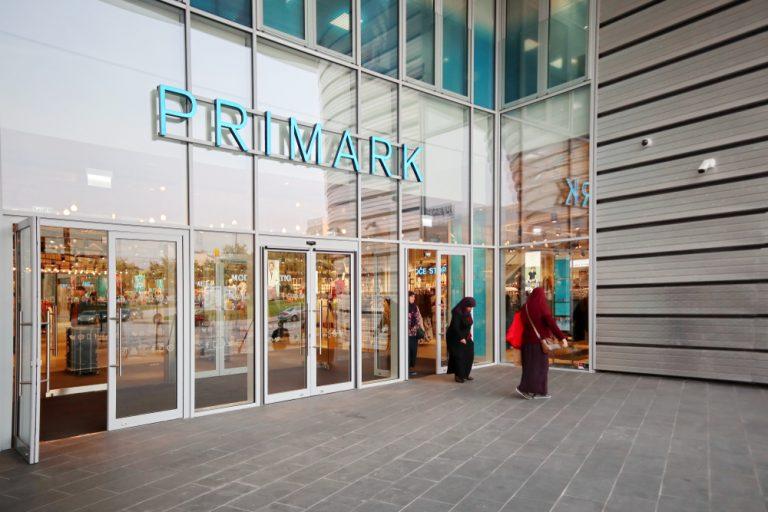
Primark owner Associated British Foods plc (LON:ABF) has released its pre-close trading update for the full year ending September 2020, with emphasis on Primark’s “strong” performance in the fourth quarter, despite the looming impact of the coronavirus pandemic on retail sales.
All Primark stores across the UK were reopened in staggered phases between May, June and July. AB Foods has remained steadfast on its promise not to reduce prices to help shift stock that piled up during lockdown, and despite some initial criticism, the move appears not to have significantly hurt Primark’s reopening sales.
Cumulative sales are predicted to reach £2 billion by the end of the year, and AB Foods was keen to praise Primark’s warm welcome back onto the high street. Nevertheless, sales were still down 12% year-on-year, no doubt as a result of nationwide store closures during the peak of the coronavirus pandemic.
“We have traded strongly, attracting customers with our value-for-money offering and a welcoming and safe store environment. […] We have seen increasing numbers of transactions driven by footfall. The average basket size was initially significantly higher than last year, reflecting some pent-up demand, and while this outperformance has reduced in recent weeks it remains higher than a year ago. We have continued our policy of offering the best prices, and markdowns for the period since reopening have been low”.
The retailer’s adjusted operating profit is now expected to emerge “at the top end” of AB Foods’ previous projected range of £300-350 million. Last year, the equivalent figure stood at £913 million.
Despite the pandemic, AB Foods said that Primark’s performance since reopening has been “reassuring and encouraging”, but emphasised that its largest city centre stores – in London, Manchester and Birmingham – were especially hard hit due to the decline in tourism and commuting.
Primark’s 16 largest stores across the UK made up 13% of total pre-coronavirus sales, and have only managed to claw back some 8% since reopening.
However, the latest four-week UK Market data collated by AB Foods indicates that Primark has achieved its highest ever value and volume shares for this time of year, and “stronger than expected trading” has allowed the retailer to sell the majority of its summer stock.
As a result, the book value of Primark’s spring/summer 2021 inventory is now expected to be around £150 million – much lower than previous estimates – and total year-end inventory levels will also be lower than predicted.
Meanwhile, Primark has launched a recycling programme across the UK, stationing collection boxes across its UK stores for customers to deposit “pre-loved clothes, textiles, footwear and bags from any brand”, with all donated items to be “reused, recycled or repurposed, with nothing going to landfill”.
Profits from the programme are to be distributed to global children’s charity UNICEF.
Shares at AB Foods have jumped 2.02% to 2068.00p at BST 11:40 07/09/20 on the back of the encouraging trading update, still significantly down from the year-high of 2,730.00p and nearly 15% less year-on-year, but overall up 9.18% over the past month.