
ITV confirms full year guidance
ITV (LON:ITV) said on Tuesday in a third quarter trading update that it is on track to deliver its full year guidance.
Shares in the broadcaster were up during trading on Tuesday morning.
ITV said that it will deliver is full year guidance. It is confident that ITV Studios will deliver revenue growth of at least 5% at a 14% to 16% margin, the company said in a statement.
For the nine months to 30 September, total external revenues were down 2% amounting to £2.2 billion.
Meanwhile, total ITV Studios revenue increased by 1% to £1.1 billion.
ITV Studios delivered a successful range of new and returning programmes in the third quarter and expects a strong fourth quarter, especially in the US.
“ITV’s overall performance for the first nine months of 2019 was as we expected, and although the economic environment continues to be uncertain, we are making good progress in executing our strategy,” Carolyn McCall, ITV Chief Executive, said in a company statement.
BritBox was successfully launched, the Chief Executive added, and the digital video subscription service launched with the BBC has received positive feedback so far.
“ITV Studios’ performance in 2019 will benefit from a very strong second half delivery schedule and our Q3 performance reflects this, with good growth across the business, particularly from ITV America with Love Island US and the part delivery of Hell’s Kitchen and Snowpiercer. We expect this performance to continue in Q4, and over the full year we are confident that we will deliver at least 5% growth in ITV Studios’ total revenues at a margin of 14% to 16%,” the Chief Executive said.
The Chief Executive continued: “On screen and online viewing performed well with highlights including four of the five highest rating new dramas so far this year and the Rugby World Cup which saw a peak audience of 12.8m viewers during the final. We have reached our 2021 target of 30m registered users on ITV Hub ahead of plan. We have an exciting schedule for the remainder of the year and into next year, including I’m A Celebrity… Get Me Out of Here!, Sticks and Stones, England qualifiers for the 2020 European Football Championships, The Masked Singer, Flesh and Blood, and the return of Saturday Night Takeaway and Liar.”
Earlier this year at the start of August, the broadcaster confirmed that there will be two series of its popular dating reality TV show Love Island on ITV2 in 2020.
The show has received backlash for its controversial nature.
Shares in ITV plc (LON:ITV) were up trading at +0.12% as of 10:07 GMT Tuesday.


Adidas close German and US robot factories
Adidas AG (ETR: ADS) have announced that they will close their German and US robot factories in an update delivered on Monday by the sportswear and footwear giant.
Adidas notified shareholders that the closure was to allow production to be closer to customers, saying on Monday deploying some of the technology in Asia would be “more economic and flexible”.
The robot initiative launched by Adidas formed part of a plan to fulfill demand for faster delivery of new styles to its major markets and to counter rising wages in Asia and higher shipping costs.
It originally planned a global network of similar factories, however operations have been ceased following decisions made by seniority.
Martin Shankland, Adidas head of global operations, said the factories had helped the company improve its expertise in innovative manufacturing, but applying what it had learnt with its suppliers would be “more flexible and economic”.
Adidas has shifted most of its production from Europe to Asia and now relies on more than 1 million workers in contract factories, particularly in China and Vietnam, where low labour costs have been exploited.
Adidas announced that all operations at the robot factories would be ceased by April 2020.
In a time where competitors such as Nike (NYSE: NKE) and JD Sports (LON: JD) have seen a boost in profits and business performance, Adidas will be looking to streamline costs and boost competitiveness.
Additionally, big time competitor Sports Direct (LON: SPD) have been involved in a conflict with the CMA but have still recorded quarterly gains across financial 2019.
Adidas still has technological aspirations. Today, the company said it would further concentrate its resources on “modernizing its other suppliers” and, with Oechsler’s assistance, continue to explore “4D technology,” a 3D-printed midsole that has been used on sneakers such as the Futurecraft 4D and Alphaedge 4D.
“Whilst we understand adidas’ reasons for discontinuing Speedfactory production at Oechsler, we regret this decision,” Dr. Claudius M. Kozlik, chief executive of Oechsler admitted today. “At the same time, we look forward to continuing our close and trusting cooperation with adidas in the area of 4D sole printing.”
Credit Suisse appoint new head of Investment Banking and Capital Markets divison
Credit Suisse (SWX: CSGN) have appointed a new head of Investment Banking and Capital Markets in David Miller, who is the bank’s current global head of credit.
Miller, who joined Credit Suisse in 2000, has been charged with improving the performance of the business, which saw a 6% drop in third quarter revenue reflecting a sharp fall in advisory fees for mergers and acquisitions.
Credit Suisse follow a long list of global banks who have seen performance drop with slow market conditions alongside economic and political tensions.
HSBC (LON: HSBA) and Lloyd’s (LON: LLOY) are two noteworthy names which have seen their third quarter profits fall after timid trading updates.
Additionally, German titan Deutsche Bank (ETR: DBK) are in crisis after reporting a third quarter loss, amid speculation about the bank’s survival prospects.
Switzerland’s second-biggest bank has seen its market share in big mergers and acquisitions fall this year, Refinitiv data shows.
Competitors including UBS (SWX: UBSG) have also said they will cut investment banker numbers after a disappointing performance led to restructures in the division.
Miller will replace James Amine, who is stepping down to take on a newly created job as the New York-based head of Private Credit Opportunities, Credit Suisse bank said. Additionally, Miller will earn a seat on the Executive board of Credit Suisse.
Miller’s most recently served as the bank’s Global Head of Credit, head of Global Credit Products and a member of the Global Markets management committee.
“Credit Suisse will greatly benefit from his deep experience across capital markets and investment banking, combined with his broad client relationships both in the U.S. and internationally,” Chairman Urs Rohner said.
Analyst Javier Lodeiro at Zuercher Kantonalbank said: “We are positive that a new CEO is coming. He will lead the turnaround of this unit.”
Credit Suisse informed shareholders that the changes would be of immediate effect, which stresses the urgency of the drastic turnaround that is required.
In a time of a global banking decline, many firms are finding ways to change business structure and operations to improve trading figures.
However, it may take a lot more than personnel changes to drive business in a time of both political and economic hostility.
Shares of Credit Suisse dipped 0.61% to CHF12.96 after the news hit headlines. 11/11/19 14:53BST.
Two Cannabis based drugs approved for NHS use

Two new cannabis based drugs have been issued for NHS in the treatment of epilepsy and multiple sclerosis, as developments into cannabis based medication continue to grow in the UK pharmaceuticals market.
Both medicines have been grown and developed in the UK, as approval was won and announced on Monday morning.
The new medications follow guidelines from the drugs advisory body NICE, which looked at products in treatment for several conditions.
Doctors will be able to prescribe Epidyolex, for children with two types of severe epilepsy – Lennox Gastaut syndrome and Dravet syndrome – which can cause multiple seizures a day.
Clinical trials have shown the oral solution, which contains cannabidiol (CBD), could reduce the number of seizures by up to 40% in some children.
Epidyolex was approved for use in Europe in September, but in draft guidance NICE initially said it was not value for money.
The medication will cost between £5,000 and £10,000 per patient per year, but the manufacturer GW Pharmaceuticals (NASDAQ: GWPH) have agreed a lower price with the NHS.
The new legislation will excite existing cannabis pharma firms such as Cannabics Pharmaceuticals Inc (OTCMKTS: CNBX) and InMed Pharmaceuticals Inc (TSE: IN) who will look to support the looser regulation on medical cannabis issuance.
Millie Hinton, from the campaign End Our Pain, said the guidelines were “a massive missed opportunity”.
“It is particularly devastating that there is no positive recommendation that the NHS should allow prescribing of whole plant medical cannabis containing both CBD (cannabidiol) and THC in appropriate cases of intractable childhood
epilepsy,” she said.
“It is this kind of whole plant extract that has been shown to be life-transforming for a significant number of children, including these involved in the high-profile cases of last year which led to medical cannabis being legalised.”
She added: “This restrictive guidance is condemning many patients to having to pay for life-transforming medicine privately, to go without or to consider accessing illegal and unregulated sources.”
Decisions about the issuance of the drug are varied around the UK, but for now NHS England has issued the drug for the treatments specified, showing a positive attitude from healthcare legislators.
The other treatment, Sativex, is a mouth spray that contains a mix of THC and CBD.
It has been approved for treating muscle stiffness and spasms, known as spasticity, in multiple sclerosis. But doctors will not be allowed to prescribe it to treat pain.
It was the first cannabis-based medicine to be licensed in the UK after clinical trials, and has been available on the NHS in Wales since 2014. It costs around £2,000 a year per patient.
Prof Helen Cross, a consultant in paediatric neurology at Great Ormond Street Hospital, who led UK trials of Epidyolex said it was “great news”.
“Dravet and Lennox Gastaut syndromes are both complex difficult epilepsies with limited effective treatment options and this gives patients another option… that could make a difference to care,” she said.
Galia Wilson, chairwoman of Dravet Syndrome UK, said: “Many families come to us asking about the potential of cannabis-based medicines, particularly cannabidiol, and we are thrilled that one is now available on the NHS.”
The developments have also been positive as firms such as Freyherr have been listed on the NEX, which shows both an increasing awareness to the use of cannabis based medication and also increasing popularity.
Industry experts have also been quick to praise NHS England following the approval this morning.
Ley Sander, Medical Director at the Epilepsy Society and Professor of Neurology at University College London, said: “This new drug will bring hope for some families and EU approval feels like a positive step. Medicinal cannabis, however, still remains a medical minefield and there are many hurdles ahead.
“CBD was not recommended by NICE for prescription on the NHS. It is important that the pharmaceutical industry continues to work with the medical advisory body to ensure that drugs are cost effective and that its long-term effects are clear.”
Additionally, Simon Wigglesworth, the deputy chief executive at Epilepsy Action, welcomed the decision to recommend Epidyolex. However, he said there were many thousands of people with other complex and treatment-resistant epilepsies who could potentially benefit from cannabis-based medicines.
There was a lack of high-quality clinical evidence, he said, particularly around products that contain THC. “Though this is disappointing, we appreciate that clinical research is vital to ensure that any treatment recommended for use in the NHS is safe and effective,” Wigglesworth said.
“We are aware of ongoing efforts to bring forward research into cannabis-based medicines for epilepsy, including those containing THC, at pace.”
The work to allow the full issuance of cannabis medication is still far from achieved, but steady headways are being made.
Legislators need to work with healthcare professionals, industry experts, charities and those that have been personally affected by conditions such as MS.
Elinor Ben-Menachem, professor of neurology and epilepsy at the University of Gothenburg’s Sahlgren Academy, said: “LGS and Dravet syndrome are two of the most severe and difficult-to-treat forms of childhood-onset epilepsy, with few patients achieving adequate seizure control. The EMA approval of Epidyolex will bring hope to patients and families, with the potential to better control seizures and improve quality of life.”
The evidence is there for health benefits, but there has to first be an acceptance that this medicine could be the way forward for child treatment, particularly with cases such as Billy Caldwell and Alfie Dingley.
Genevieve Edwards, director of external affairs at the MS Society, said: ‘We’ve been campaigning for access to Sativex for years, and it’s brilliant Nice has finally listened.
‘These guidelines are an important first step, but don’t go far enough. No cannabis-based treatments have been recommended to treat pain, a common symptom of MS.’
She said evidence shows cannabis-based treatments could help around 10,000 people with MS get relief from pain and spasms when other treatments have not worked.
There still seems to be some reluctance to fully integrate cannabis based medications into the NHS armory, however if these medications have benefits particularly to children then the gains have to be exploited.Sainsbury’s strike a wholesale deal with Coles
British supermarket titan J Sainsbury plc (LON: SBRY) have struck a deal with Australian retailer Coles (ASX: COL) for a wholesale partnership, as they look to expand wholesale business.
This expansion comes at an important time for Sainsbury, where the supermarket reported a fall in profits last week amid tough competition from overseas firms such as Lidl and Aldi.
Other supermarkets have also felt the hit, as Marks and Spencer (LON: MKS) planned to close many UK stores, and Tesco (LON: TSCO) reported a fall in their profits leading to the release of the ClubCard plus.
The UK firm’s biggest wholesale deal yet will see it supply own brand products to Coles supermarkets across Australia, as well as online, from early next year. The products will be sold under the Coles brand.
Coles trades from over 2,400 retail outlets, including 800 supermarkets and 200 convenience stores.
Sainsbury’s commented : “The partnership will also investigate Australian groceries and alcohol which Sainsbury’s could source through Coles to bring a distinctive proposition to UK customers.”
No financial details have been released on the deal, however investors do seem optimistic about the new partnership as shares rose.
Shares of Sainsbury jumped 1.39% on the announcement to 203p, whilst Coles shares jumped 1.25% to AUD15.44. 11/11/19 12:54BST.
Sainbury’s have stepped up the efforts to expand into the wholesale business after their proposed takeover of Walmart owned Asda (NYSE: WMT) for £7.3 billion was thrown a curveball.
Bosses at Sainsbury’s said the company is exploring options to “bring a distinctive proposition to UK customers” as they signed up to a new wholesale arrangement with its rival.
Sainsbury’s said: “The agreement with Coles marks a key milestone in Sainsbury’s strategy to build its wholesale business, with a number of partnerships already in place in Asia, Europe and the UK.
Greg Davis, Coles chief executive of commercial and express, said: “We want to accelerate the introduction of innovative products to Coles own brand, and this partnership allows us to do that with a range of food and groceries that are already proven in the international market but not yet available in Australia.”
InfraStrata plan to raise funds through share placing

InfraStrata PLC (LON: INFA) have announced plans to raise £6 million through discounted share placing in order to fund the recent purchase of the Harland and Wolff shipyard.
Yesterday, it was reported that InfraStrata had completed the purchase and planned to complete the acquisition by early December.
As the announcement was made, shares in the Belfast based energy infrastructure firm dipped 9.41% to 0.31p. 11/11/19 12:29BST.
InfraStrata will price the shares at 0.3 pence each, a 12% discount to Friday’s closing price of 0.34 pence per share.
The proceeds will be used to finance the acquisition of the Belfast shipyard, progress its Islandmagee gas storage project in Northern Ireland and reduce the outstanding £600,000 from a bridging loan with investors Riverfort Global Opportunities PCC and YA II PN Ltd, the company reported.
It seems that InfaStrata are slipping in a time where competitors are making gains, as i3 Energy (LON: I3E) discover a new site for production and Hurricane Energy (LON: HUR) exceeded market expectations.
However, the big firms such as Shell (NYSE: RDS.A) have struggled in a time of market volatility and low oil prices.
InfraStrata aims to conclude the £5.3 million acquisition of Harland & Wolff assets, like forklifts, IT equipment and office buildings, in a Belfast shipyard on December 5.
In October, the company agreed to buy the assets, from administrator BDO NI, saving the shipyard, where the Titantic cruise liner was built, from closure.
The company may elect to extend the deadline to complete the purchase to January 7, the long stop date.
If InfraStrata chooses this option, it must pay £600,000, plus value-added tax, to fund maintenance costs at the shipyard.
The acquisition had plans to revamp the Titanic cruise liner site, in order to expand production and operations.
In a time where the oil and gas exploration industry has been volatile, the risk to raise funds through share placing is a shot in the dark.
Investors have remained skeptical about this plan from InfraStrata, however after the acquisition is completed the potential may be realized.
AstraZeneca post positive results for Anaemia medication
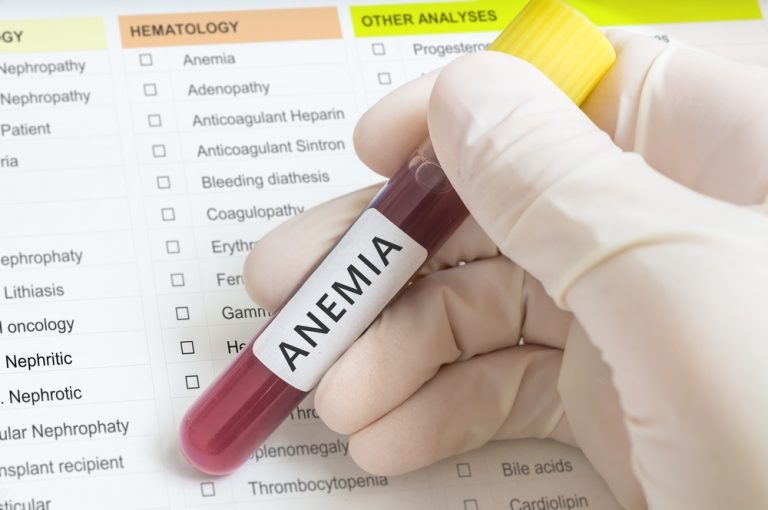
AstraZeneca plc (LON: AZN) have posted positive results in a developing a new Anaemia drug which the firm has been working on over the last few months.
The trading update gave further insight into analyses of a Roxadustat drug trial for the treatment of patients with anaemia from chronic kidney disease showed positive efficacy and no increased risk of major adverse cardiovascular events.
The development of the new medication comes at an important time for AstraZeneca, as competitors such as Pfizer (NYSE: PFE) smashed analyst expectations, and GlaxoSmithKline (LON: GSK) posted a bullish third quarter update.
The Cambridge based firm also mentioned a collaboration deal with US based FibroGen (NASDAQ: FGEN) for Roxadustat, saying that “pooled efficacy analyses from Phase III programme showed that roxadustat did not increase the risk of cardiovascular events”
Mene Pangalos, AstraZeneca’s executive vice president for BioPharmaceuticals research, said: “These highly anticipated results reinforce our confidence in the potential of roxadustat to address significant unmet medical needs among patients with anaemia from chronic kidney disease, particularly for those who have recently started dialysis.”
“The pooled analyses showed incident dialysis patients receiving roxadustat had a lower risk of cardiovascular events which is important as these patients may experience higher rates of morbidity and mortality than those on stable dialysis,” Pangalos added.
The FTSE100 (INDEXFTSE: UKX) listed firm won the approval for Roxadustat in China recently, and also has access to the Japanese market for the treatment of dialysis patients with anaemia from chronic kidney disease.
The data from the pooled efficacy and cardiovascular events safety analyses of Roxadustat, together with other statistical analyses, will form part of the regulatory submission in the US, which is anticipated in the final quarter of 2019, AstraZeneca said.
Analysts at Liberum told clients these results should be enough for regulatory approval, with the drug becoming “yet another blockbuster drug” for the FTSE 100 group, indicating at least US$1bn in annual revenue for the company.
Broker Shore Capital previously said Roxadustat has the potential to add up to $5billion to AstraZeneca’s annual revenue.
Despite the positive update, shares of AstraZeneca slipped 0.3% to 7,255p. 11/11/19 12:13BST.
Update: Just Eat takeover deal

The ongoing saga to finalize the takeover deal of Just Eat (LON: JE) continues to head lines, as Prosus (JSE: PRX) have maintained their bid on Monday morning.
Last week, it was reported that rival Takeaway.com (AMS: TKWY) was set to formalize a deal, however similar to the first approach Prosus have appeared to hamper the plans.
Prosus held their ground on the $6.3 billion bid that they submitted, as it argued the merits of its bid versus one from Takeaway.com for the British online takeaway delivery firm.
The one change in the offer published on Monday by the Dutch arm of South African internet giant Naspers (JSE: NPN) was an acceptance threshold lowered to 75% from 90%, which could swing the deal in favor of Prosus.
“We actually believe that financial markets are under- estimating the cost of implementing the transformation Just Eat requires to protect its market position and to capitalise on its long-term opportunity,” Prosus CEO Bob Van Dijk said.
Prosus has offered an unsolicited cash offer of $6.3 billion, or 710 pence per share, for Just Eat.
Even if this bid were to be accepted, regulators may seem skeptical about the deal following investigations into rival Deliveroo being taken over by Amazon (NASDAQ: AMZN).
Additionally, the bid that was submitted by Prosus was higher than £4.7 pound all-share deal that Just Eat’s board has agreed with Takeaway.com whose shares have fallen since it made its initial bid in July.
Just Eat on Monday said the unchanged Prosus offer “significantly undervalued” it, both as a standalone company and in combination with Takeaway, and it continued to recommend shareholders to reject it.
Prosus CEO van Dijk told journalists on a conference call that Takeaway’s modest investment in delivery capacity might be a viable strategy for now in the Netherlands and Germany, but it would not work in London and many other markets, as reported by Reuters.
Takeaway CEO Jitse Groen said his bid offered superior future growth opportunities to both groups of shareholders.
As the ongoing saga continues in the three way saga, shares of Just Eat have been volatile.
After the Prosus negotiation this morning, Just Eat shares dipped 0.3% to 735p. 11/11/19 11:55BST.
HSBC and RBS set to launch new digital banking platforms
HSBC (LON: HSBA) and RBS (LON: RBS) have told customers and shareholders that they plan to launch a new digital banking platform amid stiff competition and a period of tough trading in the global banking scene.
HSBC rolled out a new app-based business banking service – previously known internally as ‘Project Iceberg’ and now named ‘HSBC Kinetic’ – in beta testing mode on Monday, while RBS is putting the finishing touches to its new digital bank Bo ahead of a public roll-out later this month.
Both HSBC and RBS have seen a tough period of trading, as HSBC undertake a series of structural and operational changes as highlighted in their poor third quarter trading update.
Whilst competitors such as Standard Chartered (LON: STAN) and Bank of Ireland (LON: BIRG) have posted bullish updates, HSBC and RBS have felt the need to address the slump in trading.
HSBC Kinetic will offer small businesses mobile-managed current accounts, overdrafts and spending and cashflow insights generated by the app crunching data on a company’s spending habits.
Peter McIntyre, head of UK small business banking for HSBC, said the bank hoped to sign up hundreds of thousands of customers to Kinetic and to roll it out to other countries where HSBC operates.
McIntyre alluded to the tough political and economic conditions, however was not put off in releasing HSBC Kinetic, with recent official data showing company insolvencies hit a five and a half-year high in the third quarter this year.
“I think this is the best time to do it, to bring more financial insight to customers at a difficult time,” he added.
RBS’s standalone bank Bo is preparing for a public launch this month from offices in London’s West End.
The Bo app is designed to encourage customers to budget and save better, alerting them if they overspend.
Both the British banking titans will have to find ways to stimulate demand despite tough trading conditions, otherwise they could see a crash as Deutsche Bank (ETR: DBK) are currently facing.