We are not implementing these changes lightly and have consulted widely with those affected. There is no single solution to protecting salmon stocks; reducing the catch of salmon can only partly contribute to the recovery of salmon stocks.”
However, the shortages are not limited to the UK’s waters, with global salmon levels continuing to deplete alongside other marine life. In fact, according to statistics, 90% of world marine fisheries are overfished or fully fished, with numbers only set to decline further, as high levels of plastic continue to pollute the world’s oceans at a remarkably rapid rate. It’s not just government agencies that are ramping up efforts to improve the sustainability of the fishing industry. Recently launched businesses, such as Pure Salmon, are championing a more socially conscious brand of fishing. Specifically, Pure Salmon, a business developed by 8F Asset Management, is set to employ a technology called ‘Recirculating Aquaculture System (RAS)’ across its farms. The business has said that the land-based alternative to fishing is a ‘proven and scalable method of aquaculture’. Alongside promoting a more sustainable approach to fishing, the new technology is also set to ensure that its salmon produce is free of any chemicals, antibiotics, hormones, mercury and microplastic. Moreover, because the fish will be produced closer to consumers, it hopes to achieve lower levels of harmful carbon emissions due to reduced transportation costs. Stephane Farouze, Chairman and Founder of 8F, commented on the launch of the business: “We’re delighted to be launching what is the most exciting global development in land-based Atlantic salmon farming. We believe that RAS technology will be the leading driving force for growing salmon in a resource strained world, where producing sustainable food without further damaging our oceans is paramount.” Whilst businesses such as Pure Salmon are leading the way in revolutionising fishing for the better, there is still some way to go to truly preserve the world’s oceans, amid staggering levels of plastic pollution. Nevertheless, public awareness of the issue is on the rise. In fact, ‘single-use’ was recently named the word of Collins’ Dictionary’s word of the year for 2018. What’s more, government’s too are increasingly beginning to prioritise the issue. Back in October, the European Parliament voted for a complete ban on various single-use plastic goods. The Environment Agency’s latest legislation decision is only a further indication of the strength of the growing momentum behind the cause.The Environment Agency introduces fishing restrictions to target salmon shortages

GDP 2019 – Britain falls in rankings
EU reveals no-deal Brexit plans
RBS names new finance chief
888 remains confident for full-year results, shares rise
Fall in oil prices sends UK inflation to 20-month low
Barclays fined $15m over whistleblower controversy
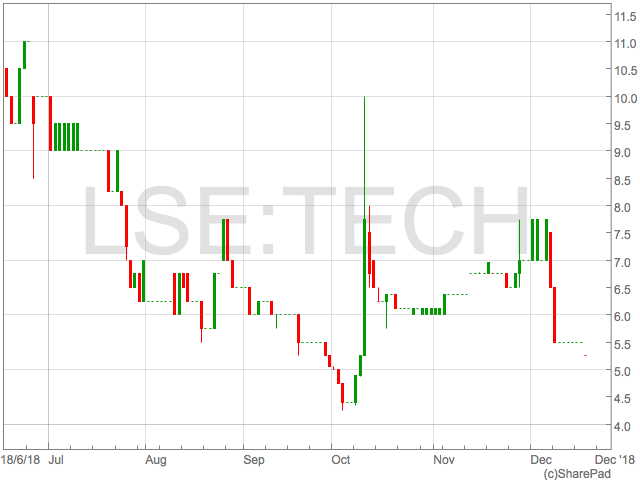
TechFinancials harnesses Blockchain to enter the Diamond trading and ticketing market
CEDEX
The CEDEX platform allows investors to invest and trade in diamonds as they would any other financial asset class. The platform harnesses Blockchain technology to give investors the power to trade diamonds with the liquidity and transparency not previously seen in the market. TechFinancials has a 2% interest in CEDEX Holdings, the holding company of the CEDEX exchange. TechFinanicals have an option to acquire a further 90% of CEDEX Holdings. CEO Asaf Lahav commented on the launch: “We are delighted to have played a pivotal part in the launch of the first blockchain-based diamond exchange in the world. This milestone achievement is testament to the innovative capabilities of both CEDEX and TechFinancials to build a new, ground breaking platform and we look forward to updating the market on its progress in due course.”Footies
Signalling TechFinancial’s growth into new markets, the group have signed a binding agreement with Footies to create NewCo, a sports ticketing solution to control revenue loss in the secondary ticket market. The secondary ticketing market has been the subject of scrutiny this year as event organise attempt to reduce over inflated prices of tickets being sold in the secondary market. NewCo’s solution will provide a Blockchain-based solution to provide greater control over the path of tickets once issued to produce economic benefits from both the issuers and fans. NewCo will be led up by ex-CEO of Liverpool Football Club, Ian Ayre who has been appointed chairman. Ian Ayre commented: “I am delighted to be involved in the establishment of such an exciting and innovative company in partnership with TechFinancials. There is huge demand for the secondary ticketing market in the sporting industry to be revolutionised in order to make it fully transparent and to make sure that a fairer deal is ensured for both the venues and the customers. For years, both of these parties have suffered at the hands of ticket touting, and we aim to solve this by making it a more secure and stable market. “Supported by TechFinancials’, I look forward to developing and growing the business to transform the way organisations handle their events more effectively, for the benefit of all involved in the ticketing process.” TechFinancials will have a 75% stake in NewCo with Footsies holding 25%.
Half Year Results
The announcements came after the company released interim results that highlighted the transformational nature of 2018 for TechFinancials.
The group posted revenues fo $3.78m for the first half, down 46% for the same period a year prior.
Despite a disappointing first half, the group is well positioned for further investment with a cash position at the end of the first half of US$2.86m.
New blockchain trading technology business produced revenues of US$1.3m (H1 2017: $0).
TechFinancials (LON:TECH) has recently received a $1.7m dividend pay-out by DragonFinancials, their 51% owned subsidiary operating a trading platform targeting the Asia Pacific Region. Bushveld Minerals rallies after last week’s dip
FCA fines Santander £32.8m for “serious failings”
“To the firm’s credit, once these problems were notified to the board and senior management, they were fixed properly and promptly. But recognition of the problem took too long. Firms must be able to identify and respond to problems more quickly especially when they are causing harm to customers.”
Over 40,000 customers have been affected by the bank’s failings, which failed to its probate and bereavement process between 1 January 2013 and 11 July 2016.
The chief executive of Santander (BME: SAN) said: “Santander is very sorry for the impact these failings have had on the families and beneficiaries affected.”
“We have now transferred the majority of customer funds and made significant improvements to our whole probate and bereavement process, ensuring we provide both a sensitive and efficient service to our bereaved customer representatives and those who are managing the estates of people who have passed away,” he added.
Santander warned in October that Brexit will have “significant” impacts on results. The group’s net profit fell 8.8% year-on-year in the second quarter of this year.
“There remains significant uncertainty as to the respective legal and regulatory environments in which we and our subsidiaries will operate when the UK is no longer a member of the EU,” said the bank about Brexit impacts.
“This uncertainty, and any actions taken as a result of this uncertainty, as well as new or amended rules, may have a significant impact on our operating results, financial condition and prospects.”