SMMT: UK new car market declines in 2019

New data revealed on Monday that the UK new car market declined in 2019 as a result of general political and economic turmoil.
The Society of Motor Manufacturers and Traders revealed that UK new car registrations dropped by 2.4% last year to 2.3 million.
Annual registrations declined for the third consecutive year.
The trade association said that this was caused by “weak business and consumer confidence, general political and economic instability and confusion over clean air zones”.
Last year was a turbulent one for UK politics. With the Brexit extension delayed several times, an attempt to prorogue parliament and a general election all in one year, uncertainty dominated Britain’s political landscape.
Despite the yearly decline, the UK car market is still the second largest in the European Union, behind Germany.
“A third year of decline for the UK new car market is a significant concern for industry and the wider economy,” Mike Hawes, Chief Executive of the Society of Motor Manufacturers and Traders, commented on the data.
“Political and economic uncertainty, and confusing messages on clean air zones have taken their toll on buyer confidence, with demand for new cars at a six-year low,” the Chief Executive continued.
“A stalling market will hinder industry’s ability to meet stringent new CO2 targets and, importantly, undermine wider environmental goals. We urgently need more supportive policies: investment in infrastructure; broader measures to encourage uptake of the latest, low and zero emission cars; and long term purchase incentives to put the UK at the forefront of this technological shift.”
Mike Hawes continued: “Industry is playing its part with a raft of exciting new models in 2020 and compelling offers but consumers will only respond if economic confidence is strong and the technology affordable.”
Petrol cars saw a modest growth of 2.2%, but this did not offset the 21.8% decline in diesel registrations. The Society of Motor Manufacturers and Traders said that anti-diesel rhetoric and confusion over clean air zones impacted demand.
Plus500 speculate on lower annual earnings causing shares to dip over 4%

Plus500 Ltd (LON:PLUS) have speculated on lower annual earnings on Monday, which has seen shares in red.
Plus500 is an international financial firm providing online trading services in contracts for difference, across more than 2,000 securities and multiple asset classes.
The firm has seen its shares dip 4.9% to 811p on the announcement. 6/1/20 11:20BST.
The firm said that shareholders can expect a substantial drop in earnings and revenue across 2019, following a “period of change within the industry”.
The firm said that its earnings before interest, taxes, depreciation and amortisation is expected to be $190 million, on revenue of $354 million, which will worry shareholders.
This would see the firm drop its earnings by over 62% from 2018, and a 50% fall in revenue.
However, it was not all gloomy news for shareholders as the firm said that it gained a boost in the second half of the year which allowed results to recover, it still seems there is much work to do where competitors such as CMC Markets (LON:CMCX) have seen stability.
Chief Executive Asaf Elimelech said, “We finished the year in good financial and operational shape following a period of change for the industry, which has provided a more certain regulatory outlook for Plus500. I am encouraged by the momentum we have shown in the second half, reflecting continued optimisation of our marketing spend, enhancements to our customer service, and improvements in our proprietary technology platform.”
“Looking to 2020 we are confident of the prospects for the group as we focus on further strengthening our customer offering and market positions”, he added.
Third Quarter seems to have saved Plus500
At the end of October, the firm saw revenue and earnings grow in their third quarter, something which the firm alluded to today.
For the quarter ending September 30th, the online contracts-for-differetnt trading service reported revenue of $110.6 million, showing a 10% climb from the $100.1 million figure posted a year before.
Notably, there was a significant increase from the second quarter results where revenues increased 18% from the $94.1 million figure in Q2.
Chief Executive Asaf Elimech commented on the third quarter, saying: “Underlying operational performance and new customer acquisition metrics remain robust. We are confident we can continue to outperform our peer group in terms of customer acquisition, by maintaining the level of highly targeted marketing investment to exploit market opportunities as they appear, with these new customers expected to provide incremental revenues in due course”
There was also consumer gains, where revenue per user increased 1.6% to $997 from 2018’s third quarter figure of $981 and a bigger increment of 15% from the second quarter’s $866.
EBITDA also increased by 39% year-on-year to $70.1 million whilst Ebitda margin widened to 63% from 50% the year before and 57% in the second quarter.
Where Plus500 seem to have struggled, the second half performance of last year will give shareholders something to hold onto.
Plus500 are set to release their 2019 results on February 12, where they will be scrutinized by shareholders and executives.
Anglo African shares crash ahead of Zenith Energy sale

Anglo African Oil & Gas PLC (LON:AAOG) have seen their shares crash on Monday, in a speculative update to shareholders.
The firm said that it has agreed a deal with both Riverfort (LON:RGO) and Zenith Energy (LON:ZEN) for two separate financing deals to allow the company to continue operating.
Zenith are set to purchase an 70% stake in Anglo African Oil & Gas’s Congo subsidiary for £1 million under a sale and purchase agreement.
The deal has been put on hold however as Anglo African Oil & Gas shareholders have yet to approve the deal.
Anglo already hold a 56% interest in the Tilapia field in the Republic of the Congo. Once the transaction is complete, Anglo African Oil & Gas will become a cash shell on AIM.
It intends to use the proceeds from the disposal to finance its day-to-day operations and consider potential reverse takeover options.
The firm said that due tot timing, it will not have sufficient cash to allow it to continue as a going concern beyond the start of February.
Anglo African ask Riverfort for guidance
Following the lack of funds and a recent share subscription, Anglo African entered negotiations with Riverfort for a convertible note loan.
However, a deal has not be struck. Riverfort have agreed terms where Anglo will receive an initial tranche of £250,000, if shareholders approve the Zenith deal, and a further £50,000 every month until negotiations over the convertible notes concludes, which leaves shareholders will power.
Zenith has also agreed to advance a £250,000 loan to AAOG to help with its cashflow position. This loan, whilst subject to shareholder approval, is not contingent on the sale of AAOG Congo. The loan is for an initial six month period but may be extended for an additional three months.
Anglo American comments
“When the board entered into the sale and purchase agreement on December 24, the reality facing the company and its shareholders was that AAOG had very limited cash resources, a large debt owing from Societe Nationale des Petroles du Congo with no certainty as to when the debt would be repaid, a significant creditor position both at the plc level and at AAOG Congo, a work programme at Tilapia that was not fully funded and the likelihood of a significant signature bonus attaching to reattribution of the Tilapia Licence which expires in July 2020,” AAOG said.
“The company’s preference had always been to unlock the sums owed by SNPC in order to finance any signature bonus on the licence, regularise the creditor position and initiate the planned work programme. This has not been possible,” AAOG added.
Zenith Chief Executive Andrea Cattaneo added: “We have a bona fide intention to assist AAOG and its shareholders. As announced on December 27, we believe the Tilapia asset has potentially transformational productivity and we look forward to completing the deal in order to begin preparations for drilling activities in TLP-103C as soon as we assume operational control of the asset.”
The issues at Anglo African will be worrying shareholders, and has certainly hit management. David Sefton has stepped down as chairman of Iconic Labs (LON:ICON) over speculation about his involvement with African American, where he was executive chairman until September.Shares of Anglo American trade at 0.48p, crashing 16.52% on the announcement. 6/1/20 11:03BST.
Greggs, Subway and KFC cater for Veganuary
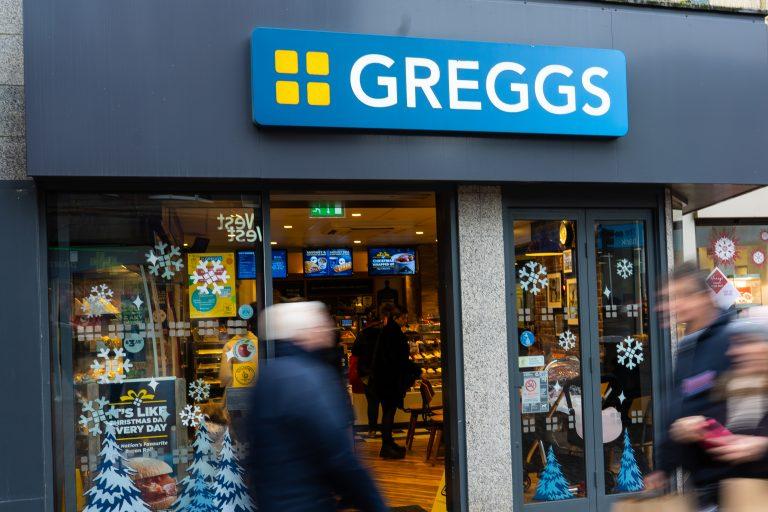
It’s January which means one thing – Veganuary is back. Participants of the challenge switch to eating a plant-based diet, known as a vegan diet, for a month and remove all animal products from their system.
Veganism may seem extreme, but it actually boasts a variety of health an environmental benefits. Consumers of a vegan diet make the switch in hope to reduce their carbon footprint and adopt a generally healthier lifestyle.
Though Veganuary only lasts for the month of January, many people follow a vegan diet permanently.
Whether you agree with Veganism or not, one thing is certain – Veganuary is very popular. Indeed, the campaign saw a record-breaking 250,310 people from 190 countries take part in 2019.
A growing number of UK restaurants have begun to cater for vegans as there is profit to be made, especially in the month of January.
Greggs (LON:GRG) said last year that the launch of its vegan sausage roll helped boost an exceptional sales performance.
Indeed, the bakery chain saw hundreds of thousands of vegan sausage rolls sold in the first week of the product’s launch.
This year, Greggs has launched a new vegan steak bake. It mirrors some of the original steak bake’s classic features, but it’s plant-based.
https://platform.twitter.com/widgets.js Elsewhere, the fast food restaurant chain KFC also decided to take advantage of Vegaunary’s popularity and cater for the diet, launching an original recipe quorn fillet plant-based burger. Subway joined in too, launching a meatless meatball marinara “for everyone”.The time has come. pic.twitter.com/AUP82hPcBj
— Greggs (@GreggsOfficial) January 2, 2020
https://platform.twitter.com/widgets.js These are just a few examples of what’s on offer this month. Next time you see a vegan special on the menu, why don’t you give the product a go? You could be pleasantly surprised by how similar it tastes to its original meat version.You asked so we did! Now there’s a Meatball Marinara for everyone! Try the new Meatless Meatball Marinara today #YourWay #MIWYW
— Subway® UK (@SubwayUK) January 2, 2020
KEFI Minerals get subscription approval from ANS Mining
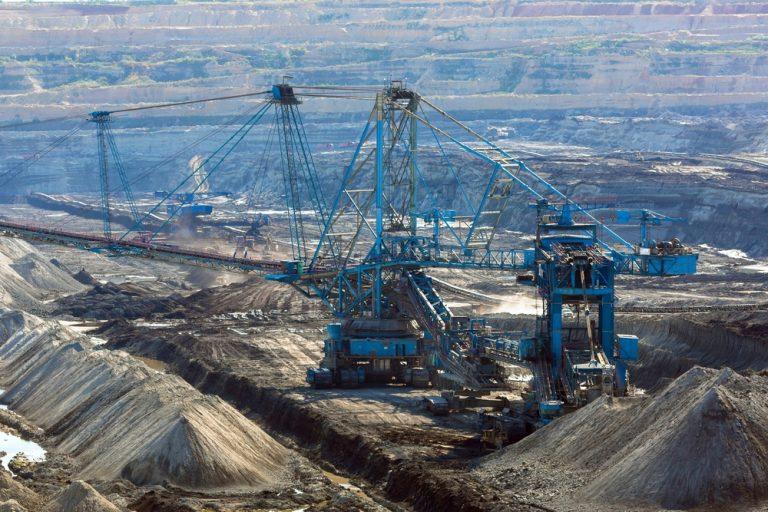
KEFI Minerals plc (LON:KEFI) have told the market that they have seen approval for their Tulu Kapi subscription agreement in an update on Monday morning.
Partner firm, ANS Mining have given the go ahead for the subscription to take place and this has seen shares in green.
The Tulu Kapi project is based in Ethiopia with a Probable Ore Reserve of 1.0 million ounces and Mineral Resources totaling 1.7 million ounces.
KEFI said that the Ethiopia Government would be investing $20 million into this project, with ANS adding a substantial $38 million.
The firm said the company operating the project, Tulu Kapi Gold Mines Share Co, will now receive the first tranche of ANS Mining funding of $9.5 million.
“Kefi greatly appreciates the confidence and commitment demonstrated by ANS Mining, its board of Ethiopian business leaders and its underlying shareholders, which comprise a broad syndicate of strong organisations in the local banking, insurance and investment sectors,” the company said.
Executive Chair Harry Anagnostaras-Adams added: “I am delighted to confirm the signed subscriptions of ANS Mining into the project company. Whilst we have been working closely with ANS Mining for some time and developed an excellent relationship, I am now pleased to be able to welcome them formally as partners.
“Following first funds flow this month we will commence phase one of the community resettlement, trigger debt implementation and detail the final procurement and contractual arrangements with the principal project contractors. These are exciting times and I look forward to updating shareholders over the coming weeks and months as we move forward with the development of Tulu Kapi.”
The development of Tulu Kapi
At the end of November, KEFI were reportedly considering their finance options to fund their Tulu Kapi Project.
The firm said the company operating the project, Tulu Kapi Gold Mines Share Co, has recently been offered a bank-based project finance proposal, which would be an alternative to bond-based financing.
However, it seems that the combination of ANS and governmental funding has given KEFI exactly what they needed to get the operations up and running.
Harry Anagnostaras-Adams, executive chair of both KEFI and TKGM, said: “I am delighted the project has reached this stage, after so many delays and setbacks as the country and the sector were going through quite an amazing change. We have shared the frustrations of our shareholders and our partners, but I now believe the project has encouraging momentum.
“As first mover for modern mining in Ethiopia, we have done the heavy lifting with the authorities and the community and we can now all share the benefits as we advance. It is especially pleasing to see the strengthening of capital market interest and support from capital providers both inside and outside the Ethiopia for the project.”
Finally, the green light was officially given in the first week of December, which saw shares surge.
The firm said that the The first six months of work will be funded by project partners, including the Ethiopian government. KEFI would then plan to draw the bank loan mid-2020.
“We have been very well supported by the bond-lease proposal and now we also have an attractive bank-loan based alternative because capital market support for our project has recently improved markedly, both inside and outside Ethiopia,” said KEFI Finance Director John Leach.
“The expected savings from the preferred bank-based infrastructure finance proposal provide our project subsidiary, Tulu Kapi Gold Mines, with the opportunity to develop and further explore the underground Tulu Kapi deposit and significantly increase value for shareholders, without reducing net cash flows available for other purposes,” he added.
It seems that shareholders of KEFI should remain optimistic on the update provided today.
Share Price
Shares in KEFI trade at 1.57p (+13.60%). 6/12/19 10:47BST.
AstraZeneca receive green light on Lokelma and Farxiga
AstraZeneca PLC (LON:AZN) have received a positive start to 2020, updating the market on two of its drug programs.
AstraZeneca said that the Lokelma drug has been approved in China for the treatment of hyperkalaemia and Farxiga granted a priority review by the US Food & Drug Administration.
Lokelma was approved by the National Medical Products Administration, based on positive results from the clinical trial program. The results showed that patients receiving the product experienced a sharp, sustained reduction of potassium in the blood.
Lokelma is used to treat conditions such as hyperkalaemia which is diagnosed by high level of potassium in the blood, which can lead to many other long term health complications.
Additionally, Farxiga had received the green light from the Food & Drug Administration in the United States.
The drug also granted the medication a priority review for reducing the risk of death in patients with heart conditions.
The new drug application was based on results from the phase III DAPA-HF trail publishing in September 2019, which demonstrated that Farxiga reduced the outcome of heart failure worsening, compared to placebo.
Astra Comments
“This approval marks an important milestone for more than two million patients in China who suffer from hyperkalaemia. Lokelma will offer the opportunity for patients and physicians to achieve long-term disease control and potentially reduce the risk of acute episodes, which can have serious, even life-threatening consequences,” said Mene Pangalos, executive vice president for Biopharmaceuticals R&D.
“Farxiga is well established in the treatment of type-2 diabetes and this Priority Review shows its potential to also impact millions of patients with heart failure. If approved, Farxiga will be the first and only medicine of its kind indicated to treat patients with heart failure,” Pangalos concluded.
AstraZeneca continue the good form into 2020
In December, Astra announced two updates which would have pleased shareholders.
Deepmatter Group PLC (LON:DMTR) saw their shares rally following a pharmaceutical technology collaboration with AstraZeneca. The firm joined forces with the FTSE 100 giant in a digital technology venture, designed to speed up the drug delivery process.
Additionally, the firm have continued their expansion into China. Astra told shareholders that they had joined forces with Merck & Co (NYSE:MRK) to receive marketing authorization from China’s National Medical Products Administration for their Lynparza drug.
As well as receiving the marketing approval, Astra also told shareholders that they had planned to create a both a research centre and am artificial intelligence innovation center both in Shanghai, and a “first-of-its-kind” healthcare industrial fund with China International Capital Corp Ltd (HKG:3908).
Shares in AstraZeneca trade at 7,572p. (-1.81%). 6/1/20 10:31BST.
Impact Investing vs ESG Investing

The propensity for investors to seek out investments that provide some good to the world is growing. The area of ethical and socially responsible investing isn’t new but it is enjoying a greater degree of interest and this article sets out to break down the key differences between two key areas; ESG and impact investing.
Environmental, Social and Governance (ESG) Investing
Environmental, Social and Governance (ESG) investing relates largely to the internal operations of a company and the nature of their products. The concept sets out to find companies that are acting in an ethical and responsible manner at board level which is then transfer throughout the organisation and into the wider business ecosystem. ESG Investing aims to seek out companies that are acting in a way deemed to be responsible and avoiding companies that are not. In its most simplest form ESG investing involves avoiding companies seen to be unethical such as tobacco, defence and alcohol shares. More advanced ESG Investing can include the adding of filters in a screening process that seek out companies taking care to ensure their business processes are highly ethical and that they operate in responsible supply chains.Impact Investing
Impact Investing takes the concept of ESG Investing to the next stage by seeking out investments that are making a measurable positive impact and a financial return. The Global Impact Investing Network defines impact investments as ‘investments made with the intention to generate positive, measurable social and environmental impact alongside a financial return.’ Impact Investing differs from ESG Investing in as far as the external positive impact of the business is the key element of Impact Investing, as opposed to just ensuring internal processes are conducted ethically and responsibly. Impact Investing focuses on particular sectors in which an impact can be made, whereas ESG Investing can span most sectors and industries as long as the individual companies demonstrate ESG responsibility. Sectors receiving capital investment in the way of Impact Investments include renewable energy, housing, Microfinance, healthcare, education and recycling. What makes impact investing particularly interesting is the need for a measurable impact as an outcome of the investment. For example, the number of children educated by an investment in an African education solution provider or the amount of energy produced by a hydro electricity facility.Due to the relative infancy of the industry, methods for measuring impact differ throughout the industry, with asset managers leading the way in developing and implementing measures.
Portfolio Construction
Looking at the portfolios of Impact Investing funds and comparing them to the portfolios of funds designated ESG, the difference between the two becomes more apparent through the types of companies included. ESG funds, that tend to include ‘Sustainable’ or ‘Responsible’ in their names, commonly have shares such as Microsoft, Apple, Procter & Gamble and Prudential in their top ten holdings. These shares are included not because they are setting out to tackle a particular problem, rather their business practises are deemed to be sustainable, ethical and responsible. Now compare this with funds designated as ‘impact’, you will see companies such as Rayonier, a sustainable timber company, and healthcare company Novo Nordisk, whose core business operations are focused on making a positive impact.Impact Investing Guide
To learn more about Impact Investing, you can download a guide to Impact Investing here


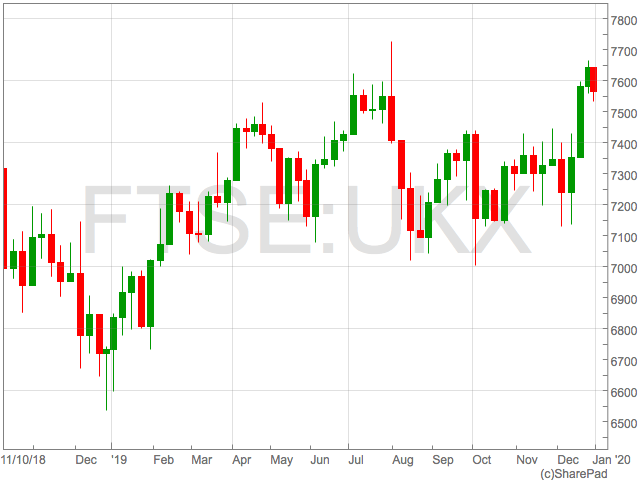
FTSE 100 rises 12% in 2019 but underperforms US and European indices

The FTSE 100 has closed 2019 up 12% following a Santa’s Rally through December.
Despite posting a fairly respectable gain of 12%, the FTSE 100 lagged behind major indices in Europe and the United States.
The German Dax rose 25% while the French CAC 40 added 26% in 2019.
In the United States, where markets are set to close later tonight, the Dow Jones is on for a 22% gain while the market capitalisation-weighted S&P 500 is heading for a 28% gain.
Factors such as a strengthening pound, uncertainty over Brexit and a disappointing years for oil companies BP and Shell, who account for a large proportion of the FTSE 100, can be attributed to the FTSE 100’s underperformance in 2019.
Shaking off wider concern over the health of the high street, sportswear group JD Sports was 2019’s highest rising FTSE 100 share with a rise of 140%.
Aveva plc, an Information Technology group specialising in Cloud, IoT, AI and Virtual Reality solutions, was the FTSE 100’s second highest riser posting gains of 91%.
Both of the two top FTSE 100 risers had been promoted to the FTSE 100 from the FTSE 250 during 2019.
It was a close race to the bottom of the pile with Centrica and NMC Health down 34% and 35% respectively.
Centrica was set to take the crown of 2019’s worst performing share we it not for a short selling attack on NMC Health. Muddy Waters highlighted potential accounting irregularities at the middle eat focused health care group in late December which saw the group’s share price destroyed after which, up until that point, had been a relatively good year for them.
Of course NMC Health and Centrica are the FTSE 100’s worst performers in 2019 because they remain in the index, companies such as easyJet, Hikma Pharmaceuticals an Wood Group had been relegated to the FTSE 250 early in the year after a period of share price pressure.