
Next gets boost from October sales
NEXT plc (LON: NXT) have received a boost after sales recovered in October following poor August and September trading.
After a poor start to Autumn trading, shareholders of Next would have been worried about future profits following slow business revenues and a tough market climate.
The statement from the FTSE100 (INDEXFTSE: UKX) listed firm speculated giving caution to shareholders saying that it did not expect growth for the rest of the year to be as strong as this month’s.
The group, which runs nearly 500 stores in the UK and Ireland, about 200 stores in 40 countries overseas, maintained its profit and sales guidance for the full 2019-20 year.
Next added that full price sales including interest income rose 2% in its third quarter to Oct. 26, slightly ahead of a forecast given in September.
In September, reports were issued by Next about slowing sales and a “disappointing” start to autumn trading, attributing it to unusually warm weather in parts of Britain rather than shoppers holding back on buying new clothes due to uncertainty over Brexit.
Next were not the only clothing retailer to face tough conditions and slowing revenues, as brands such as Laura Ashley (LON: ALY) and Superdry (LON: SDRY) have had to adjust their strategies following post Brexit operations.
“We believe the improved sales growth in October recouped some of the lost sales in September and we do not expect sales growth for the rest of the year to be as strong as October,” Next said.
Next’s third-quarter outcome illustrated the clothing industry’s structural shift from stores to online. While sales in Next’s stores were down 6.3%, online sales were up 9.7% showing a potential expansion opportunity in online business.
For 2019-20 Next foresees full-price sales up 3.6% and pretax profit of £725 million, a 0.3% rise on the 2018-19 outcome, with earnings per share growth of 5.2%, reflecting share buybacks.
Analysts at Peel Hunt said a Dec. 12 election date is not a bad one for the industry, “Black Friday (Nov. 29) may be slightly affected by pre-match nerves, but a clear (election) outcome may be enough to give the sector a fillip into Christmas and the key big ticket selling period,” they said.
Next CEO Simon Wolfson, a prominent Conservative “Leave” supporter has said Brexit will only materially affect consumer spending in the event that it triggers inflationary pressure on prices or logistical problems at British ports. Next does not expect its own prices to rise.
Currently, shares of NEXT Plc are trading at 6,632p per share. 30/10/19 12:29BST.
Bank of Ireland trading update meets market expectations
Bank of Ireland Group plc (LON: BIRG) have released their third quarter trading statement this morning, and have said their income totals have meet management and market expectations.
Bank of Ireland commented that the economic growth in its core markets of Ireland and UK remained “positive”, despite the “ongoing uncertainties” related to the UK’s decision to leave the EU.
“The group continues to deliver against its 2021 strategic targets for loan book growth, transformation and cost reduction together with the ambition to grow its wealth and insurance business,” the Irish lender said.
In the nine months leading up to September 30th, the firms seniority said that net interest income and business income was inline with expectations.
In the first half, the lender recorded Net Interest Income of €1.07 billion, which was down slightly on the year before.
“As guided in July, full year NIM is expected to be slightly lower than 2.16%, reflecting the lower interest rate environment,” it added.
The announcement comes timely, after other global banks such as HSBC (LON: HSBA) reported third-quarter pre-tax profits fell 18% from a year ago, and Deutsche Bank AG (ETR: DBK) continue to scale back their operations.
“As guided in July, full year NIM is expected to be slightly lower than 2.16%, reflecting the lower interest rate environment. The group continues to maintain strong commercial pricing discipline with loan asset spreads remaining stable,” the lender added.
Additionally, the Bank of Ireland reported a 3% cut in costs from the year before.
Bank of Ireland recorded €1.5 billion of net lending growth in the nine-month period, which is 800 million higher than in the same period a year ago.
The lender attributed the growth to portfolio acquisitions, which was partially offset by non-performing loan securitisations.
“The extension of the group’s longstanding partnership with the Post Office has further enhanced alignment of both parties, to drive mutual benefits, and is consistent with the group’s strategy to improve returns in our UK business,” the bank said.
“The group’s market share of new mortgage lending in Ireland averaged about 23% in the first 8 months of 2019 with strong positive momentum in market share of mortgage applications during the quarter. While SME lending demand has been impacted by Brexit uncertainty, we continue to deliver good year on year growth in both application and drawdown activity,” the Irish Bank concluded.
Shares of Bank of Ireland are valued at €4.25 per share, rising 0.81%. 30/10/19 12:02BST.
Empresaria shares drop on profit warning

Empresaria Group plc (LON: EMR) have seen their shares sink after they issued a warning to shareholders on profit expectations in comparison to the year before.
For 2019, Empresaria expects adjusted pretax profit to be roughly £9.0 million, a drop from £11.4 million the year before.
As the uncertainty of Britian’s stance with the EU continues to shroud over British business, Empresaria have said that profits may be lower than expectations due to slow market conditions.
Empresaria are one of many firms including De La Rue (LON: DLAR) and Dunelm (LON: DNLM) who have alluded to Brexit complications causing slowing business revenues.
The company’s European operations have been affected by a slowdown in the German automotive sector.
Additionally, the group said that its Engineering business was hurt by challenging market conditions and an adverse impact from Brexit.
With material declines in revenue, Empresaria expects the Engineering business to report an annual adjusted operating loss of £1.5 million, which may pose worries to investors.
“While we are disappointed by the performance of our Engineering sector and the challenging economic environment, we believe we are taking the right actions for the long-term benefit of the group. We have a strong, profitable and cash generative business that is being positioned for further growth in net fee income and profitability,” said Chief Executive Officer Rhona Briggs.
As a result of poor trading and deteriorating trading figures, Empresaria have conducted a material restructuring of the business and operations, which is expected to be completed by January 2020.
Action taken includes aligning the group into core sectors, identifying synergies with brand and markets, and identifying cost synergies, including rationalising back office support.
The firm has said their say commenting “Significant actions have been taken in the impacted businesses in the UK and Germany to right size their cost base with the full benefit of this expected to come through in 2020,”
Currently, share of Empresaria are trading at 44.5p per share, falling 11.89%. 30/10/19 11:45BST.
Smurfit Kappa shares rise as eco-trend spreads

Smurfit Kappa Group Plc (LON: SKG) have reported strong yearly growth in a trading update provided on Wednesday.
The Dublin based packaging firm said it delivered a “strong performance” in the year-to-date.
For the nine months, ending on September 30th revenue was up 3% to€ 6.85 billion and earnings before interest, tax, depreciation and amortisation 11% higher at €1.26 billion.
The FTSE100 (INDEXFTSE: UKX) listed firm also reported that Ebitda margin increased 140 basis points to 18.3%.
Key metrics have been at, or ahead of, stated targets, said Smurfit. This performance “continues to demonstrate the strength and resilience of the group’s business model”, the company said.
This comes at a good period for Smurfit Kappa, as they seem to have captured a packaging market which is increasingly moving towards eco-trends.
Competitors such as Mondi Plc (LON: MNDI) and International Paper Co (NYSE: IP) will have to respond quickly in these gains that Smurfit Kappa have made.
“While there have been, and continue to be, obvious macro-economic and political challenges, SKG’s very strong performance against this backdrop shows, once again, the quality of our business and the benefits of our geographic diversity,” said Chief Executive Tony Smurfit.
“Consumers are increasingly demanding sustainable packaging solutions and with our unique applications, knowledge and expertise in paper-based packaging we are ideally positioned to take advantage of this mega trend,” he noted.
The change to sustainable packaging will set an example to all firms in the industry, as the rise of eco products continues to be a priority on firms’ agendas.
Notably, American operations also grew approximately 2% with continued EBITDA and EBITDA margin improvement year-on-year.
Steve Miley, a senior market analyst at www.asktraders.com, said: “What’s not to like? Key metrics for Smurfit Kappa were in line with or ahead of stated targets. Whilst the firm isn’t immune to macroeconomic headwinds, the paper packaging firm is finding itself in a increasingly advantageous position.
David O’Brien, equity analyst at Goodbody commented: “Smurfit Kappa reports solid results in Q3 against a backdrop of industry headwinds and well documented macro-economic and political challenges which are impacting other industry players more sharply.
O’Brien concluded “The factors driving Smurfit Kappa’s positive performance are twofold: its integrated business model and continuous drive to innovate set it apart from its peer group. The business is a leader in innovation which enables it to harness key trends including the rise of e-commerce and increasing consumer demand for sustainable packaging solutions. Corrugated demand appears to have picked up in October with the UK noting an up-tick.”
Currently, shares of Smurfit Kappa Group Plc are trading at 2,558p per share. 30/10/19 11:25BST.
Standard Chartered make third quarter gains
Standard Chartered PLC (LON: STAN) have reported strong pre-tax profit gains in their third quarter trading update.
In the trading update released on Wednesday morning, pre-tax profit for the three months that ended in September grew 16%.
However, there was warning about growing headwinds including falling global growth rate and tough market conditions following Brexit complications.
Pre-tax profit came at $1.24 billion compared to $1.07 billion reported last year.
Net profit for the quarter was $772 million, increasing 3% from the $752 million Standard Chartered reported a year ago.
This is a positive note from Standard Chartered, after it was noted that rival HSBC (LON: HSBA) reported third-quarter pre-tax profits fell 18% from a year ago, despite strength in its Asian operations.
HSBC on Monday said it no longer expects to reach its return target of more than 11% in 2020 due to testing market conditions.
Additionally, rivals such as Lloyds Banking Group PLC (LON: LLOY) and Deutsche Bank (ETR: DBK) have experienced slow business performance in the last six months.
Standard Chartered earlier this year announced plans to increase returns and dividends over the next three years by cutting $700 million in cost and targeting income growth between 5% to 7%.
Group CEO Bill Winters said: “Our strategy of the last few years has progressively created a stronger and more resilient business as evidenced by a 16% increase in underlying profits in the third quarter. The continuing execution of that strategy remains our priority, enabling us to face the more challenging external environment confidently.”
Standard Chartered are a globally operating bank, having operations in Asia, Africa, and the Middle East whilst its headquarters are situated in London.
The bank also added that operations in North America and China brought in $1.58 billion, a 2% increase on-year, whilst income grew in Hong Kong, Korea and China.
Notably, Standard Chartered said its corporate and institutional banking operating income grew 13% to $1.87 billion, retail banking was up 4% from a year ago to $1.32 billion. Private banking income increased by 14%.
For its outlook, the bank said it continues “to focus on executing our strategy with the objective of delivering a 10% return on tangible equity by 2021” but flagged “growing headwinds” such as geopolitical tensions and expectations of “declining near-term global growth and interest rates.”
Currently, shares of Standard Chartered are trading at 713p per share, rising 2.71%. 30/10/19 11:09BST.
Third Quarter updates shows progress for Computacenter

Computacenter plc (LON: CCC) have released their third quarter trading statement, which shows revenue and profits ‘well ahead’ of 2018 figures.
The strategy included the drive to digitalise helps to offset “challenging” economic conditions.
Computacenter are one of many FTSE250 (INDEXFTSE: MCX) listed firms who have alluded to tough market conditions being a disruption to revenues.
Well publicised challenging economic conditions are affecting some of our customers however, to-date, this has been more than compensated by the drive to digitalise across the entire marketplace,” it said.
Other firms of note who have issued statements on slowing business revnues include De La Rue (LON: DLAR) and Dunelm (LON: DNLM) as their share price crashed earlier this month.
In the update for the three months ending in September, he company said trading across the group has been “good”.
As outlined, the 2018 figures and expectations have been smashed. As a result Computacenter’s outlook remains in line with its existing expectations, which were upgraded back in July.
“While the fourth quarter is always the most critical to the year’s performance, the board’s confidence with its current expectations continues to strengthen as we progress through the year.”
Additionally, the group saw ‘pleasing’ revenue growth over the comparative quarter within technology sourcing in the UK.
In Germany and Europe, it continued to perform strongly throughout the quarter, with shortfalls from its international sector customers significantly exceeded by increases from the public sector, it said.
In other global operations, the US the company “saw a strong return to both revenue and profitability growth”.
Following the challenging first-half comparison, the group has, as expected, comfortably beaten its prior year third quarter comparative with the positive momentum seen in the first six months of the year continuing throughout the quarter,” the company said.
Shares of Computacenter are trading at 1329p per share, seeing a 5.45% rise during Wednesday trading. 30/10/19 10:50BST.
ConvaTec report solid Third Quarter results
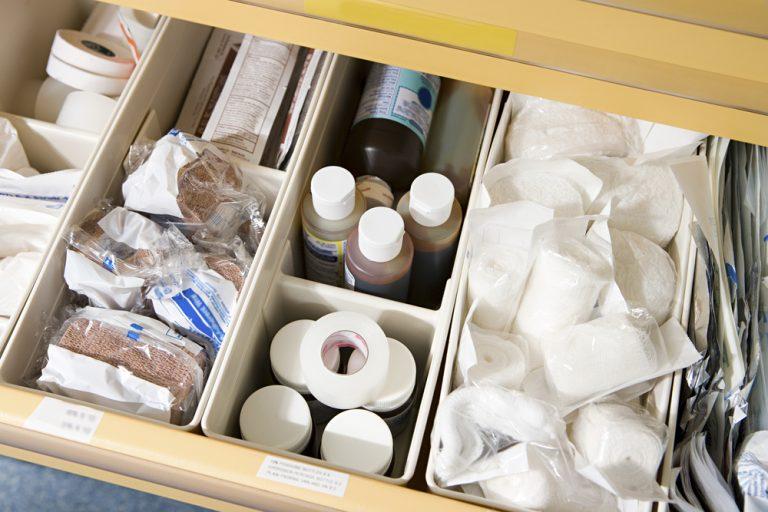
ConvaTec Group PLC (LON: CTEC) have reported solid results and growth reports in their third quarter trading statement released on Wednesday morning.
The achievements and targets were met and stay consistent with management expectations, allowing them to keep their 2019 guidance unchanged.
Following this update, UBS have reinstated ConvaTec’s rating to neutral whilst other firms such have Credit Suisse have informed investors about the trading update.
After a difficult few months of trading, it seems that the wounded reputation of ConvaTec is on the mend.
The medical products and technology firm reported that in the three months ending September 30, total revenue was $462.9 million, 2.4% higher than the $452.2 million reported a year before.
The company reported that the improvement was driven by 4.6% growth in organic revenue.
The growth consolidates ConvaTec’s status in the against other medical supplier firms such as RA Pharmaceuticals (NASDAQ: RARX) and UBS (EBR: UCB) who are set to complete a merger in early 2020.
Group performance was boosted by growth in all of the company’s units – Advanced Wound Care, Ostomy Care, Continence & Critical Care, and Infusion Devices.
“A number of markets in EMEA and Latin America performed well, while we continued to focus on leveraging our specialised and expanded salesforce in the US. There were some distributor inventory movements in the current and prior year which provided a tailwind in the quarter, which we anticipate will partly reverse in the fourth quarter,” ConvaTec explained.
The FTSE250 (INDEXFTSE: MCX) listed medical firm is currently undergoing structural transformation. The first half costs of these changes are estimated to cost $14 million with an anticipated full-year spend of $40 million.
In the nine month period, revenue was $1.35 billion, showing drop of 1.6% – blamed on foreign exchange movements – but growth of 1.5% on an organic basis, CovaTec said.
“The Transformation Initiative remains on track as we continue to implement the improvement projects and we will provide an update on progress with the 2019 results,” the company added
“I am pleased we have reported a solid performance in the third quarter, but this is a small step on the significant journey ahead of us as we focus on pivoting to sustainable and profitable growth. As an organisation we need to get closer to patients, to strengthen our innovation pipeline and to drive a relentless focus on execution excellence,” said Chief Executive Karim Bitar.
In 2018, ConvaTec reported pretax profit of $201.2 million on revenue of $1.83 billion.
Currently, shares of ConvaTec are trading at 198.5p per share, climbing 8.44%. 30/10/19 10:34BST.
De La Rue issues profit warning causing shares to sink
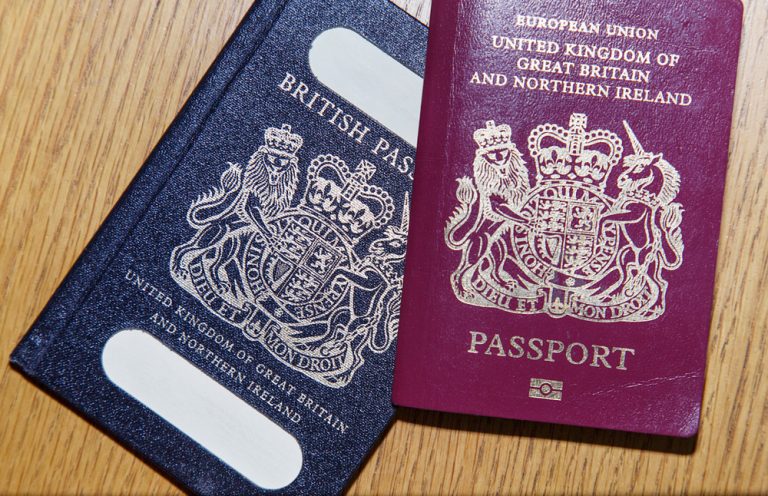
De La Rue plc (LON: DLAR) have issued a warning to shareholders about its profit levels in a press statement released this morning.
Following the announcement, the share price of De La Rue has crashed significantly as the former UK passport printer speculates about tough Brexit market conditions.
Today the company issued a statement saying the following “De La Rue expects H1 2019/20 adjusted operating profits for the half year ended 28th September 2019 to be low-to-mid single digit millions. Full year 2019/20 adjusted operating profit will be significantly lower than market expectations”
This was also added “Management, led by the new CEO, is conducting a detailed review of the business and will update the market further when it reports its H1 2019/20 results on 26 November 2019.”
Additionally, De La Rue has specialized in printing bank notes giving it national recognition.
De La Rue are not the only firm that have speculated about tough market conditions, and will look to recover in the same fashion as the London Stock Exchange (LON : LSE) in its third quarter.
The banknote printer had already warned in May that operating profit for the 2020 financial year would be “somewhat lower” than 2019.
The firm also revealed a 78% sink in profits, before tax to £25.5m in its full-year results in May, down from £113.6m a year earlier.
Following this collapse, the sudden resignation of Chief Executive Martin Sutherland allowed Vacher to take the reigns earlier this month.
Additionally, problems were added when the Serious Fraud Office opened an investigation into the company over summer to probe suspected corruption in South Sudan.
De La Rue have experienced a tough 2019, after losing a British Passport Contract to French rival which lowered revenues.
AJ Bell investment director Russ Mould warned that De La Rue has failed “a major test” for its shareholders.
As a banknote printer in a world going cashless, “if it didn’t exist as a business today, would you really set it up?” he asked.
This poses a lot of questions for shareholders of De La Rue, as British firms such as Dunelm (LON: DNLM) and MoneySupermarket (LON: MONY) continue to be hit by ongoing Brexit complications.
Currently. shares of De La Rue are trading at 149.8p per share, falling 19.89% this morning. 30/10/19 10:13BST.
Pound positive despite likelihood of general election, FTSE slides on BP update

It was a somewhat flat day for British performance indices. That isn’t to say that nothing happened, rather that performance indicators failed to deliver any kind of groundbreaking revelations one way or the other.
BP posted a dismal set of results for the last quarter, which saw the day’s trading get off to a lulling start. This was followed by news that Labour had agreed to a general election on the condition of a No-Deal Brexit being ruled out. After three years of little compromise on either side, it was refreshing to see Labour implementing a measure that it should also apply to Brexit negotiations – namely, being more forthcoming with their support for a deal, on a conditional basis.
Speaking on the Pound and other market indices leading up to the final bell, Spreadex Financial Analyst Connor Campbell stated,
As Britain takes another step towards a general election, the pound held its nerve – the FTSE, on the other hand, had a far rougher Tuesday.”
“Perhaps sensing the inevitable – Boris Johnson, alongside the Lib Dems and SNP, were looking to push the country to the polls regardless of what Corbyn and co. felt – Labour dropped their opposition to a general election, stating their ‘condition of taking no deal off the table has now been met’. A December vote, then, is now basically on, though the exact date of the ballot is still up in the air.”
“Hoping that an election will create some Christmas clarity – however misguided that belief might be – the pound just about swung positive after the news. It didn’t move much, mind, rising 0.1% against the dollar and euro alike.”
“With sterling in the green, a good chunk of its banking and housing stocks in the red, and BP down more than 4% after a terrible set of Q3 results, the FTSE dropped 0.6%. That took the UK index back under 7300, and made it easily the day’s worst performer.”
“In contrast the DAX and CAC fell 0.2% and 0.1% respectively, while the Dow Jones climbed past 27100 despite Alphabet sliding 2% following last night’s third quarter earnings update.”
Elsewhere in political and macro economic news, there have been updates from; new Brexit deal agreed, UK economy looks likely to avoid recession, Hong Kong protester shooting and China’s strategy, the Supreme Court rules against Boris, the collapse of Thomas Cook (LON: TCP), the bid for the London Stock Exchange (LON: LSE), Lloyds Banking Group PLC (LON: LLOY), Barclays (LON: BARC) and Deutsche Bank (ETR: DBK).Fitbit shares move upward by 31% amid offer from Alphabet
Fitbit (NYSE: FIT) shares moves upward by 31% following an offer from Alphabet to takeover the company.